
Memories Matter
Featured blog Posts


READ THE LATEST POSTS

Life Story Links: January 3, 2023
A curated roundup overflowing with recent pieces about memoir writing, personal history preservation, food heritage & family stories—which will you read first?
“Love is listening.”
—Titus Kaphar
Vintage photo of kids on a cold New York City day, created by Morris Huberland between 1940-1979, courtesy of The Miriam and Ira D. Wallach Division of Art, Prints and Photographs: Photography Collection, The New York Public Library Digital Collections.
Meditations on memoir
TURNING PERSONAL NARRATIVE INTO ART
Might we see memoir as a “collaborative inquiry, author and reader facing the same questions from inside their inevitably messy lives”?
NEW YORK MAG PICKS BEST MEMOIRS OF 2022
“Call it hybrid memoir, memoir-plus, researched memoir—the industry hasn’t quite decided—but the blending of personal history with careful analysis of the cultural forces and institutions that inform it has exploded the genre with possibility.”
SCARS TELL A STORY
“Let it play out on the page,” Patricia Charpentier, a Florida–based life writing coach, says of the prompt she discusses in this episode of her Life Writers Vlog: Write about a scar (physical or emotional).
Preserving personal stories
PERSONAL ACCOUNTING
Lamorna Ash’s 2022 diary ran to 52,000 words. “I’ve been toying with giving up my chronic chronicling, perhaps even deleting the evidence,” she writes, “but something always stops me.”
THE WAY YOU TELL YOUR LIFE STORY MATTERS
"Even if no one reads or listens to your tale, you haven’t wasted your time. Reviewing your life…might give you the inspiration to mend some of your ways. It isn’t too late to improve the narrative.”
LOST TO HISTORY, NO MORE
“Much of [animator Bessie Mae] Kelley's story and work was lost to the pages of her own journals and left undocumented—until now.”
Stories and substance
ANIMATED AGAIN
In rare home movies (now archived at the U.S. Holocaust Memorial Museum), Harry Roher’s camera captured what life was like for people in a small community in then Poland, now Ukraine, in 1936.
YOUR MEMORIES, THEIR CLOUD
“As I grappled with all the gigabytes, my concern morphed from losing it all to figuring out what was actually worth saving.” A critical look at storing digital photos and other artifacts of your memories in the cloud.
CARRYING THE DREAMS OF HER FAMILY MEMBERS
“By collecting the images and storing them together in that suitcase, Brooks had created a kind of narrative. It fell to her granddaughter to place it within the larger history of humanity.” Poet Robin Coste Lewis’s family album.
SACRED KEEPSAKES
“When we share a story about another, we invite them back into life.... We ‘remember’ them in this way. Transitional objects provide the opportunity to speak the loved ones’ name, to tell a bit of their story once more.”
THINGS THEY KEEP
In this special episode of Things That Matter with Martie McNabb, six guests from The Quietus House (hosts of a healing grief retreat in February) share things they hold dear that remind them of lost loved ones:
Cook up some memories
PRESERVING RECIPES
“The weakest ink, it turns out, is in fact better than the strongest memory, which is why many people who value recipe preservation view their written-down recipes as family heirlooms.”
FAMILY HISTORY THROUGH FOOD
When her parents wrote essays for their Chinese heritage cookbook, “some of the stories that we had heard were more vividly on display than what we had ever heard around the dinner table...[as] the medium required that we kind of render it in a lot more detail.”
...and a few more links
The New Yorker asked the daughter of artist George Booth to “bring him back to life for us.”
An interesting discussion about copyright and personal storytelling
From the Archives: Newspaper offers glimpse of life in San Diego 125 years ago.
Dani Shapiro in conversation about how writing fiction can reveal more about ourselves than writing memoir
Short takes


Life Story Links: December 13, 2022
We've got a wealth of thought-provoking stories about memory-keeping, family history preservation, and memoir in this final curated reading list of 2022.
“One is always at home in one’s past.”
—Vladimir Nabokov
Joyeux Noël! Vintage postcard of children with baby animals—illustration by Pauli Ebner, published by Max Munk—courtesy of The Miriam and Ira D. Wallach Division of Art, Prints and Photographs: Picture Collection, The New York Public Library Digital Collections.
The unexpected power of obituary writing
OVERLOOKED NO MORE
A teacher shares how he used a New York Times obituary series to show students that “history is a kind of kaleidoscope, made up of many people’s stories.”
AN EXERCISE IN LIVING
“Unlike writing an obituary for someone else, writing your own obituary gives you a chance to audit your own life. It’s helped me take note of what I want more of—and less of—in my day-to-day life.”
What to watch & what to read next
TEENAGERS TELL STORIES
I don’t know what I am more bolstered by—the power and grace of these winning 100-word personal narratives by teens, or that more than 12,000 (!!) of them wrote and submitted their mini memoir entries.
CHANGE AGENTS
From Doris Lessing’s frank memoirs of social change to less famous campaigners in decisive struggles, Sheila Rowbotham’s “top 10 dissenting life stories.”
ANIMATING ARCHIVES WITH RAW EMOTION
“In a short documentary about a troubled family relationship, Diana Cam Van Nguyen uses cuts, folds, and mixed media to bring old letters to life.” This 12-minute autobiographical, poetic film is wonderfully worth your time.
SHAPING HER HISTORY
“Understanding where we are from—who we are—is a task of nuance and nuisance,” Mary-Alice Daniel writes in this excerpt from her “memoir across three continents.”
TENDER TRIBUTE
Robert Downey Jr. turned the camera on his father, Robert Downey Sr., from 2019 until Sr.’s death in mid-2021 of complications from Parkinson’s disease. The black-and-white film is “a lively look” at the cult filmmaker. See a preview here:
Personal histories, written
END-OF-YEAR REFLECTIONS
“There's no better way to celebrate the rich, full life you've lived so far—and the big, bright future ahead—than telling your story.” Here, a few ideas from the Oprah team to get you started.
A FOCUS ON MEMORIES
I might not have time for the full-fledged memoir I want to write, but I can make time every day for this easy and significant journal exercise—and so can you: the low-pressure, high-yield memory-keeping exercise I’ve recently begun.
“WHERE I’M FROM”
“I love hearing people’s stories. But when you meet someone casually you can’t say, ‘Hi, nice to meet you. What was your childhood like?’ I liked the idea of having a container that could do this, one that we could share.” Alyson Shelton in conversation on story, connection, and an approachable writing prompt.
FOR THE FAMILY CHARTER
Charlie Carr, a family office advisor, shares his list of 10 things to leave your kids besides money—including some “items [that] are...aspirational—it’s not just who we are today, but who we want to be.”
Pictures of the past
FACES FROM THE ARCHIVES
“Because of the Holocaust, many of us have been robbed of the opportunity to see images of families that were in many cases wiped out.” Thanks to one man’s vision, the Numbers to Names organization is changing that.
THE EYES OF THE BEHOLDER
This photo exhibition that captures the ephemeral idea of home also explores the suggestion that family photos cam be akin to propaganda.
PHYSICAL HISTORY, ERASED
Her grandmother “knew that everything existed in a context, and she was determined to lay claim to her own story—of how the material things that surrounded her helped to soothe, nourish, and define her sense of family legacy, identity, and place in the world.”
“A LIFE, $12”
He bought a box of 8mm films in an antique store when he was a student, then squirreled them away. Two years later, he writes, “ I bought an old projector, loaded up that first reel, and started watching.” A journey of discovery ensued.
THINGS THAT MATTER
Matt Paxton’s tradition of telling stories prompted by Christmas ornaments helps keep his family history alive in a meaningful and fun way for his seven children. Listen in as he is a featured speaker in a recent episode of Martie McNabb’s Show & Tale podcast.
...and a few more links
Short takes

The low-pressure, high-yield memory-keeping project I’ve recently started
I might not have time for the full-fledged memoir I want to write, but I can make time every day for this easy and significant journal exercise—and so can you.
Not every memory-keeping project we undertake needs to be ambitious—even getting one short memory down on paper each night can be both enjoyable and fruitful.
I help people preserve their family stories and personal legacies for a living, and yet I am way behind in documenting my own (the cobbler’s shoes and all that).
Don’t get me wrong, it’s not like I haven’t begun—I started my business after creating an heirloom book in my mom’s memory, after all. And I do create family annual books that are predominantly photo books with some text. But these don’t tell my stories—or my family stories—in the in-depth way I know I’d like to.
For the moment, I don’t have time to delve into a big project of my own, not when I am juggling so many for my clients. But that doesn’t mean I can’t do some things along the way to work towards those goals.
For example, down the road I hope to undertake (and finish!) a family heritage cookbook. This has been on my mind for a few years now. So I do little things when I can: I have scanned all my mom’s and grandmother’s handwritten recipes that mean something to me; I have handwritten the recipes for some of my son’s favorite foods, and digitized those, as well. And about twice a year when I am making something I know I’d like to include in the cookbook, I get out my good camera and take some beautifully lit shots of the ingredients, prep, and finished dish. When it comes time to make this “a project,” I’ll be well on my way.
Similarly, I have begun early steps towards a more in-depth storytelling book about my own experiences. I have made a life timeline, and brainstormed topics and themes I would like to write about. But I am still mulling over how I’d like that book to take shape, and I don’t presently have the time to devote to it.
Yet, NOT doing these things now gives me pause. I won’t say it keeps me up at night, but it did preoccupy me on a recent night when I couldn’t sleep. I am more conscious than most of how often people miss the opportunity to capture their loved ones’ stories. All too often I am helping people preserve stories through second-hand accounts—what someone remembers their father having told them before he died; or scouring a grandmother’s meager journals for snippets of her own stories.
It’s not for nothing that the single most resonant quote I share with people is this one from William Zinsser (the quote appears on the home page of my website for this reason):
“One of the saddest sentences I know is ‘I wish I had asked my mother about that.’ ”
I don’t want that to ever be a sentence my own son utters.
And so, while I am moving at a snail’s pace with the bigger memory-keeping projects I aspire to, I recently vowed to devote some time every night to a more simple memory-keeping endeavor: I have designated a journal as my “I Remember” book. In it, I try every night to write at least one sentence, maybe more, that begin with the words “I remember.”
I was inspired first by the prevalence of easy-to-maintain journals such as this line-a-day memory journal or this five-minute gratitude journal. I see these posted across my social media feeds by friends and influencers alike, and am drawn to their low-pressure approach to diary keeping. But because I want to focus right now on recording memories from my past, not my current day-to-day, I took inspiration as well from a book I was first introduced to by Dani Shapiro: I Remember, by Joe Brainard.
I have written about the value of this book before, and even shared some wonderful remembrances written by colleagues and friends here (it’s great inspiration!). So why did I never think of making this a nightly practice? Probably, I imagine, because I always tend to “think big.”
But I’ve thought of it now, and I’ve begun. And I am loving it.
How you can start your own low-pressure memory-keeping practice
Would you like to start your own low-pressure, high-yield memory keeping project?
Simply:
Buy a journal or create a new document on your computer.
Open this journal or document every day to write down one (or a few!) short remembrances. Just a sentence or two each, even a phrase if you feels it’s evocative.
Optional:
Date your entries if you like, or simply keep a continual list without regard for when you wrote them.
Set a regular time for writing in your “I Remember” journal, or carry it with you for whenever a few moments present themselves.
Consider that one day you may use this journal as a jumping-off point for a bigger personal history project—but know that by no means do you have to! This book will be chock-full of memories that I assure you will run the gamut from fun and lighthearted to deep and reflective—and it may one day be cherished by your own next of kin.
See what I mean about low pressure? Won’t you join me in this intentional remembering? Honestly, it’s one of my favorite things to do every evening, and I feel so wonderfully accomplished as the pages continue to be filled. One memory at a time…







Life Story Links: November 29, 2022
This week’s curated roundup includes so many good reads about story preservation—from planning your memoir to turning memory into art—plus, objects of affection.
“Most [people] don’t even know how impressive they are until they tell their stories to others. ‘By God, I matter!’ one woman exclaimed.”
—James E. Birren and Linda Feldman
This vintage photograph of a London street scene, taken between 1930-1950, was originally part of a scrapbook in the American Theatre Wing. Photo courtesy the Billy Rose Theatre Division, The New York Public Library Digital Collections.
The stuff of memory
PRECIOUS OBJECTS
From a chipped crystal decanter that reminds the storyteller of a bold 1911 journey to a pair of shoes worn by another narrator’s family member when fleeing the Nazis—objects hold stories.
VOICES FROM THE PAST
Her father recorded soundbites of their family life on vinyl records (some 200 of them!). Now nearing 80, Ms. Kelly has inherited these circular time capsules of domestic life, with their scratchy resurrections of the past.
’TIS THE SEASON FOR NOSTALGIA
The holidays, for many, are a time of family togetherness, tradition, and memory-making. Why not let the gifts we give to our loved ones reflect those values? My round-up of unique gifts for memory-keepers and family historians.
Story preservation planning
YOUR MEMOIR: A PLAN
“Any and every item you have penciled in on your bucket list deserves not just a little hopeful dreaming every now and then, but a plan—a way to make your future dreams your present reality!” Here, a plan to get your memoir off your bucket list and into the world.
SAFEGUARDING FAMILY STORIES
“Preserving family stories is a passion of mine, but it can often become overwhelming. There just doesn’t seem to be a clear beginning, and the ending often seems far, far away.” Lisa Duncan of Heirloom Explorer has gathered resources and her favorite Instagram accounts to inspire your own memory-keeping.
BRIDGING GENERATIONS
“When my mother died in 2014, I realized how much I didn’t know about her life. I never asked the questions that haunt me now—questions about what interactions she had, what it was like to live in her time in the places she did.” Read an excerpt from Elizabeth Keating’s new book, The Essential Questions.
Turning memory into art
IN PICTURES
Why did Steve Martin decide to turn his favorite memories as an actor into a memoir illustrated by New Yorker cartoonist Harry Bliss? Because “an anecdote in cartoon form is very succinct. You don't have to set the scene….You could just do the gist of the story.”
A PERPETUAL MEMOIRIST, RECOGNIZED
Many authors write about their lives. Over nearly fifty years, Annie Ernaux, the 2022 Nobel laureate for literature, has discovered new ways to do it.
‘TRAVEL GUIDE’ TO FAMILY’S UNSPOKEN PAST
Composer Michael Gordon’s new musical work reflects on his father’s flight from Poland in 1939 and “about what [his family] took with them, and what they didn’t; about the complications of piecing origins together amid tales unheard and traumas untold.”
CONJURING A LOVED ONE THROUGH MEMORY
“As time passes and stories pile up, it can become difficult to distinguish between original memories and those borrowed from family lore or photographs…. The animation in [the short film] The Garbage Man revels in this ambiguity, bringing together the past and the present…and sitting them all down over lunch.”
PROFILE TO EMULATE
This beautiful piece about an author I love, Octavia Butler—“the girl who grew up in Pasadena, took the bus, loved her mom and grandmother, and wrote herself into the world”—also includes links to understanding her via “her most misunderstood work; her writing style; and her famous journal entry.”
...and a few more links
“12 Months to a Full Memoir or Essay Collection:” a generative workshop with Chloe Caldwell: applications due in December
Consumer Reports: Digitizing family memories ahead of the holidays
A curated collection of preservation materials for all your family history belongings, from Gaylord Archival
“Memory and grief are at the heart of this year’s best cinema”
What meaning is held by the mysterious objects on Van Gogh’s kitchen table?
Short takes

Don’t put your memoir on your bucket list.
If writing your memoir means enough to you to put it on a bucket list, please read this—I’ll help you easily move it from future project to present-day endeavor.
A “bucket list” is a great idea—IF you plan on ticking things off that list by actually doing them! Too often, though, a bucket list is relegated to the portion of our brain for long-term dreams—the future.
Any and every item you have penciled in on your bucket list deserves not just a little hopeful dreaming every now and then, but a plan—a way to make your future dreams your present reality!
So, research that trip you’ve always wanted to take to Spain—then turn your research into an itinerary and an international ticket. Want to become more conversant in wine-speak? Sign up for an introductory class at your local community college, then invite a few friends over for treats and a tasting. Want to write your memoir? Pick up a pen and…what?
How to start your memoir, now.
If you dream of passing on your stories but don’t start now, you won’t ever get to it.
And it’s important: It’s important to you, because crafting your experiences into a narrative can help you make sense of your story, find meaning in your life, and navigate future choices with greater intention; it’s important for your family members because your experiences—especially those that demonstrate resilience—can help strengthen them, and, well, because they love you (tell me you wouldn’t be overcome with emotion to receive a book of your parents’ or grandparents’ stories written just for you?!).
But chances are your dream of writing your memoir will remain on your bucket list if you don’t know where to start. So, start here:
Decide if you’re up for writing your stories.
If you’re comfortable writing, then get yourself a notebook just for your memoir, or create a new file on your laptop. If the idea of writing scares the bejeezus out of you, then simply decide to speak and record your stories instead.Consider what part(s) of your life are worth telling.
This one may take a day—or even a week—but you shouldn’t be paralyzed by the choices here. Maybe you write a life timeline or follow the guidance here about brainstorming your life, then choose from among the ideas. Or maybe you just start with your most compelling memories—the ones that come to mind often or that you’ve told verbally around the dinner table for years. Just remember: Just because you write it doesn’t mean it will necessarily make the cut of what gets into your final memoir; and just because you start here doesn’t mean you can’t veer over there later. The idea is to be thoughtful and intentional about choosing a memoir theme or scope without letting the task delay your actual writing unnecessarily.Imagine your book done, then make a plan for it to get done.
Take just a moment to visualize your finished memoir. Let it soak in: Yes, it’s possible; yes, you can do it. Then forget about that finished book lest the blank page before you prove too daunting. In terms of making a plan, keep it simple—schedule a couple of hours a week, or whatever you can spare, for writing. Then, honor that time on your calendar and schedule around it.Begin writing—now.
Seriously, right now. When you finish reading this post, jot down a sentence, then another. If you want to begin with some phrases and initial brainstorming, fine…but write a full paragraph of autobiographical writing straight out of the gate.
There are plenty of other steps I could have inserted in there:
researching best methods for writing a memoir
reading other memoirs as inspiration
knowing who the audience for your memoir will be
checking your old journals for ideas
gathering photographs to use as memory prompts…and on and on.
And while all of those things are valid ways of making your memoir better, they’re also great excuses for not starting! Perfection, as they say, is the enemy of “done.”

So do what you need to in order to commit to starting your memoir. Print out the list of four actions above and check them off as you go. Or add them into your phone schedule or paper planner so time is blocked off (otherwise I can assure you more “urgent” matters will take their place!). But foremost among these steps: Pick up your pen or open your laptop and start writing.
If you really need to procrastinate a little more (!) and want to explore some ways to make your memoir great, check out these helpful posts:

Life Story Links: November 15, 2022
On tap this week: A host of memoir-ish media recommendations, plenty about preserving legacies of those who have come before us, and tips for writing our lives.
“So let us leave words for those we love in order that we may journey with them long after we are gone, and let it not take imminent death for us to find those words and craft a more meaningful legacy.”
—Rabbi Steve Leder
Vintage promotional photo for Automat coffee, courtesy of the Manuscripts and Archives Division, The New York Public Library Digital Collections.
Memoir-ish media
FAMOUS DIRECTOR’S AUTOBIOGRAPHICAL FILM
“I started thinking, what’s the one story I haven’t told that I’d be really mad at myself if I don’t? It was always the same answer every time: the story of my formative years growing up between 7 and 18.” Steven Spielberg gets personal.
WALKING WITH GHOSTS
“It’s not even so much about my life. I put my life out there so you can think about yours.” Gabriel Byrne on the stage adaptation of his acclaimed 2020 memoir, Walking With Ghosts.
ACCUMULATED MEMORY
“Memory permits us all to have an authentic relationship to our national narrative. These discrete stories and moments, anecdotes and memories, become the building blocks of our collective experience alongside our individual identities.” Ken Burns on the intersection of individual intimacy and national narrative.
AN UNDOCUMENTED CHILDHOOD
“My biggest fear is that with my parents will die the last of my ties to my familial roots. And in response to that fear, to preempt the feelings that might emerge, I am tempted give up and let those ties fade now.” Read a memoir excerpt from Qian Julie Wang.
COMPLICATED FAMILY HISTORY
When Rachel Knight started looking into her family’s genealogy, she came across a history her grandmother had typed years before, and a shocking discovery. She and her brother share this part of their family legacy in Invented Before You Were Born, previewed here:
Lasting legacies
‘HERE AFTER” AI
Digital clones of the people we love could forever change how we grieve. Are we ready for such technology that lets us “speak” to our dead relatives?
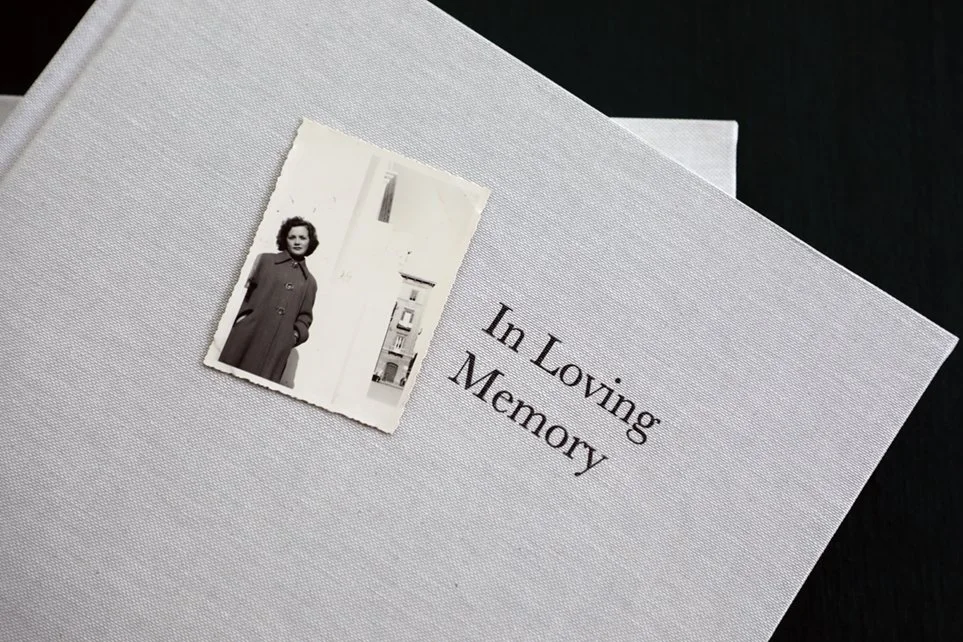
IN LOVING MEMORY
Last week I wrote about how I’ve gotten to know more than 50 people I’ve never met this year by editing tributes in their honor—and why this is a worthy endeavor.
GLOBAL ACCESS TO TESTIMONIES
USC Shoah Foundation has completely overhauled its Visual History Archive.“The result is an incredible new resource that humanizes testimony in a way that has never before been possible.”
HER PERSONAL UNDERTAKING
New York teen author Suzette Sheft says, “My father’s death forced me to understand the importance of preserving the stories of our loved ones before it is too late. At 13, I learned that I could not let my family’s stories fade away, no matter the pain that comes with remembering.”
Writing our lives
OVERCOMING STORY-INERTIA
“It takes courage and commitment to begin and maintain the process of creating a written narrative of the past,” New Hampshire–based personal historian Peggy Rosen writes in this piece offering approaches from Guided Autobiography.
WRITING ABOUT THE HARD STUFF
“I always find that if you are hesitant to share something difficult but feel a nudge to do so, you should go for it. It’s probably because you need to share to help yourself or someone else,” writes Rachel Trotter of Evalogue Life.
THROUGH LIVES, THROUGH DEATHS
“I didn’t believe I was a writer yet, but I made a note of it,” Sorayya Khan says of learning her father had 10 years to live. “Writing renders our world and ourselves. It has saved me more than once.”
...and a few more links
How Taylor Swift and Joe Brainard led one writer on an exploration of writing in the present tense
The author of Are You There, God? It’s Me, Margaret recalls the confusion and joy around a female rite of passage.
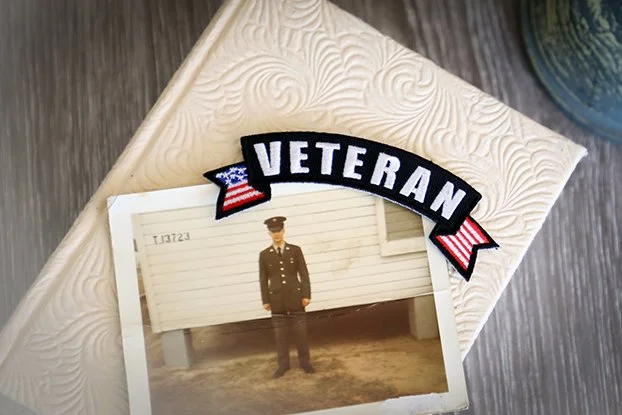
A wonderful way to honor veterans’ stories in Ontario
Short takes

How I’ve gotten to know more than 50 people I’ve never met this year
How lucky I am to "meet" your loved ones through the tributes you and others share in their honor! The stories that memorialize them live on for generations.
Kathy was an incredible mentor, a champion of women in the workforce, and a grandmother whose pride outshone other grandmothers everywhere.
Jim was an avid outdoorsman who found meaning in faith later in life, fell in love when he least expected it, and left a blueprint for how to live for his children.
Jen, who battled cancer like a warrior, embodied positivity, maintained lifelong friendships with her sorority sisters, bought a camper van to go on adventures with her twin daughters, and made killer chocolate chip pancakes.
Lena was a Russian Jewish immigrant who approached the world with a sense of wonder and gratitude, found great joy in motherhood, and once inspired a friend to buy half a cow (that one’s a long story, but well worth hearing!).
I never met Kathy, Jim, Jen, or Lena, but I feel like I knew them—the best of them, the pieces of them that friends, family, and colleagues wrote about in tributes that promise to keep their legacies alive for their loved ones and the next generation.
Tribute books that honor the legacy of lost loved ones
Since I launched Modern Heirloom Books in 2016 upon writing and designing a tribute book in honor of my mom, who had died suddenly shortly after I became a mom myself, I have helped more than 100 people honor their own lost loved ones in such books. It is, truly, one of the greatest honors of my career to memorialize people in this way.
When I help people tell their own stories through personal history interviews or memoir coaching, I often talk about how the journey is as important as the finished product. Similarly, when I talk with people who want to celebrate the life of someone they have loved and lost, I talk not just about the journey (because writing about loss can certainly be a healing path through grief), but about the experience after the book is printed: The book, I advise, should be a living memorial, something that you pull out to ‘visit’ with the deceased through the photos and words on the page.
Most people who come to me hoping to make a memorial tribute book do so with the intention of gifting them to the children of the deceased. Sometimes, those children are adults who have given the eulogy at their parent’s funeral service; other times, they are mere babies who will have no real memories of their parent.

Many times, a spouse, parent, or child wants to memorialize their relative in print for themselves and their family.

Either way, gathering stories about the deceased from a group of people ensures that many sides of their personality are highlighted. Work colleagues share stories that family members likely never heard before. Friends offer up remembrances from younger years that enlighten another side of the subject. And family members get to the heart of the person, telling everyday stories alongside monumental ones, revealing what they loved about the person, what they will miss, what they want to remember.
All of these tributes together create a lasting legacy of the deceased, and I am privileged and honored to help usher them into the world—just as I am privileged and honored to “get to know” these individuals through the love and words of those they have left behind.
Tribute book resources and ideas
8 tips for creating your own tribute book in honor of a lost loved one
If you’d like to create a book but would rather have professional guidance along the way, contact Dawn to learn how we could work together on a tribute book or other heirloom book project.






Life Story Links: November 1, 2022
This week's curated roundup includes Dawn’s book and film picks, meditations on memoir, and more recent articles of interest to personal and family historians.
“Remembering is a serious business. It demands attention. For a journey into the past, you have to pick your moment.”
—Charles Fernyhough
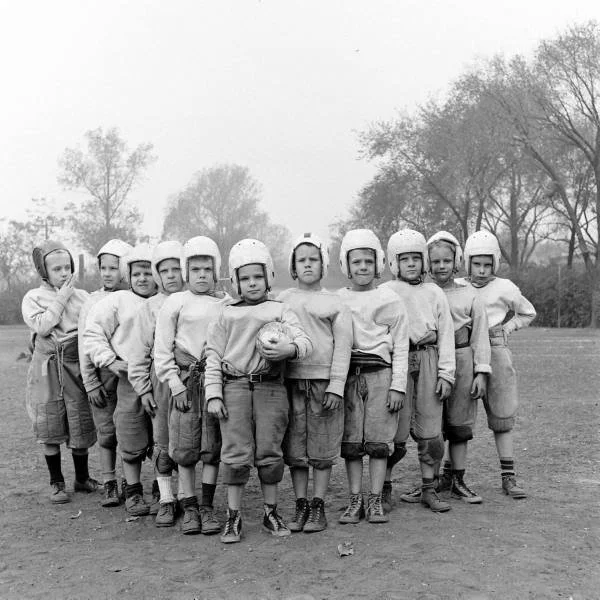
Vintage photo of a kids’ football team, October 1947, by Wallace Kirkland for LIFE magazine; © Time.
Memoir minutia
THOSE STORIES YOU’VE TUCKED AWAY
“For a long time, I used to say that I ran away from memoir by writing fiction. I don’t believe that anymore. I think if anything, my fiction writing helped lead me to my heart, to the stories I really wanted to write, to my essays and memoir.” Vanessa Mártir on writing the ghosts that haunt.
THE UNASSAILABILITY OF MEMORY
“Memory is a pinball in a machine — it messily ricochets around between image, idea, fragments of scenes, stories you’ve heard.” Mary Karr on navigating memory while writing memoir.
Life. legacies, POV
WHO GETS THE LAST WORD?
“It’s clear to those who have contributed material that the archive is about safeguarding Mr. Jobs’s legacy. It’s a goal that many of them support.” But some historians worry: Is it more tribute than archive?
OUTLIVING HIS FATHER
“At some point in my early twenties, it occurred to me that although he was no longer here, with me, my father’s life was like a map unfurling beneath mine.” Read an excerpt from Thomas Beller’s new book.
THE JOURNAL DILEMMA
“Like the journal itself, the question of what to do with them is deeply personal—and well worth contemplating.” Suleika Jaouad on making a plan for what becomes of your private writings, and who may be impacted by your choice.
ECHOES ACROSS TIME
When she was growing up, Massachusetts–based personal historian Marjorie Turner Hollman keenly felt the absence of her paternal grandfather. A trip to the Grand Canyon as an adult connected her to “Grampy” in surprising ways.
Media recommendations for personal history fans
BOOKS OF DELIGHT
There are all kinds of autobiographical writing, but oh how I love Ross Gay’s meandering yet distinct essays that, like the titles of his books promise, anticipate and deliver joy. His latest, Inciting Joy, came out October 25.
INTROSPECTIVE ACTOR & PHILANTHROPIST
“With all other people, some things were possible, but not everything. For us, the promise of everything was there from the beginning,” Paul Newman says of Joanne Woodward in this brief excerpt from his new memoir.
WITNESS
Last week I reviewed “Survivors: Faces of the Holocaust,” an exhibition showcasing 75 large-scale portraits taken by photographer Martin Schoeller to mark the 75th anniversary of the Liberation of Auschwitz in 2020.
‘FROM WHERE THEY STOOD’
A handful of prisoners in WWII camps risked their lives to take clandestine photographs and document the hell the Nazis were hiding from the world. The film From Where They Stood attempts to unearth the circumstances and the stories behind their photographs:
...and a few more links
Seeking advice: “Is it okay that my husband keeps mementos of his former love?”
Precious memories: 8 refugees share the things they brought to remind them of home.
“Dark Terrorism: an Unexpected Prisoner of War, Part 1” is a lovely example of compelling family history writing.
Research shows positive and negative memories are stored in different parts of the brain, and what this means for memory manipulation.
How explosive will Prince Harry’s memoir, due in January, be?
10 physician memoirs that offer inspiring accounts of life in medicine
Eliza Dumais cooks through the journals of Sylvia Plath, “a radical academic with a bend towards baking banana bread.”
Short takes