Memories Matter
Featured blog Posts

READ THE LATEST POSTS

“People still buy handmade shoes.”
As AI gets better and more accessible, will there still be a need for in-person story sharing services offered by personal biographers and historians? Yes!
Will there ever come a day when we are so reliant on artificial intelligence that our appreciation for and need for handmade goods and in-person services are gone?
In my professional circles, there is much talk about AI and the impact it will have on our work lives. Some of the talk is excited—how AI can help us streamline processes, for example. Some of the talk is panicked—how we’re being led down a path of no return, when artificial intelligence becomes smarter than people and AI takes over (conspiracy theory?).
Of course, the reality is somewhere in the middle. And with the technology evolving so quickly, how should I, as a professional personal historian, incorporate it into my work for YOU?
This is a question I think about often—and undoubtedly, my answer to this will shift as the technology does.
Despite typically being a tech early adopter, I have currently dipped my toes into the AI waters with caution: I have readily integrated some things such as AI transcription into my workflow (a godsend!!) but have remained more of an educated lurker. I have concerns—privacy chief among them—yet at the same time know that there is a revolution at hand. So, I test the evolving AI interfaces, listen to friends and colleagues who have embraced AI more readily, and learn from them and from experts I trust.
Listening to a recent Tim Ferriss podcast in which he speaks briefly about how we may adopt AI in the long run, I took note of one seemingly offhand remark he made: “I mean, people still buy handmade shoes, right?”
I was driving while listening to this podcast, and I kept turning this phrase over in my mind even after I had reached my destination; it struck a chord. “People still buy handmade shoes.” Sure, the majority of shoes sold around the world are likely made in factories—but there is a market for bespoke shoes, even now.
This led me to think about all the things that make my service as a personal historian unique, and in particular, different from any app- or AI-driven storytelling services out there (they abound, and are proliferating more and more). Because I DO believe that there will always be a place for one-on-one personal history services…even if the day comes when every single individual records aspects of their life story using AI.
What makes in-person storytelling special?
It’s not just about the end-product—it’s about the journey.
All of my experience to date with AI models has shown me one thing: They can be used effectively as tools with me guiding—very carefully—our trajectory. But compelling conversation (a back-and-forth with another being)…well, not so much.
I do believe that story sharing apps and online memory-keeping services are strong tools that make story sharing accessible to the masses—but they are by no means my favorite option. I would much prefer a family member interview their loved ones and hit “record” on their phone than for an email prompt to be sent weekly from a random cache of questions, to be answered in isolation. Because having someone to receive your story, having a person to connect with and reflect pieces of your narrative back to you, is so valuable.
As a personal historian, I am a generous listener who gives my undivided attention to my interview subjects. How rare is it these days to have someone’s full attention? To be listened to and heard? How rare an opportunity is it to give ourselves time to reflect so intentionally?! It’s all of these things combined that have inspired many of my clients to tell me, each in their own words, how the story sharing itself was even more valuable to them than the book that resulted. Would they have felt this way if I weren’t there to receive their stories? I know they would not have.
It’s about community.
I always, always tell my clients that my greatest hope is that the book they hold in their hands at the end of our time together—the book that holds their stories—will become a vehicle for even MORE story sharing with their friends and loved ones. I hope their readers will ask questions, will learn and feel and grow even more curious about the book’s author. I hope that the authors will pull their book out with their grandchildren, and allow the photos within to spark more memories that they share in person. I hope the next generation will pull the book out with THEIR children and recount stories they heard, and add in their own experiences, too. A book that originates as part of an in-person story sharing experience has this sense of community written in its DNA.
It’s about finding meaning through follow-ups.
Follow-up questions are at the heart of any good personal history interview. We may start with a small script of questions, but I generally prefer to identify a theme for the interview and proceed from there. One story leads to another. Details that are not initially shared by the interview subject may be drawn out by the interviewer. How did you feel? How did it smell? WHY do you think you did that? One day AI will inevitably get better at the art of the follow-up question, but for now I believe in my heart that the connection between an interviewer and their subject yields one-of-a-kind stories and meaning-making—and that connection leads to intuitive, sensitive follow-ups; the rapport that develops leads to a sense of trust that allows a subject to go deep; and the back-and-forth nature of in-person conversation leads to revelations and humor and surprises that can only happen with a fellow human.
It’s about making art.
“That sense of interplay, or the ability to react in the moment, is something that artificial intelligence can’t reproduce,” musician Yosvany Terry says in this piece from The Harvard Gazette that asks the question, “If it wasn’t created by a human artist, is it still art?”
I have a feeling this philosophical conundrum will persist forever, even as AI advances to create art that reliably evokes emotions and is deemed ‘original.’ But I tend to agree with this line of thought: “AI currently requires a level of supervision and feedback that means a human touch and eye still very much have their place in the art world.”
As a human writer and editor, I am creating an original piece of art from my clients’ stories. My decisions—about tone, about structure, about design aesthetic, about what to highlight and what to leave out—are informed by years of experience, and by my human interactions with those clients. There is a dialogue infused with values spoken and inferred; there is a sensitivity to family relationships and other intangibles that may impact how a story is received; and there is a real collaboration towards turning stories into art.
Like those who still buy handmade shoes, there will always be people who prefer in-person story sharing to AI-led preservation—and as a personal historian, I am proud and honored to be the cobbler of your memories.
Conversation starters
I wonder if I read this post in just a few years time whether my thoughts will have changed much?
I wonder what you think about the value of human interplay in story preservation?
I wonder what concrete ways you have found to incorporate AI use into your own work or family history preservation?
I wonder what ways you so far resist using AI, and why?
I wonder if you are interested in collaborating on a personal history project? Let’s talk.



















Life Story Links: January 21, 2025
From upcoming memoirs of note to guidance on the craft of personal history, this week’s curated roundup is filled with reads of interest to family historians.
“To share our stories is not only a worthwhile endeavor for the storyteller, but for those who hear our stories and feel less alone because of it.”
—Joyce Maynard
Vintage postcard with illustration of the “little church round the way” in New York , circa 1907, from the personal ephemera collection of Dawn Roode.
Lessons from notable chroniclers
TRANSFORMATIVE POWER OF MEMOIR
“When the writing was flagging and I wasn’t sure how to forge ahead, I would return to photographs, diaries and letters, as a way of keeping the past alive, and also reminding me of things forgotten.” Lily Dunn on the messy and rewarding dance between memory and meaning in memoir.
WRITING CRAFT LESSON
“Structure is a container, of sorts, a container that teaches our readers how to read our books, and also, perhaps, how to read us.” Beth Kephart ruminates on the structuring of essays, memoirs, and stories.
PROMPTS AT THE READY
So you finally find a stretch of uninterrupted time to write…and when you sit down, you draw a blank. Has that ever happened to you? This simple idea—keeping a notebook of self-generated writing prompts—will keep your ideas flowing.
Beyond legacy
FILM BIOGRAPHERS IN CONVERSATION
“Family stories are more than history; they’re the heartbeat of connection across generations,” Jamie Yuenger says in this interview about the power of resilience narratives, the importance of documenting family histories, and the role of vulnerability in creating meaningful connections. Listen in:
TRANSFORMATIVE POWER OF LEGACY WRITING
“Writing coach Rebecka Vigus talks about how legacy writing became a crucial part of her life, the profound discoveries she’s made along the way, and why she believes it can play a vital role in preventing cognitive decline.”
ARCHIVE FROM A REMARKABLE LIFE
“There’s a lot to go through. Plus, it’s just weird to be throwing away someone’s life, you know?” Ruth Westheimer’s son talks about going through his famous mother’s belongings after her death, sorting what will be saved as personal effects and what will be archived towards her professional legacy.
A DIALOGUE BETWEEN GENERATIONS
“If photo albums serve as heavily curated, or simplified narratives of our lives, how can we make them feel more true to our experiences? How can their contents be reworked or evolved over time, to reflect our changing memories?”
TANGIBLE ARTIFACTS
Curbed asked a dozen people who fled their homes in the wildfires about the objects they lost and what they saved.
Your next TBR memoirs?
HISTORIC PAPAL AUTOBIOGRAPHY
Originally intended to be published after his death, Pope Francis has made history as the first living pontiff to release a memoir. “He is one of the most influential leaders of our time, but still seems rooted in ordinariness,” reads this review.
INHERITED HEALING
“I wanted to know, in our DNA, was my code written for me to experience depression,” journalist James Longman says in this revealing interview about his forthcoming memoir, The Inherited Mind:
Miscellaneous
THE SCENT OF MEMORIES
“Smells can only bring to life the personal experiences, those that have a clear sense of personal presence and emotional charge.” Jonas Olofsson on on the science behind the hidden olfactory keys to times long past.
FEELING IN FARSI, WRITING IN ENGLISH
“As we begin to tell our stories, committing them to paper, we realize that in our adopted language, we cannot simply be storytellers—we must also be translators, interpreters.” Sahar Delijani on translating her life from one language to another.
THE POLITICS OF PLACE
“What roles do place and memory play in the construction of a narrative? In this conversation, memoirist Shze-Hui Tjoa and novelist Farah Ali talk about how these forces affect the storytelling in their respective books.”
...and a few more links
Adrien Brody shares connection between 'Brutalist' role and family history.
Memories In Writing Foundation announces free do-it-yourself memoir workbooks.
Digital echoes: preserving memories with AI conversations after life
Sentimental thrift store find saddens woman who discovers it.
LyfeIndex is a digital service helping to preserve memories for a global audience.
New study finds a higher lifetime risk of dementia than previously thought.
The history and tradition of presidents leaving personal notes for their successors
Short takes


Do you keep a writing ideas notebook?
Writer’s block can happen to the best of us. This simple idea—keeping a notebook of self-generated writing prompts—will keep your memoir ideas flowing.
So you finally find a stretch of uninterrupted time to write…and when you sit down, you draw a blank. Has that ever happened to you? This simple idea—keeping a notebook of self-generated writing prompts—will keep your ideas flowing.
I share a lot of writing prompts on the blog and in my annual course, and I’ve even written about how you can generate your own writing prompts. But I understand how—somehow!!—it never seems like a writing prompt is at the ready when you need it, right?
There’s an incredibly simple solution: Keep an ideas notebook. Don’t be fussy! Jot down a note the moment an idea bubbles to the surface on whatever you have handy—a napkin, a Post-it, the back of a receipt—then tape or staple these into your notebook. (Pick up a cheap lined notebook kids use for school so it doesn’t feel too precious to approach in this haphazard way!)
What kind of ideas am I talking about, you’re wondering? Anything that may jumpstart your memories or get your pen moving. Here are some real-world examples from my own life:
As I run errands, I hear a song from my childhood on the car radio. I am flooded with memories and emotions. At a stop light, I snap a picture of the song name on the dashboard with my phone. That alone will be prompt enough to get me writing when I’m in the mood.
Watching a movie with my family, a character’s reaction or words give me a strong sense of deja vu. Why? With no time to consider it, I text myself a short phrase to remind me of this feeling. Maybe one day it will be worth writing about (maybe I’ll even rewatch the movie to bring me back emotionally).
I wake up from a dream and in that half-awake state I reach for the notebook I leave on my night stand to scribble a few words so I don’t forget. (Never—not once, and I’ve tried many, many times—have I merely told myself in that moment to remember the dream….and then actually remembered it later.) Dreams can provoke some surprising writing!
Here’s a common scenario for me: Listening to a podcast, I hear something that resonates and feels like it was drawn from my own life. I grab a piece of paper and jot down the time stamp and episode name. Nothing else is needed, but a word or two about the theme of the conversation may be helpful. When I’m staring down a blank page, I can listen in to that select part of the conversation to get my creative juices stirring again.
Other things you might find yourself taping into that ideas notebook? Fortune cookie slips. Magazine articles. Quotes from friends. Random handwritten memories. People you want to call (trust me, sometimes the best way into a story of your own is to ask someone else for their version). A letter from a friend. A page from a datebook.
You get the idea, yes?
For me, the messier this ideas notebook is, the more inviting I find it! So what if pieces of paper stick out the sides, or if the notebook bulges unevenly?! That just means there are treasures awaiting—self-made prompts you know will move you, because you felt the stirrings already.
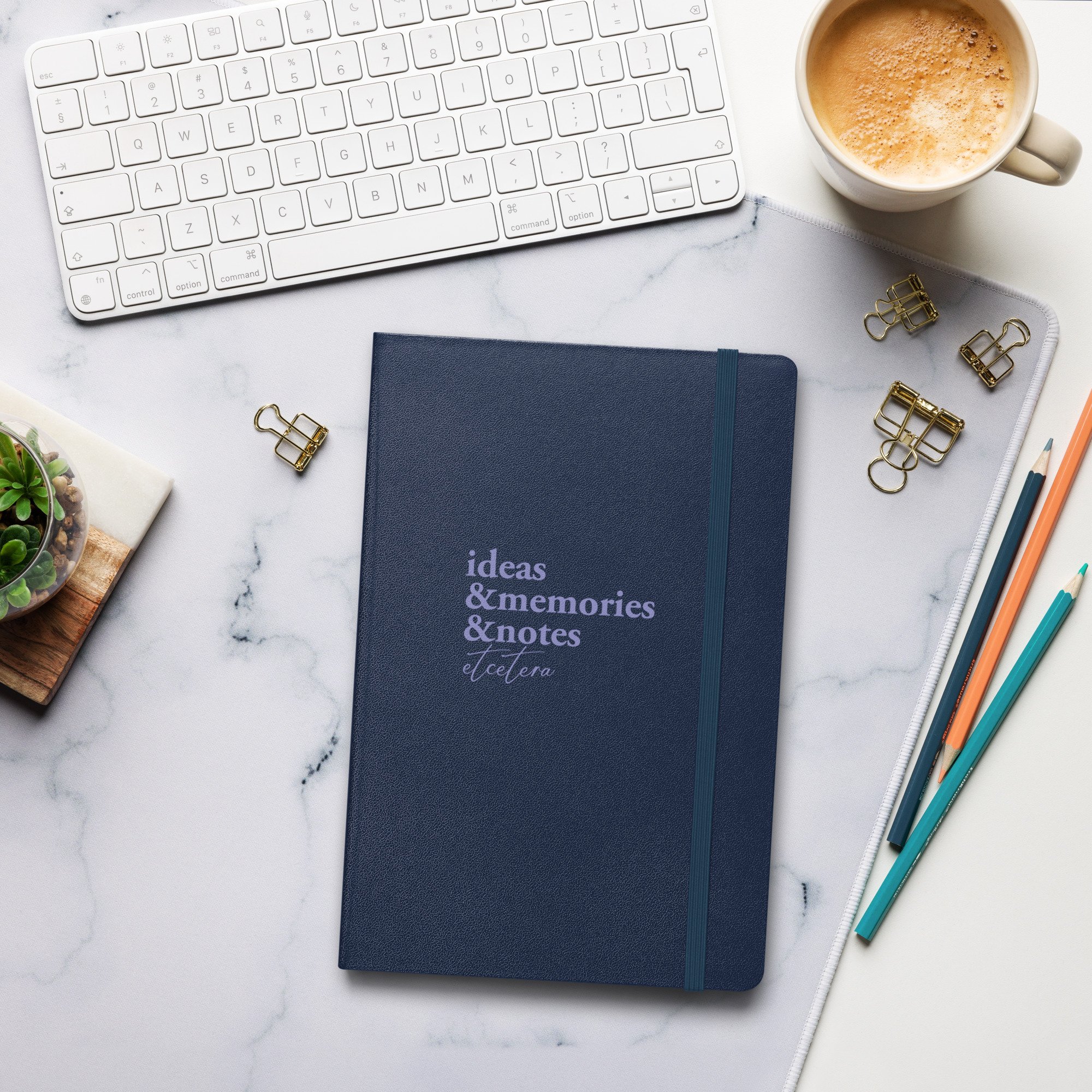
How about this one?
If your kid’s half-used, spiral-bound notebook isn’t up to par (it’s what I used all last year, haha!), check out this one I’ve designed just for you.



Life Story Links: January 7, 2025
Kick off 2025 with three weeks’ worth of goodies about family history, memoir, legacy preservation, and journaling curated by personal historian Dawn Roode.
“Getting emotionally prepared to mine your life takes time. Give yourself grace.”
—Vanessa Mártir
Vintage postcard, circa 1908, from the personal ephemera collection of Dawn Roode.
Through the lens of history
HISTORY’S INNER LIFE
Studs Terkel understood how, in addition to the historic events in one’s life, it was the daily rituals “that made people who they were: the cleaning, the counting, the welding, the typing, the talking, the praying, the singing, the watching, the laughing, the weeping.” A look back at his oral history Working as it turns 50.
FROM THE VAULT
Former president Jimmy Carter has died. He was 100 years old. In this 13-minute listen, a biographer reexamines the former president’s extraordinary life, and Carter himself talks about his memoir, A Full Life:
Pictures and stories
JUDGING A BOOK BY ITS COVER
“So, how does a jacket for a memoir that carries as much literary and cultural significance as Knife—which details the author’s 2022 stabbing and recovery—actually come together?” Arsh Raziuddin and Greg Mollica on designing the jacket for Salman Rushdie’s memoir.
HISTORIC PHOTOS NOW AVAILABLE
An online version of the National Archives’ major exhibition “Picturing the Century: One Hundred Years of Photography from the National Archives” can now be viewed online.
Safeguarding our legacies
CASE STUDY IN DOCUMENTATION
“When The New York Times covers a $50 billion family fight for control, it’s more than just a headline—it’s a wake-up call for families navigating legacy, values, and continuity.” StoryKeep’s Jamie Yuenger on 7-Eleven’s legacy and why wealthy families should prioritize storytelling.
THOUGHTS FROM AN OBIT WRITER
“Too many fascinating stories are lost because they were never written down and are only vaguely remembered by friends and family,” says James Robert Hagerty, who says that writing more than 1,000 obituaries has given him a mission to persuade people to record their own stories “while they still can.”
DEAR DIARY
January is National Journal Writing Month (NaJoWriMo) and this year’s first theme is “Journaling for Personal Growth and Achieving Goals.” Reflect on your 2024 journals and find resources, prompts, and more here.
LEGACY PROJECTS
Philadelphia–based personal historian Clémence Scouten was a guest on the Honestly Aging video podcast, offering up lots of DIY advice on writing, preserving, and sharing one’s life story:
The soul of a thing
A (VIRTUAL) WALK DOWN MEMORY LANE
When you think of preserving memories, scrapbooks or photo albums likely come to mind. But what about Google Maps?
A CENTURY OF STEWARDSHIP
“A family’s set of dishes has passed through five generations of women, but will the teacups, plates and bowls make it to a sixth?” Will their precious plates continue to hold stories?
10 SENTIMENTAL STORIES
Among wedding keepsakes saved by couples, “occasionally, one item can take center stage and, like a relationship, endures the test of time and grows in sentimental value.”
BROKEN GLASS
“It was time, I felt, to let the precious of the past mingle with the precious of the present.” Rachael Cerrotti on her generations-deep tendency to attach memory to object—in this case, two sets of gifted stemware.
How stories are told
‘WHAT’S WRONG WITH A WRITING COLLABORATOR?’
“Want to Earn Six Figures as a Writer? Try Ghostwriting,” reads a recent headline in The Wall Street Journal. “Shifts in the book industry have been a boon to writers who work quietly behind the scenes.”
KEY BOOK PUBLISHING PATHS
“One of the biggest questions I hear from authors today: What is the best way to publish my work?” Longtime publishing pro Jane Friedman updates this thorough post every year—and, since she says it “is an increasingly complicated question to answer,” she has greatly expanded its content for 2025.
ON FICTIONALIZING PERSONAL HISTORY
Sometimes, our own family history makes for a perfect story—“but what do you do if the history itself works best in a totally different era, or a dog makes more sense to be a cat, or winter works better than summer when it really happens? This is where personal history and historical fiction collide.”
WILD CARDS
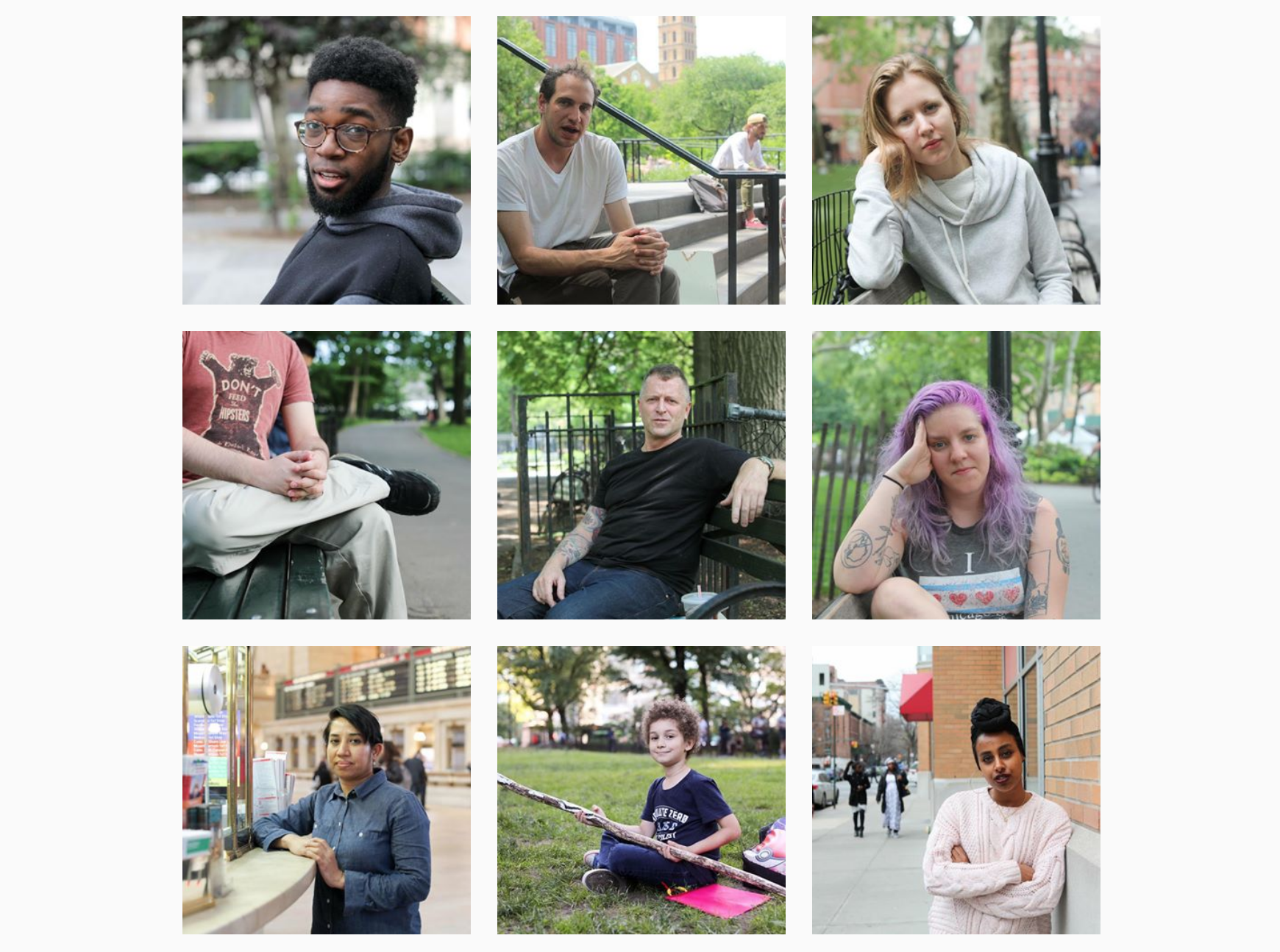
Forget about an interview script—podcast host Rachel Martin has guests pull a card from a questions deck in the hopes they’ll go deep. This month, she brought that deck to Washington Square Park in New York City and asked the questions of people face-to-face. Listen in:
...and a few more links
Short takes

Life Story Links: December 17, 2024
Just in time for your holiday break, a roundup overflowing with good reads—there’s family history, memoir, and writing (both guidance and recommendations).
“If you carry your childhood with you, you never become old.”
—Tom Stoppard

Vintage postcard of New York City’s Woolworth Building and City Hall at night, circa early 1900s; from the personal ephemera collection of Dawn Roode.
Reenvisioning the past
‘MY GRANDMOTHER AS ESSENCE’
“The outlines of Margaret Finley D’Imperio’s life were revealed to me by way of a long-lost box and a misplaced letter written by the woman I called my aunt,” Beth Kephart writes in this announcement for her first novel for adults, which, she says, “yields the grandmother I remember and imagine.”
A FAMILY HISTORY RECONFIGURED
Sasha Chavchavadze uses her family history as source material for her multimedia art, creating works from shards of stories and objects discovered among her grandparents’ things (there’s plenty of intrigue and notable Russian connections, too).
A GENERATIONAL LEGACY OF CRAFTSMANSHIP
“Who might have climbed in their branches, sheltered beneath their canopies, carved a lover’s name into their living flesh? And how many lives depended on them over the years?” One family tree, among the trees of Scotland.
HOW OLD IS MY (BRITISH) HOUSE?
“In the popular BBC Two series A House Through Time, historian David Olusoga researches the history of an ordinary house, revealing the fascinating, shocking, and touching stories of its inhabitants. The program has inspired many people to find out more about the previous residents of their home.”
FACING HERSELF
“I now know it’s a common question asked of ethnically ambiguous young people: What are you? Back then, it scared me. What was I? A face was a map, and mine was unreadable.” Memoirist Melissa Febos on seeing her past and future selves.
A KID FROM MARLBORO ROAD
When his mom was stuck in Florida during Covid, Edward Burns called her daily to cheer her up—and eventually he began inviting stories from the past. Unexpectedly, those stories found their way into his first novel. Here, he talks about how he towed the line between memoir and fiction, and how his mom passed on a love of storytelling:
Writing our lives
WRITER/HUMAN
“Where does the writer stop and the man begin?” Nathan Deuel muses on writers he has met—“Or, On Learning That Cormac McCarthy Was a Creep,” as he titles the piece.
SENTIMENTAL GIFT…OR UNWANTED BURDEN?
Modern Heirloom Books’ Write Your Life—which sends weekly memory and writing prompts to annual subscribers—may be just the thing to gift your parent or loved one…or, it may not be right at all. Here’s how to know.
THE YEAR IN MEMOIR
It’s time for year-end wrap-ups, and there are plenty of lists of the best memoirs of 2024. Here are a few (will you add anything to your TBR pile, I wonder?):
SUPPORT FOR YOUR BOOK
“Deciding which type of editing support you need is a deeply personal choice.” Mali Bain, a custom publisher based in British Columbia, Canada, helps you determine which type of editing is best suited for your memoir, life story, or family history.
WHERE MEMORIES RESIDE(D)
“The story begins in 1968, when I was 13 and we left Long Island to vacation with a family of lime green lizards in a bare-bones motel next to a windy beach on the east end of St. Thomas.” Joan Bregstein on how one family’s vacation home’s significance shifted through generations.
Short takes

Before you gift someone our Write Your Life prompts (or, “Who this gift is NOT for?”)
Looking for a meaningful gift for your parents? An annual subscription to our Write Your Life memory and writing prompts may be just the thing—or, maybe not.
You want your loved one’s stories—how could that be perceived as anything but loving? (HOW you ask for them can make all the difference.)
I lovingly (and painstakingly) created Write Your Life over the course of a whole year:
I took notes on what was working—and what wasn’t—with my personal history and memoir clients.
I read, reread, and annotated books on the craft of life writing, on how to write memoir, and on how to write clearly.
I paid for and participated in multiple classes from other companies to explore what resonated and what didn’t (video delivery vs. email, for instance; lots of elevated writing guidance vs. more approachable tips, as another example).
I tested different approaches with a handful of volunteers, and really listened to (and incorporated) their feedback.
I tapped into more than 20 years of writing and editing experience to distill what would work best for novice and aspiring writers.
The decisions I made along the way helped me create a year-long subscription of open-ended memory and writing prompts accompanied by straightforward tips, inspiring examples, and just enough encouragement to keep participants going.
And while I did NOT design Write Your Life for people who call themselves writers, I DID design it for people who want to at least attempt to write.
The weekly prompts demand some commitment. That commitment can be enjoyable and fulfilling, without a doubt. But it can also be challenging for someone who really doesn’t have any interest in writing!
So before you click “BUY,” consider who it is you are buying for:
If it’s for YOU, ask yourself: Even if the prompts are inspiring (they will be 😉) and even if you can make the time (you can 👍🏼), “Will I write?”
If it’s as a GIFT for a loved one: Will they look at the prompts as a loving invitation to share their memories, or will they resent the ‘homework’ of needing to write? (If you’re unsure, maybe ask them first.)
Clearly I don’t want to discourage you from enrolling in Write Your Life. I created it with love and with the intent of helping people who couldn’t necessarily afford my personal history services. It’s my genuine hope that people enjoy it and find it fruitful!!
During my early market research, however, I read plenty of bad reviews and Reddit threads about gift recipients of Storyworth (the main player in the email-prompt-a-week space) not completing their subscriptions—in fact, many, many of them had barely answered more than a question or two even after a full year had passed. Here’s a sampling:


Over the years, too, I have had a number of clients who came to me after they felt they “failed” at Storyworth. (For what it’s worth, they didn’t FAIL—they were attempting to preserve their stories in a way that wasn’t serving them, that’s all; they all SUCCEEDED in sharing meaningful and fun stories during one-on-one personal history interviews, an approach many non-writers consider easy 🤗)
This is NOT a bash of Storyworth—in fact, their company is completely in line with my own mission and values, though we are aiming to serve parallel yet different audiences. Rather, it’s to show that writing is not for everyone—and gifting an expectation of writing to your parents, say, may come bound up with more guilt and pressure than you would ever intend.
With all that in mind, where do you fall?

YOU’RE READY!
If YOU want to write about your life—with thoughtful questions, helpful writing guidance, and plenty of low-pressure inspiration—and you’re ready to commit, click here to enroll in Write Your Life.

YOU WANT THEIR STORIES, but…
If you want to invite your parents’ stories, but you’re not sure if they’ll welcome all that WRITING (!), consider interviewing them yourself (it’s a rewarding experience!) or hiring me to interview them on your behalf. Schedule a free consultation to see how we might work together to preserve your family member’s stories.

YOU’RE CONSIDERING GIFTING
If you are THINKING of gifting Write Your Life to a loved one, but you’re still not sure if it’s a good idea, why not simply ask them what they think? Or, schedule a brief chat with me to weigh the pros and cons.

TEST THE WATERS?
If you really want to capture stories from your parent, grandparent, or other loved one, the best way is to ASK them about their life. Here is some related reading that may help you along, with no financial commitment at all:

Life Story Links: December 3, 2024
Maybe we’re leaning into sentiment during the holiday season, or maybe it’s just a good week: This roundup is bursting at the seam with stories worth your time.
“Many writers have spoken with me privately about the feeling that they cannot remember childhood. But if I ask specific, concrete questions—‘Where was the table in the kitchen where you ate as a child? Where was the window in your bedroom?’—pictures come to the mind of the writer who ‘cannot remember.’ A picture is an image, and a longtime remembered image is like a riddle. What astonishes me is how often, if we work carefully and patiently, the slightest childhood image will give up its secret..”
—Pat Schneider
Vintage postcard with an illustration entitled “December Twilight,” postmarked 1906; from the personal ephemera collection of Dawn Roode.
Picturing the past
STORIES OF BRAVE YOUNG MEN
A scrapbook packed with memories from WWI soldiers, including a poignant account of the 1914 Christmas truce (and a fragment of a white surrender flag), sold for thousands at auction. Around 90 wounded serviceman contributed to a nurse’s journal as part of their recuperation in hospital.
‘MARK YOUR PLACE IN HISTORY’
“You have to create images that speak.” Jamel Shabazz has long been one of my favorite photographers; while he is known as a street photographer, I would label him a photographer of humanity. “Love is the foundation of a lot of my work.” Here, a look behind the scenes, courtesy of the Museum of Modern Art:
On memoir
HOW TO BE A WRITER
“My problem was I thought you had to know what you were doing. Nonsense. You just have to start.” Memoirist Abigail Thomas on writing, plus a bonus side door prompt.
DETAILS IN FAMILY STORIES
“When writing a family story, too many flowery words can drag down a narrative. But stark facts alone won’t ignite your reader’s imagination. Rhonda Lauritzen on what’s the right amount of detail to ensure a compelling read.
PREPARE, ASK, LISTEN, PRESERVE
“Your curiosity represents the curiosity of others who may engage with the project later.” Whitney Myers on listening with intention and other tried-and-true methods for getting the best out of an interview subject.
INDUSTRY TRENDS
“Publishers are turning away from personal stories. Have readers stopped caring about each other’s lives?” Have memoirs become “almost impossible to sell”?
THE GIFT OF MEMORIES
My Write Your Life course delivers weekly memory and writing prompts via email—and just in time for holiday giving, I explore who this gift might be right (and wrong!) for. Is it you?
Manifestations of memory
MEMORIES ON A PLATE
“We prioritized narratives that emphasized intergenerational bonds, rituals, and culinary traditions,” say the editors of a new book that invites readers into 100 kitchens across India to sample food steeped in story.
HOLIDAY FOOD TRADITIONS
A new survey finds nearly half of Americans can’t make family-favorite holiday dish due to lost recipes. “Older family members in particular may hold the key to the secret ingredient from grandma’s sweet potato pie or, in my case, aunt Rhonda’s lemon meringue,” said genealogist Crista Cowan.
MORE THAN A FAMILY RECIPE
Fearless Fabulous You's Melanie Young says, “Making a family recipe and sharing a story about the person who used to prepare it can be an emotional glue that binds everyone together to recognize that person who is no longer seated at the table.”
EXPLORING YOUR ROOTS
Online tools are helping Americans travel abroad to discover their ancestry, seek out relatives, and obtain documentation for dual citizenship. Here are tips for planning a family heritage trip.
BEARING WITNESS IN SONG
“Guta uses songs to bring memories back, and she safely connects with her (often traumatic) past in this manner, in order to fulfill the imperative to remember those who have gone before us.” Filmmaker preserves songs from the Holocaust.
Telling tales
STORYTELLING CREATES UNITY
“I consider myself an itinerant storyteller,” Levar Burton said. “And the invitation is a storyteller’s stock and trade because he’s asking the audience if they want to hear his story.”
ON SELF-REFLECTION
Rachael Cerrotti has been exploring the stories we tell ourselves in her Along The Seam podcast. “But sometimes we need a break from our own narratives. Sometimes (often times?) our minds are not our best mirrors of self and we need the gift of someone else’s observations.”
SELF-PORTRAITS, NEW YORK CITY
E.B. White “was a master at finding the exact words for these small but unforgettable moments, but he always considered himself ‘a non-poet who occasionally breaks into song.’”
Journals and letters
‘THE MAKING OF SYLVIA PLATH’ EXCERPT
How Sylvia Plath found her literary voice by keeping a diary: “At an early age, Plath realized you could incorporate yourself in a medium.”
NO ORDINARY JOE
Joe Brainard’s “trove of letters leads him down from Mount Olympus on a staircase of his own words. Love, Joe reveals a man who had faults, as well as desires that could be pragmatic and unsurprisingly ambitious.”
Holiday memory-keeping
GIFT IDEAS FOR THE FAMILY HISTORIAN
Every year Family Tree magazine updates its holiday genealogy gift list—the editors say it goes “beyond DNA tests,” and it certainly does. I am honored to be included among the memory and preservation gift ideas.
PRICELESS PRESENTS
This list of “perfectly sentimental gifts for the ones who cherish memories more than things” is vastly different from the one above (my favorite recommendation just may be the heirloom trunk for safekeeping mementos).
‘DEAR MRS. DOYLE’
Not only is the audio story snippet below heartwarming and filled with gratitude just in time for Thanksgiving, but it also employs a striking graphic animation style to bring the story to life:
...and a few more links
Will heavily funded AI publisher Spines replace the role of publisher, as it promises?
Writers condemn startup Spines’s plans to publish 8,000 books next year using AI.
“Portrait of My Mother Studying for Her Citizenship Exam,” a poem by Eduardo Martínez-Leyva
Using storytelling as a tool for mentorship in schools and workplaces
50 interesting historical photos that might teach you something new, from Bored Panda
Short takes
“Write Your Life” delivers weekly memory & writing prompts via email
Learn about our Write Your Life course, providing memory prompts, writing guidance and a dose of inspiration to anyone who wants to preserve their stories now.

Last year, I spent weeks researching courses for writing about your life. I found nearly a hundred of them, and even paid to enroll in a few to see what they were like.
Originally I wanted to be able to offer suggestions to people who reached out asking my advice on life writing courses. Somewhere along the line, though, I got motivated to create something different.
Instead of a full-on memoir course, I wanted to teach how to write about your life in smaller narrative vignettes.
Instead of focusing on the nuts and bolts of writing—grammar, character, dialogue, etc.—I wanted to cut to the chase and get students writing their memories from the outset.
Instead of teaching writers who want to publish and sell their work, I would target regular folks who want to capture their stories for their loved ones—and for themselves.
Instead of providing run-of-the-mill family history writing prompts like Storyworth and their slew of copycat competitors (I offer such prompts for free!), I would create thoughtful, open-ended prompts accompanied by examples, tips, and inspiration—with real value added from my years of experience as a writer and editor.
And lastly, instead of charging hundreds of dollars for a course you might not even have the gumption to finish, I wanted to create something truly affordable and different.
I believe with all my heart that your story matters. Your mom’s and granddad’s and spouse’s stories matter. And each one of you—every one of us who is living our story—should be able to write about them.
What makes the Write Your Life courses different?
These courses are tailor made for you. They will help you write about your life, to get your stories down on paper, and to think beyond the often trite questions in those ready-made memory journals.
You’ll look forward to getting your weekly prompts, and you will actually complete your stories.
Introductory themes are CHILDHOOD MEMORIES and FOOD MEMORIES, with new themes starting every few weeks. Themes build upon one another or stand on their own, depending upon how much you want to write.
If you enroll in Write Your Life, you’ll get weekly memory prompts, writing tips, and inspired ideas that are:

encouraging
The memory prompts go above and beyond a simple directive. You’ll explore how memories resonate for YOU. Writing beyond first impressions allows you to go deeper, to discover more than you could first have imagined. Memory cues, sample explorations, and inspirational notes provide encouragement without worry (for things like “what if I can’t remember?” or “but, I am not a writer!”).
Your stories matter—and you CAN do this!
helpful
With concise, RELEVANT writing tips from a professional, you will feel supported on your journey of capturing your stories.
This is not a course to help writers polish and fine-tune their skills. It is a course for people who want to write but don’t normally consider themselves a writer—and the writing advice you receive will be helpful but not unwieldy. Our goal: To help you write stories that are engaging and enlightening—that will entertain your ancestors with anecdotes, sure, but that go further by delving into life lessons, values, and the journey to becoming you!


flexible
You choose what day of the week you would like to receive your weekly lessons. You choose which themes to explore in depth, and which to write shorter snippets about.
You may write in a journal or type on your computer.
And you have a whole week to ruminate on your memory prompts and write your stories. Enough time to let the details bubble up, to call a sibling or parent to talk about the past, or to search for an old family photo album with pictures to help jog your thoughts—but not so much time that you don’t get to it at all. Because next week, another memory prompt and writing exercise is coming!
affordable
At just $132 $99 for a WHOLE YEAR course, pretty much anyone can take advantage of this learning opportunity. There’s no recurring subscription fee or annual membership required (unlike other weekly family history Q&A prompts we know of). And since prompts are open-ended and you get a PRINTABLE page each week, you can invite a friend or family member to write along with you.
Why email? Because most of us have a phone or computer, and it’s a convenient delivery method. There’s no videos to watch or long book to read; our lessons get to the point quickly and clearly, and you get to writing all the more quickly, too.
Oh, yeah, and I don’t expect you to write while staring at a screen. Each week you’ll get a beautifully designed PDF page to print out and work from (and in the end, you’ll have a year’s worth to return to or share with others!).

Why wouldn’t you enroll?
Memory journals from your local bookstore are a nice idea, but frankly I have seen too many of them gifted and never filled out. I inherited two of them from my own mom, each with fewer than three questions filled out, some with only a few words. Disappointing, to say the least…
Subscriptions like Storyworth are great if you just need a nudge without any real writing guidance or support—and if you want a simple, “free” book at the end (though, from my experience, many people never finish the prompts, and therefore never get their book). THIS course—which I took over a year to develop and which incorporates years’ worth of my professional experience guiding life writers one-on-one—is designed to encourage you to finish…whether it’s within the initial year or later ✍🏼❤️
Consider enrolling in Write Your Life yourself, or, if you want your parents’ stories, consider gifting* them with these Write Your Life prompts—trust me, inviting your family elders to share their stories with you (and preserve them for the next generation) is one of the best gifts you could give them!

Before you gift: Writing isn’t for everyone!
Remember, this is a WRITING subscription. If you know your parent or family member loves to write (even if it’s just in a journal), this may be a wonderful option for them. If, on the other hand, they groan at having to write a short note, you might not want to “gift” them something that can feel like a burden. Consider asking them if they’d be interested first, or gift them a starter package of personal history interviews, where their stories will be RECEIVED by an engaged and generous listener…
Rather Talk about Your stories than write?
If writing still isn’t your thing but you want to preserve your stories, consider TELLING them in a personal history interview. Reach out to see how we can work together—it is my honor to listen to you (or a loved one) share stories, and preserve them in a book!