
Memories Matter
Featured blog Posts

READ THE LATEST POSTS

Want to use your life story to inform your fiction?
This new book by Ruta Sepetys, You: The Story, is a great tool for those who want to use their own life experiences to inform their fiction writing.
This new book from Ruth Sepetys, You: The Story, is a great resource for anyone who wants to write fiction informed by their own life experiences.
What if you don't want to write a memoir, but you know that stories from your life are compelling? What if you’re rereading your journal one night only to discover that the twists and turns in those pages read like a movie script? Maybe it's time to consider using your life experiences to inform a fictional book.
Why not? Transforming scenes from your life into scenes in a novel is a tried-and-true way to infuse a fictional account with an underlying truth that readers can relate to.
In her recent book You: The Story (Viking, 2023), Ruta Sepetys suggests you put a piece of yourself into your fiction: “When you do, you'll pull the reader to the page and share something resonant and meaningful that will keep them there.”
But how? I recommend you begin by picking up a copy of Sepetys’s book, subtitled “A Writer's Guide to Craft through Memory.” While I was drawn to it for the snippets of wisdom applicable to personal historians and memoirists, I soon realized it's a better resource for those who want to be inspired by their life, not depict it directly on paper.
3 ways you'll learn to effectively write from your life

You'll have a library of creative writing prompts at your fingertips.
Each chapter of You: The Story concludes with a handy recap (in easy-to-scan bullet points) as well as a series of writing prompts aimed to help you with that chapter's premise. Working on writing genuine-sounding dialogue? There are prompts for that. How about creating a setting that's immersive, believable? That, too.
Some of the suggestions may seem obvious, but I would argue that they will only seem so in retrospect. Sepetys encourages you to brainstorm a list of settings from your own life, for instance—addresses (including corresponding time periods and people around you) as well as memories you associate with each place. It's through detail, after all, that dialogue and setting and characters come to life. So detail is what she (and you) are after.
Here's an example of a writing prompt from the chapter called “Setting”:
Recall a time when you thought, What in the world am I doing here? Write for ten minutes about that time. Describe the setting and your feelings there.
Note that it's not just the color of the walls or the overarching smell of a place, it's also the way the place made you feel. Throughout the book the author implores you to consider, at every turn: How do these things from YOUR life impact your fictional characters? Mine your life for details, then fold them into your imaginative narrative.

You'll learn how to turn real people into characters.
Putting people you know into your book is generally a no-no (while it’s unlikely, lawsuits have even been brought by individuals who have recognized themselves in a story and took umbrage at their portrayal). Just about every fictional character, though, is an amalgamation of people we have come across in our lives. You want a reader to identify with a character—to feel like they recognize this person, whether in themselves or in someone they know—and the best way to do that is to root them in some reality.
Sepetys offers up an array of ways to do this, from tapping into archetypes and personality quirks to identifying a character's personal rhythms and rendering their nuances. She explores how you can create believable characters inspired by your life in three chapters—“Character Development,” “Voice,” and “Dialogue”—and it is here I think she provides the most value through concrete examples, instructive writing prompts, and helpful tips.
“Your true voice is layered deep within your life experience and your memories,” she writes. “It's the voice of your old diary, the voice of your desperation, and sometimes the voice you hope no one else will hear.”

You'll discover even more reasons to preserve your memories.
If you're here on this site, I'm fairly confident you're already a memory-keeper of one kind or another. I've been one since I was a child (really). And still I felt inspired by Sepetys’s words.
“Memories are like leaves,” she writes. “They fade, fall, and scatter beneath the slightest sigh of wind. So for now, think of ways to press them between wax paper and preserve them for one quiet day in the future.” One day when you might be in need of sensory details to bring a character to life. One day when you might need a glimpse of the you that you were 10 years ago. One day when your son or daughter asks you to recall something that has long since blown away on the breeze.
Whether you choose to tap into your life by writing a personal memoir or a fictional account, I encourage you to look inward and write what you find. As Sepetys says, “Work with your stories. Water them with your blood and tears and laughter. The world needs them.”

Your life is a story.
One of my favorite bits of wisdom from Ruta Sepetys’s book applies whether you are turning your life stories into fiction or nonfiction:
“Use your own best judgment about which memories you might be able to responsibly dig through and which ones you should avoid. Protect your head and your heart. Always.”
Note: This is an unsolicited review of a book I purchased at full price. I did not receive any compensation or free products in exchange, and any endorsements within this post are my own.













Life (and life writing) lessons from a WSJ obituary writer
Why leave your legacy in the hands of someone else? Try your hand at writing your own obituary with these tips—it just may be the start of your mini memoir.
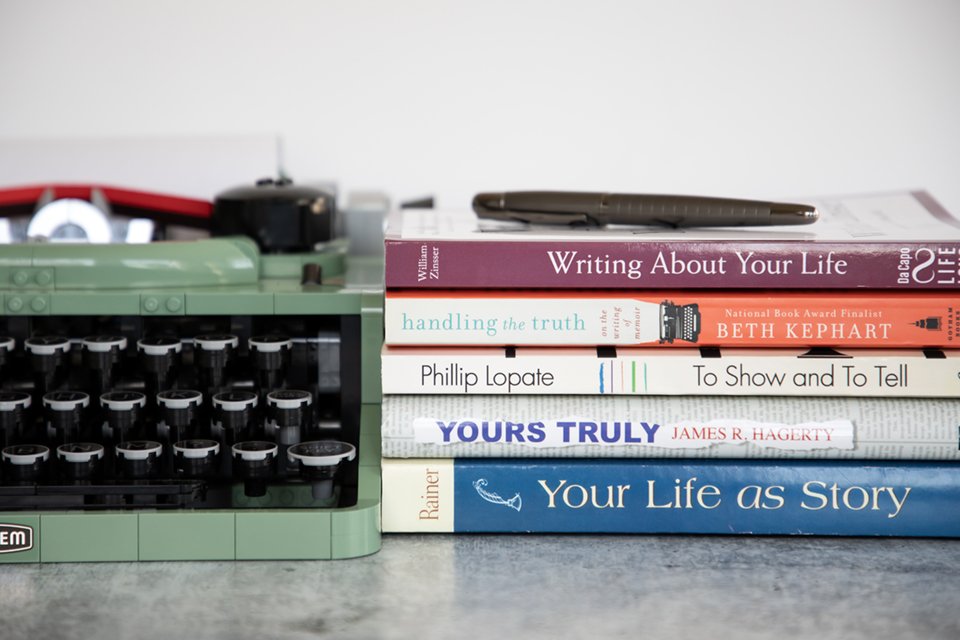
James Hagerty, a longtime obit writer for the Wall Street Journal, shares his years’ worth of life writing wisdom in the book Yours Truly: An Obituary Writer’s Guide to Telling Your Story.
There are many reasons I recommend picking up a copy of the book Yours Truly: An Obituary Writer’s Guide to Telling Your Story by James R. Hagerty. Among them: his flair for telling a good old, draw-you-right-in story, honed over decades as a reporter; his ability to distill a lifetime’s worth of living into a manageable piece of writing that is both enlightening and engaging; and his respect for everyday folks whose names we might not otherwise know had he not shined a light on them on the Wall Street Journal obituary pages (and now, in this book).
Most of all, though, I recommend you read Yours Truly to glean some life writing wisdom for yourself. My hope, like Hagerty’s, is that it will put you on the path to writing your own mini-memoir long before your family needs to craft your obituary.
For now, here are five lessons derived from the book to spark your inspiration.
Your family wants your stories—even if they seem disinterested now.
Have you ever been to a funeral, a wake, or shiva and witnessed how hungry the family members of the deceased are for stories—for any and every little morsel of memory about their lost loved one? I have. And I have also been the grieving individual desperate for such recollections.
In my years of creating tribute books to help people memorialize their lost loved ones, I am continually saddened by the regrets my clients express: regrets for not asking as many questions about their family member’s life as they “should have”; regrets for not expressing their feelings and gratitude before it was too late.
As Hagerty shares in his book, it’s often not until someone sits down to write an obituary that they realize how limited their knowledge is. “I am struck by how much [family members of the deceased] care about ensuring their loved one’s life will be remembered—and by how little they know about that life.”
This, by the way, is in no way laying blame—we all fall into this trap of taking our loved ones for granted, of thinking of them as “mom” and “dad” without really reflecting on them as individuals with rich lives of their own. Even professional personal historians like myself have felt this way—heck, it’s the reason many of us came to do what we do.
Hagerty, too, expresses: “Even if I had tried to write [my father’s] story, I would have struggled. I lived in my father’s house for my first 18 years and saw him at least once a year for the next 20-some. How can it be that I knew so little about him? Even the basic facts are blurry.” Of course he regrets not knowing more, not asking more—and it’s only in hindsight that he wishes his dad told his story—“I’m sure we would have read every word and kept it in a safe place,” he writes.
Just because your family members aren’t asking for your stories now doesn’t mean they won’t want them someday. They will, I promise.
You’ve got stories worth telling—really.
“My life is boring.”
“Ugh, I don’t have any stories—just scattered memories here and there.”
“I’ve lived a simple life, not worth talking about.”
I’ve heard all the excuses for not writing about your life and, frankly, they’re rubbish. I have yet to meet a person who felt this way who didn’t ultimately go on and on about their experiences during a personal history interview, only to surprise themselves with just how wonderful their life has been! Sure, it may take a while for some people to get warmed up, but by asking them the right questions and leading them on a path of self-discovery through reminiscence, they inevitably rediscover just how riveting their life has been.
You can “find” your stories through writing, too, and in his book, Hagerty brilliantly walks you through how to do just that. As he says, “If you think your life has been uneventful, think again. Once you start writing, you may find it’s been far more interesting than you realized.”
In addition to offering up three questions you should ask yourself before embarking on any autobiographical writing, Hagerty shares plenty of examples of life writing that will showcase just how fascinating so-called “regular” people can be—and trust me, there’s a lot to be gained by reading about the lives of others if you want to write about your own!
Recounting tough times is as important as sharing happy memories.
This is a topic I address with every person I work with: Yes, the happy memories and funny stories should go into your book—but your challenges, your failures, and your resilience must be there, too. It’s those stories that may one day provide comfort or guidance to one of your children. It’s those stories that show your humanity and that inspire.
Just as I encourage my subjects during personal history interviews, Hagerty too encourages his readers to go beyond describing episodes from your life to find meaning among them. Be thoughtful about what an experience meant to you, about what lessons you learned. Place these episodes from your life in a broader context.
“The experiences that shaped you are often what other people least understand and would be most interested to know.” Yes!
And don’t just think about recent milestones from your life. Hagerty notes that “the most common error I see in obituaries is to underestimate the importance of childhood and teenage years, and the struggles to find a career, a mate, a vocation, or a purpose in life.” It’s during those formative years that some of our biggest—life-defining!—decisions are made. They are worth exploring in a loved one’s obituary and in your own memoir writing.

Check out the book that inspired this post
“In life stories, generic will never do.”
We’ve all heard the maxim Show, don’t tell. Paint a picture of the environment you describe. Be specific about place names and clothing styles. Choose details that reveal your specific experience—including details of our modern life, for what we take for granted today may one day seem dated, even quaint: corded phones, drive-in movie theaters, and handwritten (mailed!) letters seem like relics of the past, but even more recent references to sending someone a message via a pager, hanging out at the mall, or picking your “top 8” in MySpace are already “of their time.”
This doesn’t, of course, mean to flood your stories with details, but choose telling ones, and be specific when it counts. If you are talking about your first job, describe the company and your role with real examples. If you say you felt demeaned at work, share a representative episode that made you feel that way. Allow your readers to imagine themselves experiencing life alongside you.
“Without details,” Hagerty writes, “a story shrivels into oblivion.”
Something is better than nothing.
I’ve said to many a personal history client, “Done is better than perfect.” So, too, is something better than nothing.
I am grateful for the few things my mom hand wrote in the memory journal she kept on her bookshelf. She answered about 10 of the 100 or so prompts with a mere sentence or two—and while I wish she wrote more, I cherish those sentences.
“You may never finish the project,” Hagerty writes. “That’s okay. An imperfect, incomplete story, offering whatever you can to muster to explain yourself and share the lessons you’ve learned is a precious gift to your friends, loved ones, and maybe even posterity in general. As for the memories you will resurrect and the insights into living you may discover, those are gifts to yourself.”
It’s a gift to your family, as well. A gift of legacy they will assuredly keep in a safe space in their home, and in their hearts.
















Note: This is an unsolicited review of a book I purchased at full price. I did not receive any compensation or free products in exchange, and any endorsements within this post are my own.
Affiliate disclosure: As an Amazon Associate, we may earn commissions from qualifying purchases from Amazon.com.
Two great resources to help you write an ethical will
Ethical wills—also called legacy letters—are great ways to pass on values and life lessons to your descendants. These two books will help you create your own.
One helpful resource to guide you in writing your own ethical will: this step-by-step book from Susan Turnbull, founder of Massachusetts–based Personal Legacy Advisors.
“What do I want my loved ones to inherit, in the broadest sense of the word?” Susan Turnbull asks in her guide, The Wealth of Your Life.
So, beyond the physical wealth you have accumulated in your lifetime, what else should you think about passing on? Things like your values, your stories, your family history—these things make up intangible wealth that, for many, is as important (if not more so) than your material assets. But how, exactly, to pass those on?
Leave your values, not just your valuables
The answer comes in the subtitle to Turnbull’s book, “A Step-by-Step Guide for Creating Your Ethical Will.”
An ethical will is simply a document you create to pass on wisdom, stories, and other information you feel is vital for your loved ones to know. It is an opportunity to share love, gratitude, and lessons with them. To leave a legacy with words.
Originally an ancient Jewish oral tradition, ethical wills have come to be known by more descriptive modern terms such as legacy letters and forever letters—but no matter what they are called, their intention is “to share the deepest truths of our lives for our loved ones to know and to hold even when, especially when, we are gone,” as Rabbi Steve Leader writes in For You When I Am Gone: Twelve Essential Questions to Tell a Life Story.
My life story?, you might be thinking. Well, yes, you may endeavor to preserve your full life story for the next generation (if you’re on my website, you know that’s undoubtedly something I champion!)—but most ethical wills are shorter documents (often between two and 10 pages, Turnbull suggests) and therefore much more approachable. It may evolve over time, too. “Start by creating a short message that captures the most important things you want to say,” she writes. “Peace of mind will be your immediate reward. You can add to that core message later, as time and inspiration allow.”
Here are two very different resources that I highly recommend for anyone interested in crafting your own ethical will.
The best books to help you craft your own ethical will
1 - a practical ethical will workbook

Susan Turnbull’s workbook is meant to be read and filled in—so get your pen ready!
Title: The Wealth of Your Life: A Step-by-Step Guide to Creating Your Ethical Will by Susan Turnbull
Who it is right for: A self-starter who wants to craft their own ethical will by the end of Turnbull’s book.
Biggest benefit: The nitty-gritty guidance (including, for instance, a list of values to consider writing about, and questions to narrow down your intentions) is thought-provoking; and the worksheets are incredibly helpful tools that also mark your progress as you go.
Consider: Buying one guide for yourself and another for your life partner, sibling, or a close friend—going on this journey together may provide both motivation and a means to grow closer.
This is a short, spiral-bound book that’s meant to be used as a tool. The author has broken out the steps to creating your ethical will not only clearly, but gracefully: Questions and prompts are accompanied by “lightbulb” asides that nudge you in the right direction, plus short examples of real-world answers that illustrate, among other things, that using your authentic voice is a powerful thing.
One of my favorite tips: You can convey values without sermonizing. “It is in your everyday life that your values find their expression.” In other words, use stories to reveal your values. Writes Turnbull, “In so doing, your values become obvious, you provide an interesting record of a slice of your life, and you will touch your audience in ways you can never imagine.” Indeed.
2 - an inspirational read that leads by example

I recommend reading Steve Leder’s book twice—once to relish the personal writings within, then again with the intention of answering his questions to craft your own ethical will.
Title: For You When I Am Gone: Twelve Essential Questions to Tell a Life Story by Steve Leder
Who it is right for: Anyone who wants to immerse themselves in years’ worth of wisdom, all the while becoming inspired to share your own.
Biggest benefit: Thoughtful, rich examples of excerpts from ethical wills from a wide variety of people of differing backgrounds and life experiences. The answers people provided to the 12 guiding questions Leder supplies are heartening and motivating.
Consider: Finishing your ethical will and then…writing more! For me, personally, answering the 12 questions in this book promises to yield more than my ethical will for my son—a whole lot more.
An ethical will can be both a way for descendants to remember a lost loved one and a primer on how to live a better, happier life.
Rabbi Steve Leder—who has presided over more than a thousand funerals over the past three decades—knows the value of stories in creating legacy. If you ask the right questions, he says, meaningful stories pour forth. In this book, he has distilled those questions for us. “These questions are deliberate and so is the order in which I ask them,” Leder writes. “They have helped countless families tell the deepest, most honest, and often beautiful truths by which their loved ones lived.”
Sound intimidating? It’s shouldn’t be. Not only can you do this, but you will also gain insights and feel a sense of peace upon completion, “a promise of continuity,” as Leder says. While he thought he would be imposing on those he asked to contribute to his book, on the contrary, most of the individuals thanked him for allowing them the opportunity to be thoughtful and to share their stories.
The 12 chapters in For You When I Am Gone each introduce one question, some rationale for its inclusion, and then varied answers from real people. I recommend reading this book in its entirety, then beginning again with the intention of answering each question yourself as you finish its chapter. That’s what I have done.
Two messages that resonated greatly with me: ““We cannot learn from a story no one has ever told us” and “To share our story with someone is to say, you matter to me.” Leder also professes urgency: “My message is, ‘Don’t wait.’ Because none of us ever really knows which conversation might be our last.”
For You When I Am Gone is the best book on life writing that I have read in years; it has become the book I have gifted most often since it was published last year. I hope you’ll pick it up, and that you’ll take the messages from Leder and Turnbull to heart and begin writing your own ethical will.
This clever turn of phrase from Turnbull’s guide says it all: “What you have learned is as valuable as what you have earned.” So pass it on—please!
Note: This is an unsolicited review of two books I purchased at full price. I did not receive any compensation or free products in exchange, and any endorsements within this post are my own.
Affiliate disclosure: As an Amazon Associate, we may earn commissions from qualifying purchases from Amazon.com.
“To Write the Past”: A supportive companion for thoughtful memoirists
This small yet dense self-published book comprises nine essays in which writer Sara Mansfield Taber aims to answer “the questions that plague the memoirist.”
To Write the Past: A Memoir Writer’s Companion by Sara Mansfield Taber
In my constant effort to keep up-to-date with the latest on memoir writing—particularly craft essays and books—I ordered the custom-published volume To Write the Past: A Memoir Writer’s Companion by Sara Mansfield Taber.
The book promises “to hearten and embolden those who pick it up to set their memories and musings on the page.”
To be sure, the eight essays within To Write the Past are thoughtful and at times thought-provoking, and the word “musings” is an apt description of the meandering style with which Taber approaches her topic. (The title’s sub-subheading reads, “Musings on the Philosophical, Personal, and Artistic Questions Faced by the Autobiographical Writer.”)
Book review:
“To Write the Past: A Memoir Writer’s Companion” by Sara Mansfield Taber
Taber is most qualified to write about memoir, having penned two memoirs herself and taught autobiographical writing for more than two decades at universities and in group workshops. As a writing coach she says she “has midwifed hundreds of memoirs into being.”
But her expertise on display in this book is broad, philosophical, pensive. You won’t get tips for creating a compelling narrative or weaving dialogue into your stories. You will, however, feel supported. A sense of “we’re in this together, fellow memoirist” pervades the book.
Some essays spoke more directly to me than others, and I have no doubt certain themes will resonate more with you than others based on your own experience as a writer. Taber approaches her topics, as perhaps one would expect a memoirist to do, firmly rooted in her own experiences writing, publishing, and reading memoirs.
The first few essays gripped me the most—I related to them, as a human, a fellow writer, and a personal historian.
On the topic of why we write memoir (something I often consider and write about myself), my yellow highlighter swept across passages. A few favorite lines, so you can get a taste of Taber’s tone and insights:
“Upon my father’s death, up-wellings of love for him, and for my whole past, swirled into the surges of grief, forming a roaring tide of need—to write.”
“As I wrote, it was as if I was writing about some other girl I once knew well. I sensed that she might be of some use to me even now, many years later.”
And:
“By writing, I dig a pool to catch all the joy and pain that constantly leaks from the years past.”
That last quote in particular captures my own urge to write, and oh, how beautifully expressed!
Taber’s musings on the question of legitimacy (“who am I to write my story?”) were familiar and affirming. On who one should be writing for, her thoughts were arresting and fodder for future contemplation. The essay exploring “the question of truth”—one of my favorite topics to discuss with fellow writers—was less exciting for me; “truth is multiple,” she writes, but I wanted more—more than “this is one story of my life.” (For anyone especially intrigued by the notion of writing your truth, I recommend Beth Kephart’s singular Handling the Truth: On the Writing of Memoir as well as her follow-up workbook, Tell the Truth. Make It Matter.)
The essay that resonated least with me concerned the notion, “Should I write something so personal?” I admit: I haven’t questioned this in my own writing. I haven’t encountered such criticism that Taber seems to have (quite strongly, it would seem) that her self-revelations are “too personal.” Her intense—and lengthy—defenses of getting personal felt overdone, though they may speak to you if this is an idea you, too, struggle with.
Overall, To Write the Past is a comforting and considerate meditation on undertaking to write a memoir. Check it out if you want to commune with a likeminded spirit, and to find compelling reasons to move forward in the face of criticism, doubt, or struggle. “There are so many things that get in the way as we endeavor—valiantly or timidly—to set down our autobiographical paragraphs,” Taber writes. Her essays strive to help you navigate those invasive thoughts, circumvent the roadblocks, and find your way on the path to a memoir—your memoir, finally written.
Why? Because: “A memoir is a prayer, an offer of company, an invitation to dinner. An offering of honesty…to whomever will receive it.” A worthy endeavor, indeed.
Note: This is an unsolicited review of a book I purchased at full price. I did not receive any compensation or free products in exchange, and any endorsements within this post are my own.
Most anticipated memoir & craft books of 2022
Personal historian Dawn Roode of Modern Heirloom Books lists her most anticipated books of 2022 for fans of memoir and the craft of writing. Mark your faves!
Normally when I write about books it’s because I have read them and am recommending them for some specific reason (such as these books to help you with your life writing). Today, however, I am offering up a list of books that are forthcoming this year and that are on my radar. I thought you might like to check them out, too, and pre-order any that pique your interest.
Life writing, craft, and memory-keeping books
Who knows if the list for this first theme of books—about writing memoir and preserving legacies—will grow as the year goes on. For now, these are the three nonfiction titles I am anticipating in 2022. If you’re in the market for more books on how to write your stories, writing and memory prompts, and more craft-themed books, check out my reviews of current titles here.
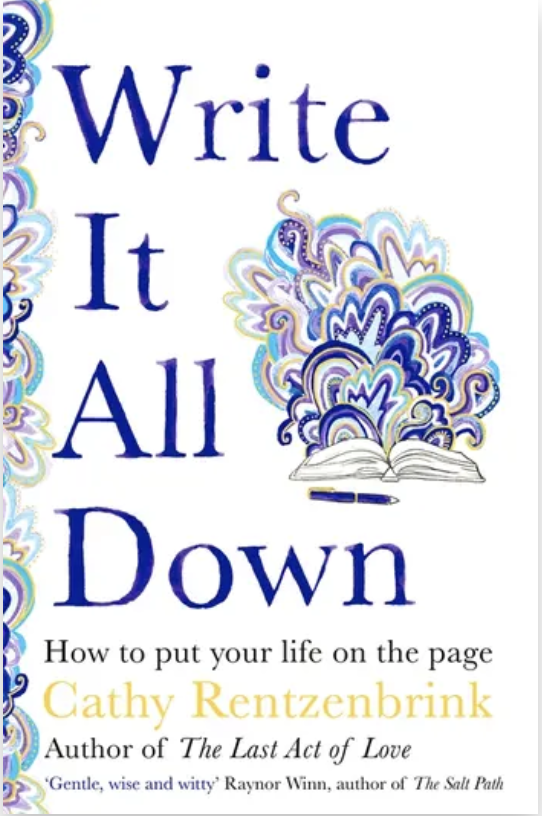
Write It All Down: How to Put Your Life on the Page
By Cathy Rentzenbrink (Pan Macmillan; January 2022)
From the publisher: “Why do we want to write and what stops us? How do we fight the worry that no-one will care what we have to say? What can we do to overcome the obstacles in our way? … Intertwined with reflections and exercises, Write It All Down is at once an intimate conversation and an invitation to share your story.”
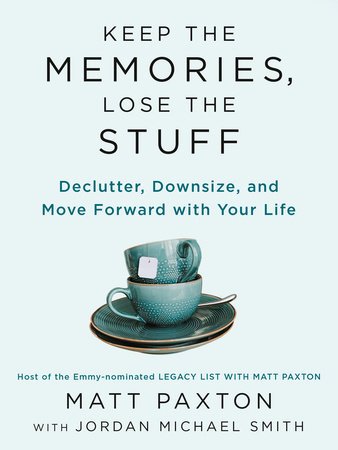
Keep the Memories, Lose the Stuff
By Matt Paxton (Portfolio; February 8)
From the publisher: “America’s top cleaning expert and star of the hit series Legacy List with Matt Paxton distills his fail-proof approach to decluttering and downsizing. Your boxes of photos, family’s china, and even the kids’ height charts aren’t just stuff; they’re attached to a lifetime of memories—and letting them go can be scary. With empathy, expertise, and humor, Keep the Memories, Lose the Stuff helps you sift through years of clutter, let go of what no longer serves you, and identify the items worth keeping so that you can focus on living in the present.”
This is a topic near and dear to my heart (see my free guide “After a Death: How to Make the Process of Going through Your Parents’ Photos Easier”), and I look forward to seeing how Paxton shares his wisdom. A favorite bit of personal historian advice with respect to sorting through your stuff: Take high-quality photographs of items that hold meaning but perhaps take up too much space or no longer feel relevant to your life; this way you can write about why these heirlooms mattered to you (and your family), where and when they originated, etc.—then, after preserving their history, you can give them away without unnecessary guilt.
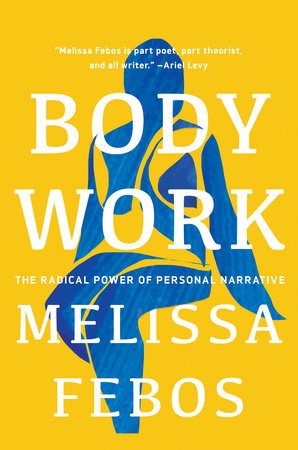
Body Work: The Radical Power of Personal Narrative
By Melissa Febos (Catapult; March 15, 2022)
“If I could do cartwheels, I would have cartwheeled across the room when I learned that the brilliant Melissa Febos is gifting us with a memoir craft book,” writes one reviewer on LitHub.
From the publisher: “How might we go about capturing on the page the relationships that have formed us? How do we write about our bodies, their desires and traumas? What does it mean for an author’s way of writing, or living, to be dismissed as ‘navel-gazing’—or else hailed as ‘so brave, so raw’? And to whom, in the end, do our most intimate stories belong? … Melissa Febos has created a captivating guide to the writing life, and a brilliantly unusual exploration of subjectivity, privacy, and the power of divulgence.”

How to Tell a Story: The Essential Guide to Memorable Storytelling from The Moth
By The Moth, Meg Bowles, Catherine Burns, Jenifer Hixson, Sarah Austin Jenness (April 26, 2022)
I’ve never been drawn to going up onstage to share my stories at a mic, but I am a frequent guest at story slams and Moth main stage performances (migrating to their storytelling podcast during the pandemic)—and I have always marveled at how well the coaching works. Seriously, introverted writers and self-declared non-performers shine when they’re telling their stories for The Moth, and often that can be attributed to having workshopped their material with a team of educators who help develop and shape their stories. Goals? “To hook us in. Make us care about you… [and] conclude as a different person.”
So of course I’m invested in reading their new book that promises to share “secrets of their time-honed process and [use] examples from notable and beloved storytellers,...[and to help you] mine your memories for your best stories.” Everyone has a story to share, so why not share it well?
Biography & Memoir
I firmly believe that reading memoir—good memoir, truthful and well-structured memoir—is a bridge to writing memoir. So beyond the mere sensory pleasure of reading any of the below suggestions, if you are someone who regularly writes about your life or has aspirations to pen your own memoir, take notes when you come across something especially compelling. Does the author employ dialogue to great effect? How do they weave the past and the present? How to they convey universal meaning from singular personal experiences?
My regular readers will know I have an affinity for memoirs told in shorter snippets—often referred to as vignettes—and I am especially eager to read the following from the list below, all examples of the memoir-in-essays form: Bomb Shelter: Love, Time, and Other Explosives by Mary Laura Philpott (April); The Crane Wife: A Memoir in Essays by CJ Hauser (July); and Crying in the Bathroom by Erika L. Sánchez (July).

Lost & Found: A Memoir
By Kathryn Schulz (Random House; January 11, 2022)
Named one of the most anticipated books of the year by The New York Times, Oprah Daily, The Washington Post, and others, Lost & Found is undoubtedly one of the most awaited books of 2022.
Eighteen months before the author’s father died, she met the woman she would marry. In Lost & Found, according to the publisher, “she weaves the stories of those relationships into a brilliant exploration of how all our lives are shaped by loss and discovery—from the maddening disappearance of everyday objects to the sweeping devastations of war, pandemic, and natural disaster; from finding new planets to falling in love.”
“Three very different American families form the heart of Lost & Found: the one that made Schulz’s father, a charming, brilliant, absentminded Jewish refugee; the one that made her partner, an equally brilliant farmer’s daughter and devout Christian; and the one she herself makes through marriage.”
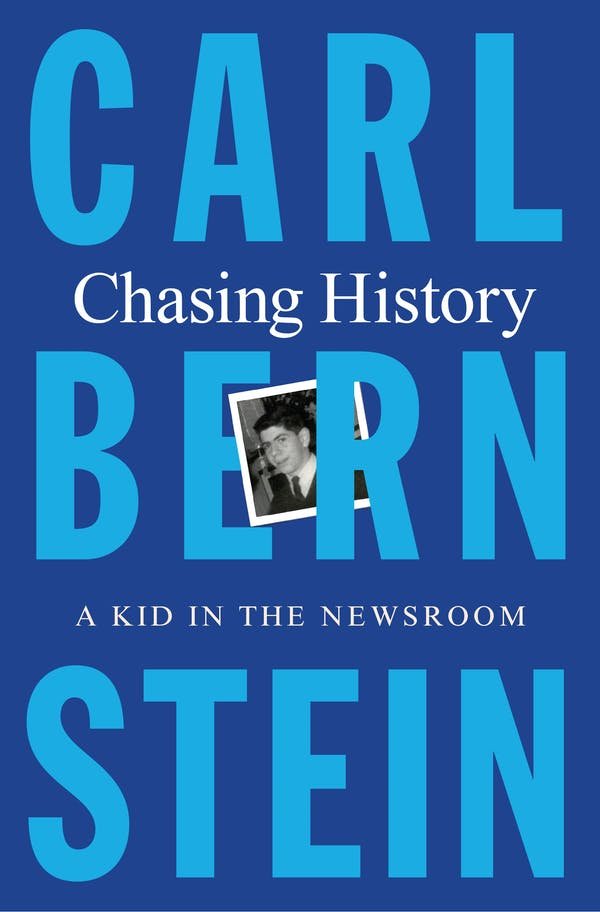
Chasing History: A Kid in the Newsroom
By Carl Bernstein (Henry Holt; January 11, 2022)
According to the publisher, in this book “Carl Bernstein, the Pulitzer Prize-winning coauthor of All the President’s Men and pioneer of investigative journalism, recalls his beginnings as an audacious teenage newspaper reporter in the nation’s capital—a winning tale of scrapes, gumshoeing, and American bedlam.” As a huge fan of the Alan Pakula–directed film and a former magazine editor myself, I am so on board for this account from one of journalism’s most iconic personalities.
Here’s Bernstein on first entering the newsroom of the Washington Evening Star as a high schooler: “The door by which I had entered was at the end of a dim, quiet corridor of the sort you would find in any ordinary place of business. The door through which Rudy Kauffmann now led me opened into another universe. People were shouting. Typewriters clattered and chinged. Beneath my feet, I could feel the rumble of the presses…. In my whole life I had never heard such glorious chaos or seen such purposeful commotion as I now beheld in that newsroom. By the time I had walked from one end to the other, I knew that I wanted to be a newspaperman.” Read an excerpt from Chasing History here.
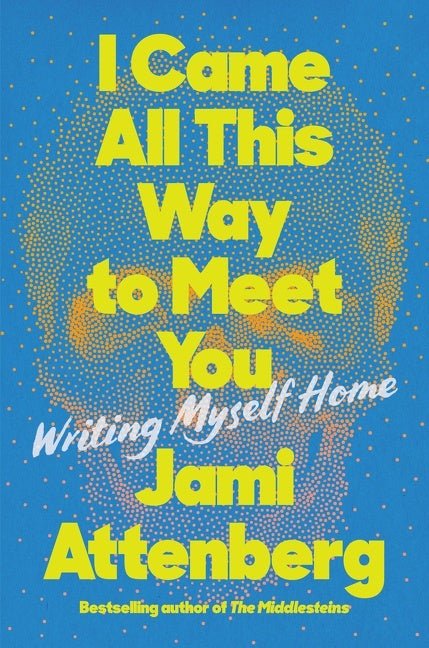
I Came All This Way to Meet You: Writing Myself Home
By Jami Attenberg (Ecco; January 11, 2022)
In her first memoir, acclaimed author “Jami Attenberg—described as a ‘master of modern fiction’ (Entertainment Weekly) and the ‘poet laureate of difficult families’ (Kirkus Reviews)—reveals the defining moments that pushed her to create a life, and voice, she could claim for herself,” shares the publisher. “What does it take to devote oneself to art? What does it mean to own one’s ideas? What does the world look like for a woman moving solo through it?”
In a review for Vogue, Jessie Heyman opines, “Her newest is an episodic collection of Attenberg’s life—her cross-country travels, debilitating injuries, bad plane rides, bad boyfriends—which are all told through her signature intimate and humorous style. But it’s her writing on her own work I found particularly revealing. ‘I became a fiction writer in the first place because stories are a beautiful place to hide,’ she writes.”

Aurelia, Aurélia
By Kathryn Davis (Graywolf; March 1, 2022)
From the publisher: “Kathryn Davis’s hypnotic new book is a meditation on the way imagination shapes life, and how life, as it moves forward, shapes imagination. At its center is the death of her husband, Eric. The book unfolds as a study of their marriage, its deep joys and stinging frustrations; it is also a book about time, the inexorable events that determine beginnings and endings.”
“She writes about being a teenager, trying on identities like clothes, and about being in late middle age, resolutely someone, and yet still wondering, still trying on the other clothes, even while liking her own,” notes a LitHub review.
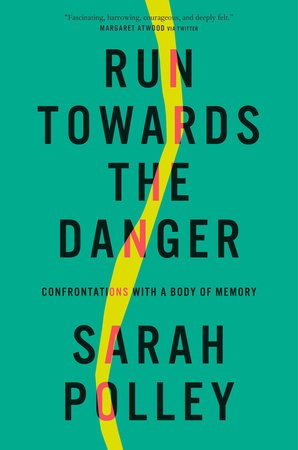
Run Towards the Danger: Confrontations with a Body of Memory
By Sarah Polley (Penguin Press; March 1, 2022)
“These are the most dangerous stories of my life,” Sarah Polley writes in her new memoir. “The ones I have avoided, the ones I haven’t told, the ones that have kept me awake on countless nights. As these stories found echoes in my adult life, and then went another, better way than they did in childhood, they became lighter and easier to carry.”
Polley, an Oscar nominated screenwriter, director, and actor, shares six essays, “each one [capturing] a piece of [her] life as she remembers it, while at the same time examining the fallibility of memory, the mutability of reality in the mind, and the possibility of experiencing the past anew, as the person she is now but was not then,” describes the publisher.
If you haven’t seen Polley’s 2012 film Stories We Tell, it too explores the vagaries of truth and the intersection of the past and present, and I highly recommend it (read my review here), perhaps as a prelude to her memoir.

In Love: A Memoir of Love and Loss
By Amy Bloom (Random House; March 8, 2022)
From one of my all-time favorite writers, Amy Bloom (I still recall discovering her book of stories Come to Me the year after I graduated college and knowing I would buy anything she wrote thereafter), this new memoir explores the period of time she accompanied her husband, Brian, through the final days of his life. After a diagnosis of early-onset Alzheimer’s, the pair begin a heartrending journey of finding a way that Brian can end his life with dignity.
“Most poignant are the intimate moments they share as they make the most of their last days together,” reads the starred review in Publisher’s Weekly. “As [Bloom] writes, ‘I imagine that Brian feels as alone as I do but I can tell he isn’t as afraid.’ The result is a stunning portrayal of how love can reveal itself in life’s most difficult moments.”

Ancestor Trouble: A Reckoning and a Reconciliation
By Maud Newton (Random House; March 29, 2022)
“I never expected to become interested in genealogy,” Maud Newton writes in this 2014 Harper’s cover story that led to her book deal. “When I did, slowly at first and then in great gusts of extreme obsession, I thought I owed the fascination to my mom, a natural storyteller descended from a collection of idiosyncratic Texans. One of her granddads was a strident Dallas socialist; the other killed a man with a hay hook. Her father, Robert Bruce, is said to have been married thirteen times to twelve women.”
According to the publisher, “Maud researched her genealogy…and sought family secrets through her DNA. But immersed in census archives and cousin matches, she yearned for deeper truths…. Searching, moving, and inspiring, Ancestor Trouble is one writer’s attempt to use genealogy—a once-niche hobby that has grown into a multi-billion-dollar industry—to expose the secrets and contradictions of her own ancestors, and to argue for the transformational possibilities that reckoning with our ancestors offers all of us.”

The Unwritten Book: An Investigation
By Samantha Hunt (FSG; April 5, 2022)
More reviews than I can count recommend this book to me. A few, to entice:
“Like a trunk in the attic, The Unwritten Book offers up the most extraordinary, eclectic, and heart-wrenching insights, historical facts, stories, and advice on how to live closer to the dead…. I feel more alive and wiser for having read it,” declares author Cathy Park Hong.
From Rumaan Alam: “The Unwritten Book is a disobedient work—not quite memoir (even as the author interrogates her own life); not quite philosophy (though with much to say on art, faith, ethics, and more); not quite classifiable.”
And from LitHub: ”Fueled by the discovery of her father’s unfinished manuscript, Samantha Hunt is on the hunt (sorry) for clues about all that is left unsaid. Part literary criticism, part memoir, part family history, this new book explores the things that have a hold on us. I, for one, am ready to be haunted by Samantha Hunt once again.”
“Each chapter gathers subjects that haunt: dead people, the forest, the towering library of all those books we’ll never have time to read or write,” notes the publisher. “Through literary criticism, family history, history, and memoir…Hunt explores questions of motherhood, hoarding, legacies of addiction, grief, how we insulate ourselves from the past, how we misinterpret the world.”

Left on Tenth: A Second Chance at Life: A Memoir
By Delia Ephron (Little Brown; April 12, 2022)
Time magazine calls Left on Tenth “a heart-wrenching tale of second chances at life and love” for author and screenwriter Delia Ephron, who chronicles her (often hilarious, always vulnerable) journey of falling in love again after the death of her husband. “But this was not a rom-com: four months later she was diagnosed with AML, a fierce leukemia.”

Bomb Shelter: Love, Time, and Other Explosives: A Memoir in Essays
By Mary Laura Philpott (Atria Books; April 12, 2022)
In this memoir in essays, Philpott sets out to “illuminate what it means to move through life with a soul made of equal parts anxiety and optimism (and while she’s at it, to ponder the mysteries of backyard turtles and the challenges of spatchcocking a turkey),” according to the publisher. “Philpott returns in her distinctive voice to explore our protective instincts, the ways we continue to grow up long after we’re grown, and the limits—both tragic and hilarious—of the human body and mind.”
One Off the Shelf reviewer highlighted this memorable line from Philpott’s book, which makes me even more eager to read it: “I keep trying to make sense of my life by stacking stories upon stories upon stories.” Indeed, don’t we all.
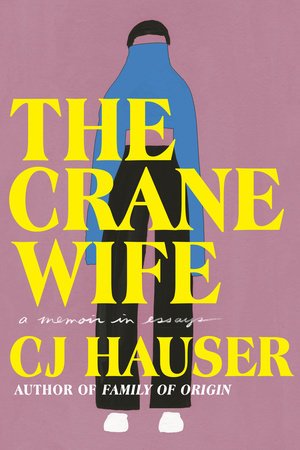
The Crane Wife: A Memoir in Essays
By CJ Hauser (Doubleday; July 12, 2022)
“I think I was afraid that if I called off my wedding I was going to ruin myself. That doing it would disfigure the story of my life in some irredeemable way, CJ Hauser wrote in The Paris Review essay, also called “The Crane Wife.”
“What I understood on the other side of my decision,” she wrote, “on the gulf, was that there was no such thing as ruining yourself. There are ways to be wounded and ways to survive those wounds, but no one can survive denying their own needs.”
From the publisher: In The Crane Wife, CJ Hauser “writes about friends and lovers, blood family and chosen family, and asks what more expansive definitions of love might offer us all. Told with the late-night barstool directness of your wisest, most bighearted friend, [this] is a book for everyone whose life doesn’t look the way they thought it would; for everyone learning to find joy in the not-knowing; for everyone trying, if sometimes failing, to build a new sort of life story, a new sort of family, a new sort of home, to live in.”
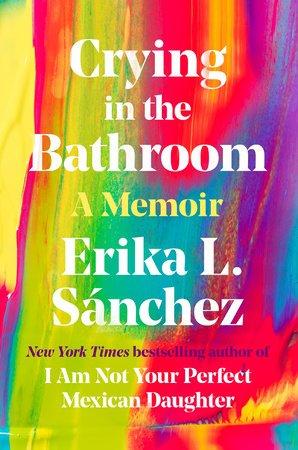
Crying in the Bathroom: A Memoir
By Erika L. Sánchez (Viking; July 12, 2022)
From the New York Times bestselling author of I Am Not Your Perfect Mexican Daughter comes an utterly original memoir-in-essays that promises to be as deeply moving as it is hilarious.
From the publisher’s page: “In these essays, Sánchez writes about everything from sex to white feminism to debilitating depression, revealing an interior life rich with ideas, self-awareness, and perception. Raunchy, insightful, unapologetic, and brutally honest, Crying in the Bathroom is Sánchez at her best—a book that will make you feel that post-confessional high that comes from talking for hours with your best friend.” I’m in.
As yet untitled MEMOIR of Paul Newman
(Knopf; Autumn 2022)
With the hope of debunking the numerous unsolicited biographies about Paul Newman over the years, the actor and philanthropist began recording his life story through oral history interviews with friend Stewart Stern in 1986 (“I should probably at least make some truthful self-examination so the unsolicited biographies wouldn’t be considered as gospel,” he reportedly told Stern).
According to the publisher, the “result is a portrait of the actor in full, from his early days to his years in the Navy, from his start in Hollywood to his rise to stardom, and with an intimate glimpse of his family life.
I met Newman when I volunteered to help set up his first camp, the Hole in the Wall Gang Camp in Ashford, Connecticut, when I was a senior in high school, and was in awe of his selfless nature (and wonderfully mischievous sense of humor), so I especially look forward to hearing stories from his life in his own words.
Diaries & journals

Gathering Blossoms Under Fire: The Journals of Alice Walker, 1965-2000
Edited by Valerie Boyd (Simon & Schuster; April 12, 2022)
From the publisher: “In an unvarnished and singular voice, [Alice Walker] explores an astonishing array of events: marching in Mississippi with other foot soldiers of the Civil Rights Movement, led by Martin Luther King, Jr.; her marriage to a Jewish lawyer, defying laws that barred interracial marriage in the 1960s South; an early miscarriage; writing her first novel; the trials and triumphs of the Women’s Movement; erotic encounters and enduring relationships; the ancestral visits that led her to write The Color Purple; winning the Pulitzer Prize; being admired and maligned, sometimes in equal measure, for her work and her activism; and burying her mother. A powerful blend of Walker’s personal life with political events, this revealing collection offers rare insight into a literary legend.”

The Diaries of Franz Kafka
Translated by Ross Benjamin (Schocken; December 6, 2022)
This new translation of Kafka’s handwritten diaries dating from 1909 to 1923, according to the publisher, contains “accounts of daily events, reflections, observations, literary sketches, drafts of letters, accounts of dreams, as well as finished stories. This volume makes available for the first time in English a comprehensive reconstruction of the diary entries and provides substantial new content, including details, names, literary works, and passages of a sexual nature that were omitted from previous publications. By faithfully reproducing the diaries' distinctive—and often surprisingly unpolished—writing in Kafka's notebooks, translator Ross Benjamin brings to light not only the author's use of the diaries for literary experimentation and private self-expression, but also their value as a work of art in themselves.”
Other memoir & biography titles to look out for in 2022
The Beauty of Dusk: On Vision Lost and Found by Frank Bruni (Avid Reader Press/Simon & Schuster; March 1, 2022)
I Was Better Last Night by Harvey Fierstein (Knopf; March 1, 2022)
Easy Beauty: A Memoir by Chloé Cooper Jones (Avid Reader Press/Simon & Schuster; April 5, 2022)
Happy-Go-Lucky by David Sedaris (Little, Brown and Company; May 31, 2022)
Affiliate disclosure: As an Amazon Associate, we may earn commissions from qualifying purchases from Amazon.com.
Three writers use vignettes to craft moving memoirs
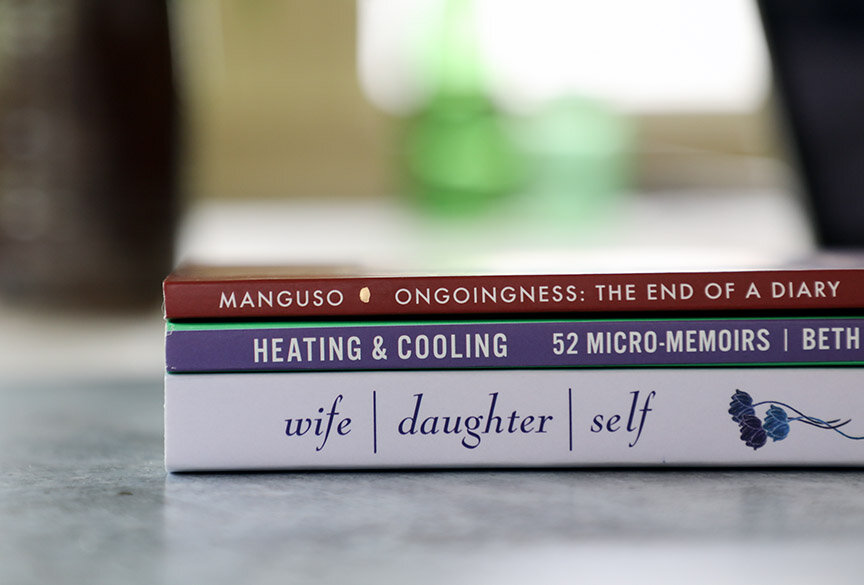
Memoirs by Sarah Manguso, Beth Ann Fennelly, and Beth Kephart each weave together short narratives to create evocative, textured self-portraits of the writers.
I have written often about using vignettes to tell the stories of your life, and I feel strongly that reading works by others to inspire your own writing is a humbling and essential practice. The three books that follow have one big thing in common: The writers weave together fragments—called alternatively essays, micro-memoirs, and meditations—to create a multi-faceted self-portrait. I recommend reading each of these to get a sense of just how powerful and evocative it can be to craft your memoir…vignette by vignette.
memoir in vignettes no. 1
Ongoingness: The End of a Diary
Ongoingness: The End of a Diary by Sarah Manguso (Graywolf Press, 2015) is a series of meditations on the author’s compulsion to keep a continuous diary. She writes early in the book, “From the beginning, I knew the diary wasn’t working, but I couldn’t stop writing. I couldn’t think of any other way to avoid getting lost in time.”
Manguso recalls a time in childhood when she didn’t yet need a diary because “I wasn’t yet aware of how much I was forgetting.” That’s at the heart of it here—the fear of losing memories, of losing pieces of oneself. So she records, she memorializes, and she fights the forgetting…until she has a child of her own, that is. And in Ongoingness, she explores the “welcome amnesia,” as the book jacket calls it, of the next chapter of her life.
Some of Manguso’s insights and observations are elliptical in nature: She circles back to them once and again, each time drawing more or new or different meaning from the same experience. Her prose is crystalline. Her insights are resonant.

Ongoingness: The End of a Diary by Sarah Manguso is a fine example of:
how everyday moments deserve primacy in our writing
how paying attention to details—select, apropos details—can elevate the personal to the universal
how memory is malleable and often elusive—and how, even then, we can mine truth from it in our writing
how “brief” does not mean “lacking”
memoir in vignettes no. 2
Heating & Cooling: 52 Micro-Memoirs
Heating & Cooling: 52 Micro-Memoirs by Beth Ann Fennelly (W.W. Norton & Co., 2017) is another sleek volume that brings the writer to life through what she calls “micro-memoirs” and what I would refer to as “vignettes.”
Don't be fooled: The autobiographical vignettes in Heating & Cooling were not randomly gathered from the author's journals; rather, they were thoughtfully woven together. There is a fine balance between entries that delve into deep waters and ones that skim lightly along the surface. There is a rhythm not only to the words, but to the pieces themselves (which range in length from a single sentence to six pages). There is a layering of themes and a range of moods, a sense of both evocative poetry and direct truth-telling.
Consider reading this book twice: Once, read a vignette or two every night (Ann Patchett calls each entry a “perfect pearl of memory,” and indeed they are worthy of relishing morsel by morsel); then, binge-read the book in one sitting (it's just over a hundred pages, after all, and I promise you the layered themes I mentioned will be all the more apparent to you this way).

Heating & Cooling: 52 Micro-Memoirs by Beth Ann Fennelly is a great example of:
making every word count (Daniel Wallace said, “Every sentence in this book could be sent to the Smithsonian Institution in case future readers want to know what a great sentence looks like.)
how to use humor effectively in your memoir writing
how to curate and compile telling moments from a life to reveal broader themes—and delight the reader
how to be wonderfully vulnerable and alive in your writing
how to construct a book of vignettes that build upon one another and all together draw a richly textured portrait of the writer
memoir in vignettes no. 3
Wife | Daughter | Self: A Memoir in Essays
Ah, perhaps my favorite of the bunch here, Beth Kephart's latest memoir, Wife | Daughter | Self (Forest Avenue Press, 2021) is a book to be savored. And for those of us who open to the first page with the intent of inspiring our own writing, how lucky we are that Kephart has included notes on how she created it in a thoughtful postscript. To wit:
"I write parts whose purpose is to find their way into an implicating whole, the choreography of the thing being the thing, the adjacencies and half sums. The rain that won't come answered, pages later, by the rain that will. The dead communicating with the living.”
Or:
"…the aggregation of parts that constitute this memoir reflect my belief that truth is not continuous, that stories live in the seams, that we remember in bursts and find wisdom in the juxtaposed…”
Kephart is a perpetual seeker of truth—of her truth, of the universal truth; she is on a quest for meaning, and it is through writing that she is most often able to find it. Does she find herself, though—the "self" in the title of this memoir? Do we as readers find her?
We glimpse her, we feel her, we intuit and recognize and yearn for her in the push and pull of her words. We find her in the seams (oh, how I love this notion: that “stories live in the seams,” as Kephart writes and teaches and ultimately manifests in this memoir). We are left to find traces of her and to piece together a fragmented whole ourselves—a whole I envision as a mobile made of shimmering stained-glass mosaics, blowing in the wind, simultaneously reflecting and catching the sun. We know her, even if perhaps we can't summarize who she is in words.
"If you asked about my process, I'd say music,” Kephart writes in the addendum. And there it is: While we are caught up in the music of her life, of her writing, then her craftsmanship—her cognizance of form and her attention to weaving fragments together so they convey more than the sum of their parts—all of that is invisible to us as readers. Beautifully, conspicuously invisible.

Wife | Daughter | Self: A Memoir in Essays by Beth Kephart is a stellar example of:
how to orchestrate a symphony from otherwise disjointed notes
how to carefully choose and weave details so that they become "telling details"
how to write towards truth, allowing the journey of writing to become part of the story; as Kephart says, “the truth is in the trying”
how “writing the same story twice is to puzzle out dimensions”
how considering yourself in relation to others—"Father's daughter. Husband's wife. Son's mother."—can be a gateway to finding oneself, period.

Download Free Writing Prompts Guide
Get all our life story vignette writing prompts in one easy-to-read printable guide!
Discover more posts to help with writing vignettes about your life




Affiliate disclosure: As an Amazon Associate, we may earn commissions from qualifying purchases from Amazon.com.
Book recommendation: “Life Is in the Transitions,” by Bruce Feiler
Bruce Feiler's latest book, Life Is in the Transitions, offers up a helpful toolkit for dealing with life's curveballs through a lens of storytelling.

Bruce Feiler’s new book, Life Is in the Transitions: Mastering Change at Any Age, was released July 14, 2020 from Penguin Press.
If you are into family history at all, chances are you’ve heard of Bruce Feiler. He is one of the most-oft quoted experts on the power of storytelling in genealogy circles. After his article “The Stories that Bind Us” went viral in 2013, Feiler went on to author a book that dove deeper into the topic and headline the 2016 RootsTech conference.
Feiler calls himself a “lifestorian,” and his current book goes far in legitimizing that title.
This month he released Life Is in the Transitions, a book based not only on research from past psychological and university studies, but on a trove of data he collected himself over the course of three years when he roamed the country (all 50 states, in fact) interviewing people about their lives.
Not just any old meandering, curiosity-fueled interview, either, but what Feiler calls the “Life Story Interview,” based on narrative studies pioneer Dan McAdams’s template, modified for his purpose today: “My goal is to understand how we all live now—how we navigate the transitions, disruptions, and reinventions in our lives in a way that allows us to live with meaning, balance, and joy.”
Feiler includes the interview template in the final pages of the book, and this, to me, is one of the most valuable extras he provides.
For as someone who interviews people for a living—helping you discover and articulate your own stories, and ultimately guiding you to find the meaning within your experiences—the straightforward yet flexible form of the Life Story Interview provides me with another way to do just that. Also: It gives YOU the tools you need to have enlightening and meaningful conversations with family members (something that both Feiler and I hope you do!).
I read the book with two different agendas:
One, as Feiler hoped: to better understand how to weather the myriad transitions we face in our modern lives, not only philosophically, but practically—to discover a toolkit for handling the changes and coming out (often better for it) on the other side.
Two, as a personal historian: to find more proof, more relatable anecdotal and data-driven evidence, that crafting and sharing our own personal narratives can be healing, productive, and best of all, meaning-making.
And yes, I got this and more from my reading.
Why You Should Read this Book
1 - As a Tool for Your Own Discovery
Feiler’s premise is simple: We are no longer living in a straight line with predictable milestones shaping our lives. Rather, we are bombarded by changes (more often, and at varying times).
“We experience life as a complex swirl of celebrations, setbacks, triumphs, and rebirths across the full span of our years,” Feiler writes. And yet, all of our coping mechanisms are based on this outdated notion of life as a single forward trajectory.
Moreover, our expectations of life are based in this same idea. If we correct that—if we can instead expect the nonlinear life trajectory as normal, even inevitable—we’ll be much happier, Feiler posits. “Trained to expect that our lives will unfold in a predictable series of stately life chapters, we’re confused when those chapters come faster and faster, frequently out of order, often one on top of the other.”
A cursory reading of Life Is in the Transitions goes far in letting us know that we’re not alone in our nonlinear experience of life; a deeper reading provides myriad opportunities for self-reflection as well as strategic approaches for navigating all those curveballs life is sure to yet throw our way.
And considering we’re all in the midst of what Feiler refers to as a “lifequake” as we navigate the Covid-19 pandemic, what could be timelier?
2 - as a source for some inspirational human stories
It’s easy to get lost in the mini-narratives of people’s lives that Feiler includes throughout the book: they’re placed in certain chapters to illustrate certain tenets of Feiler’s newly proposed paradigm of life transitions; but they’re also simply enjoyable to read, relatable even as they tell of one-of-a-kind scenarios. None of the transitions that are described in these stories are straightforward or simple—but they are real and compelling, and in the end, quite inspirational.
3 - as motivation for talking to your family about their stories.
“We have become a generation of unstorytellers… We need to return to the campfire. And we can. It’s as simple as saying to someone, Tell me the story of your life. And when they’re finished, say, I’d like to tell you mine.”
I could not agree more, and with Bruce’s easy-to-follow Life Story Questions on hand, I hope you will too!

A Few of My Favorite Quotes from the Book
“Lives are made up of memories, but when those memories remain episodic and disconnected, their impact dissipates.”
“Storytelling allows us to take life events that are exceptional, unforeseen, or otherwise out of the ordinary and domesticate them into meaningful, manageable chapters in the ongoing arc of our lives. This act of integration is storytelling’s greatest gift. It conventionalizes the unconventional. It transforms the untellable into a tale.”
“Everybody has a story, and not always the story the listener or teller expects to hear. The sharing is what brings out the surprise.”
“Transitions are autobiographical occasions.”
“Stories stitch us to one another, knit generation to generation, embolden us to take risks to improve our lives when things seem most unhopeful.”
Note: This is an unsolicited review of a book I purchased at full price. I did not receive any compensation or free products in exchange, and any endorsements within this post are my own.
Affiliate disclosure: As an Amazon Associate, we may earn commissions from qualifying purchases from Amazon.com.
Related Reading
Listen to an interview with Bruce Feiler on dealing with life-altering transitions (NPR).
Read the Kirkus review: “An unusual self-help book, of particular use to those contemplating writing a memoir or otherwise revisiting their past.”



Have you read Life Is in the Transitions? I’d love to know what you think. Share one of your own favorite quotes, lessons, or insights in the comments, won’t you?
The vignette: What to read to be inspired
Memoir reading suggestions to inspire your own vignette-style life story writing, from Annie Dillard and Kelly Corrigan to Robert Fulghum and Sandra Cisneros.

Reading memoir in the format in which you would like to write is an effective way to internalize style and discover what may and may not work for you.
Here are a few titles that, in my opinion, utilize vignette-style writing to its fullest potential.
Vignette-Style Autobiographical Writing
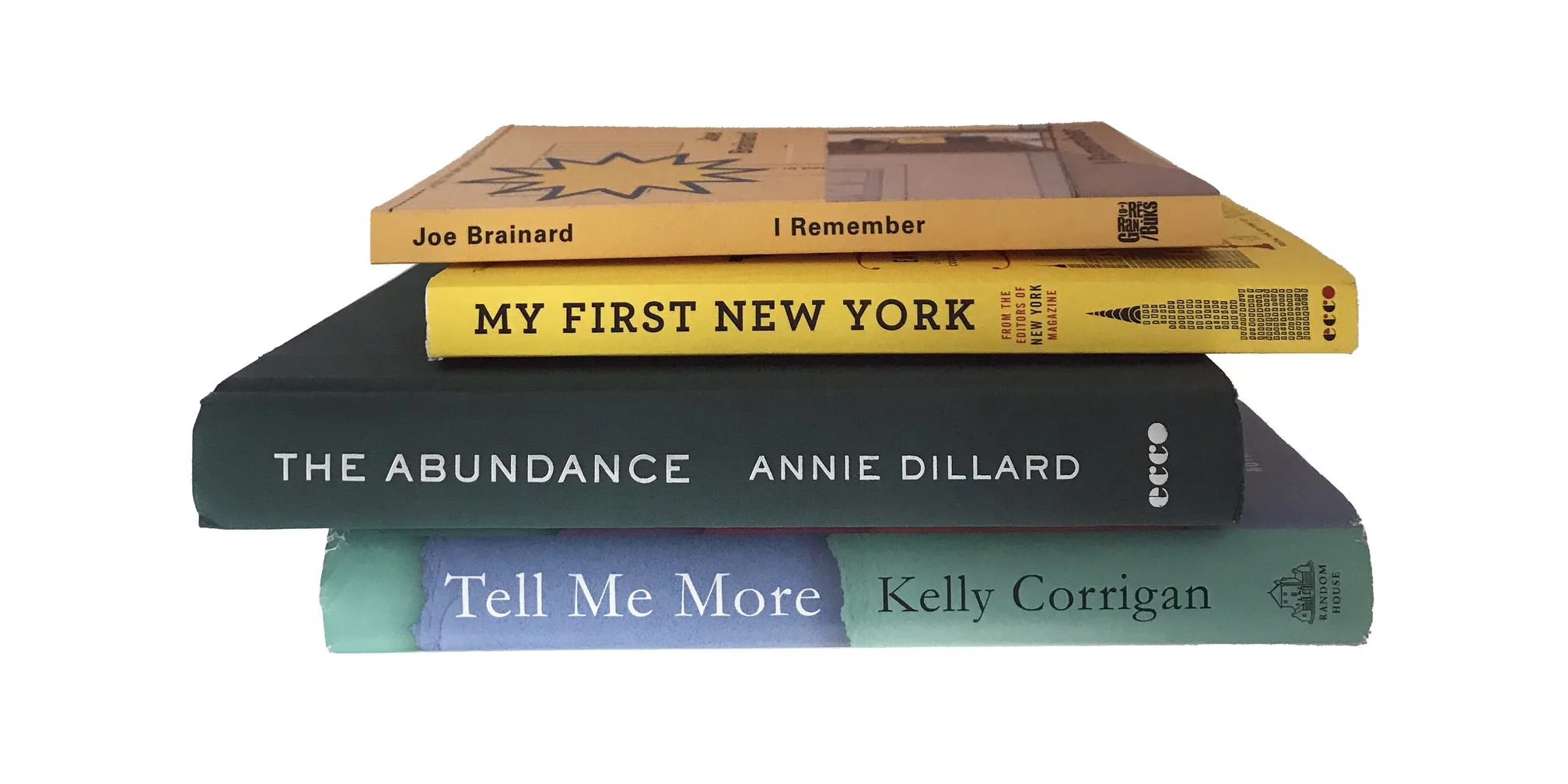
The Abundance: Narrative Essays Old and New
(2016) by Annie Dillard
The entry titled “Jokes” is a fine example of writing from family experience that feels particular and universal at the same time; even without a true narrative arc, Dillard develops her parents into real characters and paints a picture of her home that makes the reader feel a welcome guest.
Tell Me More
(2018) by Kelly Corrigan
Read this joy-filled, sensitive memoir not because it is vignette-driven (it is not) but because it very likely started out that way. Corrigan—who has been called “the voice of her generation” by O: The Oprah Magazine and “the poet laureate of the ordinary” by HuffPost—beautifully weaves 12 stories together to create a book that says plenty about her life, and ours. Consider Corrigan’s book a goal to strive for in terms of using life experience to convey something beyond yourself, and of editing stories so they transform into a whole that is greater than its parts.
My First New York: Early Adventures in the Big City
(2010) from the editors of New York magazine
This compendium of candid accounts from various luminaries puts New York City on the map in an entirely new and wholly personal way. Each vignette (called “small, glittering essays” by the LA Times) is an exquisite example of capturing a slice of life via an interview (translated for the book into as-told-to pieces), an approach anyone can try simply by speaking into your phone’s voice recorder and transcribing—and editing—later.
I Remember
(1975) by Joe Brainard
Dani Shapiro introduced me to this tiny gem during a memoir writing workshop a few years back, and I have recommended it countless times since. Brainard’s memories, recounted in a stream-of-consciousness fashion, are short and pointed, often mere phrases or single sentences, occasionally a brief paragraph, each beginning “I remember...”. Read this book to discover the power of short reminiscence, and emulate it to create your own list of prompts for future development.
Finding Inspiration in Fiction
The House on Mango Street
(1984) by Sandra Cisneros
This a great fictional model for vignette-style of writing. The book is a series of sketches and vignettes written in rich, poetic prose that together form a loose narrative about the author’s Chicano childhood. The vignettes add up, as Cisneros has written, “to tell one big story, each story contributing to the whole—like beads in a necklace.” Told in first person, the book reads like a true autobiographical exploration. Her language is lush and figurative, offering us a glimpse into her world without much editorial exposition.
Discovering Voice
All I Really Need to Know I Learned in Kindergarten
(1986) by Robert Fulghum
Robert Fulghum, whose eight nonfiction books all rose to the top of the New York Times Bestseller List, refers to his writing as “stories, observations, and affirmations.” His books are filled with anecdotes, wit, and wisdom around everyday experiences and life-changing transitions.
He says his “writing usually begins as journal entries—notes to myself—lines of verbal perspectives drawn from walking around and stopping at intersections as I move camp each year.” Fulghum says he molds his raw ideas into stories by sharing them aloud with a walking companion, thereby “editing” his stories as he goes. “In time, the stories and reflections migrate into book form,” he writes. “Even so, please keep in mind that I think of what I’m doing as writing letters and postcards to friends, always ending with the unspoken tag line: ‘Wish you were here.’”
Two more of Fulghum's titles to check out for inspiration for using a casual voice to capture vignettes that resonate:
What on Earth Have I Done? (2007)
It Was on Fire When I Lay Down on It (1989)
Related Reading on Vignettes
In “How to Write a Good Story in 800 Words or Less” you’ll find writing tips and, more importantly, one of the best examples of how powerful brief character writing can be, a 145-word piece by Meyer Berger.
Check out our Vignettes Writing Prompts series:
Learn how to use family photographs as writing prompts, and how to choose the best photos to use.
If you’d like memory and writing prompts delivered to your phone weekly, sign up for our short—affordable!)—Write Your Life courses.
Affiliate disclosure: As an Amazon Associate, we may earn commissions from qualifying purchases from Amazon.com.
Dawn Roode’s curated roundup for the week of Sept. 23, 2026, is overflowing with recent reads on memoir, life story writing, and family history preservation.