
Memories Matter
Featured blog Posts

READ THE LATEST POSTS

Writing prompts for life story vignettes: Using the senses
In Part One of our Life Story Vignettes Writing Prompts series, we offer five specific exercises for writing about your memories by engaging all your senses.
When the daunting task of writing a major autobiographical work is broken into chunks, the writing becomes easier to manage. Guided prompts help rediscover lost memories.
In a previous post I introduced the concept of vignettes, and discussed why I think they are an ideal starting point for any life story writer. Today I would like to dive a little deeper and offer you specific writing exercises to help you get started.

Some general guidance for writing vignettes
I recommend keeping a list of ideas in a notebook: Jot down memories that come to you unbidden, people you would like to recall, moments from your life you would like to revisit. Write phrases and visuals that may jog your memory later—Poppy’s red Cadillac, fishing at Johnny’s lake, the first time I wore red lipstick.
Be specific. Be sensual (the smell of the fish, if that comes to you; the tacky feel of the lipstick, perhaps).
And when you need a little inspiration beyond your list of memories, try using one of the following prompts designed to get the memories—and your words—flowing.
sensory prompt 1: allure of a stranger
Go somewhere you can people watch: the mall, a park, the library. Sit in silence and watch. What do you see? Does someone catch your attention? Think: What is it about this person that ...
... seems familiar?
... scares you?
... moves you?
... feels trustworthy?
Imagine yourself sitting down comfortably with this individual over coffee. You can ask one question which leads them to share a story from their past—but you must answer the same question for them.
Write: Imagine yourself speaking directly to this individual, sharing your story and perhaps your reason for sharing and how it makes you feel (is it something you have never told anyone before? that scares you? that makes you proud? joyful?).
sensory prompt 2: power of music
Listen to your favorite album or song. Immerse yourself in it, avoiding other distracting activities while listening.
Write: Where does the music take you? Are you transported to a different time or place? Describe the scene, how you feel. How do different songs connect to different parts of your life?
sensory prompt 3: a room with you
Think of a room where you spent a lot of time as a child, a teenager, or even recently as an adult. Nothing monumental need have happened here; it is simply a place you have stayed, often. Think about the room: What do you see? Smell? Feel? Is there an object you touch? Is there someone with you—or in the next room?
Write: Describe this place in as much vivid detail as you can. Be specific, using all of your senses. Continue to explore who you were while in this place: Why were you there? Did you want to be there or someplace else? How did you feel? Would you return there if you could?
If you have chosen the right location, your writing will develop from external setting to a sense of internal place.
sensory prompt 4: show & tale
Choose an object from your life and write about it. Of course, what you choose will determine the course of your storytelling.
Think inside the box:
a piece of jewelry
something from your kitchen
a talisman/lucky charm
a trophy
your camera
a handwritten recipe
…and outside the box:
a tattoo
your curly hair
an old car
a tree from your childhood yard
Write: Imagine yourself touching the object, and describe that sensory experience. Tell the story of your object, weaving yourself into the story and finding the meaning and significance of the role this object has played in your life or a loved one’s life.
sensory prompt 5: taste of the past
Think of a time when someone you loved cooked for you. Perhaps it was a holiday gathering, or more likely it was an ordinary day—cookies during after-school homework, say, or breakfast before a family road trip. Close your eyes and try to conjure the smells and tastes of the food, and use them as a gateway into your memories.
Write: Start not with the food, but with your loved one, and describe the scene: the cooking, the discussion, the background noise and plans for the day. What was your loved one wearing? How did they make you feel? Were you aware that the act of cooking for you was an act of love? Have you made this food for someone?

Your FREE Writing Prompts Guide
Get all our life story vignette writing prompts in one handy, printable guide (and yes, it’s free!).
Read more vignette writing tips
This is the first in a four-part series on how to begin writing your life stories with short, evocative vignettes.
Explore the other posts in this series:
PART 2: Writing Prompts for Life Story Vignettes: Self Interview
PART 3: Writing Prompts for Life Story Vignettes: 300 Words in 30 Minutes
And if you}re interested in beginning a larger life story project to preserve your stories for the next generation, start here: How to Plan a Life Story Book in 3 Simple Steps.

Want weekly memory prompts?
Discover our annual subscription of life writing prompts!











Should you share your full adoption story?
Preserving the full story of your adoption journey may mean sharing some of the pain, too—but how much you include is a personal decision. We can guide you.
Adoptive parents recount memories of wishing and waiting and hoping for their children, but the truth is that the challenges often go well beyond a long wait. So, too, does the joy and fulfillment of adoption. Preserving the full story of your adoption journey may mean sharing some of the pain, too—but how much you include is a very personal decision. We can help you record your stories in a compassionate and meaningful way, preserving your adoption journey exactly how you want to.
When the adoption process is joyful, but not easy…
Your adoption story is worth preserving.
“Adopting one child won’t change the world; but for that one child, the world will change.”
World-changing. That’s what your family’s adoption story has been. And the story of something so profound should be preserved; should be accessible for your family as it matures and grows; should become an origin story so often revisited that it becomes family lore, an heirloom both physical and spiritual.
In a previous post we wrote about 9 Reasons Why Your Adoption Journey Is Worth Preserving. But just because your journey to parenthood was profound and joyful and life-changing, does not mean it was easy.
“I say to everybody: Adoption is not for the faint of heart.” —Mariska Hargitay
Children who were adopted experience feelings of loss, often grieving for the family they have lost and the world they knew before. Transitions to new schools, new homes, often a new country, can be unsettling, profoundly impacting a child’s sense of self. Adoptive children may have histories of trauma, or other types of special needs.
Adoptive parents may face great challenges—emotionally, psychologically, logistically.
Even the adoption process itself may be anything but smooth.
So where does that leave adoptive parents in chronicling their personal adoption journey? Do you include the good, the bad, and the ugly in an Adoption Journey book? Or do you focus on the positive and create an archive of the joys of newfound family, a historical record of how you adopted and how you became a family?
That is up to every family, and the answers may not be immediately clear.
Depending upon where you are in your adoption journey when you make your heirloom book, you may choose to include different things—in particular, different levels of reflection. An adoptive parent whose children are now older may have better perspective to help him talk about the more challenging times with an understanding and open heart. A parent who adopted a child only a year or two ago, on the other hand, may not yet be able to articulate how her own emotions or her child’s challenges are impacting their lives.
Consider what your family will want to remember.
An Adoption Journey book is a record of a milestone in your family's life. It is celebratory, without question, marking a family's reunion with their new child.
But, as with all personal history books we undertake at Modern Heirloom Books, we aim to tell your whole textured story—not every detail, but the experiences that shape and transform you. And, well, life is not all champagne and roses (despite what our Instagram feeds might proclaim!).
Consider that including some of the hard stuff in your book may be revelatory or healing for your children. It may remind you of the anxieties and pressures of the adoption process—but you persevered. Perhaps including glimpses into the struggles you and your children face as you continually evolve as a family will help you better appreciate the joys—and, research shows, it will help your children be more resilient.
What are we talking about here? Some of the more challenging aspects of the adoption journeys we have chronicled in the past include:
agencies that have lost accreditation mid-process
adopted children whose mourning process or transition to their new life was prolonged or painful
lost paperwork (redone only to be misfiled again)
lack of transparency throughout the process
financial, legal, or medical obstacles
We want you to cherish the triumphs, but to appreciate your full journey. That may mean alluding to one or two of your challenges such as these, or delving deeply into one of them that especially marked your family's journey—or rather, focusing exclusively on the good.
Our interviewers are compassionate listeners.
One of the benefits of creating an Adoption Journey Book with us is that you, the adoptive parent, are often able to work out what is best to include through discussions with your editor. Our personal historians have your best interest in mind at all times, and listening is a skill we take seriously. You may even request an interviewer who is an adoptive parent, too, if that makes you more comfortable.
You will recount your story through a series of hour-long interviews, and during those Q-and-A sessions we will hit upon things that may not be right to include. Our editor can make suggestions for ways to present difficult material; or if you simply realize some of the stories are off-limits, then we respect that, as well.
At all times, remember: This is YOUR story of adoption and family and love. We are there to help you tell it the best way possible.
Related Reading:
Why you should preserve your adoption journey in a book—9 compelling reasons!
Have another family story you would like to preserve in a book? Check out our Memories-in-the-Making offerings, our Legacy Books in honor of lost loved ones, and what makes a Modern Heirloom Book special.
No matter where you are in your adoption journey, now is the best time to act: Preserve your adoption story in an Adoption Journey heirloom book. Because you will cherish this story forever.

5 Heirloom book ideas
Do you want to preserve your family stories, but have no idea where to start? We’ve got six special life story book ideas to spark your imagination.
Your legacy is your most precious family heirloom. Yet preserving the experiences and lessons that constitute that legacy can seem like a daunting undertaking—where to begin, which stories to tell?
If you want to preserve your family stories, but have no idea where to start, we’ve got five special life story book ideas to spark your imagination.

An heirloom book capturing the memories of one woman’s years spent in Greece, and her decision to return stateside with her newborn daughter. Remember—you don’t have to tell your whole life story. Pick a transformative experience from your life and tell that one story well!
1 - A Taste of the Past
Celebrate recipes that have been passed down through generations in a bespoke book that weaves your family’s cherished food memories with nostalgic photographs and handwritten recipes. Modern Heirloom Books’ secret ingredient to creating the perfect custom “cookbook”? Bringing the stories behind the food to life, so you’ll feel like you’re right back in Nonna’s anise-scented kitchen!
2 - Dear Daughter, on Your Wedding Day
One of our most popular signature products, this blue silk–covered gem is the surprise gift guaranteed to make your bride cry tears of joy on her wedding day! A book that looks back on the milestones of her life, from her baby years to her graduation, from her first words spoken to those you would like to share with her about her future...a book that will put the meaning back into the wedding planning process for you, her parents; and that she, on the cusp of the next chapter of her life, will cherish forever.
3 - A Life Well-Lived
Bring a family elder’s colorful stories to life in ways your children—and eventually their children—will want to revisit again and again. Through interviews, letters, and photographs, your loved one’s memories and wisdom will be captured in a bespoke book that will become your most cherished heirloom. Whose stories will you tell?
4 - Places in the Heart
Does your family vacation at the same Hamptons beach house or cabin in Maine every year? Has your home been passed down through generations and have its own story to tell? Maybe your kids are attending the sleep-away camp you did as a child—or they’re following in your college footsteps. This book makes your favorite place the central character and gives meaning to the phrase, “If these walls could talk…”
5 - Voyager
"The world is a book, and those who do not travel read only one page." You, dear traveler, are absorbing the world one trip at a time, discovering, experiencing, learning... Wherever your journeys take you (an African safari? The Maldives? the glaciers of Alaska?), our travel books help you not only remember the places, but relive the moments—and 'travel' back there from the comfort of your home.
The Possibilities are endless.
Hopefully the five sample books give you a sense of how to frame a story—how to thematically explore your memories so the resulting book truly becomes an heirloom worthy of your legacy. But remember, you don’t have to know how to proceed: That’s our job. With more than two decades’ worth of editorial experience, our specialty is transforming your stories from raw material into heirlooms.
What memories make you smile? What decisions from your lifetime put you—and your family—on an entirely new path? What lessons has your experience imparted that hold value for the next generation?
When we begin to explore those questions, we begin to hone in on the stories that are most important for you to preserve. Would you like to begin that conversation? I promise, once we begin, you won’t want to stop…
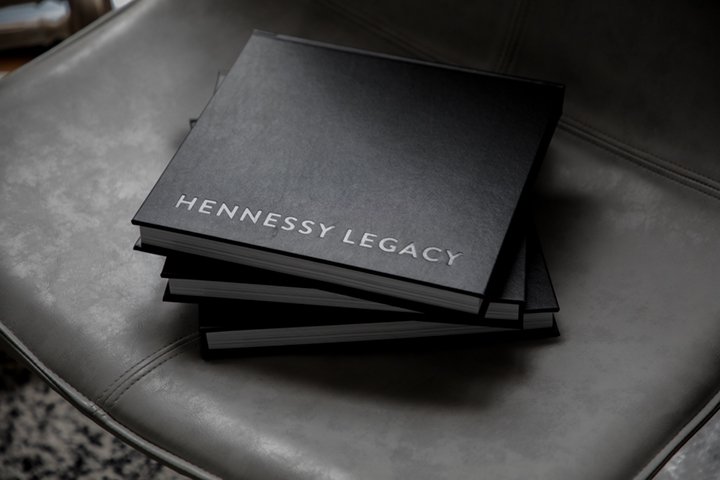
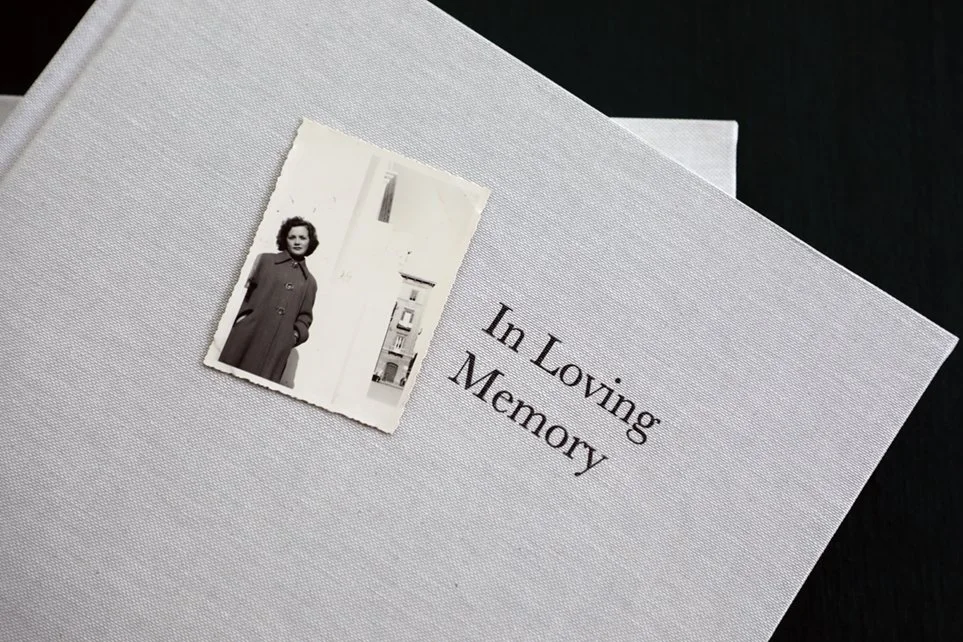



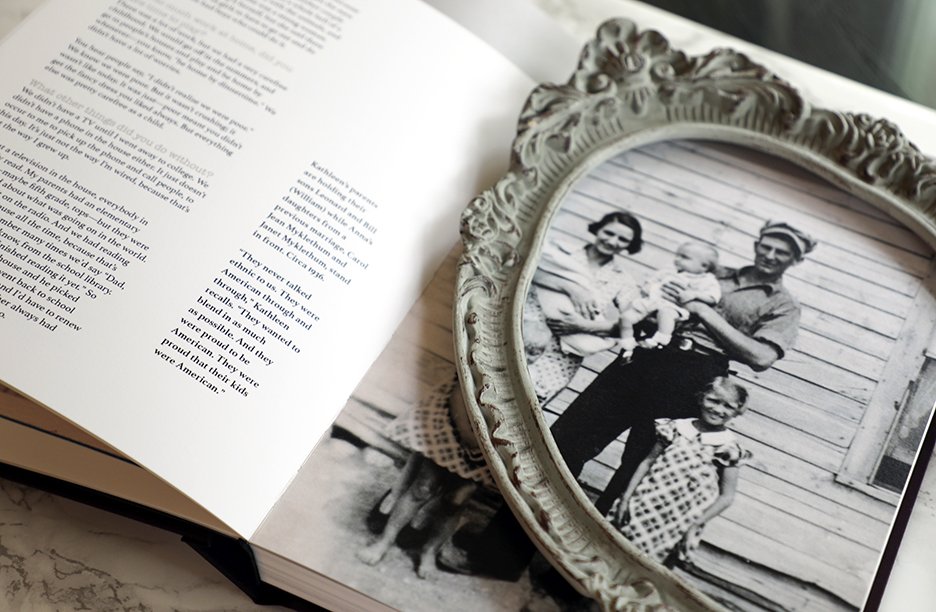
The investment for most Modern Heirloom Books starts at $7,000, with the exception of our tribute books, which start at $1,750. Lead times vary based upon the nature of the book, typically taking from three to 12 months to complete.
This post has been updated on October 21, 2025, to reflect the removal of one of our early products, the One-Hour Heirloom.

The next chapter in our story
Modern Heirloom Books founder Dawn Roode on her journey from national magazines to bespoke life story books, plus the new signature product lines of books.
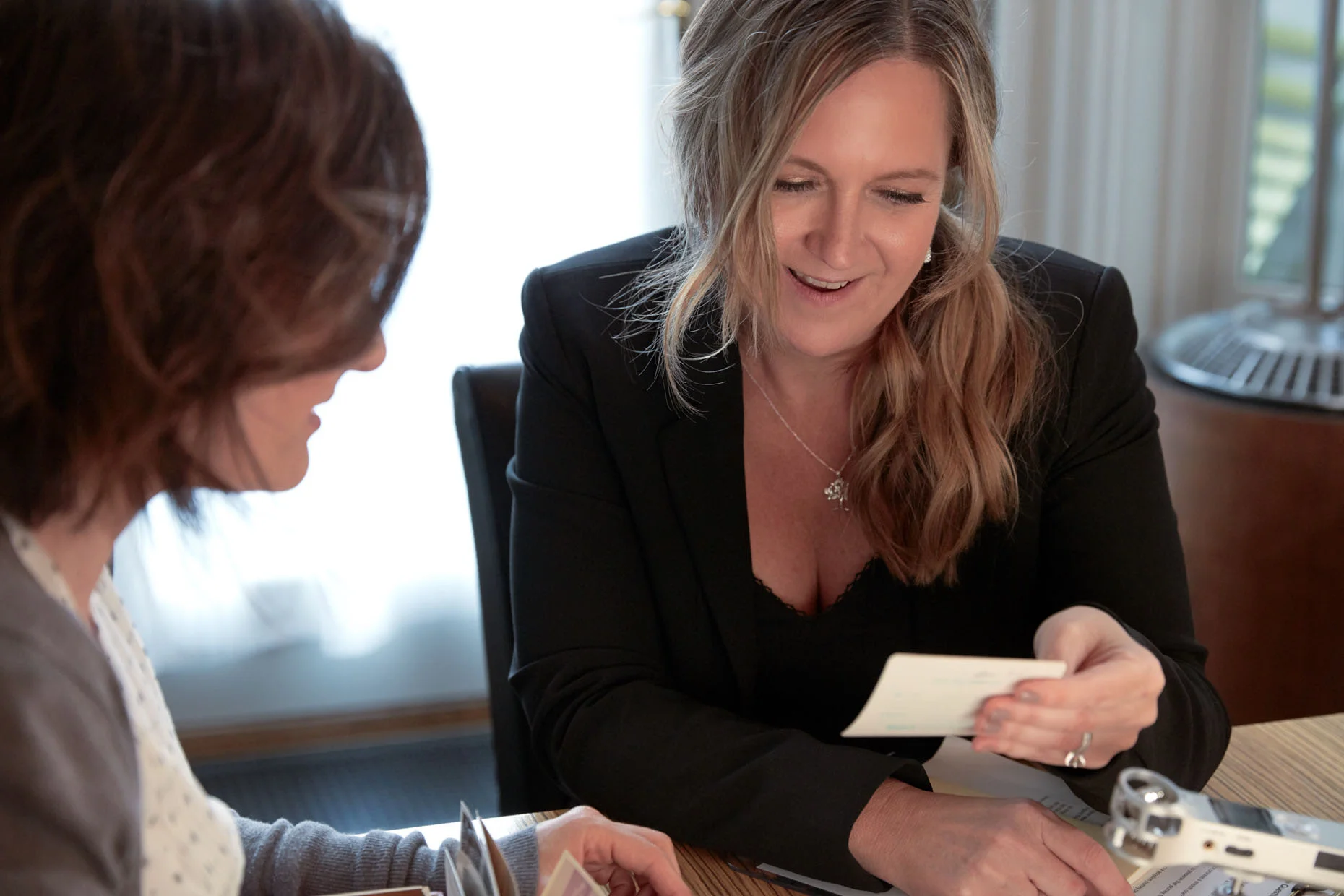
My Journey from Magazines to Books
Me, running a business…who knew? For more than two decades I was invigorated and fulfilled by climbing the proverbial ladder in the NYC media world. I loved magazines—the talented and smart journalists with whom I worked, the satisfaction of creating something from scratch every month, the creative process of making words and pictures sing. I learned and thrived and evolved as the industry reinvented itself again and again.
And then rather than reinvent myself within that industry, I took a leap of faith and began to explore using my professional experience in an entirely new way—specifically, helping you tell your stories in bespoke coffee table books.
I had a vision for the company, a high bar of exacting standards I aspired to uphold, and pages and pages of brainstormed ideas. I had a name, and incorporated. I had a dear friend with much more business acumen than me who offered sage advice and encouragement from the sidelines. I had a supportive husband who had faith in me even when I did not. I wanted a partner, but went it alone. And then, I worked.
And, well, I am still working. Hard, and with passion. But now my vision has been refined and reworked based on almost two years of experience, trial-and-error, market research, and invaluable input from clients and a network of professional women with whom I have been fortunate to connect.
I am grateful and blessed, and beyond excited to share the next phase of my business, Modern Heirloom Books.
Refined Vision, New Signature Books
Today I am proud to share with you a new website that highlights Modern Heirloom Books’ three new signature product lines!
By narrowing down the choices for creating a book from scratch, I hope to make the process of thinking about—and starting—your Modern Heirloom Book easier.
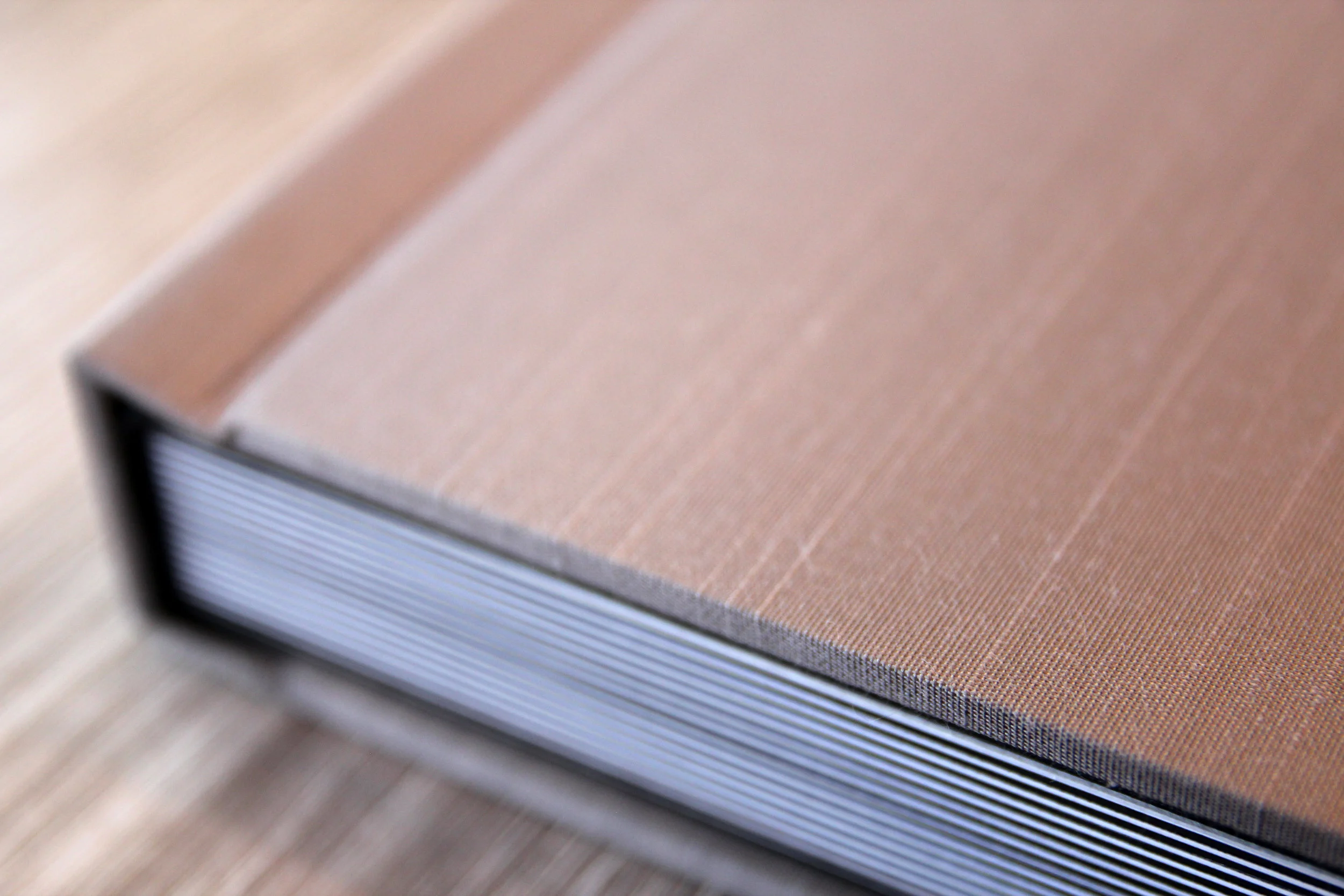
Life Story Books
If you are interested in creating an autobiographical book, telling your own stories in your own words, consider our Life Story Books. (There’s even an option to tell a much shorter story in our One-Hour Heirloom.)
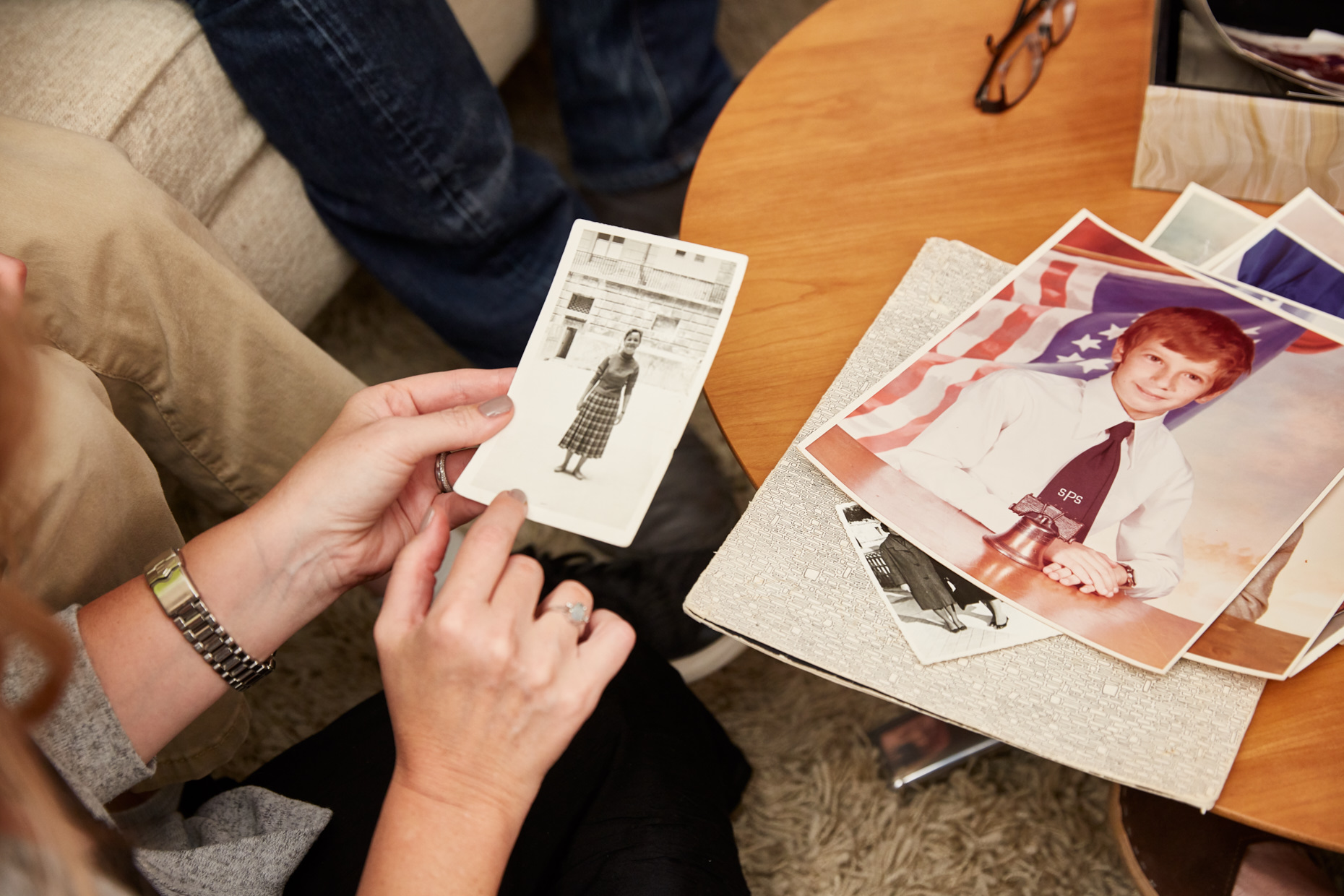
Tribute Books
For those wanting to celebrate a family member for a special occasion such as a milestone birthday or anniversary, to honor a loved one after a death, or to tell the stories of ancestors who came before, our Tribute Books are the right choice.
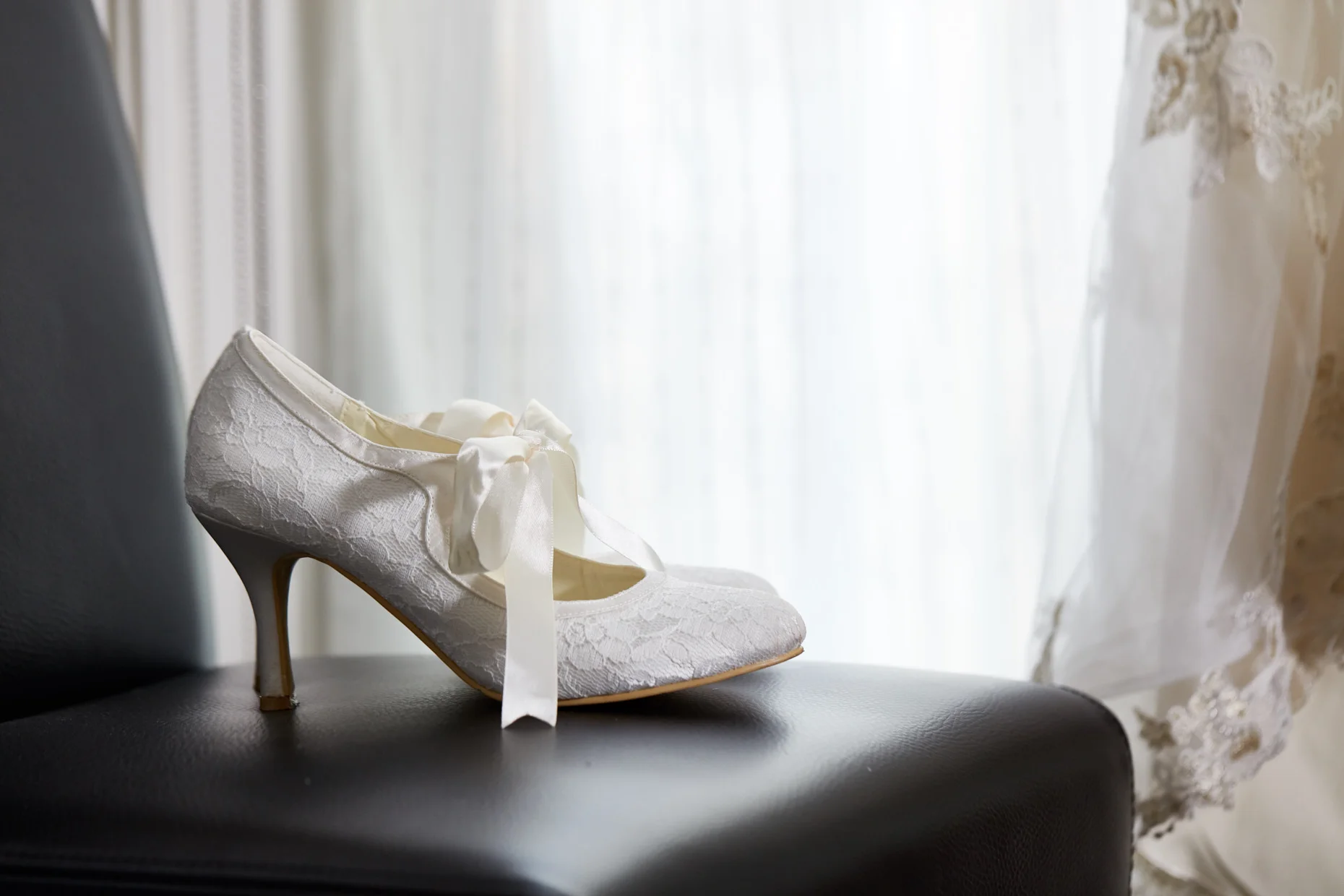
“Dear Daughter...”
And our newest addition: Dear Daughter, on Your Wedding Day, a once-in-a-lifetime gift for your engaged daughter. I interview the parents of the bride-to-be and together we craft an extended letter in an heirloom book that is as stunningly elegant as it is heartfelt, including family photos, cherished memories, and wisdom and dreams for her future. It is, truly, the gift guaranteed to make your daughter cry tears of joy on her wedding day.
What’s Next?
I hope you will take the time to browse the site.
Perhaps you want to read why I think everyone should preserve their memories, or see what makes a Modern Heirloom Book different from other personal history books.
Mostly, though, I hope you will be inspired!
Inspired to share your stories with those you love, whether in an heirloom book when the time is right, or around the dinner table (often!).
Inspired to revisit your memories, and to cherish the experiences that make up your life story.
Inspired to listen to the stories of those you love—with curiosity and love.
A Huge Thank You!
Thank you for inspiring me to keep doing what I do at Modern Heirloom Books, to keep growing and getting better, and to walk through life with an open heart and an insatiable desire to hear—and do justice to—YOUR stories.

Revealing your life stories, one list at a time
Sometimes it’s not a long narrative that most interestingly tells your story, it’s a simple list. How to use lists to add texture to your life story heirloom book.
My Ideal Bookshelf (Thessaly La Force, Little, Brown and Company, 2013) is a gem that I discovered displayed at the front of my local library—an impulse check-out, if you will. The authors approached a wide array of luminaries (writers, artists, chefs, and more) and asked them to list their ideal bookshelf: “Select a small shelf of books that represent you—made you who you are today, your favorite favorites,” they write.
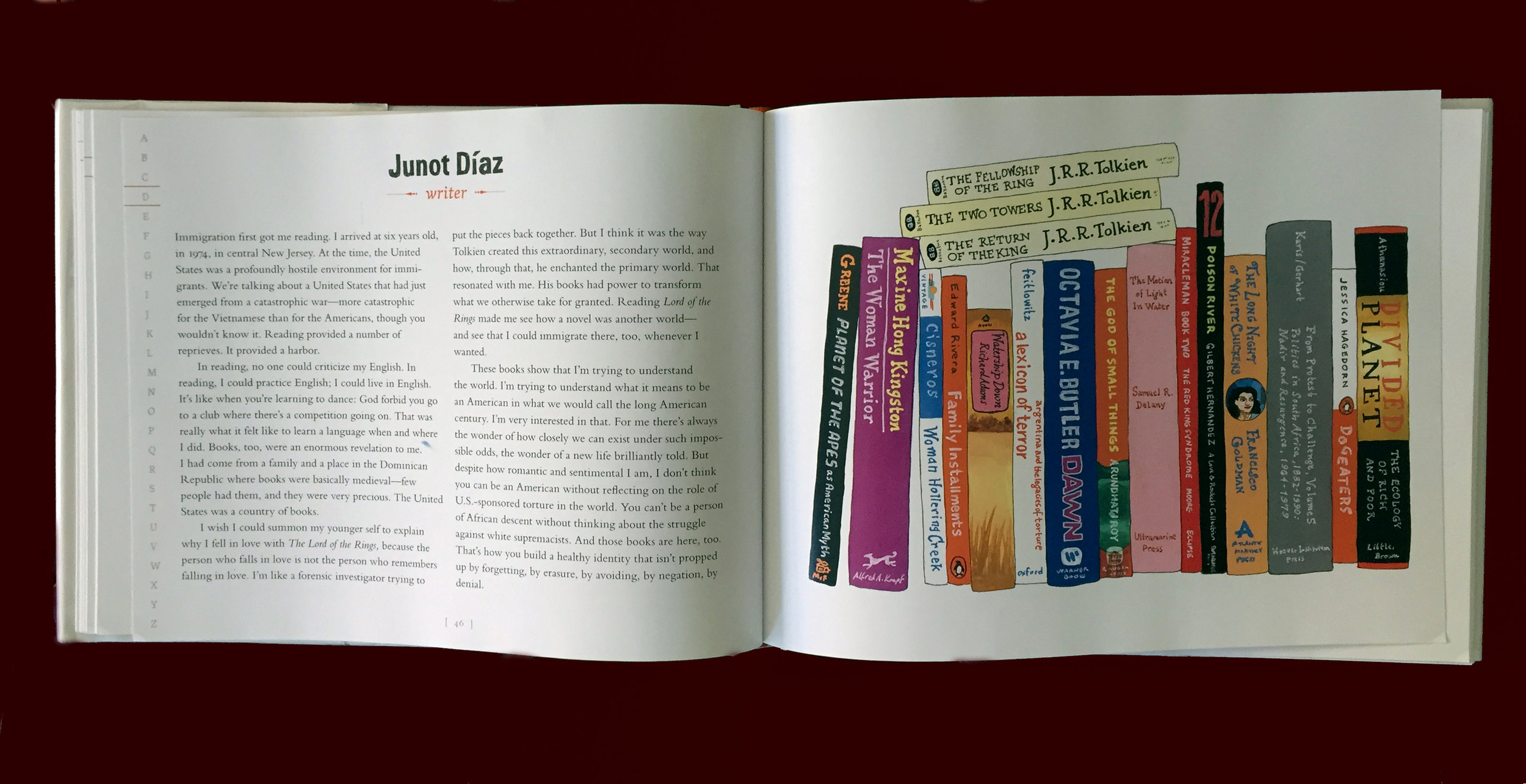
They are quick to note that this is not your one-and-only, ideal bookshelf—“there is no ur-bookshelf.” Rather, it is a snapshot of you in a moment in time. “You could build an ideal bookshelf every year of your life, and it would be completely different. And just as satisfying.” And, of course, just as revealing.
The Lure of Lists
We often use lists as a narrative device in our heirloom books. When mixed in with longer stories of an individual’s life, they can be especially alluring for readers, and a fun way to offer a glimpse into a person’s opinions and life. Breaking up long blocks of text with shorter pieces helps with a book’s pacing—and, most importantly, usually ensures that a book will be picked up often, not abandoned on a bookshelf to collect dust.
And when someone visits with an heirloom book, they are visiting with its subjects, too—communing with the family, staying connected, continuing to weave the family narrative for the next generation. Why not give them some insights into you they’ll really want to read?
Your Own Bookshelf
Are you an avid reader? Then designing your own “shelf of books” that represent you might be a rewarding—and telling—endeavor. Check out My Ideal Bookshelf from your own library for some inspiration.
“We’re all still hunting, still hoping to discover one more book that we’ll love and treasure for the rest of our lives,” La Force writes.
Imagine that your future grandchildren are all grown up, now hungry readers themselves. Imagine they pick up your list: Maybe they find a book they simply must try. Maybe they find one they are curious about—and they begin a conversation with you about why these books mattered to you. Maybe your conversation becomes an ongoing one, each of you sharing your ideas about what you’ve read lately… Maybe a list such as this has a life of its own.
“Some people like to snoop through medicine cabinets, but that only gives you insight into a person's physical well-being. The books tell a tale about the person's mind.” —David G. Allan, CNN, “Why Shelfies, Not Selfies, Are a Better Snapshot of Who You Are”
Lists that Matter
What else might you explore in list form that is revealing of much more than the list might seem to indicate at first glance? (It’s worth noting that I am generally not referring to lists that include mere titles, but that include some elucidation and broader storytelling about the list—why choices were made, how the process felt.)
Here are a few ideas for meaningful lists from previous heirloom books we have done, and some we’d love to do for you down the road:
On Reading
My Ideal Bookshelf, 2018
The Children’s Books Worth Saving & Passing Down
Where I Get My News, 2017
What I Read to Feel Hope
Books I Wish I Had Written (and Why)
“You may not have a biography written about your life, but you have a personal bibliography.” —David G. Allan, CNN
On Travel
Best Childhood Vacations
The Places Our Family Returns to Again and Again
My Bucket List: Where I Want to Travel
Memories of Our Family Staycations (When Travel Cost Too Much but We Made Our Own Fun!)
Top 5 Places I’ve Ever Visited
On Music
My Ideal Playlist
Soundtrack, 1988-1992: The Songs that Shaped My College Years
Summer Sounds, 1972
My Happy Playlist: Songs Guaranteed to Put Me in a Good Mood
On Food
Top 10 Comfort Foods
Foods that Remind Me of Home
Foods that Transport Me to My Childhood
What Was in My Lunchbox, 1977
Recipes Passed Down through Generations (and How I Made them My Own)
Random:
All the Jobs I’ve Ever Held (Yes, Including that One-Day Paper Boy Stint)
The Scrapes and Bruises of My Childhood (On My Path of Adventure)
Fears I Have Overcome, and How
Habits I Just Can’t Break (Do You Have Them, Too?)
Other Themes to Explore:
On Cars
On Movies
On Sports
On Fashion
On Friends
On Hobbies
On Love
On Embarrassing Moments
On Life’s Challenges
A Little List Inspiration
Want to see how lists might take shape?
The co-founders of Modern Loss, a website providing candid conversations about loss, each honored their fathers through lists last year. I think both of their lists are wonderful examples of how a form so seemingly simple can truly offer special—and engaging—insights:
20 Things You Probably Don’t Know About My Dead Dad by Gabrielle Birkner
“No, you can’t meet him. But yes, you can know him, through photos, scrapbooks and stories of those who knew and loved him best. Through me. And that goes not just for my children, but also for my husband and my many close friends who never had a chance to meet my dad. He isn’t just dead; he was so much more.” —Birkner
21 Things You Probably Don’t Know About My Dead Dad by Rebecca Soffer
How might we treat such substantive lists in an heirloom book? Well, here’s one example of a spread from a book of my own, also about my father.
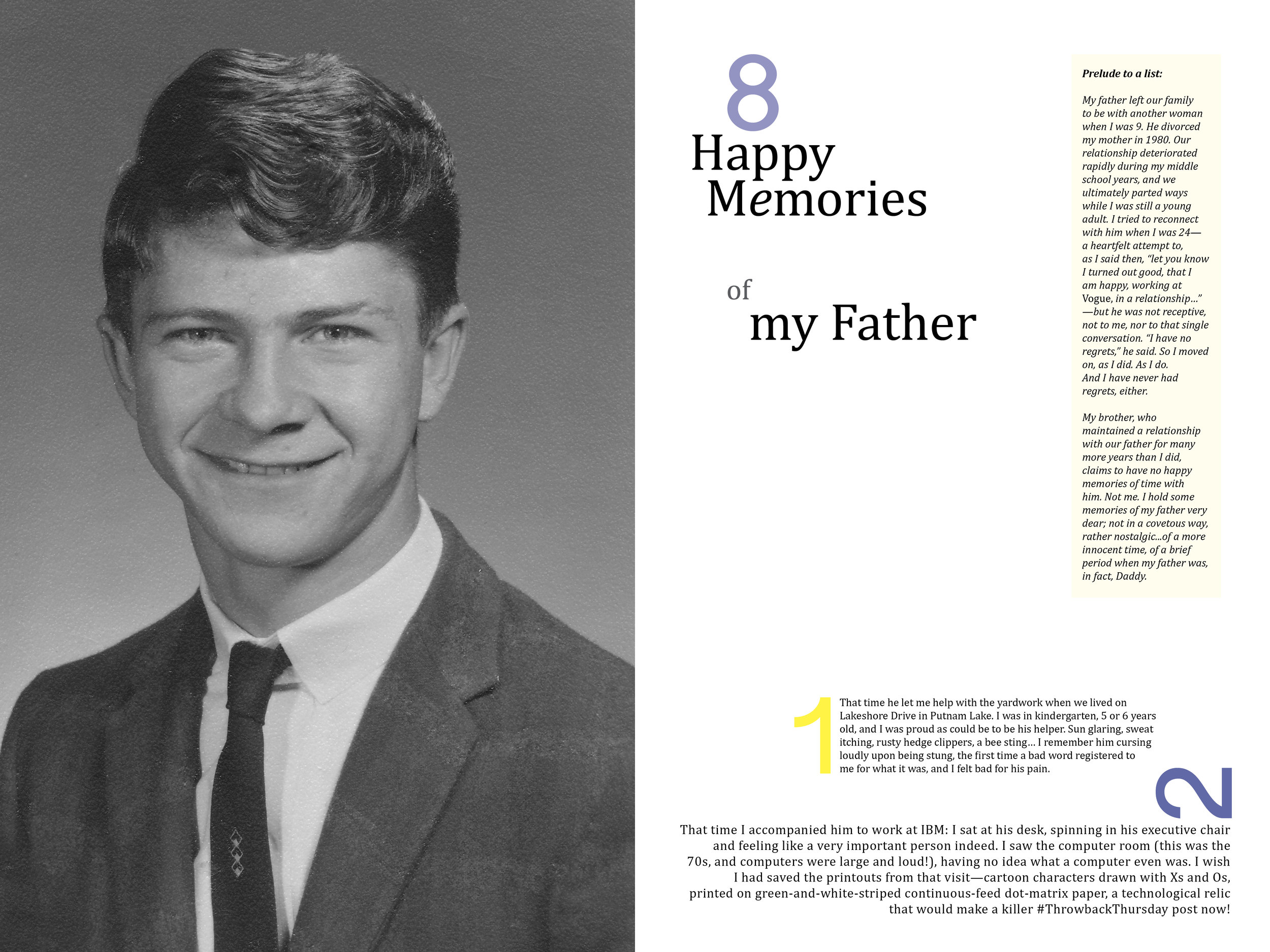
The opening spread of a section of an heirloom book that uses a list format to tell family stories; view all eight pages below.
Unlike the Modern Loss writers, my father is still alive, though I have not had contact with him in many, many years; this list, then, provides an example of how one might approach incorporating difficult or painful memories into your life story (not every story has a happy ending, after all).
Mostly, though, I wanted to share this to illustrate that lists can be designed in modern, captivating ways that truly draw readers into a life story:
Better Than a To-Do List
I admit to being an obsessive list maker of things I need to get done—and what satisfaction I feel when I cross things OFF those lists! But the next time you pick up a pad to jot down a list of tasks, consider using the paper to create a more meaningful list that preserves memories! What will your first list be?
I'd love to hear your ideas for fun lists, and even better—what’s on your ideal bookshelf? (I'm working on mine as we speak ; )

Do something special with one story
No one will tell your life stories but you. Start with one, & go beyond sharing it: Do something with it! 5 ideas for preserving one chapter of your life story.
No one will tell your life stories but you. Start with one—and go beyond sharing it: Do something with it! We've come up with 5 unique—and easy!—ideas for preserving one chapter of your life story.
Who knows, one chapter might turn into two...

If you don't tell your life stories, who will?
Taking the first step on the road to preserving your memories
I previously posed the question, “Who will tell your life story?” How would you answer that question? If your answer wasn’t a resounding “me!” then, well, you answered wrong.
No one will tell your stories but you. And you must: Tell them, and preserve them.
In that post I recommend an easy 3-step plan for how to take the first steps on the road to preserving your stories. Step No. 2 involves sharing one story—whether around the dinner table with your family or over the phone with your grandkids, whether in writing or out loud, just tell one story. It might be one so often recounted it’s like an old friend, or it might be a distant memory you haven’t pulled out in decades.
Here’s the rub, though: Once you fulfill step No. 2, I implore you to move on to step No. 3: Do something with it.
5 ideas for what to do with your little life story
Remember, this isn’t your whole life story. There’s no need to publish it to Amazon or strive to write a bestselling memoir. You focused on telling one engaging story and telling it well. Now let’s do something to ensure your story lives on.
For what good is a story if you don’t breathe life into it, if it isn’t shared?
Here are a few ideas for things to do with your little life story. These are just the tip of the iceberg, and we’d love to hear other creative ways you have found for keeping your memories alive; please share in the comments below!
1. Eat, drink, and be merry.
What is it about finger foods and wine and an informal gathering of loved ones that spark storytelling? It’s as good as being around a proverbial campfire! Invite an interesting mix of people to a dinner party (think a mix of ages, a mix of relatives and close friends, and a mix of those who may be familiar with your story and those who are not).
Get creative with the place settings—scan some old family photos related to your story for name cards, for example—or get really down and dirty and place cushions on the floor for a good old-fashioned buffet of food and stories.
The important thing is this: Don’t be shy about revealing your goal of story sharing. If being the center of attention makes you nervous, ask a loved one to help set the stage, or ask a few guests to come prepared to share their own stories, too.
2. Embrace technology.
Maybe it’s as simple as sending an email to your family: Type your story into the body of an email, and hit “send.”
Or: Begin a story circle with one post on Facebook. If you’ve got a vibrant community of friends on the social media site, share your whole story there (trust us, if it’s personal and from the heart, they WILL read the whole post!) and—most importantly—ask your friends to share related stories in the comments. When people begin sharing (about a loved one who passed away, for instance, or about an old #ThrowbackThursday photo) and then commenting on one another’s comments, that’s social media at its absolute best, in my opinion.
3. Start a new tradition.
Don’t stop at one story. Weave story sharing into the fabric of your life. Make it a habit. If you invite others to participate (whether as a regular audience to your stories or as memory keepers themselves), then that habit becomes a meaningful new tradition.
The more you can truly integrate your specific means of story preservation into your life, the deeper connections among family you will make, the more value you will derive from the process, and the more you will cement your legacy for the next generation.
4. Grab a pen.
When’s the last time you wrote more than your signature in longhand? If your story is short enough, pick up a pen and a beautiful piece of paper and transcribe your words in your own handwriting.
If it is one page, consider framing and hanging it. If it revolves around a food memory, why not have it memorialized on a lovely food-safe platter? If you’ve really got the writing bug, write it out in letter form, once for each of your children or grandchildren, and mail it to them.
5. Go pro.
If you would like to preserve your words and images together in an heirloom book or video, consider hiring a professional personal historian. We will
guide the storytelling process
elicit details & emotion
add context
to present your memories in a most engaging way.
Here at Modern Heirloom Books, we specialize in bespoke coffee table books that tell your stories. Find out more.
If you prefer to preserve your story in a medium other than a book, I may be able to recommend videographers or audio specialists near you. Give us a call—we’re here to help you tell your stories beautifully!
One chapter at a time
You are living your story. Don’t let your memories fade, and don’t wait until it’s too late to begin recording them. Start with one story that you love to tell—you won’t regret it, and your family will thank you a million times over!
Related reading:
#familyhistorymonth #memoriesmatter #legacy #storytelling #loveandloss #familyhistory

9 reasons why your adoption journey is worth preserving
Nine reasons why preserving your family’s story in an Adoption Journey book is a worthwhile investment, including making it part of your Gotcha Day celebration.

“On our wedding day, Mike and I vowed willingly to accept children from God. Little did we know on that day how our journey would take form...””
Mary Lou and Mike Engrassia of West Babylon, NY, were amazed, overjoyed, and even a bit overwhelmed as a path to parenthood they never expected unfurled before them.
That journey, and the memories of feelings, experiences, and challenges met, is a part of their life they cherish. Their adoption journey made them who they are as parents, but more importantly, who they are as a family with their daughter.
One way to preserve that journey for the future is to create an Adoption Journey book, highlighting for your child(ren) a side of their parents—and their unique family—that likely wasn’t evident from any child-centric baby books, or even their own treasured life book.
Here are nine reasons why an Adoption Journey book may be an investment well worth making.
1. An heirloom book takes your unique adoption journey into the future.
Whether you have a formal way of presenting your special recollections of your adoption journey or not, you no doubt regularly make the effort to share them with your child verbally. “I have told my children the stories many times,” says Teresa Baldinucci, a mom of three adopted children in Patchogue, NY, who sees the value in preserving those stories in book form, as well.
An Adoption Journey book ensures your family’s precious journey will carry on intact to your grandchildren and beyond. Indeed, pulling it out, like any family memory book, is a surefire way to spark conversation and reminiscing—essentially, keeping the family story sharing going.

2. Your journey to becoming a parent makes the story of your family different.
Once an adopted child is settled into his or her forever family, milestones and the related keepsakes become much the same as for any other family. “It is the journey to that day that makes the story different. And the journey of adoption starts long before your child is placed in your arms,” Mary Lou says.
For her and Mike, that journey included heartfelt talks about their options, much research, even more paperwork (including numerous rounds of fingerprinting), and a home study before they finally got The Call. “‘It’s a girl!’ Then over the fax at work came a blurry photo of the most adorable baby with full cheeks—Yuan Le Yi—waiting for us in the Hunan Province.” Along with 13 other families, the couple spent 11 days in several different places in China. The endless paperwork was finally capped off with a sealed brown envelope given to them when they left China, along with strict instructions not to open it. “Upon going through customs at LAX, the envelope was opened, and Yuan Le Yi became a United States citizen,” Mary Lou shares.
Now that's a story worthy of preservation in a book!
3. You may forget all the moving parts that synchronized to make you a family.
“When we were going through the process, every day seemed like an eternity. Funny, though, as I try to recall all of it now, years later, I really had to try and think about the timeline,” Mary Lou says. Recreating a visual timeline of the adoption journey can help spark memories, and for children, bring a new understanding of the emotional journey their parents undertook to become a family.
Having an editor who can help recreate the entire adoption process by going through files and stacks of papers, your old date planner and photographs, is a proven way to document your family’s origin story accurately. But going beyond that with interviews of your recollections and feelings during that time is what brings your family's story to life, what gives it power and depth.
4. It’s a beautiful thing to commit the dreams for your family’s future to memory.
While you think you’ll remember Every. Single. Thing. from the time you get home with your child, well...most new parents simply don’t. Sleep deprivation is an equal-opportunity affliction for ALL parents, after all!
During the first weeks at home, emotions run so high that specific, detailed memories may not gel for the long term. Adoptive parents often have the additional challenge of a child who is “mourning” the loss of familiar people and surroundings. Even a baby who came from less-than-ideal circumstances is still undergoing a major adjustment. “Our daughter immediately bonded with me, but it took her longer to bond with Mike,” Mary Lou says. “During those first weeks together as a family, we experienced a wide gamut of emotions: joy, stress, tears, though most of all intense love.”
And it’s not just the whats, whens, and hows that can begin to fade from memory; it’s the notions of what the future may hold, as well. “It's no different than when expecting a birth child. As a parent, you hold dreams for your as yet unknown child, and those are things you want to share with them in the future,” Teresa says. An Adoption Journey book is a wonderful option to not only celebrate your child(ren) and the family you have become, but to reflect upon your dreams for the future. What do your children dream of? What do you hope for them? Including handwritten notes in your book can be a heartfelt way to connect the past journey and the future of your family.
5. It has the potential to become a “holiday” tradition.
Whether you call it Family Day or Gotcha Day, the yearly celebration of the day you all officially became a family calls for a sentimental tradition. Thumbing through an Adoption Journey book is an ideal way to spark memories—and increasingly thoughtful observations and questions from your growing child.
6. It can simplify your life.
Mementos of your adoption journey can multiply, and get misplaced. “An adoption journey book is a great idea, one I wish I had, rather than having to have so many different ‘tools’ that I have used to create keepsakes of our journey. I have notebooks and files, photos in boxes, and more,” Mary Lou says. But even if, like Mary Lou, you’ve already saved your keepsakes in an organized way, you might want to consider having your mementos digitized (to save space) and memorialized in a book (to reveal and preserve their stories, beyond just their sentimental value).
Even digital photos, videos, and other electronic files can be challenging to find years later, especially as platforms evolve and laptops and other personal devices are upgraded. A book is a forever platform, and one that is always accessible for prompting remembrance and joy.
7. Family stories are gifts to our children.
Not only do the stories we tell our kids help them relate and feel like an essential part of the family, they strengthen them and, research shows, make them undeniably more resilient. As author Bruce Feiler wrote in a viral NYT piece:
The single most important thing you can do for your family may be the simplest of all: develop a strong family narrative.
By preserving your family’s unique narrative in an Adoption Journey Book, you are giving your child(ren) a valuable tool that, in the long run, will not only help stir memories, but will also help solidify their identity.
8. It may ease your anxiety.
You know that perpetual worry—stoked by your friends’ relentless Pinterest-board updates—that you’re not doing enough in the way of memory-keeping? That your photos are scattered across devices and that you only made a milestone book for your first child, then...nothing?
Creating an Adoption Journey book with a personal historian is a guaranteed way to ease that nagging guilt, to create something worthwhile and meaningful without any of the DIY angst. We do the heavy lifting; you get the heirloom of a lifetime.
Oh, and one more (not-so-little) thing:
9. Remembering is an enjoyable process.
Any family that wants to preserve their adoption journey in a heirloom book must commit to doing two essential things:
Gathering materials (adoption files, mementos such as plane tickets and fingerprint cards, family photos), and
Talking about your memories and journey with a professional family biographer.
The “talking” part is not only easy, it is rewarding. The act of reminiscing about your family's stories with an open-hearted and interested listener can be healing, empowering, and centering. So even before you've received your book, you will have received a real gift: the gift of sharing.
What is your reason for wanting to preserve your family’s adoption journey?
We're willing to bet there are many reasons for preserving your adoption journey as there are reasons for adopting in the first place. Why do you want to preserve your family’s adoption journey in a book? Please share with us in the comments below, or give our founder, Dawn, a call at 917.922.7415 to see how we can work together.
Related Reading:
An Adoption Book Primer: Learn the difference between a life book, an adoption story book, and an Adoption Journey book.
Spread the love.
Do you know any adoptive parents who might be interested in an Adoption Journey book?
Please share this post on social media or via email and help us spread the love!

Who will tell your life story?
No one will tell your life stories but you. Start small by saving family photos & preserving stories so you create a lasting, meaningful legacy, one step at a time.

Chances are, nobody will. That is, unless you tell your story.
May is Personal History Month: a time to raise awareness about the importance of preserving our own stories, of recording memories and family history in a way that can be accessed—and appreciated—by our future generations.
Perhaps it’s obvious that your memories and stories matter. But be honest: What have you done to preserve them? Have you taken the first step to ensuring your legacy?
Even the family memory keeper needs help.
I have always been the memory-keeper in my family. Even as a young child I took pictures at every party or outing, crafted scrapbooks with meticulously handwritten captions, and have kept journals with varying levels of commitment throughout my life (beginning with a little lock-and-key Holly Hobbie diary).
But over the years my gathered ephemera took on the weight of “stuff” as I moved from college dorm to a barely-there Manhattan apartment to a Brooklyn brownstone with just one closet. With an ambivalent heart during one streak of “practicality,” I tossed my childhood diaries and stacks of letters. I even removed many of the things I had once carefully arranged in those scrapbooks, opting to pile them into a shoebox that fit more easily into my limited storage space instead.
Necessary, perhaps, but shortsighted nonetheless. I certainly don’t advocate saving every little thing (oh, how minimalism appeals!), but my point is this: Even for a devoted, lifelong memory keeper such as me, many of the things that trigger memories—and prompt the stories that make up our lives—get lost along the way.
And as our lives become more and more entrenched in the digital realm, artifacts of our youth—of the milestones and life transitions and the special moments—get buried deeper and deeper in the digital abyss.
Start saving your stories, one at a time.
It can be daunting to think of writing (or even telling!) your life story. So don’t.
Start saving your stories, one at a time. For now, at least, forget about culling all those boxes of old family photos from the attic. Don’t stress about fleshing out your family tree.
Just start small:

1 - Save your family photos.
Begin setting aside the best few photographs from each major life event—or from any small yet joyful moment in a ‘regular’ day. (It doesn’t have to be a monumental moment to be worth remembering; some of my favorite memories are of the everyday variety!) Make sure to record the details, too: who, what, where, when. Put them in a digital image’s metadata (it’s easier than you think) or write captions on the back of your printed pictures.
2 - Share one story.
What’s the one story Grandpa tells every time the family gathers at Thanksgiving? Or the story your kids always beg you to re-tell at bedtime? Is there a childhood adventure you think of often that you’ve never shared with your kids? Whether it’s a story so often cited that it’s become family lore or a brand new gem, if you don’t proactively record it, it will be forgotten. It pains me to type that last sentence, but let’s face it: The oral history traditions of our ancestors have long since fallen by the wayside, and it’s up to each of us to preserve our own personal histories.
3 - Do something special with that story.
Did you hit “record” on your smart phone when you told your one story? Did you type it up? However you chose to capture your story, take it one step further and make something with it—then share it. I’ve got a few easy and unique ideas for you in an upcoming blog post, but for starters, why not have dinner with a few loved ones who would appreciate the story, and share it again? (It’s my experience that once the story-sharing starts, it’s contagious—and that always makes for a joy-filled get-together full of reminiscing!)
Your one story might turn into “Chapter One.”
The reason for starting small is to avoid being paralyzed by the overwhelming possibility of telling your WHOLE story. The irony of starting small is that, more often than not, one story becomes two, and two becomes four. You get the idea: Stories multiply quickly.
In honor of Personal History Month, why not take the first step in preserving your memories? Follow the simple three-step plan above, and get in the storytelling spirit!
Are you doubtful that you’ve got any stories worth telling? Check out this list of reasons why your story—yes yours!—matters. And read this, too.
Trust me, your stories convey your values, forge connections with loved ones, and contribute to your family history. Your stories are a most meaningful legacy.
Your stories—even just “Chapter One”—matter. But you must tell them.
Dawn Roode’s curated roundup for the week of Sept. 23, 2026, is overflowing with recent reads on memoir, life story writing, and family history preservation.