
Memories Matter
Featured blog Posts

READ THE LATEST POSTS

Life Story Links: September 15, 2020
From memoir to mini stories, from family photos to family history, this roundup is chock-full of new reads & learning opportunities for memory keepers everywhere.
“If you don’t grow and change in the telling of your life, the reader will not receive your hard-earned wisdom. It’s what editors call ‘the payoff.’ We call it good storytelling.”
—Brenda Peterson and Sarah Jane Freyman, Your Life Is a Book

On this day 57 years ago, September 15, 1963, four young Black girls were murdered as they prepared for their Sunday School lesson at the 16th Street Baptist Church in Birmingham, Alabama, in a bombing by the Ku Klux Klan. This photograph shows Emma Bell, Dorie Ladner, Dona Richards, Sam Shirah and Doris Derby—workers from the Student Nonviolent Coordinating Committee—outside the funeral of the girls, Denise McNair, Carole Robertson, Addie Collins, and Cynthia Wesley. Photograph by Danny Lyons, courtesy Library of Congress Prints and Photographs Division Washington, D.C.
Book Craft
DON’T CALL IT A MEMOIR
Sometimes the idea of telling our “life story“ is overwhelming. If we think of memoir as a series of smaller life narratives, though, the way in becomes clear.
MEET THE EDITORS
“There’s no such thing as the ‘best editor’—there’s only the best editor for you,” writes Samantha Shubert of NYC–based Remarkable Life Memoirs in this piece busting three myths about editors (and no, they’re not judgy grammar police).
ONE STORY AT A TIME
Ten seniors met with Nancy West for one hour each to share a story from their lives, and the results were fruitful and lively (and absolutely in line with the mission to help alleviate seniors’ loneliness and isolation). Now Nancy is offering mini-memoirs as part of her services at her Massachusetts–based personal history business.
Memoir & Memories
ON GROWING OLDER
“This memoir is alive with the urgency of a man in his seventies still yearning to achieve a realized life,” Vivian Gornick says of Lee Gutkind's My Last Eight Thousand Days, due out on October 1. Listen in on a virtual conversation between these two legends of the genre on the book’s release date.
WARTIME MEMORIES
“History is most authentic when you have participants telling you what happened to them, their own personal experiences…. Our core focus is preserving stories that are otherwise going to be gone and forgotten.” As the 75th anniversary of World War II’s end approaches, local interviews preserve war stories for future generations.
OF FOOD AND LIFE
Whether it’s being cooped up during this pandemic and cooking more often or just the warmth our food memories bring, folks have been asking me for tips on preserving their food heritage more than ever. While a few posts are planned, up first is this one with an overview of how to begin.
Photo Inspiration
PICTURES AND WORDS
“Writing from Photographs” is the title of a four-week self-guided online course being offered by Creative Nonfiction, which will include writing prompts and inspiration exploring “the rich possibilities of the space between photograph and experience.”
30-MINUTE DOSE OF INSPIRATION
While the above course caters to those intent on writing their memoir, the free mini-course I created for Save Your Photos Month this year is designed for everyone, non-writers included: It’s called “Save the Story of Just One Photo,” but I can’t fathom you stopping at just one.
A NEW YORK ORIGINAL
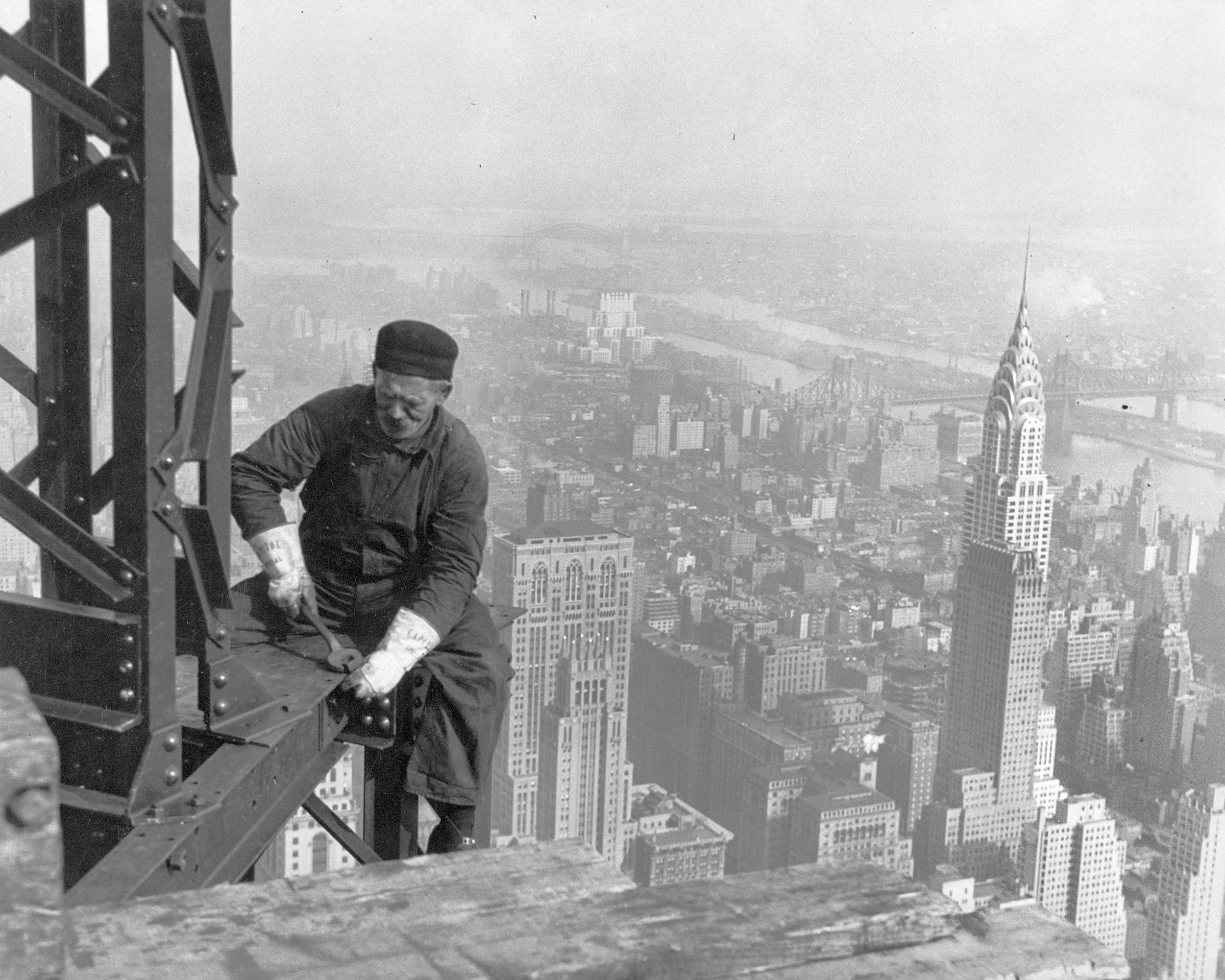
“He pulled out old photographs and told of his tales. He read passages from the memoir he wrote nearly twenty years earlier—a memoir to his grandkids. And, in typical Joe fashion, he made us martinis to clink to what was truly a meaningful day.” Meet Joe.
Remembering 9/11
TEACH THE CHILDREN
With the 19th anniversary of the horrific 9/11 attacks just passed and many families home-schooling their children during the pandemic, I thought I would share these interactive lesson plans for students in grades 3–12 from the 9/11 Memorial & Museum, including one that teaches how first-person accounts and multiple perspectives deepen historical study.
TINY TRIBUTES
Can a remembrance really mean anything when it’s just a little over two minutes? Watch this moving video from the StoryCorp September 11 Initiative, and you tell me…
…then listen to this one-minute-and-24-second audio clip of Ester DiNardo recalling how her daughter Marisa brought her to Windows on the World atop the World Trade Center the day before she perished in the attack:
You may also read the full transcript of Ester’s testimony, or listen in to other recorded oral history accounts from the 9/11 Memorial Museum’s oral history collection.
...and a Few More Links
New research into how the brain manages to safeguard our memories
She “accidentally accumulated the world’s largest achive of ’80s Esprit merch”
Old-fashioned scrapbooking as an artistic form of memory-keeping
Compelling short first-person read: “How to Eat Crabs with Your Mother-in-Law”
Short Takes
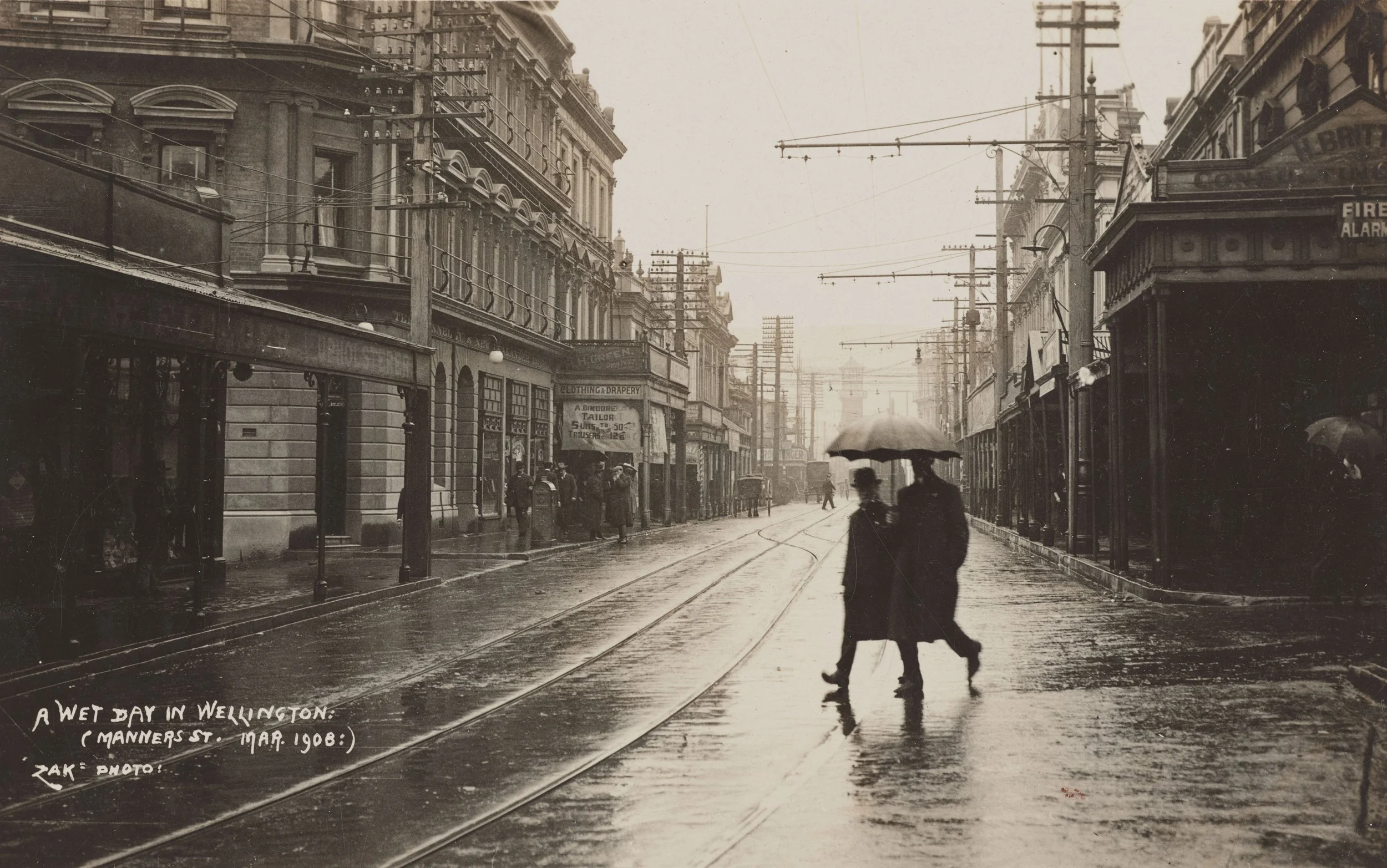
4 steps to begin preserving your food memories
Knowing your family’s recipes are preserved for the next generation is reassuring. Adding stories and photos, too, brings your food heritage to life. Start here.
This past year I have gotten a lot of feedback asking for more content to help you preserve your food memories.
I wonder if it’s a sign of the times—we’ve all been homebound for much longer stretches during this pandemic (many of us even made our own sourdough starter and baked bread from scratch!)—or if it’s just that, as I say often, the memories that take place in our childhood kitchens are powerful and persistent. All it takes, after all, is one whiff of sauce simmering on the stove, or a tiny taste of cookie dough, to transport us right back in time.
Either way, I’ve planned a series of posts to get you started with saving your own food memories. First up: Four overarching steps to put you on the right path:
1 - Consider: How do you want to preserve your food memories?
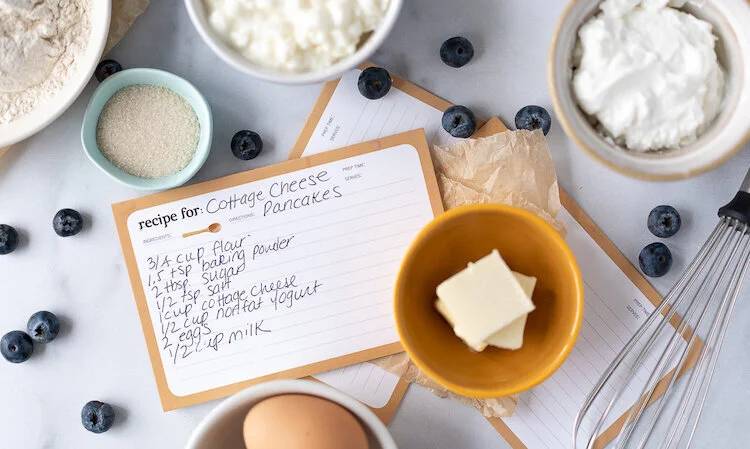
It’s wonderful to have a stash of grease-stained, handwritten recipes in a drawer in your home. But it’s even better to know that those recipes are preserved no matter what.
By digitizing your recipes (they can be scans of the handwritten cards or typewritten transcripts) you not only ensure they last for generations, but you can more easily share them with loved ones far and wide.
Our two favorite ways to preserve your recipes and food memories are:
In a book (of course!). Include both recipes and, at least for some of the foods, the stories and memories associated with them. You can go a DIY route or hire us to create a professional heritage cookbook for your family.
In a recipe box. Consider attaching photos and stories to your recipes and storing them together in a vintage recipe box.

A cookbook personalized just for your family could include a mix of recipes, stories, and images.

While some of your recipes may be handwritten on recipe cards, others may be scattered; look within the pages of cookbooks, in your siblings’ collections, and on your computer and phone apps.
2 - Gather recipes.
Even if you’re an incredibly organized person, chances are you’ve got some recipes in a drawer, some on the computer, and others in your head (perhaps those are the most important to write down!).
Make a list of everywhere you think your recipes reside, then tackle gathering them all in one place.
Two tips: Ask your loved ones which recipes you should include (you might be surprised what your kids ask for!), and then call your siblings and parents to solicit recipes from them, too. The more complete your collection, the better!
3 - Add pictures.
Do you have photos of Grandma in her kitchen, or Poppa pulling the turkey out of the oven on Thanksgiving?
Go on a treasure hunt to find as many food-related photos as you can. Then, digitize them with an app such as Google PhotoScan or hire a professional to scan them so you ensure you don’t lose them (and so you can use them in a printed book if you wish). Make sure to scour your phone scroll for recent images, too.
Also consider hiring a professional photographer to capture a cooking session in your home kitchen. I can recommend photographers across the country, so don’t hesitate to ask me for recommendations. You can include handed-down cast-iron pots, serving dishes, and other family heirlooms in the shoot to make it even more special.

Photos—especially those taken in your home kitchen—help bring stories in a family cookbook to life.

Gathering together around the dinner table (and your favorite family foods, of course!) is a great way to share memories to include in your heritage cookbook.
4 - Find the stories.
For your most-often-cooked foods, traditional fare, and family favorites, write about the memories associated with each of them.
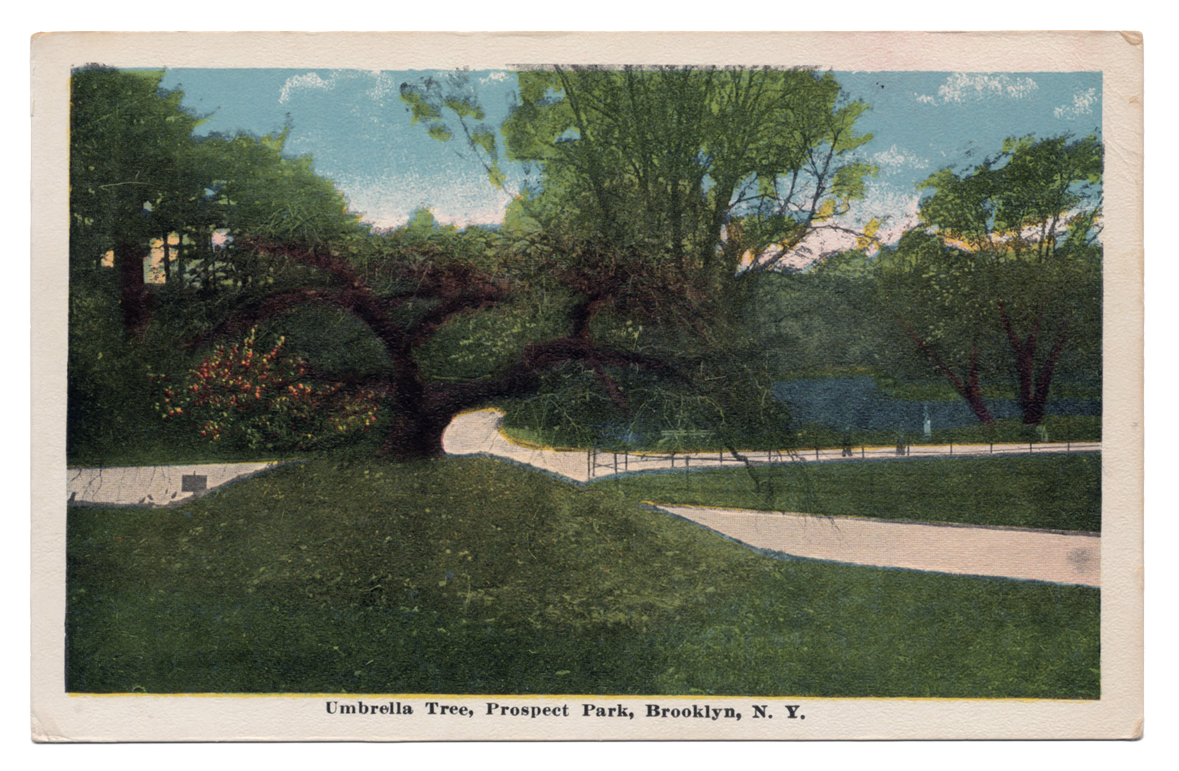
Be specific: Mention the cast-iron pan with the always-loose handle that Bubbe cooked his eggs in. The apron Aunt Ida wore only on Passover. How cherry Jell-o brings you back to your childhood, and the aroma of anise transports you to Brooklyn at Easter. Details, details—the scents and colors and textures...the truth of the story lies in the details.
One fun way to capture these stories is to host a family get-together with the express purpose of reminiscing (over dinner, of course!). Designate someone to take notes, and set up a couple of voice recorders (your smart phone is fine) around the room to get the stories. Oh, and take some pictures while you’re at it.
In an upcoming blog post we will share a list of questions to prompt food memories, which you can use either as writing prompts or as conversation starters during your get-together. Sign up for our newsletter to be sure you don’t miss it!
Want to read food stories from others for a little tasty inspiration?
Check these out:
Billee’s “Famous” Foods
Gramma Billee kept a jar for bacon drippings on her stove; she used it liberally and kept it full. She knew everyone’s favorite foods and provided them—often. Click here to read Billee’s “Famous” Foods.
Mom’s Spaghetti & meatballs
Red sauce ran in her grandmother's blood, and every family member would one day memorize her beloved recipe. Peek into a family kitchen, and a mother's heart. Click here to read Mom’s Spaghetti & Meatballs.
POP’S PIE
Is a grandfather’s love the missing ingredient to the best key lime pie? A young mother delves into memories of the treats her beloved Pop made just for her. Click here to read Pop’s Pie.

Life Story Links: August 31, 2020
A wealth of reading on the value of family photos for prompting memories and stories, plus memoir writing tips and how to leave a meaningful legacy.
“One thing I have learned about remembering is that it is a social process: it happens in collaboration with other people. [My grandmother’s] memories with me may not be the same as her memories with others. The reality of remembering is always contextual.”
—Charles Fernyhough

Ah, if only the back-to-school season were as carefree as past years… Kids in an unidentified school circa 1913. Photograph by William Davis Hassler, printed from original glass plate negative, courtesy New-York Historical Society, New York Heritage Digital Collections.
Kitchen Confidential
THE STORIED RECIPE
Last week I interviewed Becky Hadeed, the story- and food-loving host of the inspiring podcast The Storied Recipe. Read about a few of my favorite episodes here (probably unsurprisingly, they’re with everyday folks about their most cherished food memories).
A LIFETIME’S WORTH OF FADED RECIPES
“My recipes tell stories. If they were pared down, edited and orderly, my memories would be, too.” Joyce Purnick makes a case for revisiting your old, grease-stained recipes every once in a while (even if you no longer cook from them).
The Power of Photographs
A PLACE FOR PICTURES
“There’s nothing wrong with storing your favorite snapshots on Instagram or in the cloud, but digitally browsing through your memories will never feel as special as taking a photo album off the shelf and physically flipping through the pages.” Amen. The Strategist showcases 10 great photo albums for every occasion.
SAVE YOUR PHOTOS MONTH
September is Save Your Photos Month, and among the 40 free virtual classes available are a few by personal historians including my own, Share the Story of Just One Photo, as well as Martie McNabb’s live Show & Tale: Where Were You On 9/11? Pre-registration is required, but you are free to watch the videos at your convenience through November 1, 2020.
SORTING YOUR FAMILY PHOTOS
“The difference between 3,000 unlabeled photos versus 300 photos organized by category can be the difference between your child learning their history or not,” Eric Niloff of photo organization company EverPresent says in this piece that provides a basic framework for getting your own mass of family photos in some semblance of order.
TREASURE HUNT
“Through experience, I have learned what does and doesn’t work when it comes to reaching out to long-lost cousins” in an effort to get family history photos that aren’t online, Melissa Knapp writes in this post with concrete tips for using descendancy research to find new (old) photos of your relatives.
“REBOOTING MEMORIES”
“People are forgetting wartime memories. We need to revitalize those old memories by using the latest method of expression and delivering it to the hearts of many people.” In this case, “melting frozen memories” via colorized photographs.
Personal Iconography
BELOVED STUFF, REBORN
“It’s so satisfying to give new life—and new purpose—to old stuff. You get to keep the memories while renewing your home.” Susan Hood of NYC–based Remarkable Life Memoirs shares some inspired ideas from her own life.
POSTER GIRL
“Even before I’d seen a single episode of Sex and the City, I was versed in the art of performative self-reflection. And then Carrie Bradshaw sashayed into my life. She didn’t just make auto-documentary look glamorous. She made it look like a job.” Brittany K. Allen uses touchstones of popular culture to walk us through her journey as a writer.
On Nonfiction Writing
ELEVATE YOUR MEMOIR
National Association of Memoir Writers is running a six-week virtual Memoir Boot Camp starting September 22 with a different teacher each session, including Jacqueline Woodson, Claire Bidwell Smith, and Larry Smith.
AN INVITATION FROM HISTORY
“The pandemic is only one of the seismic forces that converged on American life this year,” Oregon–based personal historian John Hawkins writes. “There is a certain advantage to being the one using the keyboard or the microphone instead of relying on others to record their thoughts.”
TRUTH OR DARE
“I’d done my best to get the facts correct as I wrote, but I had thousands of pages of archival documents, photos, trial transcripts, and newspaper clippings, as well as hours of interviews.” Emma Copley Eisenberg thoroughly and thoughtfully dives into the topic of fact-checking nonfiction writing.
STORY SHARING FOR NON-WRITERS
The experts at the Biographers Guild of Greater New York this week share three basic approaches you can take to ensuring your life stories are told and preserved for the next generation, even if you do not consider yourself a writer.
Legacy through Stories
A LETTER TO THE DEAD
I often tell people who are struggling to craft a meaningful tribute of their lost loved one to write a letter to them—tell the deceased directly what you loved and admired about them. This letter to John Lewis in the wake of his recent passing is a sublime example of this approach.
“MY FAMILY’S SHROUDED HISTORY”
“Inhibited by the silences in our families, we turn to books. But here was something rare: the answers to questions I hadn’t known how to ask, and a way to map my family’s stories into what I had learned of this history, each illuminating the other,” Alexander Chee writes.
THEIR PAPU
Ricardo Ovilla “lives on in his granddaughters’ stories. To them, he will always be the tender hearted, marimba-loving, menudo aficionado who stopped at nothing to see his children laugh. They knew him simply as ‘Papu.’ ” Listen in below:
DIASPORA, RECONSTRUCTED
“My Kashmiri grandmother is illiterate. I wonder what she’d say if she knew her progeny wrote her unsent letters, wrote so she wouldn’t be lost to history. My grandmother, all four feet and nine inches of her. Housewife. Teen bride. When she video calls, she stares at my father and she cries and she cries.” High school student Yasmeen Khan on her fractured provenance.
...and a Few More Links
Photographs of generations of Black suffragists crafted narratives and became “decidedly civic currency.”
A look at an array of services for creating a digital legacy for a lost loved one
Watch Thomas Allen Harris in dialogue with Marci Brennan, a professional photo organizer, followed by a Labor Day–themed community photo share.
Colorful murals help prompt memories for people with dementia.
Short Takes

Don’t call it a memoir. Just write your life.
Sometimes the idea of telling our "life story" is overwhelming. If we think of memoir as a series of smaller life narratives, though, the way in becomes clear.

Blogger and memoir writer Jerry Waxler says, “Vast numbers of people are aspiring to become storytellers, turning this into a boom time for the story arts.” Waxler teaches workshops where, he says, “people come with such longing to try to turn life into story.” That’s why people come to me, as well.
Telling stories
Why write your life?
Far from being narcissistic, “memoir is about handing over your life to someone and saying, This is what I went through, this is who I am, and maybe you can learn something from it,” says Jeanette Walls, author of The Glass Castle.
“It’s honestly sharing what you think, feel, and have gone through. If you can do that effectively, then somebody gets the wisdom and benefit of your experience without having to live it.”
This insight could as easily apply to a different type of writing about your life.
Writing a memoir not only sounds intimidating, but it also can seem lofty, maybe a little out of reach. Telling stories, though—that’s something accessible, more easily accomplished. And if done right, those disparate stories can have an equally profound effect on your family members and loved ones.
For that’s who I encourage you to share your story with: your children, and their children after them. Imagine the gift you’ll be giving when you share stories that make them laugh, cry, and know the reach of love.
Short stories, bound together by narrative thread
As a journalist, I am all too aware of the appeal of bite-size information (I have watched long-form journalism fall by the wayside as the media landscape has evolved over the years). We’ve become accustomed to sharing thoughts in 140 characters or less, and captioning our filtered Instagram photos for the greatest #impact.
But while I recommend sharing your stories in mini-narratives (and sometimes even list form), I don’t do so because of this trend toward brevity.
I suggest this form because
I think it engages people most readily and provides just the right amount of detail to both inform and tug at the heartstrings;
it falls within the range of most people’s writing ability; and
it is do-able (the worst-case scenario in creating a family narrative is to never do it, whether because the task is too daunting or it’s taking so long you never finish!).
And when you work with a qualified editor to help you find the narrative thread that binds your stories together—to add context, uncover meaning, and invite reader engagement—that once seemingly unreachable goal of writing a “memoir” is suddenly within reach!
Where to begin?
Consider…
writing in a daily journal,
setting aside two hours per week to devote to your life story writing,
or finding a likeminded partner with whom to exchange your writings (both to give you a reader and to provide a form of accountability).
If you would like to preserve your stories but you know you will never sit down to write them yourself, reach out to see how we can work together; often a personal historian is the answer for an aspiring memoirist who hasn’t yet taken the first step.
A while back I wrote about easy ways to find your way into life story writing, so if you’re ready to start, read this first!
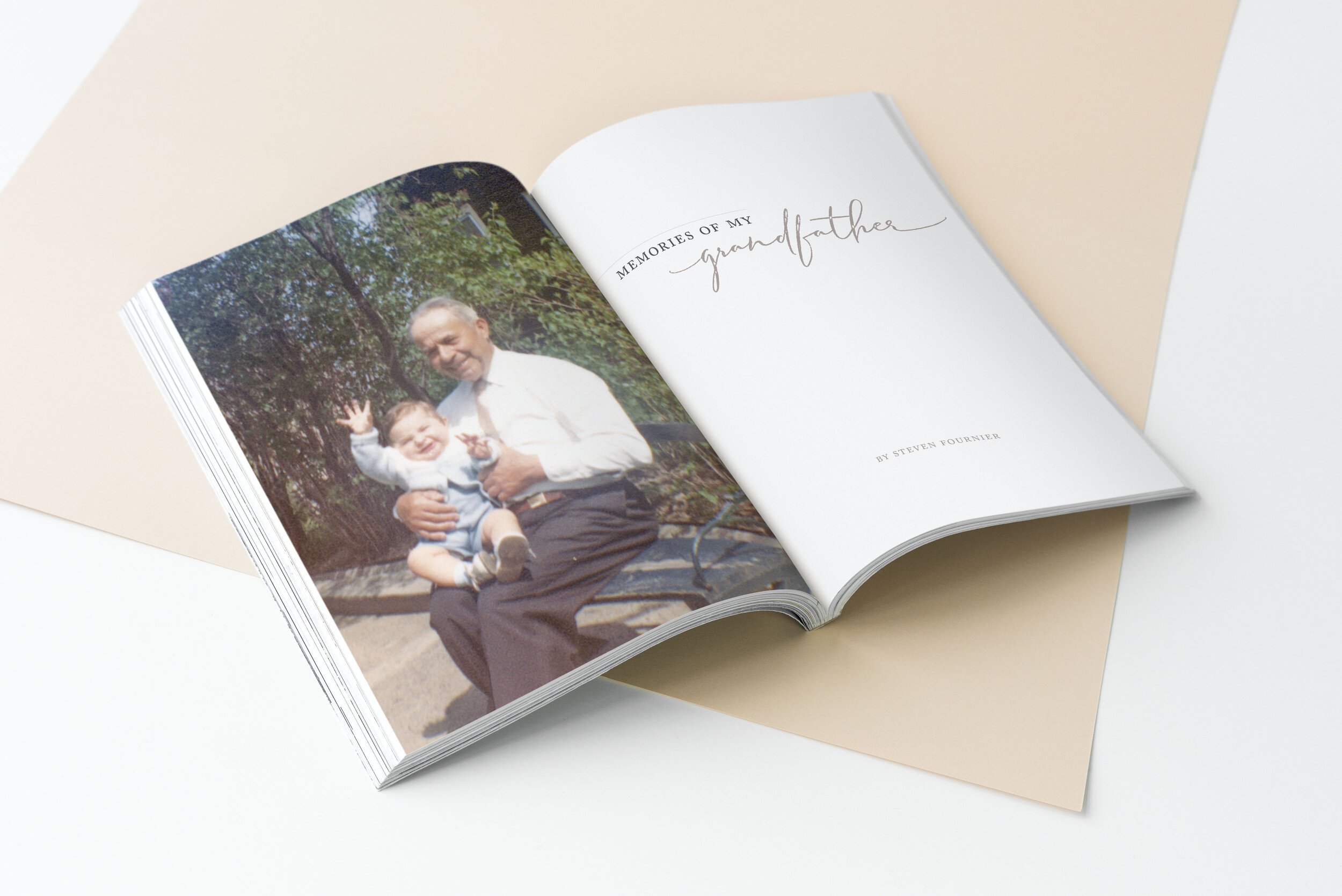
How to plan a life story book in 3 simple steps





“Stories through the vessel of cherished food memories”
Meet the story- and food-loving host behind the inspiring podcast The Storied Recipe, then click on a few of my favorite episodes for a taste of her interviews.

On The Storied Recipe podcast host Becky Hadeed, pictured, invites guests to share their stories through the vessel of cherished food memories.
Podcast recommendation: The Storied Recipe
If you look at the Instagram feed for The Storied Recipe you’ll be excused for thinking that the founder is simply a food photographer. Becky Hadeed is, of course, a photographer who turns her lens (rather gloriously) to food, but she is so much more, and at the heart of all she does is a bone-deep respect for story.
On The Storied Recipe podcast, Becky begins each episode with a few words describing her mission: Giving a platform for her guests to “share their stories through the vessel of cherished food memories,” thereby inviting us all to “honor those that have loved us through their cooking.”
And there’s the attraction for me, as you can imagine! I have written often about the power of smells and tastes to conjure memories, to transport us back to our childhood kitchens. If someone is a reluctant storyteller, it’s often their food memories that get them going.
Becky’s conversations with her podcast guests are fairly wide-ranging, but they somehow always circle back to food stories and a cherished recipe (which Becky cooks herself and photographs in her garage studio).
It’s not surprising, either, that my favorite episodes highlight stories from “everyday people” who happen to light up with the telling of their food memories. Whereas we would expect a chef or a cookbook author to be inspired by the foods of their past, it’s the regular folks talking about their family members and the tastes of their childhood that are often most inspiring.
The person behind the podcast
Becky posits that her love of story came before food, but it’s a close call.
“I always say that reading was my first love, because when I used to go to the library or open a new book (and I opened hundreds every year, as a child), I got the same feeling of happy butterflies that I got when I saw a crush! Reading gave me comfort and insight and a way to occupy my mind.”
She says she’s always seen “individual stories as the best way to make sense of history and the world.” As with so many of us, that belief likely started with tales told by her grandparents, who resided next door to Becky when she was growing up, as well as her great-grandmother, who lived to 103. Becky loved hearing stories of their lives and asking them for more—and more!—detail. “So this idea that personal story is the best way to learn about culture and heritage and history was just...it was so obvious to me.”
Becky is a naturally curious soul who still seems surprised when someone expresses gratitude for her openness. People have often told her how “they found themselves sharing things with me that they never shared with anyone else,” she says.
Listen to a few of her podcast episodes and you’ll see why: Becky is what I call a generous listener. Her questions spring from a well of both genuine curiosity and openhearted respect. In today’s world (as I know all too well from my own experience as a personal historian), giving someone our full attention and asking questions that convey real, engaged interest—well, it’s all too rare.
And because Becky’s love for food runs parallel to her love for story—and because her photography began to shine a light on food—it was only natural that her podcast allow guests to tell their stories through the lens of food. She says she feels those same butterflies that she gets while reading when she is in the kitchen, “when I figure out how to put together all the random things I have in my fridge, when I see the light falling on the carrots I'm chopping, or when I see a new recipe I want to try.”
The gift of cherished food memories
“What I really want to do is to take meaningful photographs of food for people that celebrate the relationships in their lives,” Becky says.
That means more often than not the foods Becky cooks and photographs are humble fare that remind a guest of mom, grandpa, the homeland, or childhood. Sure, there’s a complex recipe here and a vaulted dish there, but there are also basic tea cakes and beloved street food.
Becky’s own go-to food memory is like that. It bestows comfort and a return to a simpler time—and, as Becky says, it “proves that it’s the story and the people that really matter.”
“My mom is an excellent cook—she’s really the best cook I know. But that special memory I go back to the very most came from my grandmother, who wasn't a cook at all. She always made me root beer floats. Just ice cream and root beer, that's it. I drank them through her silver (real silver) iced tea straws. They were delicious and made me happy.”
When Becky’s grandmother died, Becky inherited her silver (and uses it in her food photography still). “In fact, I'm drinking an iced coffee through one of those straws right this minute,” she tells me.
That straw holds stories for Becky, and continues to make her feel happy. And it’s the inherited cake pans, the passed-down recipes handwritten on index cards, and the familial food knowledge that Becky hopes to get her guests talking about—the little (often surprising) things that make them happy.
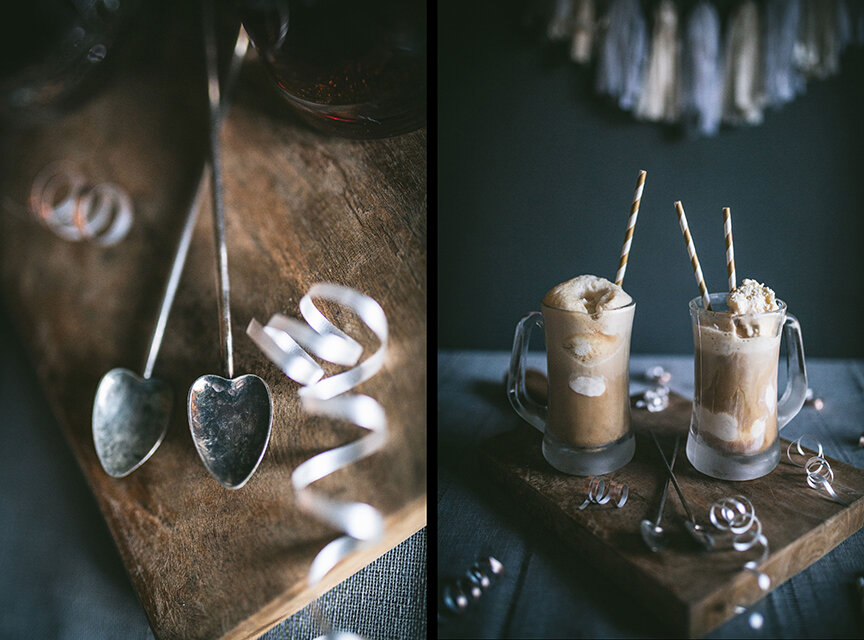
The silver spoons Becky inherited from her grandmother and a couple of root beer floats were the subject of some of Becky”s earliest food photography. “They were delicious and made me happy,” she says of the treats her grandmother made for her as a child.
Are you Becky’s dream guest?
If you’ve got a treasured food memory you’d like to share, consider applying to be a guest; you just might turn out to be on my next favorite episode.
“The beauty is in the mundane,” Becky says. “It’s the everyday people whose stories are not told over and over again that hold the real wisdom and beauty.”
“Time and time again, I've gotten on the phone with a regular person and we've talked for hours (!) about their grandmother or their father and I get off in tears, so in awe of this person's fortitude and love,” she says.
On the other end of the spectrum, if you know a chef or a high-profile foodie who tells captivating tales around the dinner table, why not turn them on to the podcast? Maybe they’ll want to share their untold food inspirations, too. (Rahul Mandel, wanna dish? Becky says she’d love to hear about Bangladesh and your mom and about so much more than your (fabulous) cakes!)
Favorite episodes, free download & related links
My favorite episodes of The Storied Recipe podcast:
“Food is very emotional.”
Selina Göldi on the soul of a place, how cooking in the French countryside helps her reconnect with the instinctual aspect of cooking, “the map of her childhood landscape” in Switzerland, and entertaining with her whole “heart and body and soul.” Oh, and a recipe for a German no-bake layered cake that her grandmother and mom prepared for celebrations.

“They would always forget to put something in.”
Becky speaks to her longtime friends Robert and Lisa amidst lots of laughter, musings on what exactly is pudding? (no real conclusions drawn), memories of stirring the Christmas pudding for good luck, and how much whiskey to pour in, give or take. (Sorry, this family recipe’s a secret.)

“I found my entire family in a Ukranian village.”
American-born Lydia on the power of calling herself “Piotr’s granddaughter,” discovering the foods of her childhood on a foreign table, and trading shots of homemade vodka with a dying woman. Oh, and a recipe for (a lot!) of varynyky (otherwise known as pierogis).

Seth Greenberg: Lessons from an Iconic NYC Bakery and Laura Clark: Thanksgiving in Italy are two more of my favorite episodes.

Freebie I know you’ll love:
The DIY Storied Recipe Book, which you can print at home, creates space for you to preserve your recipes and the stories behind them.

The Storied Recipe Instagram feed:

After a recent account hack, Becky lost thousands of followers, so the feed is still building; you’ll get a taste of her food photography as well as updates about new podcast episodes.
All food photographs by Becky Hadeed, courtesy The Storied Recipe.
Related reading:
Check out more podcast recommendations for life storytellers, creative entrepreneurs, oral historians, and anyone who loves a captivating first person story.
Read more posts with first-person food memories and tips for preserving your own.
Our A Taste of the Past recipe card set pairs nicely with a bottle of burgundy—a most thoughtful hostess gift or a little homespun comfort for yourself anytime.
What about YOUR Food Memories?
Care to preserve your own food memories—or a whole bunch of your life stories with a few luscious food memories thrown in? I’d be honored to interview you for a book of your own. Reach out to see how we can work together!

Life Story Links: August 11, 2020
On the craft of life story writing, commemorating lives lost, enticing memoir excerpts, digital preservation tips & more recommended reads for memory keepers.
“We have become a generation of unstorytellers…. We need to return to the campfire. And we can. It’s as simple as saying to someone, Tell me the story of your life. And when they’re finished, say, I’d like to tell you mine.”
—Bruce Feiler, Life Is in the Transitions

Postman, 1896. Photograph courtesy The Miriam and Ira D. Wallach Division of Art, Prints and Photographs: Photography Collection, The New York Public Library Digital Collections.
Saving Family Stories
A LITTLE MYSTERY
If you are unsure about an ancestor’s real life, don’t flesh out their story with conjecture and imagination, suggests Patricia Pihl, a personal historian based in Western New York. “Transparency will bring clarity to the picture of our lives, a true gift for future generations.”
(NON)TRADITIONS
Nashville–based family historian Taneya Y. Koonce wonders “I don’t have family traditions. Or do I?” Her take: “Recording facts and snippets about relationships and values for future generations can add as much to your family story as passing down the ways your family celebrates the holidays or other more conventionally considered traditions.”
Gone but Not Forgotten
LIFE CELEBRATIONS
As part of StoryCorps’ efforts to help people commemorate lives lost during the Covid-19 pandemic they have put together a two-page guide with genuinely helpful advice for setting up and recording a memorial conversation.
STORIES FROM POST-LOSS LIFE
“Before [my mom and grandmom] died I hadn’t even thought to attempt making a brisket or kugel or kasha and bowties, but afterward I felt this deep urgency to learn how to carry the tradition forward.” Rebecca Soffer talks to Allison Gilbert about keeping lost loved ones’ memories alive.
Inside the Issues: Recent Magazines & Books of Note
LIBRARY LOVE
The new issue of Broadside, the magazine of the Library of Virginia, includes an array of summery images from their digital collections, the intriguing ancestry of former football player Torrey Smith, a behind-the-scenes look at their Conservation Lab (with tips for preserving family papers), and a spotlight on a new book that finds the untold stories—“real-life human dramas”—within historical records.
IN A TIME OF WAR
Coby Blom-de Groot was 15 years old when her parents brought home a baby to shelter during the German occupation of Holland in 1943. She kept a diary about the child, including photographs and anecdotes, for her parents to read when they could be reunited. “That precious diary confirmed for me that Ria…was deeply loved,” her sister Sonja said. Read the whole issue of Yad Vashem Jerulsalem magazine, in which this story appears.
MEANING-MAKING THROUGH STORY
We’re in the midst of a collective “lifequake,” and author Bruce Feiler has help for how to navigate the uncertainties that come with all this change (hint: there might be some storytelling involved). Why you should read Life Is in the Transitions.
Recommended First-Person Reads
MARRIAGE STORY
“He was in New York, and I was in Seattle, but we had credit cards. We’d deal with the consequences later. The first time we kissed was in the kitchen of my apartment, against the closed door of the dishwasher in mid-cycle. Everything whirred.” Read an excerpt from The Fixed Stars: A Memoir by Molly Wizenberg
POETIC LICENSE
“Dad hadn’t been surprised when I’d told him I was interested in reading through his letters; he assumed everyone would be.” Read a brief yet enticing excerpt from Gretchen Cherington’s memoir of growing up with poet laureate Richard Eberhart as her father.
In Pictures
“WHO IS THAT?”
Bill Shapiro has shelf upon shelf of found photos sorted into archival boxes. “I love these pictures,” he writes. “I also hate them. They remind me of time going by. They remind me of what I had and what’s gone.” Read more about the strange lure of other people’s photos.
DIGITAL PRESERVATION
As an early supporter of Permanent.org I have uploaded photographs to their archive and am following their journey as a nonprofit dedicated to creating “a new paradigm for secure cloud storage.” I believe their mission is worthwhile—low-cost, long-term digital storage for anyone “leveraging the same funding models used by museums, libraries, and universities for centuries.” Read about how they reached their phase 1 fundraising goal; get started with a free gigbyte of storage; or add space as you need it ($10 per gig).
...and a Few More Links
In the latest issue of Creative Nonfiction: Lee Gutkind on memoir now
Why we reach for nostalgia in times of crisis.
A family historian’s process for making ancestor books
Milwaukee–based personal historian Mary Voell announces virtual guided autobiography classes beginning in September.
Milan Kundera will donate his archive to his hometown library, in Brno, Czech Republic.
Short Takes

Book recommendation: “Life Is in the Transitions,” by Bruce Feiler
Bruce Feiler's latest book, Life Is in the Transitions, offers up a helpful toolkit for dealing with life's curveballs through a lens of storytelling.

Bruce Feiler’s new book, Life Is in the Transitions: Mastering Change at Any Age, was released July 14, 2020 from Penguin Press.
If you are into family history at all, chances are you’ve heard of Bruce Feiler. He is one of the most-oft quoted experts on the power of storytelling in genealogy circles. After his article “The Stories that Bind Us” went viral in 2013, Feiler went on to author a book that dove deeper into the topic and headline the 2016 RootsTech conference.
Feiler calls himself a “lifestorian,” and his current book goes far in legitimizing that title.
This month he released Life Is in the Transitions, a book based not only on research from past psychological and university studies, but on a trove of data he collected himself over the course of three years when he roamed the country (all 50 states, in fact) interviewing people about their lives.
Not just any old meandering, curiosity-fueled interview, either, but what Feiler calls the “Life Story Interview,” based on narrative studies pioneer Dan McAdams’s template, modified for his purpose today: “My goal is to understand how we all live now—how we navigate the transitions, disruptions, and reinventions in our lives in a way that allows us to live with meaning, balance, and joy.”
Feiler includes the interview template in the final pages of the book, and this, to me, is one of the most valuable extras he provides.
For as someone who interviews people for a living—helping you discover and articulate your own stories, and ultimately guiding you to find the meaning within your experiences—the straightforward yet flexible form of the Life Story Interview provides me with another way to do just that. Also: It gives YOU the tools you need to have enlightening and meaningful conversations with family members (something that both Feiler and I hope you do!).
I read the book with two different agendas:
One, as Feiler hoped: to better understand how to weather the myriad transitions we face in our modern lives, not only philosophically, but practically—to discover a toolkit for handling the changes and coming out (often better for it) on the other side.
Two, as a personal historian: to find more proof, more relatable anecdotal and data-driven evidence, that crafting and sharing our own personal narratives can be healing, productive, and best of all, meaning-making.
And yes, I got this and more from my reading.
Why You Should Read this Book
1 - As a Tool for Your Own Discovery
Feiler’s premise is simple: We are no longer living in a straight line with predictable milestones shaping our lives. Rather, we are bombarded by changes (more often, and at varying times).
“We experience life as a complex swirl of celebrations, setbacks, triumphs, and rebirths across the full span of our years,” Feiler writes. And yet, all of our coping mechanisms are based on this outdated notion of life as a single forward trajectory.
Moreover, our expectations of life are based in this same idea. If we correct that—if we can instead expect the nonlinear life trajectory as normal, even inevitable—we’ll be much happier, Feiler posits. “Trained to expect that our lives will unfold in a predictable series of stately life chapters, we’re confused when those chapters come faster and faster, frequently out of order, often one on top of the other.”
A cursory reading of Life Is in the Transitions goes far in letting us know that we’re not alone in our nonlinear experience of life; a deeper reading provides myriad opportunities for self-reflection as well as strategic approaches for navigating all those curveballs life is sure to yet throw our way.
And considering we’re all in the midst of what Feiler refers to as a “lifequake” as we navigate the Covid-19 pandemic, what could be timelier?
2 - as a source for some inspirational human stories
It’s easy to get lost in the mini-narratives of people’s lives that Feiler includes throughout the book: they’re placed in certain chapters to illustrate certain tenets of Feiler’s newly proposed paradigm of life transitions; but they’re also simply enjoyable to read, relatable even as they tell of one-of-a-kind scenarios. None of the transitions that are described in these stories are straightforward or simple—but they are real and compelling, and in the end, quite inspirational.
3 - as motivation for talking to your family about their stories.
“We have become a generation of unstorytellers… We need to return to the campfire. And we can. It’s as simple as saying to someone, Tell me the story of your life. And when they’re finished, say, I’d like to tell you mine.”
I could not agree more, and with Bruce’s easy-to-follow Life Story Questions on hand, I hope you will too!

A Few of My Favorite Quotes from the Book
“Lives are made up of memories, but when those memories remain episodic and disconnected, their impact dissipates.”
“Storytelling allows us to take life events that are exceptional, unforeseen, or otherwise out of the ordinary and domesticate them into meaningful, manageable chapters in the ongoing arc of our lives. This act of integration is storytelling’s greatest gift. It conventionalizes the unconventional. It transforms the untellable into a tale.”
“Everybody has a story, and not always the story the listener or teller expects to hear. The sharing is what brings out the surprise.”
“Transitions are autobiographical occasions.”
“Stories stitch us to one another, knit generation to generation, embolden us to take risks to improve our lives when things seem most unhopeful.”
Note: This is an unsolicited review of a book I purchased at full price. I did not receive any compensation or free products in exchange, and any endorsements within this post are my own.
Affiliate disclosure: As an Amazon Associate, we may earn commissions from qualifying purchases from Amazon.com.
Related Reading
Listen to an interview with Bruce Feiler on dealing with life-altering transitions (NPR).
Read the Kirkus review: “An unusual self-help book, of particular use to those contemplating writing a memoir or otherwise revisiting their past.”






Have you read Life Is in the Transitions? I’d love to know what you think. Share one of your own favorite quotes, lessons, or insights in the comments, won’t you?

Life Story Links: July 28, 2020
Lots about memoir (writing and reading), free learning opportunities, the complexities of family history, and, of course, recommended first-person reads.
“I will always believe that storytelling matters, that glimpses of lives different than ours—whether they come through images or stories—have the potential to change us by opening the world to us and fostering compassion. We are so much better when we listen to each other.”
—Vikki Reich

With professional baseball’s opening day pushed back from March 26 to July 23, our national pastime is getting a late start this year due to Covid-19. This vintage photo celebrates the Negro National League Champions of 1935, the Pittsburgh Crawfords. Photograph courtesy Schomburg Center for Research in Black Culture, Photographs and Prints Division, The New York Public Library Digital Collections.
On Craft
THE BUILDING BLOCKS OF MEMOIR
“It was really rewarding when my 60-year-old Italian mother-in-law, who I adore, said she saw herself in parts of the book. We’re completely different, and yet, my narrative joined us.” Davon Loeb, author of the lyrical memoir The In-Betweens, addresses the idea of finding universality in individual stories and filling in the gaps of his memories without fictionalizing.
WHERE TO BEGIN?
It's important to focus your life story writing on themes that both hold real meaning for you and that you feel will resonate with your family. Last week I wrote about how to identify impactful themes for your memoir.
“THINK SPECIFIC, THINK SMALL”
“One of the most common concerns we hear from prospective clients is that first-person writing seems intimidating, maybe even overwhelming. And one of our most common responses is to break a project down into bite-size pieces,” Samantha Shubert of NYC–based Remarkable Life Memoirs advises.
Time-Sensitive Offerings
GRIEF IN THE SEASON OF COVID
The workshop series “Remembering Our Loved Ones During an Unprecedented Time” from author and grief expert Allison Gilbert continues tonight at 8pm ET with a session discussing ways to meaningfully organize your family photos; and on August 4 with a topic of clearing clutter while staying connected to heirlooms that hold stories.
LIKE HIDDEN CAPTIONS
Learn best practices for adding metadata to photos so your pictures are tagged with names, dates, and other identifying info that make it easier for you to find them when you need them (and so future generations will know who's in the pictures, too). This one-hour class is free for now ($49 value).
LIMITED FREE SHOWING
The Public Theater’s The Line, a documentary-style play, is available to watch free until August 4, 2020: Crafted from firsthand interviews with medical first responders during the COVID-19 pandemic, The Line stars Lorraine Toussaint, Alison Pill, John Ortiz and other actors who bring their stories to life. I highly recommend finding the time to view this original work by Jessica Blank and Erik Jensen which has been called “immediate and urgent” and “stinging with truth.”

Lorraine Toussaint in The Line, available to view free on The Public Theater’s YouTube channel through August 4. Actors speak directly to the camera using words captured from interviews with real-life first responders to powerful effect.
Family History Finds
A CAPTIVE AUDIENCE DURING COVID
The ranks of amateur genealogists have grown during the coronavirus pandemic, and they’re boring their sheltered relatives, reports the Wall Street Journal. “Genealogy is boring. But everyone loves a good story and family history is filled with very good stories.” Personal historians suggest focusing on the scandals you unearth to drum up interest.
WRITE IT OUT
You never know how recording your own story will impact others, but you can always know that your story is important—it matters!” This short blog from RootsTech offers up ideas for journaling during hard times.
PHOTO MEMORIES
Seeing her precious family photo, damaged in Hurricane Harvey, now fully restored and framed, one woman declared that maybe “I can be restored back to new,” too. Watch students working with Adobe’s “The Future Is Yours” program return lost memories to their owners in the moving video below. (While this recording is two years old now, I am sharing (a) because it’s refreshingly inspiring to see pre-pandemic hugs and (b) because you can volunteer for the ongoing program to help others.)
First Person Stories that Resonate
BLACK AND WHITE
“When I told my father I was going to marry Jake he said, ‘If you marry that man you will never set foot in this house again.’” Mixed-race couples from four generations in Britain tell their stories.
HISTORY REMEMBERED
Only about two percent of the men and women who served in the American armed forces from 1941 to 1945 are still alive. This piece gathers stories from participants in some of World War II’s most iconic moments, including from the only surviving witness of the German surrender signing.
In the Telling
WHOSE AUTHENTICITY?
“What I know for sure is that in order to create new ways of being, Native peoples must reclaim and revalidate the truth in our stories,” Taylor Hensel writes in this piece on indigenous ways of being and the idea of narrative as power.
THE IMMEDIACY OF THE MOMENT
“The velocity of my mother’s death and my distance from it all feel like a death in brackets. There is no touch, no contact, no final conversations, no holding the hand of the dying.” Jennifer Spitzer on losing her mother to Covid-19 and reading Virginia Woolf.
UNEXPECTED ENCOUNTER
“I was in Italy, having lunch with friends, and one of them brought out a volume of Borges stories—he happened to be reading them. I said, ‘Let me tell you about my travels with Borges through the highlands of Scotland,’” Jay Parini writes. His friend told him to write a book; Borges and Me: An Encounter comes out in August.
A POET TURNS HER HAND TO MEMOIR
“I took with me what I had cultivated all those years: mute avoidance of my past, silence and willed amnesia buried deep in me like a root.” Natasha Trethewey on the seven-year process of writing her mother's story in Memorial Drive: A Daughter’s Memoir.
...and a Few More Links
How to curate your family photo slideshows like a professional photo editor
Alex Trebek “has written a memoir of consummate caginess.”
Creative tributes in place of a traditional memorial service
Autobiographical writing prompt: the story of everyday things
We’re all field workers in the effort to document the (many) happenings of this year.
Local newspaper turns the spotlight on Massachusetts–based family history film company Second Avenue Video.
Maryland–based personal historian Pat McNees offers up an anti-racism reading list.
On learning to decipher her father’s past in Nazi Germany, and the nuances of family history
Short Takes
Dawn Roode’s curated roundup for the week of Sept. 23, 2026, is overflowing with recent reads on memoir, life story writing, and family history preservation.