
Memories Matter
Featured blog Posts

READ THE LATEST POSTS

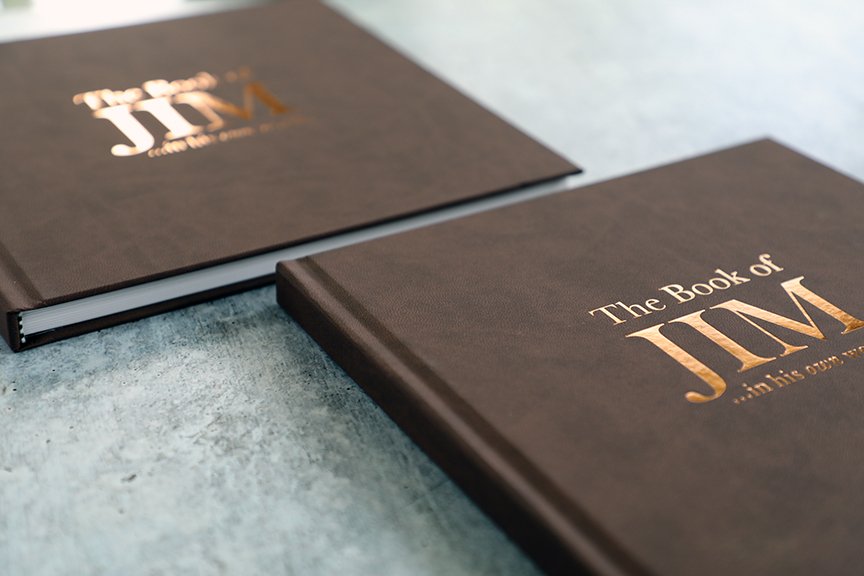
Way more than a photo book—the ultimate gift for someone you love
These 3 photo book themes make it easy to show someone how much they are loved! Perfect for surprise birthday and graduation gifts—or just because.
A photo memory book doesn’t have to be comprehensive or long to make people feel all the feels—it simply needs to tell stories that matter.
For that to happen you need to do two things well:
Curate your photos. Choose not only the best in terms of image quality and spiffed-up subjects, but also the images that convey a message and together focus on one theme.
Add meaningful stories. By that I don’t mean cinema-worthy dramas or eloquently written tales—I DO MEAN stories that connect to your theme and evoke an emotional response.
“What theme?!” you may be asking, panic-stricken at the thought of Pinterest–board planning.
Stop worrying and go a classic and straightforward route! Choose one of the three universal themes below and you’ll surprise your loved one with a gift that oozes with love and lets them know just how special they truly are.
Each of these is fairly easy to put together yourself, but if you’d like to hand it off (and take all the credit on gift day!), then shoot me a note to see how I can help.
3 Ideas for photo book gifts that say “I love you” loud & clear
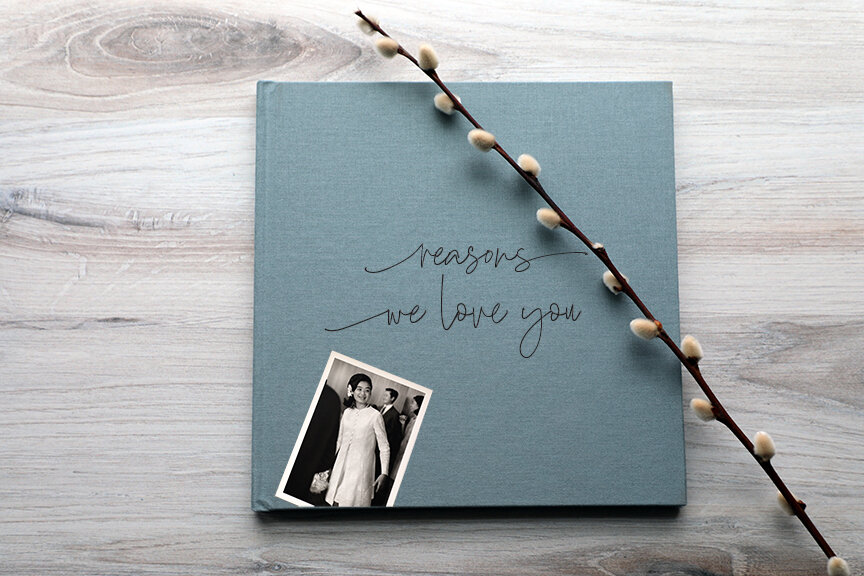
1 - Top 20 Reasons We Love You
Photo storybook theme:
Top 20 Reasons We Love You
Choose photos of:
In this case, choose your stories first—then select photos that illustrate or match up in some way with the stories you have told. There will almost certainly be occasions when you don’t have a picture of something you listed as a “reason you love” them—don’t worry about it and simply include a photo of them (or you, or your family, or your family pet, lol) that makes you smile. It’s all about bringing joy, after all!
Elaborate with stories about:
Exactly what the title says: Tell them why you love them. Be as specific and as silly or sincere as you want! A few samples to inspire your own thinking:
We love you for your generous spirit—and we don’t mean just paying for ice cream after every baseball game, but for offering to help any and every time we need it.
We love you because you are the epitome of a Southern dad—always handsomely dressed (those bow ties!), always a gentleman (you’d never walk out of an elevator before a female!), and always up for a good barbecue (wearing your striped apron at the grill).
We love you for your stupid nicknames (Stefanie is “Pickle,” Alexander is “Ali Baba,” and Marcus is “Delirious”) that somehow always seem to make it into family lore.
We love you because there is not a soul in this family you would not do anything to protect.
We love you for your courage in serving our country for all these years.
We love you for sneaking us mac-and-cheese (the kind from the blue box) for dinner whenever Mom’s out of town.
Every one of these declarations would be made better—and more powerful, more emotional—by elaborating with a quick remembrance or two. They don’t have to be in-depth stories, just quick memories that your loved one will recognize.
Ideal gift for:
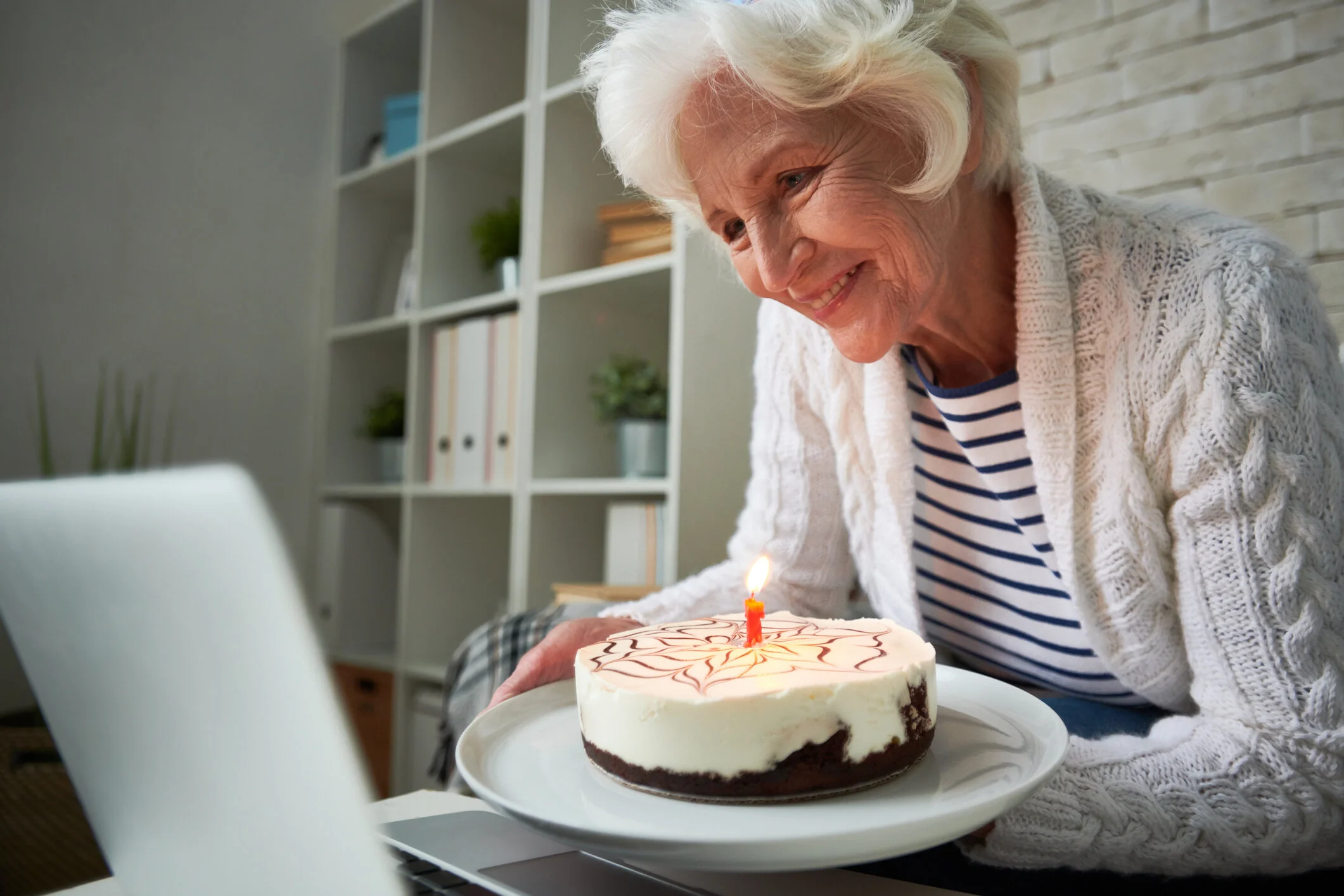
a mom or dad on their birthday
your child or sibling as they go away for college for the first time
a grandparent any time at all (trust me, we never say “I love you” in these meaningful ways enough to our elders!)

2 - We’ll Always Remember…
Photo storybook theme:
We’ll Always Remember…
Choose photos of:
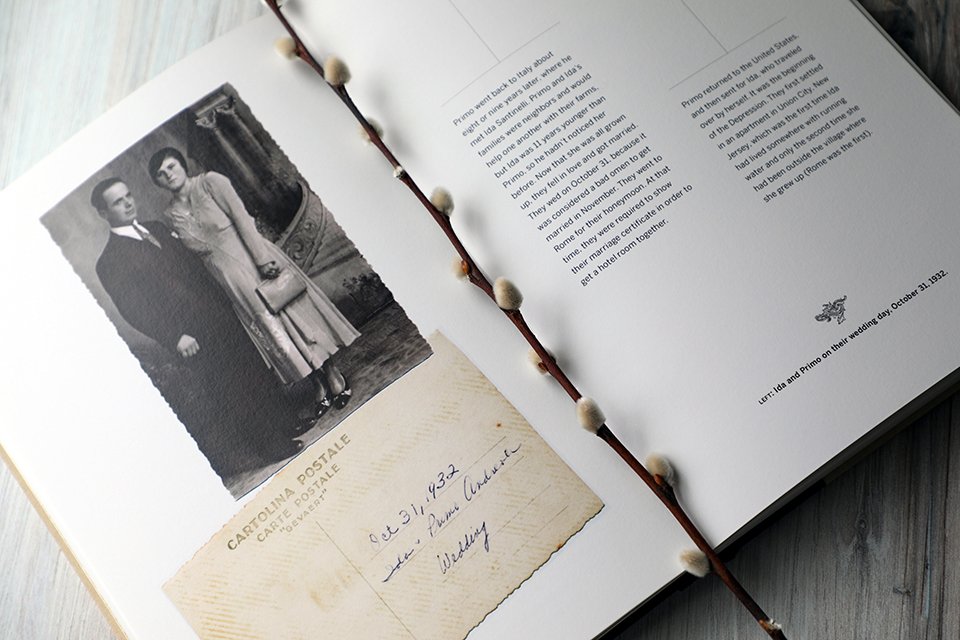
Curating images for this book is a fun family history endeavor! Pull out the oldest photos you have—you know, the ones in the old magnetic albums, in drawers and boxes…the ones you actually printed before our photos lived exclusively on our cameras! Try to select images from different periods of your subject’s life: a cute baby photo, a few childhood shots, awkward pictures from the teen years, and on and on. You get the idea: This photo book is a mini-retrospective of your subject’s life, highlighting milestones and favorite memories along the way.
Elaborate with stories about:
These stories should be reflective and fun: Get the whole family in on the act of remembering and sharing memories of your loved one. Consider the title: What will you always remember? Perhaps a sibling remembers skipping stones in the creek or learning to shred at the local skateboarding park. Perhaps a parent recalls moments that made them most proud, from their first steps learning to walk to the day of their bat mitzvah. Suggestion: Select about 30-50 photos you think you might want to include, then sit around the table together talking about the memories they invoke—I promise the best stories will make themselves known.
Ideal gift for:
a son or daughter who is engaged to be married and move on to the next chapter of their life
a loved one’s 50th (or 60th or 70th…) birthday
an anniversary of a longstanding friendship
a family who is selling their home filled with a lifetime of memories.
Any life transition is an opportune time to reflect in this way and honor someone with your collective memories.

3 - A Living Tribute for _________ (Just Because)
Photo storybook theme:
A Living Tribute for _________ (Just Because)
Choose photos of:
Select photos of the person you are honoring that show them at their best—not just physically, but in spirit. Show them laughing, participating in their favorite hobby, visiting beloved places. Most importantly: Try to include a photo of the subject WITH each of the people writing the tributes.
Elaborate with stories about:
Solicit tributes from friends, family members, and colleagues that describe what makes your gift recipient so special. Check out this post for specific ideas for writing meaningful tributes, and remember: Always be specific. It”s boring (and too easy) to say: “I have loved you forever, Charlie.” Instead, say, “I knew from the moment you cooked me a chocolate soufflé in your tiny Greenwich Village kitchen that I wanted you to be in my life forever.”
Ideal gift for:
absolutely anyone who you want to know is special and loved
The beauty in this book is that you are doing it for no occasion at all—you are simply honoring them because they are important to you, and telling them is a generous and loving thing to do. Not convinced? Imagine their awe—and joy!—upon receiving such a gift. Such moments are truly priceless.
Remember: The key to creating a most meaningful photo book gift is to go beyond pictures and add stories!
The ideas above should help you generate stories easily. If you speak from the heart and share memories that matter to you, trust me—they will matter to your loved one, too! Get ready for some happy tears…







Life Story Links: October 13, 2020
A roundup of recent stories for anyone interested in life story preservation, memoir writing, and personal history—this one’s got a little of everything.
“When a story is told, it is not forgotten. It becomes something else, a memory of who we were; the hope of what we can become.”
—Tatiana de Rosnay, Sarah’s Key

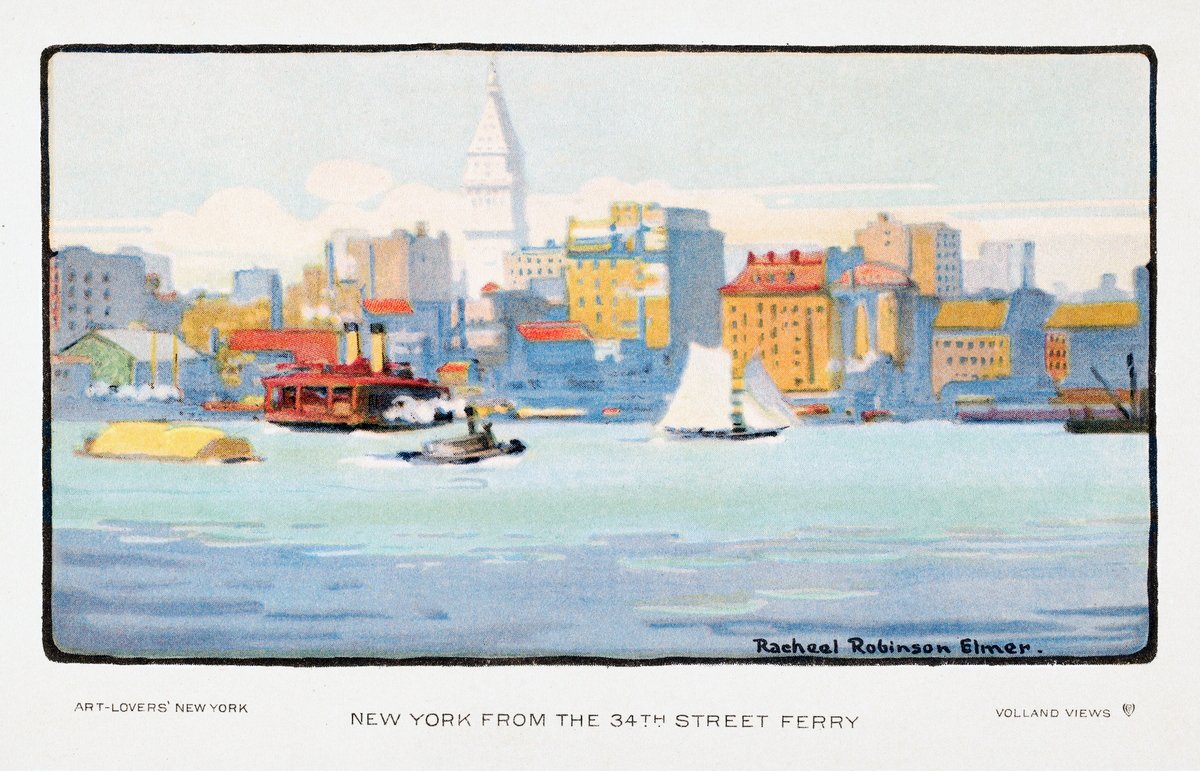
Vintage postcard (1907-1918) depicting Forest Avenue in the Bronx, New York, courtesy The Miriam and Ira D. Wallach Division of Art, Prints and Photographs: Picture Collection, The New York Public Library Digital Collection.
Of Hearth and Home
WHAT WE COOKED
“Someday I imagine having grandchildren...and I imagined them asking me, ‘Mimi’ (or whatever they might call me), ‘what did you do during the quarantine?’ And I thought there ought to be something better to say than, ‘Watched Netflix and ate popcorn.’ ” Sam Sifton on (not yet) keeping a Covid food journal.
A MOST UNUSUAL CELEBRATION?
Musings on Thanksgiving, togetherness, and making (and preserving) holiday memories this year... How will you manifest gratitude and spend the day in 2020?
WELCOME HOME
“How do you create a storied home when your family's story is just beginning in it?” Kim Winslow on using your family’s new home as a canvas for family storytelling.
Keeping Track…
NEW APP FOR RECORDING MEMORIES
“The mounting death toll from coronavirus led innovator and entrepreneur Yehuda Hecht to ponder the regret many are feeling at not having paid more attention to the stories of parents, grandparents, and other loved ones.” So he created a family history app, SelfieBook, to help people record the stories of their lives.
SEALED FOR LATER
“While many of us would rather forget 2020, we’re living through a historic moment that we may eventually want to remember.” A brief guide to making a 2020 pandemic time capsule.
Telling Our Stories
EXCAVATING OTHER PEOPLE’S LIVES
Biographer Robert D. Richardson believed “life-writing should be gripping, vivid, and intense, while giving a sense of the person’s daily existence that ‘links the reader’s life with the subject’s.’”
“THIS THING CALLED LIFE”
“I didn’t quit Prince, I just quit writing about him or hanging around his world. I still don’t know if I was brave or an idiot to walk away from the only real scoop rock and roll had to offer in those days,” Neal Karlen writes in this excerpt from his new book.
CHROMOSOMAL BREADCRUMBS
“My mother must have known long before I figured it out that motherhood is, at its core, a series of unanswered letters. Some tucked into envelopes. Others tucked into our cells,” Amory Rowe Salem writes in this first-person piece on breast cancer and family.
COMMUNITY & CONVERSATION
When her town went into lockdown, 60-year-old Jinny Savolainen wanted to do something meaningful with her time—so she began interviewing neighbors, which, she says, “gave me a sense of purpose and meaning that I badly needed.”
Oh, Personal History!
THIS BIZ OF OURS
Bethesda–based personal historian Pat McNees updates a 2008 article on the business of personal history, including what types of projects connote “personal history,” and how to find a market for such work.
BACK TO BASICS
Many folks want to preserve their life stories for the next generation but don’t know where to start. Here are three steps to finding the best personal historian to help (including, ahem, a note on what a personal historian is).
...and a Few More Links
First photos of enslaved people raise many questions about the ethics of viewing.
“The honor was all mine,” reporter says of telling this spy’s story.
Auschwitz survivor and memoirist Ruth Klüger has died.
Read the September/October issue of Archival Outlook.
A new season of Finding Your Roots with Henry Louis Gates, Jr., returns October 13.
Short Takes

Thanksgiving 2020: A most unusual time to celebrate
The way we gather and celebrate Thanksgiving this year will be impacted by the pandemic. May you find gratitude and connection while staying healthy.

How will your Thanksgiving celebration be impacted by the pandemic—will you have a smaller get-together, forgo travel, or connect virtually? I hope that however you observe the holiday this year, that you are able to feel real gratitude and find connection with loved ones.
What will Thanksgiving look like this year?
With smaller families who have remained in a Covid bubble, maybe your Thanksgiving will not be much different from previous years.
What about for larger families spread far and wide who usually use the holiday as a time to get together in one big group? Or families who are caring for a sick family member? In most parts of the country gathering inside in large groups without masks is still not recommended—and well, it’s kind of tough to eat turkey with a mask on.
I don’t know about you, but I am all “Zoomed” out. Don’t get me wrong—I am grateful for technology that allows us to connect, to hear one another’s laughs and continue our jobs. After a while, though, the allure of the screen dims and we crave hugs and touches and the buzz of energy in a shared space. And I think if I have to watch Great Aunt Constance pull her pumpkin pie from the oven over my computer screen without getting to savor the scent, I just might skip the holiday altogether.
This isn’t a post where I share “5 ways to make Thanksgiving special during a pandemic” or prescribe “ways to express your gratitude during a Covid-19 Thanksgiving.”
No, it’s a post where I ask, with genuine curiosity: What will your Thanksgiving look like? Have you thought about finding ways to connect virtually that don’t feel so…virtual?
How do I envision my own Thanksgiving?
For me, perhaps I will focus on the gratitude part of Thanksgiving, which often gets lost in the stuffing-and-cranberries food mayhem. Maybe I’ll write about all that I am grateful for; maybe I’ll talk about it with my son and husband. Maybe I’ll meditate on the unforeseen blessings this pandemic has manifested for many of us.
Maybe I’ll also focus on the celebration of the fall harvest—it’s always been my favorite time of year, after all, so maybe no matter the weather I will get outside for a walk at the very least, a sunset hike if I can swing it. Maybe I will create a new dish inspired by the autumn bounty at my local farmer’s market—and maybe it will make it onto the menu of future Thanksgivings when everyone can be present around one table again.
Maybe I’ll feel sad at the nature of our celebration. Or maybe I’ll revel in the closeness of my immediate (very small) family.
What I know for sure is that no matter what, Thanksgiving will be different this year.
I may not get as many hugs, but there will most likely be more leftovers in my fridge. And there is much—so very much—that I am grateful for.
Making Thanksgiving memories last
I will definitely be writing about this Thanksgiving after all the desserts are cleared, as part of my family history archive. I’ll ask my son to, as well, and though I may get an eye roll before he does so, I have no doubt his reflections will be thoughtful (and matter to him in years to come).
Will you join me in writing about your Thanksgiving experiences this year, whether it’s simply for your eyes only in your bedside journal or for inclusion in a life story book down the road?
If you prefer to revel in Thanksgivings past, you may want to use these Thanksgiving-inspired oral history questions as writing prompts rather than as interview questions this year. Or if you’re up for a Zoom call that’s slightly more purposeful than watching the Cowboys game together from your separate couches, consider interviewing a loved one—and no, I don’t mean asking them every question on the list, but rather picking two or three of your favorites and spending some time reminiscing together. Now that’s some socially-distanced Thanksgiving togetherness I can get behind!

Remembering
Thanksgivings Past
Use this list of 55 questions as writing prompts or to interview a loved one about their holiday memories.
What will your Thanksgiving look like this year?

Life Story Links: September 29, 2020
This week's roundup, heavy on video content, features stories on the nature of memoir, moving tributes for deceased, and an array of family history finds.
“Life has been your art. You have set yourself to music. Your days are your sonnets.”
—Oscar Wilde
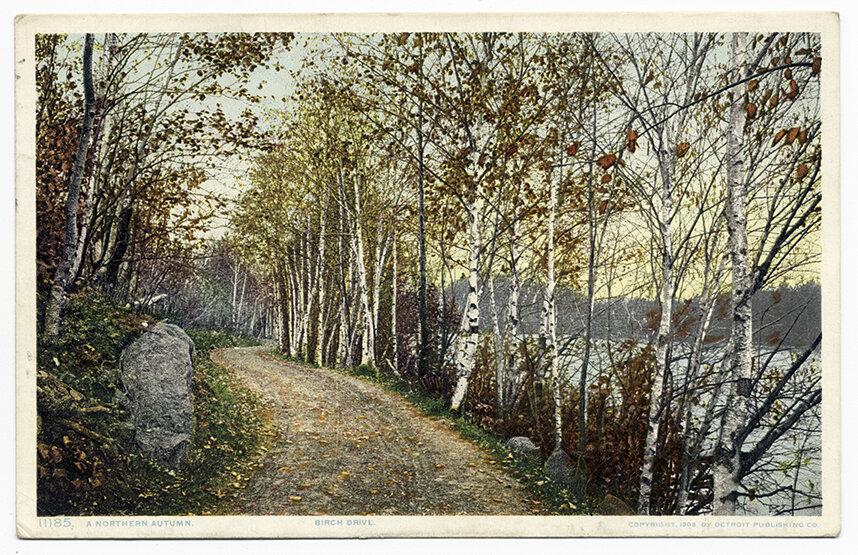
Vintage postcard of “A Northern Autumn, Birch Drive” (originally issued by Detroit Publishing Company, 1898 - 1931), courtesy The Miriam and Ira D. Wallach Division of Art, Prints and Photographs: Photography Collection, The New York Public Library Digital Collections.
On Memoir
A MEMOIR ROOTED IN PLACE
“Life moves in strange and marvelous patterns,” Rebecca McClanahan says in this interview for Brevity magazine. “The memoir runs panting behind the life but can never catch up.” Her new book, In the Key of New York City: A Memoir in Essays, was released this month.
A LIFE BETWEEN TWO WORLDS
“Twenty-one years later I am close to finishing the memoir,” George Clever tells personal historian Patricia Pihl. “I owed my children, grandchildren, and great-grandchildren information about my Lenape life, information I could not receive from my parents, grandparents, or great parents.”
Stories Untold, Discovered Anew
SACRED STORIES
“All anyone really wants is to be seen and heard, and yet we avoid seeing and hearing others every day. Even among families, there are limits to what we can expect to receive from others. Sometimes we’re left carrying our own stories, like oceans inside of us.” Sarah Kasbeer on sacred stories.
ARTIFACTS OF A LIFE
William Lamb’s mother, who died in 1992, still finds ways to speak to him through the objects she left behind. Read how a lamp unraveled the story of a life Lamb never knew his mother had.
Family History Finds
FEAST OF MEMORIES
For anyone who’s ready to begin capturing the stories that make up your food heritage, I created a list of food-themed questions that you can use for either family history interviews or writing prompts.
LOOKING TO THE PAST
This pandemic year will be remembered for sure, but it’s also important to keep in mind that, “like our ancestors, we can come together and overcome the difficulties ahead. These U.S. census records offer signs of hope of what is to come.”
LIVING THROUGH THIS HISTORIC TIME
Lock down these days with a family memoir, suggests Joss Carpreau of Elephant Memoirs in Manchester, England: “You may not want to write about it yet [if] it’s all too raw, and maybe you think the worst is yet to come. These, however, are the thoughts and feelings that will most be interesting in years to come.”
SUMMONING COMPASSION
“After writing this piece, I received my great-grandfather's death certificate and discovered he…died in the State Hospital for the Insane from Dementia Paralytica, which may well have been a factor in the sad choice of allowing his son to perish.” California–based personal historian Lisa O'Reilly on an ancestor’s heartbreaking decision.
Personal Notes from Personal Historians
CLASSICS FOR THE SEASON
The partners behind NYC–based Remarkable Life Memoirs share a few of their favorite fall recipes, including a sweet kugel “best [eaten] when you’re standing in front of the fridge with your coat still on.”
(COUGH, COUGH)
“N95 masks are de rigeur, not the pretty cloth masks that are my everyday pandemic wear. (I can’t believe I miss them!).” Personal historian Trena Cleland provides a fire update from the West Coast.
“THE STRANGEST START TO COLLEGE”
Nancy West, a memoir coach in Western Massachusetts, says she was well-prepared to help her daughter through the challenge of going off to college—but she wasn’t prepared for what happened next.
Bearing Witness to the Holocaust
LESSONS OF THE PAST
“The results are both shocking and saddening, and they underscore why we must act now while Holocaust survivors are still with us to voice their stories,” an expert says in this piece revealing the dreadful results of a survey about Holocaust awareness among U.S. adults.
THE LAST GENERATION
Witness Theater: The Film takes viewers behind the scenes of an intergenerational program which brings together Holocaust survivors and high school students to elicit and memorialize stories of the Holocaust. “These [survivor] communities are dwindling,” film director Oren Rudavsky told The Times of Israel. “It’s an action to create another generation of people who can tell their stories.” Watch a trailer below, and check local PBS listings for an upcoming air date.
Notable Losses
REMEMBERING HIS FATHER
“People used to ask my dad if he was the real Bill Gates. The truth is, he was everything I try to be,” Microsoft founder Bill Gates writes in this tribute to his father, William Gates, Sr., who died on September 14. He honors him as well in this brief video posted on his blog:
JUSTICE RUTH BADER GINSBURG REMEMBERED
“Born in Depression-era Brooklyn, Justice Ginsburg excelled academically and went to the top of her law school class at a time when women were still called upon to justify taking a man’s place. She earned a reputation as the legal embodiment of the women’s liberation movement and as a widely admired role model for generations of female lawyers,” reads the obituary in The Washington Post. The New York Times also ran a lengthy tribute that details her early family life in New York City as well as her history-making career; watch a video remembrance below.
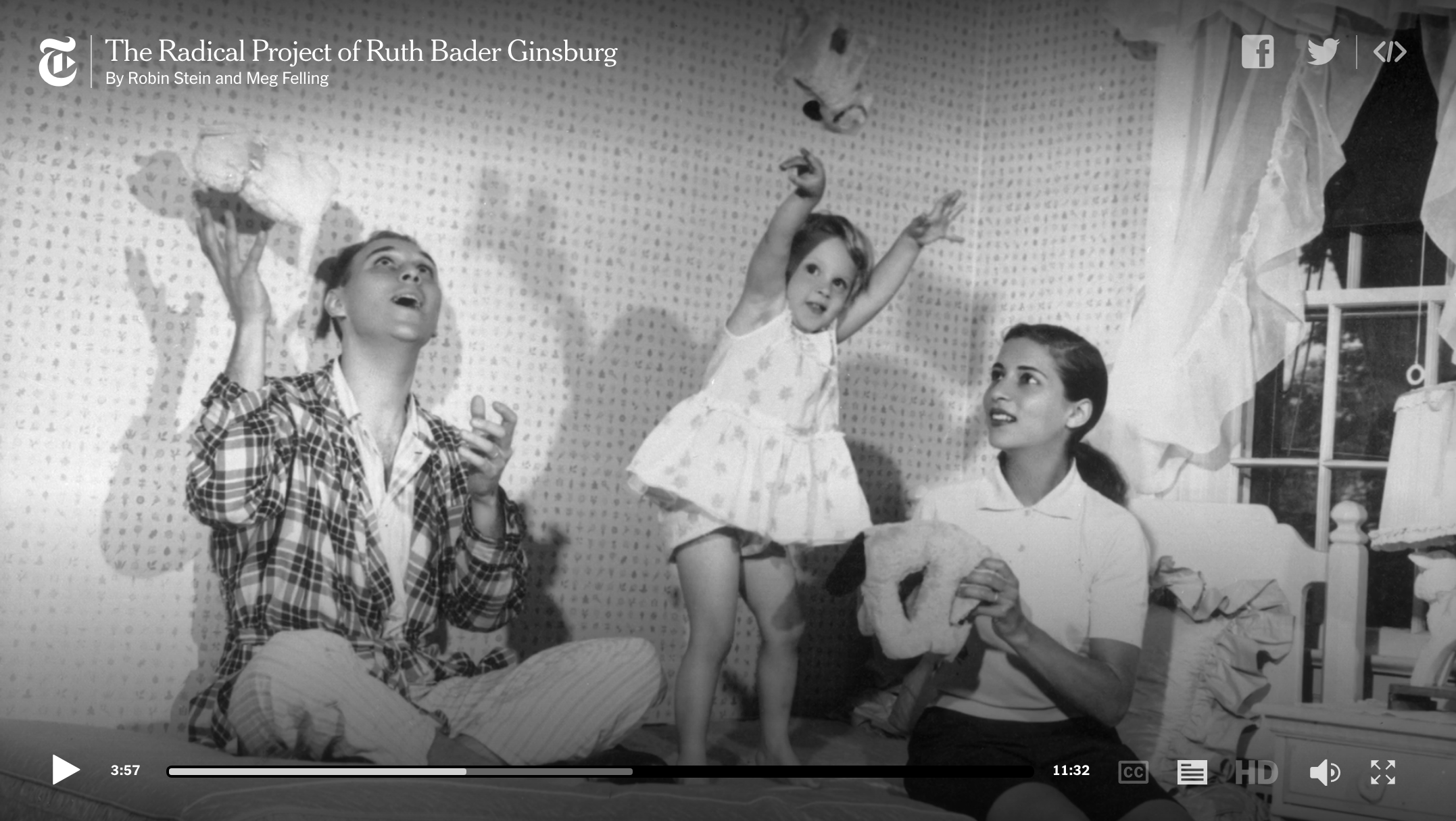
MORE PERSONAL TRIBUTES FOR RBG
Nina Totenberg, friends with Ruth Bader Ginsburg for 50 years, shares stories of “her extraordinary character, decency and commitment to friends, colleagues, law clerks—just about everyone whose lives she touched. I was lucky enough to be one of those people.” And her fellow Supreme Court Justices also wrote moving tributes honoring their “dear friend.”
...and a Few More Links
The latest issue of Brevity magazine, with a focus on experiences of disability
A look at the history of personal food writing
New books in October include biographies of Sylvia Plath and Malcolm X plus Lenny Kravitz’s ghostwritten memoir.
Podcast episode: “Lisa Lisson on How Knowing Your Family’s History will Benefit Your Family”
This Modern Love column by Heather von Rohr is a fine example of writing about your relationship origin story.
Reminder: If you missed any of the short video classes from Save Your Photos Month, they will be available to watch through November 1.
The World Mother Storytelling Project, to be livestreamed on October 25, teaches us to listen to and tell our mothers’ stories.
Short Takes

38 questions to prompt food memories
Use these food-themed family history questions as conversation starters or writing prompts to capture your cherished food memories for the next generation.

In a previous post we outlined the four basic steps to begin preserving your food memories. After you have gathered recipes and photographs, the real fun begins: the remembering. The story sharing. And the cooking.
If you’re ready to begin capturing the stories that make up your food heritage, hurray! I recommend you start by hosting a family get-together (in person or virtually during these socially distanced times). Set a simple menu—one that includes some of your family’s favorite comfort foods and, most definitely, dessert—and an agenda: to talk about the foods and the holiday feasts and the kitchen antics that make you laugh, smile, and drool.
Memories flow when you’re all reminiscing together (“Remember that time…?”), and the communal feeling around a family dinner table adds to the story sharing appeal.
Print out the questions below (you can download a printable guide here) and pass it around the table. Or select your 10 favorite questions and write them on index cards before the get-together; then people can pick from your deck of cards to get the conversation going.
If your family is not as into the project as you are, or if you prefer to work alone, consider the questions writing prompts instead of conversation starters—it doesn’t matter how you gather your food stories, simply that you do.
Food-themed family history questions
THE KITCHEN OF YOUR CHILDHOOD
How was cooking in your home (either growing up or when you were raising your family) similar to or different from other families in your neighborhood?
What do you remember about holidays and special events?
Describe the kitchen of your childhood: what color were the walls? was it small or big? was there a window, and what was the view? what were the smells? the sounds? were the pots and pans hung on hooks or hidden in a cabinet? was there a pantry filled with…? did you do anything other than cook there—gather with friends, do your homework, talk on the telephone?
What are some of your earliest food memories?
What are some of your favorite food memories?
What are some of your funniest food memories?
Were there any foods you hated but were forced to eat as a kid? (Did you eat them or sneak scraps to the dog?)
What did you talk about around the dinner table when you were growing up? What about now?
What did your mother (or the primary cook in your family) wear when cooking? An apron? A house coat over her work clothes? A sauce-stained sweatshirt?
Were there any comfort foods from your childhood that hold a special place in your heart—in other words, what was your family’s “chicken soup” for the soul?
Did you have a regular day of the week for take-out food (such as pizza Fridays or, a more recent example, taco Tuesdays)? If so, what was your to-go restaurant of choice?
What did you snack on when you were little?
Were you ever a picky eater? Describe when, and if/how you got over it.

Free Guide: Preserving Your Food Memories
Download this free printable guide that include all the family history questions in this post as well as bonus tips for preserving your family food heritage.
ALL GROWN UP
How did you learn to cook?
Who taught you some of your most important kitchen lessons? Tell me about them.
What were your experiences making some of your first dishes?
What cooking triumphs (or disasters) stand out in your memory?
How has cooking changed for you over the years?
What foods always cheer you up?
What meal do you most often cook for those you love?
What junk food is your guilty pleasure?
The way we cook at different stages of our life can be revealing. Do you remember the dishes you relied on when you first went out on your own? Did you cook at all during college? If not, do any celebratory meals or meals cooked by a visiting parent stand out in your memory? How did cooking change after you had children? When they got to be teenagers? When you went back to work?
If you moved away from your home, are there any foods that you would miss that are indigenous to the area or especially well-made in the region?
Do you eat for comfort, for health, for enjoyment? Talk a little bit about your relationship with food over the years.
Do you remember the first time you tasted the cuisine of a seemingly exotic culture? What was it, and did you like it? What were the circumstances?
Do you have one or more cookbooks you return to again and again? Have the chefs you admire changed over the years?
HERITAGE RECIPES
What are your oldest recipes and where did they come from?
What are some of your family’s unique food traditions?
Are there recipes that particularly represent your family’s culture, religion, or regional background? Do you know how to cook them?
Are there any recipes in your family that seem unusual or unique?
Is there a recipe you wish you had gotten from an ancestor but that was never written down? What memories does it hold for you? Have you tried (successfully or not) to recreate it?
Do you have handwritten recipes from your parents and grandparents, and if so, where do you keep them?
FAMILY & FOOD
Who are/were the best cooks in the family? Tell me about them.
What family dishes would you miss the most if you never tasted them again?
Who sat/sits at the head of your table, and is it a position of honor?
Do you say grace before eating, and if so, is there a particular prayer or approach to what is said (e.g., something you’re each grateful for, something nice you did that day, etc.)?
How were birthdays celebrated in your family? Did you have the same cake every year, or something new? Was it homemade or store bought? Did you put an extra candle on the cake for good luck?
What other food traditions do you uphold (or have you abandoned from your childhood)?
Do you enjoy entertaining large groups of people around food? What types of celebrations? What kind of host are you?

Read more about preserving your food memories

Life Story Links: September 15, 2020
From memoir to mini stories, from family photos to family history, this roundup is chock-full of new reads & learning opportunities for memory keepers everywhere.
“If you don’t grow and change in the telling of your life, the reader will not receive your hard-earned wisdom. It’s what editors call ‘the payoff.’ We call it good storytelling.”
—Brenda Peterson and Sarah Jane Freyman, Your Life Is a Book

On this day 57 years ago, September 15, 1963, four young Black girls were murdered as they prepared for their Sunday School lesson at the 16th Street Baptist Church in Birmingham, Alabama, in a bombing by the Ku Klux Klan. This photograph shows Emma Bell, Dorie Ladner, Dona Richards, Sam Shirah and Doris Derby—workers from the Student Nonviolent Coordinating Committee—outside the funeral of the girls, Denise McNair, Carole Robertson, Addie Collins, and Cynthia Wesley. Photograph by Danny Lyons, courtesy Library of Congress Prints and Photographs Division Washington, D.C.
Book Craft
DON’T CALL IT A MEMOIR
Sometimes the idea of telling our “life story“ is overwhelming. If we think of memoir as a series of smaller life narratives, though, the way in becomes clear.
MEET THE EDITORS
“There’s no such thing as the ‘best editor’—there’s only the best editor for you,” writes Samantha Shubert of NYC–based Remarkable Life Memoirs in this piece busting three myths about editors (and no, they’re not judgy grammar police).
ONE STORY AT A TIME
Ten seniors met with Nancy West for one hour each to share a story from their lives, and the results were fruitful and lively (and absolutely in line with the mission to help alleviate seniors’ loneliness and isolation). Now Nancy is offering mini-memoirs as part of her services at her Massachusetts–based personal history business.
Memoir & Memories
ON GROWING OLDER
“This memoir is alive with the urgency of a man in his seventies still yearning to achieve a realized life,” Vivian Gornick says of Lee Gutkind's My Last Eight Thousand Days, due out on October 1. Listen in on a virtual conversation between these two legends of the genre on the book’s release date.
WARTIME MEMORIES
“History is most authentic when you have participants telling you what happened to them, their own personal experiences…. Our core focus is preserving stories that are otherwise going to be gone and forgotten.” As the 75th anniversary of World War II’s end approaches, local interviews preserve war stories for future generations.
OF FOOD AND LIFE
Whether it’s being cooped up during this pandemic and cooking more often or just the warmth our food memories bring, folks have been asking me for tips on preserving their food heritage more than ever. While a few posts are planned, up first is this one with an overview of how to begin.
Photo Inspiration
PICTURES AND WORDS
“Writing from Photographs” is the title of a four-week self-guided online course being offered by Creative Nonfiction, which will include writing prompts and inspiration exploring “the rich possibilities of the space between photograph and experience.”
30-MINUTE DOSE OF INSPIRATION
While the above course caters to those intent on writing their memoir, the free mini-course I created for Save Your Photos Month this year is designed for everyone, non-writers included: It’s called “Save the Story of Just One Photo,” but I can’t fathom you stopping at just one.
A NEW YORK ORIGINAL
“He pulled out old photographs and told of his tales. He read passages from the memoir he wrote nearly twenty years earlier—a memoir to his grandkids. And, in typical Joe fashion, he made us martinis to clink to what was truly a meaningful day.” Meet Joe.
Remembering 9/11
TEACH THE CHILDREN
With the 19th anniversary of the horrific 9/11 attacks just passed and many families home-schooling their children during the pandemic, I thought I would share these interactive lesson plans for students in grades 3–12 from the 9/11 Memorial & Museum, including one that teaches how first-person accounts and multiple perspectives deepen historical study.
TINY TRIBUTES
Can a remembrance really mean anything when it’s just a little over two minutes? Watch this moving video from the StoryCorp September 11 Initiative, and you tell me…
…then listen to this one-minute-and-24-second audio clip of Ester DiNardo recalling how her daughter Marisa brought her to Windows on the World atop the World Trade Center the day before she perished in the attack:
You may also read the full transcript of Ester’s testimony, or listen in to other recorded oral history accounts from the 9/11 Memorial Museum’s oral history collection.
...and a Few More Links
New research into how the brain manages to safeguard our memories
She “accidentally accumulated the world’s largest achive of ’80s Esprit merch”
Old-fashioned scrapbooking as an artistic form of memory-keeping
Compelling short first-person read: “How to Eat Crabs with Your Mother-in-Law”
Short Takes
4 steps to begin preserving your food memories
Knowing your family’s recipes are preserved for the next generation is reassuring. Adding stories and photos, too, brings your food heritage to life. Start here.
This past year I have gotten a lot of feedback asking for more content to help you preserve your food memories.
I wonder if it’s a sign of the times—we’ve all been homebound for much longer stretches during this pandemic (many of us even made our own sourdough starter and baked bread from scratch!)—or if it’s just that, as I say often, the memories that take place in our childhood kitchens are powerful and persistent. All it takes, after all, is one whiff of sauce simmering on the stove, or a tiny taste of cookie dough, to transport us right back in time.
Either way, I’ve planned a series of posts to get you started with saving your own food memories. First up: Four overarching steps to put you on the right path:
1 - Consider: How do you want to preserve your food memories?
It’s wonderful to have a stash of grease-stained, handwritten recipes in a drawer in your home. But it’s even better to know that those recipes are preserved no matter what.
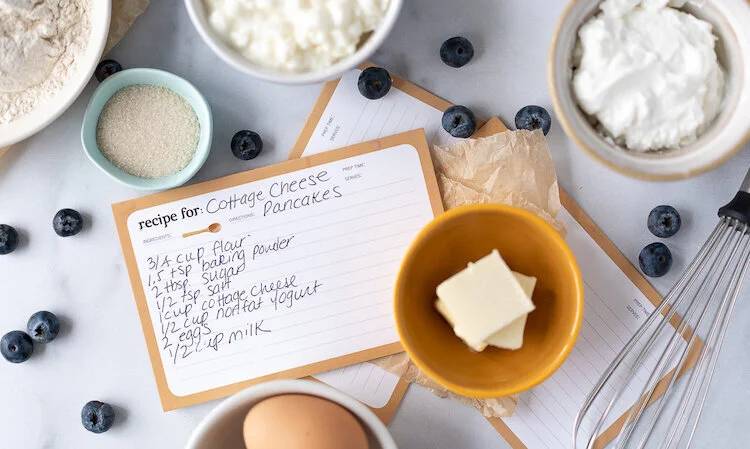
By digitizing your recipes (they can be scans of the handwritten cards or typewritten transcripts) you not only ensure they last for generations, but you can more easily share them with loved ones far and wide.
Our two favorite ways to preserve your recipes and food memories are:
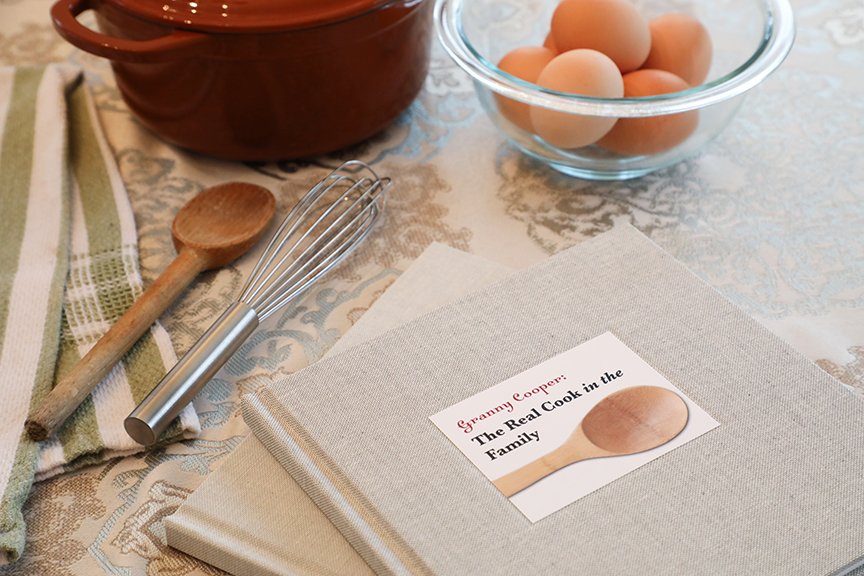
In a book (of course!). Include both recipes and, at least for some of the foods, the stories and memories associated with them. You can go a DIY route or hire us to create a professional heritage cookbook for your family.
In a recipe box. Consider attaching photos and stories to your recipes and storing them together in a vintage recipe box.

A cookbook personalized just for your family could include a mix of recipes, stories, and images.

While some of your recipes may be handwritten on recipe cards, others may be scattered; look within the pages of cookbooks, in your siblings’ collections, and on your computer and phone apps.
2 - Gather recipes.
Even if you’re an incredibly organized person, chances are you’ve got some recipes in a drawer, some on the computer, and others in your head (perhaps those are the most important to write down!).
Make a list of everywhere you think your recipes reside, then tackle gathering them all in one place.
Two tips: Ask your loved ones which recipes you should include (you might be surprised what your kids ask for!), and then call your siblings and parents to solicit recipes from them, too. The more complete your collection, the better!
3 - Add pictures.
Do you have photos of Grandma in her kitchen, or Poppa pulling the turkey out of the oven on Thanksgiving?
Go on a treasure hunt to find as many food-related photos as you can. Then, digitize them with an app such as Google PhotoScan or hire a professional to scan them so you ensure you don’t lose them (and so you can use them in a printed book if you wish). Make sure to scour your phone scroll for recent images, too.
Also consider hiring a professional photographer to capture a cooking session in your home kitchen. I can recommend photographers across the country, so don’t hesitate to ask me for recommendations. You can include handed-down cast-iron pots, serving dishes, and other family heirlooms in the shoot to make it even more special.

Photos—especially those taken in your home kitchen—help bring stories in a family cookbook to life.

Gathering together around the dinner table (and your favorite family foods, of course!) is a great way to share memories to include in your heritage cookbook.
4 - Find the stories.
For your most-often-cooked foods, traditional fare, and family favorites, write about the memories associated with each of them.
Be specific: Mention the cast-iron pan with the always-loose handle that Bubbe cooked his eggs in. The apron Aunt Ida wore only on Passover. How cherry Jell-o brings you back to your childhood, and the aroma of anise transports you to Brooklyn at Easter. Details, details—the scents and colors and textures...the truth of the story lies in the details.
One fun way to capture these stories is to host a family get-together with the express purpose of reminiscing (over dinner, of course!). Designate someone to take notes, and set up a couple of voice recorders (your smart phone is fine) around the room to get the stories. Oh, and take some pictures while you’re at it.
In an upcoming blog post we will share a list of questions to prompt food memories, which you can use either as writing prompts or as conversation starters during your get-together. Sign up for our newsletter to be sure you don’t miss it!
Want to read food stories from others for a little tasty inspiration?
Check these out:
Billee’s “Famous” Foods
Gramma Billee kept a jar for bacon drippings on her stove; she used it liberally and kept it full. She knew everyone’s favorite foods and provided them—often. Click here to read Billee’s “Famous” Foods.
Mom’s Spaghetti & meatballs
Red sauce ran in her grandmother's blood, and every family member would one day memorize her beloved recipe. Peek into a family kitchen, and a mother's heart. Click here to read Mom’s Spaghetti & Meatballs.
POP’S PIE
Is a grandfather’s love the missing ingredient to the best key lime pie? A young mother delves into memories of the treats her beloved Pop made just for her. Click here to read Pop’s Pie.

Life Story Links: August 31, 2020
A wealth of reading on the value of family photos for prompting memories and stories, plus memoir writing tips and how to leave a meaningful legacy.
“One thing I have learned about remembering is that it is a social process: it happens in collaboration with other people. [My grandmother’s] memories with me may not be the same as her memories with others. The reality of remembering is always contextual.”
—Charles Fernyhough

Ah, if only the back-to-school season were as carefree as past years… Kids in an unidentified school circa 1913. Photograph by William Davis Hassler, printed from original glass plate negative, courtesy New-York Historical Society, New York Heritage Digital Collections.
Kitchen Confidential
THE STORIED RECIPE
Last week I interviewed Becky Hadeed, the story- and food-loving host of the inspiring podcast The Storied Recipe. Read about a few of my favorite episodes here (probably unsurprisingly, they’re with everyday folks about their most cherished food memories).
A LIFETIME’S WORTH OF FADED RECIPES
“My recipes tell stories. If they were pared down, edited and orderly, my memories would be, too.” Joyce Purnick makes a case for revisiting your old, grease-stained recipes every once in a while (even if you no longer cook from them).
The Power of Photographs
A PLACE FOR PICTURES
“There’s nothing wrong with storing your favorite snapshots on Instagram or in the cloud, but digitally browsing through your memories will never feel as special as taking a photo album off the shelf and physically flipping through the pages.” Amen. The Strategist showcases 10 great photo albums for every occasion.
SAVE YOUR PHOTOS MONTH
September is Save Your Photos Month, and among the 40 free virtual classes available are a few by personal historians including my own, Share the Story of Just One Photo, as well as Martie McNabb’s live Show & Tale: Where Were You On 9/11? Pre-registration is required, but you are free to watch the videos at your convenience through November 1, 2020.
SORTING YOUR FAMILY PHOTOS
“The difference between 3,000 unlabeled photos versus 300 photos organized by category can be the difference between your child learning their history or not,” Eric Niloff of photo organization company EverPresent says in this piece that provides a basic framework for getting your own mass of family photos in some semblance of order.
TREASURE HUNT
“Through experience, I have learned what does and doesn’t work when it comes to reaching out to long-lost cousins” in an effort to get family history photos that aren’t online, Melissa Knapp writes in this post with concrete tips for using descendancy research to find new (old) photos of your relatives.
“REBOOTING MEMORIES”
“People are forgetting wartime memories. We need to revitalize those old memories by using the latest method of expression and delivering it to the hearts of many people.” In this case, “melting frozen memories” via colorized photographs.
Personal Iconography
BELOVED STUFF, REBORN
“It’s so satisfying to give new life—and new purpose—to old stuff. You get to keep the memories while renewing your home.” Susan Hood of NYC–based Remarkable Life Memoirs shares some inspired ideas from her own life.
POSTER GIRL
“Even before I’d seen a single episode of Sex and the City, I was versed in the art of performative self-reflection. And then Carrie Bradshaw sashayed into my life. She didn’t just make auto-documentary look glamorous. She made it look like a job.” Brittany K. Allen uses touchstones of popular culture to walk us through her journey as a writer.
On Nonfiction Writing
ELEVATE YOUR MEMOIR
National Association of Memoir Writers is running a six-week virtual Memoir Boot Camp starting September 22 with a different teacher each session, including Jacqueline Woodson, Claire Bidwell Smith, and Larry Smith.
AN INVITATION FROM HISTORY
“The pandemic is only one of the seismic forces that converged on American life this year,” Oregon–based personal historian John Hawkins writes. “There is a certain advantage to being the one using the keyboard or the microphone instead of relying on others to record their thoughts.”
TRUTH OR DARE
“I’d done my best to get the facts correct as I wrote, but I had thousands of pages of archival documents, photos, trial transcripts, and newspaper clippings, as well as hours of interviews.” Emma Copley Eisenberg thoroughly and thoughtfully dives into the topic of fact-checking nonfiction writing.
STORY SHARING FOR NON-WRITERS
The experts at the Biographers Guild of Greater New York this week share three basic approaches you can take to ensuring your life stories are told and preserved for the next generation, even if you do not consider yourself a writer.
Legacy through Stories
A LETTER TO THE DEAD
I often tell people who are struggling to craft a meaningful tribute of their lost loved one to write a letter to them—tell the deceased directly what you loved and admired about them. This letter to John Lewis in the wake of his recent passing is a sublime example of this approach.
“MY FAMILY’S SHROUDED HISTORY”
“Inhibited by the silences in our families, we turn to books. But here was something rare: the answers to questions I hadn’t known how to ask, and a way to map my family’s stories into what I had learned of this history, each illuminating the other,” Alexander Chee writes.
THEIR PAPU
Ricardo Ovilla “lives on in his granddaughters’ stories. To them, he will always be the tender hearted, marimba-loving, menudo aficionado who stopped at nothing to see his children laugh. They knew him simply as ‘Papu.’ ” Listen in below:
DIASPORA, RECONSTRUCTED
“My Kashmiri grandmother is illiterate. I wonder what she’d say if she knew her progeny wrote her unsent letters, wrote so she wouldn’t be lost to history. My grandmother, all four feet and nine inches of her. Housewife. Teen bride. When she video calls, she stares at my father and she cries and she cries.” High school student Yasmeen Khan on her fractured provenance.
...and a Few More Links
Photographs of generations of Black suffragists crafted narratives and became “decidedly civic currency.”
A look at an array of services for creating a digital legacy for a lost loved one
Watch Thomas Allen Harris in dialogue with Marci Brennan, a professional photo organizer, followed by a Labor Day–themed community photo share.
Colorful murals help prompt memories for people with dementia.
Short Takes
Dawn Roode’s curated roundup for the week of Sept. 23, 2026, is overflowing with recent reads on memoir, life story writing, and family history preservation.