
Memories Matter
Featured blog Posts
READ THE LATEST POSTS
Preserving audio and video interviews: from recording to storytelling
Learn how to record, transcribe, and store interviews with care. Tips on consent, ethics, and turning audio or video conversations into lasting family stories.
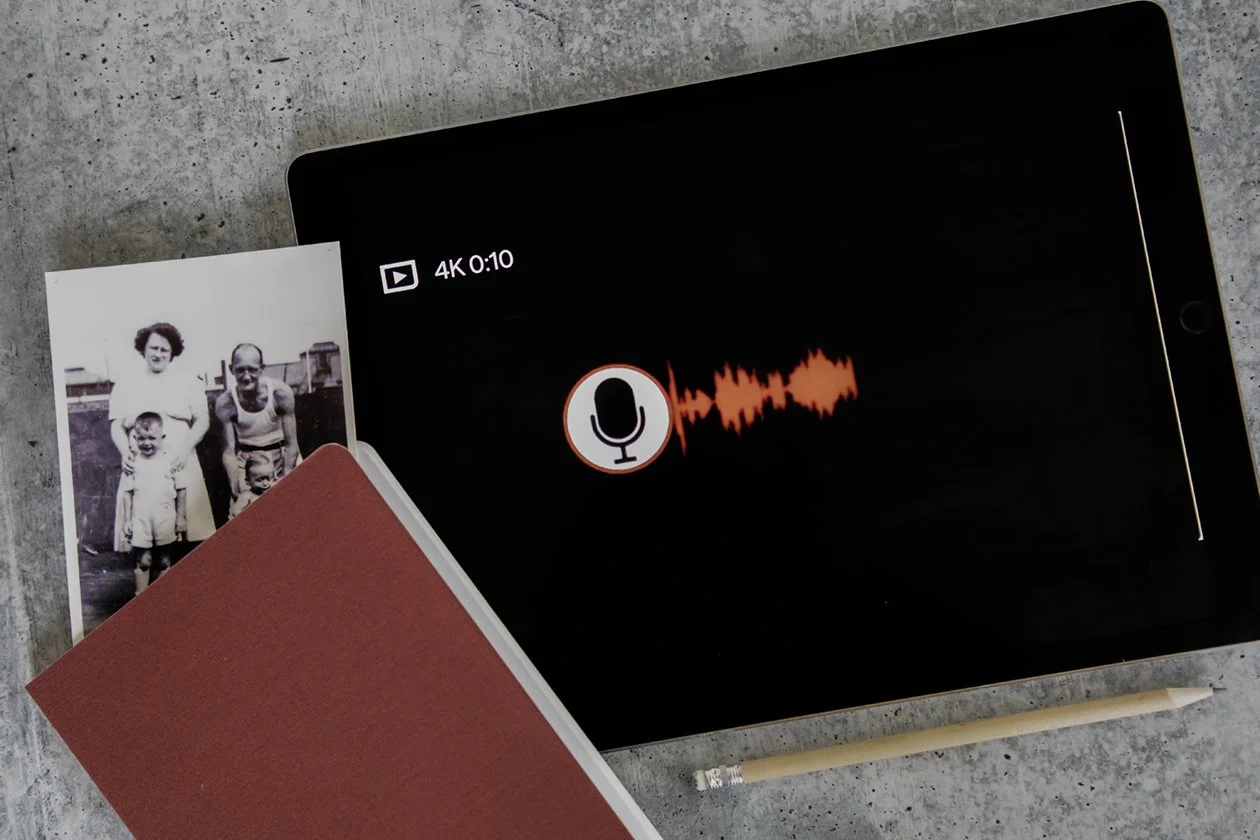
Recording a family history interview is as simple as using a voice recorder on a device such as a tablet or smart phone.
When someone trusts you with their memories—when they sit down in front of a microphone or camera and share their story—you’re holding something precious. But recording a great interview is only the first step. How you handle that recording afterward—from transcription to storage to storytelling—determines whether those memories will endure for years or disappear with a crashed hard drive.
At Modern Heirloom Books, I’ve learned that preserving interviews is as much about care as it is about craft. It’s about listening well, recording responsibly, and treating people’s stories with the respect they deserve.
Best practices for recording family history interviews
1. Recording with intention
The technical setup doesn’t have to be fancy, but it does have to be thoughtful.
Choose a quiet space. Avoid kitchens (appliances hum) and large echoey rooms. Soft furnishings, like curtains or carpets, help absorb sound.
Test before you begin. Record 20 seconds of conversation, then play it back. Adjust mic distance, reduce background noise, and double-check your battery or storage levels.
Back up immediately. Save the file to at least two locations—ideally an external drive and a cloud-based service. Name the file clearly (for example: Interview_MiriamRosen_2025-02-10).
Get permission in writing. Always explain how the recording will be used, and have participants consent—especially important for projects you plan to publish or share.
2. Working with older participants
Many of the most meaningful stories come from older generations—but that also means being sensitive to energy, comfort, and pacing.
Keep sessions short. One hour is usually enough. Fatigue affects memory recall.
Be patient with pauses. Silence often signals deep thought; don’t rush to fill it.
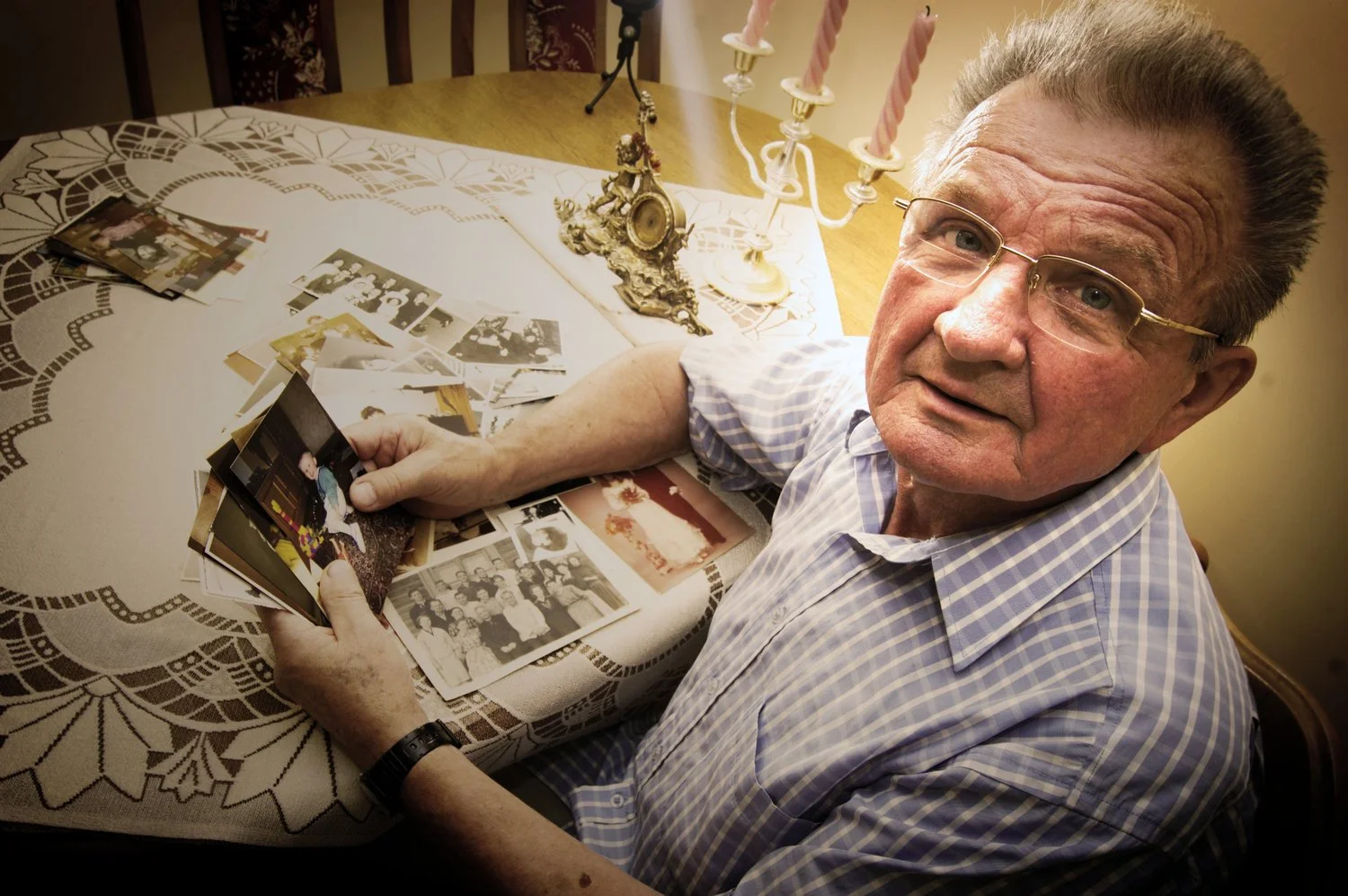
Bring visual prompts. A photo, newspaper clipping, or memento can help unlock memories.
Check the environment. Good lighting, a comfortable chair, and room temperature matter more than you think.
3. Ethical considerations and consent
When you record someone’s story, you become its steward. Handle that role with transparency.
Explain purpose and scope. Let them know whether the recording is for personal use, publication, or archival storage.
Clarify ownership. If possible, have a signed release stating who retains rights to the recording. (At Modern Heirloom Books, the storyteller always does.)
Honor boundaries. If someone asks for a section to be edited or omitted later, do it—no questions asked.
Protect privacy. Store sensitive recordings securely, and think carefully before sharing publicly.
4. Transcribing the conversation
Transcription is where the raw story begins to take shape. While automated tools like Otter.ai, Descript, Zoom, or ChatGPT can help, always review manually to correct errors—especially names, dates, and emotional nuance.
A few tips:
Timestamp key moments. It’s helpful when you later want to pull quotes.
Note tone and pauses. A soft laugh or a long silence can carry emotional weight.
Respect voice. Don’t over-edit for grammar; people’s natural rhythms make transcripts human.
Read aloud. If you’re planning to turn the interview into a narrative piece, read the transcript out loud. You’ll hear the music of their speech—and know which parts to keep verbatim.
5. Storing for the long term
Digital storage is fragile. Protecting your files now ensures they’ll still exist when future generations go looking.
Triple backup. Keep at least one local copy (external hard drive) and two cloud-based backups (like Google Drive and Dropbox, or an archival service such as Backblaze).
Name files consistently. Use clear labels: Lastname_Firstname_Interview_Date.
Store metadata. Keep a simple spreadsheet noting who was interviewed, when, by whom, and where. If you want to go a step further, include key phrases (many transcription software programs now use AI to help with this).
Create a preservation plan. Every few years, check your file formats and transfer them to updated storage—don’t leave them on aging technology. I recommend adding an annual reminder in your calendar for this task, as it’s otherwise likely to fall by the wayside.
6. Turning transcripts into stories
Once transcribed, interviews become rich material for narrative. But they shouldn’t be copied wholesale. Instead:
Look for patterns. Repeated phrases, values, or memories often form a natural thread.
Preserve voice. Keep their expressions and rhythms, even if you edit for flow.
Add historical context. Ground their experiences in time and place—what was happening around them.
Share drafts when possible. Let the storyteller (or their family) review before publishing; it builds trust and ensures accuracy.
Resources for further guidance
If you’d like to explore best practices in oral history and ethical recording, these organizations are invaluable:
StoryCorps
Promotes everyday storytelling and provides interview guides and consent templates.
The Oral History Association
Offers ethical standards, equipment advice, and transcription guidelines.
Library of Congress Veterans History Project
Excellent resource for interviewing veterans and preserving recordings for posterity.
Smithsonian Folklife & Oral History Guide
Comprehensive handbook on oral history methods and cultural respect.
Preserving a recorded story is both a privilege and a responsibility. Technology gives us incredible tools—but it’s the human care behind them that matters most.
When you record a voice, you’re capturing not just sound but presence: the laughter between sentences, the breath before a memory, the emotion carried in a pause. Those moments are what future generations will remember—not just what was said, but who was speaking.
Up next…
Once your interview is recorded and safely stored, the next step is bringing it to life. In Part Two, I share three creative ways to transform a raw conversation into a lasting family story.











Best practices for recording family history interviews at home
Steal these best practices from professional oral historians to make your next family history interview a success, plus how to set the stage for great stories.
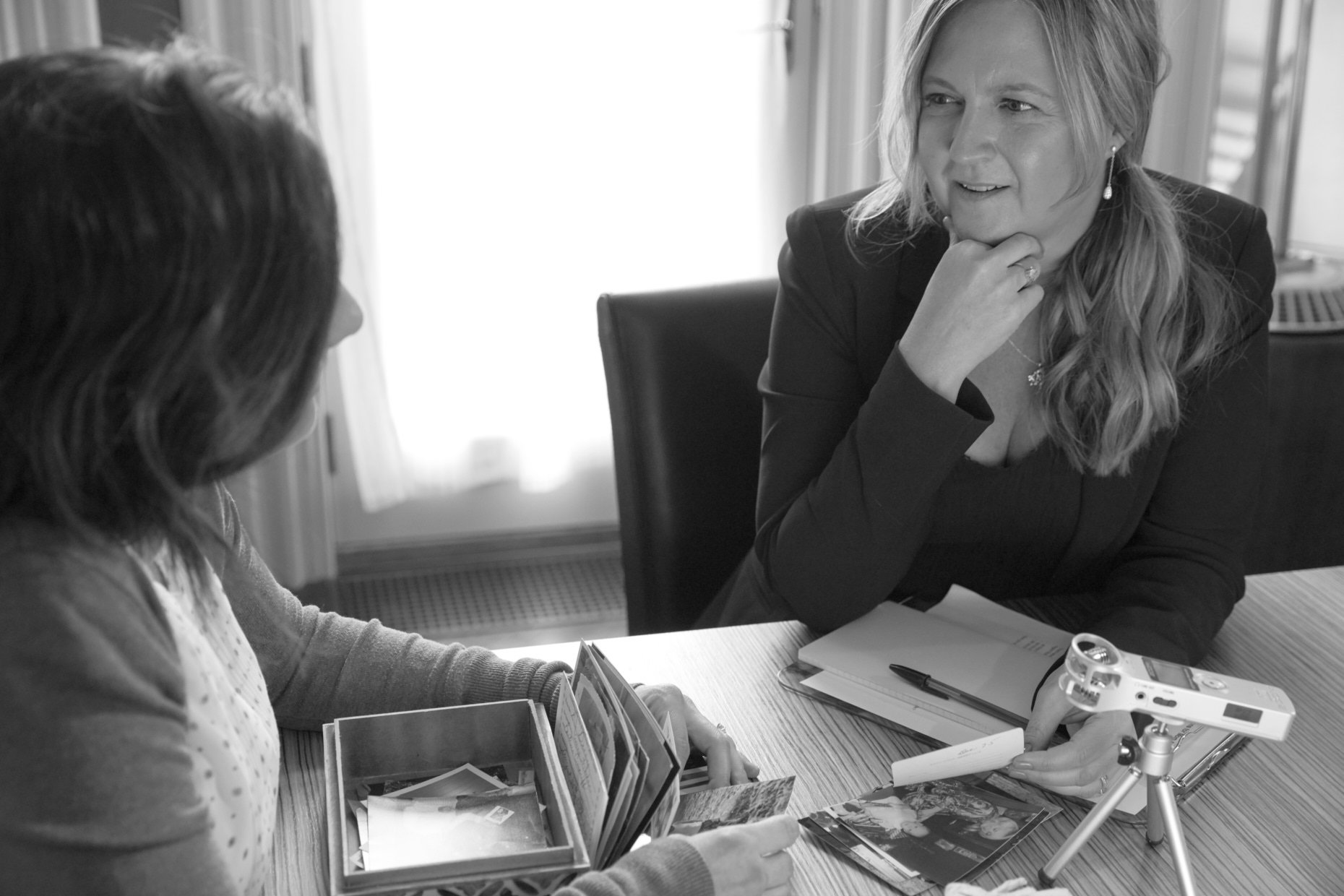
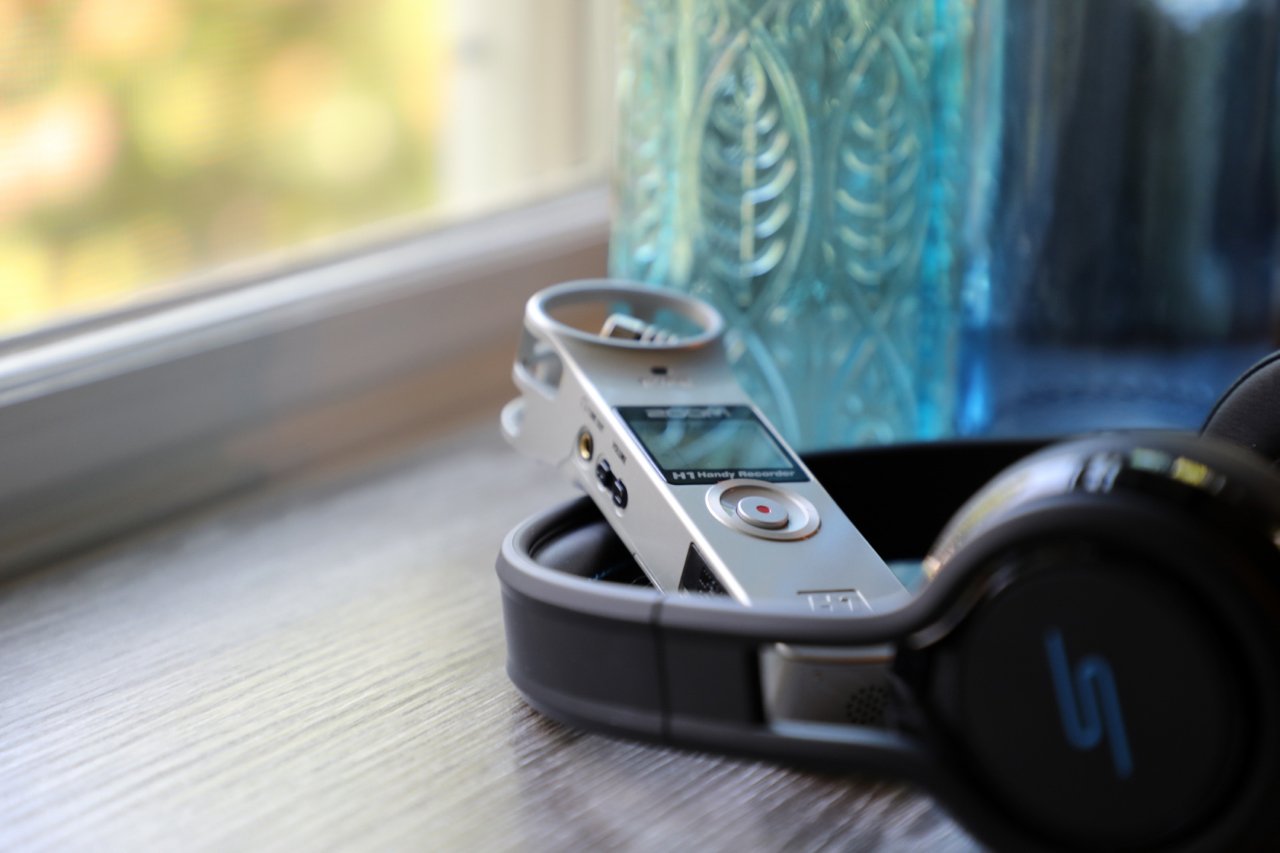
You need minimal equipment to interview a family member at home, like this Zoom recorder on a mini tripod.
I applaud you for wanting to capture your family history through in-person interviews with your loved ones! Preserving their stories—and their voices—is a gift for the next generation, but also a gift for those you plan to interview (trust me when I say it is a rare thing to be given 100-percent attention and the freedom to share…and be witnessed).
In order to ensure that you capture stories in the best and most secure way possible, please follow these simple practices that are used by professional oral historians around the world.
Do your best to create a recording-friendly environment.
No matter what kind of recording device you are using, any background noise and interference will have a deleterious effect on your final product. Choose a quiet location in the home or office where you are conducting the interview—away from heating or air-conditioning vents, a humming refrigerator, or windows overlooking noisy streets. Ask others who may be in the vicinity to either leave or be mindful of staying quiet. Additionally, ensure that your interview subject is comfortable—consider temperature, seating, and have a glass of water on hand, and try to situate yourself so you have direct eye contact with your family member.
Use multiple recording devices.
Always, always hit “record” on at least two devices. That may mean a professional mini digital recorder plus an app on your smart phone, or perhaps a DSLR capturing video plus a basic audio recorder. I do recommend sticking with digital recordings rather than old-fashioned analog cassette tapes, which are more cumbersome to convert and transfer to your computer.
Begin recording with an identifying statement.
Say out loud who is present (spell names), the date, and where you are. For instance: “This is Dawn Roode interviewing my grandmother, Virginia Miller—V-I-R-G-I-N-I-A, M-I-L-L-E-R, on this March 22, 2022, at my home in Brooklyn, New York.” Alternatively, you can introduce yourself, and then ask each individual you are interviewing to say and spell their own names. This may feel unnecessarily formal, but it’s critical.
Once the interview is complete, secure your recordings.
Immediately download the digital recordings, name them, and save in more than one place. The sooner you do these things, the better. I can’t tell you how many times I have thought I would remember what such-and-such recording on my phone is, only to press ‘play’ and have no recollection of the interview details.
Beyond these standard procedural points, here are three tips for setting the stage for a truly substantive and fruitful interview:

Consider your list of questions a framework, not a bible.
Preparation can be incredibly valuable—knowing, for instance, that your grandfather is a WWII veteran and asking informed questions about his service is both respectful and smart. So do come into the interview with a list of interview questions you’d like to ask. That said, be willing to stray from the set list should the need arise. Maybe, in the above example, your grandfather is unwilling to speak about his time at war—you may want to gently ask him why, or see if there is any aspect of his military life that he is willing to talk about; if not, be prepared to go in another direction. Alternatively, maybe one of your questions elicits such rich storytelling that you stick to follow-ups and veer in an entirely unexpected direction, allowing your interview subject to steer the conversation. If your storyteller gets animated—sitting at the edge of her seat or raising her voice and laughing as she recounts her memories—that’s a good sign that the stories she is sharing are good ones, and there are likely more in this vein!
Embrace silences.
Human nature is to keep a conversation going—so when there is a silence, we tend to jump in either with our reaction or with another question. But do your best to refrain from this; allow a pause to grow. In that interim your subject is thinking, and some of their best stories are likely to come from this. And don’t worry when the pause does not yield something great—simply ask a follow-up if you think there’s more to the story, or move on to the next question. The more comfortable you become with sitting in the silence, the more comfortable your storyteller will feel to keep going.
Bring some memory prompts.
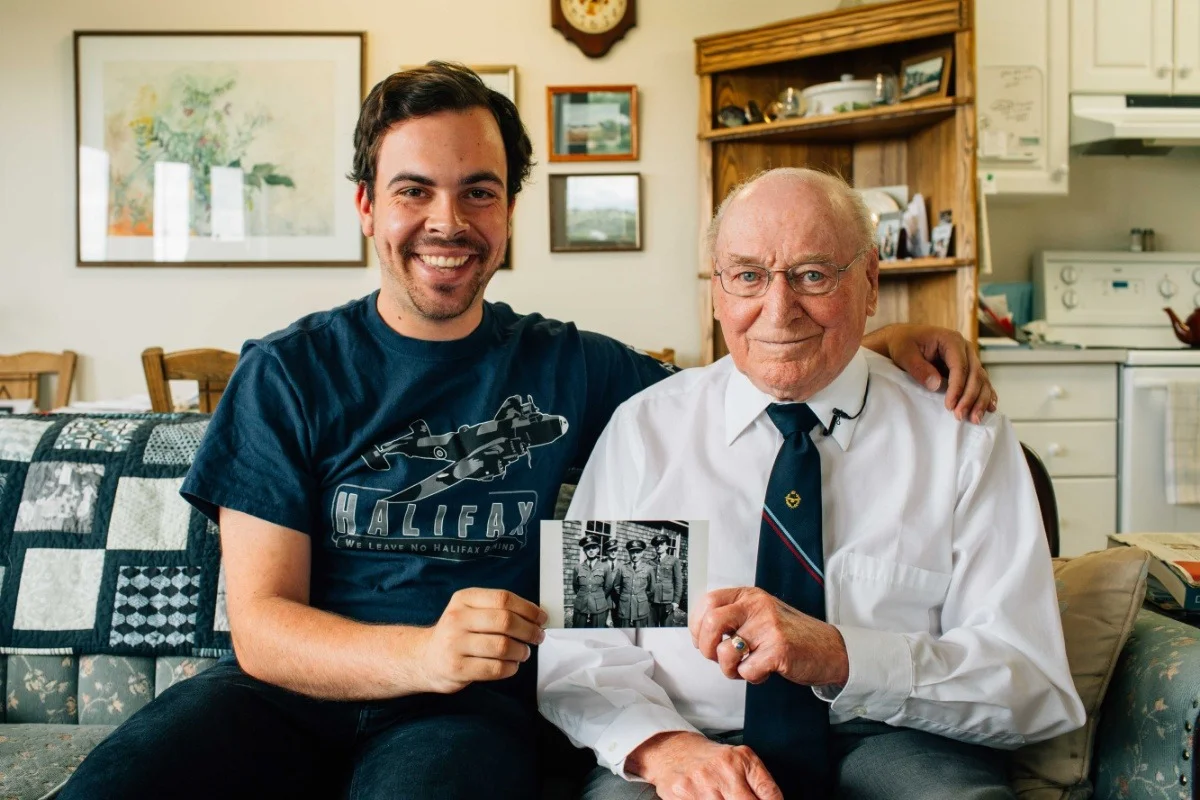
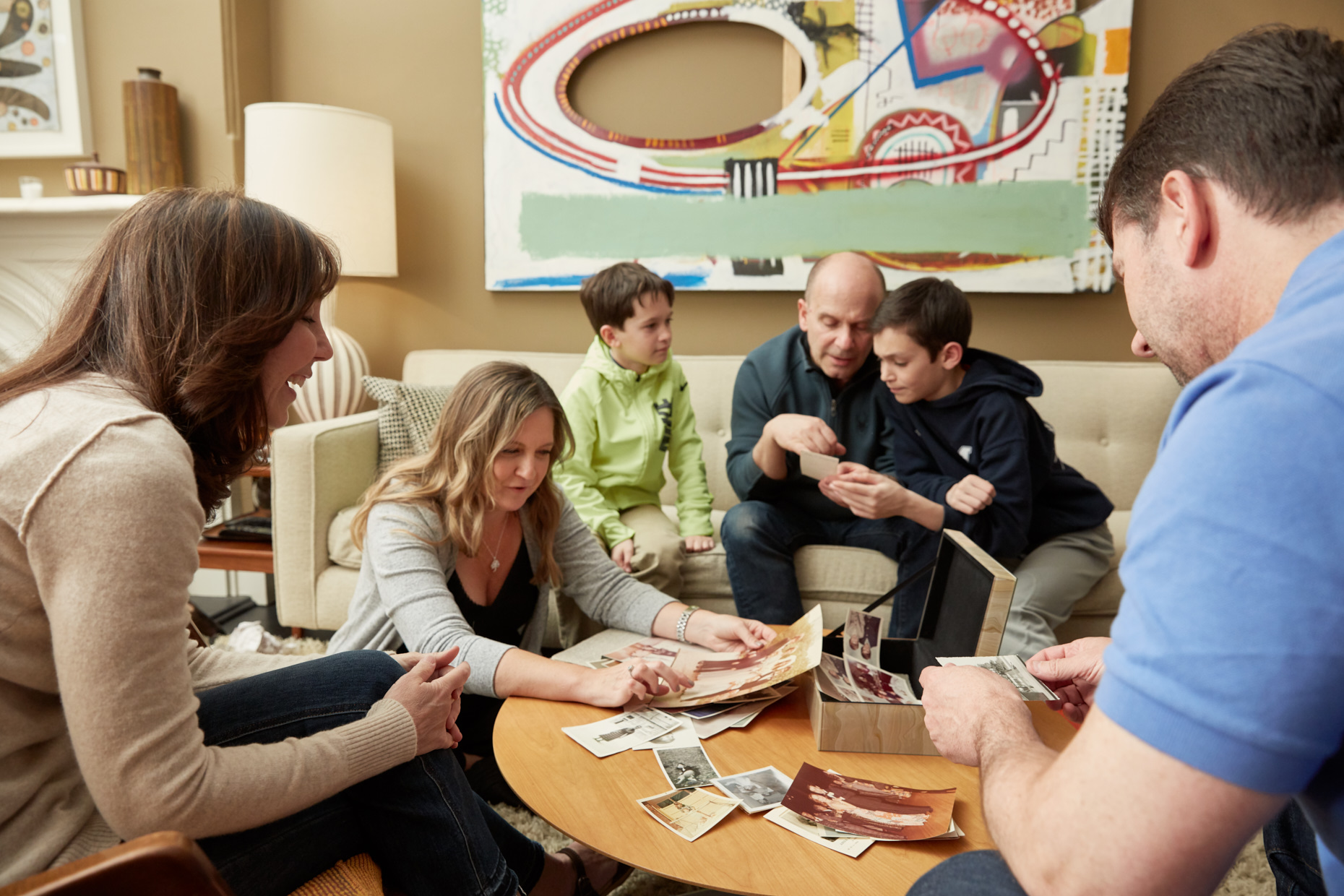
Old family photos, scrapbooks, or journals are excellent vehicles for storing up memories and getting your interview subject to open up. While I find such totems to be helpful with everyone, they come in especially handy when your interview subject is reluctant or less than enthusiastic about participating.
A few more resources you may find helpful to prepare for your family history interview

Download this free Kid Kit e-book; while it is specifically geared to youngsters interviewing their grandparents, the historical timeline is a nice cheat sheet for any age.
How to be a good storyteller if you are the subject of a family history interview
Get 56 essential family history questions to ask your elders.
Special circumstances: Oral history interview questions for particular subject groups
If you are interviewing people who are trauma survivors or part of a distinct population, these resources may help:
MILITARY VETERANS
Oral history instructions and sample interview questions for vets from the Veterans Project of the National Archives
TRAUMA SURVIVORS
Navigating life review interviews with survivors of trauma
HOLOCAUST SURVIVORS
Oral history interview guidelines from United States Holocaust Memorial Museum
HOSPICE PATIENTS
My 3 favorite opening questions to get a personal history interview going
Planning to conduct a personal history interview with a family member? Here are three effective first questions that guarantee their stories will flow freely.
Your subject is excited and comfortable, and you're tasked with interviewing them to capture their memories for posterity. So, what is the first question you ask them?
There are myriad ways to kick off a personal history interview, of course, but here are three of my favorite first questions, along with a little cheat sheet of which question is right in which circumstance.
opening question no. 1
“Please tell me the story of your life in 15 minutes.”
Asking someone to summarize the overall arc of their life—as if they are talking to someone they have never met—invites introspection and a focus on turning points. Bruce Feiler opened the hundreds of interviews he conducted for his book, Life Is in the Transitions, with this very question. It's open-ended nature allows for answers to take many shapes, and the time limit forces subjects to hone in on key chapters and moments that have given their life meaning.
I think this is a great opening question when you are planning to conduct multiple interviews over an extended time period, as it helps to set the scene—as well as expectations of what topics may be forthcoming. Subsequent questions will invite memories of more specific episodes and emotions from the subject's life, and as an interviewer you can help guide the conversation so that bigger themes can be discerned.
Who this question is best for:
A family elder who is being encouraged to share their stories by their kids or grandkids.
What it may yield:
Thoughtful recollections of the most impactful times in one's life.
opening question no. 2
“What is your favorite memory of all time?”
There are many people who would respond to this question with a blank stare (I am probably one of them). I don't relish choosing my favorite, well…anything; and as my family's longtime memory-keeper, I have too many stories at my fingertips to choose just one.
But every family has that reticent storyteller—you know, the ones who say, “Aw, my life isn't interesting enough to talk about,” or, “What stories? My life has been just like everyone else's!” And for those individuals, I am willing to bet this question gets them going. Why? First, its nostalgic focus on a happy time is irresistible. And second, it's not asking for a time that was "interesting" or "meaningful," just fun or joyful—and chances are, some memory will spring to the surface pretty quickly.
This question is a great option for that consummate storyteller in your clan, too—the one who's recounted tidbits from his life around the dinner table for years, the one who the grandkids gravitate to for a cheeky yarn. Why? Because chances are they'll have a fully wrought story on the tip of their tongue. You may have heard it before, but this time—well, this time you'll be hitting "record" to capture it for eternity.
The best part of this opening question? Your interview subject may not be able to stop at just one story (and isn't that your end goal, after all?!).
Who this question is best for:
A reluctant interview subject OR your family's born storyteller (yup, these seem like opposite ends of the spectrum, but the lighthearted nature of this question will work wonders in both instances!).
What it may yield:
Full-blown stories with rich sense details—and the allure of continued story sharing.
opening question no. 3
“Where would you like to begin?”
I find this question especially helpful when interviewing someone who has been thinking about their life story project for a long time. Maybe they wanted to write their memoir but didn't consider themselves a writer; or perhaps they were simply overwhelmed by all that a life story project entails and never started out of fear. Whatever their reasons, a subject who is not only willing but eager to record their legacy likely has plenty of stories brewing—they've probably imagined this conversation many times.
So inviting your subject to identify a starting point for storytelling allows them to dive in with gusto, to get out into the world all that's been simmering inside of them as they've been anticipating this project. As their interviewer it is your responsibility to listen carefully and gauge why they may have wanted to start “there,” then ask probing and insightful follow-up questions to guide them in rounding out their life story and ascribing underlying meaning to their experiences.
This opening question has the potential to yield a lot of shallow memories—meaning, a semblance of a list of memories from throughout the person's life. Use the transcript from this interview session as a planning tool for subsequent sessions—you'll have an outline of memories to probe, and will be able to ask questions to get to the deeper stories that hold real meaning.
Who this question is best for:
A person who has wanted to tell their life stories for a long time but is just now beginning.
What it may yield:
Lots of fodder for future interviews!
Your thoughts?
I'd love to hear from you:
What questions do you ask first in your family history interviews? (I hear, “What is your earliest memory?” a lot, but am curious to know why folks think this is ideal.)
Are there any interviewers whose opening questions strike you as especially effective? (I love, for example, how memoirist and podcast host Dani Shapiro typically kicks off her Family Secrets interviews: “Can you tell me about the landscape of your childhood?” As many of her guests are writers, their answers are often beautiful, both forthright and poetic.)
Special circumstances: Oral history interview questions for particular subject groups
If you are interviewing people who are trauma or Holocaust survivors, these resources may help:
trauma survivors
holocaust survivors
military veterans
Oral history instructions and sample interview questions for vets from the Veterans Project of the National Archives
hospice patients















Life Story Links: August 13, 2019
A wealth of first-person writing that probes the depths of self-reflection and identity, plus pieces on family history surprises, the art of interviewing & more.
“…being your own story means you can always choose the tone. It also means that you can invent the language to say who you are and what you mean…. From my point of view, which is that of a storyteller, I see your life as already artful, waiting, just waiting and ready for you to make it art."
—Toni Morrison, “Be Your Own Story,” Wellesley College commencement speech, 2004

In a photograph from the new book Buried (Catfish Press, 2019; Vira Rama, Charles Fox), the Rama family at the Chonburi Transit Center, leaving their refugee camp in Thailand. Learn more below.
Stories of Us
BURIED, UNBURIED
“Rama watched as his mother dug a hole under their small wooden hut just large enough for the bag of photos. He didn’t ask questions as she hid the traces of their middle-class life under a pile of banana leaves.” The unique journey of one family’s story of survival under the Khmer Rouge, Buried.
TOWARDS CHINATOWN
“By losing my relationship to Cantonese, what have I lost in my relationship with my parents?” Faced with the possibility of losing of her mother, Melissa Hung contemplates another loss—of her mother tongue.
SHARED HISTORIES AND DEFINING STRUGGLES
“We have history books that talk about wealthy politicians who were generally male, and generally white patricians, but we have all these other stories and we’re acknowledging their importance. The story is shifting to show that we all have something to add to the pot,” Thomas Allen Harris says in an interview about the premiere of Family Pictures USA on PBS.
ON MOM’S BOOKSHELVES
“I held those books so many times, their authors and titles were imprinted in my mind before I ever knew their importance,” Angelique Stevens writes in “The Books That Bear the Weight of the Living.”
REMEMBERING PRIMO LEVI
The Holocaust writer, born 100 years ago, managed to survive Auschwitz by chance. The Italian Jewish chemist then went on to write invaluable autobiographical accounts of life in the Nazi concentration camps and of displaced people after World War II. Through quotes and thoughtful analysis, one historian ponders the questions Levi’s writing continues to present us with.
How & Why We Share
TRANSCRIPTION HELP NEEDED
The Library of Congress is looking for volunteer assistants to transcribe 16,000 documents from suffragists—would you like to help? If you prefer to type the words of What Whitman, Susan B. Anthony, or Civil War soldiers, browse their other crowdsource campaigns.
MASTER INTERVIEWER, INTERVIEWED
“I still structure my interviews by trying to get people to lay out plot, beat by beat, even if the stories are very small.” Ira Glass on narrative storytelling and who he would prefer not to interview.
GRASPING MORTALITY
“The process of bringing coherence to one’s life story is what psychologist Dan McAdams calls creating a ‘narrative identity.’ People get better at identifying important life themes as they age, and those who are able to find the positive amid the negative are generally more satisfied with life,” Dhruv Khullar, M.D., writes in this exploration of what really matters to patients nearing end of life.
THE GOOD, THE BAD, AND THE UGLY
“[I] dare you not to be moved when you meet your ancestors!” Texas–based Allison Peacock of Family History Detectives writes in this piece on the traumas—and delights—that are often discovered as part of the genealogical journey.
...and a Few More Links
Finding connection at Ellis Island through a bit of Armenian graffiti
I combined all the free resources offered by Modern Heirloom Books in one handy toolkit. What other advice would you like to see added?
Brandon Shimoda on seeking ancestral connections through photos of his grandfather in a Japanese internment camp
From email to precious photos: passing on your digital assets
The benefits of dipping into the blog archives of Denis Ledoux’s The Memoir Network
Registration is open for the ASJA 2019 DC Writers Conference, with sessions on essay writing, the art of the interview, and marketing through podcasts.
Entrepreneur spotlight: Kinetic Legacy
Join the free virtual bookclub from the National Association of Memoir Writers this Thursday, August 15: a conversation with Beth Ricanati, author of Braided: A Journey of a Thousand Challahs.
Short Takes
Life Story Links: Blog Roundup, June 26, 2018
Icons of interviewing Studs Terkel and Brandon Stanton, unconventional memoirs, Stonewall memorabilia, plus tips on telling the whole truth in your own memoir.
“Here’s the deal. The human soul doesn’t want to be advised or fixed or saved. It simply wants to be witnessed—to be seen, heard, and companioned exactly as it is.” —Parker J. Palmer

A photo of the Christopher Street Liberation Day March from the Rudy Grillo Collection, as submitted to the Stonewall Forever Project. You can help preserve the untold stories of the Stonewall Riots by donating personal photos and letters, too.
Voices of Our Time
THE ART OF CONVERSATION
“I hope the voices in this wonderful archive will help us to better appreciate one another,” Lois Baum says of the Studs Terkel Archive, an audio treasure trove of the late broadcaster’s newly digitized 6,000+ tapes. In his 45 years on WFMT radio, Terkel talked to a wide array of the 20th century’s most interesting people—and now you can explore those interviews for free.
HOW TO LISTEN
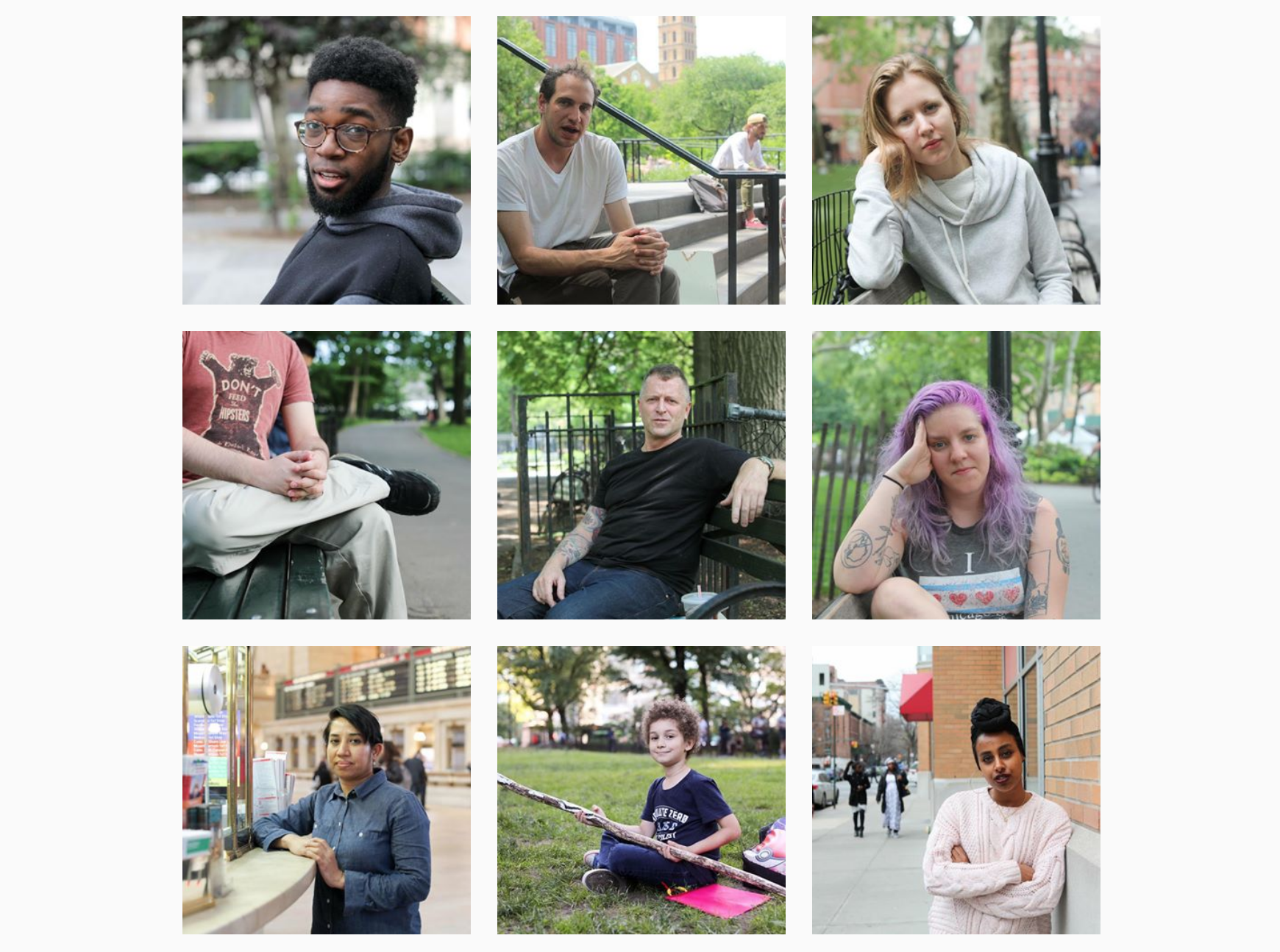
Humans of New York’s Brandon Stanton opens up to Tim Ferriss about the power of biography, how being 100 percent present is more important than the questions in an interview, and hanging in there when things get tough.
NYC: SEEKING HISTORICAL MEMORABILIA
Stonewall Forever, a project launched last year after Google granted a Greenwich Village community center $1 million to preserve oral histories of those present during the Stonewall Riots, is collecting photographs, letters, diaries and protest material to be considered for an online collection.
Stories of Our Lives
BEYOND DESCENDANCY
“Birth dates, death dates, immigration records, legal proceedings—none of those capture the measure of a person’s soul,” writes Massachusetts-based Nancy West, who chronicles why genealogy is only the beginning of one’s personal history, and how memoir uncovers heartfelt nuance.
BEHIND THE BOOK
“They have the most incredible story and it has been weighing on my for years that we need to get it written down,” Olive Lowe’s aunt told her. And so it was that Lowe, of Life Stories by Liv in Mesa, Arizona, went on to capture how her aunt helped a family from South Korea immigrate to the United States after their son was born with a severe form of spina bifida.
THE GIFT OF BRAG
Karen Bender, a certified guided autobiography instructor in Virginia, has some advice for budding memoirists: “Tell the truth. Not a watered-down truth or a polite truth, but the full ‘hey Ma, look at me!’ truth.” Worried about seeming less than modest? Let your friends and family do the bragging via quotes from interviews.
DADDY’S DUTCH
“So, the morning passed with a daughter peeking into the academic world of a father who had spent a lifetime learning and now was sharing his special knowledge,” reflects Carol McLaren of Unique Life Stories in Pinon, Arizona. How poring over a rare book in seventeenth century Dutch made a cross-generational connection.
NOTHING IS LOST, INDEED
Clinton Haby of San Antonio–based StoryKeeping says he is enriched by his work through the bonds he forms with those he has the privilege of interviewing—and the resulting production ensures the storyteller’s spark is just a “press play” away.
...and a Few More Links
- Five unconventional memoirs recommended by writer Glen David Gold
- “We Survive by Telling Stories,” by Carolina Hinojosa-Cisneros
- Paul Sullivan died in Vietnam 50 years ago, and his family has kept his memory alive ever since
- Sarah White on handling the income insecurity of the personal historian lifestyle
Dawn Roode’s curated roundup for the week of Sept. 23, 2026, is overflowing with recent reads on memoir, life story writing, and family history preservation.