
Memories Matter
Featured blog Posts

READ THE LATEST POSTS

Life Story Links: June 30, 2020
Lots about letters (the old-fashioned kind—handwritten & stamped), plus the future of family history, communicating with our elders, and mini first-person reads.
“To acknowledge our ancestors means we are aware that we did not make ourselves…We remember them because it is an easy thing to forget: that we are not the first to suffer, rebel, fight, love, and die.”
—Alice Walker

Vintage postcard of a beach scene of the past (social distancing was clearly not SOP of the day!). “Beach Scene Along Woodland Beach, Staten Island, N.Y.” Courtesy Irma and Paul Milstein Division of United States History, Local History and Genealogy, The New York Public Library.
Our Lives, Our Stories
WHAT TESTIMONY CARRIES
“There were these families around the world where my grandmother’s survival had essentially become folklore in their families, the way that her survival had become folklore in my life,” says Rachael Cerrotti, co-producer of the arresting podcast We Share the Same Sky, in this exploration of “The Power of Testimony in a Digital Age” from USC Shoah Foundation.
OUT OF THE CLOSET
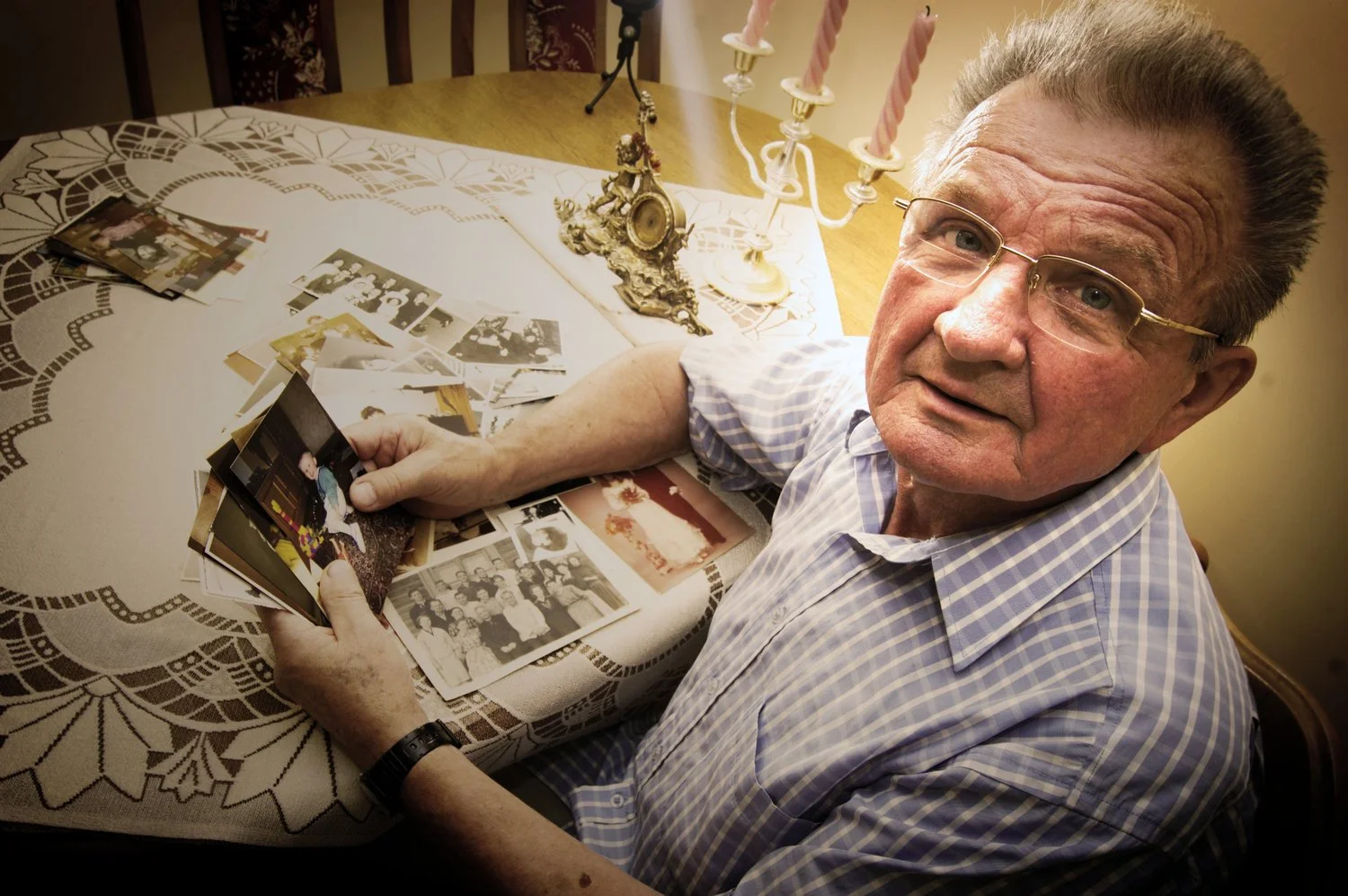
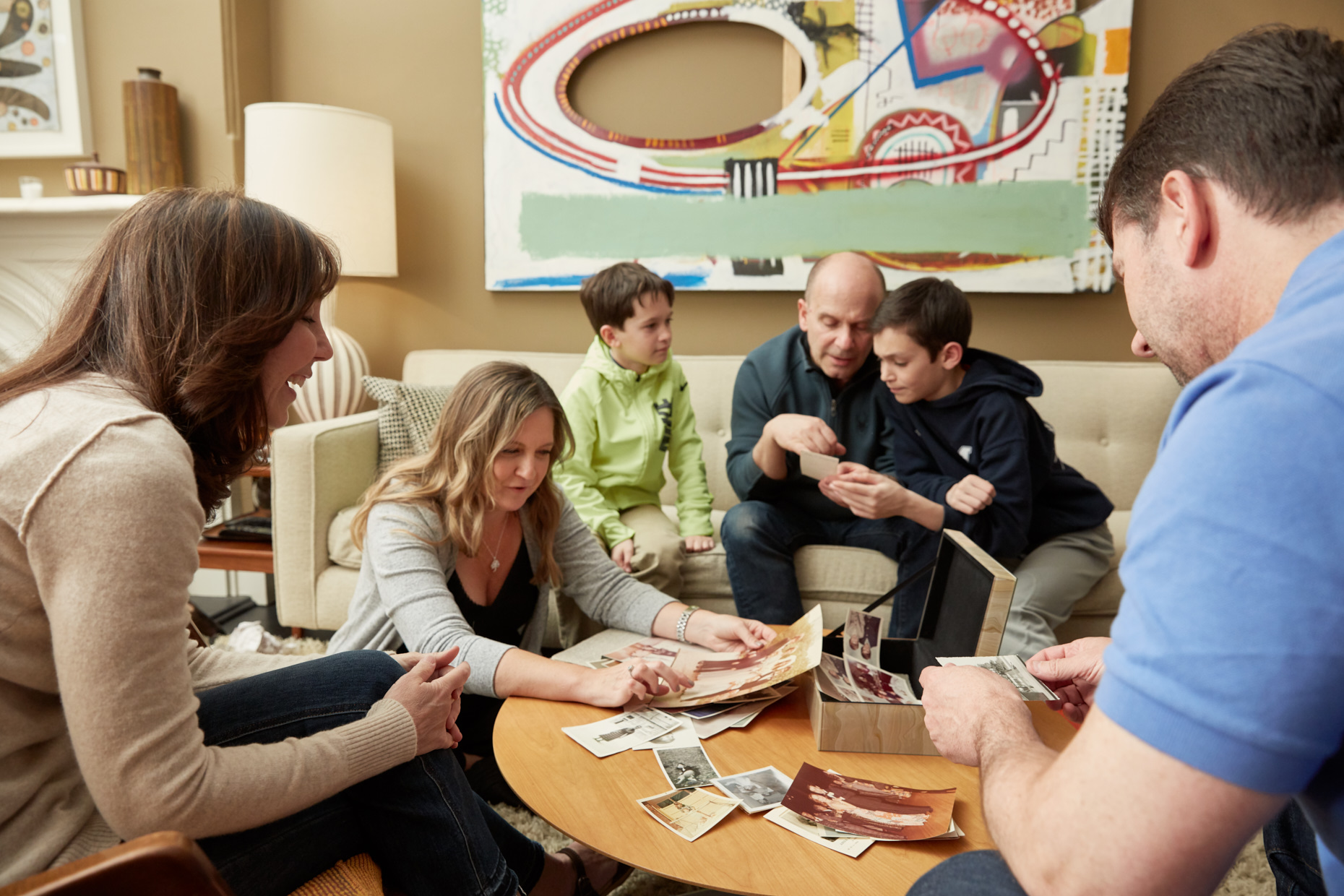
Hey memories—come out, come out, wherever you are! Last week I wrote about how to use family photos, heirlooms, and the "stuff" of your past to elicit memories and chronicle the stories of your life.
GENEALOGICAL TREASURE TROVE
“A funeral is, among many highly emotional things, an opportunity to consecrate someone’s life as historical fact, and to commit that truth to the public record.” A new archive digitizes more than a century of Black American funeral programs, including lives lived from before the Civil War to today.
“INDEPENDENT LIVING”
“On March 15, the assisted living facility where my mother lives went into lockdown to attempt to prevent the spread of Covid-19,” writes personal historian Sarah White, who describes herself as a member of a cohort of daughters who are lifelines to the world for these elders. “For nearly everyone, that lifeline was severed that day in March. I am still allowed in: What I see is breaking my heart.”
THE FUTURE OF FAMILY HISTORY
From an article in the latest issue of the New York Researcher: “A fundamental shift from collecting names and dates to gathering stories over the past decade appears to be here to stay…” Indeed.
In Letters
THE AGE OF PROPER CORRESPONDENCE
“Each day when the mail carrier arrives, I find myself longing for a surprise letter—a big, juicy one,” Dwight Garner writes. “I do trade big, juicy emails with some people in my life, but receiving them isn’t quite the same as slitting open a letter, taking it to a big chair and settling in for the 20 minutes it takes to devour it.”
“I THOUGHT I KNEW THEM”
How much does anyone ever know about the experiences that shaped our parents? As Nancy Barnes rummages through letters her parents wrote to one another in the earliest years of their courtship, she ponders this. “My mother’s handwriting is bold and loopy, almost wild—quite unlike the neat orderly hand I knew all my life.”
AN ENCHANTING ENCOUNTER
“Sometimes I take out your letters & verses, dear friend, and...rejoice in the rare sparkles of light,” Thomas Wentworth Higginson wrote to Emily Dickinson. This book excerpt captures their first face-to-face meeting after eight years of letter writing.
...and a Few More Links
Australian storytelling project helps participants re-imagine their past and invent new ways to see their stories.
Personal Historians NW group has recorded an estimated 500 “slices of life” among them.
Short Takes
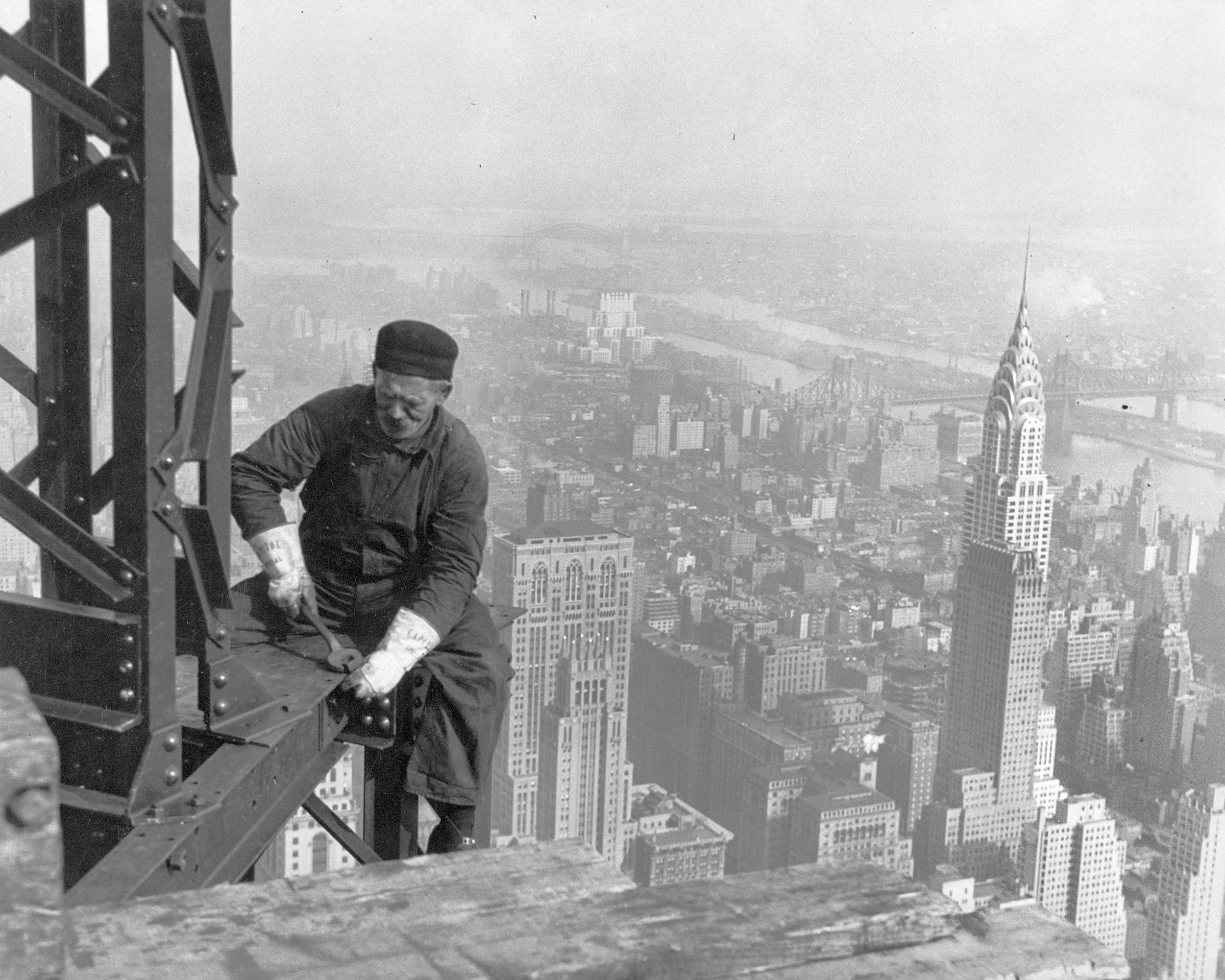
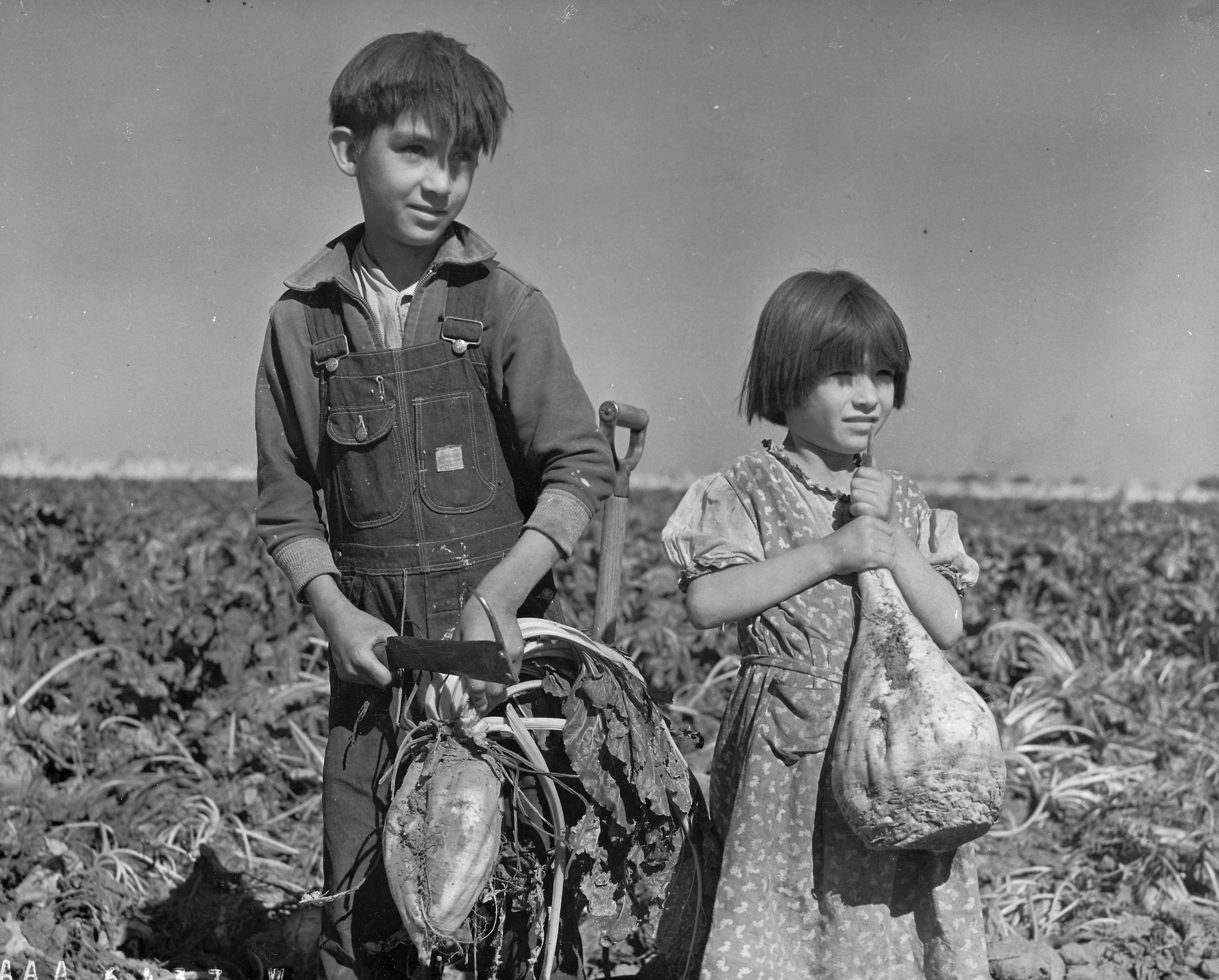
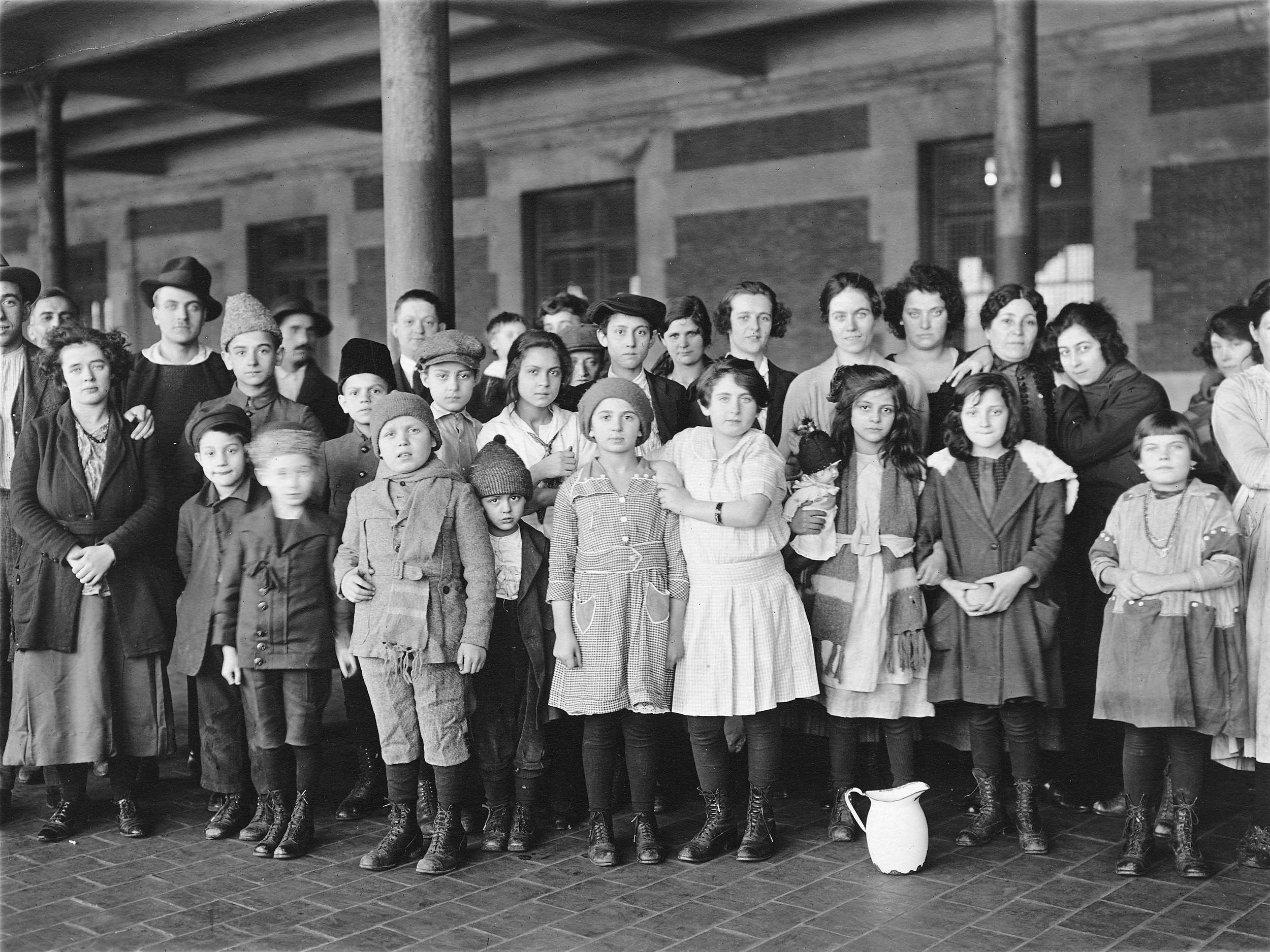
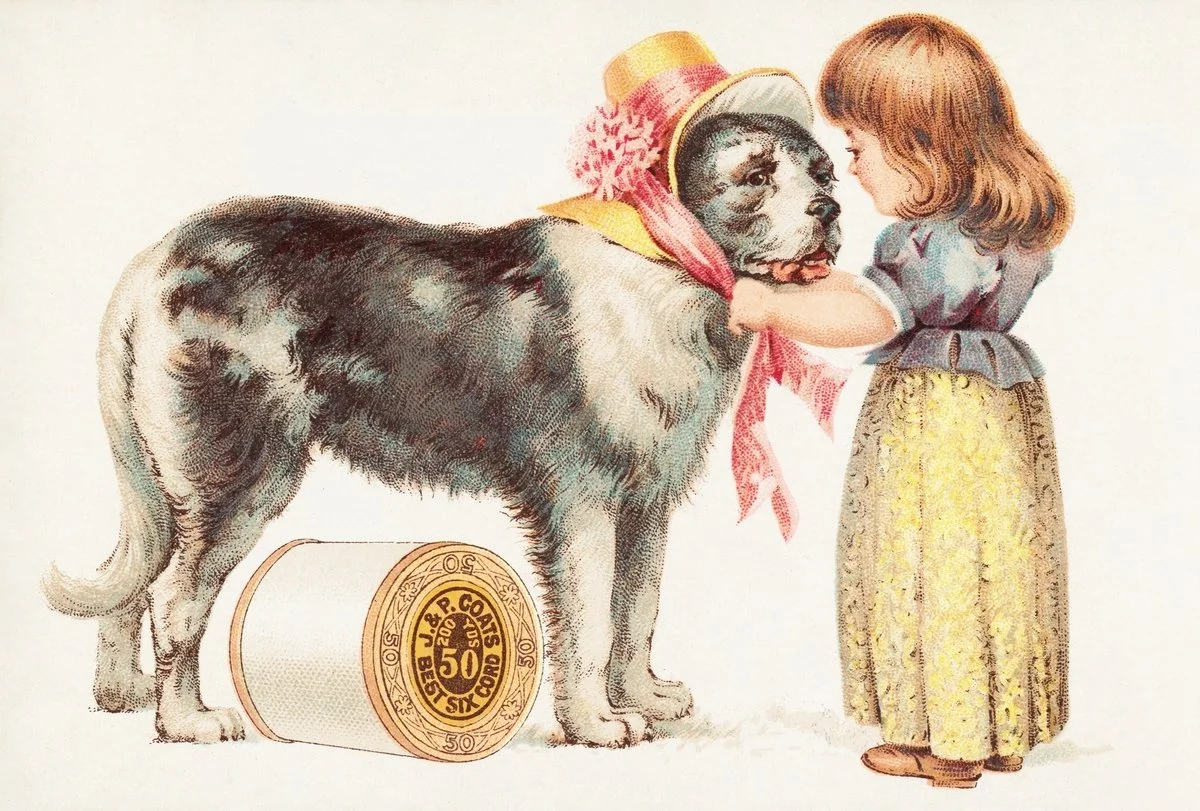
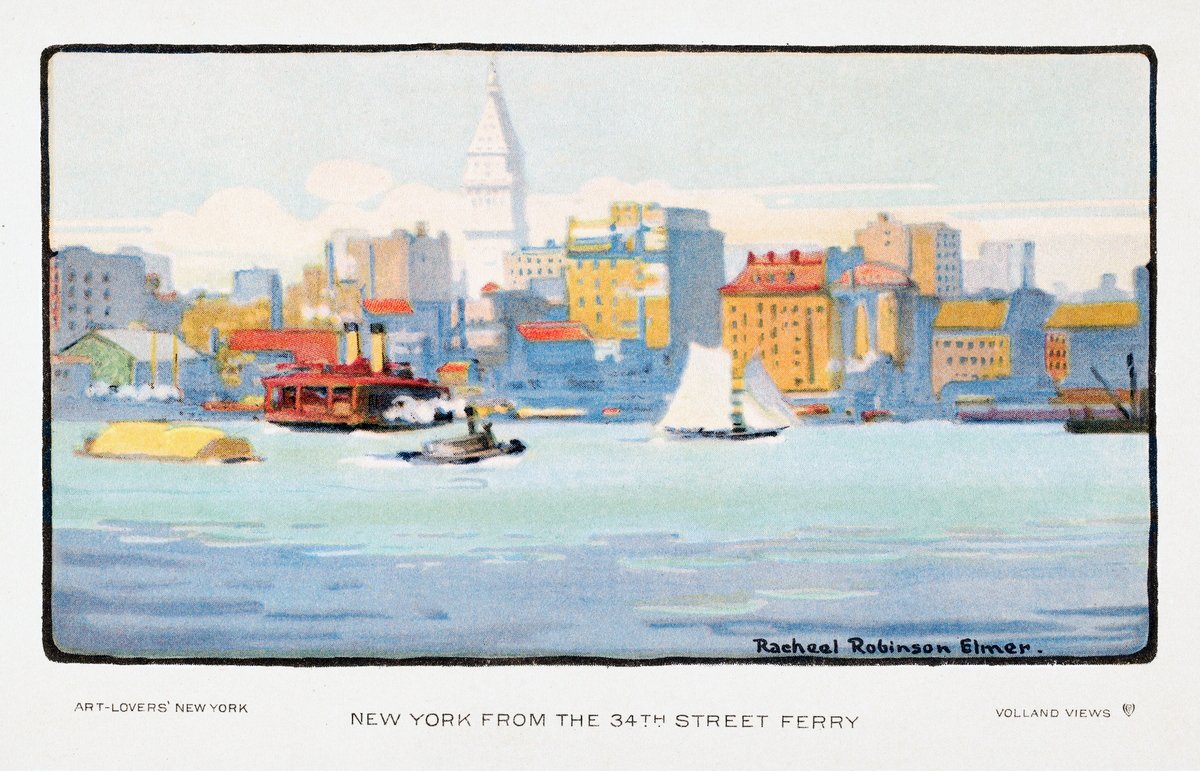
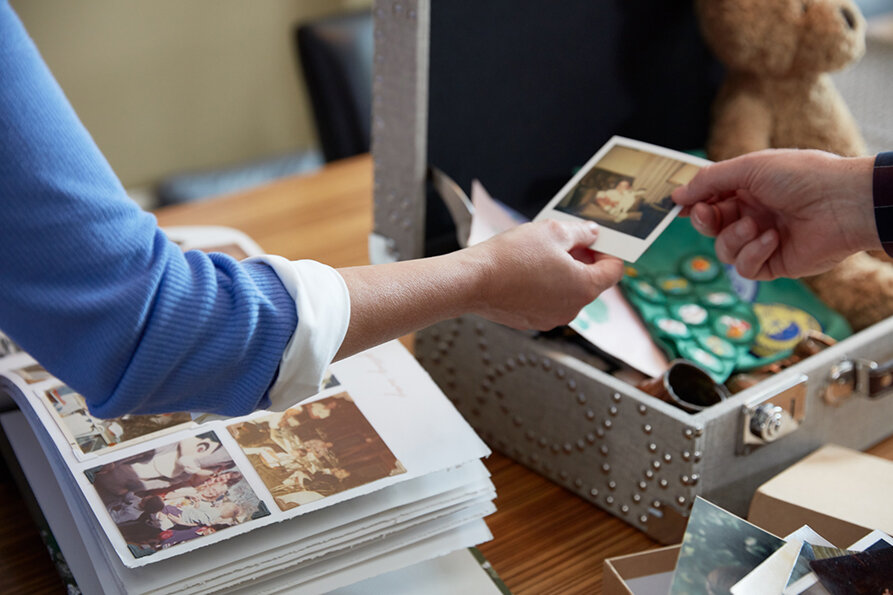
Hey, memories! Come out of the closet, will you?
Your memories live in your head and heart, but family photos, heirlooms & mementos sure do call those memories forth—how to use them towards a life story book.

Sorting through your family archive for items for your life story book should be more strategic than organizing everything for posterity.
One of the first steps in any life story project is to begin to gather all the stuff in your family archive.
By that I mean photos, journals, letters, and mementos—the stuff of your life.
Finding and inventorying these items will help you in two ways:
as a tool for helping you prioritize and determine what is worth saving and what can be tossed—and how to plan for tackling the archive as a (separate) organization and preservation project.
as a resource for finding those items that will help tell your stories visually for your life story book project.
That second one is what we are focused on here!
How to organize your family archive as a resource for your life story book
Ready to get started? Using this free chart or a digital spreadsheet, make a list of everywhere your items live.
Remember: This is a guide to preparing your archive specifically as a resource for your life story book! That means yes, you should be focused on items that you want to include visually in your book, but also items that simply spark memories.
What is included in your family archive?
A Family Archive Checklist
physical family photos in boxes, albums, and frames
digital family photos on phones, computers, old disks, social media accounts, and external hard drives
family papers, including genealogy documentation, birth and death certificates, etc.
letters, journals, and diaries
mementos such as ticket stubs, postcards, report cards, scrapbook ephemera
physical family heirlooms such as inherited china, heritage furniture, passed-down jewelry
Finding inspiration and raw material
Back to using your archive as a reference for your life story book: Consider all of the items in your family archive to be raw materials that you can both find inspiration in and use to help tell your stories. A few ways to mine your family archive for this project:
Resources for remembering
Use specific family photos to jog your memories about your childhood.
Use letters and journals to help you recall details and emotions of recorded experiences.
Pull out tickets stubs and other mementos that hold the most meaning and make you feel something strong—they’ll likely be fodder for compelling stories if they hold that much sway.
Consider your genealogical files to be fact-checking resources for names, dates, and relationships that may be fuzzy in your memory.
Materials to reproduce in your book
Photograph family heirlooms so they can be accompanied by their stories in your book, so years from now they won’t be some dusty relics but heirlooms with a storied pedigree.
Select key old photos to digitize for inclusion in your book: Pictures help bring your words to life, but they must be chosen wisely.
Perhaps your handwritten journals evoke your teen years or capture a particularly emotional period in your life: Consider reproducing a key page or paragraphs throughout your book if you think they will add texture and a visual touchstone.
At this point, you should be most concerned with identifying and locating those items that you feel will be most useful to you in your life story project. Make a separate list, and pull out those materials to have on hand. Consider this a separate collection specifically gathered to help you tell your life story.
“When you have finished your appraisal, you’ll be left with a collection of the best and most significant artifacts,” archivist Margot Note writes. “Because you’ll be focusing on the collections that have the most value, you’ll be able to concentrate your efforts on what is most meaningful to you.” Indeed.
Keeping your curated archive on hand
Now that you have a tighter collection of photos, journals, and mementos set aside specifically for your life story project, keep them on hand—as well as the bulk of your family archive that you designated in the beginning.
Just because you set aside a photo initially doesn’t mean it will be the best for spurring memories later on; you may end up going back to those boxes to find another shot, or flipping through a different journal to discover a later recollection.
Be gentle with yourself. There’s no “getting it right”—this is a journey of discovery! Try to be strategic and deliberate while sorting your family archive, and understand that it’s all too easy to get lost in memories and nostalgia while trying to organize. When you realize that’s happening, steer yourself back to the task at hand, and remember: All of this is to provide you with the opportunity to reflect purposefully later on.

Printable Inventory Form
Download our free printable to help you keep track of all your life story project’s visual assets, from family photos to ticket stubs and journals—it’s easy-peasy.
Related reading
I will link to parts two and three in this series when they are posted:
You might also be interested in:
Tackling your whole archive?
If you would like to tackle getting your archive under control, I highly recommend purchasing archivist Margot Note’s book Creating Family Archives: A Step-by-Step Guide to Saving Your Memories for Future Generations. She’ll walk you through how to handle your materials, the best supplies, to buy, and ways to display and share your personal archives. Keep in mind: This is usually a big (and sprawling) project that takes some time to complete, but it is well worth your effort (especially if you have children; as I have written about before, leaving them a mess of family mementos is usually more of a burden than a welcome gift).

Life Story Links: June 16, 2020
Our things hold stories, our stories hold meaning, and black stories matter as much as ever; plus pieces on how to plan a life story book & write a legacy letter.
“There are years that ask questions and years that answer.”
—Zora Neale Hurston

Civil rights marchers carrying banner reading “We March with Selma” lead the way as 15,000 parade in Harlem, March 1965. Photograph by Stanley Wolfson for World Telegram & Sun, courtesy Library of Congress Prints and Photographs Division.
The Thing about Our Things
TREASURE IN THE ATTIC
Sheltering in place has given some families extra time to explore long forgotten spaces in their homes—as well as the proximate family history. “Every time we find something I get to hear so many stories. I haven’t been recording them, but I should.”
DISCOVERING HERITAGE THROUGH FAMILY PHOTOS
“My grandmother explained to me the stories behind each photo, from the people in it to what was going on in the world the day it was taken. I wasn’t sure what I was more impressed with: how sharp her memory was or how well she had managed to keep so many photos from the past organized.”
LISTEN IN
“Sharing the story of the ‘things’ in our lives can help us share the past with our family,” Maureen Taylor says in her introduction to a podcast episode with guest Martie McNabb, founder of Show and Tales. My favorite thing she talks about: the difference between storytelling and “story sharing.”
Expert Tips
THREE-STEP PLAN
It’s not a simple thing to undertake a life story project, but it needn’t be overly complicated, either. Last week I shared three steps to make your life story book project proceed as efficiently and smoothly as possible.
LIFE LESSONS
A legacy letter, also known as an ethical will, is “a way to soul-search what I want the rest of my footprint to look like. What do I stand for?”
Black Stories Matter
#SHAREBLACKSTORIES
“It wasn’t until the beginning of high school that my dad started opening up to me about his experience as a black man living in America,” Rylee shares on Instagram, which is proving to be a force for sharing Black stories right now.
BLACK MOTHERHOOD IN SLEEPLESS TIMES
“As he sleeps his mouth moves as if he is still nursing, still tethered to me. I look at his perfect face, watch his mouth dance, and try not to think this is the safest he will ever be,” Idrissa Simmonds-Nastili writes in this powerful piece on (so much more than) sleep-training her baby.
STORY SNIPPET
“Dad, why do you take me to protests so much?” Two minutes and thirty-nine seconds of love and respect and conversation between a father and son in Mississippi:
ONE VOICE
“The most damaging day came when my son, at 11 years of age, had his drone picked up by a gust of wind, and deposited into the fenced back yard of a neighbor down the street,” Heather Stewman writes in this personal story of encountering racism in everyday life.
WITNESSES TO HISTORY
”Black photographers have been documenting the nationwide protests in a way that amounts to telling ‘our own history in real time,’ said Brooklyn, N.Y.-based commercial photographer Mark Clennon, ‘because our parents, and grandparents never really had a chance to have their voices heard.’”
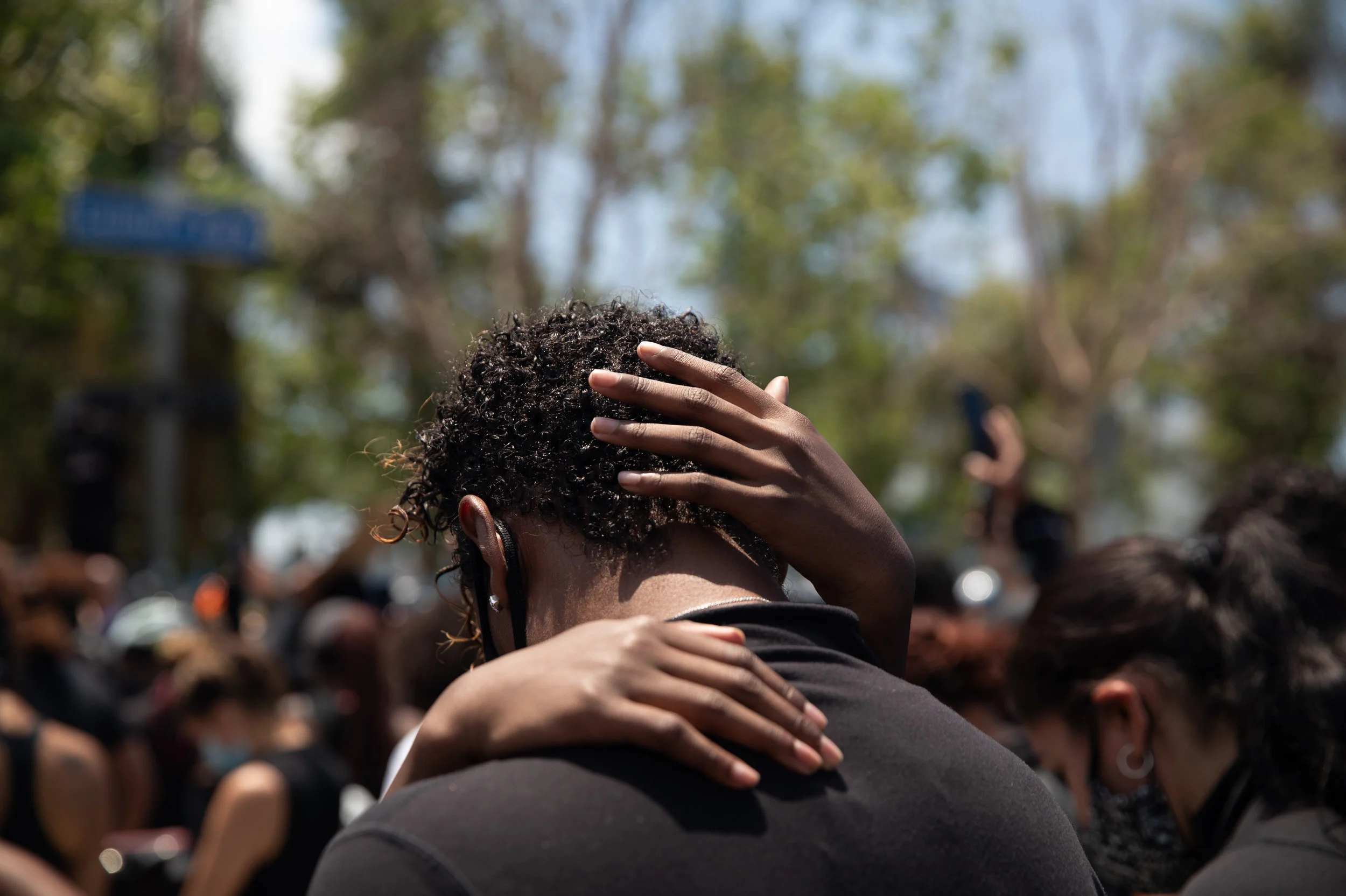
Photograph by Alexis Hunley of a parent and child sharing a tender moment during a protest against police brutality in Los Angeles on June 6. NPR shares a series of impactful photographs from eight black photographers along with commentary on their experiences. (Click photo or link above to read full story.)
HISTORICAL TRAUMA
“[An] individual’s parents or grandparents may have stories about how their own relatives survived the Jim Crow era, narratives that were marked by terror and fear of the white community.” Mirel Zaman explains inherited trauma.
Dose of Inspiration
“REMEMBER YOU ARE ALL PEOPLE AND ALL PEOPLE ARE YOU”
“Remember the sky that you were born under, / know each of the star’s stories…” A friend recently shared with me this 1983 poem, “Remember” by poet laureate Joy Harjo, and I want to share it with you—it feels oh-so-right for this season.
TOO MUCH MEMORY, OR NOT ENOUGH?
“At first, my desire to remember was formidable, but ultimately harmless… I had lost what I loved and with each detail I unearthed, I felt like I was regaining it,” Angela Rose Brussel writes in this meditation on grieving in the digital afterlife.
...and a Few More Links
Zadie Smith wrote an entire essay collection in lockdown.
Court records “provide amazing window into past”
Is Ball Four the greatest baseball memoir ever written?
Short Takes

How to plan a life story book in 3 simple steps
These three simple steps will put you on the road to remembering, and make your life story book project proceed as efficiently and smoothly as possible.

The mere idea of creating a life story book is daunting. The notion of combing through boxes and devices full of photos, of writing (or even talking) about one’s life experiences—wait, will I even remember them??—and then organizing everything into some cohesive whole…phew. Forget it, there are dishes to do and movie marathons to binge.
Wait, what? Don’t forget it. Please.
If you know you want to leave a meaningful legacy in book form for the next generation but it scares the bejeezus out of you (or it’s simply not how you want to spend your time), let’s chat; as a personal historian with years of experience, I will guide you through the process—dare I say, even make it enjoyable.
If you are someone who is a little scared by the prospect but who still wants to tackle such a project on your own—congrats! And stick with me here, as I’ve got three simple steps to put you on the road to remembering, and to make your life story project proceed as efficiently and smoothly as possible.
3 broad steps to starting a life story book
Narrow down themes you would most like to address in your writing or interviews.
I will break out actionable steps and key things to consider for each of these in subsequent blog posts, but for now, a few quick hits:
1 - Organize your family archive.
I’m not talking about creating another huge project for yourself here (properly organizing all of your family papers and photographs could take months). What I am talking about is
creating an inventory of WHAT you have and WHERE you believe it resides (e.g., in a box in the basement or at your sister Susie’s house) and
identifying the key items in your archive that will help you with your project.
Help you how, you may be wondering? Designate photos and journals, for instance, that you anticipate will help jog your memories and spur you on to story sharing. Earmark genealogy papers that will be resources for creating your life timeline (step two, below) and be useful for fact-checking names, dates, and relationships later.
Hold onto this inventory, as it will be one of your primary tools when it’s time to dive into memoir writing or participating in personal history interviews.
2 - Write a life timeline.
Again, I won’t go into a complete how-to here, but I will say this: People don’t think chronologically; our memories come to us often unbidden, spurred by a scent in our grandmother’s kitchen or a scene in a novel we just read. A chronological framework of your life, though, will be a most useful tool in helping situate your memories in time and place.
Jot down years and major life milestones (decisions, employment, home moves, having children, etc.) in any format that works for you. That could be a document on your computer where you list the events in order with dates alongside, or a large piece of paper with handwritten notes broken up graphically into categories such as Childhood, Adolescence, Adulthood, and Golden Years.
Hold onto this timeline, as it will be another primary tool in your arsenal when it’s time to begin your life story project in earnest.
Click here to read a more in-depth guide to writing a life timeline.
3 - Narrow down themes you would most like to address in your writing or interviews.
Maybe you already know you want to cover only a sliver of your life in your book: your years in the military, say, or the profound transformation of becoming a parent. If so, you can skip this step.
If you are not yet sure which chapters of your life should become chapters in your book, then it’s time to brainstorm. Some questions to ask yourself:
What are the most impactful decisions I have ever made?
Are there times of struggle that serve as examples of resilience, or that hold other lessons?
What are the most joyful times of my life?
What have been the most challenging times of my life?
Is there anything about my career or vocation that is worth telling?
Who had the most impact on me growing up? As an adult? What did I learn from them?
What values do I most want to pass on to the next generation—and are there certain stories that exemplify those values?
Don’t edit yourself. Simply write everything that comes to mind when you think of “important chapters of my life.” You don’t have to decide now which musings will make it into the book—rather, these will serve as additional memory prompts, and some will have more resonance than others.
Hold onto this document of ideas, as it will be your final tool to have at the ready when your life story project gets underway.
Click here to read more about narrowing down themes for your life story book.
What’s next?
Now that you have your three pages of life story resources, it’s time to get into the business of remembering. How will you proceed? A few options to consider and tips to get you going:
If you are a writer:
Consider enrolling in one of my short courses to receive memory and writing prompts—as well as tips and inspiration—delivered straight to your phone. Current themes includes Childhood Memories and Food Memories, and more themes will be added soon.

Memory & writing prompts sent weekly to your phone
Short courses for anyone who wants to write about their life







If you would like to be interviewed to capture your stories:


If this all appeals but seems too daunting to take on yourself, please reach out. I would be honored to help guide you on this journey to create a legacy book capturing your stories for the next generation.

Life Story Links: June 2, 2020
Unique memory preservation methods including illustrated maps, birthday tributes & travel scrapbooks; plus memoir writing now, and a vintage Mary Karr interview.
“The people we most love do become a physical part of us, ingrained in our synapses, in the pathways where memories are created.”
—Meghan O’Rourke
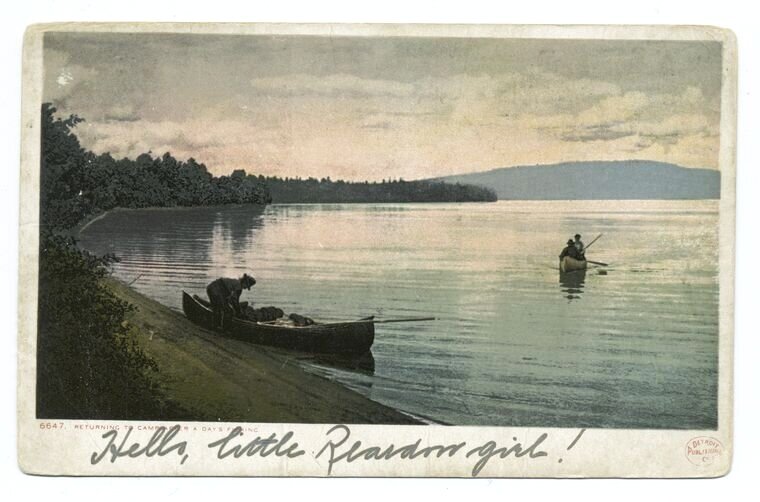
Returning to Camp after a day’s fishing, Maine. Photograph courtesy The Miriam and Ira D. Wallach Division of Art, Prints and Photographs: Photography Collection, The New York Public Library. (1898 - 1931).
All Ways of Remembering
TAKING CARE OF TRAVEL MEMORIES
“There’s no wrong way to scrapbook, and there needn’t be any rhyme or reason, aside from what resonates with you. Whether the order is chronological or geographical, the captions hyper-specific or non-existent, the finished product is unavoidably sentimental, a reflection of the way you lived while walking (or biking, or dog-sledding) out into the world.”
BIRTHDAY LOVE
When you want to cap off a milestone birthday party with a most meaningful gift, consider an heirloom birthday tribute book oozing with love and memories. Why tribute books are so popular right now.
A COLORFUL APPROACH
An illustrated map “can be a beautiful and highly personal reflection of a place you, friends and family know quite well. It can tell a story, a personal history, or be a unique lens through which one can experience a special place.”
DISPATCHES FROM THE BASEMENT
“Dad, I just want to say, thank you for helping get rid of this virus.” In this remote video, a son thanks his father, a doctor who has been isolating from his wife and four children to shield them from exposure to Covid-19:
Write It Out
WRITING YOUR HISTORY IN REAL TIME
“Sure, today’s youth may know that Jackie Robinson was the first African American to play in the MLB. But did they know that their grandfather got a black eye from a schoolyard fight when a classmate argued that ‘[African Americans] shouldn’t play baseball?’ That makes it real.” Virginia–based personal historian Karen Bender makes a case for keeping a Covid diary.
AN OLDIE BUT A GOODIE
“This is a simply stunning interview of Mary Karr from 2009,” Tim Ferriss writes. “I’ve read it multiple times, highlighted nearly every page, and saved my scans to Evernote. That’s how much goodness I think it contains. It’s also laugh-out-loud funny.”
PATCHWORK
“I wrote most of the essays as individual pieces so then it was the work of figuring out how they spoke to one another. I wanted to be aware of overlaps and gaps in the memoir arc, the narrative and consciously choose how I addressed them.” Sejal Shah on giving shape to her essay collection.
...and a Few More Links
How will we remember the pandemic? Museums are already deciding.
Anthony Bailey, memoirist and biographer of artists, died at 87.
Escape to the past with stories of NYC of old—including, perhaps, your own.
Michigan–based video biographers think now, “in the time of coronavirus,” is the perfect time to preserve your stories.
Short Takes

Your mom’s turning 70 and you STILL don’t know what to get her?
When you want to cap off a milestone birthday party with a most meaningful gift, consider an heirloom birthday tribute book oozing with love and memories.

Even if you can’t be together on her birthday (due to Covid or any other reason), family members can contribute from all over to create a tribute book honoring your mom on her milestone birthday.
I created tribute books to celebrate milestone birthdays of three well-loved, incredible women last month. One was the wife of my client, who was turning 80, and the couple lives in North Carolina. The other two were moms of separate clients, both celebrating their 60th birthdays and closer to my home in New Jersey.
While they were singular books with different design styles and wildly different approaches to the tributes within, the books had a few integral things in common:
They oozed with love for the recipients.
They told stories and shared remembrances that made me, a stranger, feel like I wanted to meet these folks!
They elicited happy tears—each one, from the gifter and the gifted.
I can’t convey how thrilled I feel when I get feedback like I did from these clients. Tribute books for happy occasions—milestone birthdays and anniversaries, bar and bat mitzvahs, weddings—are such a joy to create, and the joy they engender in those who receive them is beyond compare.

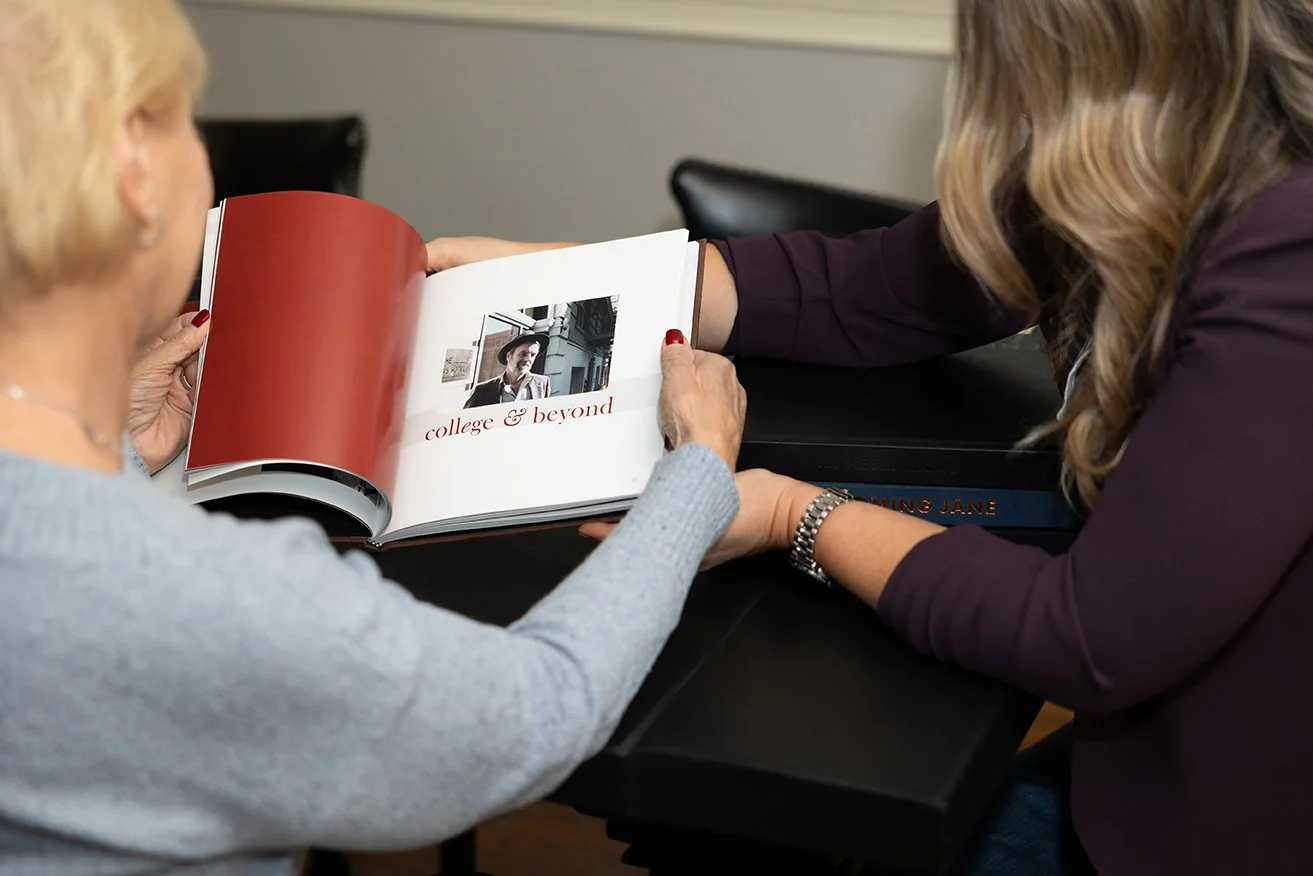
What to get for the person who has everything? A beautiful bespoke tribute book, of course! This is a page from a recent book gifted to a woman on her 80th birthday.
The nitty gritty of creating a tribute gift book
I am always honored and privileged to help my clients gather, organize, and express their tributes for their honoree. And my clients are always a little shocked at how much can go into the process (you think Uncle Ernie will be the last to reply, but he sends his narrative in on day one…but then 10 others are missing, late, or incomplete, two others are missing photos, three others are illegible, and 24 others have photos way too small to reproduce in print!!).
Leaving the logistics to a professional ensures that
you don’t have to be bothered with nagging follow-ups
you don’t have to check and recheck photo resolution
you don’t have to give guidance on what to write and how to optimize images
you don’t have to sit in front of a computer screen for hours designing your book
you don’t have to worry that the book won’t print just-right.
All you have to do is take credit when you wrap and give the book to your loved one!

“Ann was ecstatic and we all had to fight back tears…
…watching her flip through the book.
We all hope we can pass something of value on to family and friends. The tribute book did just that for her. She shows the book off to whoever comes in the house.
You went far above and beyond anything that I could have ever imagined.” —Terry C.
Why tribute books are so popular right now
We’ve all been in that situation: We need a special gift for that someone who seems to have everything; but nothing seems special—or unique—enough.
A tribute book telling your loved one just how much they mean to you—and to your tribe—could not be more unique. The messages within are one-of-a-kind. And when crafted in an heirloom book, they become a welcome addition to your family history archive.
When most of our doorstep deliveries are for essential items and we continue to get excited about in-stock toilet paper; when we have spent more time physically separated from family members due to Covid-19 than we ever could have imagined; and when so many of us are getting back in touch with those things that matter most to us—family, connection, a sense of home and security—a gift from the heart resonates more than ever.
I always recommend (and ask for) experiential gifts—traveling together, an outing to the theater or a local garden, a family hike. Those are gifts that mean something, that spark memories and affection. But when a physical gift is in order—when you want to cap off the big birthday party with a memorable unveiling, and when you want to show—really show—your loved one HOW and WHY they are loved—then why not consider a tribute book?
Reach out to see how we can work together to bring your project to life. All it takes is a half-hour phone chat—no pressure, just some questions to help me understand what type of book you envision—and you could be on your way to giving the best gift you’ve ever given. Really!

“The process of sorting through 27 years of pictures…
…and mementos was joyfully reflective, but what brought it all together was Dawn’s vision. Her warm and engaging personality and ability to capture my feelings—and transform them into such a beautiful book—well, let’s just say that our Modern Heirloom exceeded every expectation!” —Susan M.
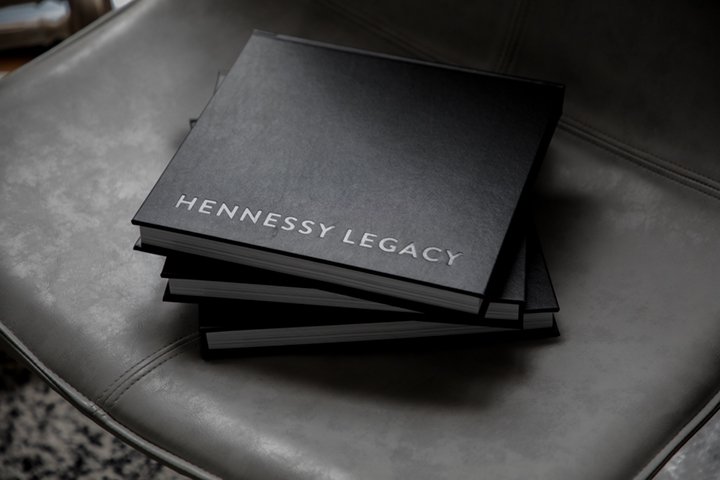
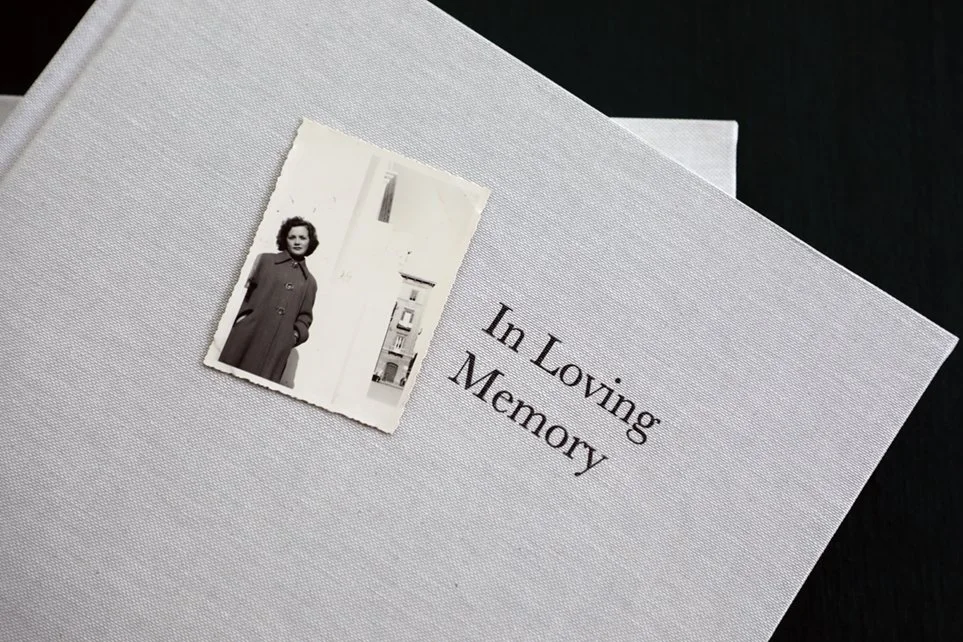



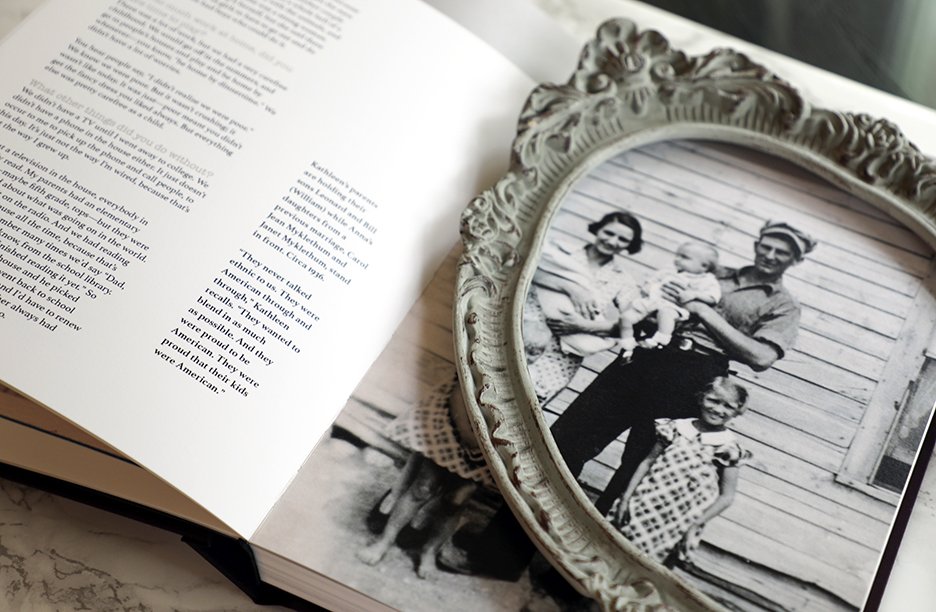


Life Story Links: May 19, 2020
For life story preservationists both professional & aspirational: actionable tips, inspirational biographical reads, memoir workshops, and video recommendations.
“Questions are open doors. They move you away from the stagnation of certainty into the openness of wonder.”
—Laraine Herring
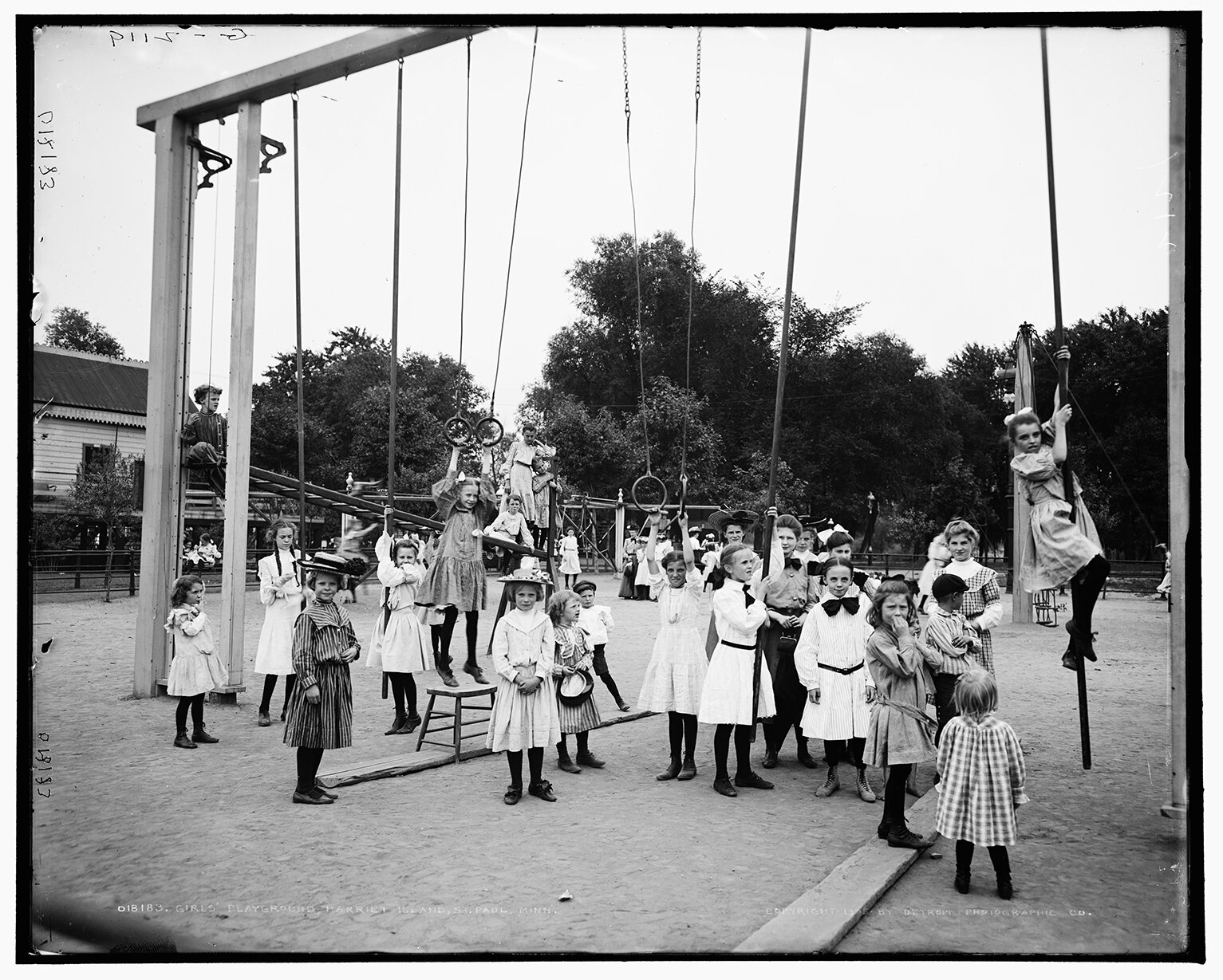
As the school year comes to a close, this year in our homes, I am missing the sounds and sight of kids running around the school yard—hence the choice of this week’s vintage photo: Girls on playground, Harriet Island, St. Paul, Minnesota, 1905. Photograph courtesy Detroit Publishing Co., Library of Congress Prints and Photographs Division Washington, D.C.
Actionable Tips
FROM A DISTANCE
California-based personal historian Rachael Rifkin writes about how to interview family members while social distancing, via Family Tree magazine.
HONORING THE DECEASED
After helping many individuals gather memories and express their love for a family member who has passed away, I have gathered my top eight tips for creating your own tribute book in honor of a lost loved one.
‘EVENTUALLY’ IS HERE
“I’ve spent years collecting intimate interviews. Take it from me: A conversation about life’s big questions is the very definition of time well spent.” StoryCorps founder Dave Issay expresses what all us personal historians know: Now is (always) the time to ask your loved ones about their lives.
On Screens Now
THE ASIAN AMERICAN STORY
The PBS documentary series Asian Americans, which weaves the stories and images of real people…into the tapestry of history, “deserves attention for bringing under-appreciated history to life through the stories of Americans whose ancestral roots reach across the Pacific Ocean to the 48 countries of Asia,” says this review.
DIGITAL MUSEUM EXHIBIT
“Beyond Statistics: Living in a Pandemic” traces the stories of five former residents of The Tenement Museum’s buildings who lived with, and ultimately died from, contagious disease during three different eras. The digital exhibit uses visual storytelling, including an interactive timeline, to engage and add to the narratives.
REWIND
From PBS Independent Lens: “Made up of home video footage that reveals a long-kept secret, Sasha Joseph Neulinger’s Rewind is a brave and wrenching look at his childhood and his journey to reconcile his past. By probing the gap between image and reality, the film depicts both how little and how much a camera can capture.” Read a review here, and stream the documentary here. Trailer:
Writing Memoir & Life Stories
ARE YOU A DIY MEMOIRIST?
“You don’t need to have won the Nobel prize or invented sliced bread for your life to be worth recording,” writes Philadelpia–based personal historian Clemence Scouten. Here she helps you decide: Should you write your memoirs yourself or hire a service?
VIRTUAL MEMOIR WORKSHOPS, FROM A MASTER
Beth Kephart, award-winning memoirist and author of one of my favorite craft books, Handling the Truth, has announced that her Juncture Workshop Series will be going virtual. The monthly classes, which begin in June 2020, will offer “memoir writers and truth seekers original insights into craft and best-of literature, guided tours of the self, a chance to get percolating questions answered, and manuscript critiques.”
NO PLOTTING—FOR NOW
“The heart of your memoir—what it’s really about, and what will guide its shape—is best found by letting yourself suss out the emotional hot spots in memory and record the details before you define a story line,” Lisa Dale Norton writes in this piece about why it can be hampering to write a memoir outline too soon in your process.
First Person Reads & Short Biographical Writing
FROM HER PERSONAL REPERTOIRE
“When we have the ‘pandemic blues,’ it helps to reminisce about a tough time and how we got through,” writes Wisconsin–based personal historian Sarah White. A random comment on a trip long ago became her touchstone for resilience: “Cobblestones” tells the story of that moment.
THE TRANSFORMATION ARTIST
As part of their “Remarkable Lives” series of autobiographical posts, NYC’s Remarkable Life Memoirs turns the spotlight on a budding entrepreneur who tells her story of taking something disposable and transforming it into something beautiful, right in the middle of a pandemic hotspot.
RESILIENT ROOTS
“I remember my mother interviewing Nama for [her] history on her porch when I was about eight years old. I was mesmerized with Nama’s storytelling and the amazing life she had. But I never saw the depth of what she went through until recently.” Genealogist Janet Hovorka reads her great-grandmother’s personal history anew, with adult eyes.
“HISTORY FOUND YOU”
A graduation speech for the 2020 college grads who aren’t able to experience the milestone with all the pomp and circumstance it deserves, with reflections on the past, the present, and the bright future of this tested generation.
THE STONE COLLECTOR
Meet the stone collector of Iceland’s eastern coast: A. Kendra Greene gathers the history of a life. This lyrical read of an unexpected slice of life drew me in slowly, and made me want for more.
...and a Few More Links
Alcove: a virtual reality platform focused on family connection
How the thinnest paper in the world is used in historical conservation
What historians will see when they look back on the Covid-19 pandemic of 2020
Want to share a family immigration story with the Ellis Island Foundation?
“Diary of Our DNA”: How her mother’s photo albums evolved into a family history book
Chatbooks is giving a year of free photo books to babies born during the Covid-19 pandemic.
Moving photo portfolio: A day in the life of a Covid-19 I.C.U nurse
The “fabulous, forgotten life” of Vita Sackville-West
Short Takes

8 tips for creating your own tribute book in honor of a lost loved one
Writing a tribute book is a meaningful way to create a lasting legacy for a lost loved one. These expert tips from a personal historian will help.

Writing and designing a tribute book is a meaningful way to create a lasting legacy for a lost loved one.
After helping many individuals gather memories and express their love for a family member who has passed away, I have gathered my top eight tips for creating a tribute book on your own.
Remember: This is a labor of love. It may take some time, and you may get frustrated when you embark upon a part of the project with which you have no experience. That’s okay. Always think back to your why. Why you have decided to create this tribute book will motivate you to keep going, as I hope, too, will the advice that follows.
Top tips for gathering memories of a lost loved one:
Top tips for editing and designing a tribute book:
Click on any of the numbered items to go straight to that tip, or continue scrolling to read the whole story.
Gathering memories & tributes for your book

1 - It’s okay to be funny.
If your loved one was a vibrant and funny person in life, it stands to reason that tributes about them after their death should be infused with humor. It’s okay to step outside your grief and remember them with a smile, even a laugh. Happy memories provide comfort and help us heal, and will be a balm to the soul when you pull out this tribute book to visit with your lost loved one someday in the future.
2 - Be specific.
Be as specific as possible in your remembrances. This is the key to creating a moving tribute that holds meaning and calls the spirit of your loved one forth. Be heartfelt and open-hearted, and talk about distinct experiences you shared with the deceased. “That time Marc walked three miles to get Mom a cookie…” says so much more than “Marc was thoughtful”; “Deborah donned her Giants fan gear and ordered pizza from Sinapi’s every single Sunday” demonstrates her love of sports more than saying “Deborah was a Giants fan.” If everyone writes "Maria was a lovely person," it's not nearly as personal as saying WHY or sharing a story that illustrates the point!
3 - Be smart about gathering tributes from other people.
Chances are you won’t be the only person writing a tribute to your loved one who has passed away. Go ahead and ask family members, friends, work colleagues, and others to contribute to your tribute book. Ask for something concrete: “200-500 words about why you loved the person,” for example, or “please tell a story about a time they made you feel special.” Give contributors a deadline (even if you don’t need the book completed by a celebration of life or other event, choose a due date or you won’t get responses at all). Remember, too, that for some people, talking is easier than writing: If you think that may be the case for key family members, consider asking them to record their reminiscences, or record a conversation with them to capture their tributes, which you can type up later for the book.
4 - Include something in the deceased’s own words.
You don’t need to replicate full pages from their journal, but if you come across one or two things they have written that resonate, include them. Perhaps it’s a poem or a quote from a diary, a special letter to a family member, or even a handwritten recipe for that one comfort dish they always made. Hearing their voice come through in the pages of your tribute book will help keep their spirit alive.
Editing & designing your tribute book

1 - List relationships explicitly.
While it seems obvious to you as you’re creating a tribute book that the person you are honoring was your mother, someone else’s sister, friend, colleague…well, it won’t be so obvious in a few years’ time, and certainly not in a few decades. Make your tribute a lasting contribution to your family history archive. By providing full names and relationships to the person being honored, you ensure that the next generation may understand the bigger picture and get to know your deceased loved one more intimately.
2 - Include pictures—but not too many.
Will you include photos of the person being honored only? I recommend also including pictures of the people offering tributes. Alongside an individual’s quotes, include a photo of them with the deceased whenever possible. Include a curated selection of photos of the person you are honoring from different stages of their life—from childhood through old age—so you show their personality and experiences but do not overwhelm a reader. You want the photos to add to the stories within your tribute book, not distract from them.
3 - Consider transcribing handwritten notes.
While I love the idea of including handwritten tributes in your book, you run the risk of people not reading them if they don’t appear immediately legible. A design can get messy, too, if a book has page after page of scanned handwritten missives. Consider including portions of a note—such as a handwritten quote here and there—as design elements alongside typeset transcripts of everyone’s tributes. You can always save handwritten stories tied with a lovely ribbon or inside a special box; they’re destined to become a unique family heirloom all their own.
4 - Choose book materials wisely.
Whether you decide to use a digital on-demand printer to produce your book or go a more DIY scrapbooking route, plan for your tribute book to last. Use archival paper and acid-free adhesives in a scrapbook or hand-bound album; and save digital copies of your computer-designed book in multiple locations (an external hard drive or cloud backup, for instance). You and your family have worked hard to memorialize this special person who has passed away, so do what you can to ensure their legacy lives on.
Related resources
If you’d like to create a book but would rather have professional guidance along the way, consider our personal historian services: Explore our tribute book packages.
Contact Dawn to learn how we could work together on a tribute book or other heirloom book project.

FREE:
Questions to Help You Honor Them
This printable list of 35 questions to ask to prompt memories of your lost loved one is a helpful tool, especially to have on hand when gathering with family.



Dawn Roode’s curated roundup for the week of Sept. 23, 2026, is overflowing with recent reads on memoir, life story writing, and family history preservation.