
Memories Matter
Featured blog Posts


READ THE LATEST POSTS
Most anticipated memoir & craft books of 2022
Personal historian Dawn Roode of Modern Heirloom Books lists her most anticipated books of 2022 for fans of memoir and the craft of writing. Mark your faves!
Normally when I write about books it’s because I have read them and am recommending them for some specific reason (such as these books to help you with your life writing). Today, however, I am offering up a list of books that are forthcoming this year and that are on my radar. I thought you might like to check them out, too, and pre-order any that pique your interest.
Life writing, craft, and memory-keeping books
Who knows if the list for this first theme of books—about writing memoir and preserving legacies—will grow as the year goes on. For now, these are the three nonfiction titles I am anticipating in 2022. If you’re in the market for more books on how to write your stories, writing and memory prompts, and more craft-themed books, check out my reviews of current titles here.
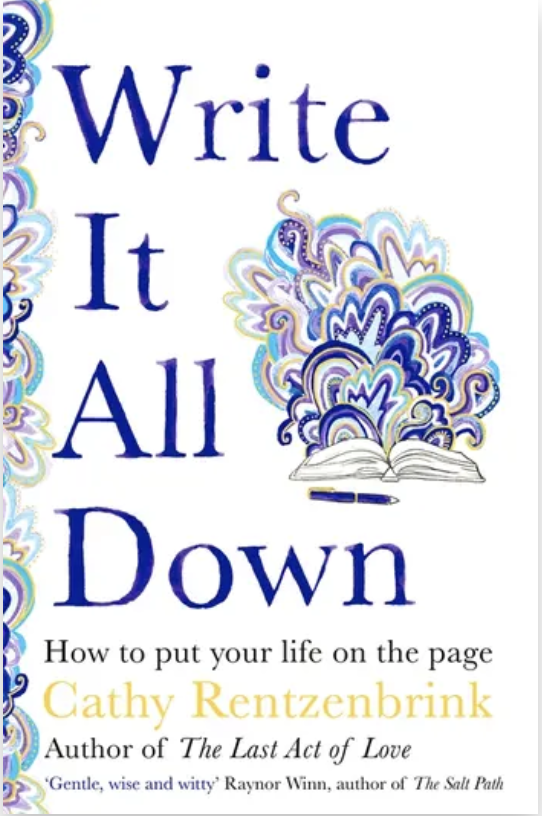
Write It All Down: How to Put Your Life on the Page
By Cathy Rentzenbrink (Pan Macmillan; January 2022)
From the publisher: “Why do we want to write and what stops us? How do we fight the worry that no-one will care what we have to say? What can we do to overcome the obstacles in our way? … Intertwined with reflections and exercises, Write It All Down is at once an intimate conversation and an invitation to share your story.”
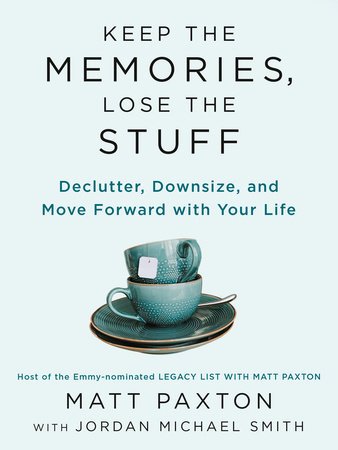
Keep the Memories, Lose the Stuff
By Matt Paxton (Portfolio; February 8)
From the publisher: “America’s top cleaning expert and star of the hit series Legacy List with Matt Paxton distills his fail-proof approach to decluttering and downsizing. Your boxes of photos, family’s china, and even the kids’ height charts aren’t just stuff; they’re attached to a lifetime of memories—and letting them go can be scary. With empathy, expertise, and humor, Keep the Memories, Lose the Stuff helps you sift through years of clutter, let go of what no longer serves you, and identify the items worth keeping so that you can focus on living in the present.”
This is a topic near and dear to my heart (see my free guide “After a Death: How to Make the Process of Going through Your Parents’ Photos Easier”), and I look forward to seeing how Paxton shares his wisdom. A favorite bit of personal historian advice with respect to sorting through your stuff: Take high-quality photographs of items that hold meaning but perhaps take up too much space or no longer feel relevant to your life; this way you can write about why these heirlooms mattered to you (and your family), where and when they originated, etc.—then, after preserving their history, you can give them away without unnecessary guilt.
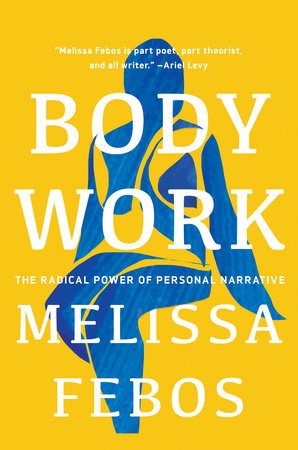
Body Work: The Radical Power of Personal Narrative
By Melissa Febos (Catapult; March 15, 2022)
“If I could do cartwheels, I would have cartwheeled across the room when I learned that the brilliant Melissa Febos is gifting us with a memoir craft book,” writes one reviewer on LitHub.
From the publisher: “How might we go about capturing on the page the relationships that have formed us? How do we write about our bodies, their desires and traumas? What does it mean for an author’s way of writing, or living, to be dismissed as ‘navel-gazing’—or else hailed as ‘so brave, so raw’? And to whom, in the end, do our most intimate stories belong? … Melissa Febos has created a captivating guide to the writing life, and a brilliantly unusual exploration of subjectivity, privacy, and the power of divulgence.”

How to Tell a Story: The Essential Guide to Memorable Storytelling from The Moth
By The Moth, Meg Bowles, Catherine Burns, Jenifer Hixson, Sarah Austin Jenness (April 26, 2022)
I’ve never been drawn to going up onstage to share my stories at a mic, but I am a frequent guest at story slams and Moth main stage performances (migrating to their storytelling podcast during the pandemic)—and I have always marveled at how well the coaching works. Seriously, introverted writers and self-declared non-performers shine when they’re telling their stories for The Moth, and often that can be attributed to having workshopped their material with a team of educators who help develop and shape their stories. Goals? “To hook us in. Make us care about you… [and] conclude as a different person.”
So of course I’m invested in reading their new book that promises to share “secrets of their time-honed process and [use] examples from notable and beloved storytellers,...[and to help you] mine your memories for your best stories.” Everyone has a story to share, so why not share it well?
Biography & Memoir
I firmly believe that reading memoir—good memoir, truthful and well-structured memoir—is a bridge to writing memoir. So beyond the mere sensory pleasure of reading any of the below suggestions, if you are someone who regularly writes about your life or has aspirations to pen your own memoir, take notes when you come across something especially compelling. Does the author employ dialogue to great effect? How do they weave the past and the present? How to they convey universal meaning from singular personal experiences?
My regular readers will know I have an affinity for memoirs told in shorter snippets—often referred to as vignettes—and I am especially eager to read the following from the list below, all examples of the memoir-in-essays form: Bomb Shelter: Love, Time, and Other Explosives by Mary Laura Philpott (April); The Crane Wife: A Memoir in Essays by CJ Hauser (July); and Crying in the Bathroom by Erika L. Sánchez (July).

Lost & Found: A Memoir
By Kathryn Schulz (Random House; January 11, 2022)
Named one of the most anticipated books of the year by The New York Times, Oprah Daily, The Washington Post, and others, Lost & Found is undoubtedly one of the most awaited books of 2022.
Eighteen months before the author’s father died, she met the woman she would marry. In Lost & Found, according to the publisher, “she weaves the stories of those relationships into a brilliant exploration of how all our lives are shaped by loss and discovery—from the maddening disappearance of everyday objects to the sweeping devastations of war, pandemic, and natural disaster; from finding new planets to falling in love.”
“Three very different American families form the heart of Lost & Found: the one that made Schulz’s father, a charming, brilliant, absentminded Jewish refugee; the one that made her partner, an equally brilliant farmer’s daughter and devout Christian; and the one she herself makes through marriage.”
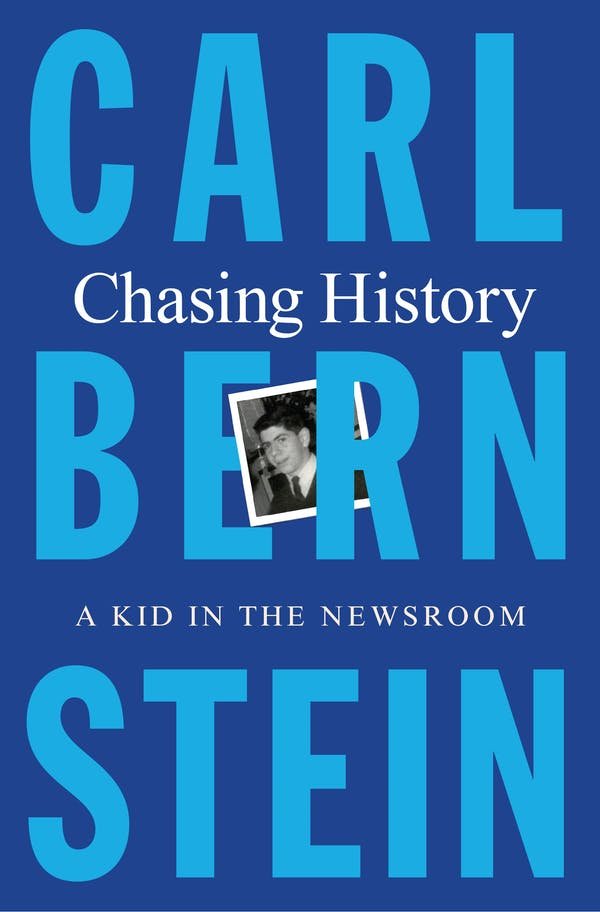
Chasing History: A Kid in the Newsroom
By Carl Bernstein (Henry Holt; January 11, 2022)
According to the publisher, in this book “Carl Bernstein, the Pulitzer Prize-winning coauthor of All the President’s Men and pioneer of investigative journalism, recalls his beginnings as an audacious teenage newspaper reporter in the nation’s capital—a winning tale of scrapes, gumshoeing, and American bedlam.” As a huge fan of the Alan Pakula–directed film and a former magazine editor myself, I am so on board for this account from one of journalism’s most iconic personalities.
Here’s Bernstein on first entering the newsroom of the Washington Evening Star as a high schooler: “The door by which I had entered was at the end of a dim, quiet corridor of the sort you would find in any ordinary place of business. The door through which Rudy Kauffmann now led me opened into another universe. People were shouting. Typewriters clattered and chinged. Beneath my feet, I could feel the rumble of the presses…. In my whole life I had never heard such glorious chaos or seen such purposeful commotion as I now beheld in that newsroom. By the time I had walked from one end to the other, I knew that I wanted to be a newspaperman.” Read an excerpt from Chasing History here.
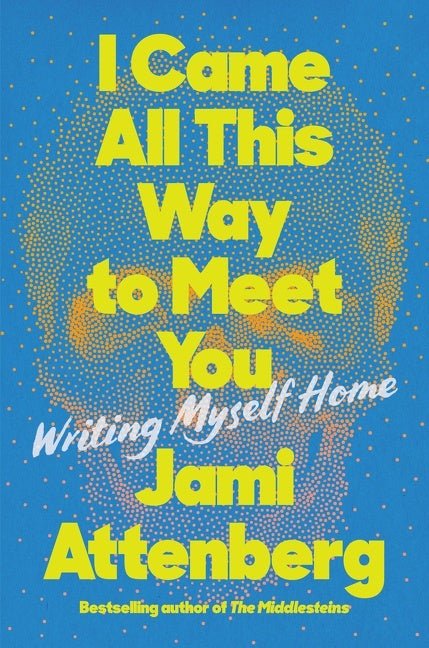
I Came All This Way to Meet You: Writing Myself Home
By Jami Attenberg (Ecco; January 11, 2022)
In her first memoir, acclaimed author “Jami Attenberg—described as a ‘master of modern fiction’ (Entertainment Weekly) and the ‘poet laureate of difficult families’ (Kirkus Reviews)—reveals the defining moments that pushed her to create a life, and voice, she could claim for herself,” shares the publisher. “What does it take to devote oneself to art? What does it mean to own one’s ideas? What does the world look like for a woman moving solo through it?”
In a review for Vogue, Jessie Heyman opines, “Her newest is an episodic collection of Attenberg’s life—her cross-country travels, debilitating injuries, bad plane rides, bad boyfriends—which are all told through her signature intimate and humorous style. But it’s her writing on her own work I found particularly revealing. ‘I became a fiction writer in the first place because stories are a beautiful place to hide,’ she writes.”

Aurelia, Aurélia
By Kathryn Davis (Graywolf; March 1, 2022)
From the publisher: “Kathryn Davis’s hypnotic new book is a meditation on the way imagination shapes life, and how life, as it moves forward, shapes imagination. At its center is the death of her husband, Eric. The book unfolds as a study of their marriage, its deep joys and stinging frustrations; it is also a book about time, the inexorable events that determine beginnings and endings.”
“She writes about being a teenager, trying on identities like clothes, and about being in late middle age, resolutely someone, and yet still wondering, still trying on the other clothes, even while liking her own,” notes a LitHub review.
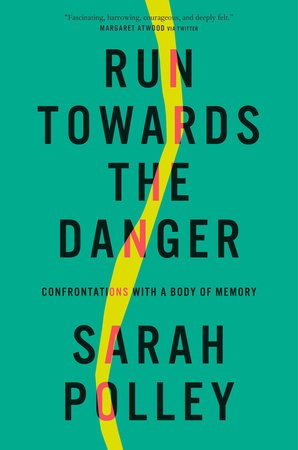
Run Towards the Danger: Confrontations with a Body of Memory
By Sarah Polley (Penguin Press; March 1, 2022)
“These are the most dangerous stories of my life,” Sarah Polley writes in her new memoir. “The ones I have avoided, the ones I haven’t told, the ones that have kept me awake on countless nights. As these stories found echoes in my adult life, and then went another, better way than they did in childhood, they became lighter and easier to carry.”
Polley, an Oscar nominated screenwriter, director, and actor, shares six essays, “each one [capturing] a piece of [her] life as she remembers it, while at the same time examining the fallibility of memory, the mutability of reality in the mind, and the possibility of experiencing the past anew, as the person she is now but was not then,” describes the publisher.
If you haven’t seen Polley’s 2012 film Stories We Tell, it too explores the vagaries of truth and the intersection of the past and present, and I highly recommend it (read my review here), perhaps as a prelude to her memoir.

In Love: A Memoir of Love and Loss
By Amy Bloom (Random House; March 8, 2022)
From one of my all-time favorite writers, Amy Bloom (I still recall discovering her book of stories Come to Me the year after I graduated college and knowing I would buy anything she wrote thereafter), this new memoir explores the period of time she accompanied her husband, Brian, through the final days of his life. After a diagnosis of early-onset Alzheimer’s, the pair begin a heartrending journey of finding a way that Brian can end his life with dignity.
“Most poignant are the intimate moments they share as they make the most of their last days together,” reads the starred review in Publisher’s Weekly. “As [Bloom] writes, ‘I imagine that Brian feels as alone as I do but I can tell he isn’t as afraid.’ The result is a stunning portrayal of how love can reveal itself in life’s most difficult moments.”

Ancestor Trouble: A Reckoning and a Reconciliation
By Maud Newton (Random House; March 29, 2022)
“I never expected to become interested in genealogy,” Maud Newton writes in this 2014 Harper’s cover story that led to her book deal. “When I did, slowly at first and then in great gusts of extreme obsession, I thought I owed the fascination to my mom, a natural storyteller descended from a collection of idiosyncratic Texans. One of her granddads was a strident Dallas socialist; the other killed a man with a hay hook. Her father, Robert Bruce, is said to have been married thirteen times to twelve women.”
According to the publisher, “Maud researched her genealogy…and sought family secrets through her DNA. But immersed in census archives and cousin matches, she yearned for deeper truths…. Searching, moving, and inspiring, Ancestor Trouble is one writer’s attempt to use genealogy—a once-niche hobby that has grown into a multi-billion-dollar industry—to expose the secrets and contradictions of her own ancestors, and to argue for the transformational possibilities that reckoning with our ancestors offers all of us.”

The Unwritten Book: An Investigation
By Samantha Hunt (FSG; April 5, 2022)
More reviews than I can count recommend this book to me. A few, to entice:
“Like a trunk in the attic, The Unwritten Book offers up the most extraordinary, eclectic, and heart-wrenching insights, historical facts, stories, and advice on how to live closer to the dead…. I feel more alive and wiser for having read it,” declares author Cathy Park Hong.
From Rumaan Alam: “The Unwritten Book is a disobedient work—not quite memoir (even as the author interrogates her own life); not quite philosophy (though with much to say on art, faith, ethics, and more); not quite classifiable.”
And from LitHub: ”Fueled by the discovery of her father’s unfinished manuscript, Samantha Hunt is on the hunt (sorry) for clues about all that is left unsaid. Part literary criticism, part memoir, part family history, this new book explores the things that have a hold on us. I, for one, am ready to be haunted by Samantha Hunt once again.”
“Each chapter gathers subjects that haunt: dead people, the forest, the towering library of all those books we’ll never have time to read or write,” notes the publisher. “Through literary criticism, family history, history, and memoir…Hunt explores questions of motherhood, hoarding, legacies of addiction, grief, how we insulate ourselves from the past, how we misinterpret the world.”

Left on Tenth: A Second Chance at Life: A Memoir
By Delia Ephron (Little Brown; April 12, 2022)
Time magazine calls Left on Tenth “a heart-wrenching tale of second chances at life and love” for author and screenwriter Delia Ephron, who chronicles her (often hilarious, always vulnerable) journey of falling in love again after the death of her husband. “But this was not a rom-com: four months later she was diagnosed with AML, a fierce leukemia.”

Bomb Shelter: Love, Time, and Other Explosives: A Memoir in Essays
By Mary Laura Philpott (Atria Books; April 12, 2022)
In this memoir in essays, Philpott sets out to “illuminate what it means to move through life with a soul made of equal parts anxiety and optimism (and while she’s at it, to ponder the mysteries of backyard turtles and the challenges of spatchcocking a turkey),” according to the publisher. “Philpott returns in her distinctive voice to explore our protective instincts, the ways we continue to grow up long after we’re grown, and the limits—both tragic and hilarious—of the human body and mind.”
One Off the Shelf reviewer highlighted this memorable line from Philpott’s book, which makes me even more eager to read it: “I keep trying to make sense of my life by stacking stories upon stories upon stories.” Indeed, don’t we all.
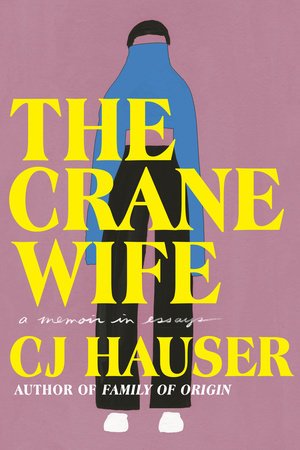
The Crane Wife: A Memoir in Essays
By CJ Hauser (Doubleday; July 12, 2022)
“I think I was afraid that if I called off my wedding I was going to ruin myself. That doing it would disfigure the story of my life in some irredeemable way, CJ Hauser wrote in The Paris Review essay, also called “The Crane Wife.”
“What I understood on the other side of my decision,” she wrote, “on the gulf, was that there was no such thing as ruining yourself. There are ways to be wounded and ways to survive those wounds, but no one can survive denying their own needs.”
From the publisher: In The Crane Wife, CJ Hauser “writes about friends and lovers, blood family and chosen family, and asks what more expansive definitions of love might offer us all. Told with the late-night barstool directness of your wisest, most bighearted friend, [this] is a book for everyone whose life doesn’t look the way they thought it would; for everyone learning to find joy in the not-knowing; for everyone trying, if sometimes failing, to build a new sort of life story, a new sort of family, a new sort of home, to live in.”
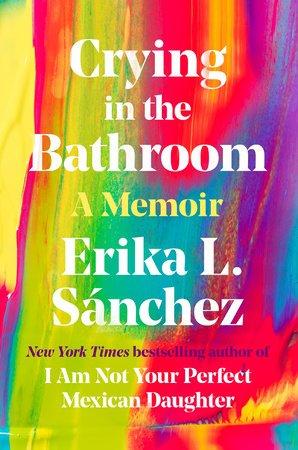
Crying in the Bathroom: A Memoir
By Erika L. Sánchez (Viking; July 12, 2022)
From the New York Times bestselling author of I Am Not Your Perfect Mexican Daughter comes an utterly original memoir-in-essays that promises to be as deeply moving as it is hilarious.
From the publisher’s page: “In these essays, Sánchez writes about everything from sex to white feminism to debilitating depression, revealing an interior life rich with ideas, self-awareness, and perception. Raunchy, insightful, unapologetic, and brutally honest, Crying in the Bathroom is Sánchez at her best—a book that will make you feel that post-confessional high that comes from talking for hours with your best friend.” I’m in.
As yet untitled MEMOIR of Paul Newman
(Knopf; Autumn 2022)
With the hope of debunking the numerous unsolicited biographies about Paul Newman over the years, the actor and philanthropist began recording his life story through oral history interviews with friend Stewart Stern in 1986 (“I should probably at least make some truthful self-examination so the unsolicited biographies wouldn’t be considered as gospel,” he reportedly told Stern).
According to the publisher, the “result is a portrait of the actor in full, from his early days to his years in the Navy, from his start in Hollywood to his rise to stardom, and with an intimate glimpse of his family life.
I met Newman when I volunteered to help set up his first camp, the Hole in the Wall Gang Camp in Ashford, Connecticut, when I was a senior in high school, and was in awe of his selfless nature (and wonderfully mischievous sense of humor), so I especially look forward to hearing stories from his life in his own words.
Diaries & journals

Gathering Blossoms Under Fire: The Journals of Alice Walker, 1965-2000
Edited by Valerie Boyd (Simon & Schuster; April 12, 2022)
From the publisher: “In an unvarnished and singular voice, [Alice Walker] explores an astonishing array of events: marching in Mississippi with other foot soldiers of the Civil Rights Movement, led by Martin Luther King, Jr.; her marriage to a Jewish lawyer, defying laws that barred interracial marriage in the 1960s South; an early miscarriage; writing her first novel; the trials and triumphs of the Women’s Movement; erotic encounters and enduring relationships; the ancestral visits that led her to write The Color Purple; winning the Pulitzer Prize; being admired and maligned, sometimes in equal measure, for her work and her activism; and burying her mother. A powerful blend of Walker’s personal life with political events, this revealing collection offers rare insight into a literary legend.”

The Diaries of Franz Kafka
Translated by Ross Benjamin (Schocken; December 6, 2022)
This new translation of Kafka’s handwritten diaries dating from 1909 to 1923, according to the publisher, contains “accounts of daily events, reflections, observations, literary sketches, drafts of letters, accounts of dreams, as well as finished stories. This volume makes available for the first time in English a comprehensive reconstruction of the diary entries and provides substantial new content, including details, names, literary works, and passages of a sexual nature that were omitted from previous publications. By faithfully reproducing the diaries' distinctive—and often surprisingly unpolished—writing in Kafka's notebooks, translator Ross Benjamin brings to light not only the author's use of the diaries for literary experimentation and private self-expression, but also their value as a work of art in themselves.”
Other memoir & biography titles to look out for in 2022
The Beauty of Dusk: On Vision Lost and Found by Frank Bruni (Avid Reader Press/Simon & Schuster; March 1, 2022)
I Was Better Last Night by Harvey Fierstein (Knopf; March 1, 2022)
Easy Beauty: A Memoir by Chloé Cooper Jones (Avid Reader Press/Simon & Schuster; April 5, 2022)
Happy-Go-Lucky by David Sedaris (Little, Brown and Company; May 31, 2022)
Affiliate disclosure: As an Amazon Associate, we may earn commissions from qualifying purchases from Amazon.com.





Life Story Links: January 18, 2022
Our curated roundup is back, filled to the brim with stories you'll want to bookmark: on memoir (reading and writing), preservation, family history & more.
“A writer—and, I believe, generally all persons—must think that whatever happens to him or her is a resource. All things have been given to us for a purpose, and an artist must feel this more intensely. All that happens to us, including our humiliations, our misfortunes, our embarrassments, all is given to us as raw material, as clay, so that we may shape our art.”
—Jorge Luis Borges
Vintage photo of a young girl in Franklin Township, New Jersey, February 1936, by Carl Mydans for the U.S. Resettlement Administration. Photograph courtesy of Library of Congress Prints and Photographs Division Digital Collection.
First-person stories & memoir recommendations
THE POWER OF RECLAIMING HER NAME
After a wave of racism, her husband challenged her to reclaim her Asian name as a way to be proud of who she is. Marian Chia-Ming Liu re-introduces herself—and shares meaning behind all four parts of her name.
WHAT TO READ THIS YEAR
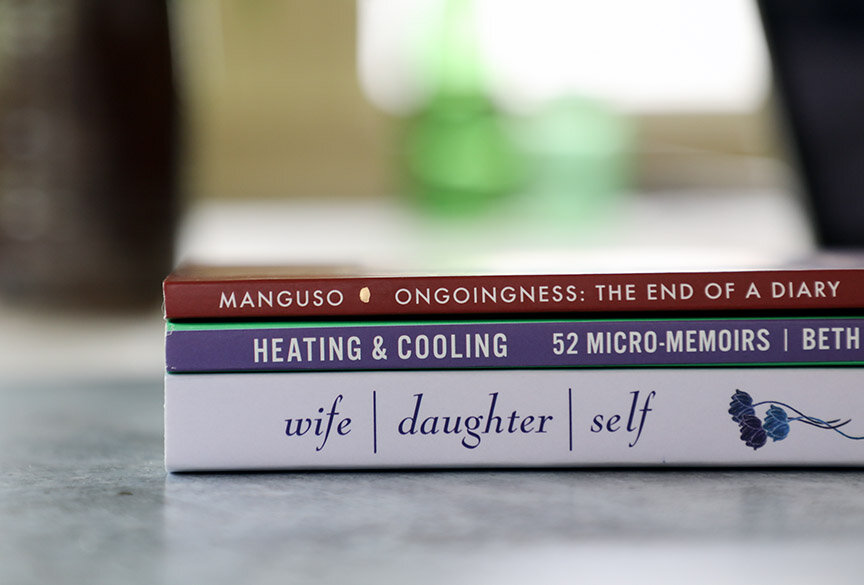
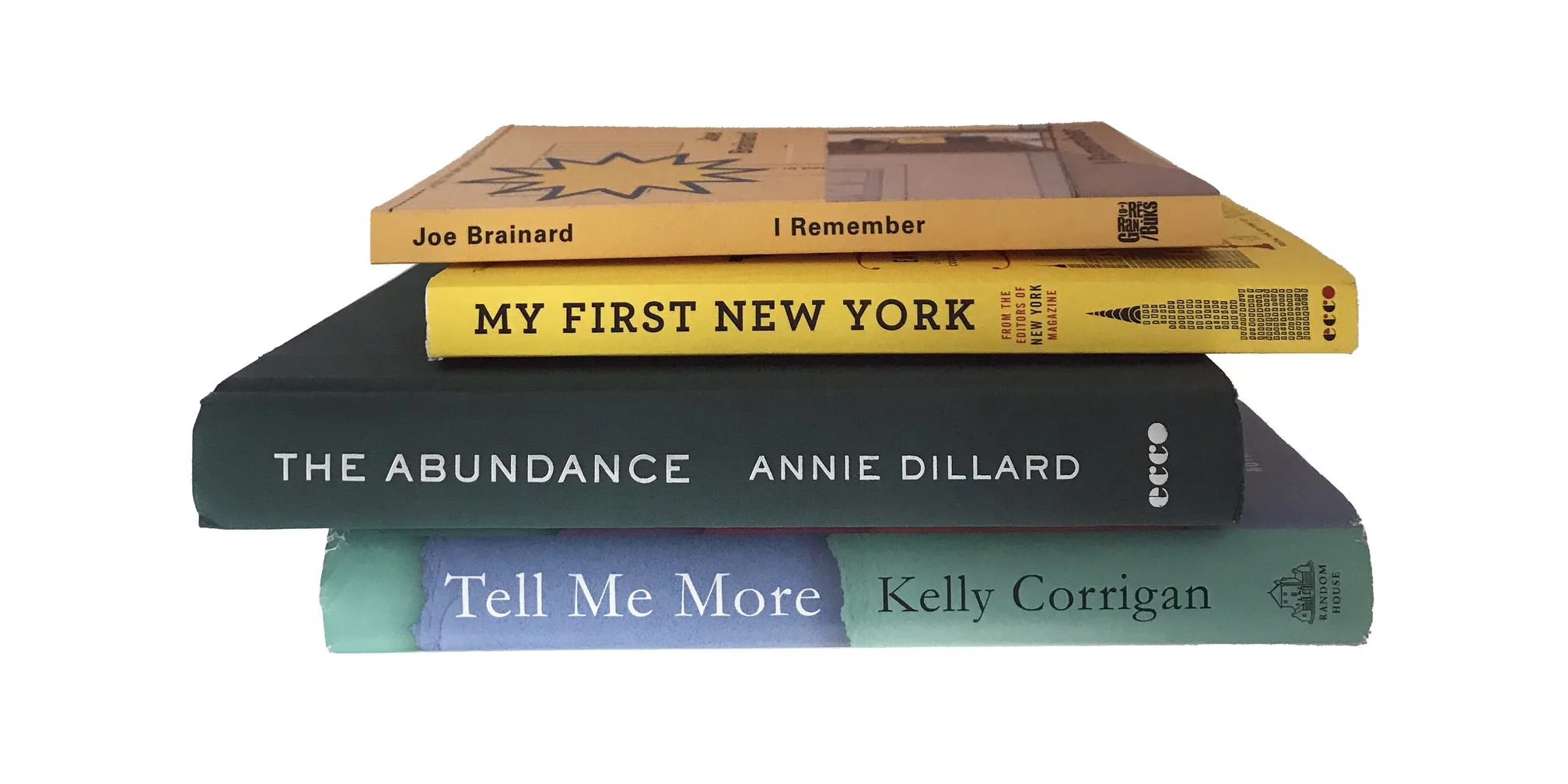
I compiled a list of my most anticipated books of 2022 in the categories of memoir, letters and journals, and the craft of writing. Which ones will make it onto your bookshelf?
ON SURVIVAL
“This memoir, [Mala’s Cat], rescued from obscurity by the efforts of Mala Kacenberg’s five children, should be read and cherished as a new, vital document of a history that must never be allowed to vanish.”
THE TASK OF REMEMBERING
“The premise of much of Clifton’s work is that memory persists even in the absence of words, details, and all of the trappings of what we know as ‘history.’” A thoughtful examination of poet Lucille Clifton’s 1976 memoir, Generations, which has been reissued.
TWO TO CHECK
A Chicago Tribune reviewer names a pair of memoirs about fresh starts—Lost & Found by Kathryn Schulz and I Came All This Way to Meet You by Jami Attenberg—not only as two of the best books of 2022, but as “the product manuals for two authors, and ultimately, tangentially, for yourself.”
One story at a time
PRESERVING A VIVID LEGACY
“Even though there is a trove of letters between this man and his daughter, they demand a lot of research to provide context and explanation,” Washington–based personal historian Nancy Burkhalter describes of the process behind a recent biography.
BRIDGING DIVIDES
“It’s going to take a lot of stories to bring this country together,” 60 Minutes reporter Norah O'Donnell says to Dave Isay, founder of One Small Step, a StoryCorps. offshoot that pairs people from opposing political views for conversations about their lives, not their beliefs.
UNCOVERING STORIES FROM SLAVE SHIPWRECKS
“Through these ships, we could bring lost stories up from the depths and back into collective memory.” National Geographic dives into the untold history of the Transatlantic slave trade with its new podcast, “Into the Depths,” launching January 27.
LIFE LESSONS
“For those who make it to old old age, there remains the challenge: How do you make a full and meaningful life when you can’t do so many of the things you once did? At the end of life, what turns out to really matter, and what is just noise?” NYT reporter John Leland reflects on a series he did following a group of the oldest New Yorkers—over seven years and 21 articles.
Writing about our lives—why, how, when
BRINGING VOICE TO ANCESTOR’S HISTORICAL NARRATIVE
“I loved my time in the archives. The tedium of transcription alternated with a quickening heartbeat that came with a new discovery.” Sally Merriam Wait’s journal “passed through seven matriarchal descendants before it came my way,” says Mary Tribble, who found kinship with her fourth great-grandmother.
3 WAYS TO TELL A PHOTO STORY
Modern memory-keeping doesn’t have to be time-consuming, but it should be meaningful. Here are three simple and elegant ideas for preserving the story behind one favorite photo (with the hope that it will be the first of many!).
PUTTING LIFE ON THE PAGE
BBC Woman’s Hour host Emma Barnett is joined by psychotherapist Julia Samuel and authors Arifa Akbar, Cathy Rentzenbrink, and Ann Patchett to talk about why so many of us want to put our lives on the page: What stops us, what gets in the way, and is it always a good idea? Listen in below:
Finding family history
INVENTORY OF ARTIFACTS
After a lengthy effort, artifacts from collections in Lithuania and New York that document Yiddish culture in Eastern Europe before World War II will be accessible to scholars and others.
CHIMING IN
“I had set about surrounding myself with heirlooms and other objects connected to my heritage to inform and inspire my efforts to guide others in their memoirs and family-history work,” Megan St. Marie writes of the clock she placed in her Massachusetts office.
KEEP THE STORIES, LOSE THE STUFF?
“Watching the moving men removing bookcases and boxes, my life flashed by like a film running in reverse—whole epochs were excavated and carried out.” Wisconsin–based personal historian Sarah White on giving safe passage to belongings as she takes a step toward downsizing.
“THEIR STUFF, OUR STORIES”
“Our hearts aren’t accountants.” Martie McNabb of Show & Tales, Karen Hyatt of EstatePros, and Before I Die New Mexico festival organizer Gail Rubin delve into the stories behind our stuff in this engaging video:
Experts share knowledge
MAKING A PLAN
New York City–based archivist Margot Note talks to host Rick Brewer on the Let’s Reminisce podcast about creating family archives and making sense of all that gathered family information. Listen in:
SELF PORTRAITURE: YOU ON THE PAGE
What does it mean to write memoir, to engage in the personal, and to quest for universal truths and telling details in your life writing? Listen in (and take notes!) as writer and teacher Beth Kephart shares wisdom and writing prompts:
TAMING PHOTO CHAOS
NYC–based photo organizer Marci Brennan speaks to the host of the Anywhereist podcast about the nitty-gritty of getting your family photo archive under control—and there’s a helpful list of resources here, as well. Surprising tip: Many people should delete about 80 percent (!!) of their digital photos to preserve a meaningful legacy.
...and a few more links
Register for free RootsTech 2022, which will be held March 3-5, 2022.
24 writers help publish a book about living in Alexandria during segregation.
How Kenneth Branagh’s family left turmoil in Belfast
Biographer discusses the life of explorer Ernest Shackleton
Massachusetts–based personal historian Megan St. Marie explores her Acadian heritage through two objects she holds dear.
Soldier’s WWII letter to his mother delivered after 76 years
“Succession star Brian Cox spares no one—including himself—in his new memoir.”
Short Takes
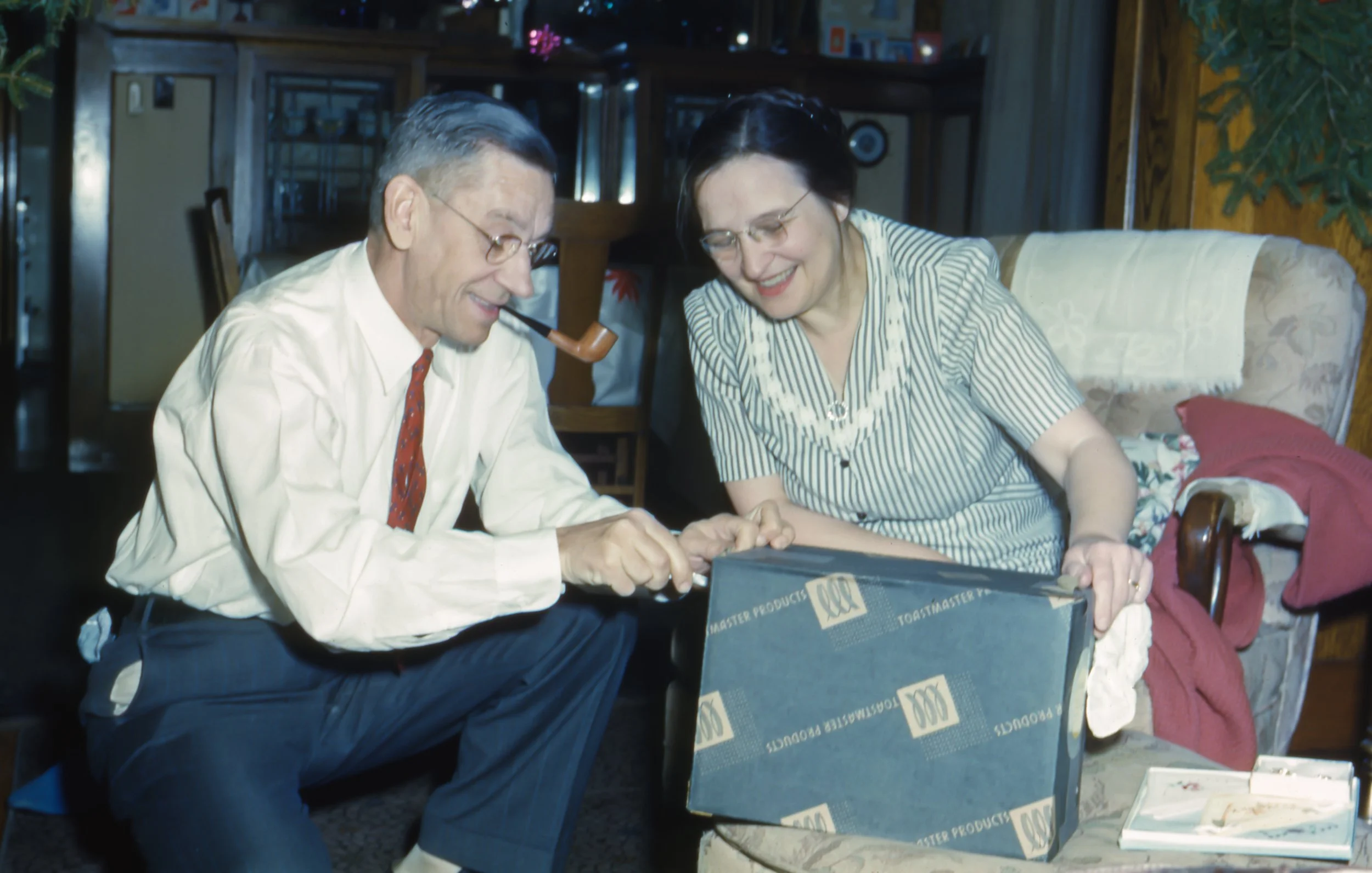


Simple, modern memory-keeping: How to tell the stories behind your family photos
These 3 ideas for telling the stories behind your favorite family photos are easy-peasy—and they’ll get you well on your way to preserving your family legacy.
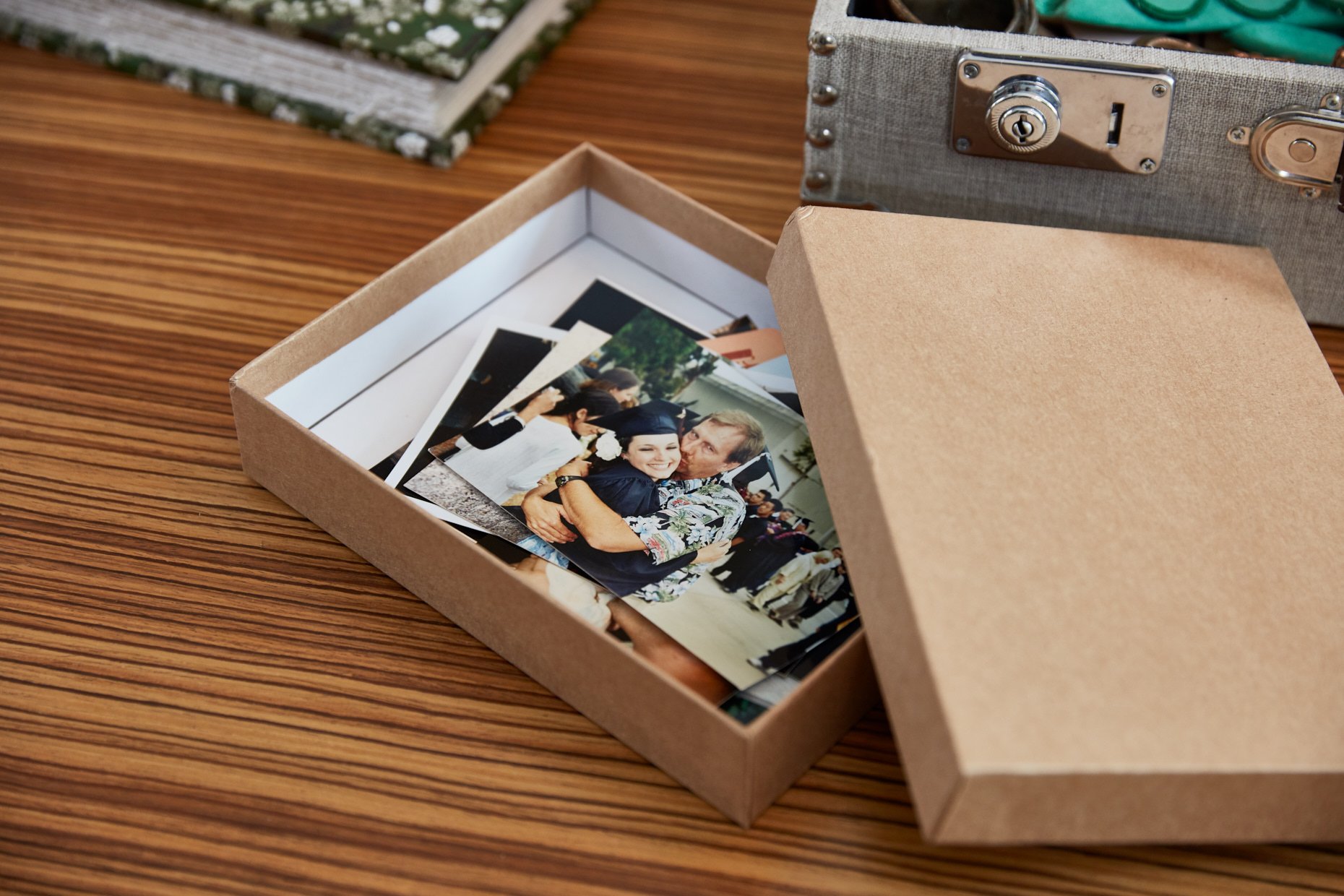
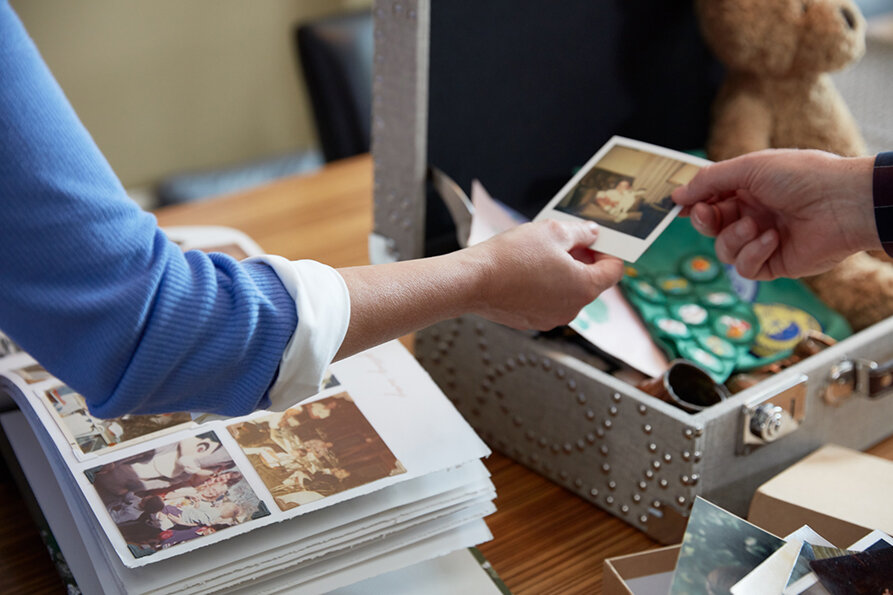
Can a single photo tell a story? The answer is a wholehearted YES. The question becomes: How will you tell it?
Here are three ideas for choosing one single photo and transforming it into a gift that is destined to become a family heirloom.
3 ways to tell a photo story
1 - Frame your photo—with an extended caption.
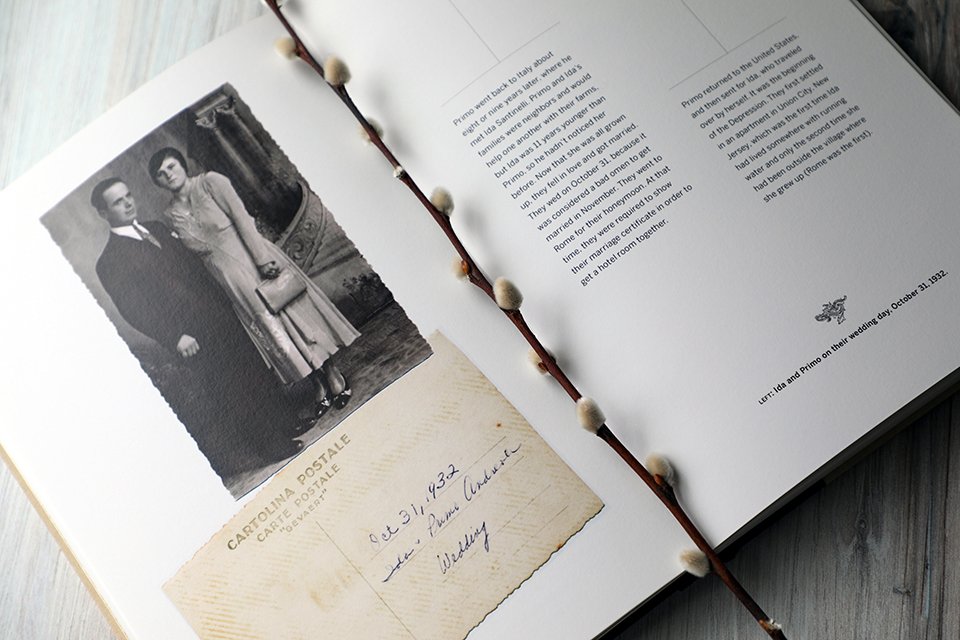
Who’s to say that a photo must be framed on its own? There are myriad ways to incorporate words into your wall art. First, choose a photo that by itself seems to tell a story: It’s clear when or where it was taken, and there are emotions conveyed in people’s expressions. Then, write a brief synopsis of the story behind the picture: 200-300 words is usually sufficient to paint a picture that includes the vital details (who is pictured, the date and specific place if they are known) as well as a little bit about what makes it so special (humor goes a long way!).
Once you have both the photo and your story, it’s time to typeset the text so that it looks worthy of being framed. If you have access to design software such as InDesign (favored by professionals) or Lucidpress (a free alternative), you may consider aligning the text next to or below the image, saving it as a JPEG, then having it printed on photo paper by your local digital printer. If that sounds intimidating, don’t worry: You can create beautiful text right in a Google or Word document, print it on paper, then have it framed in its own mat window within the frame, as shown below.
Here’s a sample caption that tells the story behind the photo above—in fewer than 200 words: “I will always remember Abuela Manuela wearing a brightly patterned house dress, smiling, and smelling like garlic or some other pungent spice that seemed to permeate her pores. Every time we visited her home in Paramus, New Jersey, she had something for dinner simmering on the stove (to this day I often cook her recipe for ropa vieja, but it’s never quite the same!). She used to slip dollar bills or fifty-cent coins into our pockets when we were leaving as kids, but it was her hugs that I longed for—they were tight and comforting, and you could feel the love. This picture of her in her kitchen in 1990 captures her spirit just so: her lipstick always smudged from the countless kisses she bestowed on her grandchildren, her gold jewelry always on, even if she was working in the garden outside, and bathed in the warm glow of her favorite room—a room where we kids were always welcomed, and always spoiled. We miss you, Abuela!”
2 - Mail your photo—on a custom postcard that’s surprisingly easy to make!
It’s a rare occasion indeed when we send someone we love snail mail just because. But when it’s as simple as uploading a special photo from your phone and dictating a personal message, what’s stopping us? Modern technology has made mailing Grandma or Poppy a custom postcard as easy as 1-2-3.
So get to it: Pick a picture of your kids that you know their grandparents would love to see (think big—holding the trophy at the spelling bee; and think small—licking the spoon while baking cupcakes with mom). Upload it to a site such as Postsnap or via an app like TouchNote, and for less than five dollars you can personalize and mail a postcard they’ll treasure.
Remember to tell the story of the photo with words. Incorporate dialogue (especially that adorable kidspeak that they’ll one day grow out of!), describe emotions (yours and your kids’), and of course include vital details (when, where). I am willing to bet that the excited response from your recipient will warrant more of these being made—and sent—in the not-too-distant future! Bonus idea: Mail a duplicate to yourself, too, to save in a scrapbook or keepsake box for your children.

For a few dollars more than the cost of a postage stamp you can create and send a customized postcard to a loved one that will delight and surprise.
3 - Journal about your photo—with the intent of using it for a book later.
The idea of creating a photo book—no less a photo book with stories!—is undoubtedly overwhelming. The key to getting past the overwhelm is to tackle one photo and one story at a time.
I suggest setting aside a journal specifically for your photo stories. Then set a goal that is manageable—say, one photo for every month. At the end of each month, go through all the pictures you have taken to decide upon one that feels right (click here for some tips on choosing the best photos for story sharing). If you are journaling on your computer, copy and paste the photo to the top of your journal page before beginning to type. If you are handwriting your memories, print a copy of the photo to tape into your book.
Then, begin writing. Set the scene: What was happening when this photo was taken: Was it just before your kid’s big soccer final, when anticipation was running high? Or was it the day after Thanksgiving, when everyone was exhausted but content to lounge around the house together? By choosing moments that encompass all aspects of your life—both the milestones and the everyday activities—you’re sure to preserve stories that will resonate with your family for years to come.
You won’t believe a year has passed when you write about that twelfth photograph! (And hey, don’t let me stop you from writing MORE than one photo story every month—the idea is simply to set a reasonable goal!). At this point you may want to create and print a photo book that more permanently preserves your photo stories, or you may simply want to keep going for another year. My suggestion? Do both!

Whether you are journaling digitally or by hand, be sure to include the photo at the beginning of your story—and include the vital details that you might assume are a given, but that truly need to be recorded to ensure they are not forgotten: who, what, when, and where!
Do you have other ideas for preserving the stories behind your family photos? I’d love to hear them (you can share them in the comments below, or hop on Instagram where I am talking with the broader memory-keeping community about this topic a lot!
And, of course, if you’d like help preserving your family stories and photographs, please reach out to set up a free, no-pressure half-hour consultation to see how I might be able to help.













Life Story Links: December 14, 2021
A wealth of reading on the topics of memoir writing, honoring lost loved ones through storytelling, and the best creative nonfiction pieces to read now,
“But here’s the other thing I believe about writing memoir. Even if you never publish your story, it deserves to be told. There is much to be learned from the simple act of figuring out what your story is ABOUT. Which is not the same as WHAT HAPPENED.”
—Joyce Maynard
Vintage photo of postman with his sack of deliveries; the magazine in front is The Literary Digest, dated May 22, 1920. Original photograph from Bain News Service, 1920, courtesy of Library of Congress Prints and Photographs Division Washington, digital collection.
Telling Our Stories
WHO IS YOUR FAMILY?
While documenting our family history is essential, so too is stepping back to ask ourselves a few questions about our family. These two writing prompts may be just the ticket to more thoughtful storytelling and meaning-making.
STORIES HOLD POWER
On this episode of Stories in Our Roots podcast, host Heather Murphy interviews Laura Roselle of the Family Narrative Project about how we can change the meaning of a story by shifting the way we tell it:
IN CONVERSATION
Memoirists Michelle Bowdler and Kenny Fries discuss “how to write honestly and fearlessly about one’s life and the larger meaning of one’s personal experiences.”
BEING OPEN ON THE PAGE
“I’ve taught writing for more than thirty years, and I always explain to my students that writing it down is the opposite of covering it up,” Gina Barreca, Ph.D., writes in this piece suggesting that stories need a heart.
Discovering the Stories of Others
READING LIST
For your future reading pleasure: Bookmark this list of the best 60 essays in the creative nonfiction genre from the past year, as selected by the staff and readers of Entropy.
RICH NONFICTION NARRATIVE WRITING
How creative nonfiction —“this nonfiction form that let you tell stories and incorporate your experiences along with other information and ideas and personal opinions”—became a legitimate genre.
A MEMOIR FOR COVID TIMES
“Happy and sad, upbeat and poignant, optimistic and anxious, all of these stories [in the community memoir Sorrows & Silver Linings: Global Pandemic in a Small Town] paint a picture of what life was like in Carlisle when COVID struck in spring of 2020,” journalist Nancy West writes.
Memories, Legacy, Life
MEANINGFUL GIFT IDEAS
“All of these gifts connect to conversation, memory-keeping, and story-sharing in some way,” says Whitney Myers, the video biographer behind Sacred Stories in Texas. Her list of holiday giving ideas includes stocking stuffers, too.
TALKING ABOUT DECEASED FAMILY
“We got up and started walking along the edge of the lake when Andy stopped and said, ‘Boys, I have something to tell you.’” How one family honors the memory of three who died years before, with love and intention.
“THE LIFE STORY FACTORY”
“As the pandemic brought mortality into sharp relief, ghost-writing collective StoryTerrace experienced an uptick in business, publishing biographies about and for regular people. Here…we discover the extraordinary things you learn when you spend your days detailing ordinary lives.”
QUITE A JOURNEY
A U.S. soldier overseas during World War II lost a bracelet inscribed with his sweetheart's name. With the help of a hobbyist treasure hunter, the U.S. Embassy, the Marines, and, finally, a Czech-speaking woman in Colorado, it was returned to him. Hear the story:
...and a Few More Links
Review of the new book Artful Truths: The Philosophy of Memoir
Landmark photo archive of black life in New York comes to the Met.
A Florida city keeps the memory of Zora Neale Hurston alive with a heritage trail.
LitHub gathers the best reviewed memoirs and biographies of 2021.
Old photo album shows high school life in Michigan before WWII.
Rediscovered film footage offers rare glimpse of everyday life in 1920s Ireland.
Short Takes
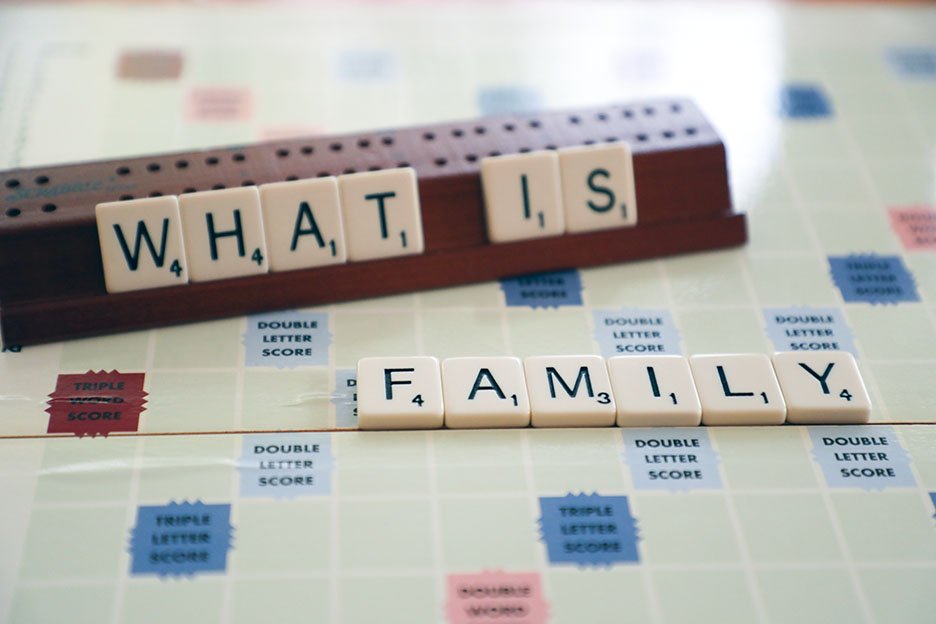
Two unexpected writing prompts about family
These two writing prompts about family—and what it means to you—may be just the ticket to more thoughtful storytelling and personal meaning-making.
“Families are united more by mutual stories—of love and pain and adventure—than by biology. ‘Do you remember when . . .’ bonds people together far more than shared chromosomes . . . a family knows itself to be a family through its shared stories.”
—Daniel Taylor
definition:
family*
1 : a group of people who are related to each other
2 : a group of persons of common ancestry : CLAN
3 : a group of people united by certain convictions or a common affiliation : FELLOWSHIP
There are plenty of official definitions of the word family in the dictionary, many of them self-referential, most of them rooted in cultural norms of another time (“the basic unit in society traditionally consisting of two parents rearing their children,” for instance).
Here's the thing, though: The idea of family—what family means to you, who belongs to your family—is as personal as it gets. And yet…it's not something many of us think about, is it?
We may sit down to do some family history work—clicking on those green hints in Ancestry, sending away for land deeds and marriage certificates—and the assumption is we're discovering our family. Kin. But is that the extent of it?
More and more these days genealogy efforts may yield surprising results, especially since DNA entered the picture: a father who isn't biologically a father; a daughter who was raised as an only child only to learn she was the product of a sperm donation…and that she has 18 half-siblings by blood. How might these individuals rethink who their family is (and isn't)?
Moreover, the idea of family has evolved over time, and for some, their “chosen family” may play a more significant role in their life than blood relatives do. What is a “chosen family”? According to the SAGE Encyclopedia of Marriage, Family, and Couples Counseling, “Chosen families are nonbiological kinship bonds, whether legally recognized or not, deliberately chosen for the purpose of mutual support and love.” I have plenty of friends whose chosen family is their world.
You needn’t have made a shocking discovery through DNA or chosen a group of friends as your primary family, however, to have something important to say on the matter of what family means to you. Even in the most traditional of families, some relationships hold more weight than others. And what we derive from family—support, inspiration, pressure, trauma, love, fun, stability—can run the gamut, and have a profound impact on our notion of self.
So while documenting our family history is essential, so too is stepping back to ask ourselves a few questions about our family—in fact, it may be just the ticket to more thoughtful storytelling and meaning-making. Are you ready?
Writing prompts to yield deeper family history stories
Consider both of these questions, grab a journal or your laptop, and start writing.
What does the word ‘family’ mean to you?
Who is your family?
You're not writing for publication here. Rather, you're ruminating. Finding meaning through your writing.
And remember: Your responses to these prompts could be wildly different today than tomorrow, and that's okay.
How you answer these questions is revealing. Your own definition of “family” is foundational to how you discuss your personal history. How you regard past experiences may shift once you become more aware of your vision of your family (and where you fit into it).
What will you do with the writing that results from these prompts? A couple of ideas:
Think about your answers and integrate them into your own life narrative. You are the narrator of your own story, and writing about themes such as what family means to you is a path to self-discovery. As Sara Aird has written about storytelling and identity: “The final stage of writing yourself into existence will be accepting who it is you are finding, believing that who you are creating is real and true and worthy.”
Use your initial writing as fodder for more refined life writing. Was there a surprising nugget in there? Or perhaps you gained clarity on an overarching theme in your life story? Writing about your own life necessarily covers family ground; hopefully thinking deeply about questions of who and what family means to you will allow you to delve even deeper into your own personal stories.
* definitions from Merriam-Webster Dictionary



Explore more blog posts in these categories:

Life Story Links: November 30, 2021
This week's memory-keeping roundup includes audio recommendations, compelling personal essays, new memoirs, plus personal history news and trends.
“Lots of my food has a story to go along with it, and lots of my stories have some food to go along with them, too.”
—Ellen Stimson
Midnight supper at Nan Hannegan's twentieth birthday party, May 1943, Niagara Falls, New York; her mother took in girl war workers as boarders. Photograph by Marjory Collins, courtesy Library of Congress Digital Collection.
Listen Up
TALES OF LIFE AND MUSIC
Two musicians (and writers), Dave Grohl and Aimee Mann, shared stories from their lives in conversations held as part of the recent New Yorker Festival. Listen to the audio here.
DOCUMENT YOUR FAMILY HISTORY
This episode of NPR’s podcast Life Kit offers truly great (actionable!) tips for recording the “precious sounds of our biological or chosen families that we capture to help us understand who they are and to give us insights into who we are, too.” Click below to listen:
Recent First Person Reads of Note
KEEPING UP APPEARANCES
“My parents were good-looking, sexy, book-loving. They shone on each other, basking in the shared light, with their five kids just outside the glow.” Sarah Paley on the reliability of a mother’s love.
NAME AS DESTINY
“I feel the weight of my name over my head like a hood—warm and comfortable but a little disorienting. I am constrained by the grief and by the love it represents. Ten letters so specific, I am unsure how to wear them.” Sara Horowitz introduces herself.
Memory-Keeping Miscellany
UNIQUE HOLIDAY GIFT IDEAS
Last week I shared three specific ideas for meaningful gifts that put memories front and center, including helpful DIY tips for those so inclined, plus how to work with a pro to get them done.
DRAWING ROOMS
“I like to look at buildings as kind of like characters in our lives. We have commitments to buildings. We see buildings and we feel things and we feel connected to them.” How one artist keeps the memories of places alive.
Up Next: New Memoirs
READING LIST
“This year’s best nonfiction illuminated complicated subjects, deepened our understanding of history, and pulled back the curtain on fascinating lives.” This list from The Washington Post includes some of 2021’s best memoirs.
MEL BROOKS WRITES HIS MEMOIRS
“Why don’t you write your life story?” Mel Brooks’s son said to him during the pandemic. “Just tell the stories in the book that you told me when I was growing up, and you’ll have a big, fat book.” Indeed, the 95-year-old actor has lived a memoir-worthy life.
Proof Positive
WHO IS THE CAREGIVER OF YOUR FAMILY NARRATIVE?
According to research, the most helpful history for young people is “the oscillating family narrative”—a story of ups and downs, successes and setbacks, that helps children know that they belong to something bigger than themselves.
“THE RISE OF BESPOKE MEMOIRS”
“Since the start of lockdown the demand for bespoke memoirs has skyrocketed,” reports The Times of London. What’s behind the boom, and what’s your story worth, wonders the reporter.
...and a Few More Links
Their Holocaust testimonies shared details that helped reunite them decades later.
Mali Bain shares three books that may—or may not—help you get unstuck when writing your memoir.
Shelley Blanton-Stroud on the different ways we mythologize the past
The life and legacy of Stephen Sondheim
Who owns a recipe? An interesting read for anyone considering undertaking a heritage cookbook.
Short Takes

3 Best holiday gift ideas that honor family memories
Give your loved ones a gift they will cherish for years to come—one that puts memories front and center. Here are 3 (doable!) ideas to inspire happy tears.
One-of-a-kind gifts that preserve memories are the best kind of holiday presents!
Are you tired of gifting things that no one in your family really needs? Having trouble finding meaningful ideas for holiday giving? Here are three amazing Christmas or Hanukkah gift ideas, including tips and resources for going the DIY route as well as ideas for getting a pro to handle it all, start to finish. Happy memory-making!
1 - Create a family recipe book.

Not just any recipe book, but one filled with the ingredients and how-tos for your favorite dishes AND the stories and memories associated with them.
Be sure to include:
the foods’ origins (Who made it first? Who might have changed it over the years? Does it derive from a specific region or culture?
notes about any special ingredients (and by this I mean how to source unusual spices, perhaps, but also when using a certain brand—like U-Bet syrup or Eagle condensed milk—is crucial to a dish’s success)
photos of handwritten recipe cards (those grease stains and crossed-out notations add incredible texture to your book!)
even simple foods if they hold special meaning to your family (Mom’s quick cinnamon toast, say, or Poppy’s three-ingredient holiday egg cream)
DIY family recipe book help
If you’re ready to dive in, these tips for getting the family involved in preserving your food heritage may help get you started.
And if you’re not quite ready but love the idea, these recipe cards have space for recording memories alongside your recipes, and they’re a great precursor to creating a family cookbook (they make a unique and thoughtful host gift, too). Use coupon code HOLIDAY2021 for 25% off at checkout, through the end of this year.
Consider a professionally created heirloom recipe book.
If you love the idea of honoring your family’s food heritage but don’t have the time or inclination to undertake such a project yourself, I’m here for you. Let’s set up a free call to discuss your project.
2 - Get those photos off your phone and into a book.

If your photos are sitting on your phone or computer, then you have a bunch of digital files, not a collection of memories. Get them in print for a gift guaranteed to make them (and you!) feel all warm and fuzzy inside.
The hardest part? Believe it or not, it’s not designing your book or finding a printer, it’s curating your photos. Huh? By curating I mean deciding which photos to put into your memory book and which to leave on the cutting-room floor.
Choose photos for your book that:
show you and your family members as you really are—don’t just choose well-lit posed shots and flattering selfies; rather, pick pictures that convey your personalities and exude real emotion
hold some special meaning, even if it’s elusive to outsiders
mark moments beyond the milestones—so, alongside those birthday and anniversary photos, include images from around the dinner table, or sitting under blankets for family movie nights (I guarantee these everyday scenes will grow exponentially in meaning over time!)
DIY photo book help
If you’re ready to get started, I challenge you to add some long captions describing your memories so your family photo book is wonderfully elevated to true memory-book.
Check this page out if you’d like some help with photo book themes.
Hand your photo book over to a pro
Need help with any part of this process? I can help you curate your photos, capture your memories, and design and print your photo book. Set up a consultation or consider buying a gift certificate for future services.
3 - Give them the gift of a generous listener (and time to share their stories!).

Asking someone to share their memories—and then giving them your undivided attention and heartfelt curiosity—is a gift we give not nearly enough. It’s why literally every single one of my personal history clients thanks me profusely for listening to them. For asking follow-up questions and never judging their experiences. For opening my heart and inviting their stories.
And you know what? This gift is free for you to give your loved ones. All it costs is time and a little bit of effort (I’ve even created a free gift certificate printable you can download and present to your loved one!)..
Fair warning: Your mom, granddad, or whomever you plan to bless with this gift, may very well have a look of confusion when they hear what you’re gifting them. Don’t let that deter you—instead, reiterate to them just how much you love them and value their stories, and how spending time together in such a way is as much a gift to you as it is to them. (It really is!!)
A few ideas for giving the gift of listening:
Be an active listener. Give your family member non-verbal cues as they are telling their stories—nod, show emotion on your face. These cues help them know, deep down, that they are being heard, and will urge them to keep sharing
Ask follow-up questions. Your curiosity is a wonderful driver of their stories. And by asking relevant, perceptive, timely questions, you will be helping them construct their story.
That said, be quiet sometimes. There are always times when silence—even an extended, potentially awkward silence—is called for. If you are truly listening and reading their cues, you may feel when this is the case: Do they have a faraway look in their eyes, like they are still inhabiting the world of their story? Give them a few beats to stay there. Have they dropped some profound or surprising insight on you? Just wait. Your patience is a gift, an opening for them to dig deeper and offer up even more out loud.
Don’t judge. Period. Approach this conversation with an open heart and an abundance of empathy.
DIY resources for interviewing your loved one
Will you be the one conducting the interview (or, if that sounds too “official,” leading the conversation)? This free printable guide has a great array of questions to help jog your loved one’s memory and get the stories flowing.
Will your child be asking the questions? This Kid Kit contains everything a child will need to spend quality story sharing time with their grandparents, from questions to historical tidbits to bonus family history activities.
Okay, the fundamental value in this activity is spending quality time together and learning more about your family elder—that’s really and truly it. However, don’t forget that it’s also a prime opportunity for recording their stories. So if you’d like to capture them for posterity (and I suggest you do!), check out this guide from the Smithsonian with specific tips on setting up a voice or video recorder and preserving your questions and answers.
Get some expert help to preserve their stories
Once you have had your story sharing session, you may want to consider having them professionally edited and designed into an heirloom memory book. If so, please reach out to see how I could help you bring your dream book to life.







More essential reads about Christmas memories:


Life Story Links: November 16, 2021
This week's roundup includes a wealth of stories about memoir (both writing and reading), some fun reads about food memories and recipe preservation, and more.
“Stories in families are colossally important. Every family has stories: some funny, some proud, some embarrassing, some shameful. Knowing them is proof of belonging to the family.”
—Salman Rushdie
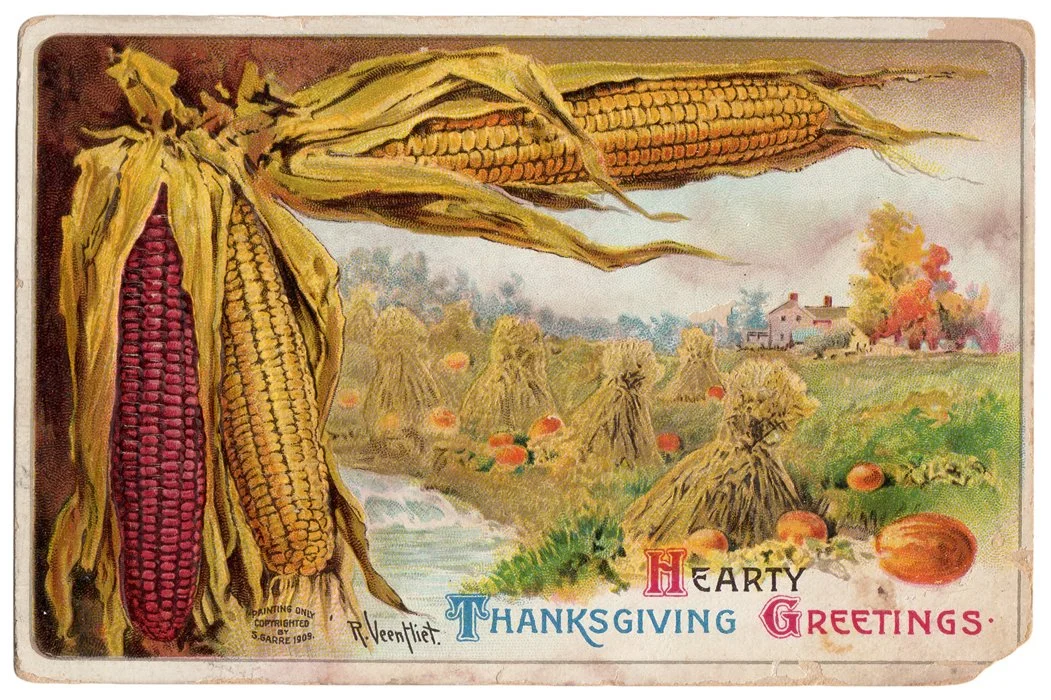
Autumn vibes on a vintage Thanksgiving postcard
Personal Stories on the Page
AN EIGHT-DECADES JOURNAL
“This page, these pages, these volumes are a labyrinth I cannot find my way out of. I have wasted a life in writing them. They are without value. And yet they’ve helped keep me sane,” Claude Fredericks wrote in what The New Yorker calls “the most ambitious diary in history.”
PARALLEL STORIES DIVERGE
One of my favorite memoir writing teachers, Joyce Maynard, remembers her mother and reflects on the once severed, ever-evolving relationship with her sister—the “only other person on Earth to know what it was to have Fredelle Bruser Maynard for her mother.”
THE POWER OF THE EPIGRAPH
“The story of writing my memoir is the story of what the body knows before the conscious mind follows,” Jan Beatty writes in this piece on how two dictionaries helped her define the terms of her adoption memoir.
ESSENTIAL READS FOR WRITERS
The first step in writing your life story book, the most daunting by far, says British Columbia–based personal historian Mali Bain, is creating your “messy first draft.” Here she suggests two books to help guide you through that process.
GAL ABOUT TOWN
“The early chapters [of Patricia Highsmith: Her Diaries and Notebooks, 1941-1995] are special. They comprise one of the most observant and ecstatic accounts I’ve read…about being young and alive in New York City.”
So They Say
CHALLENGING CONVERSATIONS
After years on the road giving presentations and engaging in deep conversations, performer Michael Fosberg—who recommends using personal stories to foster connection—has created seven tools to help foster authentic dialogue surrounding difficult issues of race and identity.
PASSING ON AN HEIRLOOM
“I am keenly aware that younger generations don’t always like the things their elders leave to them,” Hazel Thornton wrote in a letter to her niece. You may be surprised by how her mom’s good silverware was received by that niece.
HEAR HERE
“These stories will continue to evolve as we grow from overviews to deeper and more personal stories, more contextual stories, that move us. As we always say, it’s about the right story at the right time.” Kevin Costner on why he invested in an audio storytelling app.
PRICELESS AUDIO
“I’d really like to just give him a big fat kiss,” says the voice coming through the reel-to-reel tape. That voice belongs to the father of Rep. Dean Phillips—the father he never met because he died in the Vietnam War when Phillips was only six months old. Listen in as the lawmaker describes “one of the great blessings of my life”:
A Feast of Memories
DISHING UP STORIES
“As a fellow who has worked with senior citizens for decades, [Mike] Wallace said he grew to understand just how important it is that family histories be preserved, and he decided to start with his own parents.” Now he offers up 20 questions to use during your own holiday gathering.
FAMILY POTLUCK
Take advantage of your next holiday get-together to start preserving your food heritage with these tips for gathering family, recipes, and memories.
MEMORABLE MEALS
“How do we go about creating spaces for deep human connection around our family table? How do we serve up memories to last a lifetime at our next holiday gathering?” Texas-based video biographer Whitney Myers on honoring the people behind our most memorable get-togethers.
A FIVE-GENERATION TRADITION
“It’s amazing how if you don’t ask your grandparents...what they lived through you don’t hear all these stories.” Becca Gallick-Mitchell shares the story of her great-grandmother’s turkey kreplach and how her grandmother made them—at age seven—the night her mother went into labor.
...and a Few More Links
Sharing personal stories about his wife, journalist Cokie Roberts, was therapeutic during his time of grieving.
Shoah Foundation’s virtual archive was purchased by CSUN Library to preserve history.
“Why depth interviewing is essential to understanding individuals”
Julie McDonald Zander offers a series of questions to help you pay tribute to your parents.
New book tells the story of the invention of Betty Crocker, tracing the personal history of a fictional character many thought was real.
Florida–based personal historian Zoe Morrison gets the story behind one couple’s cuckoo clock collection.
Alan Cumming discusses his new memoir, Baggage.
Short Takes