
Memories Matter
Featured blog Posts

READ THE LATEST POSTS

Skip a generation: Share your memories with your grandkids
Story-sharing is a great tech-free connector: How a few phone conversations can help grandparents connect with their grandchildren—and plain-old feel good.
Spending time with your grandchildren—whether cooking together, learning about their favorite things, or telling stories—is not only joyful, but good for your (and their!) mental health.
Early on in the pandemic, when sheltering in place began to seem like it might be our new normal for a while, I was frantic to find things (other than video games) to keep my then 11-year-old son engaged. He was eager to help me with any work tasks, and when the organizational stuff was done, we decided to take on a bigger creative project.
Together we created what would soon become the most popular free offering on my website: an e-book with family history questions designed specifically for school-aged kids to ask their grandparents. We had fun with it, and I felt proud to be offering something of substance that might help bridge generations—and keep folks connected.
Then something magical happened: I began to hear from families who wanted to say “thank you.” And all of their gratitude was tinged with surprise:
“I never could have imagined that I could have such a wonderful conversation with my grandson,” Lila Montgomery of Mountain Brook, Alabama, wrote to me.
“My own daughter never cared to hear my stories, but her daughter couldn’t get enough!” Los Angeleno Charles Naught emailed. “We laughed about my childhood exploits, and I even cried telling her a little about my time in Korea.”
I wrote back to many of these individuals, and was thrilled to learn that what they figured would be a one-time conversation (like a school assignment) often turned into regular chats. All it took was opening those lines of communication across the generations.
A case for being proactive
I have since thought: Why should we rely on our children and grandchildren to prompt these exchanges? Instead, let’s flip the script and reach out. You might not think calling your grandkids on the phone could invoke more than clipped answers—“school was okay,” “I have a flag football game later…”—but I guarantee using video and a few of the ideas below will rouse spirited—and meaningful—conversation.
And you know what? This young-old connection is good for our mental health, too.
“When a grandparent and grandchild are together—in person, on Zoom, or over the phone—they often feel a joyful and unique connection of unconditional love,” Sharon Rose, M.S., a social gerontologist in Florida says. “This intergenerational social engagement can be described as special, even when it’s a brief exchange of simple pleasures.”
“These loving ‘grand-relationships,’ as I like to call them, help build meaningful memories for one another and an appreciation of family heritage—a feeling that this time together really counts for both parties. The feelings of contentment and connection that result contribute directly to increased mental health for both generations, which becomes a foundation for a healthier approach to life.”
3 fun ways to connect meaningfully with your grandchildren
Try a little role reversal.
Ask your grandchild to teach you something! Intentionally inviting them to share their expertise gives them a boost of confidence—and gives you a fun opportunity to broaden your horizons. Anything to do with technology will likely get them excited. A few ideas: How to make a playlist of favorite songs; how to make a TikTok video; how to edit a video on your smart phone; how to play Pokémon, draw Darth Vader, or kick a soccer ball…you get the idea.
Cook up some treats (together).
Does your grandchild have a favorite dish that you prepare? Even if you can’t prep it in the same kitchen, use technology to show them how to make it: Film yourself with your smart phone and—using your newfound video editing skills—cut together an episode of your own cooking show. Or send them a list of ingredients to gather, then prop up your respective tablets on the counter and get cooking over Zoom! Who knows, maybe this will become a new monthly tradition.
Pull out some pictures.
No matter how old your grandchildren are, their idea of a photo is on a screen. Pull out a few old family photos of the print variety that will spark stories (and likely some smirks)—think funky clothes, crazy hairdos, even a cool car. Maybe you want to invite the kids on a photo scavenger hunt—you each find pictures of yourselves at one year old, for instance, or in a Halloween costume. Share them during a video chat or, if your grandchild is older, begin an email exchange where you send photos and stories back and forth regularly.
More than just good old fun
Having a new audience for your tried-and-true family tales will undoubtedly be fun, and seeing your grandkids “see” you in new ways is, well, kind of cool. But there’s more going on here than mere storytelling; there’s self-reflection that can be both healing and revelatory.
“There is power in telling stories, of course,” Bruce Feiler writes in Life Is in the Transitions. “There is power in hearing them. But there is greater power in the interaction between the two.”
Indeed, having an engaged listener helps anyone craft their stories more thoughtfully—and responding to a listener’s questions can help us uncover aspects of our own story we hadn’t considered before. If you're anything like most people, your own kids have never seemed all that interested in life before your were their parent (am I right?). Which makes it all the more thrilling when their offspring ask questions that show they’re really interested—and that help you revisit the past with intention.
As you gather photos from boxes and frames, for example, you’re allowing yourself to reminisce about your life, to follow your winding path and reflect on how you ended up here, now. Sure, chances are you won’t reveal all you’re thinking about to your grandchild, but I bet you’ll weave in a lesson or two—and I bet you’ll continue thinking about your experiences, and shaping them into a cohesive narrative for yourself. And as research shows, that's good for mental health and, believe it or not, for bolstering our immune systems, too.
Even better? Your grandkids benefit from hearing your stories, too. According to research, kids who know parts of their family history are more resilient—they handle stress better (could there be a better skill during this time we're living through?), they're more confident, and they are generally “happier.”
Why not invite the grandkids along for some story sharing? I think you'll both like (and be better for) it.


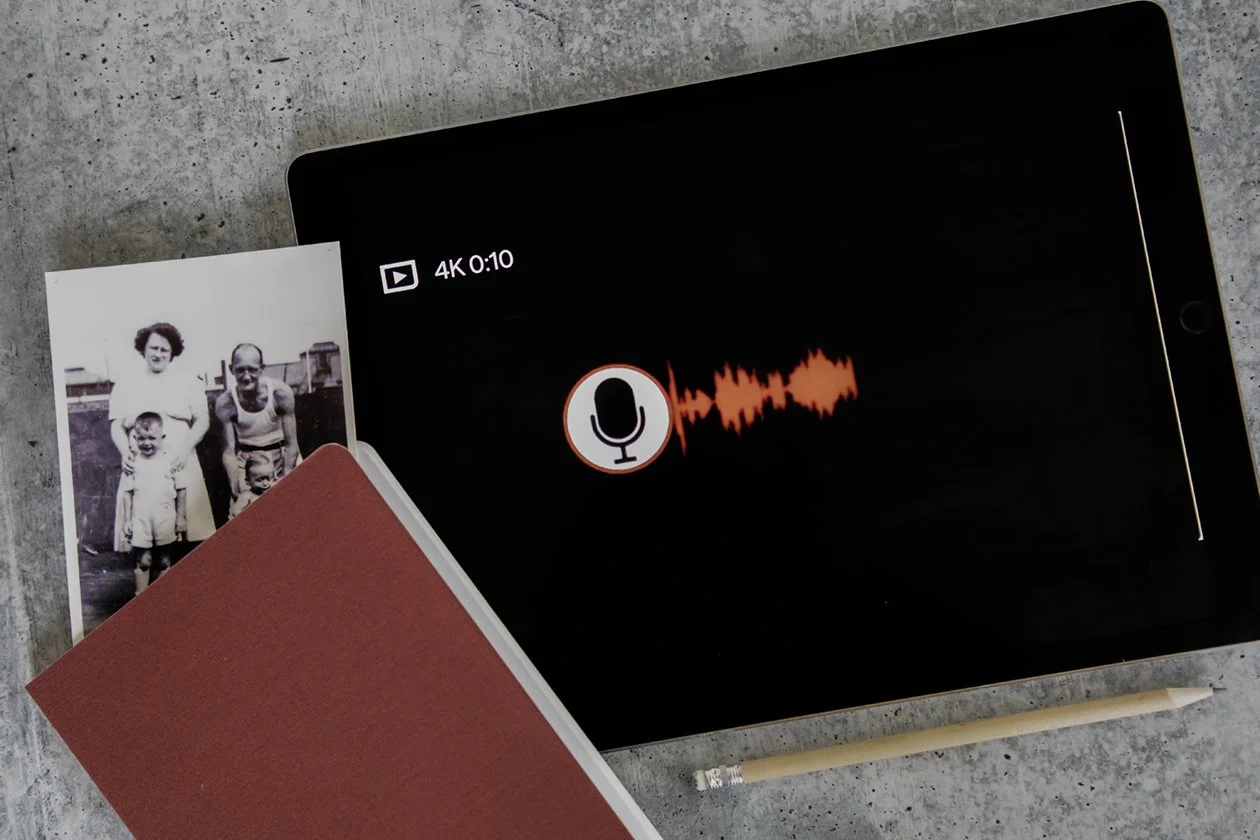













Americans regret not recording stories of their loved ones—don’t be one of them.
Recording loved ones' stories is important to most Americans, and yet not even half of us have done so. Here, resources to make memory-keeping easier.
A recent poll of more than 6,000 Americans showed that only one in three Americans has recorded or documented a conversation with a loved one in order to preserve their memory of them.
Nearly half of those polled say they regret not doing so with someone who has died.
These stats sadden me, a devoted storyteller whose mission is to help as many people as possible preserve their own memories—and those of loved ones—for the next generations. While it saddens me, though, it doesn’t surprise me.
Why am I not surprised?
Why am I not surprised that so few people have taken the initiative to record stories from their loved ones? Well, first of all, it’s easy (so easy!) to take for granted that those we love will always be there. We don’t want to think about a time when they won’t—and preserving their stories for the future seems to somehow bring that notion to the fore.
Moreover, for many people recording stories seems like a daunting task: Won’t it take too long? What questions would I ask? How would I record the conversations? What would I do with them afterwards?
For some, telling their own stories seems vain (it’s not). Still others think they have no stories to tell—or that no one would care to hear them (again, not likely; I haven’t met a person yet who didn’t have some amazing stories inside them—and everyone underestimates how their stories will be received by loved ones).
So, no, I am not surprised that 59 percent of Americans have not recorded conversations with a loved one. But I do see change on the horizon.
Rays of hope
“Maybe it’s the younger generation’s familiarity with technology...that makes this task more approachable—obvious, even.”
I see a glimmer of hope amidst these poll results, too: Younger respondents were by far the most likely to have said “yes, I have recorded a conversation of a loved one in order to preserve my memory of them.” While only about a quarter of folks aged 45-65 have recorded a loved one’s stories, 44 percent of those 18-to-29 have, and 42 percent of those 30-44. Not quite double the older participants, but almost!
Maybe it’s the younger generation’s familiarity with technology and their engrained habit of recording so many things in their daily lives, that makes this task more approachable—obvious, even.
Or perhaps it’s millennials’ well-documented love of nostalgia.
Whatever the reason, the trend is on the upswing: More younger members in American families are recording conversations with loved ones!
Resources for recording your own family stories
Are your ready to hop on the memory-keeping bandwagon and record a conversation with a loved one? Let’s work together to bring these numbers up—to make story preservation an everyday thing that, dare we day, a majority of Americans not only strive to do, but really DO!
A wonderful thing that will happen along the way if we indeed begin to record our personal histories? We’ll all have fewer regrets.
In order to help with your DIY story gathering, here are some time-tested resources that I offer to you for free—please don’t download them unless you plan to put them to use 😉
FREE E-BOOK DOWNLOADS
HELPFUL ARTICLES FOR RECORDING YOUR LOVED ONE’S STORIES













Double the fun: Interviewing Grandma & Grandpa together
Sitting both of your grandparents down together for a family storytelling session can be fun—but it’ll yield the best results if you follow these simple tips.
Conducting family history interviews with a couple such as your grandparents or parents can be a fun endeavor if you ask the right questions.
I am always thrilled when I hear you have a plan not just to interview one family elder, but to gather stories from multiple relatives. One of the most common goals is to interview a couple—perhaps it’s your parents, or one set or the other of your grandparents. If that’s on the agenda, you may be wondering: Can I interview them together?
Short answer: Yes, you can interview two people together.
Here, though, is a longer answer with tips for when this dual interview approach works best, and when it’s better to stick to conversing with one person at a time.
When dual interviews are okay
It’s absolutely okay—fun, even—to conduct joint interview sessions, especially with couples who have been together for a long time. If you plan to interview your grandparents on both sides of your family, for instance, invite your maternal grandmother and grandfather to sit down together for the first interview session. This will take advantage of their storytelling dynamic to get them excited about sharing.
If you are concerned that your family members may talk over one another, let them—at least for a bit. Their banter is likely the product of years together, and capturing it on film (if you are recording video) or in audio (if are using a voice recorder) is an accurate representation of how they interact. Imagine years from now listening in and thinking, “Oh, that’s so him!!” If you can’t follow the progress of their storytelling because they are interrupting or speaking at the same time, gently prod one or the other to take the lead, then ask a follow-up of their partner after.
A couple’s shared history can be explored in a joint interview: Ask questions that apply to their time together (their marriage, children, and holidays, for example), but save questions about their individual histories for their solo interviews.
Once that first interview session is transcribed, highlight sections that resonate but that you’d like to hear more about, and develop your questions for the next individual interviews from this transcript—it will help guide you on what to ask.
When joint interviews aren’t the best option
I would not recommend conducting all of your interviews in this fashion, with more than one subject at once, as it often prohibits one person from diving deep into their stories.
Maybe dad gets quieter when mom is around; it could be deference, or simply habit. He may think she is a better storyteller than he is, so he lets her take the lead. I guarantee you he has something substantive—or funny, or clarifying—to add, though, and he may just be more likely to do so in a one-on-one setting.
Other times dual interviews are not ideal:
If the couple’s relationship is strained or difficult.
If one person is hearing impaired.
If you are wanting to explore more about their personal histories rather than their shared family history.
When interviews must be conducted remotely.
If you’re only planning on conducting one interview (you’ll get better—deeper, thoughtful—answers during a one-on-one interview).
Preparing for your family history interviews
Whether you choose to begin with a joint interview session or not, you’ll want to be prepared with the right questions and optimal equipment. Here are a few resources that should help:
interview questions
Use this set of family history interview questions as a basis for forming your own list.
Pick an opening question that will set the right tone for your interview.
Interview setup


THE KID KIT: Everything you need to interview your grandparents
This 20-page FREE e-book is designed for kids 8 and over (and we mean way over!). Get ready to start connecting…
Today: “I don’t care.” Tomorrow: “That was life-changing.”
Family stories have enduring value. Some you share now may not be relevant enough for your kids to care. But one day they will see themselves in your stories.
Your granddaughter is too young to really listen to or understand some of your stories right now—but one day she may need to hear them, to be nourished by the lessons and comforted by your shared experiences.
“I never knew any of this stuff about you, Mom,” the daughter of one of my clients said after reading her life story book.
From a family member of another client: “When I lost my job this year during the pandemic, I had a niggling sensation that my grandmother had gone through something similar. Then I remembered: I read about her experience in her book.”
“When we hear stories from family members about their experiences, we usually ruminate longest over the ones that feel the most familiar to us.”
When we hear stories from family members about their experiences, we usually ruminate longest over the ones that feel the most familiar to us.
If I am engaged to be married, perhaps I linger over my mom’s retelling of how she and my dad met. If I’ve just had a child myself, I’ll undoubtedly read with great interest the tales of their experiences parenting me and my siblings.
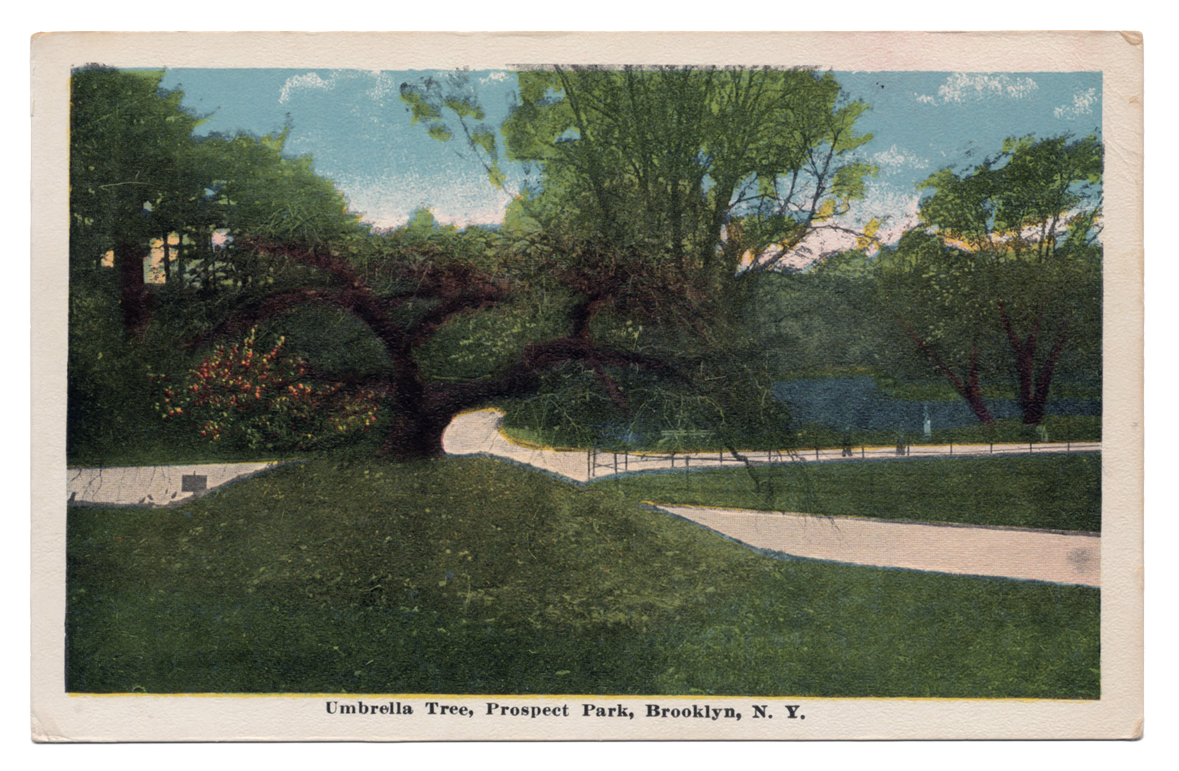
Some stories will feel foreign upon first reading. Your grandmother describing life in Brooklyn during the Depression; your grandfather recalling what if felt like to return from the Great War and no longer have a purpose. Even your parent losing a job when they least expected it—that is, until that story becomes relevant to your own experience, too.
Family stories have enduring value
Life transitions are some of the strongest fodder for memoir and personal history specifically because they bring about change—and change stirs all kinds of feelings and fears.
Transitions are the plot twists in our lives. And when they are unexpected, and they are happening to us right now, we feel unmoored.
But imagine if we had access to a story about the time our dad went through something almost exactly the same. He, too, felt unmoored. He, too, had no way of knowing how this transition in his life would play out.
Then 30 years later, he reflected about that time—his experiences, his feelings, the lessons he may have learned—and his stories made their way into a book. A book that now sits on a bookshelf in your living room.
While you may have flipped through that book a dozen times before, you want to reread it now. You crave remembering how his story turned out. It has a newfound relevance for you, and as such, it means so much more to encounter it at this time in your life.
“Transitions are the plot twists in our lives. And when they are unexpected, and they are happening to us right now, we feel unmoored.”
“In former times, knowledge was passed down from father to son and from grandparents to grandchildren,” Gianluigi Quentin has written. “Today, the focus is so concentrated on the future that there is a disregard for many of the important lessons of the past. This is why it is important that we elders write our memoirs—so that younger generations can learn from our experiences.”
Indeed, this is also why some stories will matter more in 10 years than they seem to right now: because our loved ones encounter them when they need them.
The stories of our modern lives—of transitions and ups and downs—“should tell us that the best way to respond to a period of personal upheaval—the close of one story, the end of one dream—is to push through the darkness, paddle through the torrents, persevere through the woods,” Bruce Feiler writes. “And to know: We’re not alone.”
What better way to let your descendants know they are not alone than to preserve your stories for them to learn from?
Curious about your parents’ lives? Get your kids to interview them.
You might be surprised by how much your parents will open up—with fun stories, with meaningful lessons—when your kids interview them about their lives.

Kids age seven and older can conduct meaningful family history interviews with their grandparents—even from a distance over Zoom or other teleconferencing software.
What you don’t know about your parents’ lives could fill a book. Actually, multiple books, more like it!
Even those of us who are close to our parents—who speak to them every day on the phone, who love spending time with them, and who rely on them for emotional support or perspective—even we take a lot about our parents for granted. It’s the nature of the parent-child relationship, right? On the children’s end: a built-in assumption that our parents will, quite simply, always be there for us. On the parents’ end: an assumption that our kids see us as “mom” or “dad” rather than “Lillian” or “Jonathon.”
The results of those assumptions? For the kids, that we are less likely to feel any sense of urgency around asking our parents for their stories. For the parents, a sense that their grown kids don’t really want to know about their lives before becoming parents.
Trust me, as a personal historian I have seen this story play out far too often. Grown kids who come to me only after their parents have died, haunted by the guilt that they never got around to asking their mother or father about their lives. Parents who come to me unsure if telling their stories will even matter—“No one has ever asked me,” a father might say, or “My kids don’t care about any of this!”
Sure, you can sit down and interview your parents about their lives (I encourage it, for sure!). But I’ll let you in on a secret: Often folks reveal much more of themselves to a stranger. When I interview someone professionally to capture their stories, I have the advantage of not being emotionally attached to the people or the stories. It’s a guaranteed no-judgment zone. Not to mention that having dedicated time and space for someone to tell their story helps clear the mental clutter and get right to the heart of story sharing.
There’s someone else who can get your parents to speak freely, I bet: your kids. Grandchildren who come to their grandparents with genuine curiosity will inevitably tap a rich well of stories from their elders.
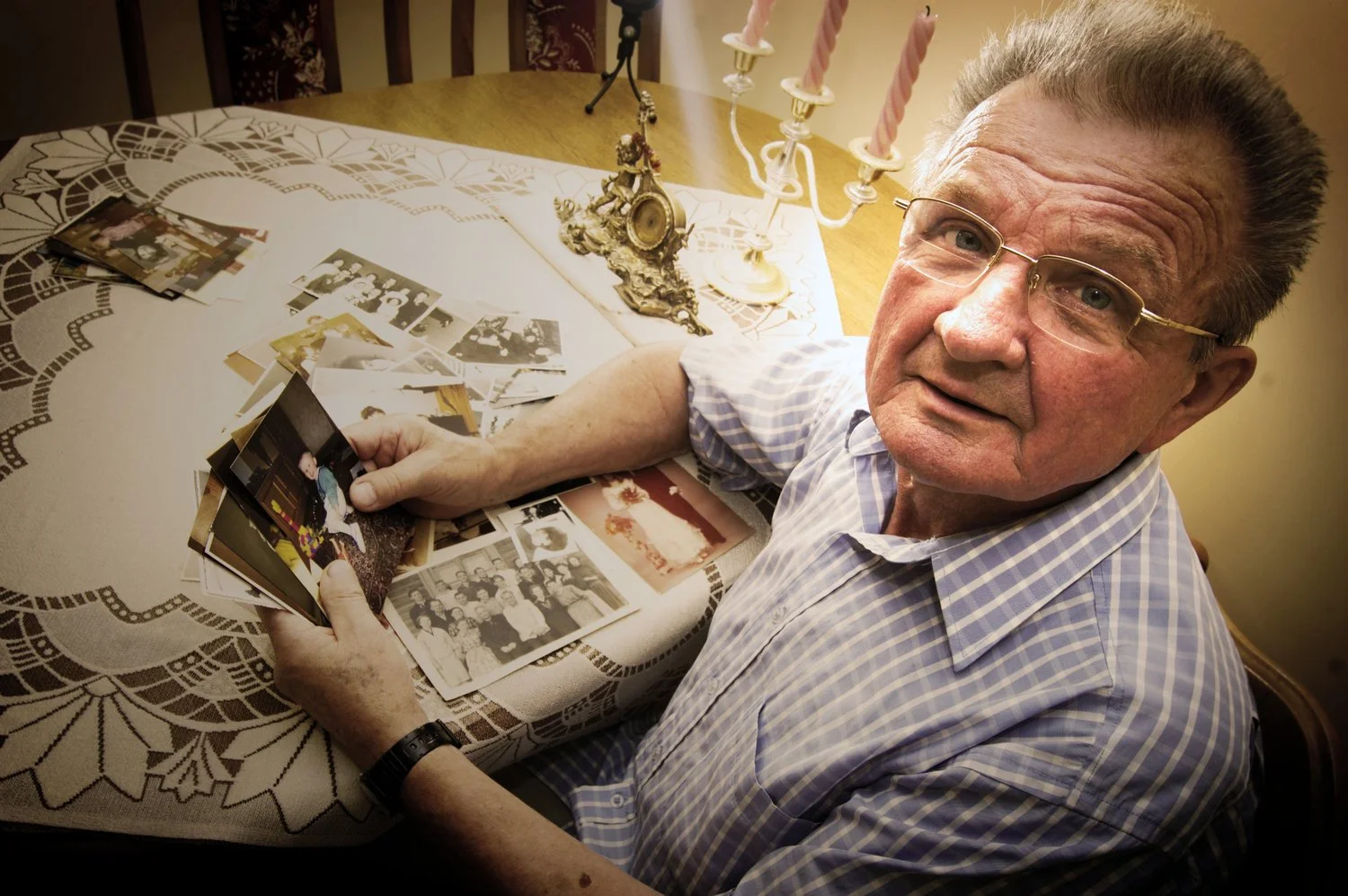
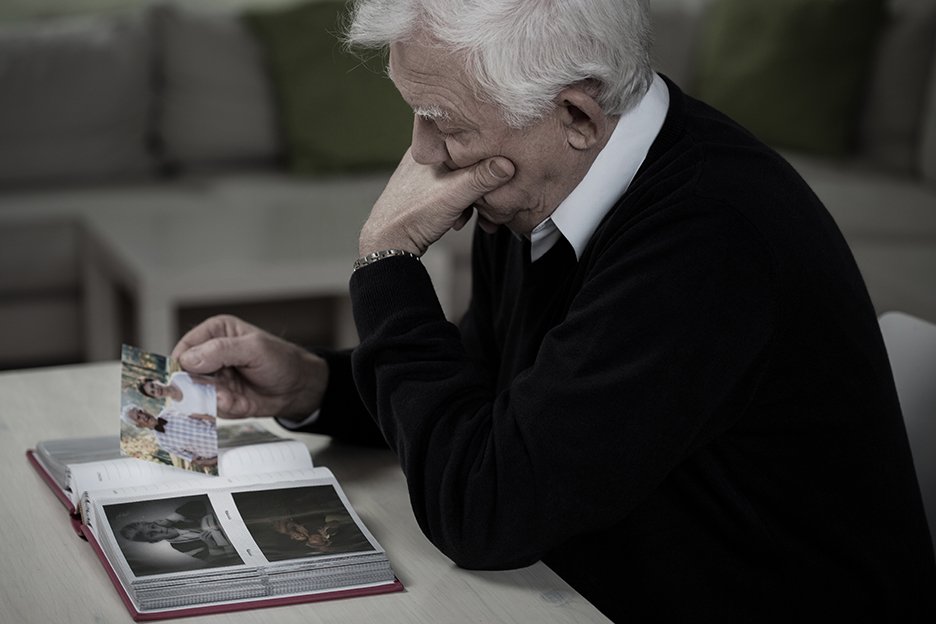
Looking at photos, whether in an old family album or on a device, is a great way to prompt memories and get the stories flowing from grandparent to grandchild (and vice versa!).
A few reasons why grandparents are excited to share stories with their grandkids:
TO IMPART LESSONS: By talking about their life journey—including funny missteps and even big failures—grandparents can share some of their hard-earned wisdom with the next generation.
TO CONNECT MEANINGFULLY: How often do your parents get to have real conversations with your kids? This is a rare—and precious—opportunity.
TO REFLECT INTENTIONALLY: Like writing in a journal, being interviewed for one’s life stories provides a chance for reflection that we rarely indulge in during our busy lives. It’s a practice that’s good for our mental health, according to research, but beyond the research, it just feels darn good.
TO HAVE SOME FUN: Sharing childhood memories and grown-up exploits with the grandkids—what could bet better? It’s a chance for the grandparent to pull out some favorite old photos, to get a little nostalgic, and to share a piece of themselves with someone they love unconditionally. Laughs will ensue, I promise!
If you’d like to encourage your child to interview your parents, I hope you’ll download this popular resource that I’ve been giving away for free since the pandemic began—The Kid Kit: Everything You Need to Interview the Grandparents. Originally available for purchase in the Modern Heirloom Books store, I felt strongly that during this time of separation (and newly-found comfort in connecting over Zoom), I wanted as many people as possible to have it.
Inside you’ll get not only interview questions (and those are AWESOME, if I say so myself—they’re designed with kids aged 7+ in mind and cover a wide range of topics), but you’ll also get bonus activities, a history timeline, and tips for how to continue the story sharing post-interview.

FREE RESOURCE: Questions, Activities & More
Get your kids talking—really talking—to your parents. They’ll get stories even YOU’VE never heard!
Want your parents’ stories? Here are 3 easy ways to help get them.
Preserve your parents’ (and grandparents’) stories meaningfully for the next generation with these three ideas that make the process simple and enjoyable.

Don’t wait until it’s too late to capture your parents’ stories—your kids (and YOU!) will be grateful to have them one day.
Of course you want your parents’ stories. We all do. But the chances of us getting them without asking for them is, well, pretty unlikely.
I inherited three journals—you know, the ones with those guided family history questions on every page?—from my mom. I got goosebumps when I unearthed them among her things; the prospect of “hearing” from her one more time made me giddy, even in my deepest grief. But when I opened them, there was almost nothing inside: Each book had a few random pages filled out, and by “filled out” I mean she had written one or two sentences or, in some cases, a few words. I already knew her favorite color was yellow and that she had one brother. I wanted deeper memories—recollections in the shape of stories, written in a way that brought her childhood and later experiences to life for me. None were there.
Unless our parents are writers—and writers who turn their attention inwards, at that—the only stories we probably get are the ones they share around the dinner table. For one thing, dinner table conversation is a dying art (multiple generations around the dinner table regularly—come on!). For another, those oral stories aren’t preserved unless someone deems to write them down (you?).
There ARE ways, though, to ensure that we do preserve our parents’ stories meaningfully for the next generation. Here are three that I can help you with right now:
1 - Grab this free guide and encourage your kids to interview their grandparents.
Early on in the pandemic I created this guide to help combat the loneliness many elders were facing as in-person visits waned and social distancing became the norm. I was heartened when it took off—and when I heard from folks just how meaningful the conversations that ensued were.
This 20-page guide is chock-full of good things to help you get your kids involved in capturing stories from their grandparents! Designed especially for kids ages 8 and up (and we mean way up—you’re never too old to embark on a conversation with your loved ones!), the e-book includes:
45 family history questions
3 fun bonus activities
interview recording tips
historical timeline
ideas for what to do post-interview

2 - Enroll your parents in our memory & writing prompt course to get them writing about their own lives.
Perhaps instead of an interview you’d like to see your parents write about their own memories? Going this route allows for thoughtful reflection that provides stories with even more meaning—and ensures the process will continue for a while beyond a one- or two-hour interview.
My Write Your Life course provide exactly what your parents will need to begin their life writing journey:
weekly memory prompts on topics such as Childhood Memories, Food Memories, Life Transitions, and more (themes change every few weeks, and course lasts for a full year)
writing tips that will help them with their assignments but not burden them with unrealistic literary expectations
a dose of inspiration (staying on track isn’t always easy, but reminders of just why it’s so important really do help!).
The best part? Lessons are delivered straight to their email inbox on the day of their choosing, and I am always available for added support and Q&A. And at just $99 for a year-long, enrolling is a no-brainer for anyone who wants to write about their life!
3 - Invest in personal history services to professionally capture their stories—I’d love to interview them!
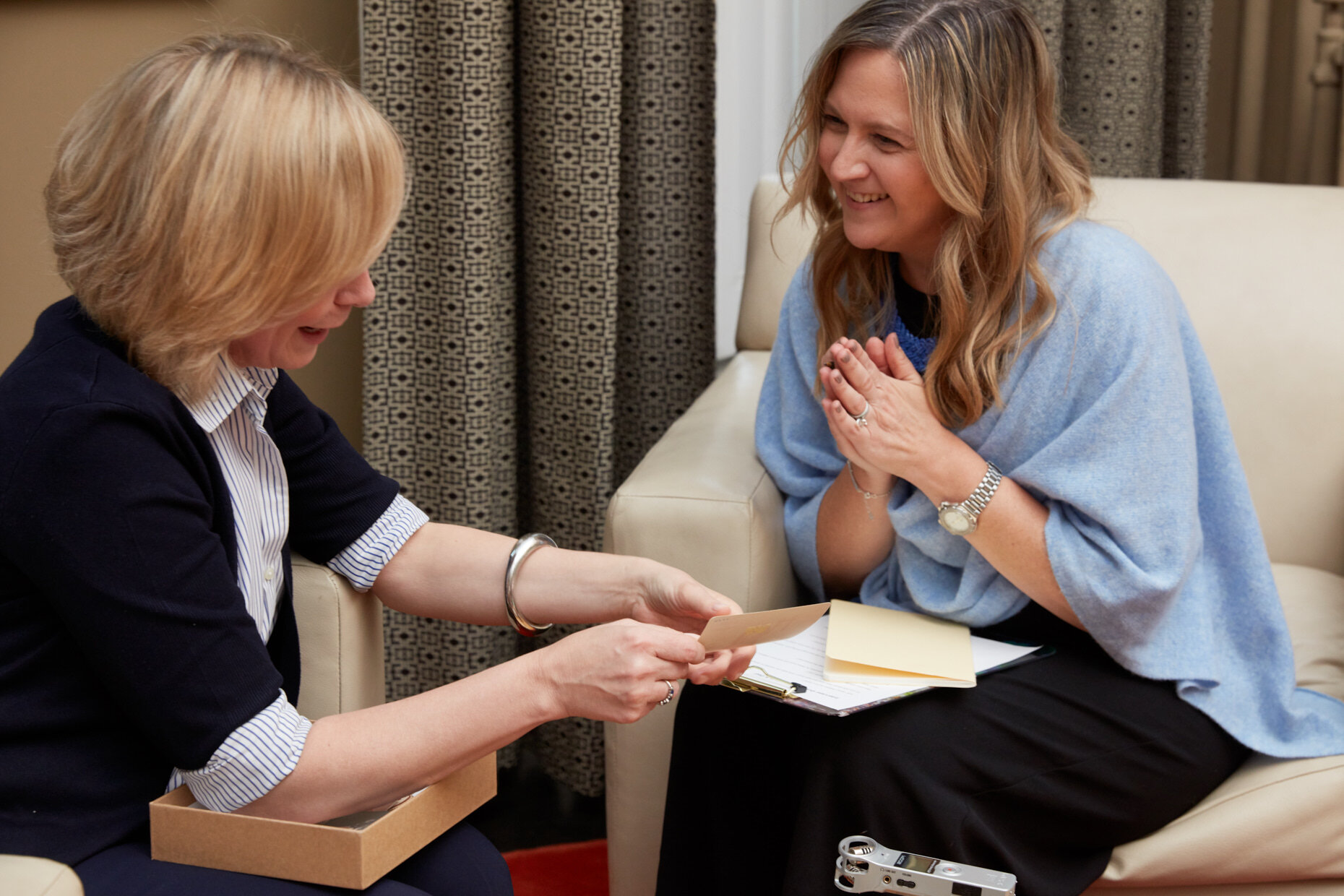
If you prefer a full-service approach to capturing your parents’ stories, then personal history interviews are the best way to go.
In a nutshell: I interview your parents to capture their memories, help them curate their photos and mementos, and turn everything into an heirloom book with a cohesive narrative and engaging design.
We can do a single 90-minute interview to capture memories from a specific time in their life, or conduct a series of interviews over weeks or months to more fully paint of picture of their legacy.
All my projects are 100-percent customized, so it’s best if we chat to see how we can best work together. Investment for personal history heirloom books start at $1,500.
Which option is right for you?
I hope you found helpful resources here to put you on the path to capturing your parents’ stories for your family archive.
If you have questions or there is anything I can help you with on your journey, please don’t hesitate to reach out!
Young and old, together at last
Even as families come together, many are still social distancing from family elders. Connect grandkids & grandparents with these cross-generational questions.
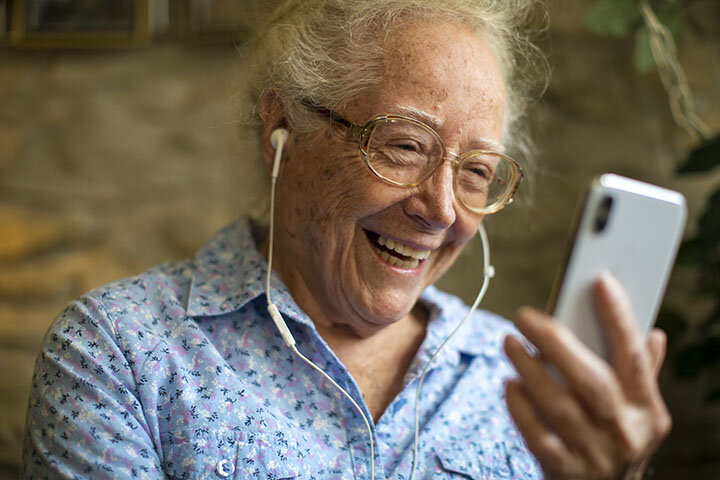
Whether separated by Covid or simply distant living arrangements, grandparents and their precious grandkids can still connect meaningfully using screens.
I’ve seen a lot of heart-swelling posts on Facebook this week showing grandkids hugging their Bubbes and Grans for the first time in months.
This whole social distancing thing has been hard on all of us, not least the generations bookending our own lives. So those hugs feel even more special and those laughs sound even more joyful when our kids and our parents are reunited after weeks on end of communicating exclusively over Zoom.
But the risk of Covid-19 persists, and many of us are continuing to take precautions (and even social distance) with older family members.
That doesn’t have to mean awkward FaceTime silences or quick escapes by the littlest in your family (even my 10-year-old has a tough time focusing on virtual conversations for more than a few minutes!).
Get them talking—really talking!
Early on in the pandemic, I worked with my son to create The Kid Kit: Everything You Need to Interview the Grandparents. We experimented with how to distribute it and whether it should become a new (paid) product before realizing: We want everyone to have this!
So we spread the word via bloggers and social media, and the response was overwhelming. I feel humbled and grateful that so many of you have downloaded this free resource, and even more psyched when you share success stories with me.
Have you gotten your Kid Kit yet? 5 reasons you should:
There are 45 family history questions that include light-hearted fare as well as thought-provoking conversation starters—something for every mood.
It includes three fun bonus activities that can easily be done “together apart.”
Bonus interview recording tips were added last-minute to make the guide even more useful during this historical time we are living through.
A fun graphic, historical timeline teaches the kids at the same time it provides more memory prompts for the grandparents.
There are even ideas for what to do post-interview, so you can be sure this valuable family history is preserved (and that the relationship between your kids and your parents continues to be nourished).

These questions can be used in person, too, you know.
While I am spreading the news now in the hopes that these questions will be a great way for kids to bond with their grandparents during the pandemic, OF COURSE everything in the kit can be completed in person, too.
Won't you please:
tell a friend about how easy it is to sign up
share your stories with me of how the interviews go (seriously, I live for this stuff!).
FREE RESOURCE: Questions, Activities & More
Get your kids talking—really talking—to your parents. They’ll get stories even YOU’VE never heard!
Life Story Links: February 18, 2020
Vivian Gornick's book recommendations and Dani Shapiro's podcast; finding meaning in our—and our parents'—memories; capturing stories in words and pictures.
“History isn’t about dates and places and wars. It’s about the people who fill the spaces between them.”
—Jodi Picoult

Vintage valentine courtesy the Miriam and Ira D. Wallach Division of Art, Prints and Photographs: Picture Collection, The New York Public Library. “Love’s message.” New York Public Library Digital Collections.
Looking Back, Finding Meaning
“THE LAST CONVERSATION”
In the latest installment of The New Yorker Documentary series, Robert Kornberg examines his parents’ partnership through the lens of its ending. “The film, which animates the couple’s life through a stream of archival photos and videos, crescendoes to the moment when Robert visits Sarah [who has Alzheimer’s] to deliver the news of Isidore’s death.”

The difficult questions of dementia: How does a son tell his mother, who has been diagnosed with Alzheimer’s, about the death of her own husband? Listen to his recounting of the experience in the 10-minute short documentary “The Last Conversation.” Photograph courtesy “The Last Documentary,” The New Yorker Documentary series.
THE GIRL SHE ONCE WAS
“Without an archive, where is my evidence? What can I point to and declare: Those first twenty years of my life mattered?” Patricia Fancher writes. “I want someone to tell a story of an outspoken little girl, willing to take risks. But I’ve lost those memories and I have no family to tell me those stories.”
MY BIRTHDAY WISH
On the occasion of my fiftieth birthday, I decided to use social media for some story sharing—well, to ask for stories for my birthday, that is. Spoiler alert: The gifts I received in response were more touching and more generous than I ever could have anticipated (thank you!).
Collecting Stories
TRANSFORMATIVE STORYTELLING
Since 2012 students at Colby College in Maine have been visiting a retirement home to write residents’ biographies as part of the volunteer-based Legacy Storytellers. The intergenerational relationships that ensue are worth even more than the resulting books.
“COURTSHIP, MARRIAGE...AND MURDER”
A last minute offer of a cache of family letters, when finishing up a family memoir, led Massachusetts–based personal historian Marjorie Turner Hollman on the path of learning about an unsolved murder in her family.
PORTRAITS OF LIFE
“Each interview has been a journey in its own right and I listened to each individual’s life story as I photographed them. It was like taking a ride on the ‘train of life,’ trading significant and sentimental moments from their past,” says photographer Giuseppe Della Maria, creator of coffee table book Portraits of Tuscan Centenarians.
Recent Recommendations
READING LIST
These five books that made a difference in Vivian Gornick’s writing life will likely make a difference in yours, as well, with lessons including how to write a personal essay and how to find an organizing principle for a short biography.
FAMILY SECRETS
Season three of Dani Shapiro’s “Family Secrets” podcast launched this month. The show, derived from her wildly popular memoir of the same name (which I highly recommend), is worth a listen for a variety of reasons, from Shapiro's soothing voice to her warmly pointed interviewing style, from the intriguing stories to her well-chosen guests who, of late, are often memoir writers themselves (secrets, it would seem, make for fertile fodder).
...and a Few More Links
StoryCorps stories to celebrate Black History Month
Can a presidential memoir (even a ghostwritten one) give an honest picture?
Preserving family recipes is an act of love.
Short Takes
Dawn Roode’s curated roundup for the week of Sept. 23, 2026, is overflowing with recent reads on memoir, life story writing, and family history preservation.