
Memories Matter
Featured blog Posts


READ THE LATEST POSTS

How to create your own life writing prompts
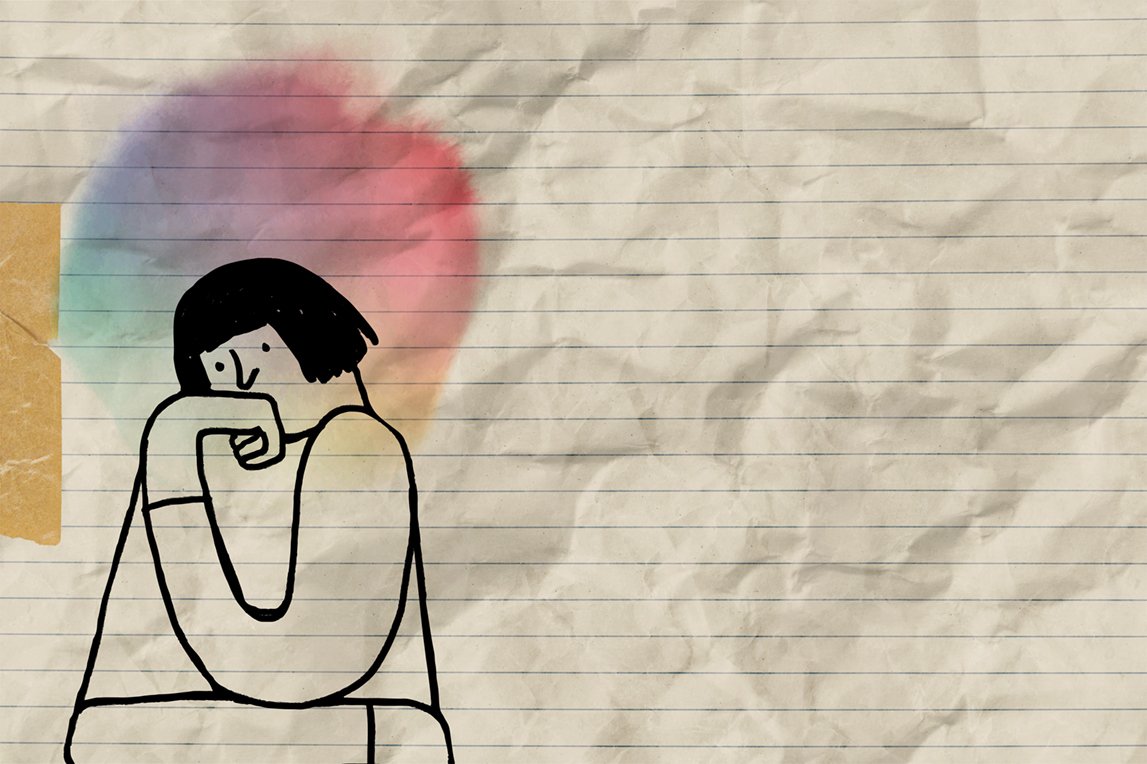
Good writing prompts will rid you of blank-page anxiety—and you can easily write your own! Here, 5 steps to drafting a library of personalized memoir prompts.
Taking some time to intentionally create a list of writing prompts that are personalized to your own experience will save you time (and headaches!) later.
Every writer starts with a blank page. Some are just more intimidated by that sea of paper white (or the blinking cursor on your computer screen) than others. Perhaps the best writing advice, proffered so often I am not sure who to attribute it to, is to simply start—even if that means dragging your pen across the page in squiggles until a word forms in your head.
But good writing prompts are a prescription for blank-page anxiety.
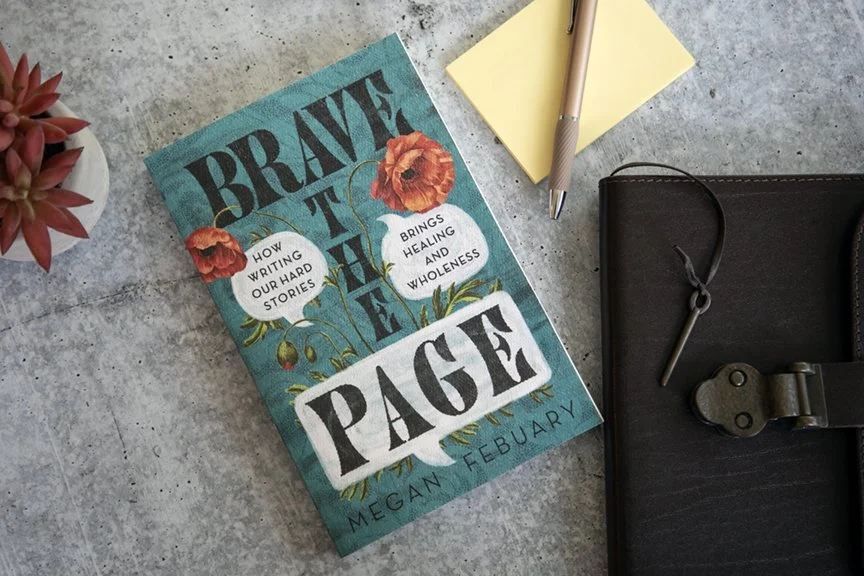
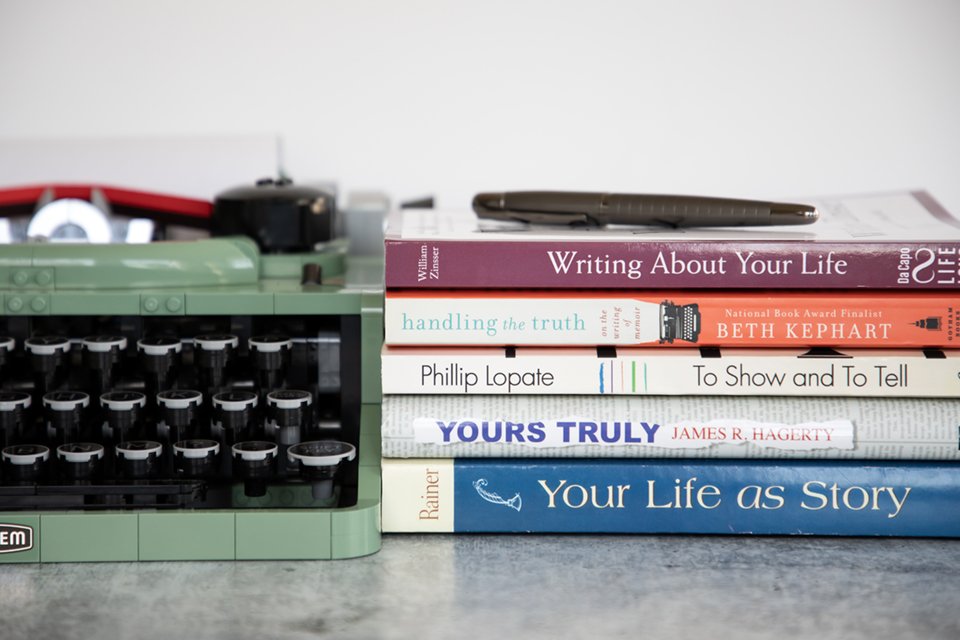
There are plenty of places to find good writing prompts, from writing groups (a great place to find supportive community around your writing) to craft books (this workbook from Beth Kephart is one of my faves), from email subscriptions (I offer a full-year of prompts called Write Your Life) to blog posts (here is an example from Jericho Writers, and here is an old reliable on my blog).
You can create your own memory prompts, too. It’s easy, as long as you set aside some time to be thoughtful and jot them down.
5 steps to drafting your own library of life writing prompts
Brainstorm
Ever since my seventh grade English class where I learned about brainstorming, it’s been the most powerful tool in my workplace arsenal. (I say “workplace,” but truly, brainstorming has been helpful in every area of my life—and I swear I learned not just to write in this teacher’s class, but to really think—so thanks, Mr. Lorusso!). Grab a piece of paper or open up a blank document on your computer, set a timer for five minutes, and write down every single thing you think may be fodder for future writing about your life. Do not edit yourself, and try to write continually—no pauses. This is not the time for filtering yourself. Be creative, get sloppy, and surprise yourself.
Wait a week.
Trust me, the emotional and cognitive distance will be helpful.
It’s time to curate.
Give your brainstorming document a read. Do you spot any themes? Any nuggets that surprise or delight you in their specificity or their mere presence? Your goal is to extract phrases and themes that will prompt writing down the road. Create a list of bullet points, and if possible, nest them under subheadings designating various themes. These don’t need to be overly fleshed out, just specific enough for them to spark YOUR memory and get you thinking.
Assess the writing prompts that you generated.
Did you fill a page or more with ideas for future writing? If so, I recommend you break them down into priorities, and create a basic plan for tackling them. (Another fun option that works for people who like things a little more loosy-goosy, like me: Skip this step and simply keep your curated list of prompts on hand—then, when you sit down to write, you can begin writing in response to whichever one stirs your memories at the moment!)
If the results of your brainstorming session were less than impressive, you may want to give it a go another time after taking a walk in nature (it really helps!). Or tap into these other ways to generate life writing prompts for yourself:
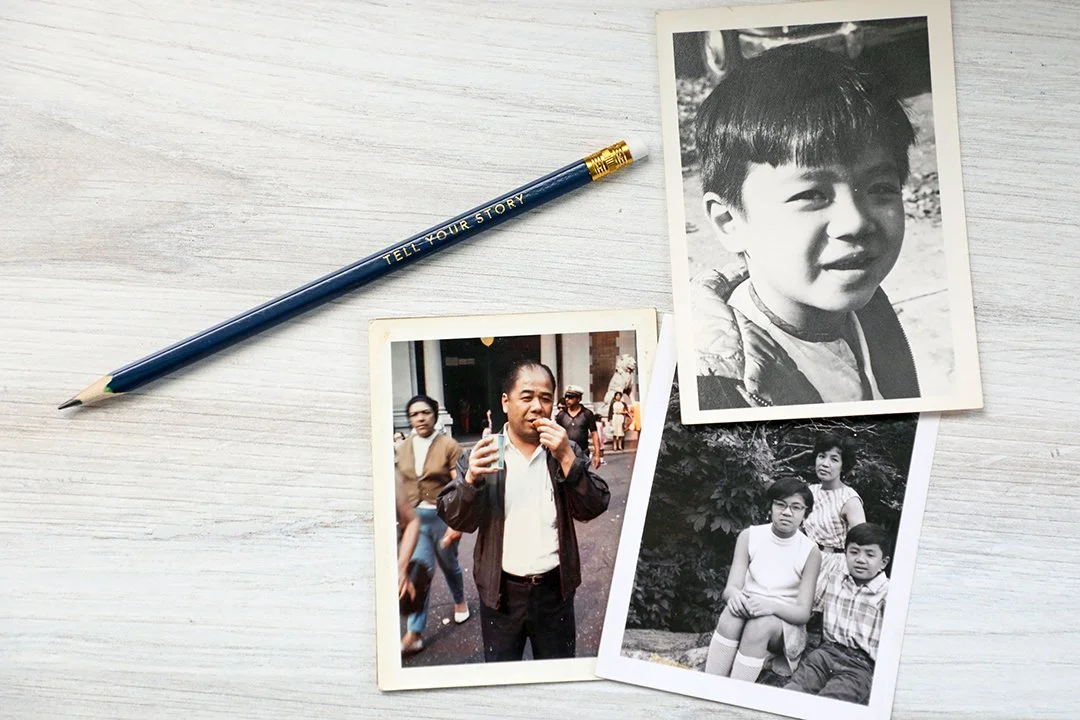
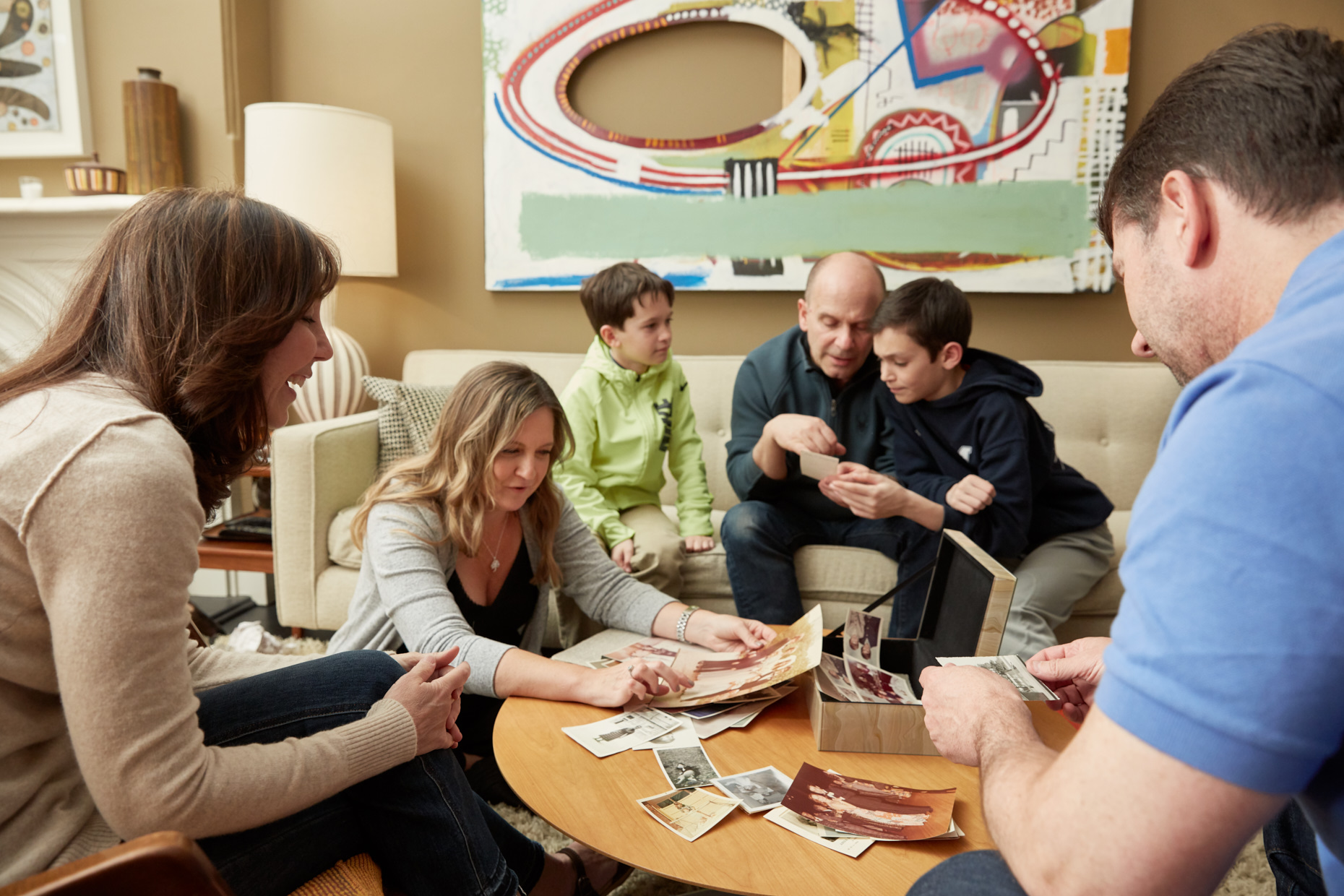
Go through your family photo archive to select pictures that jog your memories. Here’s some advice on how to best use those family photos as writing prompts.
Perhaps you need more structure than a freewheeling brainstorm session provides: Try this life timeline exercise to come up with memory prompts.
And if you prefer simple, straightforward questions to respond to in your writing, check out this free guide with essential family history questions. There are enough questions to keep you busy for a long time!





















Life Story Links: April 9, 2024
This week’s curated roundup for family historians and memory-keepers gathers three weeks’ worth of top-notch writing on the subjects, so bookmark it and dive in.
“A memoir is about ‘the art of memory,’ and part of the art is in the curation.”
—Maggie Smith
Vintage poster produced between 1936 and 1938 by the Work Projects Administration; image courtesy of the Library of Congress Prints and Photographs Division, Digital Collection. The posters were designed to publicize exhibits, community activities, theatrical productions, and health and educational programs in seventeen states and the District of Columbia between 1936 to 1943.
Documenting our lives for posterity
IN THE WAKE OF A GRANDFATHER’S DEMENTIA
“The crippling fear of letting memories pass me by has caused me to over-compensate by over-documenting my life, as if clinging desperately to souvenirs in a futile attempt to escape the cruel bounds of time will stop me from forgetting.”
AN EPISTOLARY FRIENDSHIP
I don’t know anything about the American poets Elizabeth Bishop and Marianne Moore, but I delighted in reading descriptions of their decades–long correspondence in this excerpt from A Chance Meeting: American Encounters by Rachel Cohen.
PORTRAITS OF A NEW REALITY
“They’ve been telling their own story really, I’ve just been holding a camera,” Polly Braden says of the women forced to flee Ukraine in the face of war who she has been photographing for the past two years. “They are safeguarding the next generation of Ukraine.”
WRITING RITUALS
“I always wondered if she knew someone was watching, if there was a tiny performative aspect to the ritual, or if she was just so caught up in her work that she didn’t care that she had illuminated her sacred space.” Mia Manzulli on living next door to Joyce Carol Oates.
Recent memoir writing of note
STIRRING HER LANGUAGE SPIRIT
“I was set apart, and in that distance was a kind of longing, failure, and hollowness. A need for my own stories,” Jamie Figeuroa writes on reclaiming the Spanish language in this excerpt from her new memoir, Mother Island: A Daughter Claims Puerto Rico.
MLK BIOGRAPHER HONORED
The New-York Historical Society awarded its American History Prize to biographer Jonathan Eig, whose King: A Life “presents the civil rights leader as a brilliant, flawed 20th-century ‘founding father.’”
MORE THAN A TRAVEL MEMOIR
“Through writing, I really was able to realize how many experiences I never digested,” Helen Sula says. “I like learning and unlocking a part of myself I wasn’t in touch with before.”
Ways we remember
STORIES BEHIND THE STUFF
Boxes of old letters, family photos, and mementos from a generation ago can feel like a burden if they’re passed down without context. Recently on the blog I shared ideas for what to do with them.
IN DEFENSE OF IMMIGRANT FOOD MEMORIES
“What if all I have of my grandmother now is a gold bracelet in a box that she reluctantly gave me on the eve of my wedding (and often asked for it back) and a handful of memories, some of which I can viscerally taste when I prepare and eat the same food she made for me as a child.”
JOURNALS, NOTEBOOKS & DIARIES
How a diary is distinct from autofiction is one of the many questions Jhumpa Lahiri explored in a recent course she taught at Barnard about the diary as an art form. Here, she shares the reading assignments from that syllabus.
RootsTech recaps and reflections
FAMILY HISTORY FINDS YOU’LL LOVE
The last week of February I traveled to Salt Lake City for my first in-person RootsTech experience. While I’ve got a notebook filled with family history tips and tricks I’ll inevitably share later, for now I have rounded up my four favorite finds from the genealogy conference.
THE RISE OF ARTIFICIAL INTELLIGENCE
If RootsTech 2024 made one thing abundantly clear, it’s that AI’s impact on the family history industry looms large. One recent player: Passagist has announced “an AI-powered biographer designed to document personal life stories.”
LIMITATIONS OF LIFE STORY TECH
‘Digital life story’ tools are invaluable for memory care residents, but “no matter how well-meaning, some tools simply were not user-friendly or they included audiovisual components that overwhelmed some older adults rather than enhance their experience,” a recent study finds.
HOW LOVE AND CONNECTION FUEL MEANING
“While AI and other technology have come a long way, this personal story shows why people recording people in person is irreplaceable,” Rhonda Lauritzen says in the introduction to this two-and-half-minute video on the undeniable power of connection and its place in family history storytelling:
...and a few more links
Two new digital service companies—Inalife and Folklory—help preserve legacies.
Debbie Brodsky on the key to telling your organization’s story on video
Bryan Cranston to narrate Doris Kearns Goodwin’s An Unfinished Love Story
Review of Chicago museum show, “A Little Truth—Fact and Fiction in Family Photography”
Anthony M. Kennedy to reflect on his life and his years on the Supreme Court in two-volume memoir
Short takes
4 Unique family history finds from RootsTech 2024
From a conference hall filled with more than 150 family history vendors, I have hand-picked my favorites—here’s why you’ll love them, too.
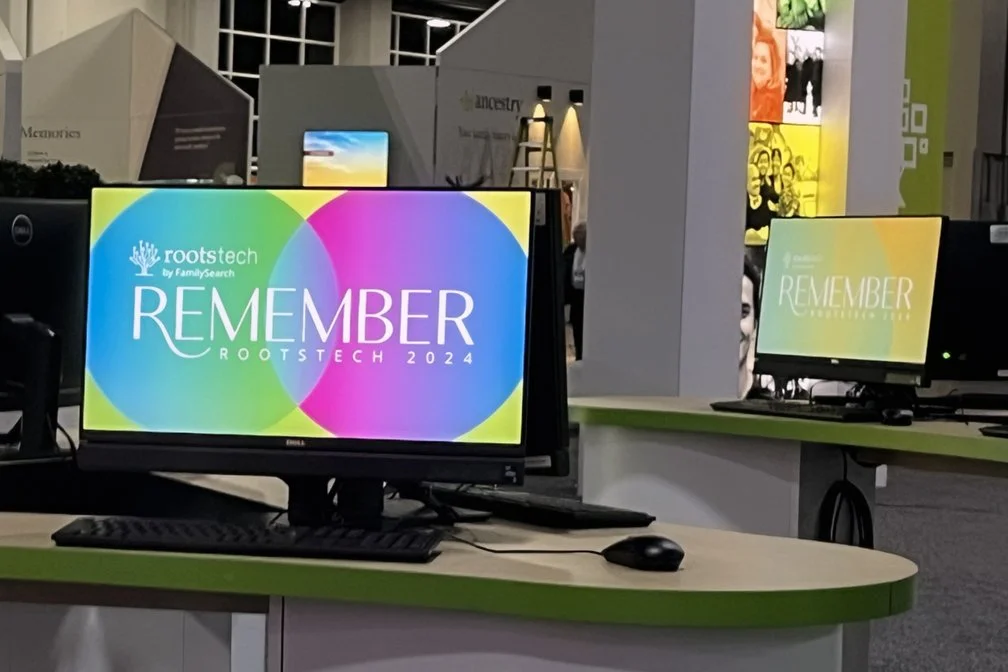
This short video, shared on the main stage and online, inroduced the RootsTech 2024 theme, REMEMBER. Hit “play”—and have some tissues handy!
What a whirlwind the past three days have been! I am sitting in the Salt Lake City airport as snow and gusty winds threaten to delay my midnight flight back to New York. I’ve got a notebook brimming with genealogy research tips, a folder of syllabi on my laptop waiting to print, a heart expanded by meeting likeminded family historians and memory-keepers, and eight hours to kill before the redeye boards…so I thought I’d share a quick roundup of some of my favorite discoveries from my first in-person RootsTech.
For those not familiar, RootsTech is a (huge!) family history and technology conference held annually in Salt Lake City, Utah. I’ve participated virtually in the past, and written about some of my reflections on the blog, but being here in person leveled up the experience, to be sure.
Family history finds you’ll want to know about
Here are four finds from RootsTech 2024 that I think you may be interested in:
DISCOVER: Heritage Travel

Kindred Lands’ website offers up sample heritage travel itineraries. Where is your ancestral homeland—and have you been there yet?
I had been planning to take a trip to Prague as well as some small towns in the Czech Republic to explore my heritage—then Covid happened. I’m a bit of a perfectionist, so the thought of designing that vacation—and ensuring I got to see all the things that connected me to my family history AND had a great time—seemed daunting. Well, I will be calling the couple behind Kindred Lands when I am ready to make that trip again. Drawn in by the stunning design of the Scotland book they had on display (and which is for sale on their site—if you have roots in Scotland, I highly recommend buying it for some imaginative travel!), I chatted with them about the impetus for starting their heritage travel company: Their first trip, unsurprisingly, was to explore their own family origins—and now they craft custom trips for others who want to feel a connection to their ancestral homeland. Discover some sample itineraries and request a free custom quote to visit your region of choice at KindredLands.com.
DESIGN: Custom “Vintage” Travel Posters

Four prints for sale in Missy Ames’s Wanderlust–themed Etsy shop; she creates fully custom commissioned artwork, too (perfect, in my opinion, for taking your family history book to the next level).
An overall beautiful aesthetic is important to me when I am designing family history books, and there are occasions when original artwork is called for. Custom maps showcasing a family’s ancestral journey, for example, or an illustration of a beloved home that has been in the family for generations, have made their way into my heirloom books. I was thrilled to discover the graphic design work of Missy Ames while walking the RootsTech expo hall—the framed prints she had on display from her “Wanderlust” collection are reminiscent of vintage national parks posters and ads from the mid-twentieth century. Missy told me that she began her original place-themed posters when she was living abroad. “I wanted to remember the remarkable experiences I had and couldn’t always find artwork that fit what I was looking for, so I started to make my own.” She has an array of designs available for purchase at her Etsy shop, and she is also available for personal commissions (I asked!)—so if you’re working on a family history book and would like some retro-feeling illustrations to accompany your storytelling, consider reaching out to her. I know I will be.
BOOK: A Daughter’s Portrait of Love and Loss

The cover of Nancy Borowick’s book The Family Imprint, while stunning, does little to hint at the photographic splendor within. Click through some images on her site to see what’s within.
I learned a LOT during educational sessions at RootsTech, walking away with a strategic game plan for breaking down brick walls in my German genealogy and new knowledge that I am a Mayflower descendant, for example. What most inspired me throughout the weekend, though, were stories of family connection—and those stories were all around for anyone listening! Perhaps my favorite such stories came from internationally renowned photographer Nancy Borowick, whose keynote presentation you can watch below (please do!!). No spoilers here—suffice to say, Nancy photographed her parents throughout their respective cancer treatments and developed a fluency around talking about death while finding an outlet for her feelings. The vulnerable and glorious images she captured distill a time in her life she wanted to remember, and they also invite us into her family’s experience. “This was our story, but it was everyone’s,” Nancy said. “I grieved with every letter that came in, but I also felt a deep connection with each and every one.” I was thrilled to happen upon her book signing table on my way out of the stage area, and highly recommend getting one for your own coffee table—The Family Imprint is an exquisite piece of art that oozes with authentic emotion and the human spirit.

Watch Nancy Borowick’s moving presentation from RootsTech 2024. “I am my mother’s daughter, and I get to keep that forever,” she said.
SERVICE: Free Genealogy Advice
One of the country’s leading resources for family history research, the New England Historic Genealogical Society, offers free online chat times where you can ask one of their expert genealogists a question, from how to get started in genealogy to where to find a particular record, from clarifying border changes in a particular town to accessing an online database. Find the Ask a Genealogist online chat, including a schedule, at AmericanAncestors.org/chat.
In addition to the above shout-outs, I promise to share in a future post some helpful tips for researching your family history and telling your family stories—I learned a LOT, and I want to pass on some of that to you! What would you like to know?

Are you weighed down by the stuff of your family’s memories?
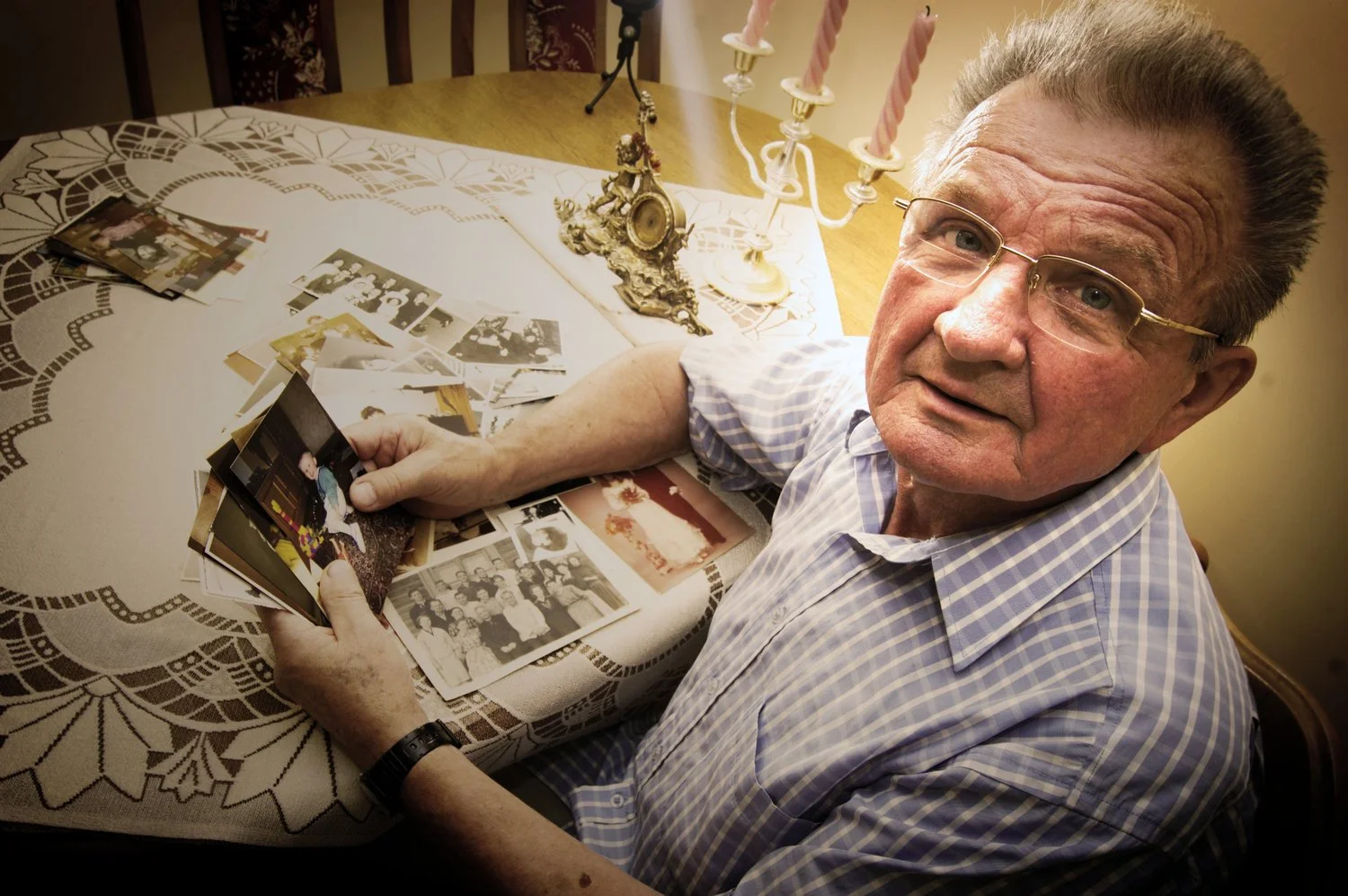
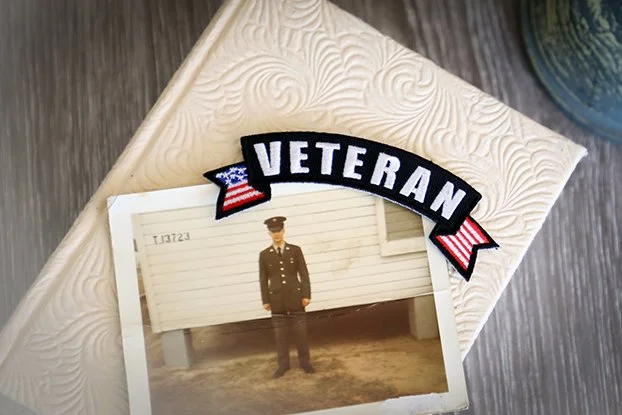
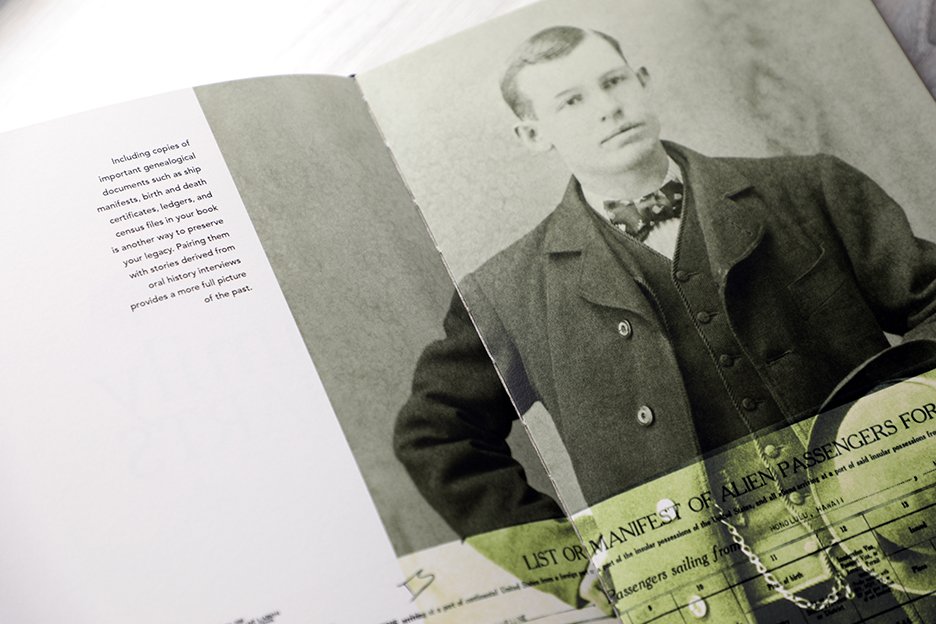
Boxes of old letters, family photos, and mementos from a generation ago can feel like a burden if they’re passed down without context. What to do with them.
That box of sentimental stuff handed down to you would mean a lot more if you knew the stories behind the stuff, wouldn’t it?
Passing along our stories to our children and their children is a valuable endeavor, and in my experience one almost always met with joy and gratitude (even if not immediately, on occasion).
People with whom I have worked to preserve their stories have told me their family members tell them they “love” their life story books, “cherish” them, are “in awe” of them. When sharing their books, my clients have been met with extended hugs, laughter, dancing (“my father shimmied around the kitchen with glee when I showed him what I wrote,” one individual told me), and even tears.
But often it’s not stories that are passed on, but boxes of things laden with sentiment—and without context, those boxes can take on undue weight.
In recent weeks I have met with one person who told me she had a large stack of letters written between her parents during World War II. She knew that they were written in German, and that her father was in a work camp at the time. She didn’t, however, know what was within those letters, as she has never taken the time to have them translated or to read them. And now, she told me, she wasn’t even sure where they were. “But they haunt me,” she said.
Another person I visited told me her mother had recorded a Holocaust testimony with the Shoah Foundation in the 1980s (well, she said “she told Steven Spielberg’s people about her Holocaust experience”). No one in the family knew how to access it. They did not have a copy. They did not know the name of the foundation. Even her mother did not recall what she may have said during that long-ago oral history interview. Certainly the weightiness of the subject matter may have given anyone pause, but to let such a personal history get lost would be a tragedy.
And yet another current client told me, near the end of her project, that an aunt had just randomly stopped by to drop off a scrapbook that had been lovingly crafted by my client’s grandmother. The aunt was moving to another house, found the scrapbook tucked away in a closet, and, knowing my client was interested in her family history, figured she would be a better custodian of the materials. She was fortunate—many people who feel burdened by their ancestors’ things don’t have a family member with such interest to hand them off to.
As I think about these things—about how we can feel burdened by our parents’ things, about how stories can so easily get lost—I feel a bit sad, yes, and also compelled to spread the word.
Do you have sentimental boxes of family mementos you don’t know what to do with?
First, think about who might be the best custodian of your family’s archive.
If there is an obvious family history buff in the family, see if they may want the items. If not, then ask around—you might be surprised to learn a teenager or distant cousin may have a greater interest than you’d expected. The sooner you can pass the items on to someone who will regard them with interest and respect, the better. (Are you this person? I’ve met numerous people who tell me they have no interest in sleuthing through these “old things,” only to be drawn in as I curiously pull photos or war medals out and show interest in what they reveal!)
Second, do what you can to restore context to the things.
Even if you don’t have the time or inclination to write a whole book, consider labeling photos with names, writing mini-histories of heirlooms, and at least telling your kids what you know of the contents of that old box in the basement. Spend an hour or two with a sibling or parent to record your memories of all that stuff—it can be as simple as capturing audio with your phone’s voice recorder. Spare your descendants the burden of passing down an archive of things they know should have meaning, but not why.
Third, let go of guilt.
Perhaps you were the recipient of such a box of “cherished” things that came to you without context or meaning. Sure, that watch may have belonged to one of your grandfathers, or it may have been a flea market find that he never wore but stashed in a box…but you hold onto it along with everything else because you feel you should. This is a rich topic that could warrant a few thousand words (heck, the comments alone on some articles covering this topic are worth a read!), but in my mind, as long as you move forward with intention, it’s okay to let go of things that hold no meaning for you.
Do you have a dusty box of so-called heirlooms, letters, or family photos that were passed down to you without context? What are you going to do with them?
Further reading on how to be a good custodian of your family history:








Life Story Links: March 19, 2024
Book design, interview techniques, and life writing tips are a few of the topics in this week’s curated roundup for family history fans and memory-keepers.
“We are our memory, we are that chimerical museum of shifting shapes, that pile of broken mirrors.”
—Jorge Luis Borges
Vintage poster with original artwork by Richard Halls produced circa 1936 by the Work Projects Administration; image courtesy of the Library of Congress Prints and Photographs Division, Digital Collection. The posters were designed to publicize exhibits, community activities, theatrical productions, and health and educational programs in seventeen states and the District of Columbia between 1936 to 1943.
Notes and tips on craft
WHO’S ASKING THE QUESTIONS NOW?
One of media’s most talented and prolific interviewers, David Marchese, has the tables turned as he becomes the interview subject: This piece is worth a read both for the nuggets of interviewing wisdom as well as the embedded links to some great interviews from the NYT archives.
GONE BUT NOT FORGOTTEN
Amidst my current work on four distinct custom tribute books honoring clients’ family members who have passed away, I also shared some tips for anyone who may want to create a memorial book on their own.
WHEN DESIGN IS BAKED INTO CONTENT
“Manuscripts live in authors’ minds and on their computers, but books exist out in the world. No one wants to read your Word doc no matter how beautifully written it is.” A book designer on “the intricacies of literary interior design.”
Family history now
‘GNARLY BRANCHES’ OF HER FAMILY TREE
“My only provenance stems from obsessively researching genealogy. I’m sure the tendency came from growing up with eleven living, blood-related grandparents (parents of parents of parents of parents).” Chris Hardy Thornton on using history as a method of filling in the gaps from what’s passed down.
THE JEWISH HOLIDAY TABLE
“As I asked her about each [dish], I learned of her family’s journey from Spain to the Ottoman Empire to Africa and finally to Israel. I knew immediately that I wanted to preserve her treasure trove of recipes and stories.”
CONNECTION, IDENTITY, WELL-BEING
“The documented effects of genealogical discoveries on emotional well-being, resilience, sense of identity and belonging are taking on new relevance in America’s mental health crisis.” Family history as a public health intervention?
FAMILY HISTORY CONFERENCE HIGHLIGHTS
While I haven’t yet had time to write about my participation at RootsTech 2024 (stay tuned!), Robyn Fivush, Ph.D., director of the Family Narratives Lab at Emory University, shared this thoughtful reflection, including how physical archives can help embody family stories, creating profound connections.
More memoir miscellany
MEMOIR MEMORANDUM
“Our favorites of the year are audacious and moving—they’ll demand your attention, entertain you, and show you new vistas.” The best memoirs of 2024, so far, according to Esquire.
ACCIDENTAL ICON
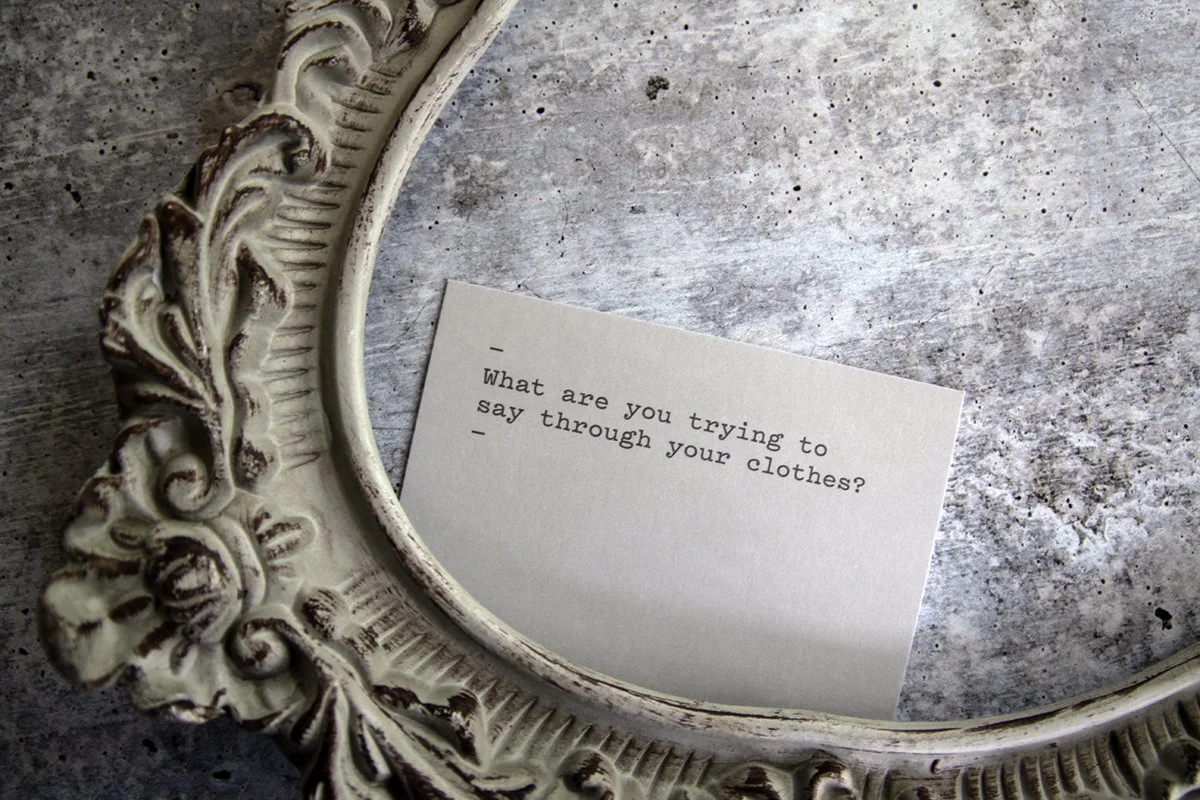
“Clothes have always helped me tell stories about myself; who I am, who I wish to be. They could be chapters of a memoir.” Read an excerpt from Lyn Slater’s memoir, How to Be Old.
WORTH A THROWBACK READ
In 1996, The New Yorker helped launch Frank McCourt’s writing career by publishing an excerpt from Angela’s Ashes, his (eventual) Pulitzer–winning bestseller. Three years later, the magazine featured the next chapter of McCourt’s story: In honor of St. Patrick’s Day weekend, check out this piece from the archives, “New in Town,” about the first days after his migration to America (I highly recommend clicking “play” to listen to McCourt read the excerpt!).
Short takes
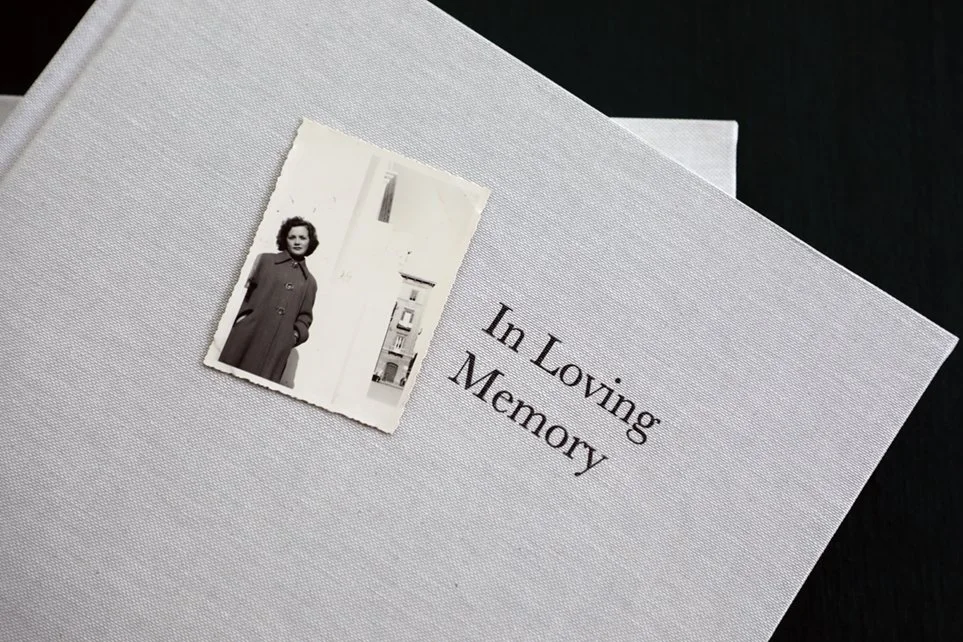
3 Tribute book ideas that honor lost loved ones
Go beyond a memorial slideshow and honor your lost loved one in a more permanent way. These three ideas for tribute memory books are easier than you think.

When someone we love dies, it can feel imperative to memorialize them in some way—to honor their memories, their accomplishments, and their stories, and to do so in a way that feels special. That helps preserve their legacy of love.
But the urgency, accompanied by feelings of grief, can also feel paralyzing. Where to begin? How to proceed?
Often we compile photographs into a slide show for a memorial service, or frame some favorite images for a celebration of life. Beyond that, though, I suggest preserving your loved one’s personal history into a more permanent heirloom—a book that you can leave on your coffee table so you can visit with them any time…
Easy ways to memorialize your lost loved one
Here are three tribute book themes to consider that honor your lost loved one and keep their memory alive beautifully:
1. Photo memory book
Don’t overcomplicate things: Choose your favorite images of your deceased family member (or friend) and design a timeless photo book to capture their spirit. Less is more, so follow these tips for curating a tightly edited collection:
Know that you are not dishonoring them by not including every photo you have of them. Quite the contrary, thoughtfully choosing pictures that capture their spirit is an act of celebration.
Choose photos from different periods of their life—ideally from the time they were a baby through present day. For older print photos, scan them at a high-resolution, and consider keeping the old-fashioned photo frames in tact for a vintage feel.
Highlight the most special photos by including them on full pages. Those can be balanced out by grids of smaller pictures or pages with a few thematically linked images.
The idea is to curate a book of photos that commemorate your loved one meaningfully—so you can remember them in years to come—but know this: The process of creating such a book can be healing and even joyful, too.
2. Collected tributes
A particularly fitting project as you near the one-year mark after your loved one’s passing: an heirloom book that gathers short tributes from those who knew them.
Invite family members, friends, and colleagues to write brief remembrances of the deceased and send you 1-3 photos of them with your loved one. Give them a deadline (even if you don’t need the book by a certain date, a deadline is just the prompt many people need to finish!), then compile everything into a narrative book.
My best advice for writing compelling tributes? Be specific (tell a story, include a quote), be funny (yes, that’s more than okay!), and speak from the heart.
And as far as designing the book? I suggest typesetting tributes in a program such as InDesign or Canva, then importing those words into your book publishing platform as images (be sure to place them at 100 percent so all text appears the same size on every page). If assembling the book is your big challenge, consider hiring a professional designer to prepare it for you—the results will be worth it, especially for a book that holds so much meaning.
3. Legacy list: Remembering _______ in 10 ________
Would you like to bring your loved one’s spirit to life beyond photos but feel intimidated by the notion of writing more than a few words? Consider creating a legacy list—a list of something that mattered to them and that embodies their values and personality.
Perhaps they were a fabulous cook, or the frequent host of family gatherings? Put together a book of their 12 favorite recipes accompanied by photos of them entertaining or in the kitchen.
Maybe they were a font of wisdom. Compile the 10 best lessons they passed on. And don’t worry—not every one has to be life-changing (things like “start saving your pennies young” and “never go to bed angry” hold great value!). Typeset each lesson on its own page, and flesh out your tribute book with photos of your loved one throughout their life (no need for the images to correspond to the lessons).
What if you can’t think of a theme for a legacy list that honors them appropriately? Simply choose ten words that describe your loved one. Like above, design each word on its own page followed by a few spreads of photos—in this case, matching the images to the words holds power (if they were “funny,” choose goofy shots or ones that show them and others laughing; if they were “ambitious,” pick images of them at graduation, at work, running a marathon, etc.).
No matter how you choose to celebrate your loved one after their passing, being intentional and keeping your project manageable are the best ways to get it done!
Related reading:





Life Story Links: March 5, 2024
From first person stories on loss to craft essays on life writing and memoir, this week’s roundup is a another thoughtful collection for personal historians.
“I want to explore what it means not to know, not to ever be able to know. Life is dead ends, conflict, dissonance, gaps, great clouds of confusion and misunderstanding. Do I tell a story, or do I tell you how it feels to have only the remains of one? The first is certainly a better story. But the second is better history. Which do I really want?.”
—Sallie Tisdale
Vintage poster with original artwork by Frank S. Nicholson produced some time between 1941-1943 by the Work Projects Administration; image courtesy of the Library of Congress Prints and Photographs Division, Digital Collection. The posters were designed to publicize exhibits, community activities, theatrical productions, and health and educational programs in seventeen states and the District of Columbia between 1936 to 1943.
Reflecting on loss
FIRST PERSON, BEAUTIFULLY
“What if I had told my father a real goodbye? What if I had told everyone the truth? What if I had let people see me cry?” Emily Ziff Griffin writes about missing her father’s funeral as a teenager.
WHAT THEY SAID
“My father remained in a coma after I arrived in Patna. And then he died. If my father had been conscious, I suspect he would have a lot to tell me.” Amitava Kumar on finding solace in the words of others.
Memoir miscellany
THE THOUGHT THAT COUNTS?
Last week I wrote about why I turned down an offer from a mainstream publisher to write a memory prompts journal—and what I recommend instead of a fill-in-the-blank life story book.
ON VOICE AND VISION
“I have spent a lot of time imagining my daughter someday reading the book, and a lot of emotional energy reminding myself that I can’t know what she will think of it.” Leslie Jamison, author of the new memoir Splinters, in conversation about her writing process.
Personal stories make history
NO BOX TO CHECK
“I never check the ‘white’ box. I understand why it exists, historically and logistically, but I have never identified as a white person.” Will the 2030 census reflect those who fall under a Middle Eastern and North African category differently?
LIVING HERITAGE
For decades, UNESCO has been on a quest to save the world’s intangible heritage—everything from Ukrainian borscht to Jamaican reggae. But what does it mean to “safeguard” living culture?
VOICES, STORIES, HISTORY
“One mother recalls a lost son’s parting words at Auschwitz: ‘Mom, you’ll see, we’ll meet again.’” U.S. Holocaust Memorial Museum gets trove of intimate stories of loss and survival.
...and a few more links
Short takes
Why I turned down an offer to publish a memory prompts journal
While a journal called “Memories from Mom” or “Grandma’s Life Story” may be brimming with good intentions, the fact is that most of them remain mostly blank.
The memory prompt journal my mother left me had more blank pages than memories. While I cherish the few pages with her handwriting and thoughts, I long for more. This entry ends with a comma—an unfulfilled promise of more to come…
A couple of years ago I was approached by a mainstream publisher to discuss authoring a journal filled with guided memory prompts for a grandparent. You know the type of book I’m talking about, right? Often beautifully printed, and stocked in the gift section at major bookstores and card shops, these types of books make for amazing impulse purchases—what better gift than the gift of telling someone you care about them enough to want to hear (and preserve!) their stories, after all?
I got fairly far in the contract process before I decided not to pursue the offer. It would have made me some money, yes. And it would have helped brand me as an expert in the memory-keeping landscape, for sure. Some of my colleagues were impressed, and my family was in favor of it as another way to boost my small business.
So why did I decide not to publish that journal that seemed so in line with my mission and values as a personal historian? Well, because I don’t fundamentally believe that they work.
Over the years I have had numerous potential clients approach me about capturing their stories in a book only after they failed to do so in other ways. Some had been given a journal filled with prompts supposedly written just for them (as a grandparent, say, or as a mother)—but they did not find the questions enticing enough to want to write answers. Others had gifted such a journal to a loved one as a gift, only to realize that the recipient was not finding (or making) the time to sit down to write.
I myself was thrilled to find two such journals on my mother’s bookshelves when I was going through her belongings after her death. I put them aside with an overwhelming sense of gratitude and anticipation—only to feel utter disappointment to find she had scrawled a few sentences in each, but nothing more. The blank pages mocked my early excitement, and I felt cheated.
Why do these books not work? In my opinion, they are filled with good intentions but they don’t always inspire action.
Often, good intentions aren’t enough. The recipient needs to be intentional about setting aside time to write, and too often, we think, I’ll get to it later. Usually, later never comes.
It can feel intimidating to write in a book that looks so precious. Of course we want a journal we are gifting to a loved one to be beautiful; I have seen gorgeously crafted journals with gold embossing on the cover and cute flourishes on the corners of each page. But the more precious they seem, the more scary it can feel to tarnish those pretty pages with our scratchy handwriting (and what if, God forbid, we need to cross something out?!). I speak from experience when I admit to having a few artisan-crafted, leather-covered blank journals in my closet that have, well, remained blank…while the cheaper notebooks I bought at a big-box store are overflowing with my writing.
Many questions simply don’t resonate. While these professionally edited and published memory prompt journals are indeed written by people who consider what questions should resonate, there is simply no one-size-fits-all memoir-in-a-box. A current client of mine whose granddaughter had gifted her a popular prompt-a-week email service told me she hasn’t answered a question in three months: “Honestly, sometimes they’re just silly. ‘How do you relax or unwind?’ Really? I’m 95. This is not what I want to be writing about,” she said. Among the skipped-over questions in my mother’s fairly blank journal were:
“What scent or sound immediately takes you back to childhood.”
“Tell me about your most memorable trip by plane, train, or ship.”
“What summer games and activities did your family enjoy?”
These questions get my memories stirring, for sure—they are not inherently bad questions. Perhaps they simply didn’t resonate for my mom on the days she sat down to write, or perhaps she just never found the time to “keep at it.” Maybe she needed a listener—someone to receive her stories, to ask follow-up questions, to hold sacred space for her to share. All of these are valid reasons I have heard from clients who abandoned their memory journals despite their best early intentions.
What do I suggest instead of a memory-prompt journal?
How to write…
To ensure that your intentions to preserve your stories turn into a series of actions that DO preserve your stories, consider finding an accountability partner. That could amount to a friend or family member with whom you commit to write about your lives—perhaps you sit down together once a week to write, then share your stories out loud (hello, deepening connections!). Or you might find accountability in working with a memoir coach or personal historian who you pay to keep you on track—there are plenty of advantages to this arrangement beyond accountability. If you’d like to see how we could work together, please reach out.
Where to write…
I recommend buying an inexpensive blank journal to record your memories. If you’d like to pass on something that feels more substantial or beautiful, you can always edit your stories and add photos later, hiring a designer to polish and print everything or going the DIY route and making a scrapbook that showcases what you’ve written. This way you never have to feel guilty about skipping one or more pages, and you can cross out and rewrite to your heart’s content (no one writes a perfect sentence the first time, I assure you!!). If you prefer, you can also just open a new document on your computer and start typing (just remember to back it up occasionally so you don’t lose your writing!)
What to write about…
To ensure that you find questions that you want to respond to—that spark your memories and inspire your writing—look for open-ended questions (you can find a year’s worth of them in my Write Your Life annual subscription, for example, or discover evocative, literary prompts in Beth Kephart’s memoir writing workbook, which I reviewed here). Want to make your life as easy as possible when it comes to writing about your life? Use the same two-word prompt every day—I promise you’ll be surprised at what comes up for you!
Don’t get me wrong, if you have bought or are thinking about buying a memory prompt journal as a gift, you’re my kind of person! I just think there are better (more effective, more foolproof) ways to encourage story sharing. How about you?
Learn about our Write Your Life course, providing memory prompts, writing guidance and a dose of inspiration to anyone who wants to preserve their stories now.