
Memories Matter
Featured blog Posts


READ THE LATEST POSTS

Life Story Links: August 26, 2025
Dawn Roode’s curated roundup for the week of August 26, 2025, is overflowing with great reads about personal history, memoir writing, memory preservation.
“Listening is an act of community.”
—Ursula K. LeGuin
Vintage photograph by an unknown photographer, 1919: “Some of the colored men of the 369th (15th N.Y.) who won the Croix de Guerre for gallantry in action.” Pictured, left to right, front row: Pvt. Ed Williams, Herbert Taylor, Pvt. Leon Fraitor, Pvt. Ralph Hawkins; back row: Sgt. H. D. Prinas, Sgt. Dan Strorms, Pvt. Joe Williams, Pvt. Alfred Hanley, and Cpl. T. W. Taylor. 1998 print. Records of the War Department General and Special Staffs. Courtesy Picturing the Century Exhibition, National Archives.
On writing memoir: process & principles
FOR BEGINNING (OR STUCK?) MEMOIRISTS
Even the most seasoned writer sometimes feels hopeless when they sit down to write and nothing comes. Last week I shared seven memoir resources for when you’re staring down a blank page.
ON NARRATIVE AND OMISSION
“This was a catch-22. [My husband] is an immensely private person. He doesn’t want personal details shared indiscriminately. So how do I both honor his wishes and not erase him? What are the ethics of turning life into art?”
WRITING, TRUTH, AND RISK
“Warning: Memoir writing carries risks of family reactions, anger, and exposure. It also can be freeing and healing. Writers need to have a way of managing these dangers and be free to express their truths.”
‘MEMOIR PLUS’
“The most moving memoirs are the ones in which you see someone transformed.” Nancy Reddy explains how to trace the plot of your own life.
EMBRACING ANALOG RESEARCH METHODS
“My goal in early, generative research is not in focusing on what I want to know, but on wonder and surprise—discovering the very things that I didn’t even know I wanted to know.”
BRAINSTORMING WITH A BOT
“At the frontiers of knowledge, researchers are discovering that A.I. doesn’t just take prompts—it gives them, too, sparking new forms of creativity and collaboration.” On using generative A.I. as an “accelerator for thought.”
Our lives, our words
NORA MCINERNY, LIFELONG JOURNALER
“Now I journal in the same notebook where I write my to-do lists and my schedule... Having all this life in one place feels good to me. It also means I am journaling more frequently, because it’s all right there.”
SHOW ME YOUR DIARY
“I have now lost both of my folks and even the tiniest scrap of their writing feels urgent and sacred as a keepsake. There is an aliveness to it that draws me to the handwritten word. I have the work diary my Mom kept. Her handwriting feels like connective tissue to me.”
A JOURNALING JOURNEY
“I found that every time I wrote, I was criticizing my own writing. Judging it for not being good enough.” Noor Tagouri on what helped her get past this perfectionism and find refuge in journaling.
UPON LOOKING AT A PHOTO OF HER MOTHER…
“Funny, what words can do. Funny, how I leaned into them. Funny, how they speak of me, far more than any photos could or do. Consonants. Vowels. That is where I find myself, the mirror I look in and through.” Beth Kephart on the words that become us.
Personal legacies
SPOTLIGHT ON…
The Wall Street Journal turned their attention to the idea of personal history in a piece titled, “The Rich Order $100,000 Memoirs for Family Only”: “Some just want their heirs to know they worked hard for their money, while others are more forthcoming; ‘My one and only acid trip.’”
LIVING TRIBUTE
“After a period of denial made possible by today’s amazing cancer drugs, I decided I wanted to let people know about this remarkable woman. So here’s a pre-death obit for [my wife], Tracy Joos Johnston,” Jon Carroll writes on Oldster.
ON FATHERS AND SONS
“My legacy is of broken men, each of whom, at one time, had to transform their own legacy and in doing so transform themselves and the inheritance of those to come.” Read a stunning excerpt from bestselling author Michael Thomas’s new memoir, The Broken King.
SACRED STORYTELLING
Video biographer Whitney Myers, who has a background in ministry, memory care, and family documentation, speaks with podcast host Lisa Joworski about the critical importance of knowing someone’s life story when providing care, especially in memory care settings:
Family artifacts & other physical remnants of history
GROWING ALBUM
An artist’s inventive and thought-provoking new work uses her photographs “to create a reimagining of the traditional family album by designing a publication that quite literally allows her to plant her Polish roots on whatever soil she finds herself on.”
A RARE GLIMPSE INTO NYT ARCHIVES
“It’s like showing someone your journal,” one photographer says of contact sheets, those analog editing tools that have fallen by the wayside with the advent of digital photography—but that still hold a nostalgic historic allure.
‘A SOCIAL MEMORY BOX’
“I want to keep these items with me, but I hesitate to pass them on to my children or grandchildren.” Hiroshima museum continues to receive artifacts 80 years after atomic bombing.
...and a few more links
Short takes

Life Story Links: August 12, 2025
Dawn Roode’s curated roundup for the week of August 12, 2025, includes recent stories of interest to personal historians, preservationists, and family history fans.
“We recognize ourselves in the specificity of others’ stories.”
—Tobias Wolff
Vintage photograph by M.A. Crosby: “The Sam McCall family of Wilcox County, Alabama,” 1910; 1998 print from the original glass plate negative. Records of the Bureau of Agricultural Economics. Courtesy Picturing the Century Exhibition, National Archives.
Family story preservation
FROM QUESTIONS TO STORIES
Once you’ve interviewed your family member(s), you’ve got the most important step under your belt. Why not take the next step and turn those spoken stories into something more permanent and engaging: an edited narrative that will hold meaning for generations?
THE ALLURE OF HER GREAT-UNCLE
“I started thinking that if Uncle Ronald were still here, we could go to lunch.... Would he offer advice, or just listen and wince? What would he order? What stories would he tell? I told my family that I wanted to write the story of his life. My real motivation was always the impossible lunch.”
THOSE PHONES IN DRAWERS?
Back-up challenges block tech donations in UK, according to a report: “These forgotten devices collectively store around 11 billion photos, 8.7 billion messages, and nearly 8 billion videos—moments too valuable to lose, yet too often left inaccessible.”
‘MY FATHER, GUITAR GURU TO ROCK GODS’
“When the greatest musicians of the 1970s needed an instrument—or a friend—my dad was there.” I think this is a beautiful example of bringing someone we love to life through our memories and recollections of others in their orbit.
SEARCHING FOR MOM
“[Mariska] Hargitay started by reading letters from her fans who brought up her mother. That led her to combing through storage boxes that hadn’t been touched since 1969.” She likens the process of making her new documentary, My Mom Jayne, to an archeological dig.
Our unfiltered selves
ON THE CHRONOLOGY OF SELFHOOD
“My [journal] entries are just a human being a human. If [after my death] someone close to me read and did something with any excerpts that felt edifying for the soul, I would consider that to be a positive offering for the world. We need to know that we’re not so different.”
TRANSFORMATIVE POWER OF JOURNALING
“‘Alchemy’ feels apt when it comes to keeping a journal. In taking a moment each day to write your thoughts, show up and write your way back to yourself, you take the grist of everyday life and transform it.”
Storytelling out in the wild
MOBILE RECORDING STUDIOS
With the country’s semi quincentennial less than a year away, “America250” is bringing the celebration cross-country with a fleet of Airstream RVs on a nationwide storytelling tour looking to highlight thousands of personal histories.
COMPASSIONATE CARE
Maureen Leier, a registered nurse and digital storyteller, joins host Lisa Joworsky to explore how integrating personal life stories into healthcare transforms the quality of care and creates meaningful connections between caregivers and patients. Listen in:
Through the lens of food
A DELECTABLE MEMOIR
“In the scrumptious Tart, the anonymous London haute-cuisine veteran Slutty Cheff tells all. Deliciously,” writes one reviewer.
EXPLORING FOOD HERITAGE
I wrote about this series earlier in the year, but I just discovered that NatGeo’s No Taste Like Home is available for viewing online. Find full episodes of season one here, and check out the trailer below:
Short takes

Life Story Links: July 29, 2025
Recent recommended reads about memory preservation, life story writing, and memoirs of note round out personal historian Dawn Roode’s curated roundup this week.
“Life is story in motion. Each day, you add to your story, revise it, and view it from a different angle. You erase things. Tear pages out. And sometimes, in hindsight, wish you could put them back. A day is a story. A year is a story. A life is a story. You are a story.”
—Ruta Sepetys
Vintage photograph by Danny Lyon: “Two Latin girls pose in front of a wall of graffiti in Lynch Park in Brooklyn, New York, June 1974”; 1999 print from the original 35mm slide. Records of the Environmental Protection Agency. Courtesy Picturing the Century Exhibition, National Archives.
For generations to come
‘LOVE, GRIEF, LONGING FOR HOME’
A local history buff donates his treasure trove of wartime letters—more than 11,000 in total, spanning the Civil War through Vietnam—to Chapman University’s Center for American War Letters:
THE NITTY-GRITTY OF DIGITAL PRESERVATION
“The reality is harsh: hard drives fail regularly. If you're relying on a single drive for storage, you're essentially gambling” with your family archive. While this piece is written for professional photographers, there is a wealth of information of value to anyone with digital assets worth safeguarding.
EYEWITNESS TO HISTORY
“The sea is a stranger to me,” Ella Sheldon confessed in the first pages of her journal, which goes on to chronicle her voyages on the high seas all over the world between 1892 and 1900. Here is a fascinating look at how one woman's personal handwritten diary can hold gems even 125 years later.
DATA PROTECTION OBLIGATIONS?
“The destroyed records had the potential to be an unknown memory, an identity, a sense of belonging, answers—all deeply personal pieces in the jigsaw of a person’s history—some now lost for eternity.”
Memories, memoir, and mementos
BUT WHERE ARE THE JUICY BITS?
“It’s sad to think that, if the current trend for cutting indexes continues, future memoirs might be accessible only electronically.” How will readers browse for gossip in celebrity memoirs, then?
PROOF OF LIFE; STORY
“There’s a strange intimacy to a stranger’s grocery list; a found scrap of paper is a rare analog window into someone else’s needs. It’s an accidental autobiography, a blank space to be filled with one’s imagination.”
DEBBIE MILLMAN’S JOURNALING PRACTICE
“Some years ago, I reread a journal I kept during my college years, in 1982.... I found myself holding my breath as I realized these weren’t just diary entries or memories. They were evidence of a life. They were my witnesses to living and persevering.”
INFO VS. STORIES
“Take a look at your family tree. Are you seeing people or just data points? If it’s feeling more like a spreadsheet than a collection of human stories, it might be time to dig a little deeper and bring those ancestors back to life.”
Happy and hard—it’s all worth writing about
TRAUMA-FOCUSED WRITING
Writing hard stories is…well, hard. But as Megan Febuary puts forth in her new book, Brave the Page, doing so may also bring healing and wholeness. Last week, I reviewed this worthwhile book.
INHERITANCE
“I was procrastinating while writing a piece that involved research on genealogical websites, and, on a whim, I began punching my grandparents’ names into search bars.” Jessica Winters’s piece is a tour de force of layering past and present and an incredible example of how skilled writing can infuse genealogical research with life.
ON NAVIGATING SUICIDE IN MEMOIR
“Our stories shape us. We can’t escape them. I was no longer the same person after Daniel. I couldn’t run away from him on the page. My book wouldn’t ring true to me without him.”
‘THE OG VIBE SHIFT’
Thematically, this one’s a stretch for our Life Story Links roundup, and yet I couldn’t resist including it for the grammar and word nerds among us: “The Em Dash Responds to the AI Allegations.”
EMBRACING GENRE FLUIDITY
“Like breakfast for dinner, hybrid writing challenges expectations—not for rebellion’s sake, but because it’s practical, and something deeper, stranger, or truer demands it from your material.” On finding the right container for your story.
HOW HISTORY IS (RE)WRITTEN
“The national parks were established to tell the American story, and we shouldn’t just tell all the things that make us look wonderful. We have things in our history that we are not proud of anymore.”
Where memories reside
“‘THAT ANCESTRAL TRAVELING LIFESTYLE…’
“I have noticed that my memory is strangely place-bound: I don’t often remember when something happened but rather where it occurred.” Madeline Potter on letting the Roma narrate their own story.
SEARCHING FOR HOME
Hala Alyan, author of new memoir I'll Tell You When I'm Home, “and her relatives have been displaced from their homes in Gaza, Kuwait, and Lebanon—and she says it's difficult to fully separate herself from these places.” Listen in:
LEGACY, VALUES, AND LOVE
A veteran in the personal history space, video biographer Iris Wagner, speaks about how she got started, what makes a good legacy video (it’s not prescriptive advice!), and why she’s so passionate about her work. Listen in below, or click here to see time stamps of the topics they cover.
...and a few more links
Larry Smith (the “six-word memoir” guy) shares 6 lessons from a return to live storytelling.
“Wishing to Be Remembered, I Remember,” a prose poem by Beth Kephart.
“America’s Cup finally has a coffee table book, and it’s a work of art.”
How Petite Keep “boxes of memories” are faring after Shark Tank investment
5 creative ways to add storytelling elements to your next travel book.
Read an excerpt from the memoir A Beginner’s Guide to Dying by Simon Boas.
Colorado’s Marshall Fire survivors find healing and meaning through oral history project.
Short takes
Life Story Links: June 16, 2026
Personal historian Dawn Roode curates recent posts on the topics of memoir, life story writing, family history preservation; here, the June 16, 2026, roundup.
“It is not the job of future generations to make sense of our lives from the remnants of the marketplace, scrap snapshots, refurbished heirlooms, electronic bits of bits. Only we can make of it all a song of self, a story with the power of myth, to leave somewhere the best of what we were and what we learned.”
—Beth Kephart, Handling the Truth: On the Writing of Memoir
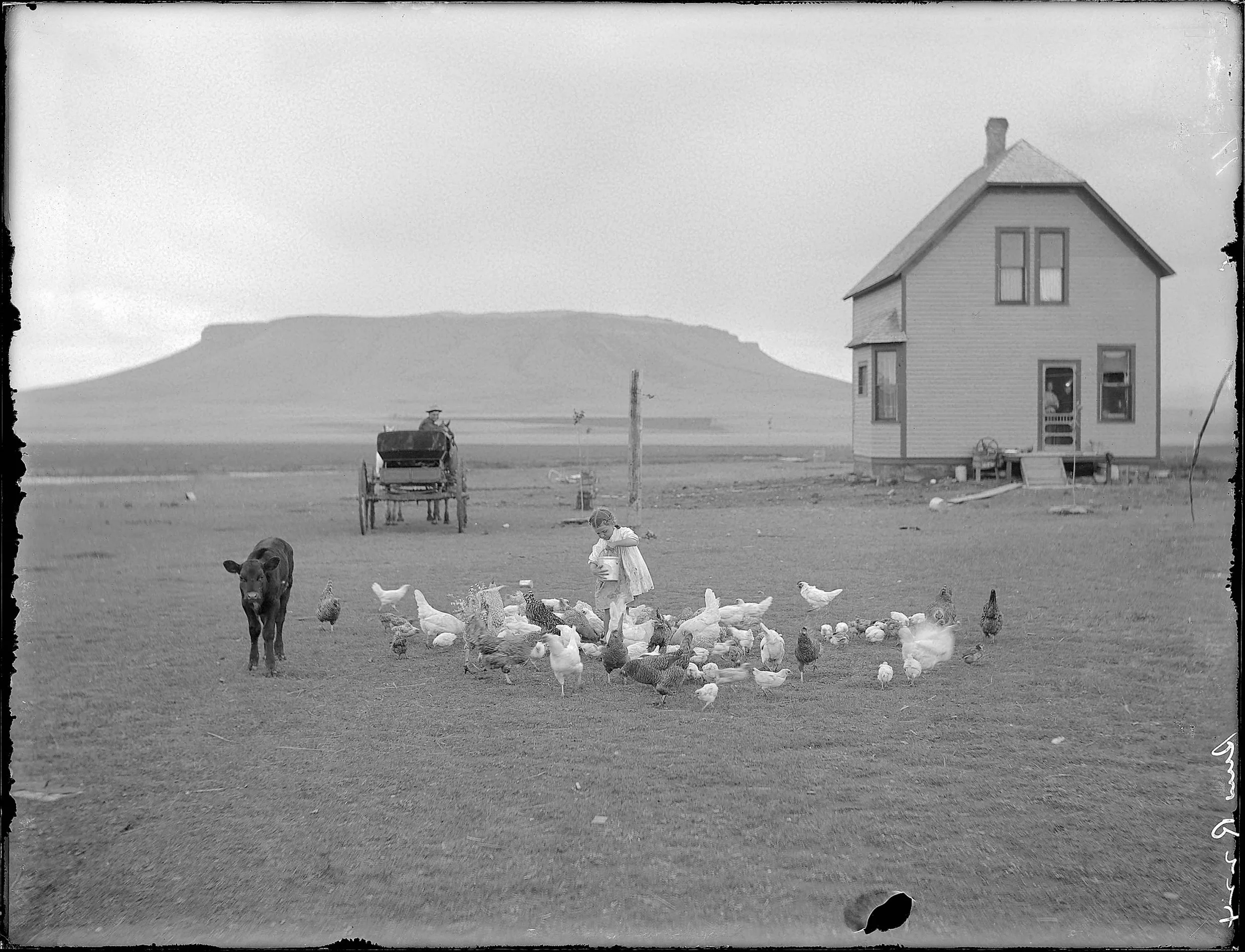
Vintage photograph by Walter Lubken of the Hancock homestead, July 23, 1910: settler from Benson, Minnesota, Sun River project, Montana; 1999 print from the original glass negative. Records of the Bureau of Reclamation (115-JAD-224). Courtesy Picturing the Century Exhibition, National Archives.
Finding our stories
INVITATIONS TO MEMORY
“Writing prompts are really just ways of listening—to memory, to emotion, to curiosity. They remind us that there’s no single path to finding your story; there are hundreds of small openings that lead to it.”
NO TRANSLATION NEEDED
“My grandfather only spoke Lao, and I had lost the language—but with one dish, we shared so much.” Manichanh Naonady on how eating snails with her grandfather bridged their language barrier.
MOBILE RECORDING BOOTH
Inside a circa 1978 camper trailer, The Chatterbox Project founder David Balzer collects and shares joyful audio stories in Canada:
Writing our lives
MEMOIR IN THE AGE OF OVERSHARING
“From sad-fishing on Facebook to sensational Substack revelations, today’s readers don’t have to look far for confessional writing. Is this the end of autobiography?”
WRITING THE TRUTH
“Memoir required a confident retelling of experience, a way for a reader to exist inside someone else’s life for a moment. The problem, I was coming to understand, was that even though I wanted to write my life story, I had disappeared inside the stories of everyone else.”
WRITING MEMOIR IS HARD
“For any memoirist who’s struggling to write, you’re not alone, and there’s nothing wrong with you or your process if it’s taking longer than you want.”
Short takes
Life Story Links: June 2, 2026
Personal historian Dawn Roode curates recent posts on the topics of memoir, life story writing, family history preservation; here, the June 2, 2026, roundup.
“Is not the poet bound to write his own biography? Is there any other work for him but a good journal? We do not wish to know how his imaginary hero, but how he, the actual hero, lived from day to day.”
—Henry David Thoreau, The Journal of Henry David Thoreau, 1837–1861
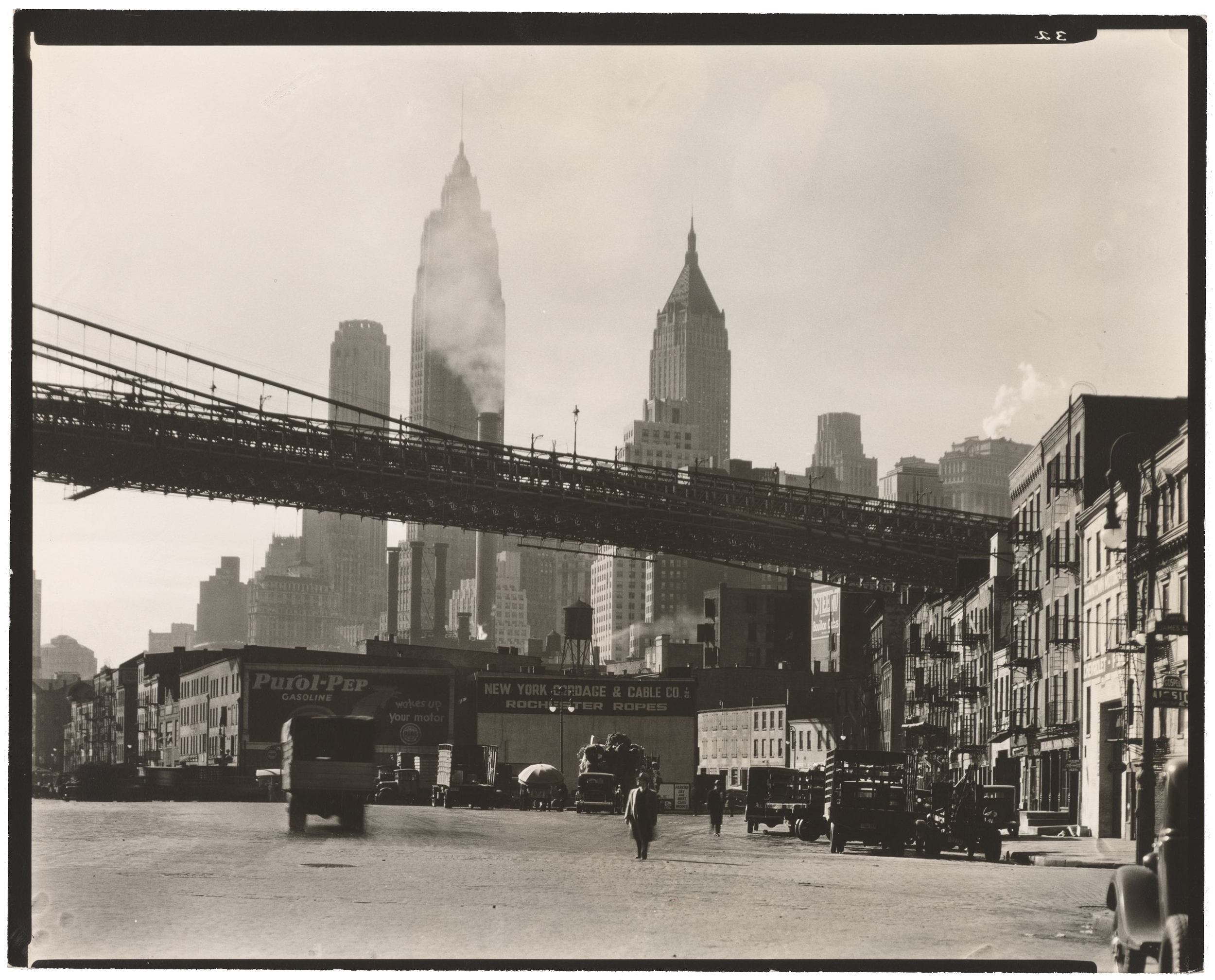
Vintage photograph of the South Street waterfront in New York City, 1935, by Berenice Abbott, courtesy the Miriam and Ira D. Wallach Division of Art, Prints and Photographs: Photography Collection, The New York Public Library Digital Collections.
Personal history potluck
INTERGENERATIONAL CONNECTIONS
“You might not think calling your grandkids on the phone could invoke more than clipped answers—‘school was okay,’ ‘I have a flag football game later…’—but I guarantee using video and a few of these ideas will rouse spirited—and meaningful—conversation.” Last week I wrote about how to be proactive sharing your stories with your grandkids.
A LEGACY OF VALUES
“While leaving a legacy may feel more urgent for older adults who feel the pressing nature of limited time, some scholars argue the drive to leave one can—and maybe should—begin earlier in life.”
‘THE STORIES MAKE MY MOM COME ALIVE’
Comedian Gus Constantellis shares how his Greek mom inspired a heartfelt cookbook—called, hilariously, My Greek Mom’s Recipes: She Died. I Wrote This Cookbook—filled with family recipes, humor, and memories:
SEARCHING FOR FAMILY
“At age fifty-eight, I discovered my biological family from a DNA test that [my adoptive mother] had given to me. I found an unbelievable connection to my biological father and learned he had been with me most of my life…. The story I discovered, my story, was a true war story.”
BOOKS ABOUT MEMORY
“I’m fascinated by how memory works, how it is organized, all the methods that have been developed to increase it and explore it and to summon images from the depths of the past. I write about my own memories and those of other people because that is the history I pursue: the subjective experience of time.”
‘WHEN BIOGRAPHY GOES DELULU’
“The process of discerning the truth from illusion was an unexpected yet crucial task in researching and writing my book, Follow the Signs, a hybrid biography that combines the story of Goodman’s life alongside my quest to create an authentic portrait of her.”
...and a few more links
Short takes
Life Story Links: May 5, 2025
Personal historian Dawn Roode curates recent posts on the topics of memoir, life story writing, family history preservation; here, the May 5, 2026, roundup.
“This, perhaps, is the greatest gift of the diary—its capacity to stand as a living monument to our own fluidity, a reminder that our present selves are chronically unreliable predictors of our future values and that we change unrecognizably over the course of our lives.”
—Maria Popova
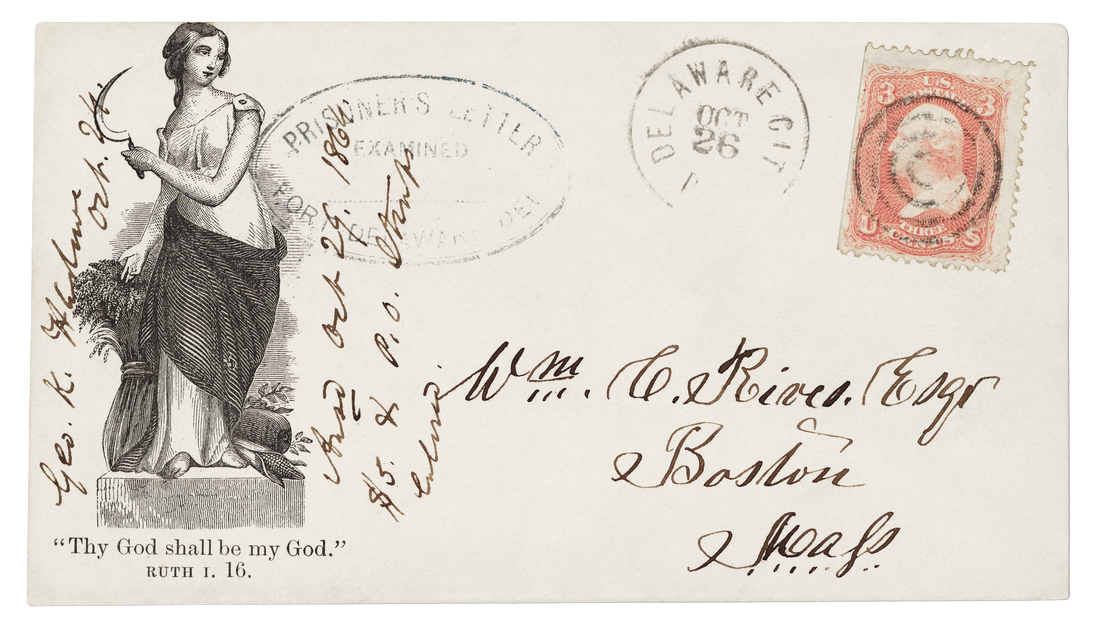
Vintage postmark and stamp on a Union prisoner envelope, dated Oct. 26, 1864; original public domain image courtesy of the Smithsonian.
Notes on the craft of life writing
THE POWER OF ASKING ‘WHAT IF?’
“I am watching and listening for what makes electricity in me, in the story. Somewhere in this list I always find the next doorway. And that’s all you need: one good detail to wake yourself up.” Ramona Ausubel’s favorite exercise for getting unstuck.
TEXTURE, CONTEXT, DETAILS
Last week I wrote about how to add historical context to your family history—and beyond the six diverse and rich resources I share, there is a wealth of inspiration and specific ideas to ensure your family’s stories are not only remembered, but felt.
ON WITNESSING HER OWN STORY
“Two months ago, I started EMDR therapy. That’s also when I happened to join an 8-week storytelling workshop. It turns out, both have a tendency to invite your past into the present. And when done at the same time, well, it’s a doozy.”
Recent memoirs
WHAT’S IN A NAME?
Leise Hook meditates on what her American and Chinese names reveal about herself in this excerpt from her graphic memoir, Names and Faces.
FAMESICK
“Oddly, from a writer who has been consistently ridiculed for TMI, I wanted to know more,” Kaitlyn Greenidge writes in this piece about what Lena Dunham’s memoir leaves out.
A WRITER’S MEMOIR IN ESSAYS
“Memory is research, because we forget so much, and one recovered detail leads to another. And there’s risk in remembering, deleting sentiment and hope and finding an inclusive truth that is bigger than specific lives and includes us all.”
‘KEEPER OF MY KIN’
“‘I know that at the very heart of our family is this original sin.’ She knew, too, that she would write about it, and she urged her parents to throw nothing out. They bequeathed her an invaluable family archive.” Ada Ferrer tells her family’s Cuba migration trauma story.
SAYING YES TO THE BOOK
“When I started writing a memoir,…sifting through the most devastating thing that had happened to me—my mother’s dementia and her eventual death on my son’s first birthday, the day I was hosting a zebra-themed party for him at our house—I knew I’d have to embrace weirdness in order to actually finish a draft of it.”
From the archives
NEWLY RELEASED JD SALINGER LETTERS
“This exchange provides the clearest primary-source documentation yet of Salinger’s resistance to biographical framing and his determination to control how his identity intersected with his work.”
OBJECTS OF AFFECTION
John Keats’s love letters to Fanny Brawne, dated between 1819 and 1820, have been returned to the owner after being stolen from a Long Island estate in the 1980s.
WHAT WAS YOUR LIFE LIKE?
Every once in a while a local TV segment or radio broadcast shines a light on a resident’s personal history, like this one below. I hope people view this clip not just as an introduction to a fascinating man, but as inspiration to pull out old photos and ask their own family elders for their stories—they’re ALL worth time in the spotlight.
Short takes
Life Story Links: February 24, 2026
A curated roundup that spans more than a month of curated personal and family history content (thanks for your patience as we have been updating our website!).
“I have hurriedly re-read the whole of my Journal. I regret the gaps. I feel as though I were still master of the days I have recorded, even though they are past, whereas those not mentioned in the pages are as though they had never been.”
—Eugene Delacroix, The Journal of Eugène Delacroix
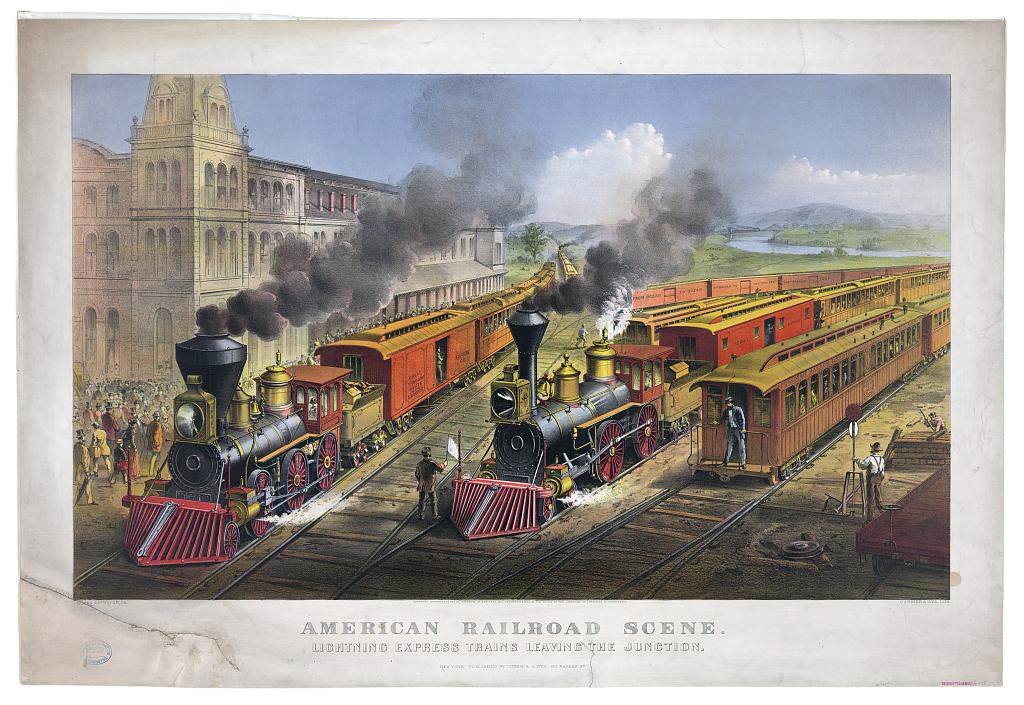
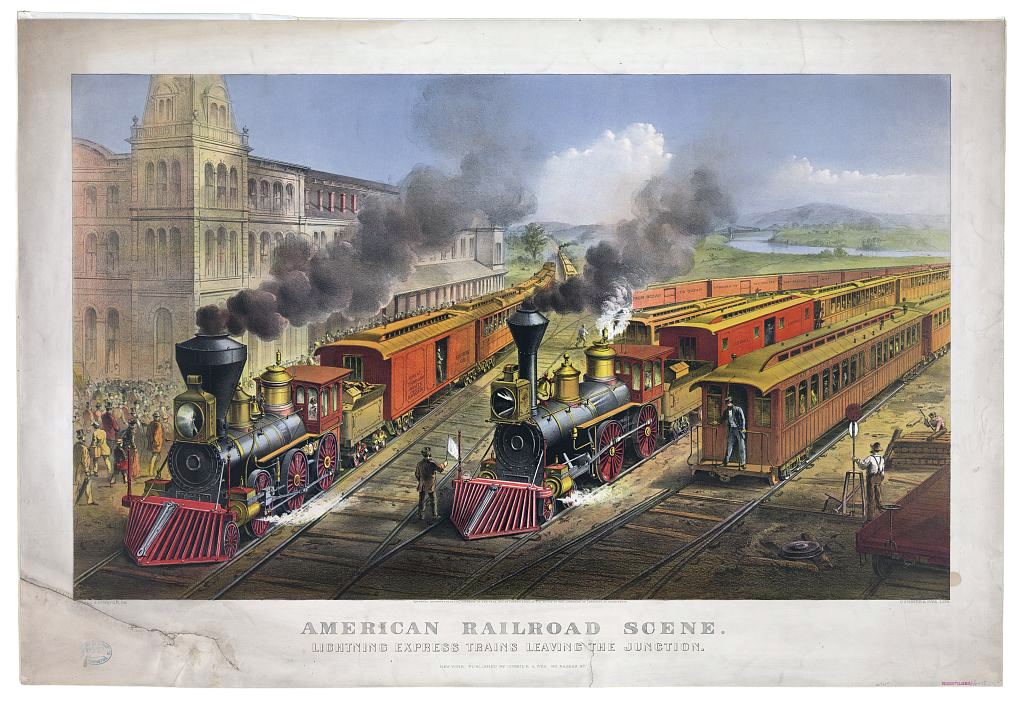
Vintage postcard depicting an American railroad scene, “Lightning Express Trains Leaving the Junction,” 1874; published in Viewpoints, a selection from the pictorial collections of the Library of Congress.
Family memories, photos & legacy
A DIGITAL DARK AGE
"There was a period from the early 2000s to 2013 where it was very difficult for people to get organized and photos were lost." On the ‘black hole’ of early 2000s digital family photos.
FROM CAPTURING TO CURATING
“We’re just trying to keep a record of our lives that doesn’t feel like a second job…. So the modern problem isn’t ‘How do I document my life?’ The problem is: How do I stop my documentation from becoming noise?”
‘21ST CENTURY VERSION OF CANVAS BAGS’
“Our digital stuff is so much more fragile than our paper stuff. And we don't really think about it like that.” Thoughts on preserving your (digital) legacy.
‘IT’S ABOUT THE FEELINGS WE CREATE’
“Maybe our families’ legacies aren’t so much about the things we do, but the values those things reveal and the atmosphere they generate.” Catherine Saunders muses on what our kids will remember.
WHAT’S ENCODED IN OUR LEGACIES?
Obituaries are one of the most enduring public records of an individual’s life, and a sweeping new study looked at 38 million of them to learn how we want to be remembered.
Moments in memoir
DEBUT MEMOIR
“In the same way that I knew I needed to hunt, I knew I would narrate this story of walking into the woods alone, with a rifle, in the dark.” “The Memoir Land Author Questionnaire” with Deborah Lee Luskin.
NIGHT WRITING
“Paradoxically, the writing I throw away makes possible my life as a working writer.” Moriah Hampton on how writing through trauma empowers her to live as a “working writer.”
THE POWER OF WRITING TO HEAL
“Three people attended my first memoir class taught in my therapy office, which expanded to dozens per week in several classes each week for over fifteen years.” Linda Joy Myers on the heart and craft of writing a healing memoir.
YOUR NARRATIVE QUESTION IS…?
“I would encourage writers of memoir to figure out early on what your narrative question is. You’re not writing the Wikipedia entry of your life or even a specific episode of your life.” Amen.
Musings on life writing
WRITE AN ASPIRATIONAL EULOGY
“That’s either brilliant or batshit,” Karen Salmansohn’s husband told her when he found her writing her own eulogy. Read about why she undertook the task, and how you can, too.
FROM BETH KEPHART, A SHORT MEDITATION ON MEMORY
“The fear of having lost the years. Of remembering only what I wrote, but did I write rightly? Writing being what you put in and all you leave out; the real word is abandon.”
52 WEEKLY PROMPTS, FREE
Keeping a journaling or family history practice alive through the entire year can feel daunting—until you realize you don’t have to come up with ideas on the spot. To celebrate the start of 2026, I have shared a year’s worth of journaling prompts.
THE HOLOCAUST STORY SHE SAID SHE WOULDN’T WRITE
I included this story in an April roundup, but upon seeing it again in a year-end wrap-up from the Museum of Jewish Heritage, decided to share once more: “What would become of stories like Mr. Lindenblatt’s if the generation of mine that was supposed to inherit them had taken the privilege that came with another generation’s survival and decided not to listen?”
...and a few more links
Short takes

Life Story Links: July 15, 2025
Dawn Roode’s curated roundup for the week of July 15, 2025, includes recent stories of interest to personal historians, preservationists, and family history fans.
“Memory is the treasury and guardian of all things.”
—Cicero
Photograph by George W. Ackerman (1884-1962): “Farmer reading his farm paper,” Coryell County, Texas, September 1931. 1998 print from the original negative. Records of the Extension Service. Courtesy Picturing the Century Exhibition, National Archives.
Ways we remember
ON YIZKOR BOOKS
“They would pool their memories, knowledge and financial resources to put together these potluck books.... They were an internal form of monument and memory, keeping a connection to a place they couldn’t go back to.”
WOULD YOU WANT THIS?
“Despite near-consensus that memory has a physical basis, neuroscientists are split on whether we might someday be able to extract memories from a preserved brain or upload them into a computer.”
LETTERS FROM THE PAST
“My parents didn’t think that they would be here 50 years later to retrieve it with us. So it’s pretty special to know that their voices [are] in there that I haven’t heard in a long time.” The ‘world’s largest’ time capsule opened after 50 years.
Presentation matters
SIMPLY TIMELESS
“A book that captures your legacy should be designed with longevity in mind, so it remains engaging and accessible for generations.” Last week I made a case for classic book design.
MULTIMEDIA, GLOBAL STORYTELLING INITIATIVE
“The Last Ones is not a museum. It's not a textbook. It’s a movement—one that meets history where it lives: in the hearts and words of the [Holocaust] survivors who are still here, and in the eyes of the next generation who must carry their memory forward.... The organization has also developed a first-of-its-kind geo-located mobile app. Walk through Warsaw, Paris, or Berlin, and one's phone will light up with the testimony of a survivor who lived on that very street. It's memory, mapped.”
Writing our lives
SHE WROTE THE MEMOIR HER FATHER COULDN’T
“Even in the delirium-addled days before his death, my father continued to urge me to ‘write the book’ about his life.... I understood that he wanted to be honored and remembered, for his life to have had meaning, to leave a lasting trace upon this earth.”
FROM PAGE TO…?
“Rather than destroying them or sealing them up, I think I’d appoint my best friend, Lizzie, to be the arbiter and curator of my journals’ afterlife.” Suleika Jaouad shares her journaling routine.
THE UNEASY WORK OF REMEMBERING
“Remembering and forgetting are not so much actions as forces that everyone must negotiate. One might try to foster conditions for remembrance—take photographs, keep a journal, stash relics—but forgetfulness sets its own obscure terms.”
...and a few more links
Facebook is asking to use Meta AI on photos in your camera roll you haven’t yet shared.
UK-based documentarian aims to preserve priceless memories with Family Legacy Films business.
A nostalgic look back at what it was like waiting for your first roll of film to be developed.
The July 2025 edition of the GAB Gazette from the Birren Center for Autobiographical Studies
Read an excerpt from Frontier: A Memoir and a Ghost Story by Erica Stern.
New Haven launches Memory Lab to help community preserve and digitize family history.
Two fabulous visual aids derived from a roundtable about family history and legacy.
Short takes