
Memories Matter
Featured blog Posts

READ THE LATEST POSTS

Become a family history detective (the fun way!)
There’s way more to family history than clicking on digital hints and scouring online genealogy sites. Here, three ideas for tracking family history clues IRL.
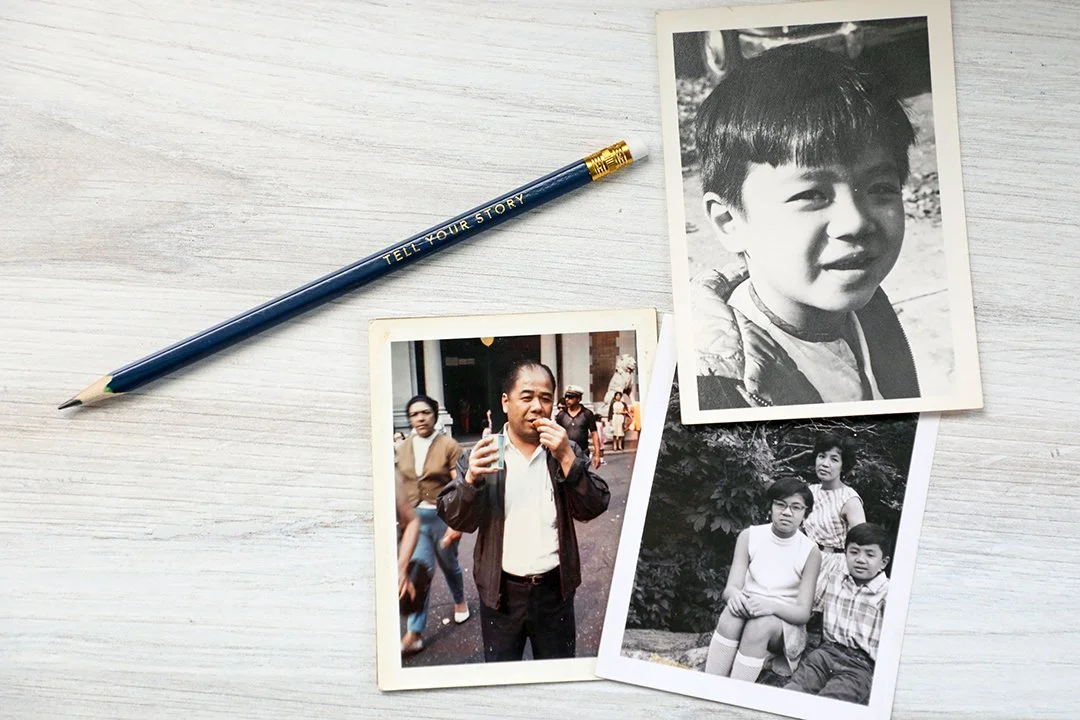
All of genealogy can be thought of as a treasure hunt or a detective mission: You’re searching for clues to the past, one document at a time. But beyond the paper trail, there are other paths you can follow to help you understand your ancestors’ lives, to flesh out their stories, and to add texture to your family narrative.
3 ideas for going on a family research adventure

Search for treasures at home.
Have you searched your attic and basement for boxes of photos or scrapbooks or other items your parents or grandparents saved? Too often, particularly when a family elder dies, we just stash these boxes away because we are overwhelmed dealing with logistics of the loss, or too emotional to rummage through them. Check out this free guide for tips on how to navigate that process, including what to search for, where to look, and how to handle the waves of grief that may ensue.

Search for treasures at family members’ homes.
Maybe you’ve seen a photo of your extended family on the mantle at your cousin’s house for years and never thought to ask for a copy for yourself. Or maybe you know your brother inherited a separate box of Dad’s things after he passed, and you never thought to inquire as to what was within. I guarantee you that every person on your family tree has some clues to your own family history—all you need to do is ask. Consider arranging a visit: You bring the meal, and invite them to bring out those dusty boxes. You bring the questions, and invite them to share some stories. You bring your curiosity, and invite them to get excited about the past along with you. Make this particular detective mission one centered not just one fact-finding, but on building connections!

Take a fact-finding trip.
It might be as simple as driving 20 minutes to the street where your childhood home was located, or as elaborate as creating an entire itinerary and traveling out of the country to your family’s homeland. After jotting down some questions about various PLACES from your past, consider if any of them might be answered by undertaking a trip.
A few ideas:
Perhaps an ancestor is buried in a cemetery that is not indexed on Find-a-Grave: Go there, physically, and take photos of the headstone to determine (or confirm) your ancestors’ names and birth and death dates. Are there other family members in the plot that might be new to you, too? (Why don’t you upload one—or a few—photos of other grave markers to the Find-a-Grave website while you’re at it? Someone will be grateful one day.)
Maybe there was a diner or mall or bowling alley where you made frequent visits as a child with your family? If you want some sensory input to help you travel back in time to access your memories, putting yourself in the environment will help. (A recent trip I made to my hometown, for example, flooded me with memories in the most unexpected ways—turning on a road I had forgotten about where a close childhood friend had lived, and driving by my high school parking lot…)
Did you determine that you are almost 100-percent Italian through a DNA test? Or uncover Ashkenazi roots you didn’t know were present in your bloodline? Consider traveling to places where your ancestors may have lived. There is now a whole industry built around heritage travel. You could hire someone to craft a custom itinerary based on your family history, or just visit a new country where you have roots to immerse yourself in the culture, hear the language, and eat the food. Make sure to prepare like the detective you are by having at least a handful of specific objectives during your travel. It might be visiting a specific address you unearthed on a genealogy document, or visiting a local archive to answer specific questions you’ve had trouble answering through online repositories. Maybe there’s a ‘lost’ recipe you’d like to recover—find a restaurant that caters to locals and might be able to help you.
Grab a notebook, a pen, and your camera, and get ready for adventure, family history detective!













Life Story Links: April 8, 2025
With three weeks’ worth of news, the curated roundup for April 8, 2025, is overflowing with great reads on memoir, family history, and life story preservation.
“There is an ancient Zulu greeting: Sawubona. It literally means, ‘I see you.’ Sawubona implies, ‘I know you. I recognize your worth, passions, pain, strengths, weaknesses, and life experiences.’ Isn’t that the goal of every human interaction?”
—Gina Vild
Vintage postcard with handwritten note addressed to a recipient in Winchendon, Massachusetts, postmarked from New York City in 1906, from the personal ephemera collection of Dawn Roode.
On telling our own stories
HOW GHOSTWRITERS CAN HELP
“It is truly a special moment when someone else accurately and authentically captures our own life.... Such is the mission of a ghostwriter, offering catharsis to an author while giving readers a gripping story to read.”
CLOSE—BUT NOT TOO CLOSE
In a recent post I shared two questions to ask yourself to determine if you have enough emotional distance (and why you need it) to write about your life.
BUT DOES IT MOVE THE STORY FORWARD?
“Revenge writing in memoir is never, ever a good, or valid, creative intention.” Elissa Altman shares the three questions she asks herself before writing about someone who has harmed her.
WHO LISTENS TO YOU?
“More than one interview subject has teared up and needed to pause once they get going during our interview sessions—once it dawns on them that I am not going to interrupt them, and that I am listening intently.”
WE’RE ALL STORY KEEPERS
“Whether it’s a 90-second video or a three-page story or a full book, really the core of it is, How did life change you?” says personal biographer and ghostwriter Rhonda Lauritzen in this recent TV interview.
Memoir miscellany
‘FOLLOW YOUR MIND’
“I vote for letting everything tumbleweed together over multiple drafts and editing on the printed page (edit, print, edit, print) and recording out loud to see if it’s working.” Diane Mehta on writing her new memoir-in-essays.
PIECES OF A LIFE, RECLAIMED
“When I got to the end of the memoir, I realized the story I’d written wasn’t the one I’d intended to write,” Samina Ali says. “What emerged as well was a full-throated love letter to the vital act of storytelling.”
BEYOND DOCUMENTING EXPERIENCES
“This is memoir braided with interview, feminist journalism, dreamscapes, and the occasional excellent recipe,” Ariel Gore shares in an interview. “It’s about how a diagnosis becomes part of your story but doesn’t have to be your whole story.”
TRACING FAMILY MIGRATION
“There are so many choices to be made when we set out to tell the stories of others based on documents and interviews.” In conversation with Caroline Topperman, author of the hybrid memoir Your Roots Cast a Shadow.
LOST, FOUND, KEPT
“I have learned through my long writing practice to trust my voice. It’s the wisest part of me and I always listen to it, particularly in my early drafts when I’m excavating for the truth.”
A MEMOIR OF BODIES AND BORDERS
“In the realm of records, her trace has always been slight. Born without a birth certificate in the days of British rule, her name was first written in 1955,” Sarah Aziza writes of her grandmother. And of her father: “With before locked away, he did not see his life as aftermath.”
TALKS WITH BUBBE
“I’ve seen the way one small nugget can lead to another, and just how much of a world can live within a single detail. I’ve really learned that from listening to [my grandmother] and how she tells her stories, seeing what details stay with her.” Listen in as Marion Roach Smith talks with Brooke Randel about writing her new memoir:
The historic record, memory, and research
ARCHIVES OF ARCHIVES
In the wake of the firing of “the head of the National Archives and Records Administration,...whose motto is ‘the written word endures,’” librarians and guerrilla archivists are trying to save our country’s history.
PHOTOGRAPHIC LEGACY
“Editor and New Yorker Reuel Golden had the pleasure of diving into the Atlantic archives” for the retrospective coffee table book 75 Years of Atlantic Records from Taschen.
FROM ASHES TO ART
“It’s better than anything I could have salvaged. This is something that comes only from a place of love.” Seventeen artists around the country help California wildfire victims preserve memories through custom home drawings:
LAYER UPON LAYER…
“What is the obligation of the people who came after—those who survive the survivors—who carry the story, who carry the residual trauma and haunted memories of their families?” For years, her friend’s father asked her to recount his childhood escape from the Nazis. Why did it take this journalist so long?
Finding the past
THE PERFECTLY IMPERFECT WAYS WE REMEMBER
In Memory Lane, two psychologists lay out the vagaries of how we remember, proposing that “memory is like a Lego tower, built from the ground up, broken down, put away and rebuilt each time it’s called to mind.”
MORE ON EPISODIC MEMORY
One of the co-authors of that book was recently interviewed on the following podcast: “If somebody’s memory doesn’t accord with yours, they’re not necessarily lying. They might be mistaken, or you might be mistaken.”
...and (a lot!) more links
This fragile handwritten autobiography was mended for posterity.
Yes, happy memoirs do exist—here, some recommendations from Patricia Charpentier.
A short, fun peek at how a mixtape fits into one family archive.
The process used to uncover fragile fragments from centuries past, plus an even more detailed account here
66% of Americans say they use photos to feel closer to their loved ones.
New research: Brain scans confirm babies form memories, challenging long-held beliefs.
“What would it mean for society if we harnessed DNA to store everything forever?”
“As children, they fled the Nazis alone; newly found papers tell their story.”
Reflecting on the healing power of storytelling: “reparative journalism” discussion guide
Short takes

“Who listens to you?”
We are a world of talkers, but what we need is to listen, and to be listened to. Find inspiration from author Kate Murphy and personal historian Dawn Roode.
“When I interview people—whether it’s a person on the street, CEO, or celebrity—I often get the sense that they are unaccustomed to having someone listen to them. When I respond with genuine interest to what they are saying and encourage them to tell me more, they seem surprised; as if it’s a novel experience. They noticeably relax and become more thoughtful and thorough in their responses, assured I’m not going to rush them, interrupt, or glance at my phone. I suspect that is why so many end up sharing such tender things—unsolicited by me and wholly unrelated to the story I am writing. They find in me someone who will finally, at last, listen to them.”
This paragraph is from the introduction to You’re Not Listening: What You’re Missing and Why It Matters by Kate Murphy—I had jotted it down as a reminder to write about this phenomenon someday. The notation about the author and the book title was on the reverse side of the piece of paper I wrote the quote on. So when I unearthed the scrap among my things recently, I thought for a moment I had written these words; the sentiment and the experiences reflected within are as if my own (though, admittedly, it’s been a while since I interviewed a celebrity!).
It’s common—too common, really—for people to feel almost shocked when I maintain eye contact and do not interrupt their story sharing. More than one interview subject has teared up and needed to pause once they get going during our interview sessions—once it dawns on them that I am not going to interrupt them, and that I am listening intently.
Kate Murphy interviewed many people for her book, and among the questions she asked them, she writes, was, “Who listens to you?” The answers, as you can imagine, were not overwhelmingly positive: Many, many of us feel like we are not being listened to, and even, says Murphy, that we are not good listeners ourselves.
If you’re interested in exploring this—how we got here, how we can change course—I recommend picking up a copy of You’re Not Listening.
For a sampling of the author’s thinking and her voice, I recommend listening in to this Fully Booked podcast interview with Kate Murphy:
And for a few of my (very quick!) thoughts on the topic, read on.
Listening is an active endeavor.
Listening is not the same as hearing. Listening is a conscious act—being open to receiving the words and messages of another. “Listening is an act of community,” author Ursula K. LeGuin wrote. So next time you ask someone a question, pay attention to their answer; when it seems like they are done speaking, take a beat—awaiting more from them, perhaps, and listening to your shared silence. There is much there to hear.
Listening makes you a more empathetic person.
Empathy is the ability to understand and share the feelings of others. It can be developed through practice, and it's not a fixed trait. “When you talk, you are only repeating what you already know. But if you listen, you may learn something new.” This is an oft-quoted sentiment from the 14th Dalai Lama, and it resonates for a reason. By listening to (or reading) another’s stories, we are given the opportunity to see ourselves in their experiences—and in so doing, help us understand their perspective.
Everyone is interesting if you listen to them.
It’s partly a matter of asking the right questions, partly of giving someone space to share, but it’s mostly a matter, in my opinion, of listening—if you listen with an open heart and an abundance of curiosity, every person will show themselves to be interesting.
I hope you have someone in your life who listens to you—really listens to you. “Love is listening,” artist Titus Kaphar has said (and, oh, how I agree!)…and we are all worthy of love.
I leave you with this quote, written in my commonplace book years ago, from one of my most beloved writers:
“In the silence of listening, you can know yourself in everyone, the unseen singing softly to itself and to you.”
—Rachel Naomi Remen







Why you need emotional distance when writing memoir
Is there ever really a ‘right’ time to start writing your memoir? There’s not, in my opinion, but here are two questions to ask yourself to help you decide.
Have you ever wondered if enough time has passed for you to begin writing about your life?
“When is the right time to start writing my memoir?”
“Am I too young to write my life story?”
Questions such as these miss the mark. There isn’t a ‘right time’ or a ‘best age’ to right your memoir. Rather, I suggest considering how much emotional distance you have from the chapter of your life you want to write about.
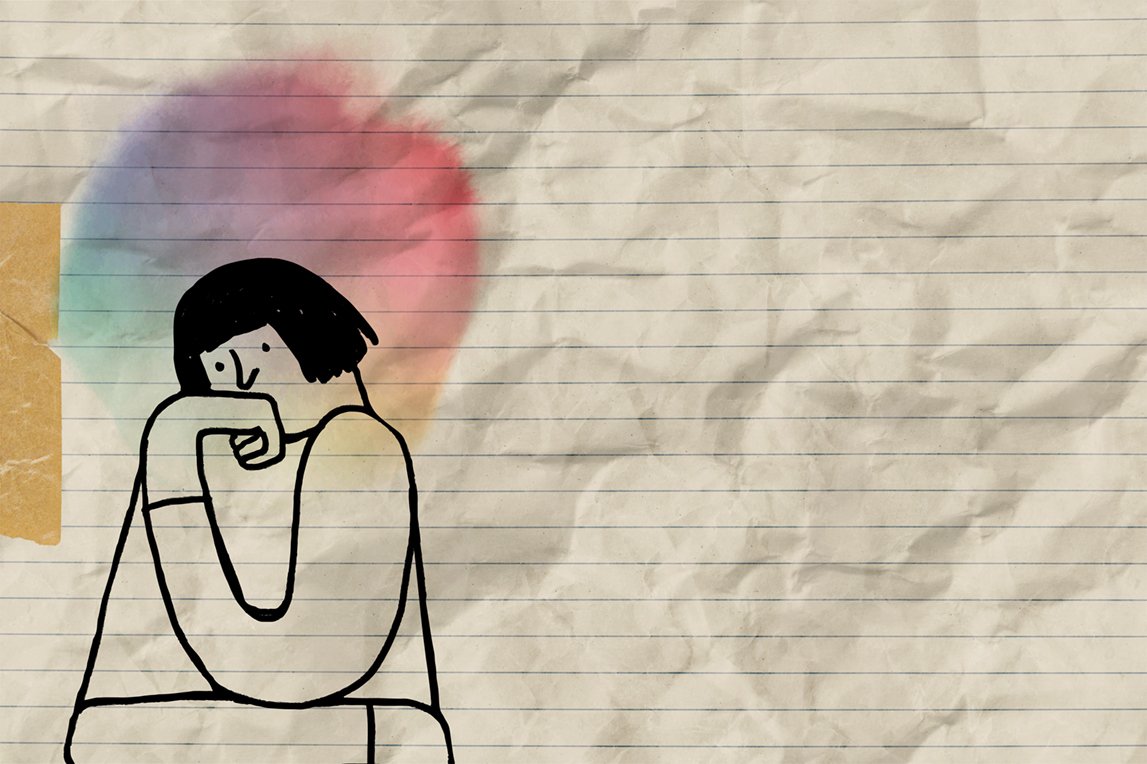
I have worked with people who are writing about their lives from a vantage point where they have a LOT of perspective—an 80-year-old capturing his young adult experiences, for instance. And I have coached memoirists who are writing about fresh trauma—a 30-year-old exploring how she ‘found herself’ amidst the dissolution of her marriage less than a year before, for example. Is one of these situations better than the other?
There’s almost certainly a happy medium: writing about your life when enough time has passed that you have significant insights and perspective, but when not so much time has passed that the experiences no longer seem relevant or retrievable in your memory. But how do you know when it’s that time?
2 questions to ask yourself to determine if now is the right time to write about your life
Do I have enough emotional distance to be able to write about my life with clarity and insight?
“I had to step away from my own emotions, from my embarrassment and fear and pain, far enough to get a clear view,” Scott Nadelson writes as he suggests a method many memoirists use: Pretend you are writing about someone else. “If I’d stayed too close,” he continues, “obeying the instinct toward self-protection, then I would have risked nothing, and nothing would have been at stake for a reader.”
If you’ve ever read an entry from one of your old diaries, you know the emotions of which Nadelson speaks (I certainly do!). If you can’t elucidate your experiences without self-judgment or embarrassment, you might not be ready to write about them.Do I have access to the memories that will be the building blocks of my narrative?
“The meaning of our experiences is constantly changing as we grow,” Megan Stielstra has said. So of course when you choose to write about a life experience will color how you do so.
It may feel like you haven’t fully synthesized your feelings about a chapter of your life—and like you, therefore, should wait to write about it. Just make sure you aren’t waiting too long. You want to have full access to your memories, and in particular to the emotions that accompanied your actions, else there will be no immediacy to drive your storytelling, no detail to animate your words.
Know this: There is no right or wrong time to begin your memoir. If it seems like it may be too soon—because your feelings are too raw, or your perspective clouded—it just may be that you will work some heavy stuff out DURING your writing. That can be a powerful thing both for you and your readers.
One of my favorite memoirists, Dani Shapiro, writes thoughtfully about this balancing act in her essay “A Memoir Is Not a Status Update”:
“I’ve been doing this work long enough to know that our feelings—that vast range of fear, joy, grief, sorrow, rage, you name it—are incoherent in the immediacy of the moment. It is only with distance that we are able to turn our powers of observation on ourselves, thus fashioning stories in which we are characters.”
So let some time pass. Sit with your feelings. Let them simmer. Write about them—as sloppily and urgently as you want—in a journal. Turn to writing about them with intention when it feels like enough time has passed. (“But how will I know?”, you still wonder…and all I can say is, you just will; trust your gut—and know that if it is too soon, that’s why they call it a first draft 😉)
Further reading on emotional distance in memoir
If the topic of emotional distance in memoir interests you, here are a few other essays I recommend on the topic:
“Dani Shapiro on the Disequilibrium of a Life-Changing Moment”
“And so I was, I think, rushing the writing because…the pieces of myself were sort of strewn all around me and I was impatient to begin to put them together again.… But there was an urgency, I think, that would have benefited from slowing down a little bit. Not a lot. Again, not, you know, write this from the distance of your rocking chair someday, but from a place of that little bit of clarity of distance.”“9 Tips for Dealing with the Emotions When Writing a Memoir,” by M. Shannon Hernandez
“Raw emotions usually emerge first, and sometimes we can leave them as is—and at other times we need to wrap them in love and understanding and softened tones, so that we don’t offend our audiences.”“Not Too Close: Emotional Distance In Creative Nonfiction,” by Connor Byrne
“The first sign that a piece is too distant is an almost analytical tone, for example, “this happened because of this; I should have done this; this has had x effects on my life.” The writer has moved far enough away from the emotional reaction to what they’re writing about that they turn to an opposite strategy: looking at everything rationally, which often sacrifices a feeling of the piece being ‘genuine.’”“The Hard Art of Seeing Your Own Writing Through Rose-Colored Glasses,” by Mira Pitacin
“I wrote my memoir nearly in real time, and writing about my own loss in the wake of the events did two things: exorcised the demon out of me, and let the reader know what it really felt like to experience these things in the moment, not seven plus years later, with a wiser, less stinging outlook that comes with time and perspective.”











Life Story Links: March 18, 2025
Dawn Roode’s curated roundup for this week is overflowing with recommended reads for family historians, personal biographers, and memory-keepers.
“You’re not off the hook from inspiration’s demands and rewards just because the story happens to be true, or just because it’s about your life.”
—Elizabeth Gilbert
Vintage postcard depicting an illustration of flower beds in Prospect Park, Brooklyn, New York, postmarked 1906, from the personal ephemera collection of Dawn Roode.
Family history faves
ON AND ON AND ON AND ON…
Tracing your genealogy is an ongoing endeavor, so how do you create preservation projects that can actually…well, get finished? Last week I wrote about family history project creep and how to manage it.
‘I FOUND SO MUCH’
“There were photos of my grandpa I'd never seen alongside military documents displaying his signature. I calculated his age at every turn, finding context for family stories and drawing comparisons with my life.”
WHICH ONE IS BEST FOR YOU?
Family Tree magazine does an updated deep dive into genealogy websites, comparing the big four—Ancestry.com, FamilySearch, Findmypast, and MyHeritage—feature by feature.
PATCHWORKS OF MEMORY
“Mama say, ‘I going to take his work clothes, shape them into a quilt to remember him, and cover up under it for love.’” Lisa Gail Collins on stitching love and loss.
FAMILY STORY PRESERVATION PLATFORM
“As someone who wishes I had more recordings of my own parents' stories, I immediately saw the value,” Mark Cuban says of technology platform Remento, which garnered a deal on Shark Tank. Watch the full segment here:
First-person writing—tips and inspiration
‘FIRSTBORN GIRLS’
“Recently I heard a woman say that fear does not save you from dying, it keeps you from living. I feel the same way about writing one’s truth.” Bernice L. McFadden on writing her first memoir.
JOURNEYS AWAY FROM HOME
“The question of form and its relationship to a life lived interests me as a writer and as a border crosser, as my father’s son and as a father myself.” A (long) thoughtful piece on migration by Viet Thanh Nguyen.
GALVANIZED TO KEEP TELLING HER STORIES
“It was here, through my writing, on my own terms, that the people I loved would meet me to bear witness. It was here that I could speak my truth, and I would find my own healing and purpose.”
‘I SEE IT AS A WITNESS NARRATIVE’
“I’d given up on this memoir, but for some reason I opened up the file one day a couple of years ago. The story still compelled me, so I thought I'd try to publish parts of it.”
Miscellaneous storytelling
DIARY KEEPING, LITERALLY
“I stopped feeding more pages into the fire after making acquaintance with the self who wrote them. It felt like killing her somehow, to destroy evidence of who she had been. Maybe she still had things to teach me.” Memoirist Dani Shapiro on what to do with her years worth of diaries.
THE NATURE OF STORIES
The approach of new research “is a significant departure from previous studies of life stories—here, we are really homing in on the ability to craft a compelling narrative from minimal material.” And the findings show that strong storytelling skills can dramatically improve someone’s well-being.
DEEP DIVE INTO ONE MEMOIR
“While she seemed concerned that memory is slippery and false, she was, in fact, teasing herself and the reader by appearing in all earnestness to be searching for the real truth.” In Memories of a Catholic Girlhood, Mary McCarthy created herself on the page.
‘LUCKY TO HEAR THESE STORIES’
“Are you taping this whole thing? Jaysus, you’ll have to sensor the lot of it, so you will.” Chicago–based personal historian Nora Kerr shares a few quotes from Irish storytellers in honor of St. Paddy’s Day.
Worth a watch
‘BECAUSE I’M WORTH IT’
Documentary filmmakers interviewed influential advertising copywriter Ilon Specht “about her legacy and her life. While only 17 minutes long, each frame packs a punch.”
NO TASTE LIKE HOME
“As a son of immigrants, I know that food can tell you more about who you are and where you’ve come from than you ever imagined,” host Antoni Porowski says of unlocking the past through culinary adventures in his new series. Read about how he helps six celebrity guests learn about their ancestors through recipes, and watch a preview below:
TIME FRAME
In 1864, as the new art form of photography was gaining popularity, someone had the forethought to trace the last living Revolutionary soldiers and take their photographs. Don N. Hagist, author of The Revolution's Last Men: The Soldiers Behind the Photographs, talks about the real stories of these veterans. Listen in:
Feats of research
RECOVERING THE PAST
“Even if a person didn’t donate stacks of papers to a library with comfortable chairs and a good scanner, every life intersects with public record keeping and every life of achievement leaves a wide and deep impact on others.” On writing biography without an archive.
FROM 2,600+ BOXES IN THE ARCHIVES…
A Century of The New Yorker, a new exhibit celebrating the magazine’s century-long influence at the New York Public Library through February 21, 2026, is “a reminder that history is never static and that the stories we tell—as well as the ones we choose to leave out—matter.” Glimpse behind the scenes of how curators scoured the archive and chronicled 100 years of history below:
...and a few more links
Another “tech-forward solution” to life story preservation: Autobiographer for Apple products
TikTok 'You remember when' trend sees users share embarrassing childhood memories.
A corporate history of a kind, in an incredibly bound book—a graphic design wonderland
Digital storage dominates, but future generations may lose precious memories, report warns
How to tap into their long-term memories in order to connect with loved ones suffering from dementia
How sharing stories on a private Instagram account helped one adoptee feel seen.
Meta seeks to block further sales of ex-employee’s scathing memoir
Short takes
Beware of family history project creep!
You’ve decided to do SOMETHING with all that family history stuff you’ve gathered—but somehow your project keeps growing. Here’s how to cross the finish line.
You’re almost done with your latest family history project…and then a sibling drops off ANOTHER box of stuff. What do you do?
Over the years I have created an array of resources for those in my community who prefer a DIY approach to their family history and memoir projects. Some of those resources provide nitty-gritty, step-by-step directions on how to do something (such as create a tribute book, say), while others offer broader inspiration (like ideas for fun family photo books).
One thing almost all of them have in common, though, is some reference to overwhelm. Why? Because it’s the thing I hear from prospective clients and DIY’ers most—how daunting they find the project before them. How they can’t imagine ever finishing—or they don’t even know where to begin. How they start with enthusiasm, and at some point abandon the project due to burnout.
As a professional personal historian and longtime editorial project manager, this is something referred to as project creep. And, frankly, it sucks.
What is project creep?
A quick AI overview makes it clear that project creep is generally a professional term:
“Project creep, also known as scope creep, is when a project's requirements or deliverables increase beyond what was originally defined in the project plan:
Definition: Adding features or functionality without considering the impact on time, costs, or resources
How it happens: Often starts with small changes that build up over time
Can lead to: Decreased quality, reduced team morale, customer dissatisfaction, and project failure.” *
YOUR personal family history project has only one client and one stakeholder, and that’s you. So while you aren’t worried about some other customer’s dissatisfaction, you are concerned with your own, right?
So let’s skip the bureaucratic jargon in the AI definition, and say this:
Project creep can happen even when you are in the driver’s seat, making decisions, and seemingly NOT adding any new requirements or aspects to your project. How?
>> Because every genealogical discovery leads to another (or to a mystery just begging to be solved).
>> Because every time you need to learn something new (like how to export a gedcomm file from Ancestry, or where to find family history templates that meet your needs, or how to transform your family history facts into compelling stories…), you might end up going down a rabbit hole.
>> Because family photos can be distracting (in a most endearingly emotional way, but still).
>> Because there really is no “end” to your family history.
So, how do you avoid project creep in your family history project?
The following three simple steps will help you ditch the feelings of overwhelm and avoid losing focus from your family history project.

Set clear goals.
What are you trying to accomplish with THIS family history project? Are you aiming to create a beautifully bound family history coffee table book? If so, that large project needs to be broken down into smaller tasks to help you get there. Are you aiming to create single page synposes of all the known ancestors just on your maternal side? Then write that as your end goal, and make a list of tasks to achieve it (a list of known ancestor names; what your one-page summary will incude; whether or not you need pictures, and where to source them from; etc.).
Be clear about your end goals, and your expectations and next steps will be clear. Any time you feel project scope creeping in, ask yourself: “Is what I am doing within the scope of my original project goals?” If not, write the task down and consider revisiting it during your NEXT family history project.

2. organize your project materials.
Using the goals and resulting step-by-step approach you created, gather all the materials you think you will need to complete THIS family history project. You may prefer to work with hard copies—in which case you will need folders or a binder to organize your materials; or you may be a digital native who hates paper clutter—in which case I recommend dedicating a single external hard drive to your project (and nothing else!).
Organizational categories may include things like:

E-Book recommendation
If you want to get serious about organizing all your family history materials, I highly recommend this step-by-step guide from archivist Margot Note.
family tree info (perhaps further broken up into maternal and paternal lines, or by couples and their children, for instance)
family photographs (organized chronologically, perhaps, or by family member, or thematically if you plan to tell stories through your family history)
resources (such as maps, a list of family surnames, contacts such as genealogists or family members you regularly communicate with)
schedules or other project management info
You may also want to consider a color coding system to help you discern materials at a glance. One simple hack I have used in the past is to buy three colors of post-it notes and assign each a status—green for “ready to go,” yellow for “need more info/hold for later,” and red for “problematic/needs work.”

3. set deadlines.
If you know you must finish your project by a certain date—an upcoming family reunion, say, or a loved one’s birthday—then you know your FINAL deadline; go a step further and create interim deadlines for various aspects of your project.
Even if you have no firm end-date in mind, though, it’s crucial that you set a firm schedule if you plan to finish. Check out this post for exactly how to set a deadline for your family history project (including concrete ways to hold yourself accountable!).
—————————-
*Project creep definition and other explanatory info derives from an AI overview from Google, November 13, 2024.

Life Story Links: March 4, 2025
We weave our personal histories into stories in so many ways, and this week’s roundup hones in on six of them. Plus, tools of remembrance and life writing tips.
“Chronologies, ancestries, and even achievements may reveal curiously little about a man or a woman. On the other hand, the smallest things may offer vital clues.”
—Ann Roe
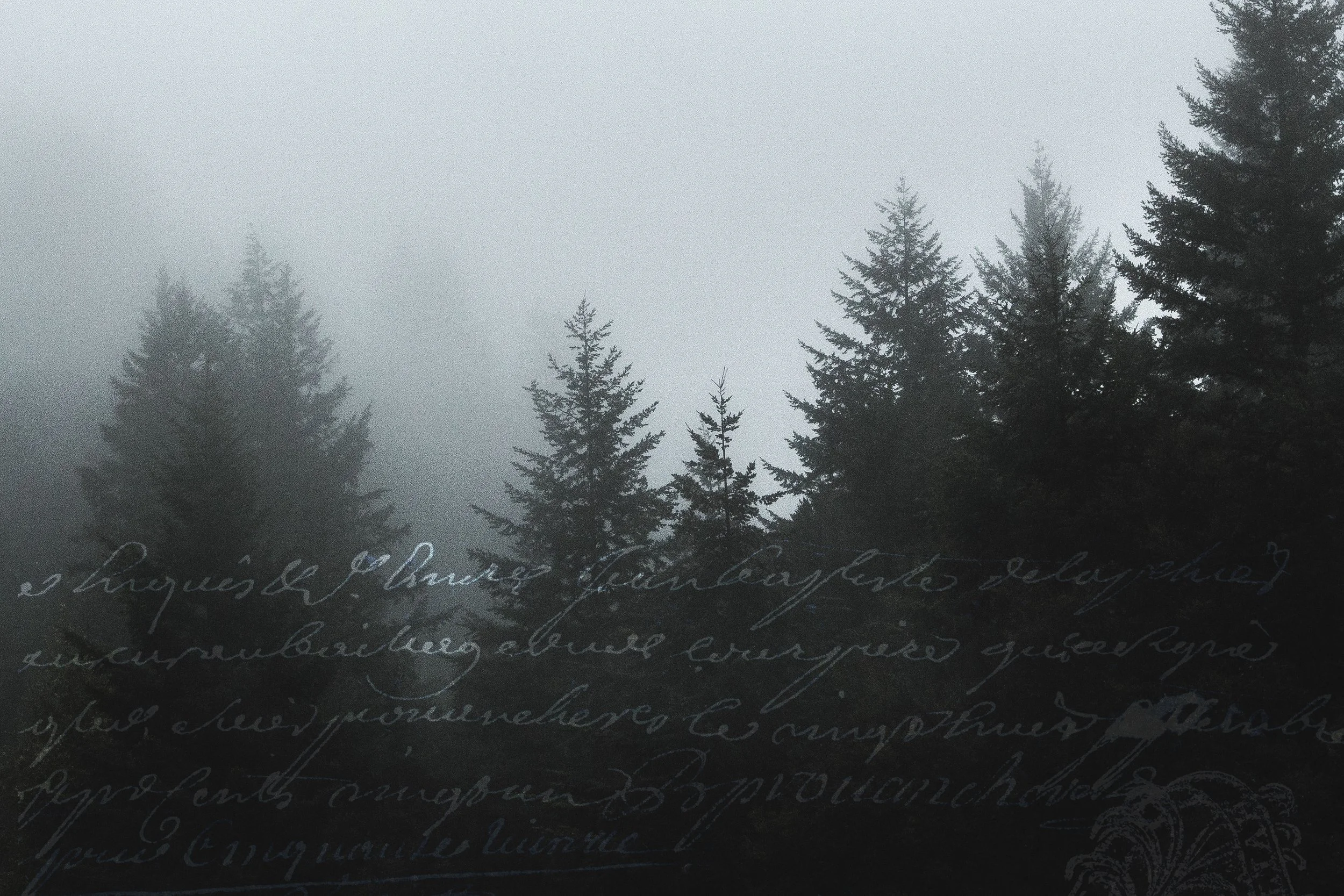
Vintage postcard depicting an illustrated forest scene, postmarked 1906, from the personal ephemera collection of Dawn Roode.
Story preservation in all its glorious forms
DUAL COLLECTION
Via research archive: “A trove of never-before-seen material offers an intimate, expansive look at the personal and professional lives of [Joan] Didion and [John Gregory] Dunne, two giants of American letters,” as the New York Public Library opens the couple’s archives to anyone with a library card.
AN INTIMATE, UNFILTERED NARRATIVE
Via newly released book: Joan Didion’s diary is about to become public. It’s described as “‘a moving and profound record of a life of ferocious intellectual engagement,’ and as a raw, vulnerable account from a writer who was acutely conscious of her public image.”
OWNING HER STORIES
Via scrapbooking: “I have told so many stories since I started [scrapbooking] in 2002,” Ali Edwards writes. “I know this to be true because it has been a massive piece of my life, but when I come face to face with the photos and words and creative play, I am overwhelmed with gratitude.”
TRADITION, CRAFTSMANSHIP, LEGACY
Via coffee table book: The Book of Birkenstock (Steidl, December2024 “is a true visual time capsule of a quarter-millennium story of tradition, function, and quality.” It’s an incredible example of a company history morphed into a work of art unto itself, and the accompanying microsite—with timeline, graphics, and chapters including a family history—is its equal.
‘AN APPETITE FOR STORIES’
Via fiction: Claire Messud’s “new work of fiction is inspired by her own lineage (including an unpublished 1,500-page family history written by her grandfather), but its historic range and stylistic inventions drive it far from discussions of ‘autofiction’ or ‘memoir.’”
THE SOUL OF A PLACE
Via house history: “These people trod the floorboards that we tread; they slept in rooms that we’re sleeping in. It’s quite moving.” A look at the boom in turning genealogical curiosity towards the places we live.
In remembrance…
IT’S ABOUT PERSPECTIVE
“How do we keep the memory of our loved one alive when the person she used to be is disappearing?” Plus helpful things to consider when communicating with someone with Alzheimers.
TOOLS OF ARTISTIC REMEMBRANCE
“Like memoirs, photographs, letters, hats, and oral histories, chatbots of the dead can serve the manifold goals of our memory quests, giving context to our lives, relationships, and identities as they help us forge connections across time.”
Little life stories
SIDESTEP REGRETS
“I wish I knew why Mom moved to New York when she was just 16.” “I wish Papa told me how he makes his Sunday sauce.” Don’t wish for stories; ask for them.
THE SUDDEN SACREDNESS OF THE ORDINARY
“What’s so special about a ceramic cookie jar or a prayer book? What’s the significance of a little creature like Mr. Bubbles? When you lose your home in a wildfire, those small things become larger things.”
IN CONVERSATION WITH CASEY MULLIGAN WALSH
“My son…said that for every scene, he could have written his own version, which is totally valid. But he also understands that memoir is how these events happened through the eyes of the author, and he’s proud of me for publishing our story.”
...and a few more links
Tips for editing your own written work, from Marjorie Turner Hollman.
Finding evidence of the start of generational trauma in military records
The power of digital life story work for children in foster care
Family of WWII Soldier discovers legacy, builds bonds in Belgium.
Apple Photos vs. Google Photos: Which is best for organizing and editing your pictures?
“Dave Eggers wrote a remarkable memoir, but its afterlife was even more extraordinary.”
Diana McCaulay on finding your story in that of your ancestors.
Short takes
What do you wish you had asked them?
“I wish I knew why Mom moved to New York when she was just 16.” “I wish Papa told me how he makes his Sunday sauce.” Don’t wish for stories; ask for them.
Do you wish you had asked your parent certain questions before they passed away? Are your parents still living, but you know you haven’t asked them for all the stories you hope to one day hear (and pass on to your kids)?
“I wish I had asked my father about his time in the Army during the war.”
“I wish I had asked Gran about what Mom was like as a teenager.”
“I wish I had asked Mommy why she never remarried after my father left.”
“I wish I asked what the heck the ‘secret ingredient’ is in Nonno’s Sunday sauce.”
Whether it’s a seemingly small thing like how to get a favorite family recipe just right or a big thing such as why a loved one left home at the age of 16, we all have questions we wish we had asked.
I hear these laments regularly from prospective clients and from friends, from those I am coaching on their own memoirs to those who are honoring a deceased family member in a tribute book. It’s an unfortunate universal truth: We think we have unlimited time with those we love—time to do the things we want together, to share our appreciation for them, to ask them questions (about any and everything, but especially about themselves).
If there are two things I could impart to you right now—lessons learned from these repeated regrets—they would be:
1 - Ask your parents questions now.
If your parents or grandparents are still living, start asking them more meaningful questions than “How are you?” or “Do you want to meet for dinner?” Instead…
Encourage them to write about their life by telling them how much you really DO want to hear their stories!
Or just start having some intentional, thoughtful conversations and hit “record” on your smartphone. (Need inspiration? I am currently listening to Laura Dern and her mother, Diane Ladd, have these exact type of conversations in the audio book of Honey, Baby, Mine: A Mother and Daughter Talk Life, Death, Love (and Banana Pudding) [Grand Central Publishing, April 2024]).
2 - Answer questions your own kids haven’t asked yet.
Be proactive. I guarantee your children will one day wonder about you. Not you, their parent, but you, the individual. Think about the questions you wished you had asked your now-gone family elder, and find a way to answer some of them. It could be by…
writing in a journal devoted just to this purpose that you will one day pass on to them;
creating a weekly writing practice to preserve your life stories;
working with a personal historian like me to interview you to capture those “answers” (let’s chat!);
simply having CONVERSATIONS over the phone or over dinner where you intentionally share memories and allow them “in” to your world in a deeper way (this is ideally done with adult children, but you can begin sharing your memories and life lessons in age-appropriate ways throughout their young lives!);
preparing an ethical will (also known as a legacy letter), an opportunity to share your values in a way that takes much less time than writing a whole life story book, to be sure, but that may hold as much value to your descendants.
It’s natural to take our loved ones for granted. But I urge you to step off that easy path and take a turn towards intentionality: Ask questions. Answer questions. Sidestep regrets 💕












Learn about our Write Your Life course, providing memory prompts, writing guidance and a dose of inspiration to anyone who wants to preserve their stories now.