
Memories Matter
Featured blog Posts

READ THE LATEST POSTS

Don’t call it a memoir. Just write your life.
Sometimes the idea of telling our "life story" is overwhelming. If we think of memoir as a series of smaller life narratives, though, the way in becomes clear.

Blogger and memoir writer Jerry Waxler says, “Vast numbers of people are aspiring to become storytellers, turning this into a boom time for the story arts.” Waxler teaches workshops where, he says, “people come with such longing to try to turn life into story.” That’s why people come to me, as well.
Telling stories
Why write your life?
Far from being narcissistic, “memoir is about handing over your life to someone and saying, This is what I went through, this is who I am, and maybe you can learn something from it,” says Jeanette Walls, author of The Glass Castle.
“It’s honestly sharing what you think, feel, and have gone through. If you can do that effectively, then somebody gets the wisdom and benefit of your experience without having to live it.”
This insight could as easily apply to a different type of writing about your life.
Writing a memoir not only sounds intimidating, but it also can seem lofty, maybe a little out of reach. Telling stories, though—that’s something accessible, more easily accomplished. And if done right, those disparate stories can have an equally profound effect on your family members and loved ones.
For that’s who I encourage you to share your story with: your children, and their children after them. Imagine the gift you’ll be giving when you share stories that make them laugh, cry, and know the reach of love.
Short stories, bound together by narrative thread
As a journalist, I am all too aware of the appeal of bite-size information (I have watched long-form journalism fall by the wayside as the media landscape has evolved over the years). We’ve become accustomed to sharing thoughts in 140 characters or less, and captioning our filtered Instagram photos for the greatest #impact.
But while I recommend sharing your stories in mini-narratives (and sometimes even list form), I don’t do so because of this trend toward brevity.
I suggest this form because
I think it engages people most readily and provides just the right amount of detail to both inform and tug at the heartstrings;
it falls within the range of most people’s writing ability; and
it is do-able (the worst-case scenario in creating a family narrative is to never do it, whether because the task is too daunting or it’s taking so long you never finish!).
And when you work with a qualified editor to help you find the narrative thread that binds your stories together—to add context, uncover meaning, and invite reader engagement—that once seemingly unreachable goal of writing a “memoir” is suddenly within reach!
Where to begin?
Consider…
writing in a daily journal,
setting aside two hours per week to devote to your life story writing,
or finding a likeminded partner with whom to exchange your writings (both to give you a reader and to provide a form of accountability).
If you would like to preserve your stories but you know you will never sit down to write them yourself, reach out to see how we can work together; often a personal historian is the answer for an aspiring memoirist who hasn’t yet taken the first step.
A while back I wrote about easy ways to find your way into life story writing, so if you’re ready to start, read this first!
How to plan a life story book in 3 simple steps







The spirit of scrapbooking, elevated
While scrapbooking & personal history share a goal of preserving family memories, key differences include the approach to storytelling and the finished products.
When I was a kid I kept a scrapbook. It was filled with headlines either written in bubble letters or cut out from magazines to accompany photos and mementos of my school achievements, family milestones, and vacations. It was a labor of love, and even from the age of about seven I was conscious of actively creating something tangible to honor my experiences and soon-to-be memories.
These days the practice of scrapbooking has gone high-tech, with ready-to-download digital templates and easy-to-use book-making software. It’s big business. But the underlying motivation is still the same.
“Our mission is all about celebrating the vibrant and colorful threads of life...be it the joy of a wedding or a beautifully lucid moment with a parent or spouse suffering dementia,” says John Falle, owner of scrapbooking behemoth Creative Memories. “All are worth sharing, remembering, cherishing. What we do matters. A lot!”
Scrapbookers are often the de facto family historians in their circle. They are concerned with preserving memories, and ensuring that memories accompany photographs.
Occasionally, when I briefly introduce myself to new people who ask what I do, they jump to the conclusion that what I do is create scrapbooks for people. In a sense, yes…but in most ways, no.

A page from my mother’s amateur yet heartfelt scrapbook, including her school report cards from the 1950s.
How are personal history books different from scrapbooks?
Ah, let me count the ways…
Immediate vs. Reflective
Scrapbooking is often done on a regular basis, be it weekly or monthly, yielding a continuous flow of memories, generally chronological. Even when memories are shared thematically, they are usually done so in real time, not looking back from a distance.
Personal history is usually undertaken in a reflective way, an individual looking back on the currents of their life from a vantage point of age and experience. A personal historian such as myself helps discover the narrative threads that weave the story together, revealing meaning and layers of depth.
DIY vs. Bespoke
Scrapbooking is a DIY endeavor. Although people often engage in scrapbooking communally (whether through clubs or within a family or group of friends), the memories flow from one person’s mind onto the page.
Personal history is usually done in conjunction with a professional storyteller. We may call ourselves personal historians, personal biographers, editors, ghostwriters, or memoir coaches. No matter the name, though, we have in common the goal of helping clients dive deeper into their memories. Through one-on-one interviews and guided reminiscence, we empower individuals to tap into their experiences and illuminate their journeys.
Finished Products
With the advent of digital scrapbooking, the design and output of scrapbooks has become more and more sophisticated. Scrapbooks tend to be dominated not only by photographs but the inclusion of ephemera such as menus, place cards, and tickets, bits and baubles that add texture and a sense of nostalgia to the bearer’s memories. They are often output on home printers or saved to a digital scrapbook that continues to evolve.
While mementos of the same kind may be included in personal history books, they are design elements that help set a tone for a particular time period or life experience, and do not typically dominate a layout. Heirloom books created by personal biographers (also referred to as family history books, personal memoirs or personal histories, and life story books) are most often designed akin to a narrative book, with a table of contents, foot lines and folios, and the like, and are traditionally printed and bound.

Images and reproductions of mementos are used as design elements in personal history books, just as they are in scrapbooks, but the focus is on refined storytelling, and the final product is a professionally bound book designed to stand the test of time.
How are personal history books similar to scrapbooks?
The journey is as important as the end product. Story sharing can be healing or cathartic; it can help us identify patterns and change our life narrative even as we are living it. It is a gift to be heard, as well as to bear witness to another’s life stories.
Memories and family stories are valued enough to preserve for the next generation. Both a scrapbooker and a family biographer can undoubtedly envision their children (and maybe their children’s children) sitting on a couch flipping through the pages of a book, listening to an elder share their stories and create family lore.
If you enjoy scrapbooking, does that mean personal history is (or is not) a good idea for you?
If you are a scrapbooker, we share a nostalgic soul and genuine respect for the past. And, if you are a scrapbooker, you have already taken steps to preserve your memories (congrats!).
You are a scrapbooker who has a need for a personal historian if:
You want to capture stories of another family member besides yourself, and you don’t have time or inclination to interview that family member and help them curate their photographs.
You want to use your years’ worth of scrapbooks as memory prompts for telling a more cohesive story and preserving it professionally.
Does this describe you? Consider reaching out to me to see how we might be able to work together to take your scrapbook(s) to the next level, for you or for a loved one.

Think your grown kids don’t care about your stories?
Ever tried to talk about your childhood with your grown kids only to be met with a lack of interest? They might not care now, but they will one day—I promise.

I was recently chatting with another local entrepreneur about our businesses. Her interest was piqued by a life story book sample I had in tow, and she was clearly drawn to the idea of preserving her stories.
Fast-forward two weeks, when I bump into her again: “I was talking about what you do with my 24-year-old daughter. She clearly had no interest in learning anything more about me or her father—she just doesn’t care.” As she said this, there was a look of barely concealed anguish on her face, her body folding in on itself.
Oh, my.
Of course this isn’t the first time I have heard such a sentiment. Many people with whom I speak tell me that their kids—even adult children with families of their own—could not care less about their family history.
“If they cared, they would ask me what my childhood was like.”
“I’ve tried to tell my kids about what it was like to move here from China, but they barely listen.”
“Are you kidding? Of course I don’t talk about my past with my kids.”
The thing is: They might not care now, but they will someday.
How do I know? Because I have heard the regrets of too many. Folks who wish they had asked the questions, heard the stories, witnessed their parents as people beyond ‘mother’ and ‘father’—before it was too late.
Let me ask you this: Are there things you wish you knew about your own parents? That you wish you had been able to ask them before they passed away?
Now: Did you care about those things when you were in your twenties?
If you put yourself in your grown kids’ shoes, you’ll see that their lack of “care” about your past—about your experiences and wisdom—is because they haven’t learned to care yet. They take for granted that you’ll be there when…when they need something, and when they eventually want to talk (and listen). They are in the midst of forming their own lives, focused on the “me,” not, ahem, on you.
You get that, right? It doesn’t mean they don’t care; it means they don’t care to pay attention just yet.
Your stories are the gift they don’t yet know they want.
Whether you begin writing anecdotes in a question-a-day journal or sit down with a personal historian such as myself, please do something to share your stories for posterity.
Don’t let your kids have regrets.
Still not convinced your stories will matter one day?
Browse the posts below to explore why it’s so crucial to preserve your life stories now for the next generation.
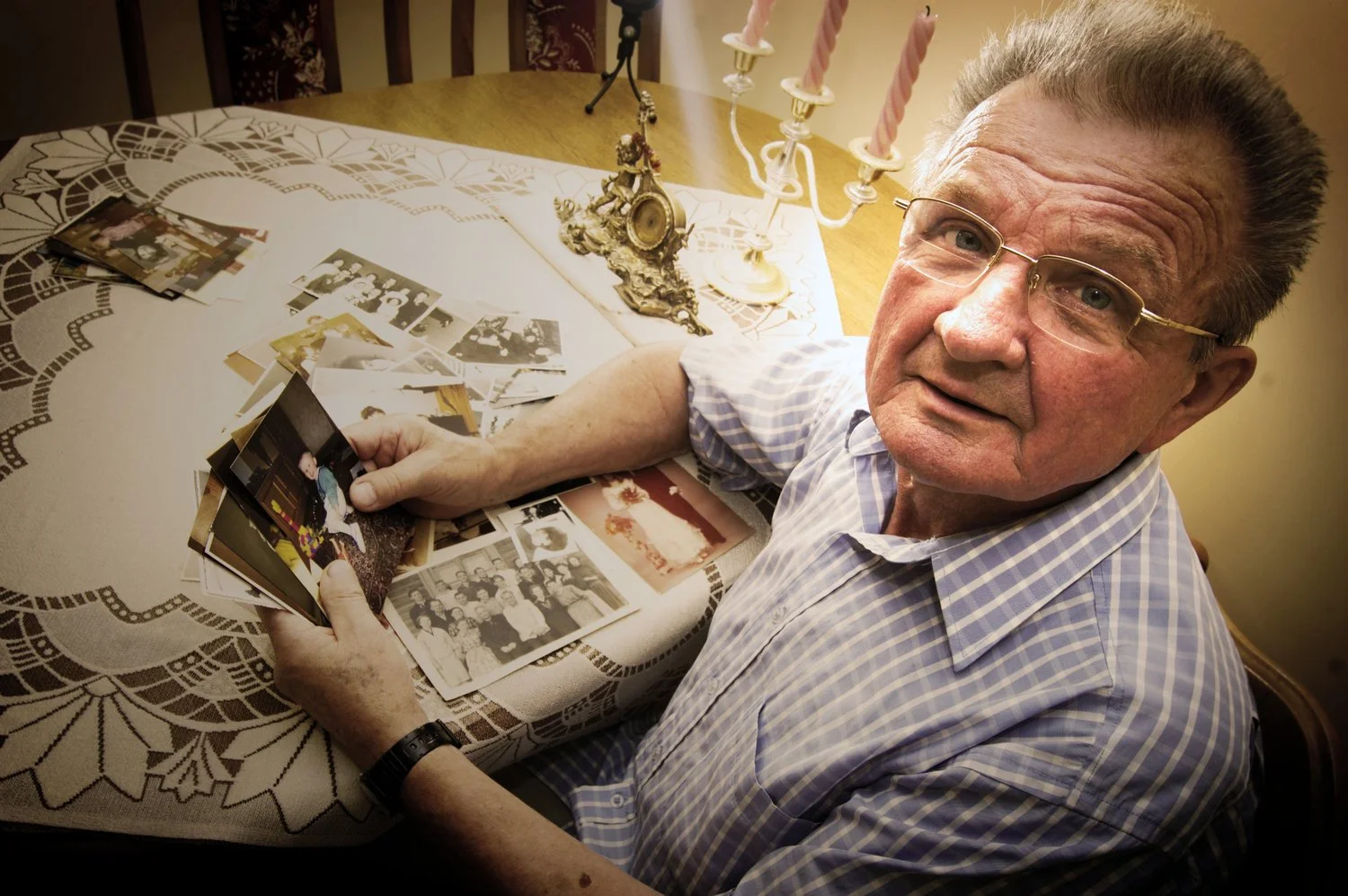





When a parent doesn’t want to talk about their past
Why it's sometimes easier to talk about our life experiences with a stranger, and how to get a reluctant storyteller to genuinely open up about his or her past.

I hear it often—different words, varying specifics, but always the same underlying message:
“His war years were so painful that they are buried deep.”
“My dad’s childhood was unbearable, so it’s a part of his life he would rather not revisit.”
“My mom refuses to talk about her own father; I assume he was not a very nice person.”
Implied: “My parent will never talk about the past.”
But I wonder: Have you ever asked?
I don’t mean a passing remark about how he/she never speaks about their childhood. I mean asking, in a forthright manner, if they would share the stories of their past. Have you ever asked?
Why it’s sometimes easier to talk to a stranger
I recently heard a story about an elderly gentleman who launched into stories of how his father was an abusive alcoholic: This gentleman spoke without reservation, in depth, and at length. He was speaking to a fellow professional personal historian who had been hired by the gentleman’s grown children.
At the end of two hours of sharing his painful experiences, he indicated that his children would not want to know about any of this.
“They specifically told me they would like to know about your father,” she responded. “Why do you think they aren’t interested?”
“Because they never once asked,” he said.
This man’s children had made it clear that they thought their father would never open up about his own dad. Had they ever asked him, though?
Chances are, they may have made passing remarks about their father’s difficult childhood. Perhaps they treaded lightly because they knew it was difficult terrain. Maybe they asked, but their dad assumed they wouldn’t want the whole messy story.
When family members are the ones trying to capture stories of the past, assumptions can unintentionally impede the way. Consider some of the negative assumptions that may arise when family members interview their elders:
My kids think they want to know, but the reality will be too painful for them to hear.
I can’t imagine my daughter will want to know any more than the basics of my childhood.
I don’t want my son to have negative impressions of his grandfather.
Conversely, when an outsider—whether it be a biographer or a caregiver—asks, the storyteller may feel welcomed in a different way. The assumptions are more positive:
I have been invited to speak. This person wants to know my stories!
This person has no preconceived notions about who I am—I start with a clean slate.
How to get stories from a (seemingly) reluctant storyteller
If you would like to ask your parents or grandparents questions about difficult periods from their past, here are a few tips to generate open conversation:
First ask if they would be willing to speak about the specific topic. Clearly express your genuine interest, stressing how learning more about your loved one’s past will help you understand them (and maybe even your own childhood) better.
Indicate further why you are interested: Would you like to shed light on your great-grandparents or other individuals further up the family tree? Are you seeking examples of resilience to fuel your own growth? Are you simply curious about this person whom you love beyond compare, wishing to know them as a person in their own right and not just in relation to you (as your mother, say)?
Don’t merely hear; listen. Hearing is a passive act; sounds come to us and are received. Listening, on the other hand, is an active endeavor. Pay attention to what your family member is saying. Make eye contact, ask follow-up questions, feel empathy. It is okay to begin from a list of prewritten questions if you go into the interview with an open mind, letting the conversation twist and turn with the currents.
Be prepared to be surprised. Beware those nasty assumptions again! You have undoubtedly constructed a narrative around the unknown portions of your relative’s life. Chances are that any storyline you have imagined may be far from the truth. Be willing to listen openly and, most critically, without judgment.
Reserve judgment. Yes, this one’s worth repeating. Listening to your loved one’s stories is a privilege. They are trusting you with precious memories. They are making themselves vulnerable. Reward that trust by engaging with them genuinely, bearing witness to their life, and seeing them sans judgment.
When a professional is the way to go
If you are uncomfortable trying to glean stories that you think your parents or grandparents may be uneasy speaking about, consider hiring a personal biographer to conduct interviews. Reach out to see how we could work together to preserve your family legacy.
Related reading coming in future blog posts:
Why It’s Important to Capture Difficult Family Stories
Providing Examples of Resilience to the Next Generation

6 tips for choosing the best family photos to use as writing prompts
Family photos can be useful tools to jog memories and call forth stories. We share how to determine which images will elicit the best family stories.
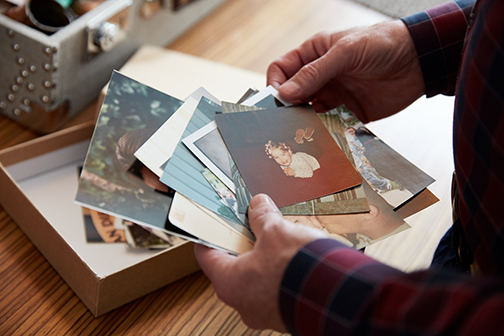
There are no rules for how to choose a photo that will be effective as a biographical writing prompt, but we can offer a few guidelines for the types of images that often elicit storytelling that is deeper and more meaningful than a mere identifying caption.
That’s the goal, after all: To use a photo as a starting point for your storytelling—as a jumping off point for memories, a touchstone for emotions, a lead-in to a narrative from your life.
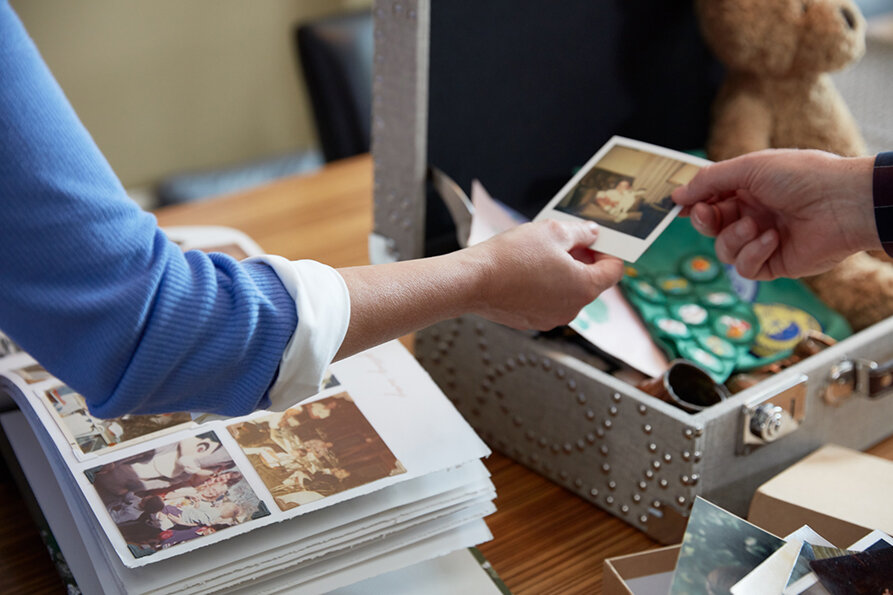
So get out your old family photo albums or that dusty box of print photographs from the basement! Then…
Step One: Choose 10-20 pictures to start with.
Begin randomly looking at photos.
Rather than focusing on those that are frame-worthy, look for photos that elicit a strong feeling from the viewer (you, or the family member from whom you would like to capture stories).
Set aside 10-20 images that stopped you in your tracks in number two (even if you stopped to wonder about the image as opposed to reliving memories as a result of looking at it; sometimes it’s the mysteries behind a photo that draw forth particularly revelatory stories).
Now it’s time to choose a photo with which to begin your reminiscing. Whether you are using the photo as a writing prompt or as a vehicle to jump-start conversation in a personal history interview, the following suggestions will be helpful in selecting images that lead to substantial storytelling.
“Photos reveal themselves in layers,” Maureen Taylor (aka ‘The Photo Detective’) writes on her blog. “You study the clues and talk to family but every time you look at it or show it off to family you might learn something new. One thing leads to another.”
Step Two: Determine if the photo is story-worthy,
Ask yourself if the photo you are holding does any of the following six things—and if the answer to one or more of them is yes, then you’ve got yourself a winner. Set it aside and make sure it’s on hand the next time you want to delve into some family history writing!

The photo invokes an emotional response.
Do you feel a rush of excitement or a flush of scarlet creep up your face when you first spy the picture? It may make you feel anguish or sorrow, pride or exasperation, abundant joy or abiding love—the key is, it makes you feel.
If a family photo has such a visceral effect on you, this will be most fruitful for writing its story.
“Photographs are about one specific second, but they can also be about the future,” Beth Kephart writes in The Quest for Truth. “Photographs can operate as metaphor and counterweight, as tease and opposition, as the other half of a parenthesis.”
That photo that moves you is a doorway to your past that is clearly connected to your present in some way. Explore why you feel the way you do, and how this feeling fits into your life then and now. Provide context for your feelings; set the scene.
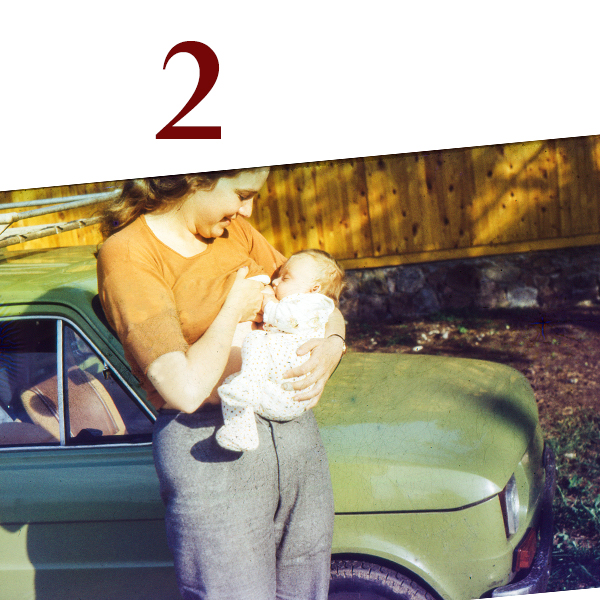
The picture tells a visual story.
Sometimes a picture itself already reveals a story: If the who, what, where, when, and why (or most of those) are apparent just from looking at the photo, then it’s likely a good candidate for embellishing upon. Of course, it’s ideal to choose images whose stories matter to you in some way.
The snapshot of this woman breastfeeding certainly tells a story about who she was as a mother—and if the mores of the time period and the town are known, and her character as well, then the storyteller can dive deep. A grown child looking at this image might use it as a jumping-off point for talking about their relationship over the years; or perhaps how their mom was part of a strong line of women before her; maybe she was only able to have one child, or 10, or only girls…
A photo is a moment in time, but on the periphery are details that help make up its narrative. What photo would have been shot just before this one? Just after? What’s in the frame? What (and notably who) is not in the frame? By starting with a picture whose story seems readily available, we can develop depth by asking such probing questions and tapping our memories for more.

Details draw your attention.
Your facial expression at the time the picture was snapped. The pattern of your grandmother’s well-worn house dress. A missing button on your dad’s shirt, or the papers falling from his briefcase. The water stain on the bedroom wallpaper. If some detail in a photo draws your eye again and again, there is more to be probed.
What does the detail begin to tell you? What beyond the frame of the photo—on that day, or a decade before or after the photo was taken—makes you focus on it? By taking the time to meditate upon all that the detail calls forth in your mind, you will reveal a greater meaning to this photo than could ever be revealed upon initial inspection.
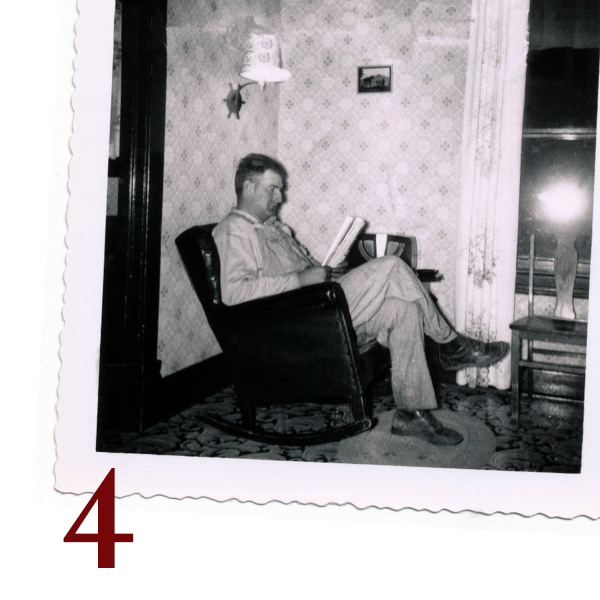
The photo portrays part of the subject’s everyday world.
My favorite type of modern family pictures could be described as documentary family photography: people in their natural environment, doing what they do every day. (Check out talented photographer Jen Grima’s work for inspiration.) I love capturing our routine family narrative this way because the resulting photos are so evocative of time and place, and they set us in scenes that are real and personal, uniquely ours.
Many old family photos do so less consciously, perhaps, but the impact is the same. We are drawn to such pictures because they reveal what our or our ancestor’s life was like back then. So if a snapshot of your aunt holding you while she’s hanging the laundry crosses your path, use it to tell a story. If you find a picture of grandpa reading in his favorite recliner, dad trimming the hedges at your childhood home, or your baby crawling amidst the messy remnants of Christmas wrapping paper, use them all—find their stories.

The image intrigues you.
Is it a curious shot? Out of the ordinary for your family or for the time period? Is someone missing who you would have expected to be present in that scene?
If it makes you wonder, then it very well may lead to a worthwhile story. Perhaps you end up asking for relatives’ input to get to the bottom of your intrigue, or maybe in lieu of concrete answers you surmise the story behind the old photo, thereby revealing a narrative of your own in relation to the photo. Chances are, whatever your approach the resulting observations will be as alluring to the next person as the original photograph was to you.
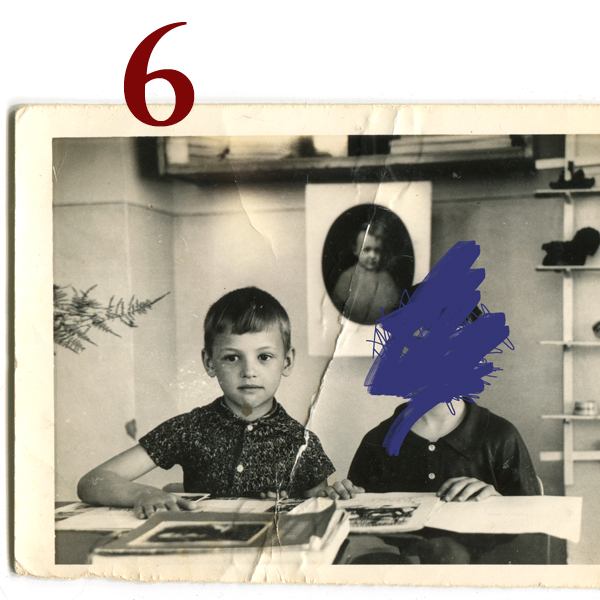
The physical print tells its own story.
My grandmother had a tendency to hold a grudge, so it was not too surprising to find among her things photos that had an individual literally cut out of the scene (or crossed out with ballpoint pen). Now there’s a story to be revealed! The same could be said for pictures that have been torn, damaged by flood or fire, or found tucked away in a book.
Sometimes getting to the story behind the photo is as fun—and constructive—as getting to the story that resides within it.
Step 3: Start sharing your stories.
Read more about how to use old family photos as biographical writing prompts—we’re talking nitty-gritty advice, from where to begin after looking at the photo to how to capture your memories.
Download the advice in a handy printer-friendly booklet here, entitled “How to Use Photographs as Prompts for Writing Life Stories.”
Explore more intense self-reflective writing prompts in Beth Kephart’s memoir writing workbook.
Once you’ve written your first life story vignette, consider doing something special with it—we’ve got five easy ideas.

Sharing is good
Print and share your family photos with loved ones. Besides generating conversation, you will spark joy, find genealogy clues, and discover even more treasures.
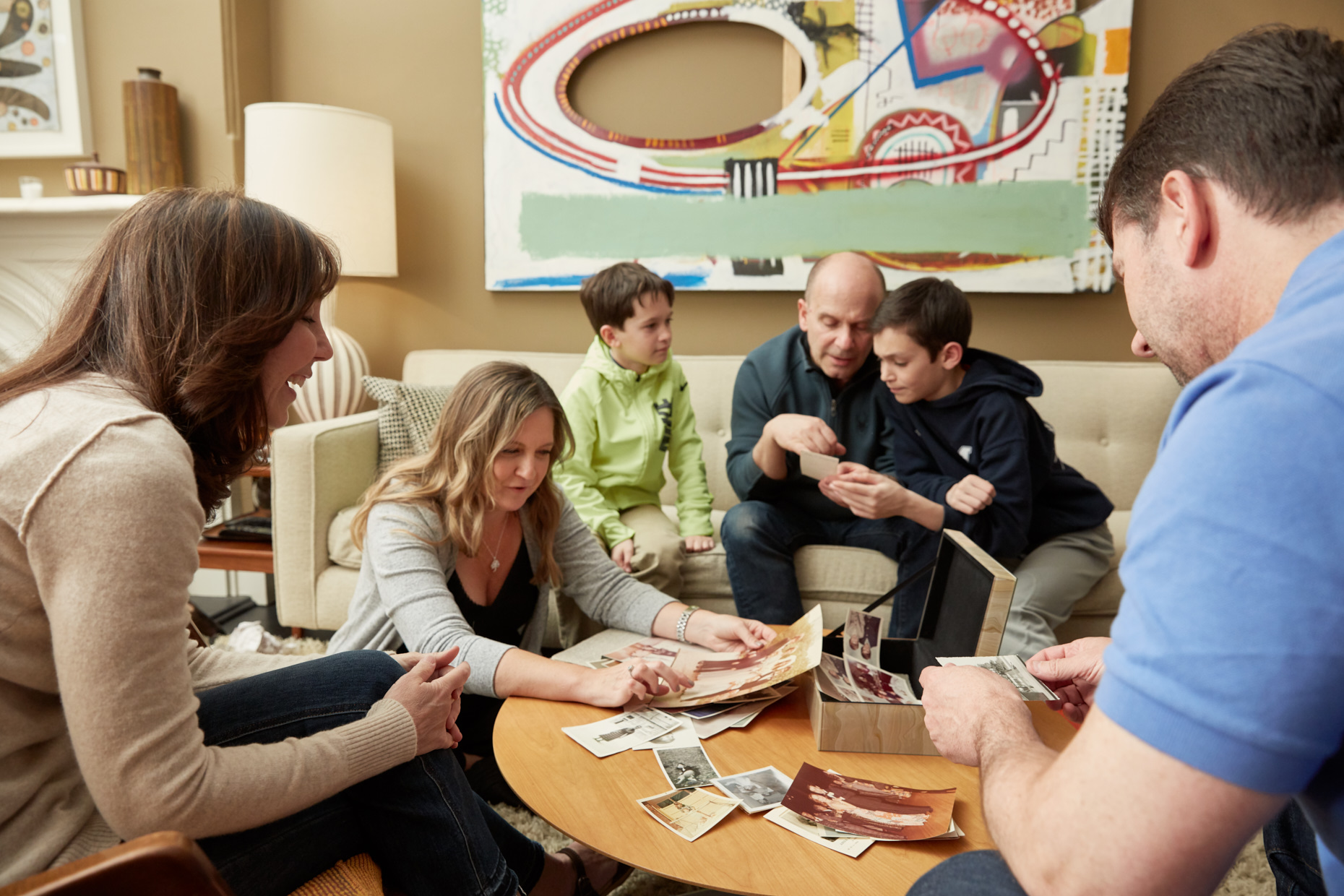
“Sharing is good.“ This childhood lesson is applicable in all areas of life, of course, but today I want to encourage sharing of your family photos.
It’s been written about ad nauseum in recent years: Our digital photo scrolls are out of control…we need to stop taking so many pictures and live in the moment…we never print our pictures anymore.
While I agree wholeheartedly with each of these lamentable statements, it’s the lack of printed photos that troubles me most—specifically, the sense of connection and excitement that gets lost when we neglect to print our photos, and share them in person.
In person, I say.
It’s temporarily gratifying to get lots of likes on an Instagram share, to see heart emojis galore on your Facebook post. But the joy that results from sharing a memory in person—well, that simply can’t compare.
Why You Should Share Your Photos
A family photo holds a story. It is a font of memories, frozen in one still frame.
Amazingly enough, the story shifts with each participant: Your mom, maybe, who took the photo, remembers things just a bit differently than you do; and your sister, a few years older, recalls things from an entirely different perspective. What about your baby brother, who only saw this photo—and heard its associated stories—years later?
Like all stories derived from memories, truth is subjective. And while a photo seems to capture a scene exactly as it happened, well, that’s subjective, too. Can you say “conversation starter”?!
So besides sparking conversation, why should you share your photos—and your photo memories—with loved ones? Here are three compelling reasons:
1 - You share, they share.
It’s contagious. You show someone an old photo from your childhood, and they reciprocate with a shot they had in a drawer somewhere. You pull out your dad’s old scrapbook filled with family photos from his youth to spark conversation with your parents, and they reveal they have two more stored in the basement.
Sharing what you have encourages family members to share some of their own family treasures, too—and what could be better than that?
2 - You might learn something.
From a name scribbled on the back of an old photographic print or a comment made in passing by a family member to whom you are showing your photos, you just may discover something new: details or backstory that enrich your own experience of the picture; or perhaps a surname or location that helps with a genealogical search.
Just because your family elders have not shared such info before doesn’t mean they don’t know it—too often I hear, “Well, no one ever asked me.” So show…and ask!
3 - You’ll feel darn good.
Sharing the joy and love associated with your favorite family photos makes that joy grow. You get that altruistic benefit that comes from sharing of yourself—witnessing another’s enjoyment, and feeling your own heart swell.









5 Heirloom book ideas
Do you want to preserve your family stories, but have no idea where to start? We’ve got six special life story book ideas to spark your imagination.
Your legacy is your most precious family heirloom. Yet preserving the experiences and lessons that constitute that legacy can seem like a daunting undertaking—where to begin, which stories to tell?
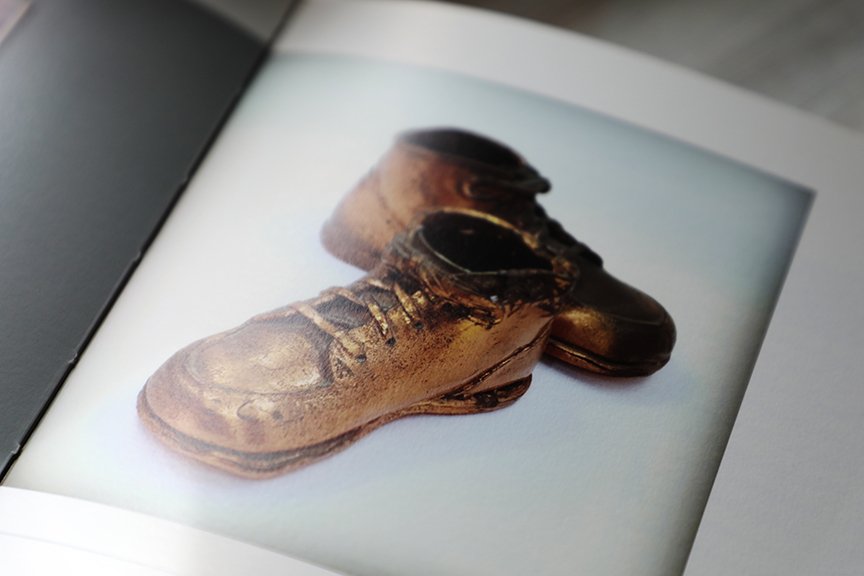
If you want to preserve your family stories, but have no idea where to start, we’ve got five special life story book ideas to spark your imagination.

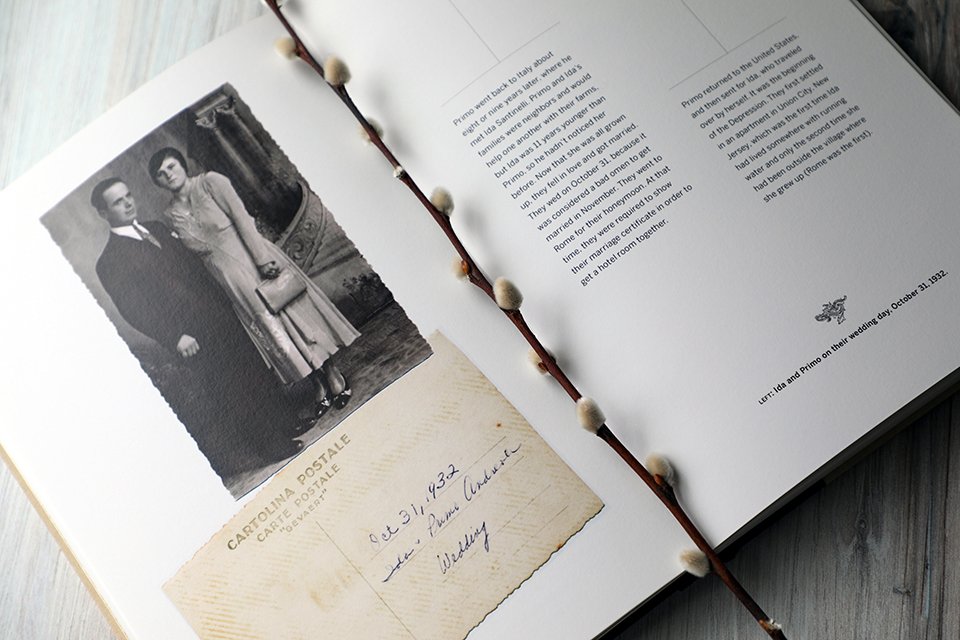
An heirloom book capturing the memories of one woman’s years spent in Greece, and her decision to return stateside with her newborn daughter. Remember—you don’t have to tell your whole life story. Pick a transformative experience from your life and tell that one story well!
1 - A Taste of the Past
Celebrate recipes that have been passed down through generations in a bespoke book that weaves your family’s cherished food memories with nostalgic photographs and handwritten recipes. Modern Heirloom Books’ secret ingredient to creating the perfect custom “cookbook”? Bringing the stories behind the food to life, so you’ll feel like you’re right back in Nonna’s anise-scented kitchen!
2 - Dear Daughter, on Your Wedding Day
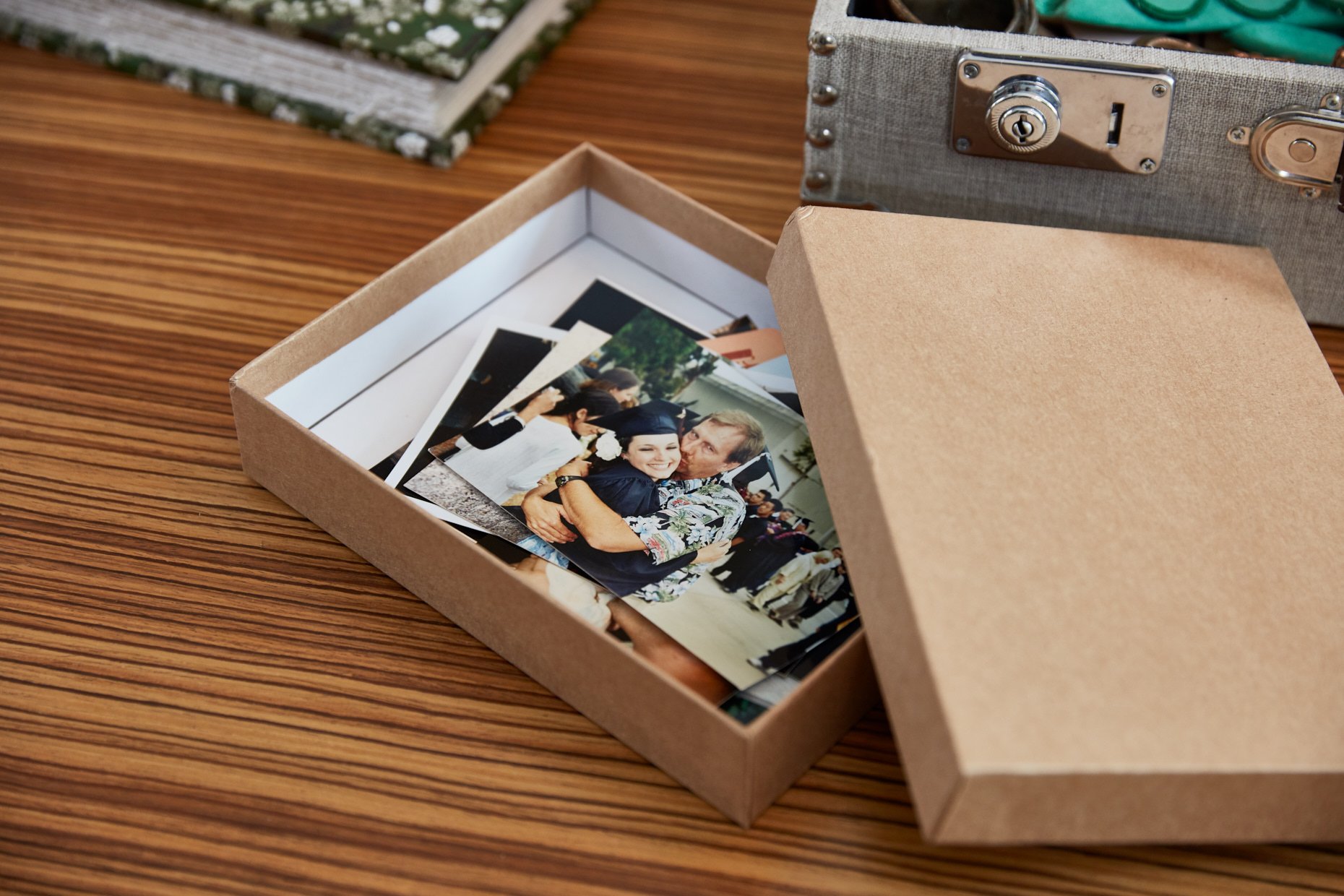
One of our most popular signature products, this blue silk–covered gem is the surprise gift guaranteed to make your bride cry tears of joy on her wedding day! A book that looks back on the milestones of her life, from her baby years to her graduation, from her first words spoken to those you would like to share with her about her future...a book that will put the meaning back into the wedding planning process for you, her parents; and that she, on the cusp of the next chapter of her life, will cherish forever.
3 - A Life Well-Lived
Bring a family elder’s colorful stories to life in ways your children—and eventually their children—will want to revisit again and again. Through interviews, letters, and photographs, your loved one’s memories and wisdom will be captured in a bespoke book that will become your most cherished heirloom. Whose stories will you tell?
4 - Places in the Heart
Does your family vacation at the same Hamptons beach house or cabin in Maine every year? Has your home been passed down through generations and have its own story to tell? Maybe your kids are attending the sleep-away camp you did as a child—or they’re following in your college footsteps. This book makes your favorite place the central character and gives meaning to the phrase, “If these walls could talk…”
5 - Voyager
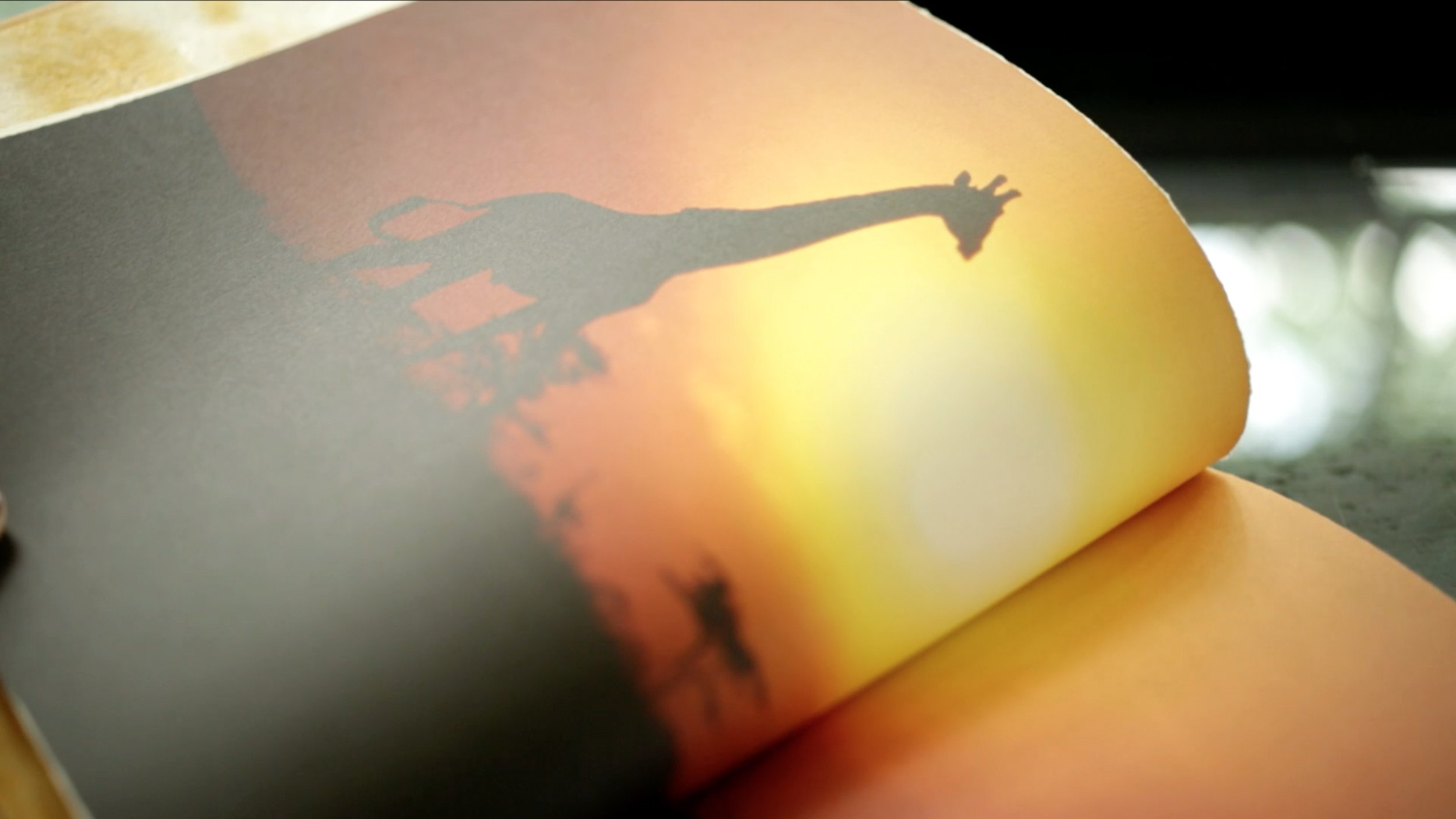
"The world is a book, and those who do not travel read only one page." You, dear traveler, are absorbing the world one trip at a time, discovering, experiencing, learning... Wherever your journeys take you (an African safari? The Maldives? the glaciers of Alaska?), our travel books help you not only remember the places, but relive the moments—and 'travel' back there from the comfort of your home.
The Possibilities are endless.
Hopefully the five sample books give you a sense of how to frame a story—how to thematically explore your memories so the resulting book truly becomes an heirloom worthy of your legacy. But remember, you don’t have to know how to proceed: That’s our job. With more than two decades’ worth of editorial experience, our specialty is transforming your stories from raw material into heirlooms.
What memories make you smile? What decisions from your lifetime put you—and your family—on an entirely new path? What lessons has your experience imparted that hold value for the next generation?
When we begin to explore those questions, we begin to hone in on the stories that are most important for you to preserve. Would you like to begin that conversation? I promise, once we begin, you won’t want to stop…
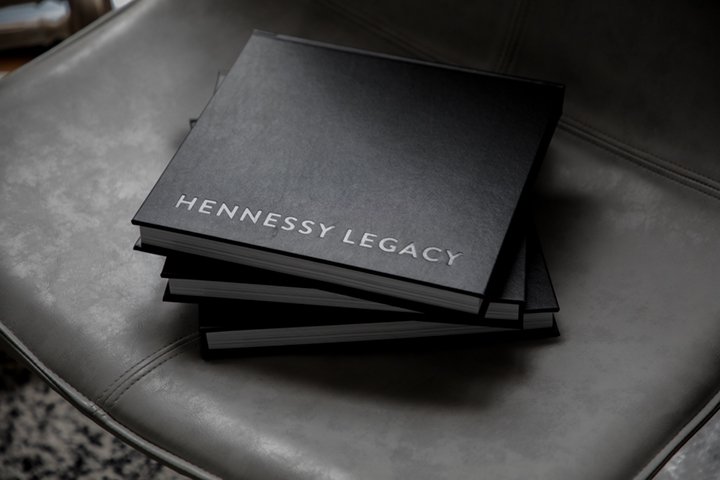
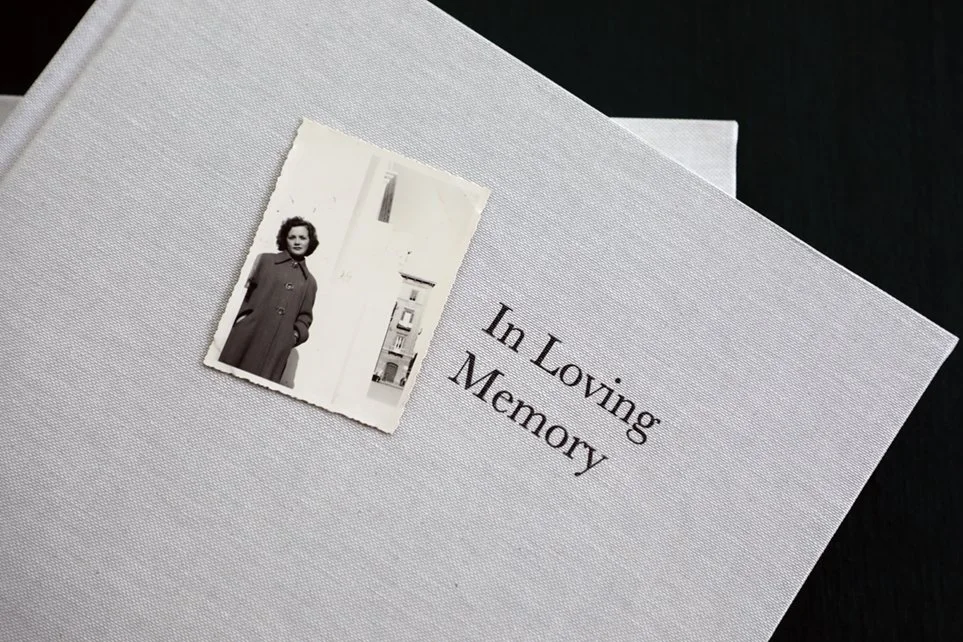



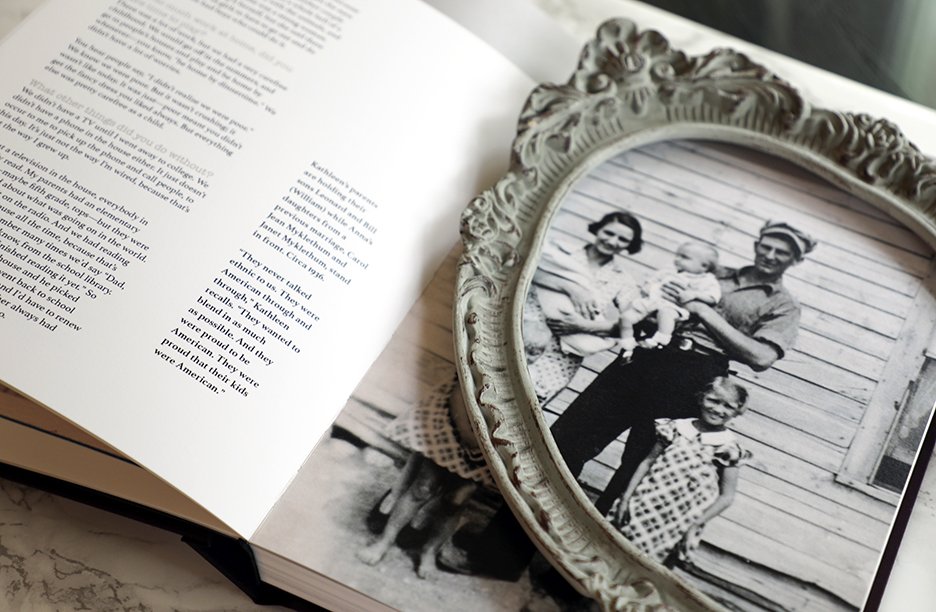
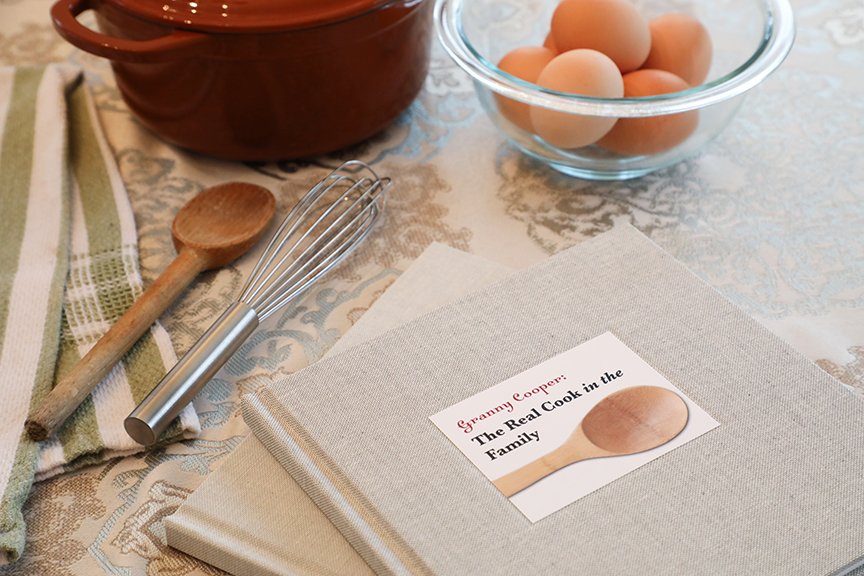
The investment for most Modern Heirloom Books starts at $7,000, with the exception of our tribute books, which start at $1,750. Lead times vary based upon the nature of the book, typically taking from three to 12 months to complete.
This post has been updated on October 21, 2025, to reflect the removal of one of our early products, the One-Hour Heirloom.

4 ideas for family interviews
Conducting family interviews is a great way to gather the stories of family elders and preserve family history for the next generation. Here are a few tips.

The next time your parents are around (Thanksgiving, perhaps?) why not have your children interview them about their lives?
I come back to this quote from William Zinsser again and again for its poignancy and power:
“One of the saddest sentences I know is ‘I wish I had asked my mother about that.’ ”
How does that make you feel? If you have lost your parent(s) or other elders in your family, it can be like a punch to the gut. If, on the other hand, older family members are still around, I hope it creates a sense of urgency in you—to wonder about their personal history, to ask questions and, most importantly, to engage in meaningful conversation about the past.
I suggest recording these conversations—perhaps to transcribe later for use in a book, or perhaps to be edited down so your children’s children can hear snippets of their ancestors’ stories in their own words. There are plenty of digital recording apps out there; just don’t forget to use two different recording methods to ensure those memories are, in fact, captured (trust me, technical errors happen…and the feeling of losing those stories, well, it’s not good).
Which interview approach is right for you?
1 - group interviews
For families with multiple generations or family members who see each other only infrequently, group interview sessions during holiday get-togethers can be a fun and fruitful process. How to fit them in amidst all the holiday preparations, though? Some ideas:
After Thanksgiving dessert, keep the coffee flowing and the cookies on hand, but make a voice recorder the new table centerpiece. Share your purpose with your family (“I love hearing our family stories, and want to make sure we capture them for the future”), then ask for volunteers to begin the storytelling.
Do you have family members spending the night after a holiday celebration? Send someone out for bagels the next morning, and turn brunch into a reminiscence session. Keep it casual but focused to get the best stories out of your guests.
At a family reunion or other big gathering, set aside a room specifically for story gathering. Either designate one person as the ringleader (if you have a de facto family historian in your family, this will be right up their alley) or pair people together who you think will have meaningful conversations. Make a list of topics on a white board (or put them on slips of paper for guests to pick, à la charades) and give out time slots for the interview sessions. There is a fair amount of upfront organization involved here, but once the ball is rolling it’s fairly easy to maintain momentum.
2 - kids interviewing grandparents
Setting up “official” interviews with grandparents is a wonderful home-schooling or scouting project for tweens and teens. Have them ask grandparents to gather a few favorite photos in advance to use to help get the conversation flowing. You just might be surprised how many stories are revealed that even you had never heard before (there’s just something about sharing with the grandkids!!).
3 - regular conversation dates
Consider visiting with a close relative regularly to gather stories—perhaps bi-weekly coffee chats or monthly pot-luck dinners, each with a theme (think childhood adventures, momentous decisions, the war years, becoming a parent, etc.). I wish my mother were still alive for me to have such dates with her!
If you have a relative in assisted living, for example, such “interview” sessions may help with their self-esteem and general attitude, as well as giving you both something to focus on rather than day-to-day drudgery.
Keep the pressure off by maintaining a conversational tone throughout your get-togethers. While you are indeed trying to elicit memorable stories, the time together should itself be enjoyable.
4 - telling your own stories
Maybe YOU are the one who wants your stories captured? If you are not a writer, see if there is someone in your circle who might sit with you to converse. It might seem like a good idea to turn on a tape recorder and just start talking, though my experience indicates that having an interested listener—someone nodding or smiling, asking follow-up questions—is a compelling motivator!
If your child or a close friend is unable to fulfill this role, you can always set up a session with a personal historian such as myself (I consider it a privilege to listen to your stories!).
Sharing stories is an endeavor with immediate value, bringing joy to the participants and connecting family members more closely.
I would implore you to go a step further, too, and do something with your stories to ensure they are around for the next generation.
Imagine if your own grandparents had left you such a treasure?
related reading:
A good conversation begins with good questions.
Best practices for recording family history interviews at home
3 easy ways to get your parents’ stories
Meet the man who said he had no stories—until he had an absorbed listener, that is!
Dawn Roode’s curated roundup for the week of Sept. 23, 2026, is overflowing with recent reads on memoir, life story writing, and family history preservation.