Memories Matter
Featured blog Posts
READ THE LATEST POSTS
Why you need emotional distance when writing memoir
Is there ever really a ‘right’ time to start writing your memoir? There’s not, in my opinion, but here are two questions to ask yourself to help you decide.
Have you ever wondered if enough time has passed for you to begin writing about your life?
“When is the right time to start writing my memoir?”
“Am I too young to write my life story?”
Questions such as these miss the mark. There isn’t a ‘right time’ or a ‘best age’ to right your memoir. Rather, I suggest considering how much emotional distance you have from the chapter of your life you want to write about.
I have worked with people who are writing about their lives from a vantage point where they have a LOT of perspective—an 80-year-old capturing his young adult experiences, for instance. And I have coached memoirists who are writing about fresh trauma—a 30-year-old exploring how she ‘found herself’ amidst the dissolution of her marriage less than a year before, for example. Is one of these situations better than the other?
There’s almost certainly a happy medium: writing about your life when enough time has passed that you have significant insights and perspective, but when not so much time has passed that the experiences no longer seem relevant or retrievable in your memory. But how do you know when it’s that time?
2 questions to ask yourself to determine if now is the right time to write about your life
Do I have enough emotional distance to be able to write about my life with clarity and insight?
“I had to step away from my own emotions, from my embarrassment and fear and pain, far enough to get a clear view,” Scott Nadelson writes as he suggests a method many memoirists use: Pretend you are writing about someone else. “If I’d stayed too close,” he continues, “obeying the instinct toward self-protection, then I would have risked nothing, and nothing would have been at stake for a reader.”
If you’ve ever read an entry from one of your old diaries, you know the emotions of which Nadelson speaks (I certainly do!). If you can’t elucidate your experiences without self-judgment or embarrassment, you might not be ready to write about them.Do I have access to the memories that will be the building blocks of my narrative?
“The meaning of our experiences is constantly changing as we grow,” Megan Stielstra has said. So of course when you choose to write about a life experience will color how you do so.
It may feel like you haven’t fully synthesized your feelings about a chapter of your life—and like you, therefore, should wait to write about it. Just make sure you aren’t waiting too long. You want to have full access to your memories, and in particular to the emotions that accompanied your actions, else there will be no immediacy to drive your storytelling, no detail to animate your words.
Know this: There is no right or wrong time to begin your memoir. If it seems like it may be too soon—because your feelings are too raw, or your perspective clouded—it just may be that you will work some heavy stuff out DURING your writing. That can be a powerful thing both for you and your readers.
One of my favorite memoirists, Dani Shapiro, writes thoughtfully about this balancing act in her essay “A Memoir Is Not a Status Update”:
“I’ve been doing this work long enough to know that our feelings—that vast range of fear, joy, grief, sorrow, rage, you name it—are incoherent in the immediacy of the moment. It is only with distance that we are able to turn our powers of observation on ourselves, thus fashioning stories in which we are characters.”
So let some time pass. Sit with your feelings. Let them simmer. Write about them—as sloppily and urgently as you want—in a journal. Turn to writing about them with intention when it feels like enough time has passed. (“But how will I know?”, you still wonder…and all I can say is, you just will; trust your gut—and know that if it is too soon, that’s why they call it a first draft 😉)
Further reading on emotional distance in memoir
If the topic of emotional distance in memoir interests you, here are a few other essays I recommend on the topic:
“Dani Shapiro on the Disequilibrium of a Life-Changing Moment”
“And so I was, I think, rushing the writing because…the pieces of myself were sort of strewn all around me and I was impatient to begin to put them together again.… But there was an urgency, I think, that would have benefited from slowing down a little bit. Not a lot. Again, not, you know, write this from the distance of your rocking chair someday, but from a place of that little bit of clarity of distance.”“9 Tips for Dealing with the Emotions When Writing a Memoir,” by M. Shannon Hernandez
“Raw emotions usually emerge first, and sometimes we can leave them as is—and at other times we need to wrap them in love and understanding and softened tones, so that we don’t offend our audiences.”“Not Too Close: Emotional Distance In Creative Nonfiction,” by Connor Byrne
“The first sign that a piece is too distant is an almost analytical tone, for example, “this happened because of this; I should have done this; this has had x effects on my life.” The writer has moved far enough away from the emotional reaction to what they’re writing about that they turn to an opposite strategy: looking at everything rationally, which often sacrifices a feeling of the piece being ‘genuine.’”“The Hard Art of Seeing Your Own Writing Through Rose-Colored Glasses,” by Mira Pitacin
“I wrote my memoir nearly in real time, and writing about my own loss in the wake of the events did two things: exorcised the demon out of me, and let the reader know what it really felt like to experience these things in the moment, not seven plus years later, with a wiser, less stinging outlook that comes with time and perspective.”
Stay inspired with 52 weekly writing prompts for journaling and family history. Capture memories, dreams, and stories big and small. Bonus: Downloadable guide!
Go beyond labels with this powerful memoir prompt: introduce yourself without name, job, or age. Includes writing tips and a free downloadable worksheet.
The three most common excuses I hear for not writing about your life “yet,” and how—and why—to overcome them. It’s not too soon for your memoir, I promise.
Discover how (and why) bending certain grammar rules in memoir and life story writing can enhance voice, rhythm, and authenticity in your storytelling.
Even the most seasoned writer sometimes feels hopeless when they sit down to write and nothing comes. Here, 7 helpful resources for budding memoirists.
Four steps to help you turn spoken stories into engaging written narratives—so once the family history interview is done, you can create a lasting legacy.
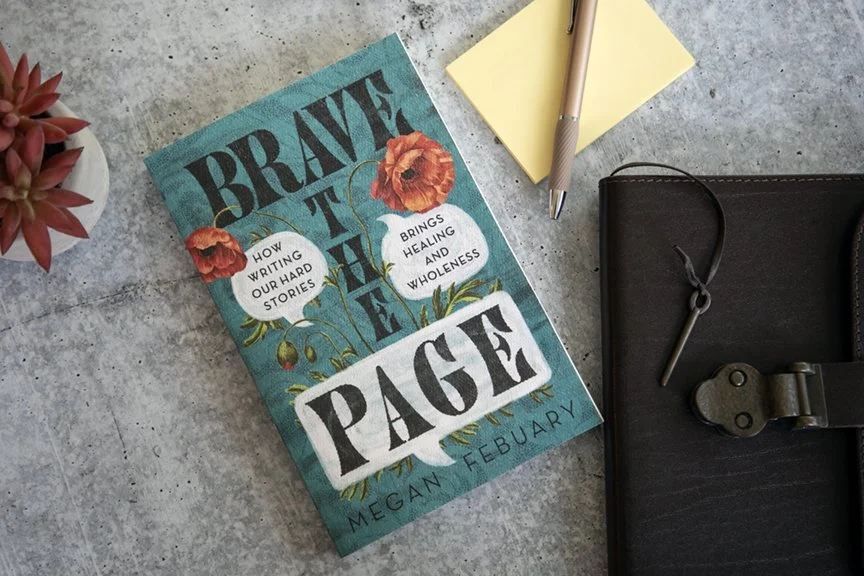
Brave the Page by trauma-informed writing coach Megan Febuary shares how to probe memories, write about your hard experiences, and find healing.
You start out with excitement and fervor—blank pages are feverishly filled with stories about your life. But what can you do when your memoir momentum wanes?
By holding as your goal the idea of ‘writing your memoir,’ you are focused too soon on the end goal. Instead, think about writing towards your memoir.
Are you nervous about undertaking a life story project? Working with a personal historian or memoir coach can help alleviate many of the most common fears.
Is there ever really a ‘right’ time to start writing your memoir? There’s not, in my opinion, but here are two questions to ask yourself to help you decide.
Writer’s block can happen to the best of us. This simple idea—keeping a notebook of self-generated writing prompts—will keep your memoir ideas flowing.
Looking for a meaningful gift for your parents? An annual subscription to our Write Your Life memory and writing prompts may be just the thing—or, maybe not.
Learn about our Write Your Life course, providing memory prompts, writing guidance and a dose of inspiration to anyone who wants to preserve their stories now.
Here’s one time I gave in to my client’s preferences that still haunts me: Why we did not identify people in any of the photos in their family history book.
While your memoir is telling your stories in your words, a family tree chart outlining your relationships has a real place in that book—here’s why.
The first draft of your life story is likely to include some stuff you decide to cut later—but should none of your challenges make it into your final book?
Good writing prompts will rid you of blank-page anxiety—and you can easily write your own! Here, 5 steps to drafting a library of personalized memoir prompts.
While a journal called “Memories from Mom” or “Grandma’s Life Story” may be brimming with good intentions, the fact is that most of them remain mostly blank.
While all five of these books add value to any memoirist or life writer’s library, I’ve identified which is best for you based on your goals and experience.
A love letter (or book!) overflowing with memories makes a thoughtful anniversary gift. Here, 14 writing prompts to help you honor—and surprise—your partner.
Wondering if 52 weeks of memory prompts will help YOU write about your life at last? Here, answers to the most commonly asked questions about Write Your Life.
Every week you’ll get themed prompts to stir your memories, tips to write your stories with ease, and more! A unique gift for your loved one (or yourself)!
Sometimes all it takes to get unstuck with your personal writing is paying attention. Here are some easy (fun) ways to come up with journal writing prompts.
Ready to edit your family history or life story book? Follow these three tips from a personal historian to ensure everything is clear for your descendants.
This new book by Ruta Sepetys, You: The Story, is a great tool for those who want to use their own life experiences to inform their fiction writing.
Have you ever thought about what will happen to your diaries—who will read them, how you may one day use them? Join me as I consider this profound question.
Photos that have no captions will leave readers of your heirloom book guessing. Make sure to write captions that either tell a story or provide vital details.
Smells (such as of Mom’s perfume or Grandpa’s grease-stained clothes) and sounds—especially music—can trigger long-buried memories helpful for writing memoir.
Why leave your legacy in the hands of someone else? Try your hand at writing your own obituary with these tips—it just may be the start of your mini memoir.
What to cut from your memoir—when an editor and writer disagree
The first draft of your life story is likely to include some stuff you decide to cut later—but should none of your challenges make it into your final book?
This is a three-part series about choices I wish my clients hadn’t made during their personal history book projects. (For what it’s worth: in my first draft of this post, I referred to “mistakes” I wish my clients hadn’t made—and then I remembered, memoir is, by definition, a personal accounting of one’s life, and far be it for me to dictate a writer’s personal preferences.) That said, clients come to me not only for help finishing the projects they envision, but for my expertise in elevating their projects to be the best they can be. So, I thought sharing a few of these differences of opinion might be instructive for those waffling over similar decisions.
Challenge 1: Should I include “the hard stuff” from my life in my memoir?
Challenge 2: Should I include a family tree in my life story?
Challenge 3: Should I include captions in my memorial tribute book?
Always remember that what ultimately makes it into print in your memoir is 100-percent YOUR decision—so while I (and other personal historians or editors) may encourage you not to skip over your challenges, you are the one who gets to make that call.
“Let’s cut all ‘the hard stuff.’”
I conducted a series of in-depth, thoughtful interviews in which my client—let’s call him John—allowed himself to be vulnerable. He was a vivid storyteller and was comfortable going deep, talking about personal failures in addition to successes. He told of paths not taken that he now regretted; of teenage exploits that were, shall we say, less than innocent; and of a red-hot temper that caused him some problems in his twenties. Through our probing conversations, John spoke of lessons learned through his experiences, and of newfound meaning he was able to make from revisiting his earlier years. “This has been a profoundly rewarding experience,” John told me.
Then, when it came time to review the final manuscript of his life story, he made a decision I did not agree with: He wanted to cut all “the hard stuff” from his book.
Let me say that we had taken great pains to write these stories in a way that made them both compelling and, if not exactly didactic, at least revelatory. We wove in lessons learned, and nuggets of “John’s wisdom” throughout. He was at first “all in,” as was his wife, who had been an early reader. And then, he wasn’t.
When I asked him why he did not want to include stories of his challenges, he said that his descendants would think less of him. There was one granddaughter in particular, then a mere toddler, who he fervently “did not want to disappoint.” Arguments from me and his wife that those were the very stories that showed his humanity, that provided lessons for the next generation, that felt universal…well, all those arguments fell on deaf ears. “I would not want to know these things about my own grandfather,” he said plainly.
Because I am here to help my clients create the books they want—to help them define their legacies in the way they see fit—of course I ultimately followed his lead. His book was overflowing with funny anecdotes and light-hearted memories from his youth, for sure. It will undoubtedly be a treasure to his grandchildren.
But I did feel it was a lost opportunity to have passed down a book not also overflowing with wisdom; it was a Hallmark version of his life.
I find solace in the fact that his personal history interviews, while not fully reflected in his book, did help him ascribe new meaning to his life. (As I tell many people, the time spent allowing introspection in the interview phase is as much a gift to oneself as the book will be to one’s family; Mark Yaconelli calls this “feeling the grace of one’s own life.”)
If you are ever on the fence about including tough times—anything from small failures to serious trauma—consider these words from Tristine Rainer (from her book Your Life As Story):
“Yours may be the words that relieve another’s isolation, that open a door to understanding, that influence the course of another’s path. If you write an autobiography for a great-great-grandniece not yet born, perhaps she will find it in her mother’s drawer, and she will be altered, perhaps even saved, through the wisdom you have sent her.”
And if you are ever reluctant to “go deep” in your writing, ALWAYS remember that it is your prerogative, and your prerogative alone, what to keep and what to cut. You are always your final editor.
Stay inspired with 52 weekly writing prompts for journaling and family history. Capture memories, dreams, and stories big and small. Bonus: Downloadable guide!
Go beyond labels with this powerful memoir prompt: introduce yourself without name, job, or age. Includes writing tips and a free downloadable worksheet.
The three most common excuses I hear for not writing about your life “yet,” and how—and why—to overcome them. It’s not too soon for your memoir, I promise.
Discover how (and why) bending certain grammar rules in memoir and life story writing can enhance voice, rhythm, and authenticity in your storytelling.
Even the most seasoned writer sometimes feels hopeless when they sit down to write and nothing comes. Here, 7 helpful resources for budding memoirists.
Four steps to help you turn spoken stories into engaging written narratives—so once the family history interview is done, you can create a lasting legacy.
Brave the Page by trauma-informed writing coach Megan Febuary shares how to probe memories, write about your hard experiences, and find healing.
You start out with excitement and fervor—blank pages are feverishly filled with stories about your life. But what can you do when your memoir momentum wanes?
By holding as your goal the idea of ‘writing your memoir,’ you are focused too soon on the end goal. Instead, think about writing towards your memoir.
Are you nervous about undertaking a life story project? Working with a personal historian or memoir coach can help alleviate many of the most common fears.
Is there ever really a ‘right’ time to start writing your memoir? There’s not, in my opinion, but here are two questions to ask yourself to help you decide.
Writer’s block can happen to the best of us. This simple idea—keeping a notebook of self-generated writing prompts—will keep your memoir ideas flowing.
Looking for a meaningful gift for your parents? An annual subscription to our Write Your Life memory and writing prompts may be just the thing—or, maybe not.
Learn about our Write Your Life course, providing memory prompts, writing guidance and a dose of inspiration to anyone who wants to preserve their stories now.
Here’s one time I gave in to my client’s preferences that still haunts me: Why we did not identify people in any of the photos in their family history book.
While your memoir is telling your stories in your words, a family tree chart outlining your relationships has a real place in that book—here’s why.
The first draft of your life story is likely to include some stuff you decide to cut later—but should none of your challenges make it into your final book?
Good writing prompts will rid you of blank-page anxiety—and you can easily write your own! Here, 5 steps to drafting a library of personalized memoir prompts.
While a journal called “Memories from Mom” or “Grandma’s Life Story” may be brimming with good intentions, the fact is that most of them remain mostly blank.
While all five of these books add value to any memoirist or life writer’s library, I’ve identified which is best for you based on your goals and experience.
A love letter (or book!) overflowing with memories makes a thoughtful anniversary gift. Here, 14 writing prompts to help you honor—and surprise—your partner.
Wondering if 52 weeks of memory prompts will help YOU write about your life at last? Here, answers to the most commonly asked questions about Write Your Life.
Every week you’ll get themed prompts to stir your memories, tips to write your stories with ease, and more! A unique gift for your loved one (or yourself)!
Sometimes all it takes to get unstuck with your personal writing is paying attention. Here are some easy (fun) ways to come up with journal writing prompts.
Ready to edit your family history or life story book? Follow these three tips from a personal historian to ensure everything is clear for your descendants.
This new book by Ruta Sepetys, You: The Story, is a great tool for those who want to use their own life experiences to inform their fiction writing.
Have you ever thought about what will happen to your diaries—who will read them, how you may one day use them? Join me as I consider this profound question.
Photos that have no captions will leave readers of your heirloom book guessing. Make sure to write captions that either tell a story or provide vital details.
Smells (such as of Mom’s perfume or Grandpa’s grease-stained clothes) and sounds—especially music—can trigger long-buried memories helpful for writing memoir.
Why leave your legacy in the hands of someone else? Try your hand at writing your own obituary with these tips—it just may be the start of your mini memoir.
A book that captures your legacy should be designed with longevity in mind, so it remains engaging and accessible for generations. It should be beautiful, too.
Go beyond a memorial slideshow and honor your lost loved one in a more permanent way. These three ideas for tribute memory books are easier than you think.
A love letter (or book!) overflowing with memories makes a thoughtful anniversary gift. Here, 14 writing prompts to help you honor—and surprise—your partner.
You've just returned from a family trip and know you want to make a travel memory book—just not right now! Follow these easy steps so you'll be ready later.
Want to make creating a travel book easy when you return from your family vacation? Follow these steps for easier—and elevated—post-trip memory-keeping.
Whether your family heirloom collection consists of generations’ worth of antiques or a handful of sentimental items, catalog them for the next generation.
Here’s how to make a tribute book for their milestone birthday—your step-by-step guide to the most unique, thoughtful gift you can give someone you love!
After we record your personal history interviews, I craft your story and photos into an heirloom coffee table book—not a video, not an audio file. Here’s why.
From gathering recipes to editing, from design to printing, these steps will walk you through how to create a family cookbook to preserve your food heritage.
From life story books to a family history collection, from travel journals to heritage cookbooks, our founder lists 10 of her favorite heirloom book themes.
A family photo book without captions is nice—but one with captions is an heirloom. A primer on what type of captions to include and how to design them cleanly.
Give your loved ones a gift they will cherish for years to come—one that puts memories front and center. Here are 3 (doable!) ideas to inspire happy tears.
The best posts to help you with memory-keeping, including family history questions, memoir writing tips, family photo preservation ideas & heirloom book themes.
If you’ve wanted to create a surprise tribute book telling your loved one JUST how special they are but cost is a factor, consider asking contributors to chip in.
These 3 photo book themes make it easy to show someone how much they are loved! Perfect for surprise birthday and graduation gifts—or just because.
Knowing your family’s recipes are preserved for the next generation is reassuring. Adding stories and photos, too, brings your food heritage to life. Start here.
When you want to cap off a milestone birthday party with a most meaningful gift, consider an heirloom birthday tribute book oozing with love and memories.
Writing a tribute book is a meaningful way to create a lasting legacy for a lost loved one. These expert tips from a personal historian will help.
If you would like to document your family stories in an adoption journey book, here is a road map for what to save, how to record memories, and when to begin.
Our food memories—sneaking tastes of Nonna’s sauce from the pot, learning to grill ribs from Dad—are worth preserving. Ideas to easily capture stories & recipes.
Searching for a groom gift beyond the traditional watch or cufflinks? Surprise him with an heirloom book expressing your love and gratitude—meaningful, unique.
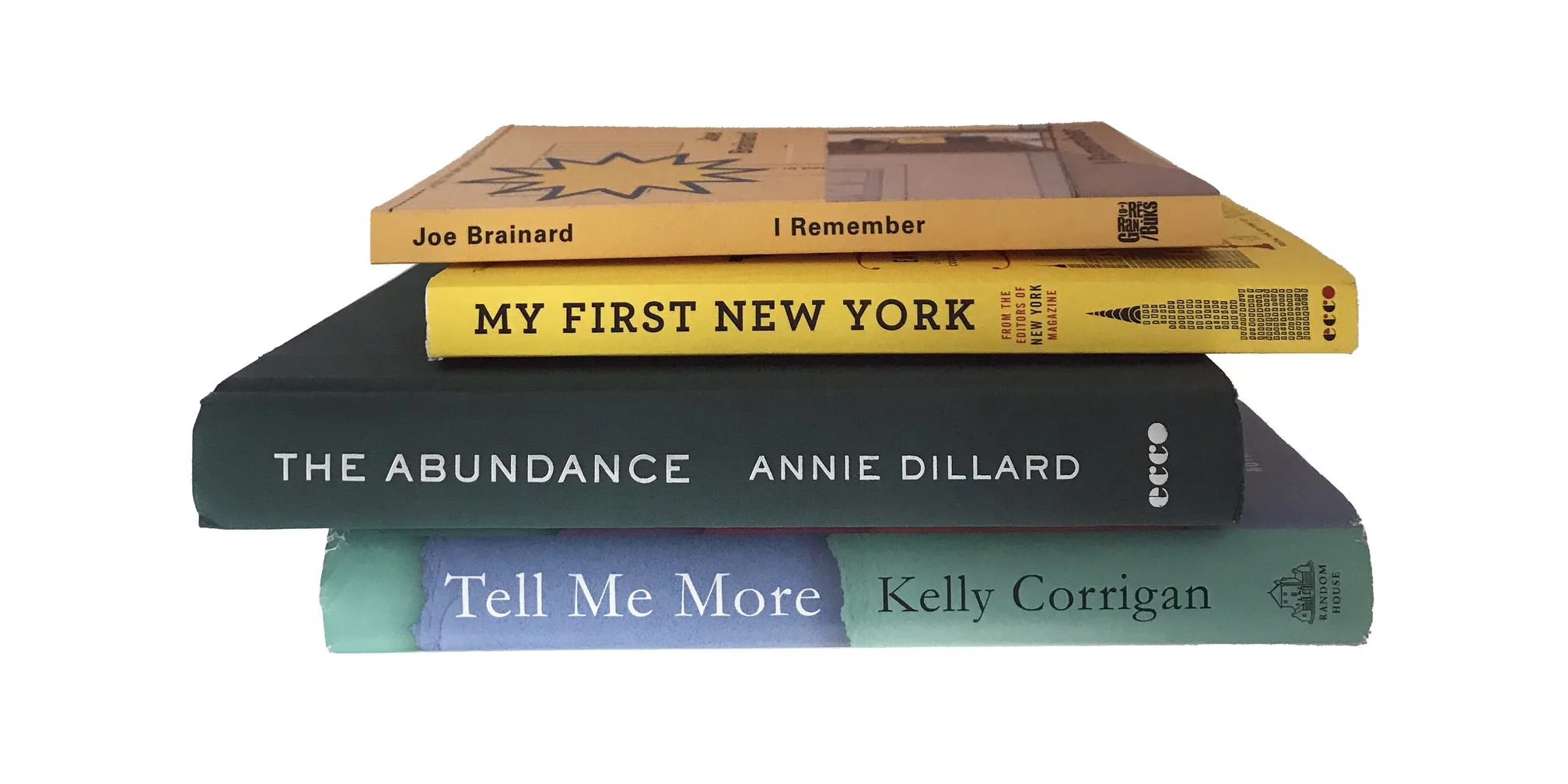
Memoir reading suggestions to inspire your own vignette-style life story writing, from Annie Dillard and Kelly Corrigan to Robert Fulghum and Sandra Cisneros.
In Part Two of our Life Story Vignettes Writing Prompts series, guidance on conducting a probing self interview as an entry point to your stories and memories.
In Part One of our Life Story Vignettes Writing Prompts series, we offer five specific exercises for writing about your memories by engaging all your senses.
Preserving the full story of your adoption journey may mean sharing some of the pain, too—but how much you include is a personal decision. We can guide you.
Do you want to preserve your family stories, but have no idea where to start? We’ve got six special life story book ideas to spark your imagination.
Modern Heirloom Books founder Dawn Roode on her journey from national magazines to bespoke life story books, plus the new signature product lines of books.
Sometimes it’s not a long narrative that most interestingly tells your story, it’s a simple list. How to use lists to add texture to your life story heirloom book.
No one will tell your life stories but you. Start with one, & go beyond sharing it: Do something with it! 5 ideas for preserving one chapter of your life story.
Nine reasons why preserving your family’s story in an Adoption Journey book is a worthwhile investment, including making it part of your Gotcha Day celebration.