Memories Matter
Featured blog Posts

READ THE LATEST POSTS

Your mom’s turning 70 and you STILL don’t know what to get her?
When you want to cap off a milestone birthday party with a most meaningful gift, consider an heirloom birthday tribute book oozing with love and memories.

Even if you can’t be together on her birthday (due to Covid or any other reason), family members can contribute from all over to create a tribute book honoring your mom on her milestone birthday.
I created tribute books to celebrate milestone birthdays of three well-loved, incredible women last month. One was the wife of my client, who was turning 80, and the couple lives in North Carolina. The other two were moms of separate clients, both celebrating their 60th birthdays and closer to my home in New Jersey.
While they were singular books with different design styles and wildly different approaches to the tributes within, the books had a few integral things in common:
They oozed with love for the recipients.
They told stories and shared remembrances that made me, a stranger, feel like I wanted to meet these folks!
They elicited happy tears—each one, from the gifter and the gifted.
I can’t convey how thrilled I feel when I get feedback like I did from these clients. Tribute books for happy occasions—milestone birthdays and anniversaries, bar and bat mitzvahs, weddings—are such a joy to create, and the joy they engender in those who receive them is beyond compare.

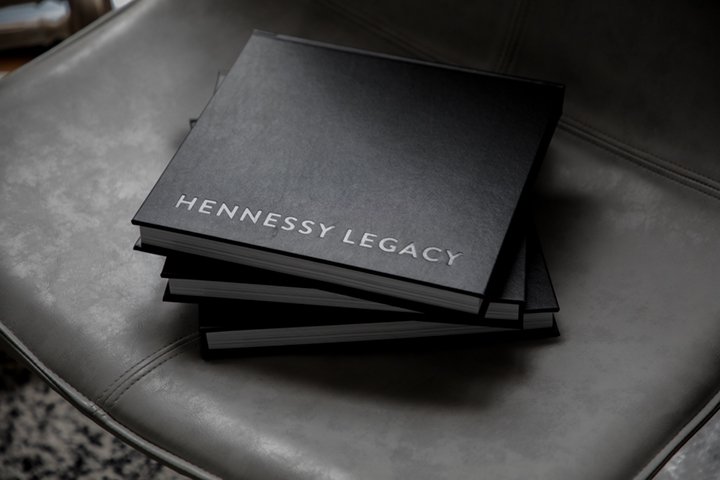
What to get for the person who has everything? A beautiful bespoke tribute book, of course! This is a page from a recent book gifted to a woman on her 80th birthday.
The nitty gritty of creating a tribute gift book
I am always honored and privileged to help my clients gather, organize, and express their tributes for their honoree. And my clients are always a little shocked at how much can go into the process (you think Uncle Ernie will be the last to reply, but he sends his narrative in on day one…but then 10 others are missing, late, or incomplete, two others are missing photos, three others are illegible, and 24 others have photos way too small to reproduce in print!!).
Leaving the logistics to a professional ensures that
you don’t have to be bothered with nagging follow-ups
you don’t have to check and recheck photo resolution
you don’t have to give guidance on what to write and how to optimize images
you don’t have to sit in front of a computer screen for hours designing your book
you don’t have to worry that the book won’t print just-right.
All you have to do is take credit when you wrap and give the book to your loved one!

“Ann was ecstatic and we all had to fight back tears…
…watching her flip through the book.
We all hope we can pass something of value on to family and friends. The tribute book did just that for her. She shows the book off to whoever comes in the house.
You went far above and beyond anything that I could have ever imagined.” —Terry C.
Why tribute books are so popular right now
We’ve all been in that situation: We need a special gift for that someone who seems to have everything; but nothing seems special—or unique—enough.
A tribute book telling your loved one just how much they mean to you—and to your tribe—could not be more unique. The messages within are one-of-a-kind. And when crafted in an heirloom book, they become a welcome addition to your family history archive.
When most of our doorstep deliveries are for essential items and we continue to get excited about in-stock toilet paper; when we have spent more time physically separated from family members due to Covid-19 than we ever could have imagined; and when so many of us are getting back in touch with those things that matter most to us—family, connection, a sense of home and security—a gift from the heart resonates more than ever.
I always recommend (and ask for) experiential gifts—traveling together, an outing to the theater or a local garden, a family hike. Those are gifts that mean something, that spark memories and affection. But when a physical gift is in order—when you want to cap off the big birthday party with a memorable unveiling, and when you want to show—really show—your loved one HOW and WHY they are loved—then why not consider a tribute book?
Reach out to see how we can work together to bring your project to life. All it takes is a half-hour phone chat—no pressure, just some questions to help me understand what type of book you envision—and you could be on your way to giving the best gift you’ve ever given. Really!

“The process of sorting through 27 years of pictures…
…and mementos was joyfully reflective, but what brought it all together was Dawn’s vision. Her warm and engaging personality and ability to capture my feelings—and transform them into such a beautiful book—well, let’s just say that our Modern Heirloom exceeded every expectation!” —Susan M.




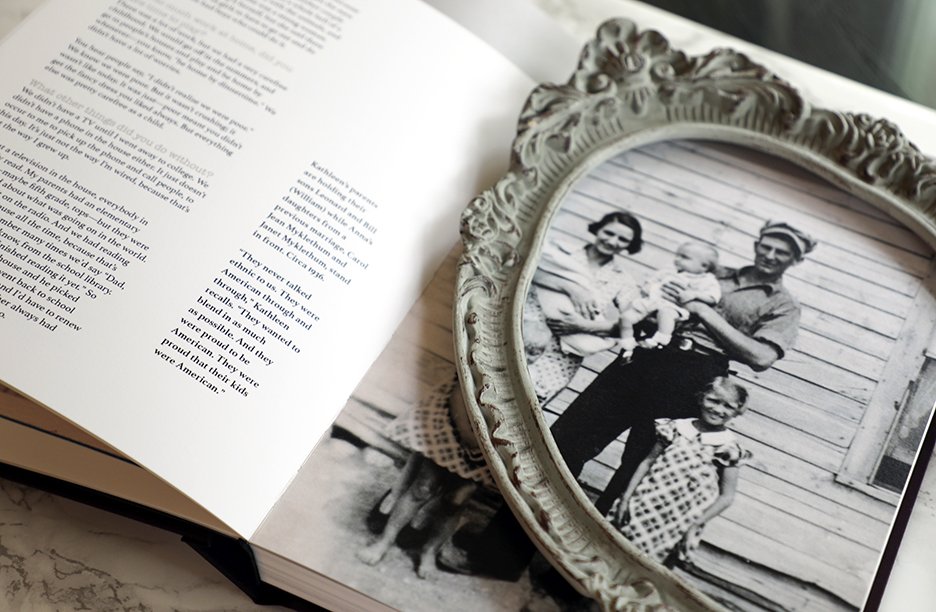
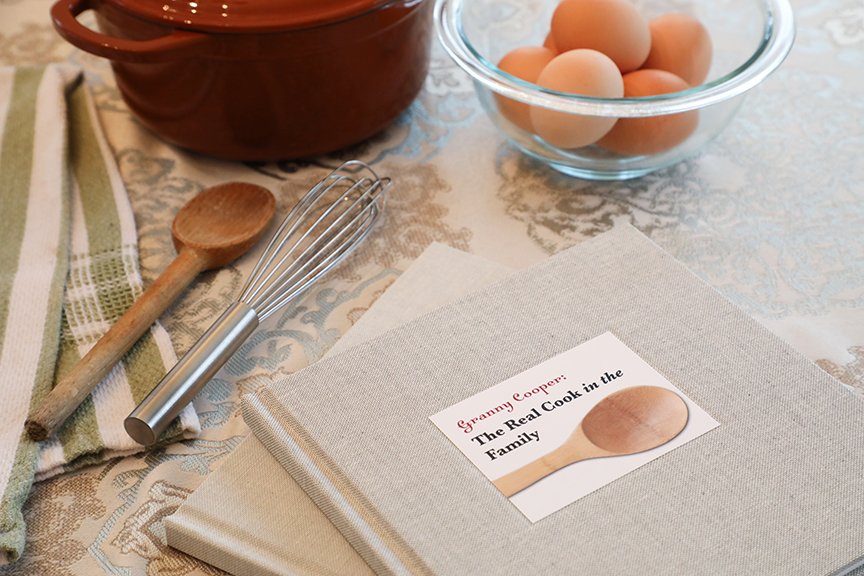
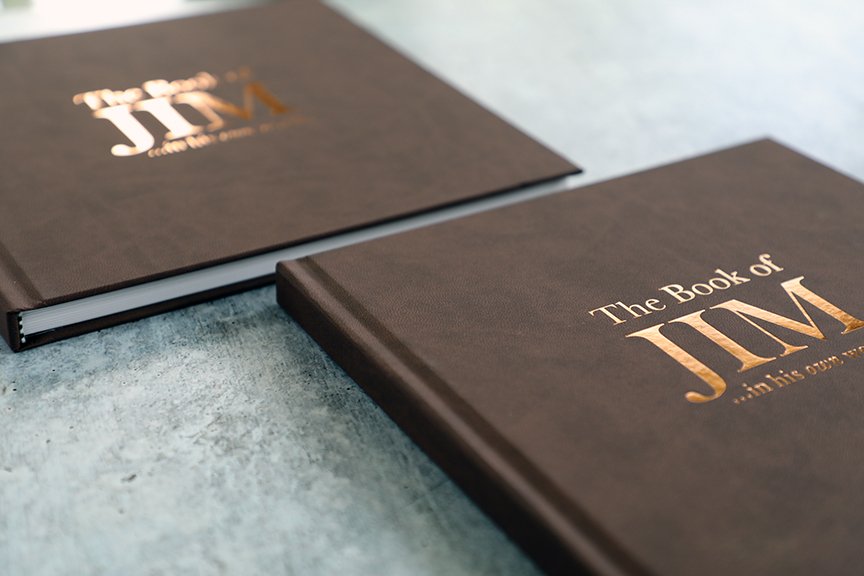
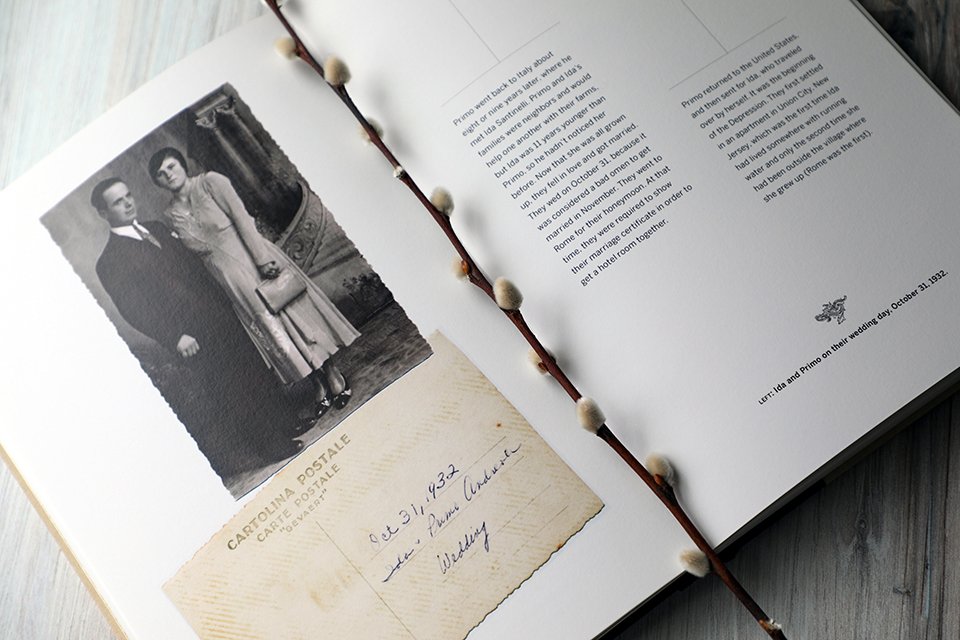


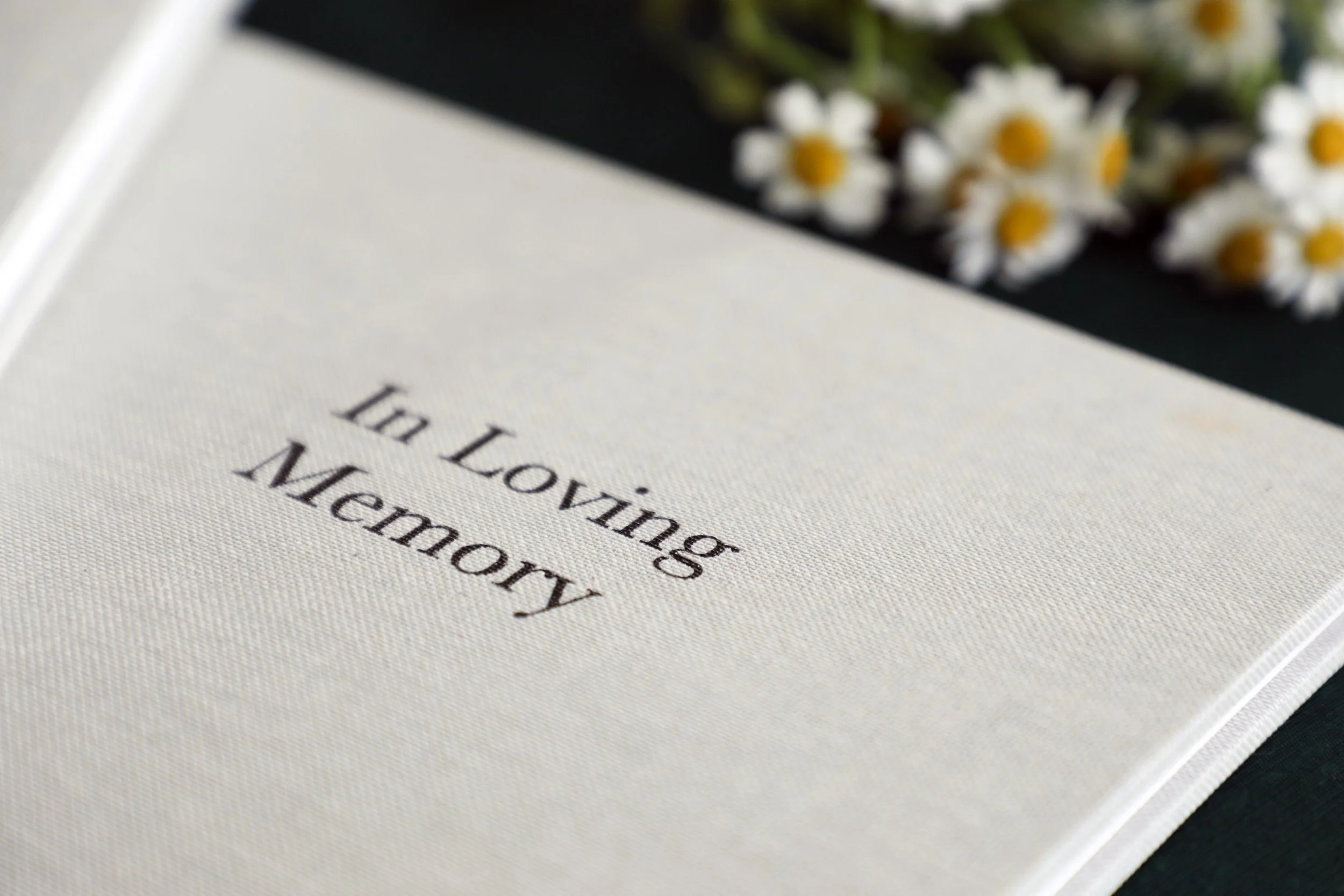
8 tips for creating your own tribute book in honor of a lost loved one
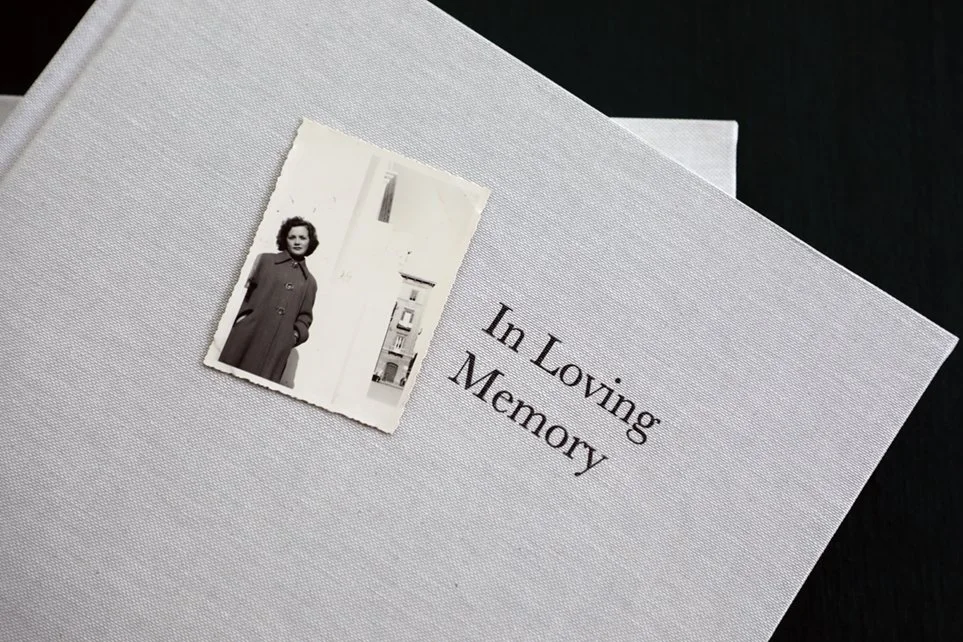
Writing a tribute book is a meaningful way to create a lasting legacy for a lost loved one. These expert tips from a personal historian will help.

Writing and designing a tribute book is a meaningful way to create a lasting legacy for a lost loved one.
After helping many individuals gather memories and express their love for a family member who has passed away, I have gathered my top eight tips for creating a tribute book on your own.
Remember: This is a labor of love. It may take some time, and you may get frustrated when you embark upon a part of the project with which you have no experience. That’s okay. Always think back to your why. Why you have decided to create this tribute book will motivate you to keep going, as I hope, too, will the advice that follows.
Top tips for gathering memories of a lost loved one:
Top tips for editing and designing a tribute book:
Click on any of the numbered items to go straight to that tip, or continue scrolling to read the whole story.
Gathering memories & tributes for your book

1 - It’s okay to be funny.
If your loved one was a vibrant and funny person in life, it stands to reason that tributes about them after their death should be infused with humor. It’s okay to step outside your grief and remember them with a smile, even a laugh. Happy memories provide comfort and help us heal, and will be a balm to the soul when you pull out this tribute book to visit with your lost loved one someday in the future.
2 - Be specific.
Be as specific as possible in your remembrances. This is the key to creating a moving tribute that holds meaning and calls the spirit of your loved one forth. Be heartfelt and open-hearted, and talk about distinct experiences you shared with the deceased. “That time Marc walked three miles to get Mom a cookie…” says so much more than “Marc was thoughtful”; “Deborah donned her Giants fan gear and ordered pizza from Sinapi’s every single Sunday” demonstrates her love of sports more than saying “Deborah was a Giants fan.” If everyone writes "Maria was a lovely person," it's not nearly as personal as saying WHY or sharing a story that illustrates the point!
3 - Be smart about gathering tributes from other people.
Chances are you won’t be the only person writing a tribute to your loved one who has passed away. Go ahead and ask family members, friends, work colleagues, and others to contribute to your tribute book. Ask for something concrete: “200-500 words about why you loved the person,” for example, or “please tell a story about a time they made you feel special.” Give contributors a deadline (even if you don’t need the book completed by a celebration of life or other event, choose a due date or you won’t get responses at all). Remember, too, that for some people, talking is easier than writing: If you think that may be the case for key family members, consider asking them to record their reminiscences, or record a conversation with them to capture their tributes, which you can type up later for the book.
4 - Include something in the deceased’s own words.
You don’t need to replicate full pages from their journal, but if you come across one or two things they have written that resonate, include them. Perhaps it’s a poem or a quote from a diary, a special letter to a family member, or even a handwritten recipe for that one comfort dish they always made. Hearing their voice come through in the pages of your tribute book will help keep their spirit alive.
Editing & designing your tribute book

1 - List relationships explicitly.
While it seems obvious to you as you’re creating a tribute book that the person you are honoring was your mother, someone else’s sister, friend, colleague…well, it won’t be so obvious in a few years’ time, and certainly not in a few decades. Make your tribute a lasting contribution to your family history archive. By providing full names and relationships to the person being honored, you ensure that the next generation may understand the bigger picture and get to know your deceased loved one more intimately.
2 - Include pictures—but not too many.
Will you include photos of the person being honored only? I recommend also including pictures of the people offering tributes. Alongside an individual’s quotes, include a photo of them with the deceased whenever possible. Include a curated selection of photos of the person you are honoring from different stages of their life—from childhood through old age—so you show their personality and experiences but do not overwhelm a reader. You want the photos to add to the stories within your tribute book, not distract from them.
3 - Consider transcribing handwritten notes.
While I love the idea of including handwritten tributes in your book, you run the risk of people not reading them if they don’t appear immediately legible. A design can get messy, too, if a book has page after page of scanned handwritten missives. Consider including portions of a note—such as a handwritten quote here and there—as design elements alongside typeset transcripts of everyone’s tributes. You can always save handwritten stories tied with a lovely ribbon or inside a special box; they’re destined to become a unique family heirloom all their own.
4 - Choose book materials wisely.
Whether you decide to use a digital on-demand printer to produce your book or go a more DIY scrapbooking route, plan for your tribute book to last. Use archival paper and acid-free adhesives in a scrapbook or hand-bound album; and save digital copies of your computer-designed book in multiple locations (an external hard drive or cloud backup, for instance). You and your family have worked hard to memorialize this special person who has passed away, so do what you can to ensure their legacy lives on.
Related resources
If you’d like to create a book but would rather have professional guidance along the way, consider our personal historian services: Explore our tribute book packages.
Contact Dawn to learn how we could work together on a tribute book or other heirloom book project.

FREE:
Questions to Help You Honor Them
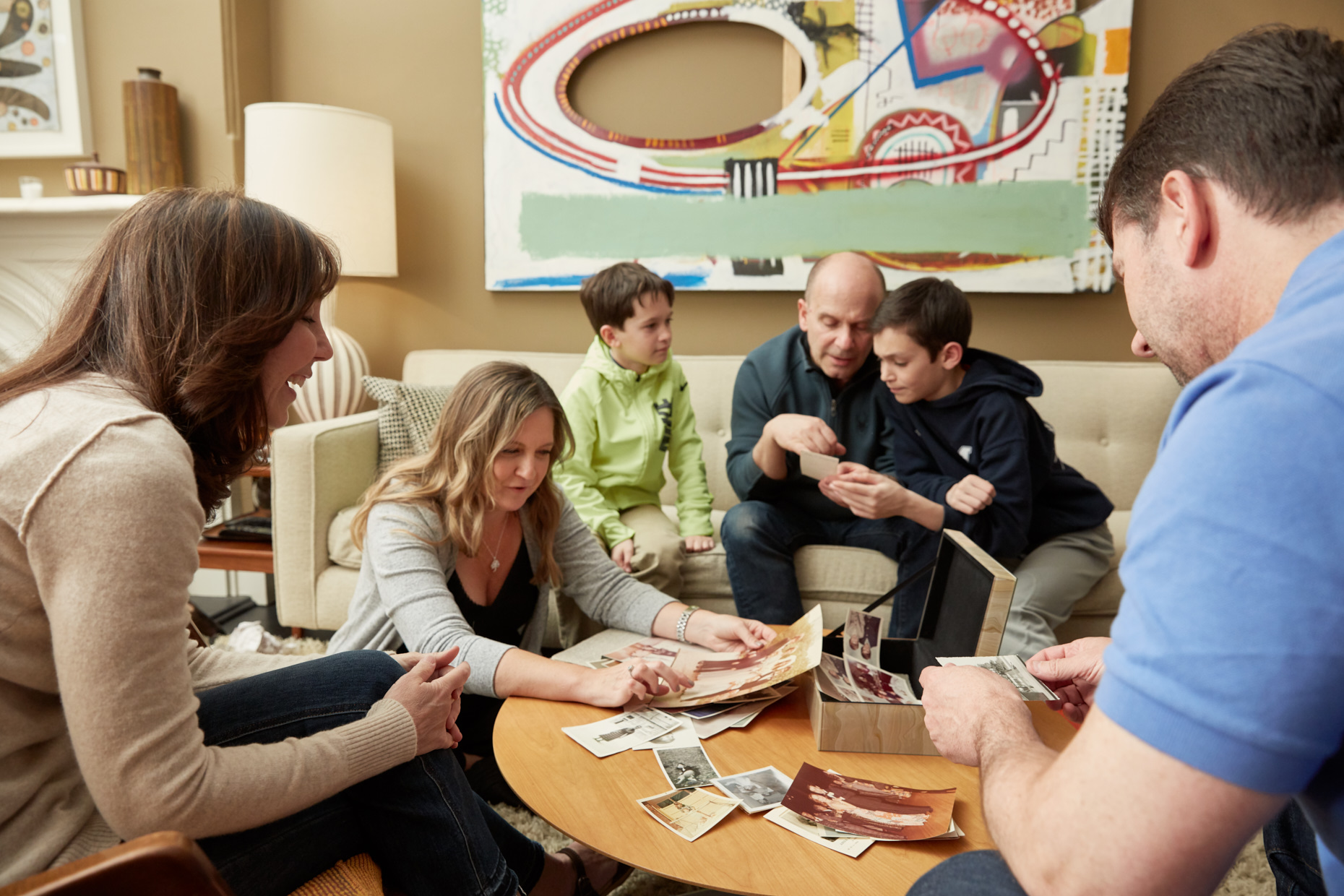
This printable list of 35 questions to ask to prompt memories of your lost loved one is a helpful tool, especially to have on hand when gathering with family.




What to save for your adoption journey book
If you would like to document your family stories in an adoption journey book, here is a road map for what to save, how to record memories, and when to begin.
It’s been a while since I worked on an adoption journey book, but I have recently gotten a few inquiries about them and thought I would share some helpful tips on how to best preserve your memories of this transformational time in your life.

Including images in your adoption journey book of your child’s everyday moments during the early years (think eating, bath time, reading a book) will help to bring those experiences to life in the most amazing way.
What is an adoption journey book?
While a life book is your child’s story, an adoption journey heirloom book is your story—you as an adoptive parent, and you as a member of your growing family.
Your adoption journey book might include:
memories of the first meeting, the long journey home, first weeks together, first bonding experience...the memories that you don't want to fade
a visual timeline of the adoption process
photographs through the years
maps of your child’s birthplace and where you physically traveled
handwritten notes from your journal, especially during the early days as a new parent
typed or handwritten letter with dreams for the future
thoughts on what it means to be a parent—and a family
memorabilia such as your ticket to your child’s birthplace, or the email alerting you to your approval as adoptive parents
insights and feelings—the inner story of your adoption journey
There are so many paths to parenthood. Your journey, though, is the one that matters to you and your family. An adoption journey heirloom book is a beautiful means of honoring your family’s unique story and of preserving the memories and emotions for your children—and, just maybe, for the next generation.
How to keep track of your adoption journey
Did reading the above list give you palpitations? Angst at realizing you have no idea where you would dig up all that info, or guilt at not having kept a journal? If you are eager to create an adoption journey book but unsure how to access your memories, I can help you.
But if you’re thinking about this earlier in the process, first, I congratulate you; and second, I offer you a road map for keeping track of your journey so documenting it in a book later will be an even smoother process. I generally recommend undertaking making an adoption journey book around the first or second anniversary of your adoption (also called a “Gotcha Day” or “Homecoming Day”).
Some ideas for what to save:
1 - Keep an accordion file of things to help you fill in a timeline of your adoption process:
all adoption paperwork (including email correspondence, postponements, requests for new forms, etc.)
airline boarding passes
postcards from the locations you travel through
ticket stubs or restaurant menus
2 - Save photos of:
your travels, in the airport, at the adoption locale
first family photo
milestones for your child(ren), including new foods, first American travel destination, first friends, etc.
any photos showing you in the country of origin for your adopted child
photographs of special, everyday moments (parents feeding a baby, reading to your children, hugs)
images that show your child’s personality (active kid running, a funny child laughing).
Ideally, you will have a mix of photographs that will help you recall this special time in your family’s life, including both the monumental (the day of adoption) and the everyday (bath time).
Consider keeping a journal.
While a journal will of course help you preserve memories for an adoption journey book down the road, writing about your feelings will also have an immediate benefit: Journaling has been shown to have a positive impact on physical well-being and to be a helpful stress management tool.
A few topics to consider journaling about:
forging bonds in the early stages of adoption
how you choose to share details about your child’s origins
ways you intend to incorporate your child’s culture into his/her life (traditional foods, holidays, language)
moments of grace
moments of struggle
Adoption is a lifelong journey.
Adoption is a lifelong journey. And while an adoption journey book such as I am recommending typically focuses on the process of adoption and the first year of settling in and becoming a new family, you always have the option to delve into your stories later in the journey, too.
I focus on these early months because, for one, they are so emotional and life-changing; and two, because they are often the most difficult to remember in detail in later years—when you will undoubtedly want to share them with your child(ren) as they mature.
For those of you who are in the midst of your adoption journey or who have already made an heirloom book, what other things might you suggest?
Additional reading:


Recipe for remembering
Our food memories—sneaking tastes of Nonna’s sauce from the pot, learning to grill ribs from Dad—are worth preserving. Ideas to easily capture stories & recipes.

Ever have a friend drop by your house unannounced and drool over the smell of your simple chicken soup? Have you ever craved a gooey peanut butter sandwich after a bike ride with your kids? When foods remind us of the past—especially fond memories from childhood—we find comfort and more than a little inspiration for revisiting those times.
When I am interviewing a client for a life story book, often it’s their food memories—recollections of sitting around a family table, sneaking tastes of Nonna’s sauce straight from the pot, or learning to grill from Dad—that call forth meaningful stories.
How about you?
Preserving your food memories
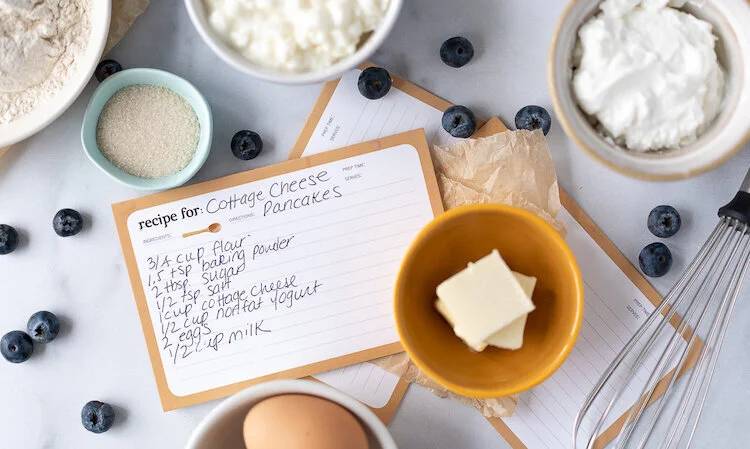
I encourage you to record handwritten recipes from your own kitchen (your kids’ favorite meals, holiday traditions) along with recipes from your family archive (the birthday cake passed down from your mother-in-law, the Old-World dishes that bring a taste of your heritage home).
Then take it a step further by jotting down the memories associated with those recipes. Ask the kids and other relatives to do so, as well (everyone has their favorites, no doubt, and it’s fun when memories overlap!).
Trust me, you are creating a meaningful—and delicious—legacy! Stash the cards in a recipe box, or use them as the raw material for a family cookbook.
A few ideas to get you started:
Grab a piece of note paper and jot down a list of recipes that hold meaning for your family. Don’t think just about holiday meals or complicated dishes—even that three-ingredient dish that you fall back on during busy weeknights should be included. My grandmother used mayo instead of butter to cook up the best grilled cheese ever, and you can be sure I’m passing that simple but critical tidbit on!
If the recipe was handed down by a relative, indicate with whom it originated, and any tweaks subsequent cooks have made along the way.
Consider asking family members to fill in cards and contribute them to your collection. It’s always wonderful to have notes in loved ones’ own handwriting, and reading the memories they attach to the recipes will be a tasty bonus.
Be specific.
Mention the cast-iron pan with the always-loose handle that Bubbe cooked his eggs in. The apron Aunt Ida wore only on Thanksgiving. How cherry Jell-o brings you back to your childhood, and the aroma of anise transports you to Brooklyn at Easter.
Details, details—the scents and colors and textures...the truth of the story lies in the details.

Want memory & writing prompts sent weekly?
Our 8-week Food Memories course provides expert writing guidance & thoughtful prompts to spark your memories, delivered straight to your phone—for just $15.








The ultimate wedding day groom gift
Searching for a groom gift beyond the traditional watch or cufflinks? Surprise him with an heirloom book expressing your love and gratitude—meaningful, unique.

Bound with love
Decided to exchange presents on the day of your wedding but now wondering what the heck could possibly live up to your love for your soon-to-be spouse?
Go above and beyond the go-to watch gift with a one-of-a-kind heirloom book that spells out your love—and gratitude—for your groom.
We have taken the idea of a meaningful groom gift to new heights with this luxury book offering. Through a 90-minute in-person interview, I will help you find the words and sentiments to shape your love story, then craft an elegant extended letter to your groom. Your words, your photos, elevated into a gift destined to become your first family heirloom.

“To my love”
Designed with your style in mind and finished with the most exquisite materials, this is the ultimate gift for the one you love—guaranteed to make him feel connected to you on this momentous occasion. (Oh, and did we mention that the big reveal will make for some of the most emotionally beautiful wedding day photos, too?!).
Whether you are an over-the-top emoter or a reserved bride unsure how to express your feelings, we will help you craft your words to best express your joy and gratitude for this next chapter of your life—and for the man you have chosen to share it with.
Your wedding day is once-in-a-lifetime, the start of the next chapter of your lives together—so why not set the tone early with a gift that is as personal as it gets?
Groom gift details
Modern Heirloom Books’ “To My Groom” offering:
is the most personal wedding day gift you could give.
combines photos from your lives together—even a handful of childhood photos of you both—with the words you would like to say.
is the best way to express all that you feel, from gratitude and joy to love and awe, from the littlest things you love about him (that his socks almost always make it into the laundry bin?) to the most profound (that he was willing to move across the globe for your job!).
sets a thoughtful tone for your special day.
ensures your wedding day gift exchange photos will be beyond compare!
is destined to become your first family heirloom.
Time frame:
Depending upon the book materials you choose, the process could take from one to three months to complete. Don’t worry, though—your time commitment is minimal (one 90-minute interview plus an hour or so gathering photos). Rush orders available (fee applies).
Wedding planning is hectic and time-consuming; creating this gift for your groom is sure to be an enjoyable respite from the chaos—and will remind you of why you have chosen this path in the first place!

Learn more about our Ultimate Groom Gift
Learn more about this offering—including cost, time frame, and possible themes—on our Ultimate Groom Gift product page.
Get even more details on our Groom Gift FAQ page.
Set up a consultation to speak with me about your ideas and see how we might work together.
P.S.
Of course this book can be created for anyone! From bride to groom, groom to groom—from you to the partner whom you adore. I am an open-hearted listener adept at helping clients get to the essence of their feelings—and expressing them beautifully. Who do you love?
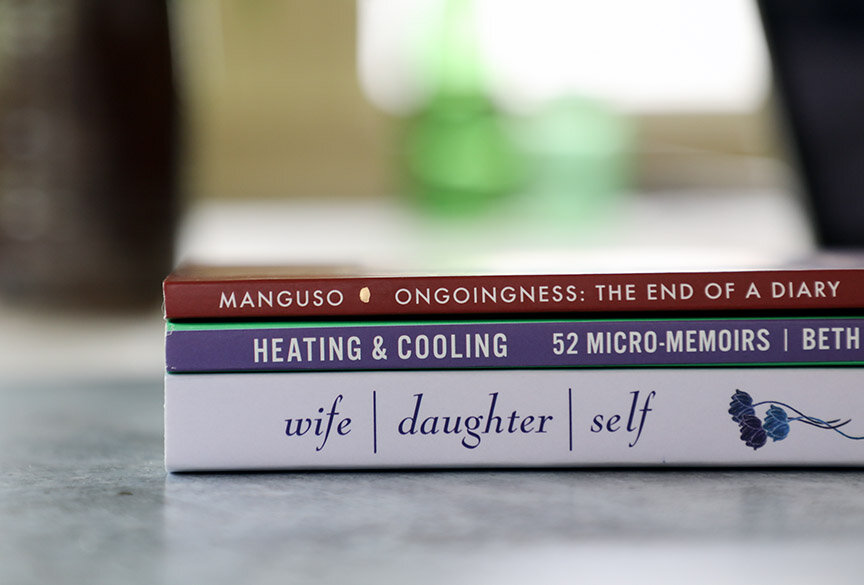
The vignette: What to read to be inspired
Memoir reading suggestions to inspire your own vignette-style life story writing, from Annie Dillard and Kelly Corrigan to Robert Fulghum and Sandra Cisneros.

Reading memoir in the format in which you would like to write is an effective way to internalize style and discover what may and may not work for you.
Here are a few titles that, in my opinion, utilize vignette-style writing to its fullest potential.
Vignette-Style Autobiographical Writing
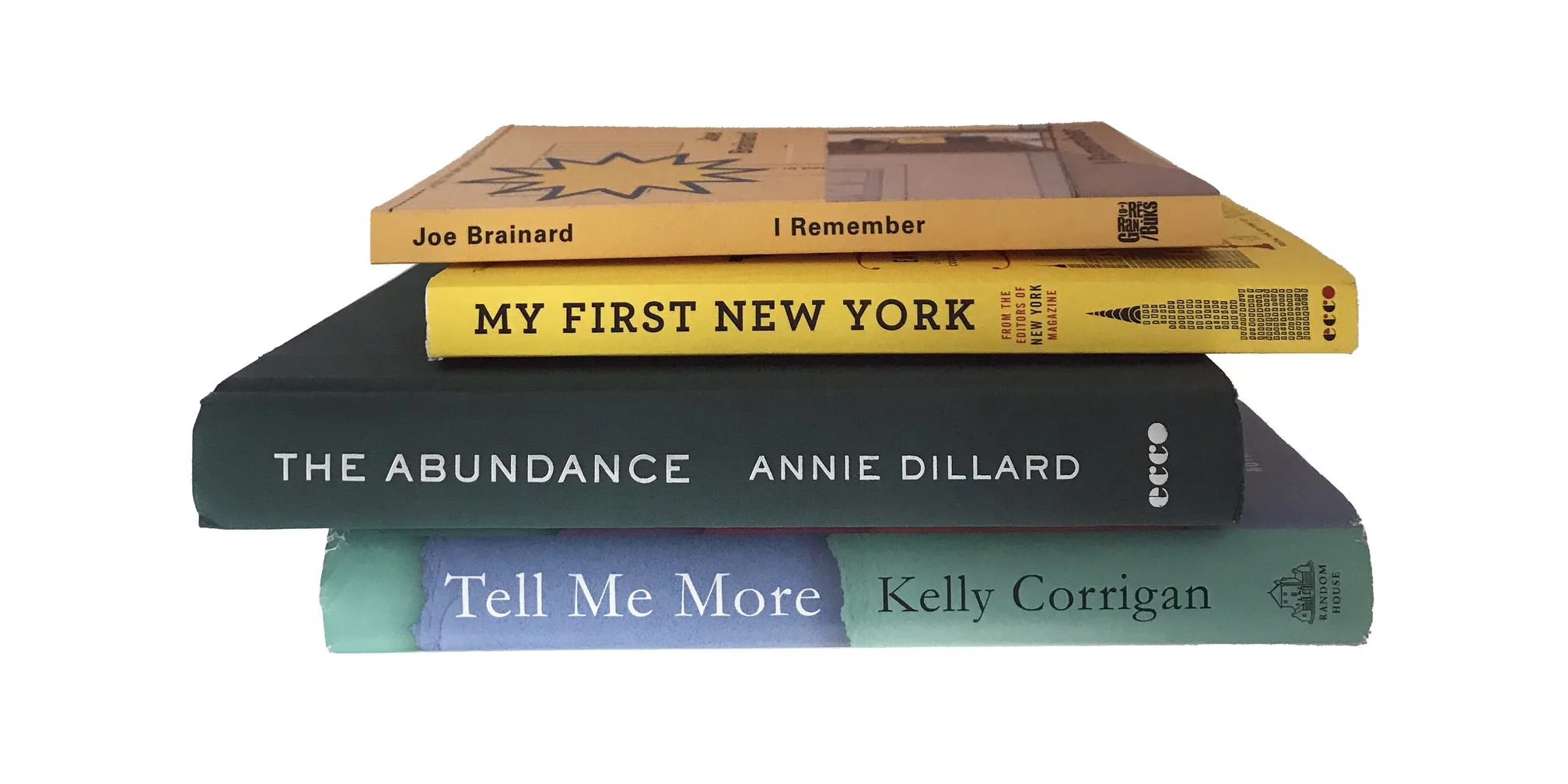
The Abundance: Narrative Essays Old and New
(2016) by Annie Dillard
The entry titled “Jokes” is a fine example of writing from family experience that feels particular and universal at the same time; even without a true narrative arc, Dillard develops her parents into real characters and paints a picture of her home that makes the reader feel a welcome guest.
Tell Me More
(2018) by Kelly Corrigan
Read this joy-filled, sensitive memoir not because it is vignette-driven (it is not) but because it very likely started out that way. Corrigan—who has been called “the voice of her generation” by O: The Oprah Magazine and “the poet laureate of the ordinary” by HuffPost—beautifully weaves 12 stories together to create a book that says plenty about her life, and ours. Consider Corrigan’s book a goal to strive for in terms of using life experience to convey something beyond yourself, and of editing stories so they transform into a whole that is greater than its parts.
My First New York: Early Adventures in the Big City
(2010) from the editors of New York magazine
This compendium of candid accounts from various luminaries puts New York City on the map in an entirely new and wholly personal way. Each vignette (called “small, glittering essays” by the LA Times) is an exquisite example of capturing a slice of life via an interview (translated for the book into as-told-to pieces), an approach anyone can try simply by speaking into your phone’s voice recorder and transcribing—and editing—later.
I Remember
(1975) by Joe Brainard
Dani Shapiro introduced me to this tiny gem during a memoir writing workshop a few years back, and I have recommended it countless times since. Brainard’s memories, recounted in a stream-of-consciousness fashion, are short and pointed, often mere phrases or single sentences, occasionally a brief paragraph, each beginning “I remember...”. Read this book to discover the power of short reminiscence, and emulate it to create your own list of prompts for future development.
Finding Inspiration in Fiction
The House on Mango Street
(1984) by Sandra Cisneros
This a great fictional model for vignette-style of writing. The book is a series of sketches and vignettes written in rich, poetic prose that together form a loose narrative about the author’s Chicano childhood. The vignettes add up, as Cisneros has written, “to tell one big story, each story contributing to the whole—like beads in a necklace.” Told in first person, the book reads like a true autobiographical exploration. Her language is lush and figurative, offering us a glimpse into her world without much editorial exposition.
Discovering Voice
All I Really Need to Know I Learned in Kindergarten
(1986) by Robert Fulghum
Robert Fulghum, whose eight nonfiction books all rose to the top of the New York Times Bestseller List, refers to his writing as “stories, observations, and affirmations.” His books are filled with anecdotes, wit, and wisdom around everyday experiences and life-changing transitions.
He says his “writing usually begins as journal entries—notes to myself—lines of verbal perspectives drawn from walking around and stopping at intersections as I move camp each year.” Fulghum says he molds his raw ideas into stories by sharing them aloud with a walking companion, thereby “editing” his stories as he goes. “In time, the stories and reflections migrate into book form,” he writes. “Even so, please keep in mind that I think of what I’m doing as writing letters and postcards to friends, always ending with the unspoken tag line: ‘Wish you were here.’”
Two more of Fulghum's titles to check out for inspiration for using a casual voice to capture vignettes that resonate:
What on Earth Have I Done? (2007)
It Was on Fire When I Lay Down on It (1989)
Related Reading on Vignettes
In “How to Write a Good Story in 800 Words or Less” you’ll find writing tips and, more importantly, one of the best examples of how powerful brief character writing can be, a 145-word piece by Meyer Berger.
Check out our Vignettes Writing Prompts series:
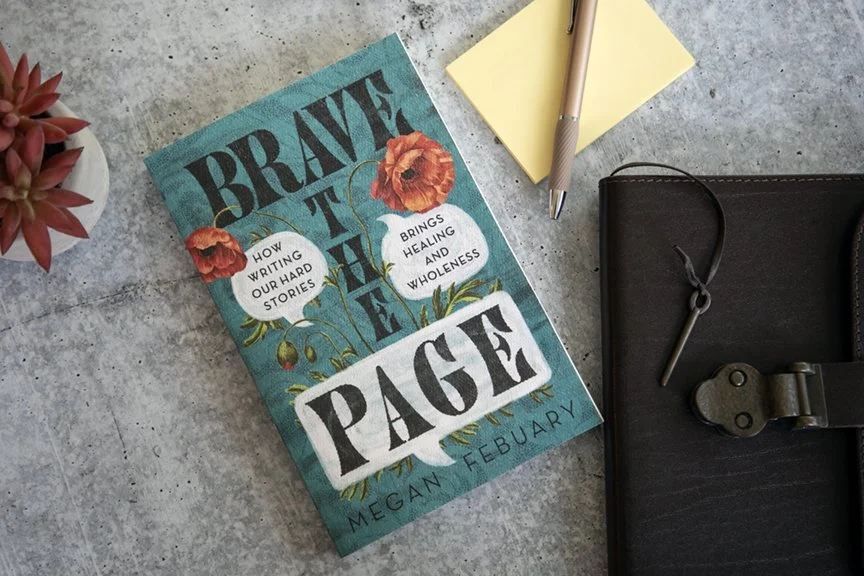
Learn how to use family photographs as writing prompts, and how to choose the best photos to use.
If you’d like memory and writing prompts delivered to your phone weekly, sign up for our short—affordable!)—Write Your Life courses.
Affiliate disclosure: As an Amazon Associate, we may earn commissions from qualifying purchases from Amazon.com.

FREE Writing Prompts Guide
Get all our life story vignette writing prompts in one easy-to-read printable guide!
Writing prompts for life story vignettes: self interview
In Part Two of our Life Story Vignettes Writing Prompts series, guidance on conducting a probing self interview as an entry point to your stories and memories.
In Part One of our Life Story Vignettes Writing Prompts series, we offered five specific exercises for writing about your memories by using all of your senses. Today in Part Two we give you guidance on conducting a self interview as an entry point to your stories.

Getting to Know You
An oft-recommended exercise for first-time novelists is to “interview” their main characters: Imagine these fictional beings sitting before you, answering a list of questions of your making. By getting to know them, the thinking goes, the writer will be able to flesh out multi-dimensional characters with back-story, quirks and all.
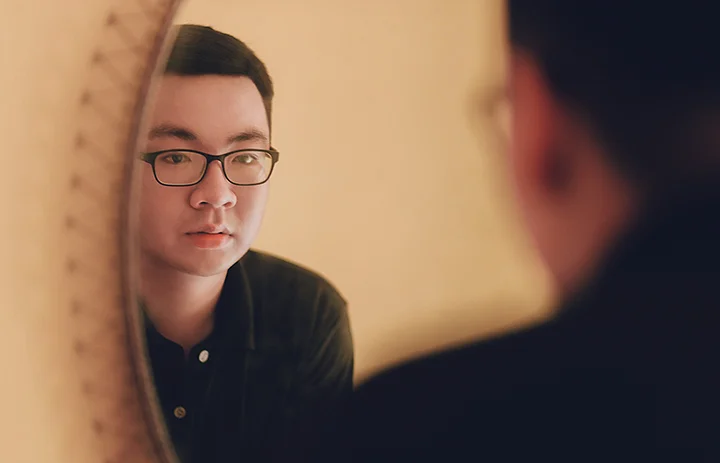
Well, you are the main character of any memoir writing you take on. You know yourself, of course, but it’s a rare soul who sees himself objectively, or who looks upon herself with clear eyes.
So imagine you have been invited to sit across from Barbara Walters. You’re in a cushiony chair, glass of water within reach, ready to take on the tough questions. Ms. Walters, as you presumably know, is well known for making her guests cry, laugh, and gush as they open up about things they rarely if ever have discussed.
Preparing Your Questions
This is one occasion where I will not be offering up suggestions for questions! You must play the role of interviewer and interviewee here.
Be sure to ask the tough questions.
Ask follow-ups!
Probe beyond one-word answers.
Be thorough, asking questions about your past, present, and future.
Think about what you wish people knew about you—and consider answering those questions you wish people perhaps didn’t know, too. Open yourself up to the possibilities.
Generating your list of questions is as challenging a part of this writing assignment as answering those questions will be. Consider this: If you were a journalist about to conduct an interview with somebody famous, you would do your research first, and craft questions to shed light on some of the things you discovered.
Do the same for yourself. Record a list of milestones, big decisions from your life, and key relationships that might be worthwhile to explore. At least some of your questions should develop from here.
You might even consider including some questions that you truly don’t know the answer to yet—questions that will spur you to real introspection, and result in interesting answers that will no doubt prove fruitful for more in-depth exploration in writing.
Proceeding with Your “Interview”
Unless you are a Robin Williams wannabe, chances are you are not going to role-play both characters in this pseudo interview (if you do, please videotape and share—I’d love to see it!). Rather, you have two obvious choices:
Read your questions aloud to yourself, then answer aloud, recording your self-interview with a recording app on your smart phone or with a traditional mini-cassette recorder.
Benefit of this approach: It is often easier to talk at length than to write, and this method is more apt to retain your colloquialisms and the flavor of your voice.
Drawback: If you are going to use this as part of further writing, you will need to transcribe the recording to have it in print.Type, or write, your answers following each question.
Benefit of this approach: Writing something longhand is itself a contemplative act, and doing so here allows for periodic pauses for thinking and crafting your response. That thoughtfulness may result in answers that go deeper than if you were conversationally speaking them aloud.
Drawback: This approach can take longer, or may feel slightly intimidating to someone who does not consider him or herself a writer.
I don’t particularly recommend having a friend or loved one interview you for this exercise (though it is an approach I generally do suggest for family history preservation). Part of the value of this writing prompt is its privacy and striving for depth, and its aim to get you to share things you might not feel comfortable sharing under normal circumstances.
What Comes Next?
As with many generative writing exercises, I recommend setting aside your self-interview answers for a week or so before doing anything else with them. Once that emotional distance is achieved, then you might:
use your interview to write a longer vignette exploring one answer that was surprising to you (or revealing, or maddening, or…)
use the themes within to create a template for how to approach a larger life story project
discover questions that yielded only the beginning of an answer; if, upon rereading your answer, you feel the need to expound, then this may be a topic rife for your attention
determine which questions prompted you to share more than you expected, then (a) consider asking similar questions of a family member to capture their stories; or (b) think about going even further—what would chapter two of your answer be?
Find more tips for writing life story vignettes:



Download FREE Writing Prompts
Get all our valuable memoir-themed vignette writing prompts in one handy, printable guide!

Memory & writing prompts sent weekly to your phone
Short courses for anyone who wants to write about their life—just $15 for 8 weeks of guidance & inspiration!
Writing prompts for life story vignettes: Using the senses
In Part One of our Life Story Vignettes Writing Prompts series, we offer five specific exercises for writing about your memories by engaging all your senses.
When the daunting task of writing a major autobiographical work is broken into chunks, the writing becomes easier to manage. Guided prompts help rediscover lost memories.
In a previous post I introduced the concept of vignettes, and discussed why I think they are an ideal starting point for any life story writer. Today I would like to dive a little deeper and offer you specific writing exercises to help you get started.

Some general guidance for writing vignettes
I recommend keeping a list of ideas in a notebook: Jot down memories that come to you unbidden, people you would like to recall, moments from your life you would like to revisit. Write phrases and visuals that may jog your memory later—Poppy’s red Cadillac, fishing at Johnny’s lake, the first time I wore red lipstick.
Be specific. Be sensual (the smell of the fish, if that comes to you; the tacky feel of the lipstick, perhaps).
And when you need a little inspiration beyond your list of memories, try using one of the following prompts designed to get the memories—and your words—flowing.
sensory prompt 1: allure of a stranger
Go somewhere you can people watch: the mall, a park, the library. Sit in silence and watch. What do you see? Does someone catch your attention? Think: What is it about this person that ...
... seems familiar?
... scares you?
... moves you?
... feels trustworthy?
Imagine yourself sitting down comfortably with this individual over coffee. You can ask one question which leads them to share a story from their past—but you must answer the same question for them.
Write: Imagine yourself speaking directly to this individual, sharing your story and perhaps your reason for sharing and how it makes you feel (is it something you have never told anyone before? that scares you? that makes you proud? joyful?).
sensory prompt 2: power of music
Listen to your favorite album or song. Immerse yourself in it, avoiding other distracting activities while listening.
Write: Where does the music take you? Are you transported to a different time or place? Describe the scene, how you feel. How do different songs connect to different parts of your life?
sensory prompt 3: a room with you
Think of a room where you spent a lot of time as a child, a teenager, or even recently as an adult. Nothing monumental need have happened here; it is simply a place you have stayed, often. Think about the room: What do you see? Smell? Feel? Is there an object you touch? Is there someone with you—or in the next room?
Write: Describe this place in as much vivid detail as you can. Be specific, using all of your senses. Continue to explore who you were while in this place: Why were you there? Did you want to be there or someplace else? How did you feel? Would you return there if you could?
If you have chosen the right location, your writing will develop from external setting to a sense of internal place.
sensory prompt 4: show & tale
Choose an object from your life and write about it. Of course, what you choose will determine the course of your storytelling.
Think inside the box:
a piece of jewelry
something from your kitchen
a talisman/lucky charm
a trophy
your camera
a handwritten recipe
…and outside the box:
a tattoo
your curly hair
an old car
a tree from your childhood yard
Write: Imagine yourself touching the object, and describe that sensory experience. Tell the story of your object, weaving yourself into the story and finding the meaning and significance of the role this object has played in your life or a loved one’s life.
sensory prompt 5: taste of the past
Think of a time when someone you loved cooked for you. Perhaps it was a holiday gathering, or more likely it was an ordinary day—cookies during after-school homework, say, or breakfast before a family road trip. Close your eyes and try to conjure the smells and tastes of the food, and use them as a gateway into your memories.
Write: Start not with the food, but with your loved one, and describe the scene: the cooking, the discussion, the background noise and plans for the day. What was your loved one wearing? How did they make you feel? Were you aware that the act of cooking for you was an act of love? Have you made this food for someone?
Your FREE Writing Prompts Guide
Get all our life story vignette writing prompts in one handy, printable guide (and yes, it’s free!).
Read more vignette writing tips
This is the first in a four-part series on how to begin writing your life stories with short, evocative vignettes.
Explore the other posts in this series:
PART 2: Writing Prompts for Life Story Vignettes: Self Interview
PART 3: Writing Prompts for Life Story Vignettes: 300 Words in 30 Minutes
And if you}re interested in beginning a larger life story project to preserve your stories for the next generation, start here: How to Plan a Life Story Book in 3 Simple Steps.
Want weekly memory prompts?
Discover our annual subscription of life writing prompts!