
Memories Matter
Featured blog Posts

READ THE LATEST POSTS

What to do when you have too many memory-keeping ideas
Don’t let all those memory-keeping ideas swirling around your head overwhelm you. Instead, take some time to hone in on which stories to tell first—here's how.
Lots of light bulbs going off in your head? Consider that a good problem to have—chances are your next life writing project is amidst that mental clutter! Take a few steps, outlined below, to hone in on which topic to tackle first.
I recently had a conversation with a gentleman who had a multitude of ideas for book topics—he wants to tell his own story, his mother’s story, the story of his more-than-100-year-old family business, the story of the best friend from college who recently passed. The talk was chaotic—a maelstrom of memories. It was exciting.
Fertile ground—that’s my positive spin on what can often be considered overwhelming: early talks with folks who know they want to preserve their legacy in a book, but have too many ideas. For while it can indeed be overwhelming for you, I am able to take notes as an objective listener and ask questions to help you refine your goals and, ultimately, set priorities.
Sheer overwhelm is, from my experience, the number-one reason most people let their life story book ideas languish. I’ve written a lot about ways to minimize that overwhelm (check out this post for easy ways to minimize the fuss and just get started, for example)—but right now I want to focus on narrowing down your ideas to the most pressing one.
How to choose which life story theme to explore first.
These steps are applicable whether you want to write your memoir (perhaps as a series of vignettes!), speak your stories into a recorder to be transcribed for a life story book later, or simply to create a photo album or oral family history. No matter the final form of your life story preservation, following these four simple steps will help you get control of your ideas and settle on one topic to tackle first.

Step 1 - Do a brain dump.
Get all those ideas out of your head and onto paper. It’s okay if your scribblings are as messy as those ideas swirling around your mind—just write them down, one phrase and memory at a time. This is what we call brainstorming, and it’s both effective and cathartic. Give yourself 10 minutes, tops, but try not to pick your pen up from that paper…keep the ideas flowing! I recommend doing this with good old-fashioned pen and paper.

Step 2 - Make a list.
Type up your handwritten ideas in list form without regard for order or relevance. Don’t edit or ruminate over anything; just make it presentable, then print a copy you can mark up later.

Step 3 - Step away from the page.
Seriously, slip your paper in a drawer and forget about it for a week. This will give you enough emotional distance to approach the next step with the necessary perspective.

Step 4 - Set priorities.
Okay, maybe this one’s a little thorny. What if every idea looks A-MA-ZING?! What if your heart palpitates at the thought of choosing one life story topic over another? It’s all good. It means you’re excited about preserving your stories and, most likely, that you’ve lived a life filled with stories worth sharing!
Remember that your goal here is to set some realistic priorities—to identify which life story angle you are going to tackle first (and that doesn’t necessarily mean it’s “the best.”). It DOES mean you’re choosing a topic
(a) that is currently at the forefront of your mind, for whatever reason;
(b) that you’ve already written a bit about and would like to develop further;
(c) that a family member has expressed interest in;
(d) that you feel some urgency about capturing before memories fade;
(e) or that troubles you, and you want to explore to write your way to clarity…
These are just some of the reasons you might choose one memoir topic over another. Simply having a gut feeling about one idea is reason enough to pursue it, in my opinion.
You can’t finish a life story book, memoir, or oral history memory-keeping project if you don’t start. By picking one of these ideas as your first priority, you’re on the right (productive!) path.
Do those four steps still feel too overwhelming?
Sometimes you may not be up for all that. There is another way: Set aside time for a few introductory personal history interviews. That’s what I am doing with the aforementioned client who was overflowing with life story ideas—we’ve scheduled three interviews that we are looking at as “data collection.” I will guide the conversations with an open mind, paying attention to those stories that get him excited, that spark 10 more possible related stories, that feel like the fertile ground I referenced earlier. I will also note those that may seem more like a chore to talk about, that don’t feel as urgent.
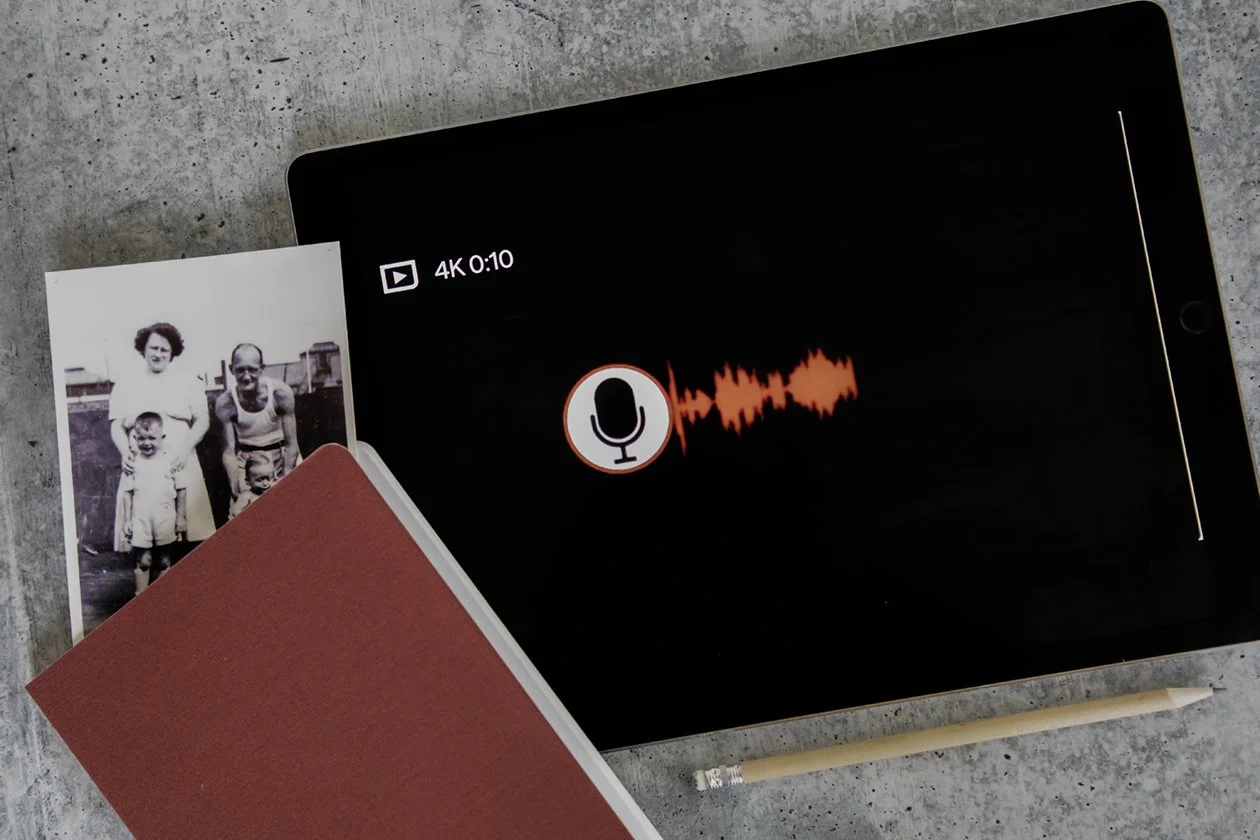
You can do the same thing with a loved one if you like. Ask a family member or friend to sit down for an intentional reminiscing session. It needn’t be a formal interview like the one I will have with my client, but it should be approached with purpose. Tell them what you are hoping to achieve (to narrow down your ideas for a memory-keeping project or personal history book) and invite them to ask questions and comment on what they find of interest. You can record the session to hear how your voice betrays your feelings about a given topic, or take notes as you go. Either way, I am willing to bet the very process of sitting down to talk about your memories will both get you excited to begin preserving your stories for real AND help you decide which aspect of your life to explore first. Good luck!
Ready to start writing your life stories?
Don’t stress about the quality of your writing—use your authentic voice.
Not sure how to proceed but still chomping at the bit to preserve your life stories? Consider scheduling a free 20- to 30-minute phone consultation to see how we could work together.



















10 Heirloom book ideas to preserve your family history
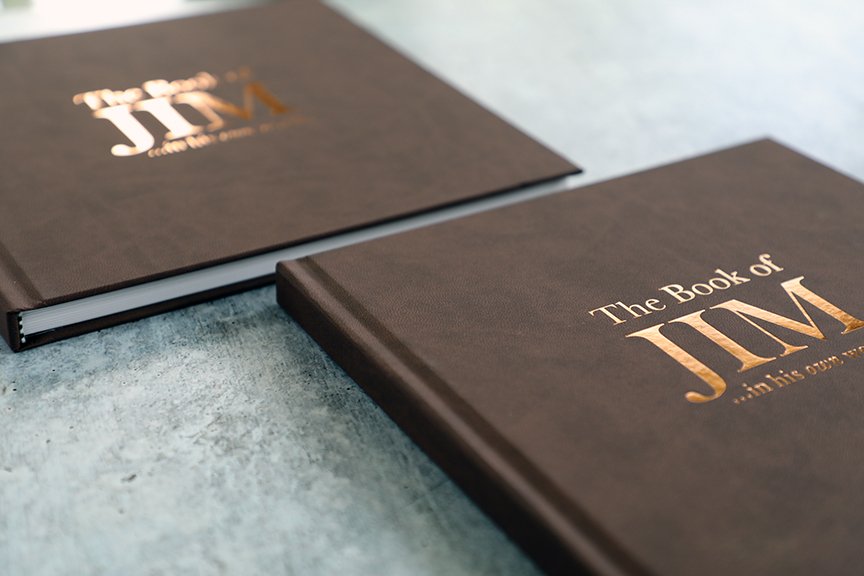
From life story books to a family history collection, from travel journals to heritage cookbooks, our founder lists 10 of her favorite heirloom book themes.
Maybe you’ve thought about preserving your own or your family’s stories in a book for the next generation. But where to begin? How to narrow down a topic?
Don’t worry, I’ve got you covered. Here are 10 of my favorite heirloom book themes, and I’m willing to bet one of them jumps out at you as just-right for your situation. And if not? No worries, all of our books are fully custom, so let’s chat.
A family cookbook—complete with the stories behind the recipes—is a great option for families whose love language is food.
1 - a heritage cookbook
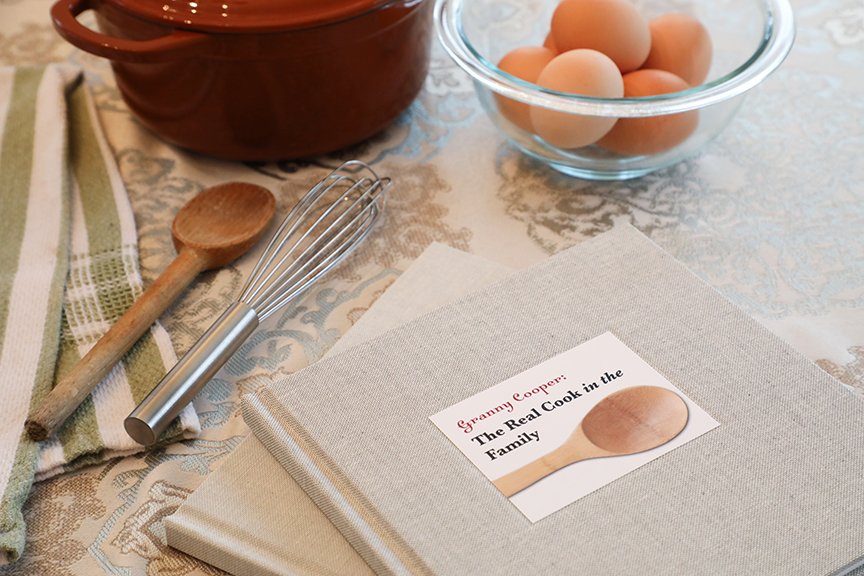
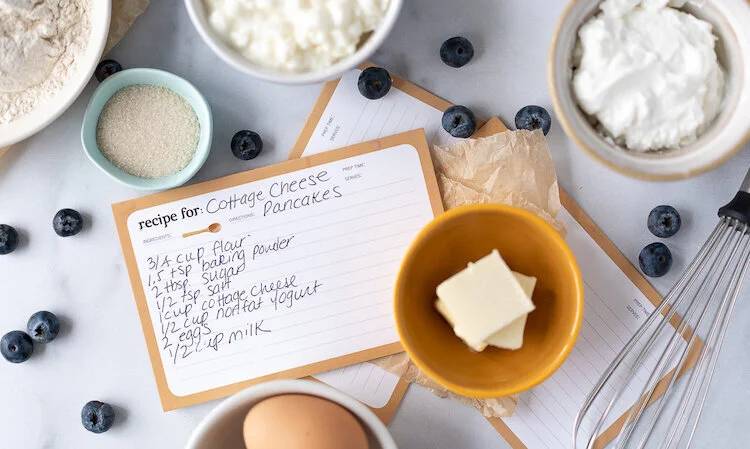
Be transported to the kitchen of your childhood! Celebrate dishes that have been passed down through generations in a bespoke book that weaves your family’s cherished food memories with nostalgic photographs and handwritten recipes.
2 - LOVE STORY
Perhaps you were bequeathed a beribboned stash of your great-grandparents’ love letters. Or maybe it’s your own love story—how you met, how you choose one another every day, maybe how you almost didn’t meet—that you’d like to share. Let the love flow...

Record your journeys in a travel book so you can revisit your memories from the comfort of home (and inspire the next generation to travel in your footsteps).
3 - travel journal
Are you a voyager? Don’t just make a photo album; record memories. Wherever your journeys take you (an African safari? The Maldives? Alaskan glaciers?), our travel books help you not only remember the places, but relive the moments—and ‘travel’ back there from the comfort of your home.
Your stories matter—tell them in your own words, and they will resonate with loved ones for generations.
4 - your words, your stories
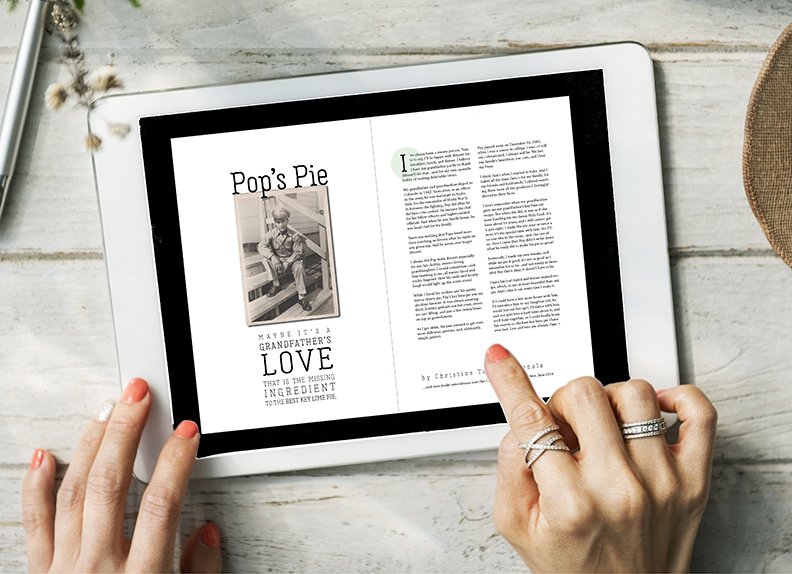
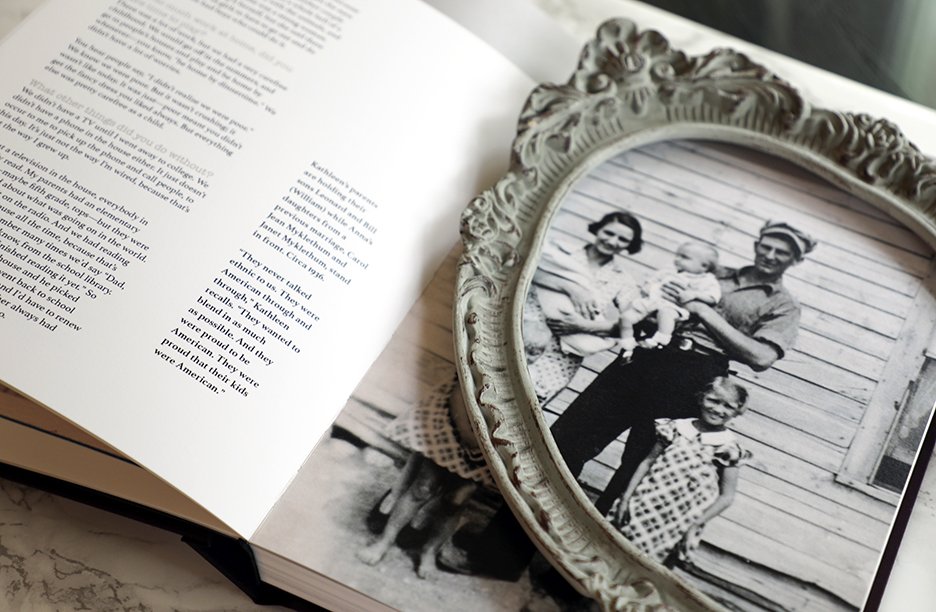
Whether you’ve written a full-on memoir (if you’re partway through, we can help you finish!) or want to capture episodes of your life through a series of personal interviews, tell your own story. It matters. To you, and to those you love. Now is always the right time!

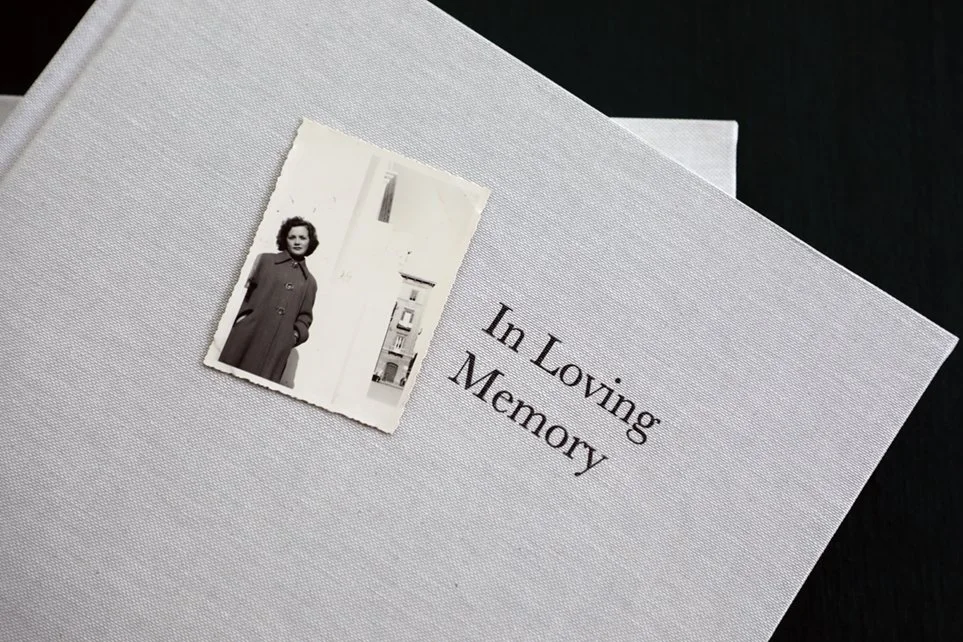
Honor a loved one’s memory by preserving tributes in an heirloom book that you and your family can open any time to feel closer to them.
5 - in remembrance
Is there a family member who has passed that you would like to honor? Let’s gather written tributes remembering them with dignity, humor, and grace, then curate photos that capture their spirit. Bound with love, this tribute book will become your most cherished heirloom.
6 - FAMILY HISTORY BOOK
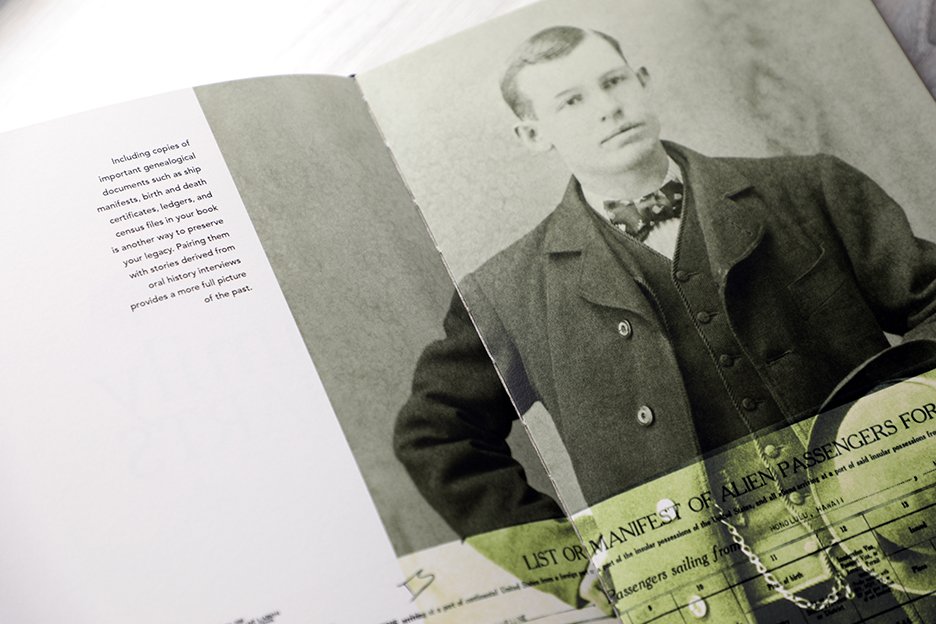
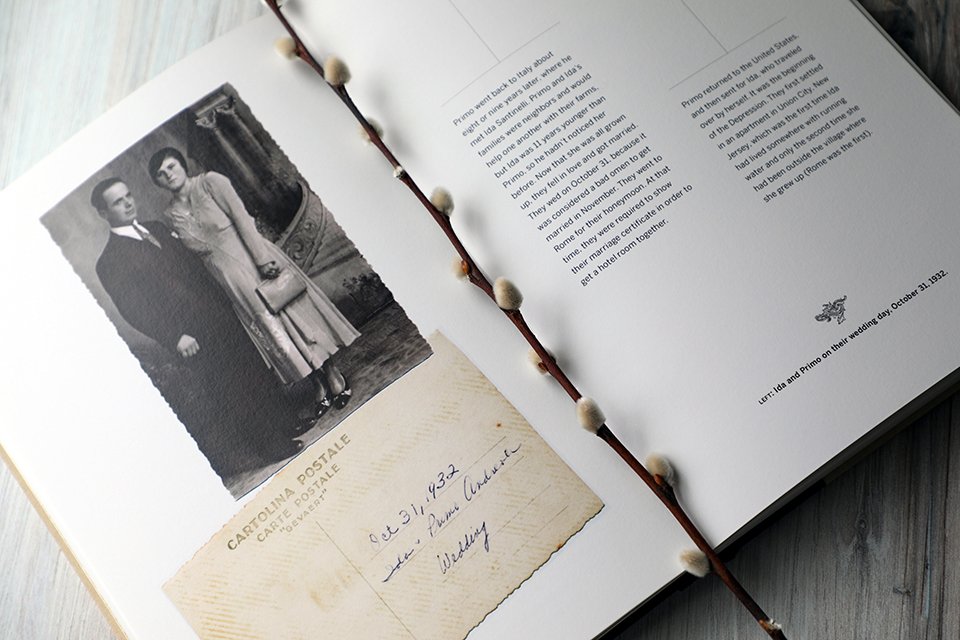
Have you caught the genealogy bug? Consider this: It is highly unlikely your ancestors will be thrilled to sort through 18 boxes of census records and ship manifests, no matter how meticulously catalogued they are. They will, however, read a story. So give them one.

7 - home is where the heart is
As Henry Louis Gates, Jr., says, we are all immigrants. Do you know where your ancestors were born? Have you taken a heritage trip? Perhaps your family lived on the same NYC block for generations. We can bring the stories of your homeland to life, so they are never lost.
8 - LESSONS LEARNED
With experience comes wisdom. By reflecting on the full journey of your life—including challenges overcome and opportunities missed—you leave a legacy that the next generation can both learn from and find inspiration in. Go deep, and be rewarded deeply.
9 - CONVERSATIONS WITH GRANDMA
We’ll conduct interviews with your grandmother or other family elder, gather memorabilia, and find the narrative thread that best captures her story, then weave it all together beautifully. Don’t wait until it’s too late to ask questions.
10 - places in the heart
This book makes your favorite place the central character and gives meaning to the phrase, “If these walls could talk…” Think a beloved family vacation home, a longtime sleep-away camp, or the college you’ve all (multiple generations!) attended.











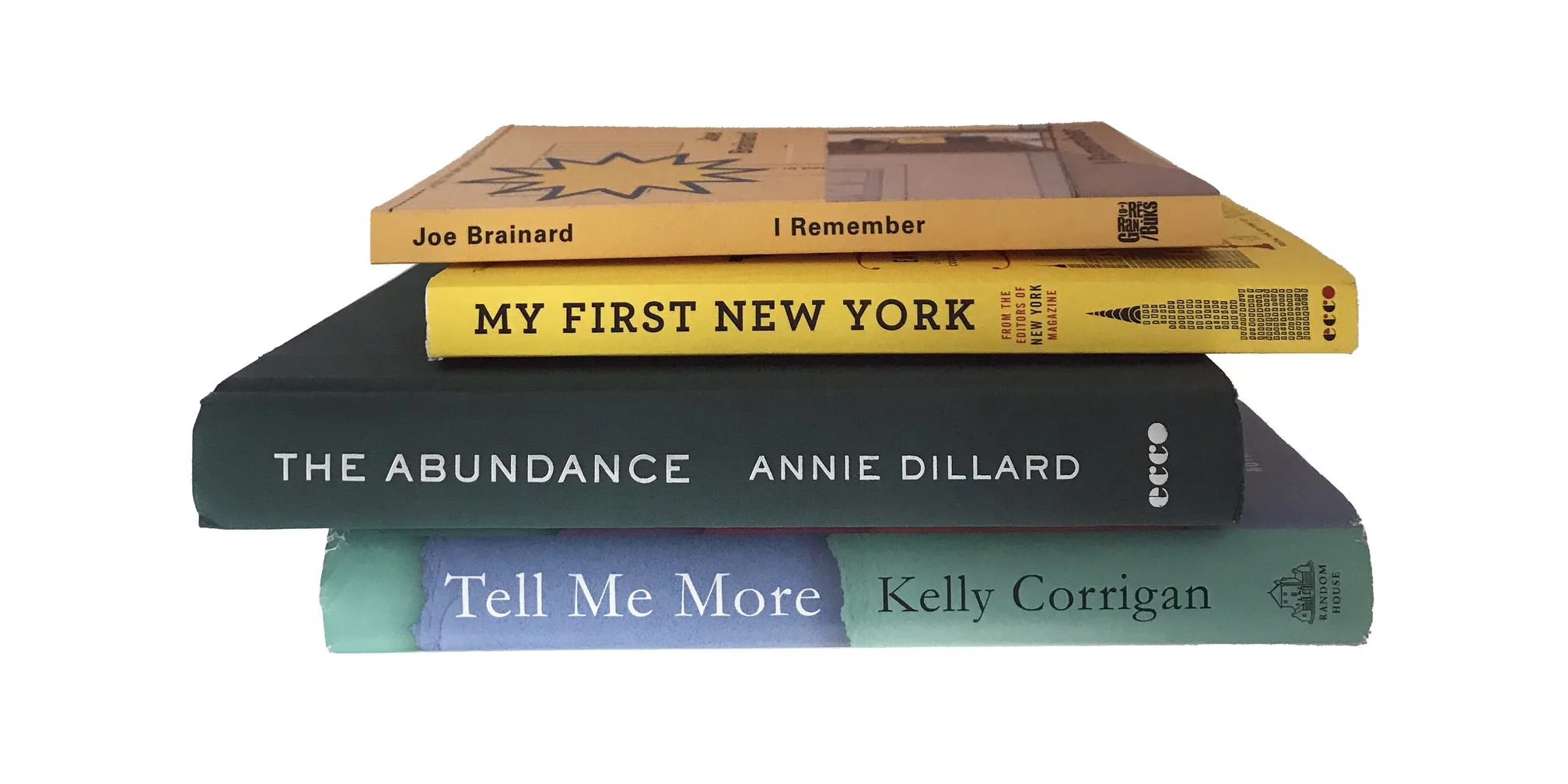


Dawn Roode’s curated roundup for the week of Sept. 23, 2026, is overflowing with recent reads on memoir, life story writing, and family history preservation.