
Memories Matter
Featured blog Posts

READ THE LATEST POSTS

Life Story Links: August 21, 2018
The importance of oral traditions, why interviewing subjects in a familiar environment elicits the best stories, family history resources & more memoirish links.
“In books lies the soul of the whole past time: the articulate audible voice of the past.”
—Thomas Carlyle

During a weekend trip to our nation’s capital, I escaped the oppressive heat in the Library of Congress and found inspiration at every turn. The next line of this quote from Thomas Carlyle reads: “the articulate audible voice of the past.” Indeed.
Places in the Heart
READING TILL THE END
“Papa left the summer I turned eight.” Cinella Barnes, who tells the story of her tragic childhood in her memoir Monsoon Mansion, reads excerpts from her book to her hospitalized father in this moving essay on the power of memory and questions left unanswered.
HIBAKUSHA EXPERIENCE
As the only country that has ever suffered nuclear attacks in war, Japan has a responsibility to ensure that memories of what Hiroshima and Nagasaki went through will be passed on to future generations.
ON LOCATION
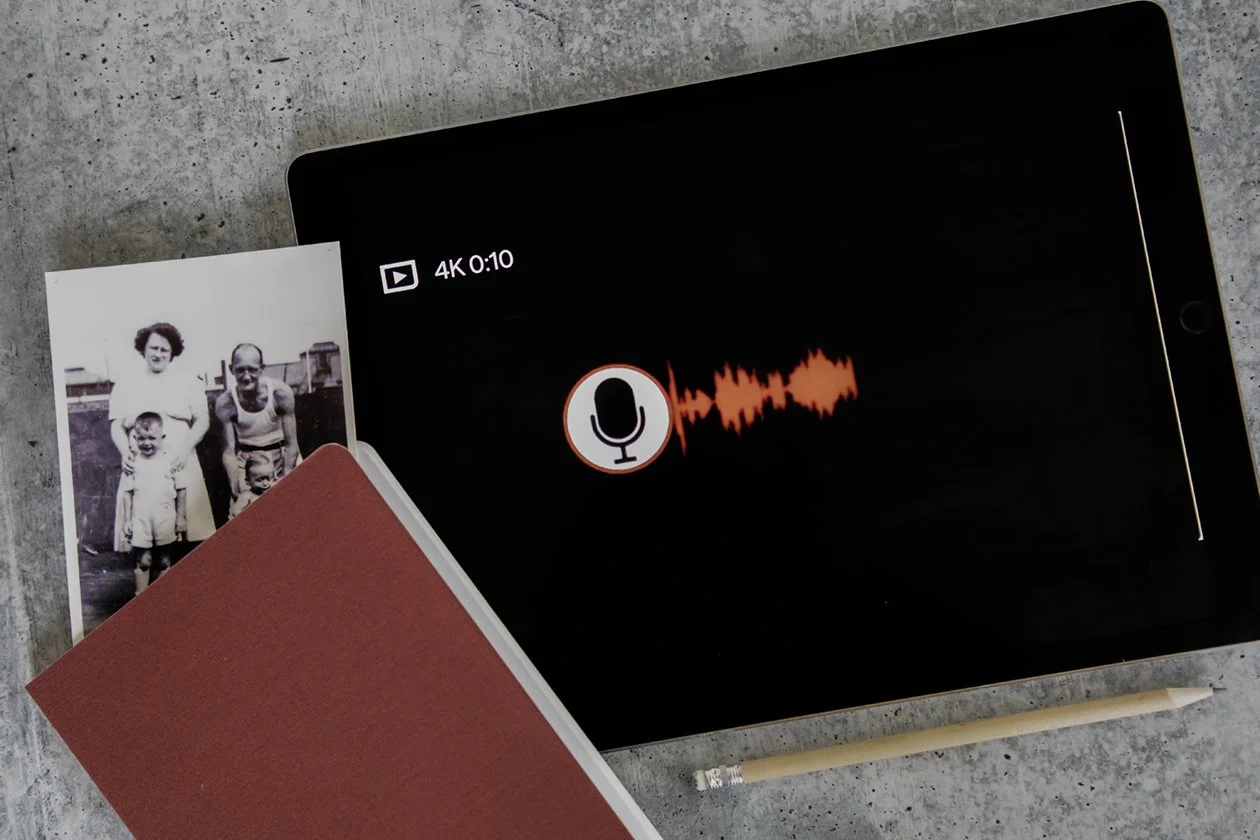
Clinton Haby of San Antonio–based StoryKeeping prefers to conduct interviews in subjects’ homes when possible, setting the interviewee at ease and capturing a familiar environment for loved ones.
Family History Takes
ODE TO ORAL TRADITIONS
“Those stories, even if they are embellished in the retelling, make a statement: This is who we are. And we remember.”
AN APPALACHIAN ODYSSEY
A genealogist and a neurologist hunt for ALS genes along a sprawling family tree. “What makes [their] work pleasurable is also what makes it hard: Tracking familial disease meant tracking families, and every branch is complicated in its own way.”
BOOKMARK THIS
Last week I offered up a curated list of resources for the genealogist who cares about story.
Paper Trails
BOOKISH NOTES
“All we talk about...is books—your book, my book, this book, that book,” writes Sarah White of First Person Productions in Madison, WI, who shares takeaways from her creative nonfiction residency in Halifax, Nova Scotia.
INSIDE AN INHERITED DIARY
Carol McLaren of Arizona–based Unique Life Stories ruminates on inherited diaries & letters as windows to the past.
...and a Few More Links
Understanding vernacular photography: collecting found photos
Reuniting stumped readers with the books from the edges of their memories—a delightful read for library lovers everywhere
A bundle of old negatives provides a connection to immigrant ancestors and a vision of what Buffalo, NY, looked like generations ago.
Short Takes

Family history in the 21st century
Family history is more than names on a chart; it's people's experiences that hold meaning. A curated list of resources for the genealogist who cares about story.

So much is written about the overwhelming popularity of genealogy, and the proof is all around: accessible (and inexpensive) DNA tests, fun (and memorable) Ancestry commercials, stylized family tree art as gifts…you get the idea.
It’s quite possible you are one of the millions of family history enthusiasts who consider tracing your roots a worthwhile hobby. I count myself among them, too.
But I worry that with all the focus on discovering distant cousins and fleshing out the family tree, we may be losing sight of what makes family history so important: the history behind the names.
I am heartened that so many others, like me, are refocusing their genealogy lens onto discovering, sharing, and preserving the stories of those who came before us.
Sure, the research must happen, and the documents will hopefully be preserved; but the life experiences of our ancestors, when they are known, should be told in ways that are accessible. Trust me when I say that it is highly unlikely your ancestors will be thrilled to sort through 18 boxes of census records and ship manifests, no matter how meticulously catalogued they are.
They will, however, read a story.
Family History Told Engagingly
A recent survey indicated that American readers don’t respond so much to literary writing as they do to the power of story. Stories resonate. Stories make us feel, and relate. They inspire. Just imagine how much more powerful stories can be when they are about—or by—your own family!
So no, you don’t need to be a writer to begin writing your family stories—your kin will not care about a misplaced comma or a run-on sentence when they are being gifted with a story of someone whose blood they share.

“If history were taught in the form of stories, it would never be forgotten.”
—Rudyard Kipling
There are so many ways to go about preserving your family stories. I think it is important, though, to pick one and begin. To inspire you, I’ve compiled some resources to make dipping your toes into the narrative family history waters easier.
Resources for Telling Family Stories
Storytelling, Writing & Oral History
In her well-organized Step-by-Step Guide to Oral History, Judith Moyer writes: “Many people become concerned about ‘doing it right,’ yet they also recognize that a voice on tape is better than nothing at all. So they try just a simple interview, just talking to someone for an hour. Ten years later such people are thankful that they made the effort, and those who did not …well, they have regrets.”
On my own site, check out Books to Help You Write Your Family Stories, Even if You Are Not a Writer; and download the popular resource How to Use Photographs as Prompts for Writing Life Stories.
I’m a big fan of Family Search's #52Stories initiative, which provides the inspiration to write down one story every week for a year, bringing you 52 steps closer to completing your personal history. Plus, see how two folks have taken up the challenge successfully.
If you are considering interviewing family members to capture their stories, first, congratulations! Second, browse some questions in advance, but remember to use them only as a guideline—curiosity will assuredly be your best guide.
Genealogy & Family History
Your genealogical research will become the bare bones onto which you build the flesh of your family stories. So whether you spend just a few days confirming names and birth dates or you make genealogy a lifelong endeavor, these links will prove helpful.
This Ultimate Beginner’s Guide to Genealogy is a whopper of a resource, with useful links, records overviews, step-by-step guides and more.
Preservation and archival basics, from what materials to use to protect your oversize genealogy documents to proper environmental control and photo and heirloom preservation.
The National Archives has catalogued an easy-to-navigate treasure trove of genealogy resources including tools for genealogists; genealogy events; downloadable family tree charts and forms; and how to start your research at the National Archives.
If you are considering hiring a professional genealogist to help with your research, search the Association of Professional Genealogists for specialists near you.
Consider yourself a history detective? Head to the far right column on this page for highly specific checklists for keeping track of your family history clues as well as “case files” of mysteries they have solved.
Branching Out
I am curious to see where your family history research takes you! Good luck in tracing your roots, and please, please remember to preserve family stories—your own as well as your ancestors’—as part of your genealogical journey.



Life Story Links: August 7, 2018
Grandmothers, mothers, Vietnam veterans, and more tell their stories for the next generation; thoughts on the craft of life story preservation, memoir & memory.
“I think of a good conversation as an adventure. You create a generous and trustworthy space for it...so the other person will feel so welcome and understood that they will put words around something they have never put words around quite that way before.”
—Krista Tippett

In Their Own Words
TESTING THE WATERS
A grandmother discovers grace and self-forgiveness while offering a safe place for a child to explore: Massachusetts–based personal historian Marjorie Turner Hollman tells one of her own stories and, I hope, inspires others to allow themselves to be vulnerable enough to tell their own.
ON MEMORY & INHERITED TRAUMA
“I imagine the weight of her trauma in my palm, opaque and heavy,” Crystal Hana Kim writes of her grandmother in “Like You Know Your Own Bones.”
WAR STORIES
"I never talk about the war." Until now. Raul Roman undertook a three-year effort to document the lives and memories of North Vietnamese veterans and their families; hear some of their voices in Roman's recent NYT piece.
BEFORE IT'S TOO LATE
“Eight years ago, I decided I was going to interview my mother and last year, I finally did it. I’m not 100-percent clear on what took me so long,” writes Cari Shane. “Perhaps the reality of what and why I was recording my mother’s stories; it was an acknowledgment of her mortality.”
THE PRESCIENCE OF A NAZI-ERA DIARIST
“The past informs the present; human memory is frail and fallible; and the only way to mitigate the discord between these truisms is to chronicle current events in granular detail,” Daniel Crown writes of Victor Klemperer’s legacy.
Craft & Conscience
THE FUTURE OF BIOGRAPHY?
Historian Charlotte Gray wonders what tomorrow’s biographers will do to engage readers and bring “them as close as possible to a credible version of a life.”
VALUING VALUES
Bethesda–based writer and editor Pat McNees explores two topics of utmost interest (and importance) to the life story community:
a meandering conversation about “the rocky shoals of truth-telling” that happened six years ago but was worth her time to revisit anew;
and why a code of ethics is crucial for those of us helping others tell their personal stories.
PICTURE PRIMER
“You know how disappointing it is to come across an orphaned photo. You are the ancestor of future generations who will want to know who you were. Don't let them down!” writes Alison Taylor of Pictures & Stories in Utah. Learn how to—easily—add metadata to your photos.
MY OWN NEXT CHAPTER
On the heels of relaunching my own company’s website, I wrote about the journey from magazine editor to entrepreneur and announce a new signature line of bespoke books.
VANITY PROJECT?
“It’s anything but vanity to know yourself and to want to share your story with the generations still to come,” writes Samantha Shubert of NYC’s Remarkable Life Memoirs.
MORE MEMOIRS, MORE MEMORIES
A client attended her 60th school reunion and learned that the whole gang was working on memoirs. “I was pleasantly surprised to hear this and thought: Will family memoirs be as standard to future generations as wedding portraits are today?” says Massachusetts–based personal historian Nancy West.
THROUGH THE LENS OF OUR FAMILY ALBUMS
Thomas Allen Harris, who has gathered people for photo sharing events across 50 different cities for years, says it is the stories that emerge from the images that bring people together, connect generations, and “open up the communication of the heart”—for “the heart,“ he says, “has its own song.” He is working on a pilot for a new TV show, Family Pictures USA.
...and a Few More Links
Adam O’Fallon Price waxes poetic on the virtues of the semicolon
Memory study casts doubt on the first thing you remember from your childhood.
Ethical wills can be a critical part of one's legacy.
Seven reasons to honor your engaged daughter with an heirloom book
New survey shows that storytelling moves us far more than literary quality.
Short Takes

The next chapter in our story
Modern Heirloom Books founder Dawn Roode on her journey from national magazines to bespoke life story books, plus the new signature product lines of books.
My Journey from Magazines to Books
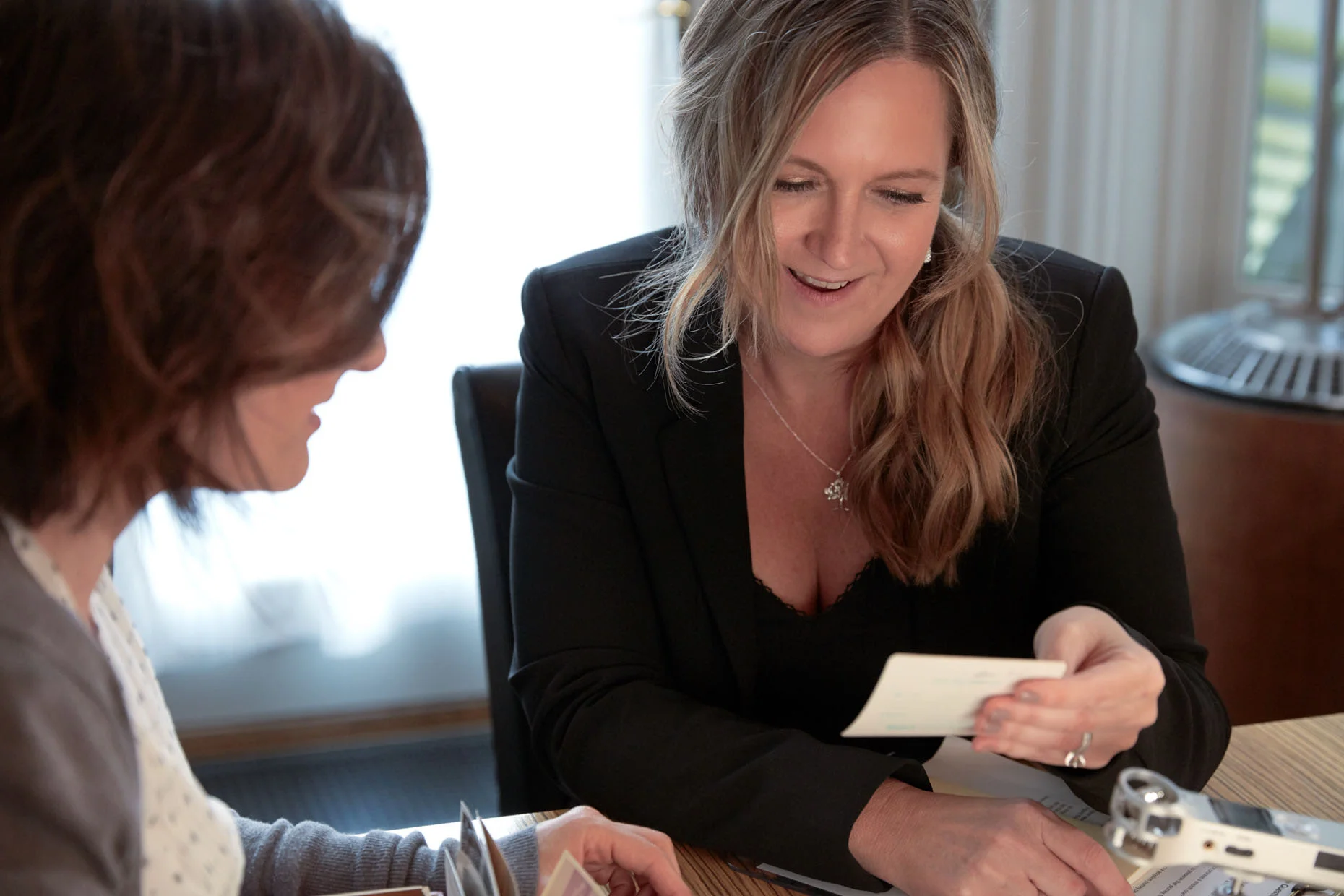
Me, running a business…who knew? For more than two decades I was invigorated and fulfilled by climbing the proverbial ladder in the NYC media world. I loved magazines—the talented and smart journalists with whom I worked, the satisfaction of creating something from scratch every month, the creative process of making words and pictures sing. I learned and thrived and evolved as the industry reinvented itself again and again.
And then rather than reinvent myself within that industry, I took a leap of faith and began to explore using my professional experience in an entirely new way—specifically, helping you tell your stories in bespoke coffee table books.
I had a vision for the company, a high bar of exacting standards I aspired to uphold, and pages and pages of brainstormed ideas. I had a name, and incorporated. I had a dear friend with much more business acumen than me who offered sage advice and encouragement from the sidelines. I had a supportive husband who had faith in me even when I did not. I wanted a partner, but went it alone. And then, I worked.
And, well, I am still working. Hard, and with passion. But now my vision has been refined and reworked based on almost two years of experience, trial-and-error, market research, and invaluable input from clients and a network of professional women with whom I have been fortunate to connect.
I am grateful and blessed, and beyond excited to share the next phase of my business, Modern Heirloom Books.
Refined Vision, New Signature Books
Today I am proud to share with you a new website that highlights Modern Heirloom Books’ three new signature product lines!
By narrowing down the choices for creating a book from scratch, I hope to make the process of thinking about—and starting—your Modern Heirloom Book easier.
Life Story Books
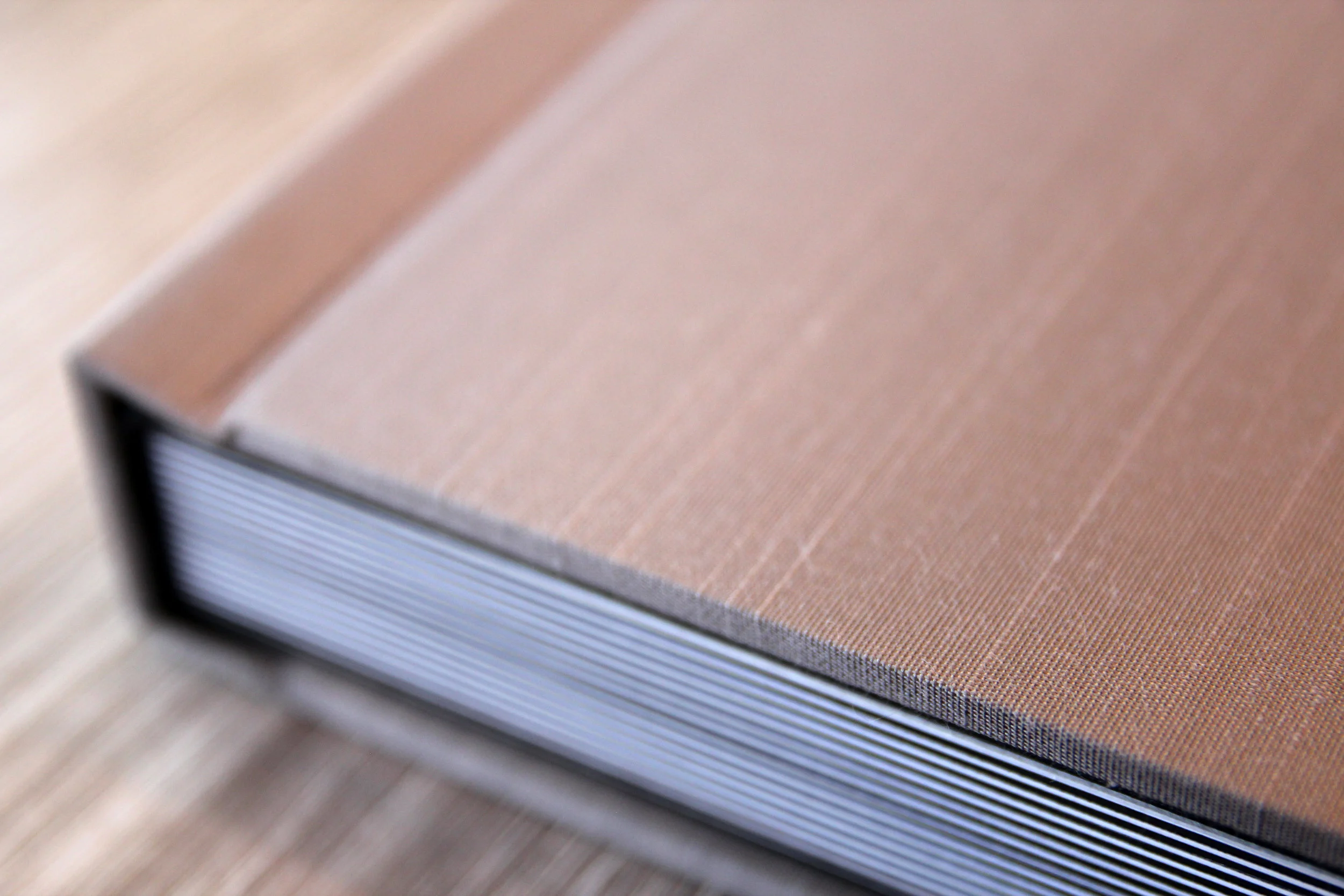
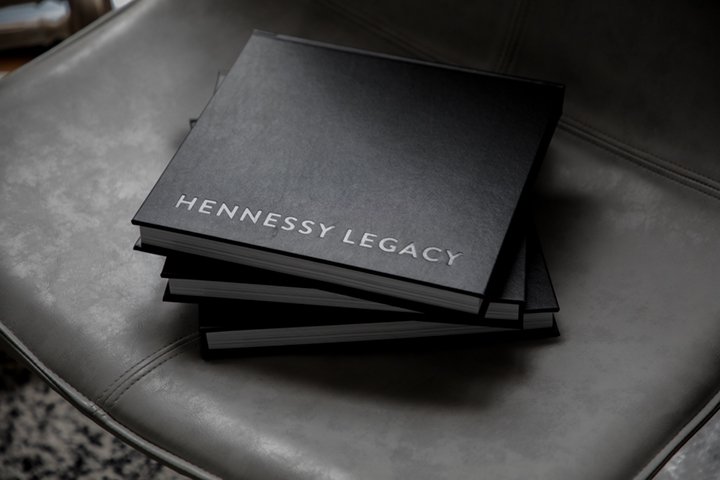
If you are interested in creating an autobiographical book, telling your own stories in your own words, consider our Life Story Books. (There’s even an option to tell a much shorter story in our One-Hour Heirloom.)
Tribute Books
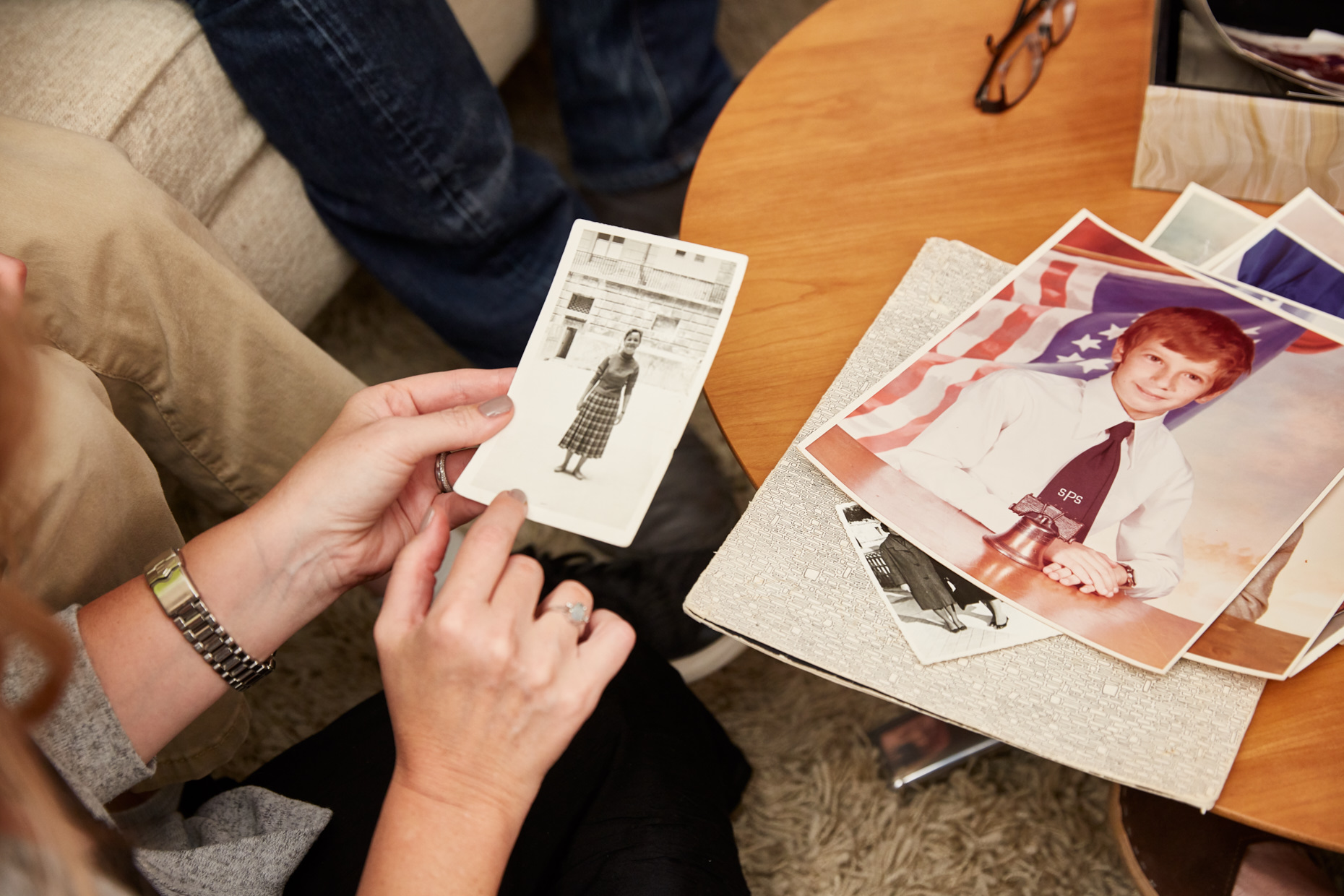
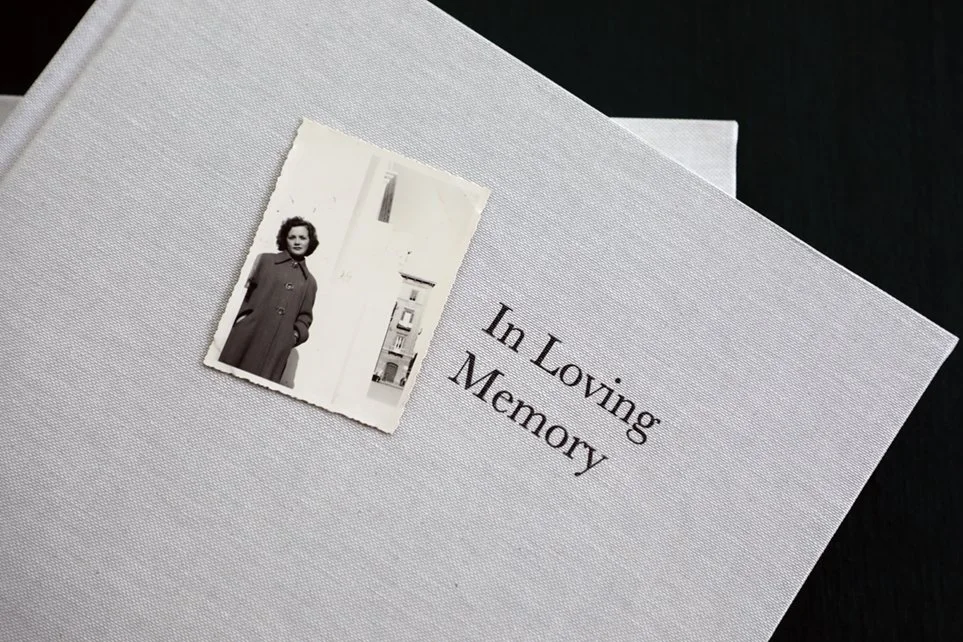
For those wanting to celebrate a family member for a special occasion such as a milestone birthday or anniversary, to honor a loved one after a death, or to tell the stories of ancestors who came before, our Tribute Books are the right choice.
“Dear Daughter...”
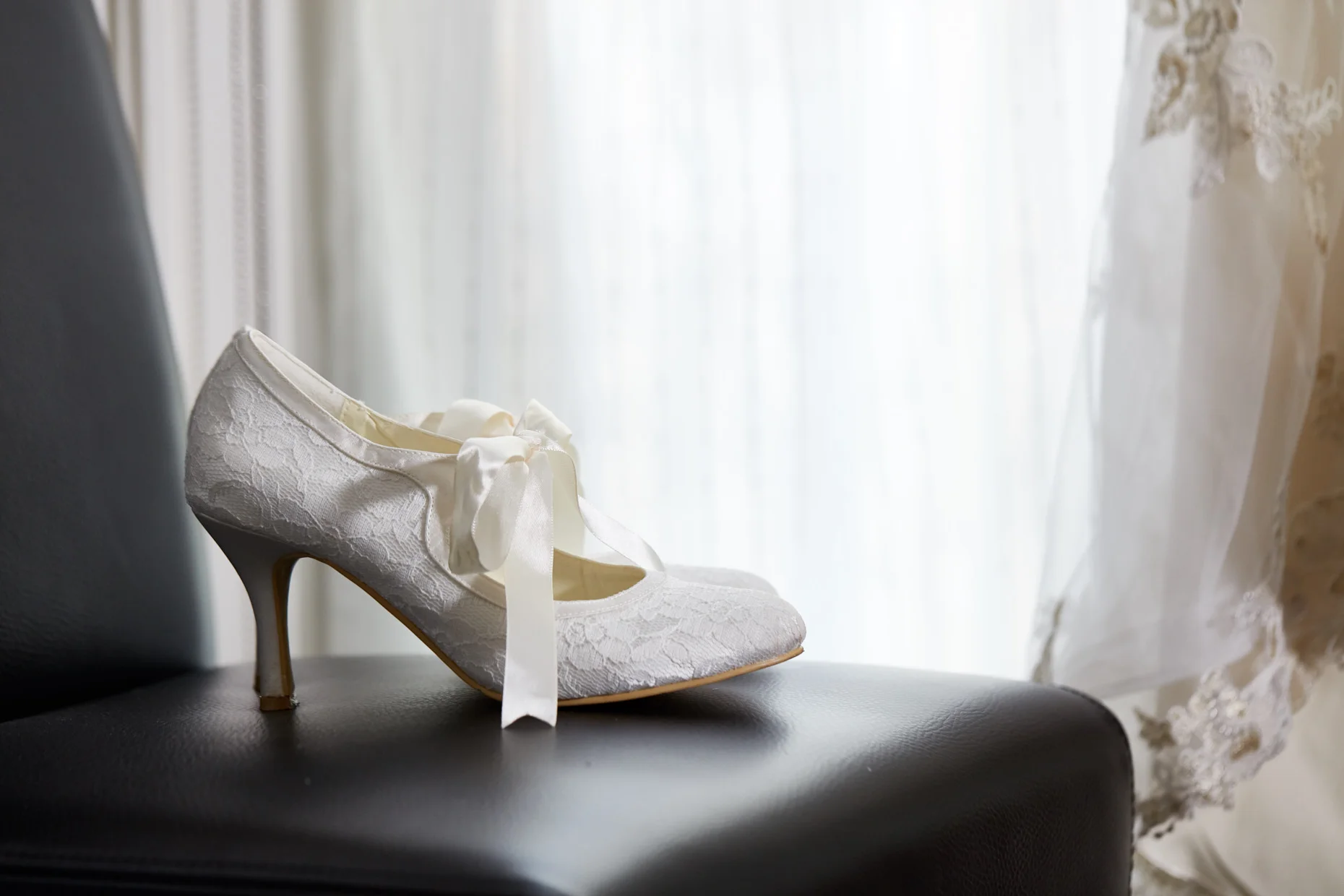
And our newest addition: Dear Daughter, on Your Wedding Day, a once-in-a-lifetime gift for your engaged daughter. I interview the parents of the bride-to-be and together we craft an extended letter in an heirloom book that is as stunningly elegant as it is heartfelt, including family photos, cherished memories, and wisdom and dreams for her future. It is, truly, the gift guaranteed to make your daughter cry tears of joy on her wedding day.
What’s Next?
I hope you will take the time to browse the site.
Perhaps you want to read why I think everyone should preserve their memories, or see what makes a Modern Heirloom Book different from other personal history books.
Mostly, though, I hope you will be inspired!
Inspired to share your stories with those you love, whether in an heirloom book when the time is right, or around the dinner table (often!).
Inspired to revisit your memories, and to cherish the experiences that make up your life story.
Inspired to listen to the stories of those you love—with curiosity and love.
A Huge Thank You!
Thank you for inspiring me to keep doing what I do at Modern Heirloom Books, to keep growing and getting better, and to walk through life with an open heart and an insatiable desire to hear—and do justice to—YOUR stories.


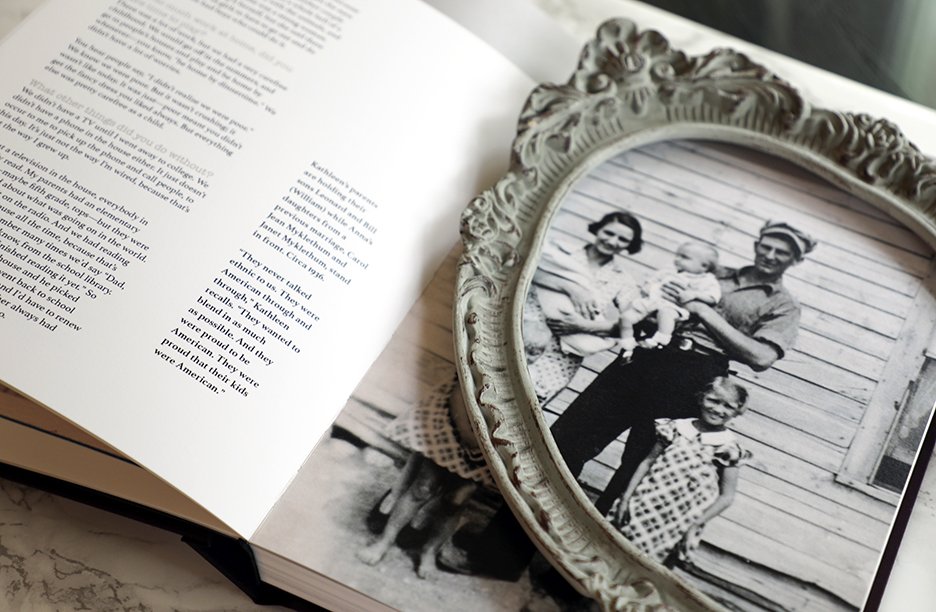

7 Reasons to honor your engaged daughter with an heirloom book
Before she walks down the aisle, give her the gift of memories, wisdom & love bound in a luxurious heirloom book—the most unique wedding gift for your daughter.
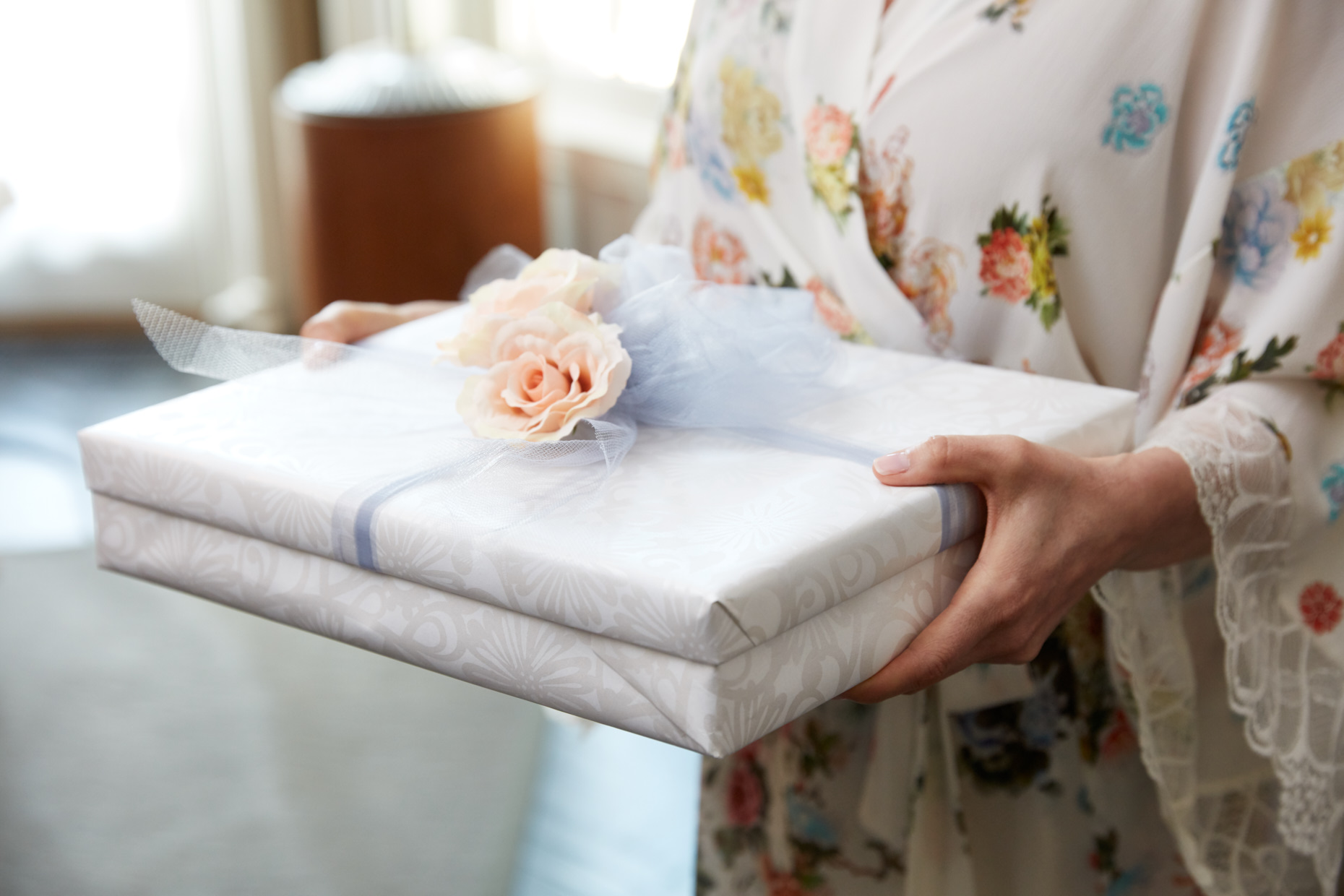
An heirloom book honoring your daughter’s life before her wedding day is a memorable & meaningful gift she’ll cherish forever.
Your daughter’s marriage is a momentous milestone in her life, and in yours, and the Dear Daughter, on Your Wedding Day heirloom book is a beautiful way to celebrate it.
Here, seven reasons to honor your bride-to-be with this enduring gift.
1. It’s much more than a photo album.
While your heirloom book will likely be filled with photos of your bride-to-be and those closest to her, it offers much more than an album of photos to flip through. Beyond a beautiful layout, you can expect the book to reflect your family’s values and experiences, with stories told in your own words.
2. It’s a gift she won’t expect.
Your bride-to-be will be showered (literally) with gifts leading up to her big day, but most of them will likely be items from her registry. And while there’s nothing wrong with new dishes and towels (who doesn’t need those?), there’s also something special about presenting her with a gift she’s not expecting—especially when everything else about her wedding has been planned down to the last candlestick.
3. It puts meaning back into the milestone.
An heirloom book allows you and your daughter to take a step back and gain perspective on what you’re truly celebrating. It’s easy to get caught up in the details of planning a wedding—the food, the photographer, the flowers!—and lose sight of the meaning behind it all. By taking time to reflect on everything that’s led your daughter to this point in her life, you’ll be celebrating the woman she’s become and helping her embrace the joy that comes with starting a new chapter.
4. The process is rewarding for you.
Helping to plan your daughter’s wedding can be stressful, and creating an heirloom book may initially seem like one more thing on your to-do list. But you may just find that sorting through her childhood photos and reliving those memories has a calming effect. “The whole process was so cathartic,” says Susan Miller, who created an heirloom book for her daughter. “My husband and I loved looking back on Lauren’s childhood. It helped prepare us to watch her take that next step.”
5. It’s the one gift guaranteed to make her cry tears of joy.
The “Dear Daughter” heirloom book is intended to be gifted to your bride-to-be on the morning of her wedding or perhaps the evening before at her rehearsal dinner. Before she walks down the aisle, she’ll take a walk down memory lane with you—and that’s a beautiful thing (cue the happy tears!). As she steps into her new role as wife, she’ll use the wisdom and love you’ve poured into her book as the foundation to guide her on the journey.



6. It’s a way to honor one chapter and make room for the next.
As precious as all of your daughter’s childhood photos, drawings, and cards are, they will likely end up in the back of your closet or garage as time marches on. An heirloom book will help you consolidate these memories and honor them in a meaningful way as you prepare to embrace more cards, drawings, and photos from your daughter’s own children. Plus, the wisdom you provide will be a source of comfort and love for your girl for years to come!
7. It’s a gift she can share with her children and grandchildren.
Talk about a gift that keeps on giving! Long after those dishes and towels have been replaced, your daughter will have her heirloom book to share with her own family. The high-quality materials are meant to stand the test of time, so even after she’s gone, the story of her life told by the people who loved her will be there for generations to come.

“Dear Daughter”
Get started on a “Dear Daughter” heirloom book.
Free Download: How to Put the Meaning Back in the Wedding Planning Process
Know someone who might be interested?
Refer a friend!

Life Story Links: Blog Roundup, July 10, 2018
Managing memories post-divorce, during a move & after war; sharing stories for the next generation—and your own reflective journey; plus more memoir-ish links.
“The entire story of mankind has come to us from individual voices from the past.”
—Janice T. Dixon

Students in Negaunee, MI, interviewed members of the community to preserve the history of a local mine for a documentary they produced called A Vanishing Breed: The Men and Memories of the Mather B.
Enterprising Storytellers
NEXT–GEN ORAL HISTORIANS
Kudos to these Michigan high schoolers for their 100 hours of work, their initiative, and their valuing of community story preservation!
OPEN TO POSSIBILITIES
Clinton Haby started his San Antonio–based StoryKeeping business in 2009 with the belief that he wasn’t the only grandchild who loved their grandparents and wanted to retain their stories. “I began with a single digital voice recorder,” he says—and look what he’s doing now!
Personal Histories, Shared & Sorted
BEING HEARD
Last week I wrote about Brandon Stanton’s insights on why people open up during personal interviews—and it’s not the questions.
YOUR NEXT READ?
“There is a deep relationship between finding meaning in one’s own life experiences at times of transition and wanting to share the stories that hold that meaning,” Sarah White, of First Person Productions in Madison, WI, writes in her thoughtful review of the book It’s Never Too Late to Begin Again, by Julia Cameron with Emma Lively.
MEMORIES & MOVING HOUSE
“Being the custodian of your family’s stuff can be a dusty, dispiriting and often overwhelming responsibility, but it is an act of love of sorts,” writes Emma Beddington. “We weigh it all up, make choices and hope we get it right.” Read her musings on sifting through masses of personal history and see how it compares to your own penchant for saving—or purging—mementos and family photos.
Banishing Bad Memories?
LOST IN WAR & SILENCE
“That generation...if they lost a boy in the war, they didn't talk about him,” says Paul Levy, author of the biography Finding Phil, which chronicles the life of his uncle, Phil Levy, who was killed in action in World War II. Too often families bury the past if it was hurtful, but preserving those stories for the next generation is so meaningful—as Levy’s search for history reveals.
THAT WAS ME, THEN
“The person I was then is important for my sons to know about,” actress Mayim Bialik says in this video about how she has dealt, post-divorce, with the physical mementos of her marriage. Bialik keeps her wedding album “lined up with all of the other photo albums and memories that I can’t run from”—and her sons relish seeing photos of their grandparents and family in younger days. There’s food for thought here for anyone wondering what to do with old photos of tougher times.
...and a Few More Links
11 White House memoirs by women that show a different side to the Oval Office
Preserving your digital memories: How smart phones have changed family photography
“Those books made me realize that though history is about big world events and politics, it’s also about the ordinary lives of ordinary people.”
Backpack-sized archiving kit empowers community historians to record local narratives
Short Takes
100-percent listening
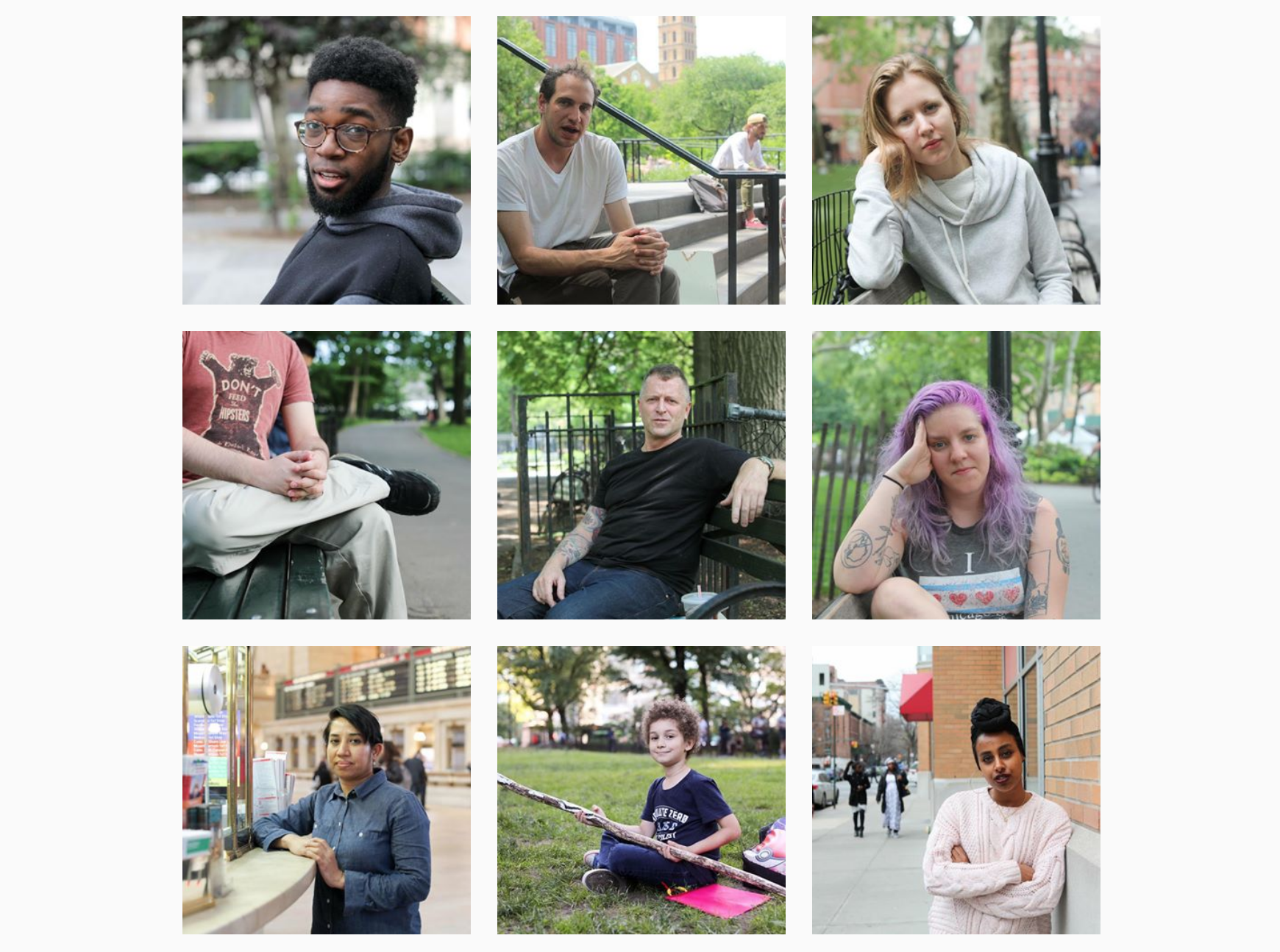
Humans of New York creator reveals his insights on why people open up—and it’s not the questions. How being 100 percent present invites honest storytelling.
As both a Tim Ferriss fan and a Humans of New York devotee, I was eager to dive into Tim’s interview with HONY creator Brandon Stanton. The podcast turned the tables on Stanton, making him the subject of probing questions rather than the one holding the mic.
If you are not one of the 25 million followers of Humans of New York, here’s the scoop: Through photographs and enlightening captions (derived from much longer interviews) Stanton provides a glimpse into the lives of strangers on the streets of New York City and around the world. The snippets of conversation he shares alongside the portraits run the gamut from funny and warm to heart-wrenching and soul-satisfying—and they always, somehow, find a deep truth that taps into the universal.
“How Do You Get People to Share?”
Stanton says that the question he is most often asked is how he gets strangers to open up to him. I can understand why; his subjects allow themselves to become incredibly vulnerable during the interview process, revealing private experiences that have included physical abuse, gripping loneliness, falling off the wagon, and all sorts of painful decisions and emotions. He shares some moving accounts during the interview with Ferriss.
The HONY blog and social media accounts can be deceiving, though: It might seem as if the quotes are one-offs, that they were uttered immediately upon the questioner’s asking. The truth, however, is that Stanton often talks to his subject for more than an hour, often twice that. He earns their trust, he listens with curiosity, and he devotes himself fully to their exchange.
And his thoughts on that process—and his ability, after more than 10,000 interviews—to be truly present, are what interested me during this particular podcast.
“Humans of New York really works because the people on the street that I meet are so thankful to have somebody really listen to them,” Stanton says. “In that bubble, in that hour and a half where I’m sitting with a stranger on the street, this magic happens, where they’re willing to let me into a space in their mind or their soul or whatever it is, that they don’t really let other people into. It’s that place that I think connects with so many people.”
It’s not the questions themselves that prompt the sharing of such raw emotions and inner truths (though Stanton does list three of his standbys: What’s your biggest struggle? How has your life turned out differently than you expected it to? What do you feel most guilty about?). Rather, it is the listening, and the follow-up.
“Being heard like that is such a validating thing,” he says, and “that’s why people always share.”
The Power of Presence
“The planned questions are just springboards into a conversation,” Stanton tells Ferriss. “And how you get to that deep place with a person is absolute presence. It’s being 100 percent there.”
“You’re not thinking in the framework of an interview. You’re not looking at your list of questions. You’re not thinking about your next question. You’re not thinking about how this person fits into your idea of them and what you know about them. You’re 100 percent there, and you’re 100 percent listening to them. And your questions are 100 percent based on curiosity and what they are telling you, and nothing else.”
Amen. That’s what a good interview is all about.
Challenge Yourself to Listen
Listening to the stories that you hold dear is the biggest joy and privilege of what I do here at Modern Heirloom Books. I strive to earn your trust, and to listen with full attention and curiosity. It comes naturally for me as a genuinely curious soul, but I admit that what makes it within reach for me, truly, is the time set aside specifically for this purpose: for story sharing, for conversation, and for a true exchange, as Stanton might say, from one soul to another.
Let’s challenge ourselves, though, to partake in such meaningful conversations with someone in our lives unexpectedly. Ask questions, and listen. Give yourself the gift of time for this exchange, and give another the gift of listening—with 100 percent presence, 100 percent attention, 100 percent curiosity.
Who will you “interview”?
I’d love to hear what results!
Bonus Advice from Stanton
I couldn’t resist sharing this one last bit of advice from Stanton, who regards biography as “the best form of history”:
“Pick somebody that you admire and read their biography. If you really want some sort of guidance in your life, pick somebody who has done things that you want to do and that you really admire, and read a nice, fat 800-page biography of their lives. Find out the struggles that they went through, find out the twists and turns of their lives and the decisions they made. I don’t think there’s any better actionable road map, actionable education, than getting down to the granular level of somebody’s life and finding out how they navigated it.”
—Brandon Stanton, Humans of New York, as interviewed by Tim Ferriss
Related Reading
3 places to find unexpected questions that lead to meaningful life story writing
Extended Conversation: Anderson Cooper and his mother Gloria Vanderbilt maintained an email correspondence that delved deep—into the feelings they had previously not spoken about, and into their experiences both shared and wholly individual
This man’s stories were so clearly intriguing—to me, a stranger. Why wouldn’t they be of interest to his own children?




Life Story Links: Blog Roundup, June 26, 2018
Icons of interviewing Studs Terkel and Brandon Stanton, unconventional memoirs, Stonewall memorabilia, plus tips on telling the whole truth in your own memoir.
“Here’s the deal. The human soul doesn’t want to be advised or fixed or saved. It simply wants to be witnessed—to be seen, heard, and companioned exactly as it is.” —Parker J. Palmer

A photo of the Christopher Street Liberation Day March from the Rudy Grillo Collection, as submitted to the Stonewall Forever Project. You can help preserve the untold stories of the Stonewall Riots by donating personal photos and letters, too.
Voices of Our Time
THE ART OF CONVERSATION
“I hope the voices in this wonderful archive will help us to better appreciate one another,” Lois Baum says of the Studs Terkel Archive, an audio treasure trove of the late broadcaster’s newly digitized 6,000+ tapes. In his 45 years on WFMT radio, Terkel talked to a wide array of the 20th century’s most interesting people—and now you can explore those interviews for free.
HOW TO LISTEN
Humans of New York’s Brandon Stanton opens up to Tim Ferriss about the power of biography, how being 100 percent present is more important than the questions in an interview, and hanging in there when things get tough.
NYC: SEEKING HISTORICAL MEMORABILIA
Stonewall Forever, a project launched last year after Google granted a Greenwich Village community center $1 million to preserve oral histories of those present during the Stonewall Riots, is collecting photographs, letters, diaries and protest material to be considered for an online collection.
Stories of Our Lives
BEYOND DESCENDANCY
“Birth dates, death dates, immigration records, legal proceedings—none of those capture the measure of a person’s soul,” writes Massachusetts-based Nancy West, who chronicles why genealogy is only the beginning of one’s personal history, and how memoir uncovers heartfelt nuance.
BEHIND THE BOOK
“They have the most incredible story and it has been weighing on my for years that we need to get it written down,” Olive Lowe’s aunt told her. And so it was that Lowe, of Life Stories by Liv in Mesa, Arizona, went on to capture how her aunt helped a family from South Korea immigrate to the United States after their son was born with a severe form of spina bifida.
THE GIFT OF BRAG
Karen Bender, a certified guided autobiography instructor in Virginia, has some advice for budding memoirists: “Tell the truth. Not a watered-down truth or a polite truth, but the full ‘hey Ma, look at me!’ truth.” Worried about seeming less than modest? Let your friends and family do the bragging via quotes from interviews.
DADDY’S DUTCH
“So, the morning passed with a daughter peeking into the academic world of a father who had spent a lifetime learning and now was sharing his special knowledge,” reflects Carol McLaren of Unique Life Stories in Pinon, Arizona. How poring over a rare book in seventeenth century Dutch made a cross-generational connection.
NOTHING IS LOST, INDEED
Clinton Haby of San Antonio–based StoryKeeping says he is enriched by his work through the bonds he forms with those he has the privilege of interviewing—and the resulting production ensures the storyteller’s spark is just a “press play” away.
...and a Few More Links
- Five unconventional memoirs recommended by writer Glen David Gold
- “We Survive by Telling Stories,” by Carolina Hinojosa-Cisneros
- Paul Sullivan died in Vietnam 50 years ago, and his family has kept his memory alive ever since
- Sarah White on handling the income insecurity of the personal historian lifestyle
Dawn Roode’s curated roundup for the week of Sept. 23, 2026, is overflowing with recent reads on memoir, life story writing, and family history preservation.