
Memories Matter
Featured blog Posts

READ THE LATEST POSTS

4 easy ways to find your way into life story writing
When the idea of telling your life story is intimidating, write your way in, one memory at a time. These tactics will help you finally get that memoir started.

You’ve thought about writing your life story. Perhaps it’s even on your long-term to-do list. But how to go from a theoretical wish for yourself (to get to “someday”) to an actual thing that you do, a practice that you begin and develop (day after actual day)?
Here are a few specific tactics for helping you begin to write about your life’s journey. As I have written about before, don’t let the idea of embarking on a full-blown memoir intimidate you; rather, start by writing your way in, one memory at a time.
1. Diagram your life.
Some people have one burning story to tell. Others find it difficult to immediately pinpoint anything.
Tristine Rainer, author of Your Life as Story, recommends diagramming your life to gain perspective. To do this, get in a retrospective mood, enlist the help of a friend or spouse (martinis also work), and plot your life’s six most significant moments. When you do it thoughtfully and honestly, there will usually be one pivotal event that stands out as particularly intriguing and/or meaningful.
If there isn’t, don’t worry. There are many different ways to diagram a life. Try dividing yours by critical choices, influential people, conflicts, beliefs, lessons, even mistakes. Experiment until you find the one story that wants to be told, the one experience that really fashioned you.
This exercise asks you to focus on formative experiences—a fork in the road or a small decision that ultimately had great impact on your life. If you prefer to start smaller, skip to No. 2.
2. Brainstorm persistent memories.
By persistent memories I mean ones that return to you again and again, often unbidden. Perhaps it’s memories of cooking with your Nana after school that repeatedly return to your consciousness. Or maybe you can’t let go of that one time you lost out on a promotion to a much-younger colleague. If an experience haunts you, it probably holds greater meaning than even you realize—and writing (or even talking) about it will often help plumb those depths.
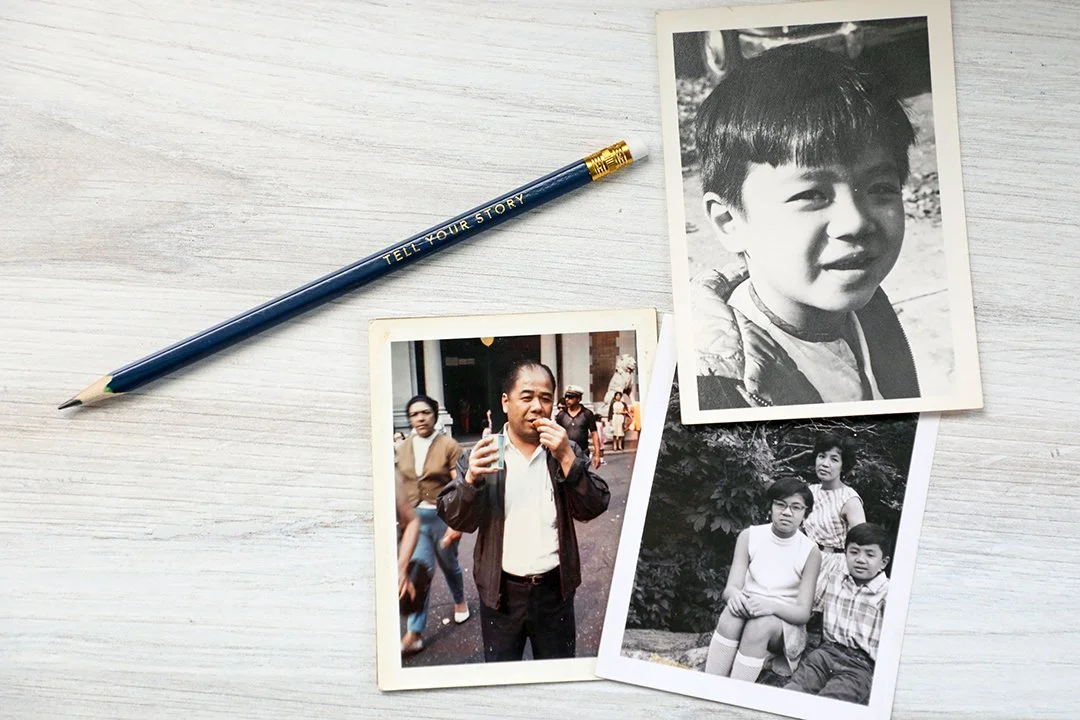
Lisa Dale Norton refers to a recurring memory such as this as a shimmering image, one “that rises in your consciousness like a photograph pulsing with meaning.”
“These shimmering images are the source of your most potent stories,” she writes. “They have energy; if you squint at them you will see the edges of the image shimmer, wiggle with potential…. This shimmering is the energy of the story that waits inside the image to be told. That’s why you have remembered these images all these years. Over and over they come back, knocking at the door of your creative soul, waiting to shed light on your life, waiting to share the wisdom that resides inside them.”
So go ahead: Grab a piece of paper and jot down those memories that you revisit often. They’re familiar to you, so a simple phrase will likely suffice to jog your memory later (biking in Yellowstone, working at MoMa, that hand-me-down prom dress). When you are ready to write, use this as your own personal cheat sheet of customized writing prompts.
3. Use guided writing prompts.
There are plenty of family history and life review questions available across the web, including some here on my own site. And while I find that they can be powerful guides for life story writing of all kinds, I am here recommending slightly less direct writing prompts to get your memoir writing going.
Rather than walking through the front door, come in through a side window. Rather than doing a brain dump of your experiences from birth till now, hone in on a particular (unexpected) moment. A feeling as opposed to a plot. A peek inside your home instead of a drawing of your house.
Don’t ask yourself, “What was going to college like?” Do, as Beth Kephart prompts in her memoir writing workbook, “Write about leaving. Write with the understanding that you won’t remember all the details, but you will remember how leaving felt.”
Marion Roach Smith encourages us to “think in propinquities.” Don’t write about turkey and stuffing and saying grace on Thanksgiving, for instance. Instead, give us “an angle shot…a sidelong glance at how you learned new ways to be grateful.”
A few “sideways” writing prompts to consider:
Recall a time you felt unheard.
When have you wanted to turn around and go home?
What do you wish a friend would ask you?
Find more such thought-provoking questions in these Q-and-A card decks and in Beth Kephart’s latest workbook, Journey: A Traveler’s Notes. And discover some of my own favorite life story vignette writing prompts that use your senses to help get the writing flowing.
4. Revisit the past.
Forget about writing. Instead, talk about your memories. Walk down memory lane with a loved one, gather with siblings to reminisce about your childhoods, interview an older relative, or hit “record” on your smart phone during a family reunion or holiday gathering.
The mere act of letting your mind wander back in time will bring memories to the surface and make them accessible when you sit down to write. Also consider jotting down notes while you are chatting with family, or using a voice recorder and an auto-transcription app to generate pages to use during your writing later.
Other ways to revisit the past for inspiration? Read your old journals (even—maybe especially—if they make you cringe!). Pull out some old family photos to jog your memory (check out this free download full of tips if this approach appeals to you.) And, my favorite, go for a walk in nature: As Henry David Thoreau wrote in his journal, “Methinks that the moment my legs begin to move, my thoughts begin to flow.”

Memory & writing prompts sent weekly to your phone
Short courses for anyone who wants to write about their life—just $15 for 8 weeks of guidance & inspiration!





Want to preserve your life stories but not ready to take on the project yourself?
That’s what we’re here for.
reach out to Dawn to see how, together, we can write your life.
Life Story Links: January 21, 2020
For those who value memoir and life story writing, here are some recent recommended reads on leaving lasting legacies, and discovering our stories as we go.
“What is truer than truth? The story.”
—Hasidic proverb

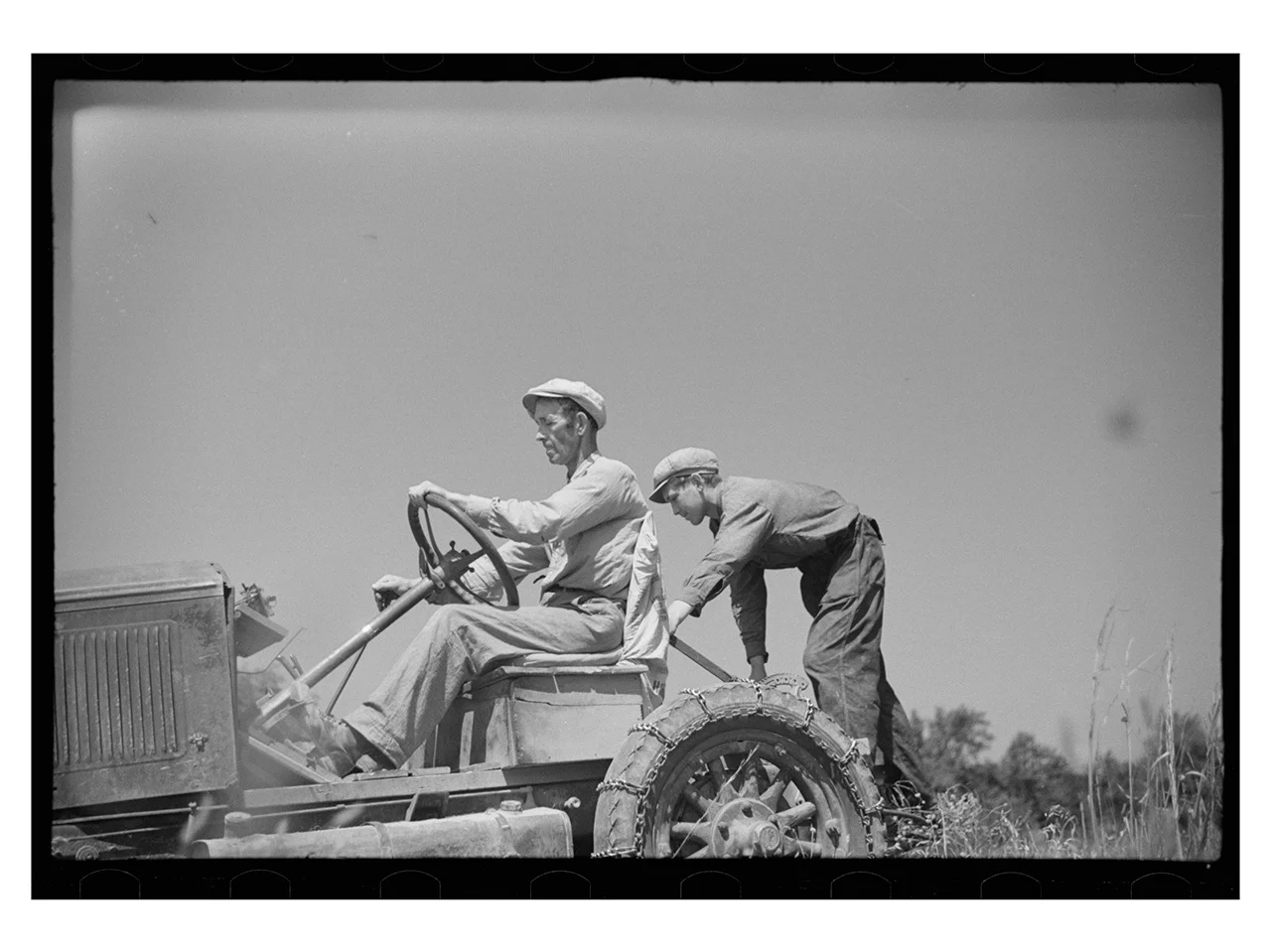
Luke Weldon, small farmer, and his son using an ancient Buick (transformed by cutting down the chassis) as an improvised tractor in New Bridgeton, New Jersey, 1936. The automobile was bought in a second-hand car lot for a cost of fifteen dollars. Photograph by Edwin Rosskam, courtesy Library of Congress.
Discovering Our Stories as We Go
PEN TO PAPER
“I didn’t know when I started to write a memoir my handwriting would unlock the story only I can tell,” Gita Brown says. “Using my hands and a pen, there is no delete key and no option to erase an idea before it starts.”
WRITING AS DISCOVERY
“You can write to a scripted conclusion, and it will be easier. Maybe no one will even notice. But why on earth would you?” Jennifer McGaha on putting pen to paper without a destination in mind and getting to the story behind the scenes.
MIDDLE CHILD
“I’ve known all my life that their story isn’t mine to tell, but that doesn’t stop me from visiting it like the ruins of a dead civilization...” Natalia Rachel Singer entwines the fragments of her parents' story with her own in this poignant brief first-person piece.
SHIFTING TENSES
“Implicit, procedural memories pose less of a problem for me than facts, concepts, names, and dates. Those automatic how-tos live in my fingertips and tongue,” Clare Nauman writes in this exquisite exploration of the overlapping past, present, and future of a survivor of abuse.
WHAT IT’S ALL ABOUT
“‘My story is about me.’ Not if you want anyone to read it, it’s not. It’s not about you. You’re there. You’re present. We could not do this without you. But you are not what the story is about.” Marion Roach Smith on finding your universal theme (the comments on this piece, by the way, are worth a read, too).
Lasting Legacies
HISTORY, PERSONAL AND GLOBAL
A brave group of Jews secretly chronicled their daily existence in the Warsaw Ghetto during the Holocaust. Only one who knew where the archive was buried survived.
SOMETHING OF LASTING IMPORTANCE
A memoir recently ushered into the world by personal historian Pat Pihl includes a woman’s recollection of her time at a tuberculosis hospital in Southwestern New York State and her family’s turbulent years during the Great Depression.
“NOT JOSEPHINE, JUST JO”
“Now that my parents have both passed away, I’ve had faint pulls of longing for the name they chose for me. What does it mean when we untether ourselves from one of the first manifestations of our parents’ love?” Allison Gilbert, author of Passed and Present, on the significance of changing her given name.
IN HINDSIGHT
“Like most of us, Carl Gustin realized too late that he had missed the opportunity to hear his father's life story. He’d do anything to go back and have just one more day with his dad,” says Michigan–based personal historian Lauren Befus.
...and a Few More Links
White House photographer David Kennerly to keynote RootsTech 2020.
How to keep a travel journal
A genealogical look at Irish wedding traditions and customs
Author recognizes need to pass down family recipes in new cookbook.
Congratulations to Lauren Befus, personal historian in Grand Rapids, Michigan, for being featured on her local FOX TV news.
Short Takes

“The most important unknown story of the Holocaust”
A brave group of Jews secretly chronicled their daily existence in the Warsaw Ghetto during the Holocaust. Only one who knew where the archive was buried survived.
“The life of every Jew during this war is a world unto itself.”
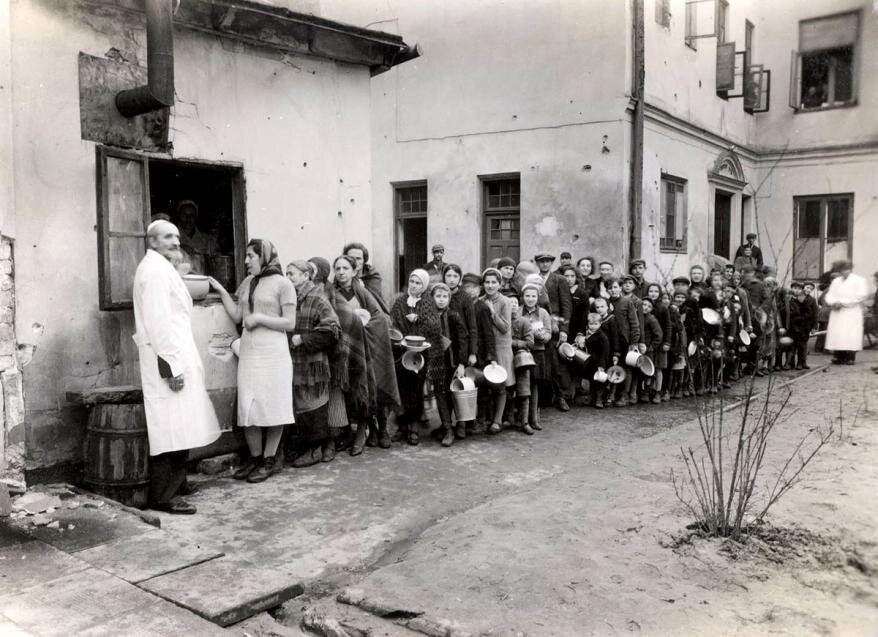
So wrote historian Dr. Emanuel Ringelblum, founder of the Oyneg Shabes, an archive of documents and writings created clandestinely by Jews in the Warsaw Ghetto from 1940–1943 and considered to be the most important cache of eyewitness accounts of the Holocaust to survive the war.
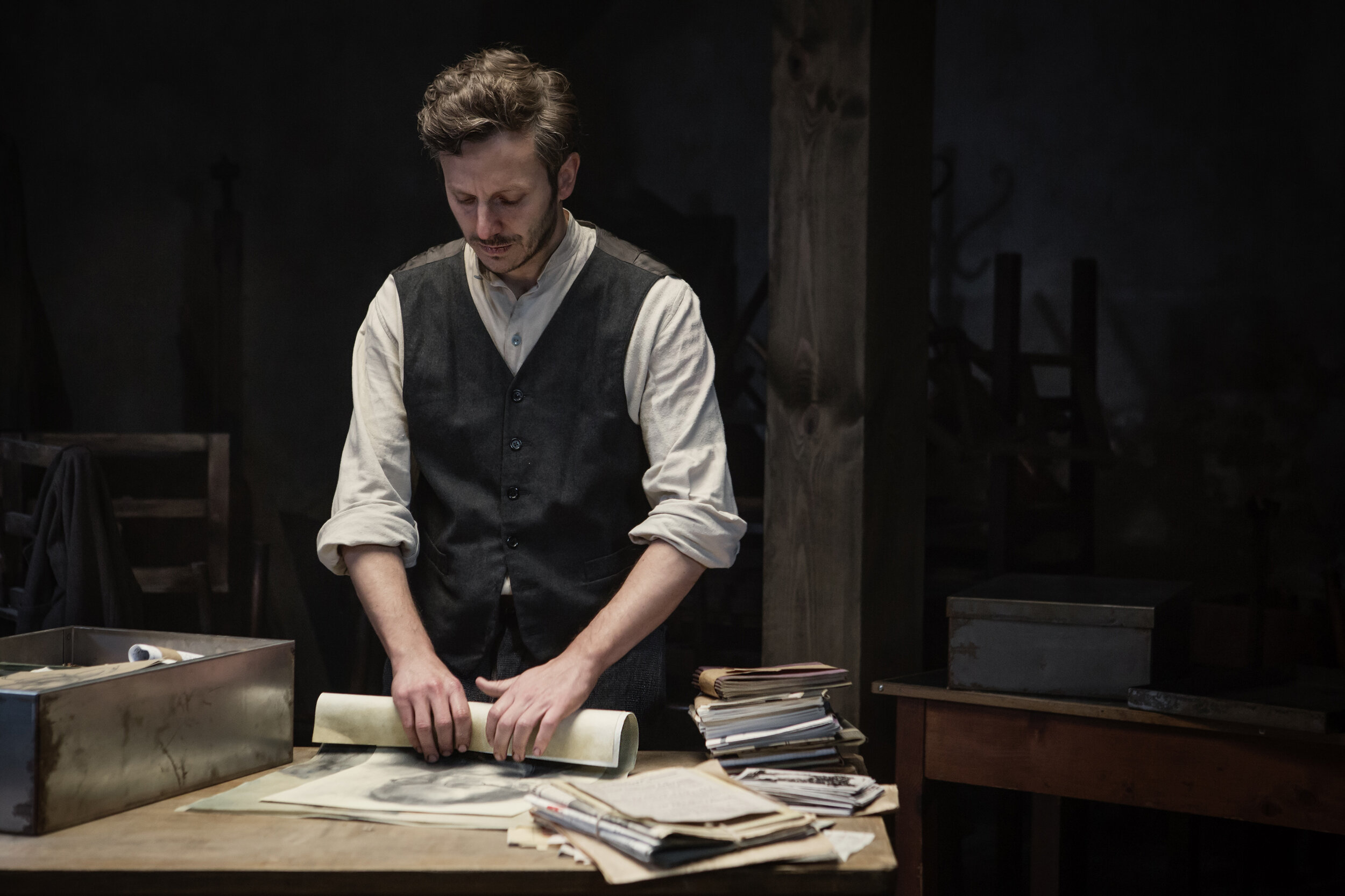
Led by Ringelblum, a group of journalists, scholars, and community leaders in the Warsaw Ghetto vowed to defeat Nazi lies and propaganda not with guns or fists but with pen and paper. By recounting their experiences as they happened, from their perspective as Jews during World War II, these courageous souls were both bearing witness to themselves and risking their lives.
“I do not know who of our group will survive…but one thing is clear to all of us. Our toils and tribulations, our devotion and constant terror have not been in vain,” Ringelblum wrote.
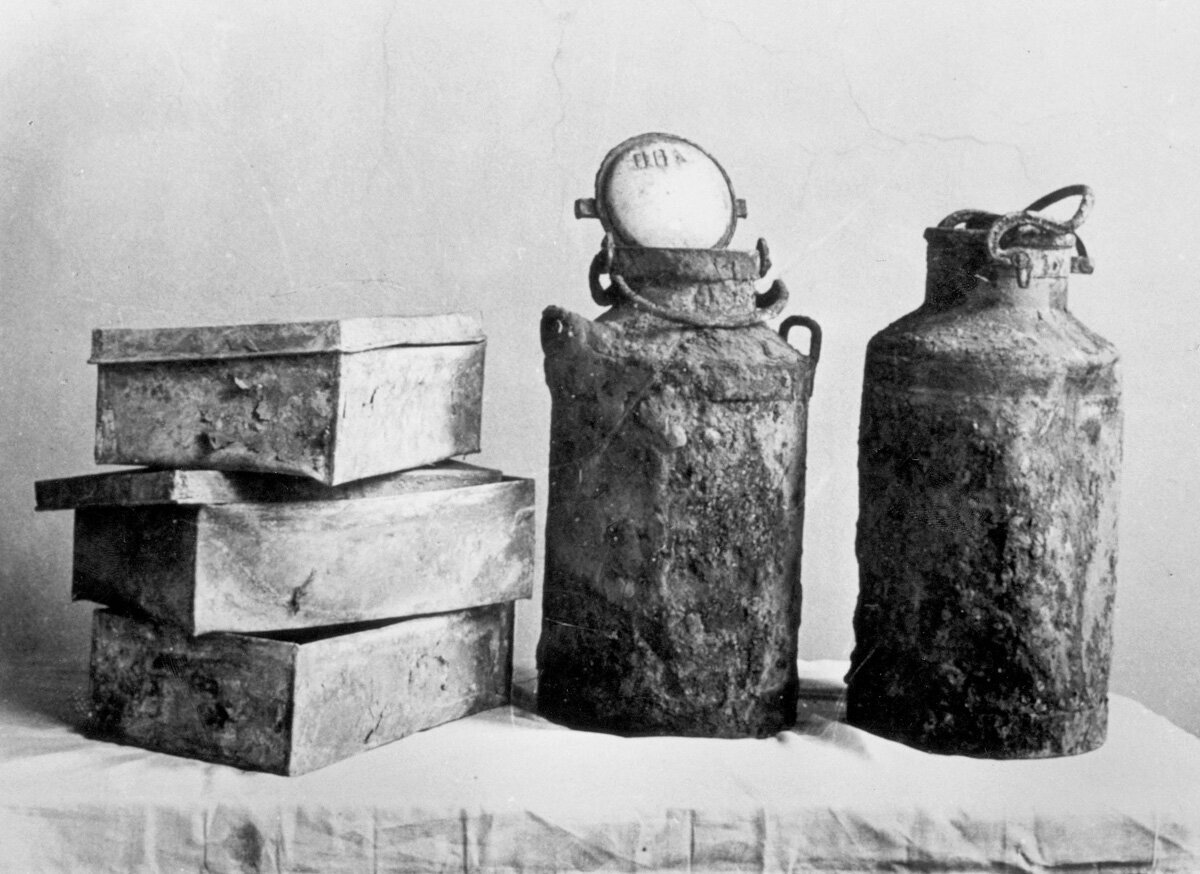
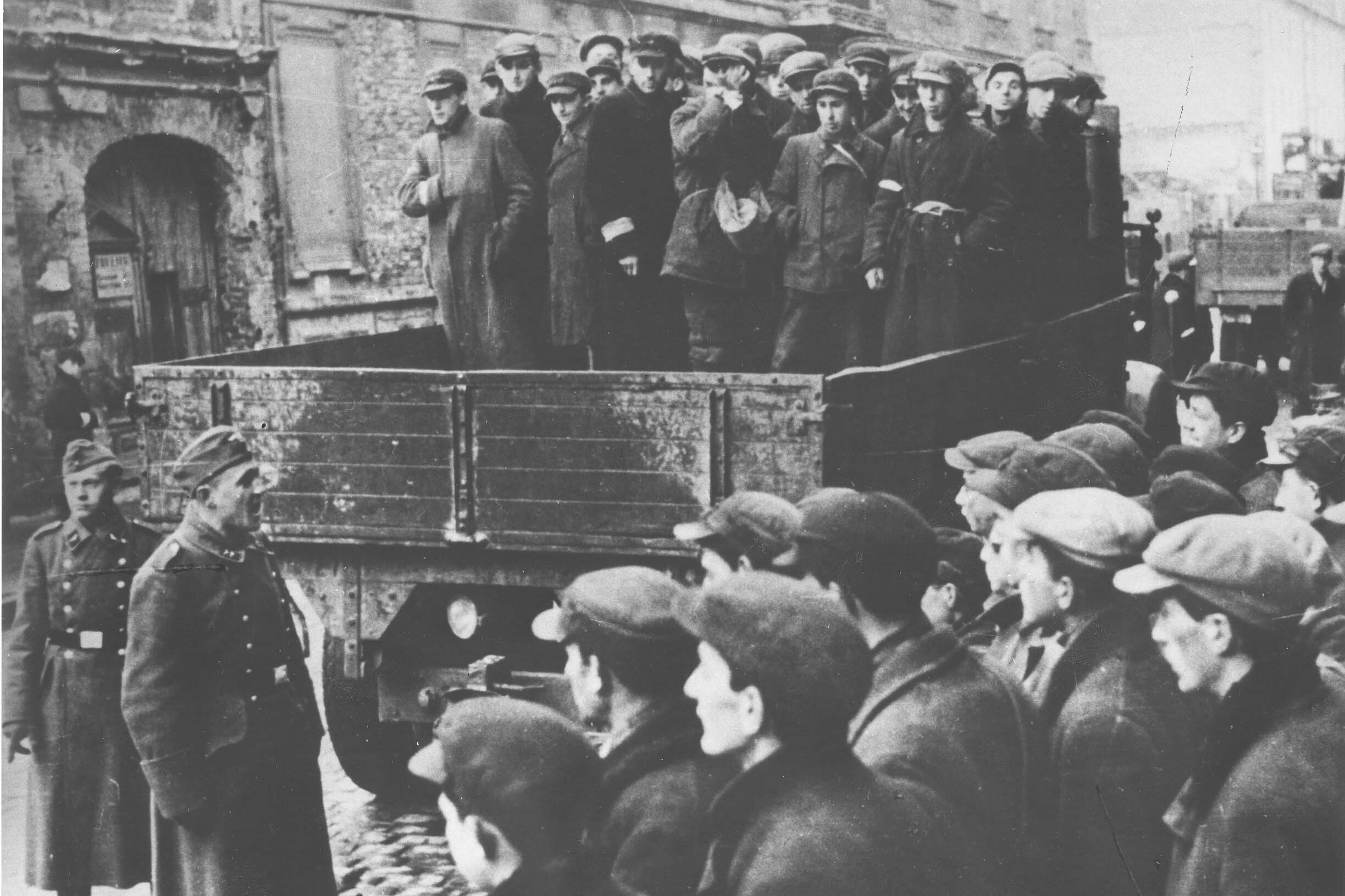
As trains deported them to the gas chambers of Treblinka and the Ghetto burned to the ground, members of the Oyneg Shabes buried 60,000 pages of documentation in the hopes that the archive would survive the war, even if they did not, according to the film Who Will Write Our History, a feature documentary that tells the story of the archive and those who created it.
Of the approximately sixty individuals involved in creating the archive, only three survived; and only one of those three individuals knew where it was buried.
Film director Roberta Grossman declares the efforts of the Oyneg Shabes archivists to “scream the truth to the world” to be “the most important unknown story of the Holocaust.”

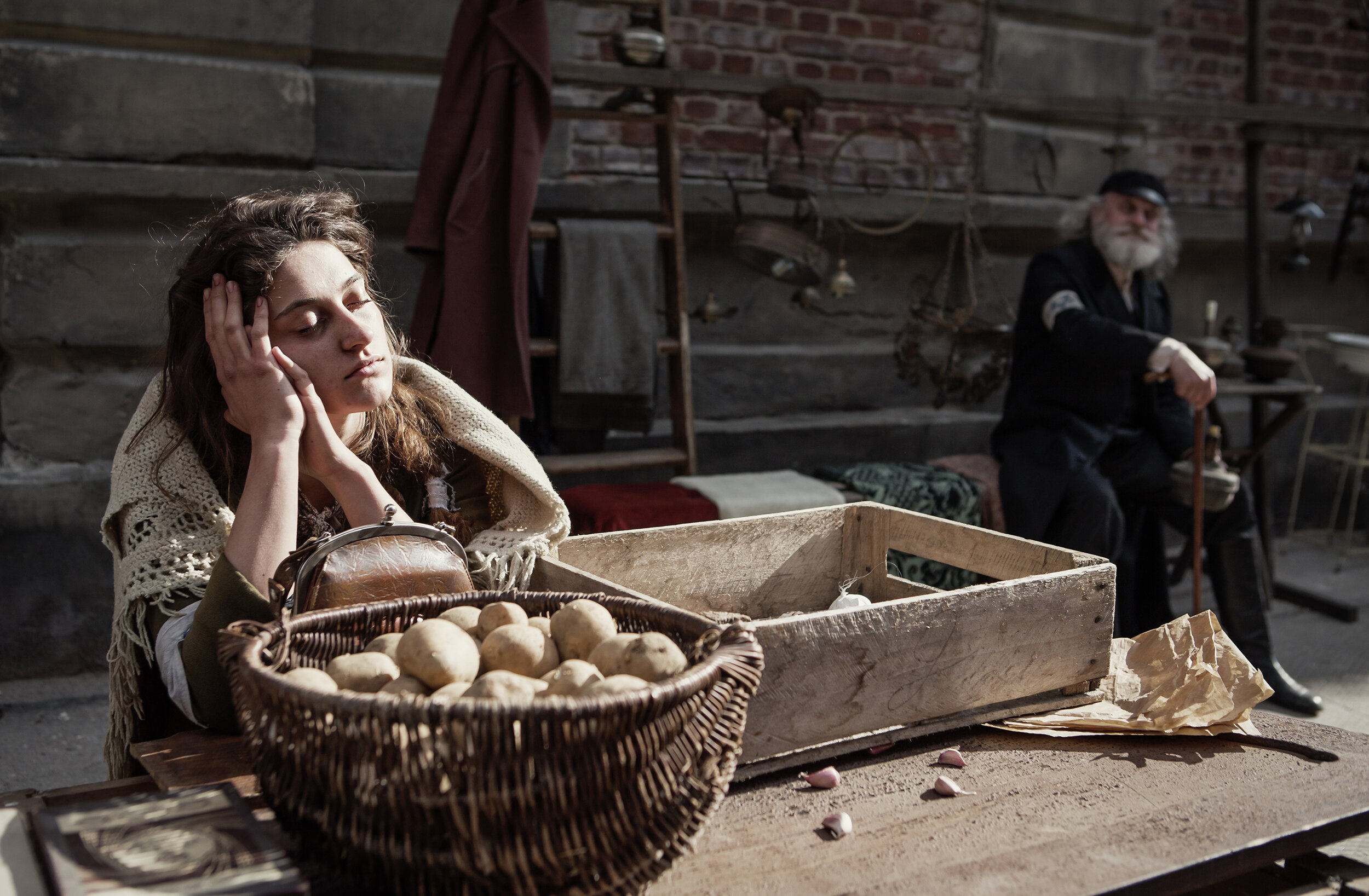
The feature documentary Who Will Write Our History blends archival and dramatic footage. “The thrust of the effort was to make the film as authentic as possible,” said filmmaker Roberta Grossman during a post-screening panel at the 92nd Street Y on November 19, 2019. “The overarching goal was to give the film the gravitas of documentary with great scholars like Sam [Kassow] and then to have the emotional pull of a dramatic feature.”
“Who Will Write Our History?”
On November 19 I attended a screening of Who Will Write Our History, a documentary I first read about more than a year ago. In the two days since, my mind—and heart—have been whirling with emotions and thoughts.
As a personal historian, I was heartened by the power of contemporaneous storytelling and the value of each and every person’s experiences.
As a woman, I was inspired by writer Rachel Auerbach, who dedicated her life to the documentation of and research into the Holocaust.
As a creator, I was empowered by filmmaker Roberta Grossman, whose seven-year journey to make this documentary was spurred on by “a sense of personal responsibility to tell a story that would otherwise remain untold.”
As a human, I am humbled and grateful to Dr. Ringelblum and his cohorts for remaining in the Ghetto with the express purpose of documenting the reality of life under Nazi occupation. “We can’t all run away,” he wrote.

The Oyneg Shabes “was one great act of accusation,” historian David Roskies says in the film.
Photo by Anna Wloch, courtesy of Who Will Write Our History.
Here, I share some quotes that moved me, and implore you all to see this film.
As Grossman remarked upon reading Samuel Kassow’s Who Will Write Our History? Rediscovering a Hidden Archive From the Warsaw Ghetto, the book which inspired her film: “I had spent my life voraciously reading about the Holocaust. How was it possible that the equivalent of the Dead Sea Scrolls rising from the rubble of the Ghetto had remained largely unknown outside of academic circles?” Indeed.
Indeed.
Further reading
See the film Who Will Write Our History.
Watch a video of the post-screening panel at the 92nd Street Y with filmmaker Roberta Grossman, producer Nancy Spielberg, and historian and author Samuel Kassow, with CNN journalist Dana Bash moderating.
The filmmakers have released an educational version of the documentary appropriate for younger audiences, along with a rich array of teaching resources—which, I might add, are wonderful for anyone interested in the film, not just students: Check out the guided questions and handouts for watching the film, as well as activities for dealing with the idea of “Countering the Single Story.”
Explore the Ringelblum Archive via Yad Vashem.

Life Story Links: January 6, 2020
The healing value of storytelling, how memories may be magnified during holidays, plus more delicious food memories and time travel, family history–style.
“This packrat has learned that what the next generation will value most is not what we owned but the evidence of who we were and the tales of how we loved. In the end, it's the family stories that are worth the storage.”
—Ellen Goodman

“My mother Hilary, aunts Kay and Peggie, and my grandmother Hilda. In those days people dressed up for outings!” wrote Richard Bridgland of this photograph taken at Stonehenge in 1932. Photo courtesy of Richard Bridgland/English Heritage. Read about an exhibition of family photos taken at the Stonehenge, below.
On the Menu: Memories
THE STORY OF A FAMILY, THROUGH FOOD
“My heritage lives in my stomach,” Catherine Lanser writes in “Instructions to the Past,” an ode to two slim, spiral-bound recipe books she inherited from her mother.
“AND THEN, I BAKE.”
Although she can find instructions for any holiday cookie online, Chicago writer Donna Vickroy prefers to pull out her mother’s handwritten—threadbare, dough-stained—recipes each Christmas. “Often, as I’m mixing, I tear up knowing that she was thinking of me when she grabbed pen and paper to write down these very words—butter, flour, enjoy.”
FOOD RITUAL & RECONNECTING
Sharing a family meal can help those with dementia connect. “A good meal made with love can draw out a person with dementia and bring them real joy…even if they've completely gotten to the point where they may not have that connection to the family story."
AN OVER-THE-TOP FOODIE HOLIDAY
Personal historian Sarah White remembers being a newcomer to her husband-to-be’s annual Christmas Eve feast—where family, friends, antipasti, and desserts proliferated amidst the Venetian splendor of his relative’s “Jungle Room.” Bonus: Auntie Mary’s grustali recipe.
It’s in the Telling
THE NAKED TRUTH
“Truth in life doesn’t automatically morph into truth on the page. And living people don’t necessarily come to life in print. It takes creativity—hence the term “creative non-fiction.”” Blake Morrison on how to write a memoir.
YOURS TO TELL
“A story can only be a story if it is told.” College sophomore Trinity Bland shares compelling reasons why her fellow students at San Diego State University should in fact share their personal stories.
CALLED TO SERVICE
“There are fascinating stories all around us, if only we ask,” prompts Maryland–based personal historian Pat McNess, and here she asks a lifelong friend about his time in the Navy.
HEALING EXCHANGES
“We play an integral role in saving history and recognizing the healing power of having one’s story recorded,” Wisconsin–based personal historian Mary Voell writes in this piece about the healing benefits of storytelling.
THE HOSPICE HEART
“Being present for and receiving a life story is one of the great gifts of [hospice] work,” writes Gabrielle Elise Jimenez. “When we are witnesses with presence and clarity...these snapshots and stories become gifts to us and create opportunities for healing...”
Time Travel,Family History–Style
STONEHENGE SNAPSHOTS
The oldest known family photo of Stonehenge dates to 1875, and can be seen on display with other pictures of the ancient stone circle in England, like the one above, at the visitor center through August 2020. If you have one to add to the collection, or would just like to browse the fun photos, click here.
‘THE SURVIVORS’
“Going back through my family’s history has deepened my awe for my grandparents and has given me a broader, more complex understanding of their experience...and the obligation that falls on each of us to uphold that heritage going forward.” On inherited trauma, and writing memoir.
Ringing in 2020
A JOY-FILLED COMMUNION
On the Eve of the December holidays I wrote about how the season can be difficult for those of us missing a loved one—but truly, this message is an ever-green one: Remembering our lost loved ones—out loud, with others who knew them—is a balm to the soul.
THE GIFT OF LEGACY
Tell someone, unequivocally, that they matter to you: By gifting them a chance to tell their stories, to preserve their past, to be heard and validated, you are letting them know that they matter—that they will be remembered.
NEW YEAR, NEW MEMORIES
Two resolutions guaranteed to bring joy to you and others—no low-carb diets or Fitbit tracking in sight!
RETROMANIA
“Every corner of social media seems to be using nostalgia to emotionally manipulate us, beaming us something warm and fuzzy on a cold, shiny screen.” Do we have a nostalgia fixation?
...and a Few More Links
Auschwitz survivor wonders: Was she the reason he was alive today?
Personal historian Gloria Nussbaum interviewed for Northwest50Plus magazine.
Google Photos launches private photo messenger.
Using Snapchat and Instagram as self-curated memory books
Scanner recommendations for digitizing old family photos
Short Takes

Two New Year’s resolutions worth making—and keeping
Imagine New Years resolutions you actually want to keep—we've got two that are not only easy to stick to, but that will make you and your loved ones happier.

I have never been big on New Year’s resolutions.
For starters, I still regard September, not January, as signaling a “new year”; the turning leaves and crisp fall winds usher in thoughts of back-to-school shopping and beginning anew.
Beyond that, self-discipline is not among my most laudable traits.
Nonetheless, I am surrounded by friends and family resolving to eat better, run faster, work harder, love stronger…you get the idea. When is the last time your own resolution lasted long enough to become an ingrained habit?
I’m not suggesting that you ignore your instincts to better yourself through New Year’s resolutions—on the contrary, I wish you luck and stick-with-it-ness!
And, I put forth suggestions for two resolutions that will be EASY to keep, and bring you JOY. Let me know if you’re in!
resolution no. 1
Digitize 10 old photos.
Maybe it’ll become the start of a bigger project, maybe it won’t. But the undertaking
of choosing 10 photos from a larger stash,
of visiting with the memories they stir up,
and of being able to easily share those images with loved ones—whether on social media, via prints you frame for them, on a family history website, or during in-person conversations (see below)—
is enough to bring you joy (!!), and to make the tiniest dent in your family history preservation efforts.
resolution no. 2
Have meaningful conversations.
This one is important to me.
When is the last time you used your phone for something other than a quick text to communicate?
When is the last time you dropped by a friend’s house unannounced? (Did you cringe at the mere thought?!)
How about welcoming one of your parents over ungrudgingly—not to watch the kids or do your familial duty, but to visit without agenda or time limit? To chat over a cup of tea, to have extended conversation around the dinner table well into the evening, or to learn their recipes in person, in action?
I am the first to fall into the trap of “busy-ness.” I often regret not calling my family members more, or wish I had more time to meet up with friends, sans kids.
But, as Debbie Millman says, busy is a decision. “Simply put: You don’t find the time to do something; you make the time to do things.”
So let’s both resolve to make more time for real conversation, shall we? To share our thoughts and stories, and to listen, generously, to those of our friends and loved ones—maybe even to someone new you meet at the library.
Let’s connect!

Ghosts of Christmases past
While the Christmas season can be difficult for those of us missing a loved one, remembering them—out loud, with others who knew them—is a balm to the soul.

The December holiday season can be one filled with joy and youthful anticipation, but for many individuals who have lost loved ones close to them, it can be a month-long reminder of that loss.
As I have written about before, I lost my mom on December 28, 2009, when my son was just three months old. My Christmases—indeed, all of my days—since then have been shaded by her absence.
Of course I feel immense pride and happiness when I see my son sharing gifts with his family and talking with Santa. And I do enjoy my shopping excursions and home decorating, the general jolliness that pervades my community. But I feel a pit in my stomach when I look across the room to see his cousins cuddling with their grandparents, knowing my son doesn’t have any grandparents left. And I mourn the loss of the many, many laughs and moments of connection he would have shared with my mom.
I miss her for me. I miss her even more so for him.
There is no remedy for our grief. As has been reiterated to me through experiences over the years, my grief is evidence of the great love I shared with her.
While there is no remedy, though, there is a balm to the grieving soul, and that is story sharing.
“There is no grief like the grief that does not speak.”
—Henry Wordsworth
Speaking their names, honoring their lives
I recently listened to an episode of the Real Connections Podcast, where host Cami Moss spoke from her heart about having lost her dad when she was just nine years old. She shares how during the time period immediately following her father’s death, people generously shared their memories of him. Shortly after the funeral, though, that heartfelt conversation subsided (something I can relate to all too well).
She remembers vividly, and with overwhelming gratitude, the most beautiful gift of support she received during that time: “My mom’s best friend was such an angel in our lives, because she didn’t shy away at all from totally being there for us as kids.”
Most importantly? “She’d talk to us about him, and tell us about him,” Moss recalls. “She still does that. She’ll still talk to me about ‘Oh, your dad loved that,’ or “oh, I see that that trait is just like your dad.’ Or just letting me talk about him, or asking me about him. Even now, I love it.”
I had, and continue to have, the same experience. “When I feel like there are no words, those are the words I want to say,” Moss asserts—meaning: “Tell me about your dad. What was he like? What do you miss about him?” She wants to speak to those questions, to be set free to remember out loud, to delve into her memories and visit with her father in the present tense.
Like Moss, I yearn for an invitation to talk about my lost loved one. I yearn to know that another person valued my mom and cares that she is missing, and cares how I am doing without her.
Giving the gift of space—and questions
I was profoundly changed by my mom’s death. And I am ever more cognizant of just how valuable being there for someone who has suffered a major loss is. These are small things, but I go to services—wakes and funerals and shiva calls, celebrations of life and ten-year remembrances; and I share memories—small stories, big ones, in person, and in handwritten letters.
I purposefully ask friends how they are doing months and years after a loved one’s loss. I ask questions on holidays about what the departed would have loved (or hated) about the day, what they might have cooked or gifted or thought.
I do these things because they are the things that meant—and mean—the most to me, and because I have heard from others how valued they are.
I do these things because, through my work, I witness how profound sharing stories can be. How healing and cathartic. How unexpectedly lightening.
I do these things because I know in my heart that visiting with loved ones in our memories can be a joy-filled communion, even when tears of sadness are released.
I hope that you may do the same for someone in your life this holiday season. Ask them about a relative who has passed—then listen generously, and engage with their stories. Share a memory—or two or three—about someone you loved with another person in their life. Pick up the phone to share an unexpected story, or craft a thoughtful Facebook post with an old photo of a mutual loved one.
The most cherished gifts I have ever received are stories of my mom since she has passed. Cari Moss and I can’t be alone in this most simple of wishes, can we?
This post, originally published on December 9, 2019, was updated on December 1, 2022.


Life Story Links: December 4, 2019
A smattering of pieces on the distance between memoir and history, the importance of memories, storytelling as an act of restoration, plus unique gift ideas.
“The turning leaves of fall remind us how much beauty wouldn’t exist if it weren’t for the life and death of each season that came before. This lesson in wholeness entreats us to pursue the whole picture of who we were made to be, to live in the abundance of our own story, and to know that each piece—the broken, the sad, the hard, just as much as the fulfilled, the good, the happy—plays into reaping the harvest of who we are.”
—Joanna Gaines
First Person Voice
TINY LOVE STORIES
In “From Romantic Tragedy to Romantic Comedy” readers share personal anecdotes of love in no more than 100 words—proof than emotion and story can indeed be conveyed meaningfully and succinctly.
WRITING OTHERS INTO BEING
Sema Kaygusuz’s grandmother “constantly talked about her impoverished childhood, about the older sister she lost at a young age, about the many djinns, spirits and beings from the other world whom she saw in her dreams,” yet she was silent about the trauma she witnessed in Turkey in 1938. Why?
MAKING HISTORY
“Despite their messiness, obscurity and fictions, individual lives are the stitches of the past.” At what point does memoir become biography and biography become history?
Bits & Pieces
WRAPPED IN MEMORIES
Last week I shared five fabulous gift ideas for any sentimental adults in your life, and I do believe each one is more unexpected than the next! Will you be putting any on your own wish list...?
THE ANONYMOUS PROJECT
“Storytelling can be yet another act of restoration.” On imagining the stories behind old photographs and slides gathered into a collection, sans context or captions.
...and a Few More Links
Inspired by Monticello’s Getting Word project, students launch UVA oral history project.
How people in the UK are preserving history for future generations with life stories
The Survivors: A Story of War, Inheritance, and Healing—a story where no one is exactly who they seem.
Twitter's plans to start deleting inactive accounts prompts digital legacy concerns.
Short Takes

5 most unique gifts for sentimental loved ones
Five unique gift ideas that put a premium on family memories & legacy. Start holiday shopping or pick up a birthday present for a loved one who has everything!
Shopping for holiday or birthday gifts for the kids in our lives is relatively easy compared with picking a present for an adult loved one who seems to have it all, don’t you agree?!
My feeling in recent years has been to opt for experiential gifts—tickets to a show (even better if we can all go together), an immersive class in a favorite hobby (think cooking or photography), or a surprise outing with a group of family and friends (a sunset river cruise, apple picking, or a day-long scenic hike). The connections and memories made on these occasions are, as that old MasterCard commercial goes, “priceless.”
But when a physical gift is in order, why not focus on ideas that pay homage to those special memories?
Wrapped with Love and Memories

Photo Locket Necklace
Too many of our images live on our devices. Liberate your precious photos from the screen and hold them close to your heart in a customized locket necklace. Elegant modern options abound, like this sterling silver gate design with sapphires from Monica Rich Kosann, pictured ($795, holds two pictures)—this one’s on my wish list! If you or your gift recipient prefer antique pieces with some history of their own, scour the finely curated collection at Luna & Stella (prices start at $250).
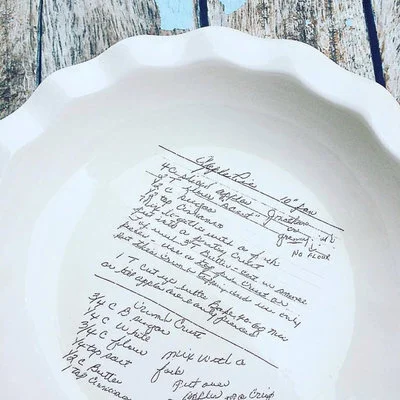
Custom Heritage Ceramics
Do you have a handwritten recipe passed down from your mom? Maybe a love letter penned by your grandfather during the Great War? Honor their spirit and incorporate their legacy into your home by customizing a beautiful piece of pottery showcasing their note. Prairie Hills Pottery reproduces your original in warm sepia tones on crisp white platters, suitable for cooking or display. Casserole bakers, jewelry dishes, and decorative jars are also available. Starting at $30.

Permanent Remembrance on a U.S. National Monument
Have your family’s name inscribed on the American Immigrant Wall of Honor® at Ellis Island, the only place in the country where an individual can honor his or her family heritage at a National Monument. Names on the Wall of Honor represent all ethnicities, all years of arrival, all points of entry, and all modes of travel. Consider inscribing names of family members to commemorate the centennial of an ancestor’s arrival, or as a proud marker of becoming newly naturalized. Of course, your next gift should be a trip to this historic island in New York Harbor to find your name on the wall and visit the museum! $150 for single name; $225 for double name entry; one commemorative certificate is included with each name inscription, and additional certificates are available for $15 each; tax deductible donations support restoration and maintenance of Ellis Island.

A Taste of the Past Recipe Card Set
While I wish everyone would have the time and money to invest in an heirloom book preserving their family stories, I realize sometimes that’s not always possible. That’s why I created this one-of-a-kind family history themed recipe card set. It makes a thoughtful host(ess) gift, especially when paired with a bottle of wine, a surprising stocking stuffer come Christmas, or a birthday gift for the chef or family historian in your clan. Set includes 10 fold-over recipe cards with space for ingredients and preparation instructions as well as stories and memories associated with each dish; 10 extra blank cards; and bonus pages with tips for making the most of your A Taste of the Past recipe card set. $30 for set.

AN ARTFUL LEGACY
Need a special gift for an artistic soul (or even just an avid scrapbooker in your family)? Consider ordering a sketchbook so they can participate in The Sketchbook Project. Anyone can fill the sketchbook in any way they like—paint from your imagination, draw scenes from your everyday life, journal about your past and your dreams, whatever strikes your fancy—and whatever you would like permanently archived and available to visitors at The Brooklyn Art Library and its global traveling sketchbook shows. The sketchbooks are catalogued and preserved for visitors to access at the Williamsburg brick-and-mortar location, or (for a bit more money) via the digital archive. “We do not believe in the statement ‘I’m not an artist.’ Because it doesn’t matter. Share your story, draw your stick figures, just own it,” says founder Steven Peterman. “We can promise you a lifelong commitment to keeping your artifact safe, while continuing to act as a time capsule for global creativity.” $30 for sketchbook; $65 for digitization and inclusion in the project’s digital library.





Dawn Roode’s curated roundup for the week of Sept. 23, 2026, is overflowing with recent reads on memoir, life story writing, and family history preservation.