
Memories Matter
Featured blog Posts

READ THE LATEST POSTS
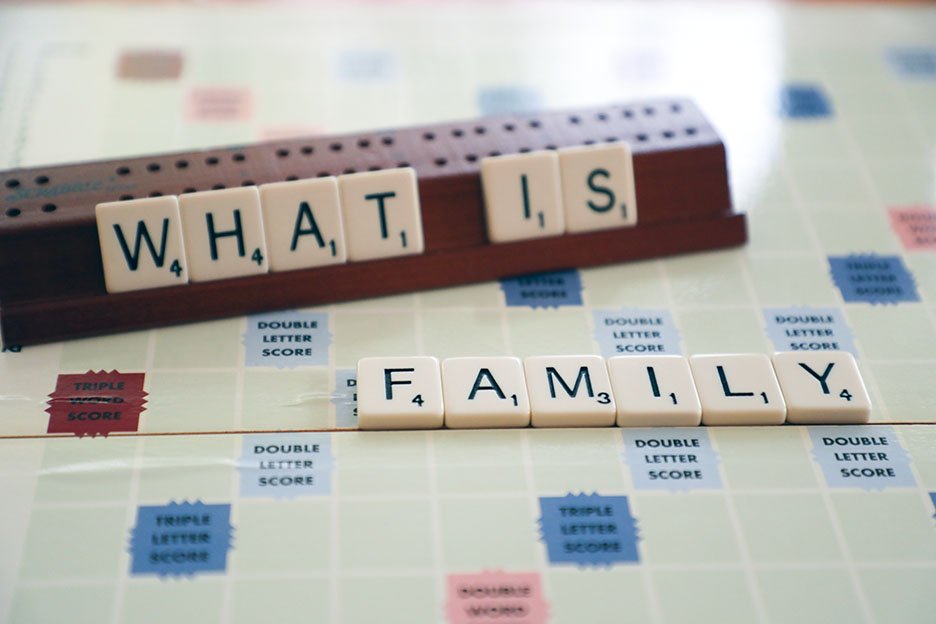
Two unexpected writing prompts about family
These two writing prompts about family—and what it means to you—may be just the ticket to more thoughtful storytelling and personal meaning-making.
“Families are united more by mutual stories—of love and pain and adventure—than by biology. ‘Do you remember when . . .’ bonds people together far more than shared chromosomes . . . a family knows itself to be a family through its shared stories.”
—Daniel Taylor
definition:
family*
1 : a group of people who are related to each other
2 : a group of persons of common ancestry : CLAN
3 : a group of people united by certain convictions or a common affiliation : FELLOWSHIP
There are plenty of official definitions of the word family in the dictionary, many of them self-referential, most of them rooted in cultural norms of another time (“the basic unit in society traditionally consisting of two parents rearing their children,” for instance).
Here's the thing, though: The idea of family—what family means to you, who belongs to your family—is as personal as it gets. And yet…it's not something many of us think about, is it?
We may sit down to do some family history work—clicking on those green hints in Ancestry, sending away for land deeds and marriage certificates—and the assumption is we're discovering our family. Kin. But is that the extent of it?
More and more these days genealogy efforts may yield surprising results, especially since DNA entered the picture: a father who isn't biologically a father; a daughter who was raised as an only child only to learn she was the product of a sperm donation…and that she has 18 half-siblings by blood. How might these individuals rethink who their family is (and isn't)?
Moreover, the idea of family has evolved over time, and for some, their “chosen family” may play a more significant role in their life than blood relatives do. What is a “chosen family”? According to the SAGE Encyclopedia of Marriage, Family, and Couples Counseling, “Chosen families are nonbiological kinship bonds, whether legally recognized or not, deliberately chosen for the purpose of mutual support and love.” I have plenty of friends whose chosen family is their world.
You needn’t have made a shocking discovery through DNA or chosen a group of friends as your primary family, however, to have something important to say on the matter of what family means to you. Even in the most traditional of families, some relationships hold more weight than others. And what we derive from family—support, inspiration, pressure, trauma, love, fun, stability—can run the gamut, and have a profound impact on our notion of self.
So while documenting our family history is essential, so too is stepping back to ask ourselves a few questions about our family—in fact, it may be just the ticket to more thoughtful storytelling and meaning-making. Are you ready?
Writing prompts to yield deeper family history stories
Consider both of these questions, grab a journal or your laptop, and start writing.
What does the word ‘family’ mean to you?
Who is your family?
You're not writing for publication here. Rather, you're ruminating. Finding meaning through your writing.
And remember: Your responses to these prompts could be wildly different today than tomorrow, and that's okay.
How you answer these questions is revealing. Your own definition of “family” is foundational to how you discuss your personal history. How you regard past experiences may shift once you become more aware of your vision of your family (and where you fit into it).
What will you do with the writing that results from these prompts? A couple of ideas:
Think about your answers and integrate them into your own life narrative. You are the narrator of your own story, and writing about themes such as what family means to you is a path to self-discovery. As Sara Aird has written about storytelling and identity: “The final stage of writing yourself into existence will be accepting who it is you are finding, believing that who you are creating is real and true and worthy.”
Use your initial writing as fodder for more refined life writing. Was there a surprising nugget in there? Or perhaps you gained clarity on an overarching theme in your life story? Writing about your own life necessarily covers family ground; hopefully thinking deeply about questions of who and what family means to you will allow you to delve even deeper into your own personal stories.
* definitions from Merriam-Webster Dictionary



Explore more blog posts in these categories:

Life Story Links: November 30, 2021
This week's memory-keeping roundup includes audio recommendations, compelling personal essays, new memoirs, plus personal history news and trends.
“Lots of my food has a story to go along with it, and lots of my stories have some food to go along with them, too.”
—Ellen Stimson
Midnight supper at Nan Hannegan's twentieth birthday party, May 1943, Niagara Falls, New York; her mother took in girl war workers as boarders. Photograph by Marjory Collins, courtesy Library of Congress Digital Collection.
Listen Up
TALES OF LIFE AND MUSIC
Two musicians (and writers), Dave Grohl and Aimee Mann, shared stories from their lives in conversations held as part of the recent New Yorker Festival. Listen to the audio here.
DOCUMENT YOUR FAMILY HISTORY
This episode of NPR’s podcast Life Kit offers truly great (actionable!) tips for recording the “precious sounds of our biological or chosen families that we capture to help us understand who they are and to give us insights into who we are, too.” Click below to listen:
Recent First Person Reads of Note
KEEPING UP APPEARANCES
“My parents were good-looking, sexy, book-loving. They shone on each other, basking in the shared light, with their five kids just outside the glow.” Sarah Paley on the reliability of a mother’s love.
NAME AS DESTINY
“I feel the weight of my name over my head like a hood—warm and comfortable but a little disorienting. I am constrained by the grief and by the love it represents. Ten letters so specific, I am unsure how to wear them.” Sara Horowitz introduces herself.
Memory-Keeping Miscellany
UNIQUE HOLIDAY GIFT IDEAS
Last week I shared three specific ideas for meaningful gifts that put memories front and center, including helpful DIY tips for those so inclined, plus how to work with a pro to get them done.
DRAWING ROOMS
“I like to look at buildings as kind of like characters in our lives. We have commitments to buildings. We see buildings and we feel things and we feel connected to them.” How one artist keeps the memories of places alive.
Up Next: New Memoirs
READING LIST
“This year’s best nonfiction illuminated complicated subjects, deepened our understanding of history, and pulled back the curtain on fascinating lives.” This list from The Washington Post includes some of 2021’s best memoirs.
MEL BROOKS WRITES HIS MEMOIRS
“Why don’t you write your life story?” Mel Brooks’s son said to him during the pandemic. “Just tell the stories in the book that you told me when I was growing up, and you’ll have a big, fat book.” Indeed, the 95-year-old actor has lived a memoir-worthy life.
Proof Positive
WHO IS THE CAREGIVER OF YOUR FAMILY NARRATIVE?
According to research, the most helpful history for young people is “the oscillating family narrative”—a story of ups and downs, successes and setbacks, that helps children know that they belong to something bigger than themselves.
“THE RISE OF BESPOKE MEMOIRS”
“Since the start of lockdown the demand for bespoke memoirs has skyrocketed,” reports The Times of London. What’s behind the boom, and what’s your story worth, wonders the reporter.
...and a Few More Links
Their Holocaust testimonies shared details that helped reunite them decades later.
Mali Bain shares three books that may—or may not—help you get unstuck when writing your memoir.
Shelley Blanton-Stroud on the different ways we mythologize the past
The life and legacy of Stephen Sondheim
Who owns a recipe? An interesting read for anyone considering undertaking a heritage cookbook.
Short Takes

3 Best holiday gift ideas that honor family memories
Give your loved ones a gift they will cherish for years to come—one that puts memories front and center. Here are 3 (doable!) ideas to inspire happy tears.
One-of-a-kind gifts that preserve memories are the best kind of holiday presents!
Are you tired of gifting things that no one in your family really needs? Having trouble finding meaningful ideas for holiday giving? Here are three amazing Christmas or Hanukkah gift ideas, including tips and resources for going the DIY route as well as ideas for getting a pro to handle it all, start to finish. Happy memory-making!
1 - Create a family recipe book.

Not just any recipe book, but one filled with the ingredients and how-tos for your favorite dishes AND the stories and memories associated with them.
Be sure to include:
the foods’ origins (Who made it first? Who might have changed it over the years? Does it derive from a specific region or culture?
notes about any special ingredients (and by this I mean how to source unusual spices, perhaps, but also when using a certain brand—like U-Bet syrup or Eagle condensed milk—is crucial to a dish’s success)
photos of handwritten recipe cards (those grease stains and crossed-out notations add incredible texture to your book!)
even simple foods if they hold special meaning to your family (Mom’s quick cinnamon toast, say, or Poppy’s three-ingredient holiday egg cream)
DIY family recipe book help
If you’re ready to dive in, these tips for getting the family involved in preserving your food heritage may help get you started.
And if you’re not quite ready but love the idea, these recipe cards have space for recording memories alongside your recipes, and they’re a great precursor to creating a family cookbook (they make a unique and thoughtful host gift, too). Use coupon code HOLIDAY2021 for 25% off at checkout, through the end of this year.
Consider a professionally created heirloom recipe book.
If you love the idea of honoring your family’s food heritage but don’t have the time or inclination to undertake such a project yourself, I’m here for you. Let’s set up a free call to discuss your project.
2 - Get those photos off your phone and into a book.

If your photos are sitting on your phone or computer, then you have a bunch of digital files, not a collection of memories. Get them in print for a gift guaranteed to make them (and you!) feel all warm and fuzzy inside.
The hardest part? Believe it or not, it’s not designing your book or finding a printer, it’s curating your photos. Huh? By curating I mean deciding which photos to put into your memory book and which to leave on the cutting-room floor.
Choose photos for your book that:
show you and your family members as you really are—don’t just choose well-lit posed shots and flattering selfies; rather, pick pictures that convey your personalities and exude real emotion
hold some special meaning, even if it’s elusive to outsiders
mark moments beyond the milestones—so, alongside those birthday and anniversary photos, include images from around the dinner table, or sitting under blankets for family movie nights (I guarantee these everyday scenes will grow exponentially in meaning over time!)
DIY photo book help
If you’re ready to get started, I challenge you to add some long captions describing your memories so your family photo book is wonderfully elevated to true memory-book.
Check this page out if you’d like some help with photo book themes.
Hand your photo book over to a pro
Need help with any part of this process? I can help you curate your photos, capture your memories, and design and print your photo book. Set up a consultation or consider buying a gift certificate for future services.
3 - Give them the gift of a generous listener (and time to share their stories!).

Asking someone to share their memories—and then giving them your undivided attention and heartfelt curiosity—is a gift we give not nearly enough. It’s why literally every single one of my personal history clients thanks me profusely for listening to them. For asking follow-up questions and never judging their experiences. For opening my heart and inviting their stories.
And you know what? This gift is free for you to give your loved ones. All it costs is time and a little bit of effort (I’ve even created a free gift certificate printable you can download and present to your loved one!)..
Fair warning: Your mom, granddad, or whomever you plan to bless with this gift, may very well have a look of confusion when they hear what you’re gifting them. Don’t let that deter you—instead, reiterate to them just how much you love them and value their stories, and how spending time together in such a way is as much a gift to you as it is to them. (It really is!!)
A few ideas for giving the gift of listening:
Be an active listener. Give your family member non-verbal cues as they are telling their stories—nod, show emotion on your face. These cues help them know, deep down, that they are being heard, and will urge them to keep sharing
Ask follow-up questions. Your curiosity is a wonderful driver of their stories. And by asking relevant, perceptive, timely questions, you will be helping them construct their story.
That said, be quiet sometimes. There are always times when silence—even an extended, potentially awkward silence—is called for. If you are truly listening and reading their cues, you may feel when this is the case: Do they have a faraway look in their eyes, like they are still inhabiting the world of their story? Give them a few beats to stay there. Have they dropped some profound or surprising insight on you? Just wait. Your patience is a gift, an opening for them to dig deeper and offer up even more out loud.
Don’t judge. Period. Approach this conversation with an open heart and an abundance of empathy.
DIY resources for interviewing your loved one
Will you be the one conducting the interview (or, if that sounds too “official,” leading the conversation)? This free printable guide has a great array of questions to help jog your loved one’s memory and get the stories flowing.
Will your child be asking the questions? This Kid Kit contains everything a child will need to spend quality story sharing time with their grandparents, from questions to historical tidbits to bonus family history activities.
Okay, the fundamental value in this activity is spending quality time together and learning more about your family elder—that’s really and truly it. However, don’t forget that it’s also a prime opportunity for recording their stories. So if you’d like to capture them for posterity (and I suggest you do!), check out this guide from the Smithsonian with specific tips on setting up a voice or video recorder and preserving your questions and answers.
Get some expert help to preserve their stories
Once you have had your story sharing session, you may want to consider having them professionally edited and designed into an heirloom memory book. If so, please reach out to see how I could help you bring your dream book to life.







More essential reads about Christmas memories:


Life Story Links: November 16, 2021
This week's roundup includes a wealth of stories about memoir (both writing and reading), some fun reads about food memories and recipe preservation, and more.
“Stories in families are colossally important. Every family has stories: some funny, some proud, some embarrassing, some shameful. Knowing them is proof of belonging to the family.”
—Salman Rushdie
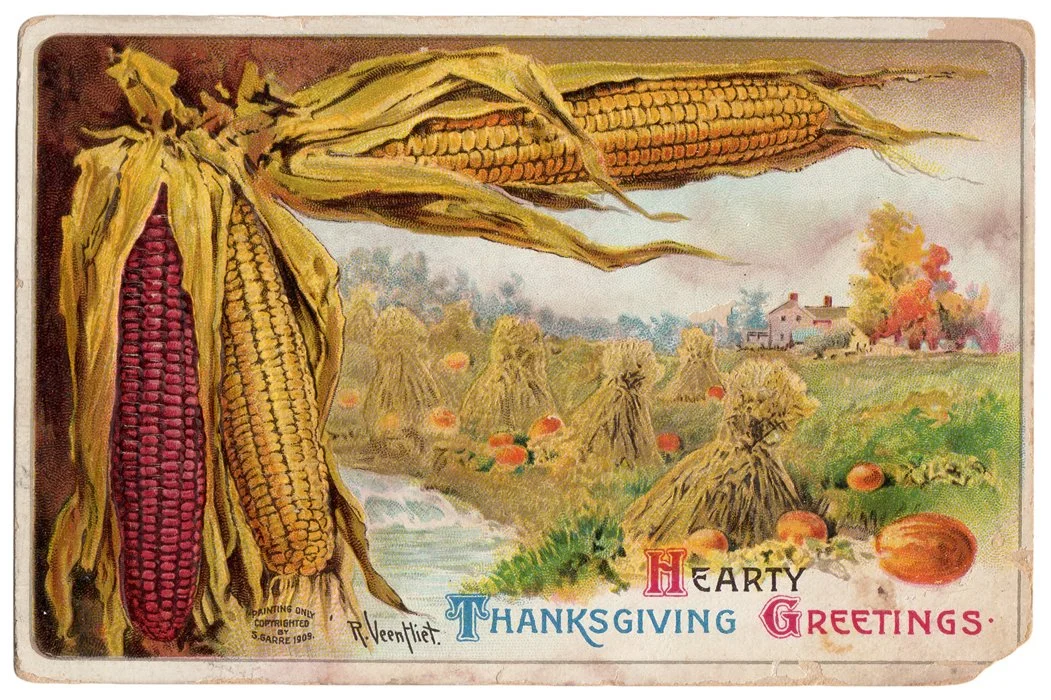
Autumn vibes on a vintage Thanksgiving postcard
Personal Stories on the Page
AN EIGHT-DECADES JOURNAL
“This page, these pages, these volumes are a labyrinth I cannot find my way out of. I have wasted a life in writing them. They are without value. And yet they’ve helped keep me sane,” Claude Fredericks wrote in what The New Yorker calls “the most ambitious diary in history.”
PARALLEL STORIES DIVERGE
One of my favorite memoir writing teachers, Joyce Maynard, remembers her mother and reflects on the once severed, ever-evolving relationship with her sister—the “only other person on Earth to know what it was to have Fredelle Bruser Maynard for her mother.”
THE POWER OF THE EPIGRAPH
“The story of writing my memoir is the story of what the body knows before the conscious mind follows,” Jan Beatty writes in this piece on how two dictionaries helped her define the terms of her adoption memoir.
ESSENTIAL READS FOR WRITERS
The first step in writing your life story book, the most daunting by far, says British Columbia–based personal historian Mali Bain, is creating your “messy first draft.” Here she suggests two books to help guide you through that process.
GAL ABOUT TOWN
“The early chapters [of Patricia Highsmith: Her Diaries and Notebooks, 1941-1995] are special. They comprise one of the most observant and ecstatic accounts I’ve read…about being young and alive in New York City.”
So They Say
CHALLENGING CONVERSATIONS
After years on the road giving presentations and engaging in deep conversations, performer Michael Fosberg—who recommends using personal stories to foster connection—has created seven tools to help foster authentic dialogue surrounding difficult issues of race and identity.
PASSING ON AN HEIRLOOM
“I am keenly aware that younger generations don’t always like the things their elders leave to them,” Hazel Thornton wrote in a letter to her niece. You may be surprised by how her mom’s good silverware was received by that niece.
HEAR HERE
“These stories will continue to evolve as we grow from overviews to deeper and more personal stories, more contextual stories, that move us. As we always say, it’s about the right story at the right time.” Kevin Costner on why he invested in an audio storytelling app.
PRICELESS AUDIO
“I’d really like to just give him a big fat kiss,” says the voice coming through the reel-to-reel tape. That voice belongs to the father of Rep. Dean Phillips—the father he never met because he died in the Vietnam War when Phillips was only six months old. Listen in as the lawmaker describes “one of the great blessings of my life”:
A Feast of Memories
DISHING UP STORIES
“As a fellow who has worked with senior citizens for decades, [Mike] Wallace said he grew to understand just how important it is that family histories be preserved, and he decided to start with his own parents.” Now he offers up 20 questions to use during your own holiday gathering.
FAMILY POTLUCK
Take advantage of your next holiday get-together to start preserving your food heritage with these tips for gathering family, recipes, and memories.
MEMORABLE MEALS
“How do we go about creating spaces for deep human connection around our family table? How do we serve up memories to last a lifetime at our next holiday gathering?” Texas-based video biographer Whitney Myers on honoring the people behind our most memorable get-togethers.
A FIVE-GENERATION TRADITION
“It’s amazing how if you don’t ask your grandparents...what they lived through you don’t hear all these stories.” Becca Gallick-Mitchell shares the story of her great-grandmother’s turkey kreplach and how her grandmother made them—at age seven—the night her mother went into labor.
...and a Few More Links
Sharing personal stories about his wife, journalist Cokie Roberts, was therapeutic during his time of grieving.
Shoah Foundation’s virtual archive was purchased by CSUN Library to preserve history.
“Why depth interviewing is essential to understanding individuals”
Julie McDonald Zander offers a series of questions to help you pay tribute to your parents.
New book tells the story of the invention of Betty Crocker, tracing the personal history of a fictional character many thought was real.
Florida–based personal historian Zoe Morrison gets the story behind one couple’s cuckoo clock collection.
Alan Cumming discusses his new memoir, Baggage.
Short Takes

Family potluck: reminiscing and recipes
If you're not sure who is the keeper of your family's favorite recipes, take advantage of your next holiday gathering to start preserving your food heritage.
Thanksgiving—or Passover, Christmas, or other holidays where extended family gathers in one place—is an optimal time to collect stories and memories via oral history interviews. There needn’t be a lot of pressure: Simply turn on your smart phone’s voice recorder or set up a video camera on a tripod, then forget it’s there...and let the reminiscing begin.

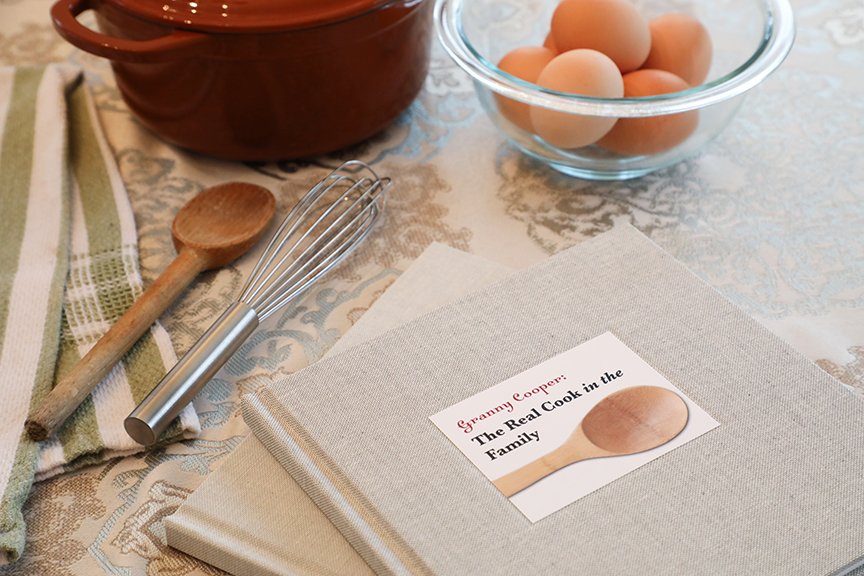
Ask family members about their favorite food memories and record these tasty bits of family history in a heritage cookbook—or simply stash them in a recipe box.
Collecting family recipes is one of those things that’s on many of our “I want to do someday” lists but that can easily slip through the cracks. It always seems like there will be time. But instead of saying “next time,” make it a priority—as well as an enjoyable endeavor!
Invite family members over for brunch one Sunday with the dual intention of visiting and connecting AND sharing recipes. Consider making it a pot-luck get-together and asking each person to bring at least one of their favorite recipes—maybe from childhood, or maybe one that’s part of their current immediate family’s repertoire (we’re always making new traditions, right?!).
This doesn’t have to be an anxiety-inducing project. Follow the few tips below and remember: You’re collecting your family’s food heritage, so you can do so whatever way makes sense for YOU! (Just, well, do it.)
A few tips for getting your family involved in preserving your food heritage:
Make one person (you?) the point person, organizing the day and ensuring that recordings get transcribed and backed up digitally.
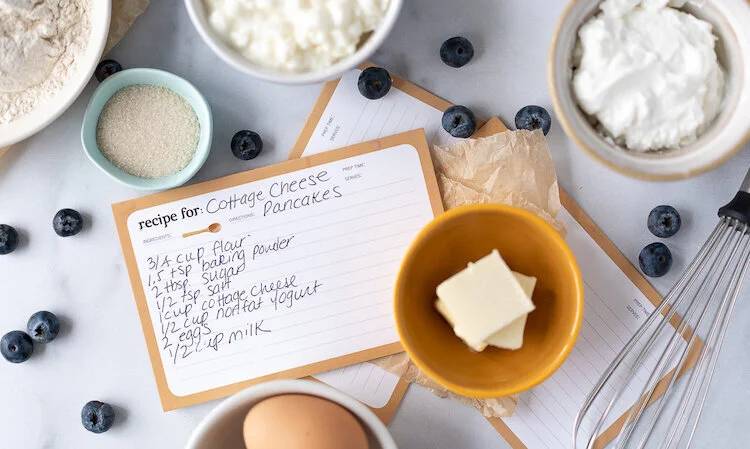
Distribute recipe cards to everyone and ask that they handwrite one of their favorite recipes on the front with accompanying memories on the back.
Use the recipe cards as a jumping-off point for telling longer stories that, when joined together, bring your family history to life.
Designate one or two people as photographers. You may want to collect photographs of the dishes once they’re cooked to accompany the recipes (those can be brought the day of your get-together or collected later), but don’t forget to take pictures of the family interacting around the table or in your home. Food brings people together, after all.
Consider collecting all the recipes and food memories along with a special collection of photos old and new into a heritage cookbook that you can gift to loved ones next year. (Go the DIY route or reach out to us for professional assistance.)
I wonder: What dish will you bring to this family reminiscence potluck?
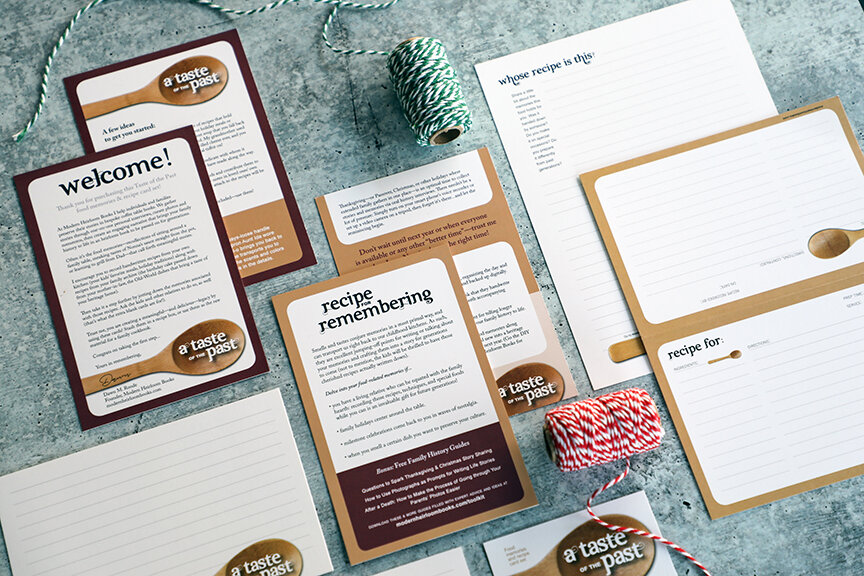
Limited-time SALE on food heritage gift set!
Through the end of November 2021, input code GRATITUDE at checkout for 25% off our Taste of the Past recipe & memory card set (they make a great holiday host gift, too!).
Read more Food Memories blog posts:






Explore more blog posts in these categories:

Life Story Links: November 2, 2021
This biweekly curated reading list includes insights into recent celeb memoirs plus helpful tools & resources for anyone who wants to preserve their stories.
“No harm is done to history by making it something someone would want to read.”
—David McCullough
Vintage news photo of woman suffrage headquarters on Upper Euclid Avenue, Cleveland, circa 1912, with editor’s marking of “A,” “B,” and “C” as a guide for identifying key figures: A, Miss Belle Sherwin, president, National League of Women Voters; B, Judge Florence E. Allen (holding the flag); and C, Mrs. Malcolm McBride. Photographed by Harris & Ewing and International (New York), courtesy Library of Congress.
The Weight of Our Words
NARRATIVES OF TRAUMA
“Hearing survivors’ stories is absolutely healing for other survivors,” Amita Swadhin, founder of a nonprofit dedicated to sharing the stories of LGBTQIA+ Black, indigenous people, and people of color who have survived child sexual abuse.
HISTORY IS NOT FIXED
There is no definitive history, and we as oral historians and storytellers have a responsibility to preserve the truth amidst biases and shifting perspectives, opines family archivist Amanda Lacson.
REAL FAMILY STORIES, FICTIONALIZED
When famed novelist John Updike wrote a short story about her father—using many aspects lifted directly from real life alongside one that was decidedly not—poet Molly Fisk was forced to confront the secret truths that lie in fiction.
Preserving Family Legacies
FOOD AND FAMILY
Get the whole family involved in saving stories and favorite holiday recipes with these three easy and fun Thanksgiving memory-keeping ideas.
FOR THE DESCENDANTS
"Every personal history has its own unique set of circumstances that make it valuable even if it's just to your family," historian Dustin Galer said.
REVISITING ARTIFACTS
“The visceral experience of touching those photos and memorabilia made my personal history so tangible.” When a writer begins cleaning through all the stuff in her basement, “buried treasures emerge.”
Holocaust Testimony & War History
PASSING FROM LIVING MEMORY
“There are so few people alive who are actually part of this,” Daniel Mendelsohn said. “[The Holocaust] is in danger of becoming abstracted. It’s in danger of losing the fine-grained human reality, the little things people remember, and that, to me, is very anguishing.”
“THERE IS NO OPPOSING VIEW”
“I have nothing to say to the principal from Texas who thinks we need to have books with opposing views of the Holocaust,” Ilana Wiles writes in this thoughtful piece. “I hope that being vocal and telling our story, instead of keeping it hidden or shrouded in secrecy, will help our family continue to heal.”
PERSONAL STORIES REVEAL WWII HISTORY
The Imperial War Museum in London has unveiled new exhibitions entirely dedicated to the Second World War, including personal stories from 100 individuals from more than 30 countries:
Public Personalities, Private Stories
“ALL ABOUT MY SISTERS”
“Over a period of seven years, Wang [Qiong] filmed her parents, siblings and relatives from within the emotional thicket of their lives, capturing moments of piercing, private intimacy.” Filmmaker traces the tragic effects of China’s one-child policy on her family.
MYSTERY SOLVED
“Our archives contain multitudes. They open us to a world that helped to frame our own lives, though it can often feel inaccessibly distant. It’s always there, just waiting to be found, and to give up its closely-held secrets to those willing to look.” On recovering the history of actor David Duchovny’s grandfather, a Yiddish writer.
BUSTING INTO THE BOYS’ CLUB
Katie Couric’s new memoir, Going There, “might as well be subtitled ‘Owning This,’ starting with rattlesome family skeletons: subdued Judaism on one side, ‘blighted with racists’ on the other,” writes a reviewer.
RECONSIDERING THE MAN
“There’s a paradoxical pain built into reading a biography of someone we thought we knew well: In getting to know him better, he somehow morphs into a stranger.” How two new additions to the Anthony Bourdain canon contribute to his legacy.
“BERNSTEIN’S WALL”
“In a series of archival interviews that anchor the 105-minute film and provide its narration, [Leonard] Bernstein—who died in 1990 at age 72—muses on the role of the artist in society and the power of music to transform hearts and minds.”
...and a Few More Links
Memoirist Joyce Maynard announces winners of her 2021 personal narrative essay contest.
Penn Libraries acquires the personal papers of historian and activist Elizabeth Fee.
This four-week course in November is geared to help you write your memoir.
“I would have to revise the final manuscript of my life.”
Short Takes
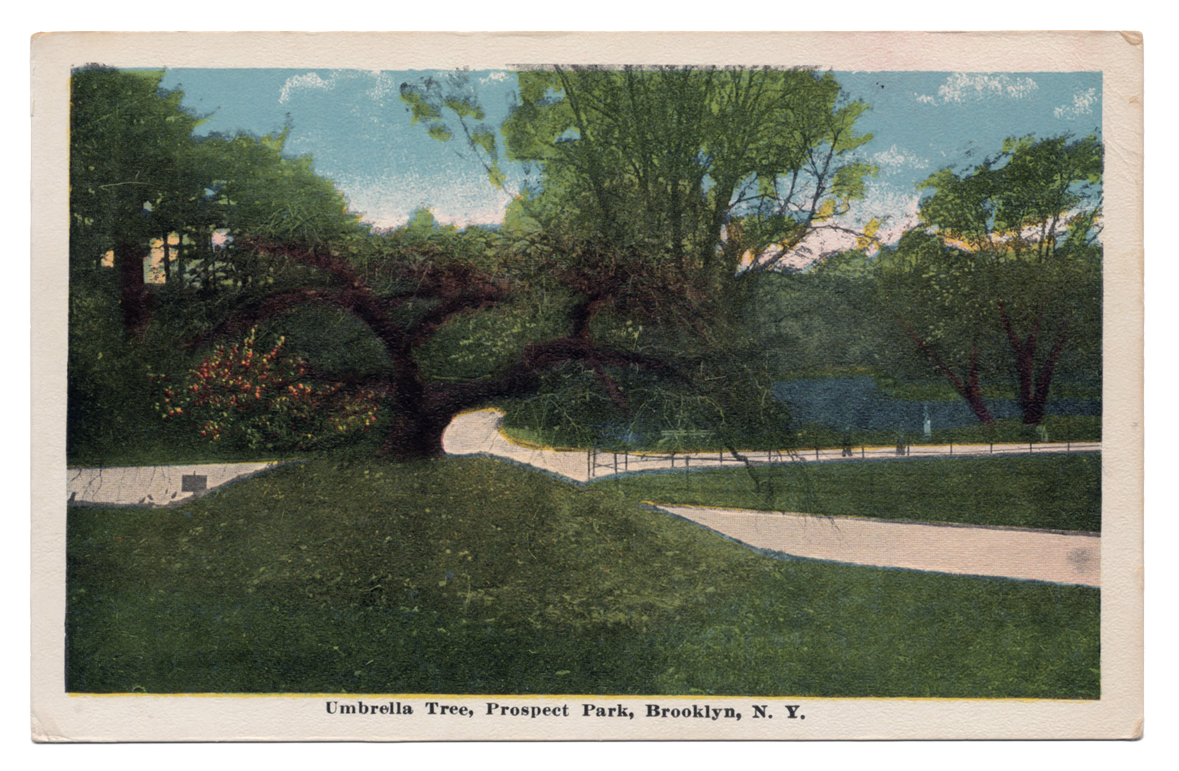
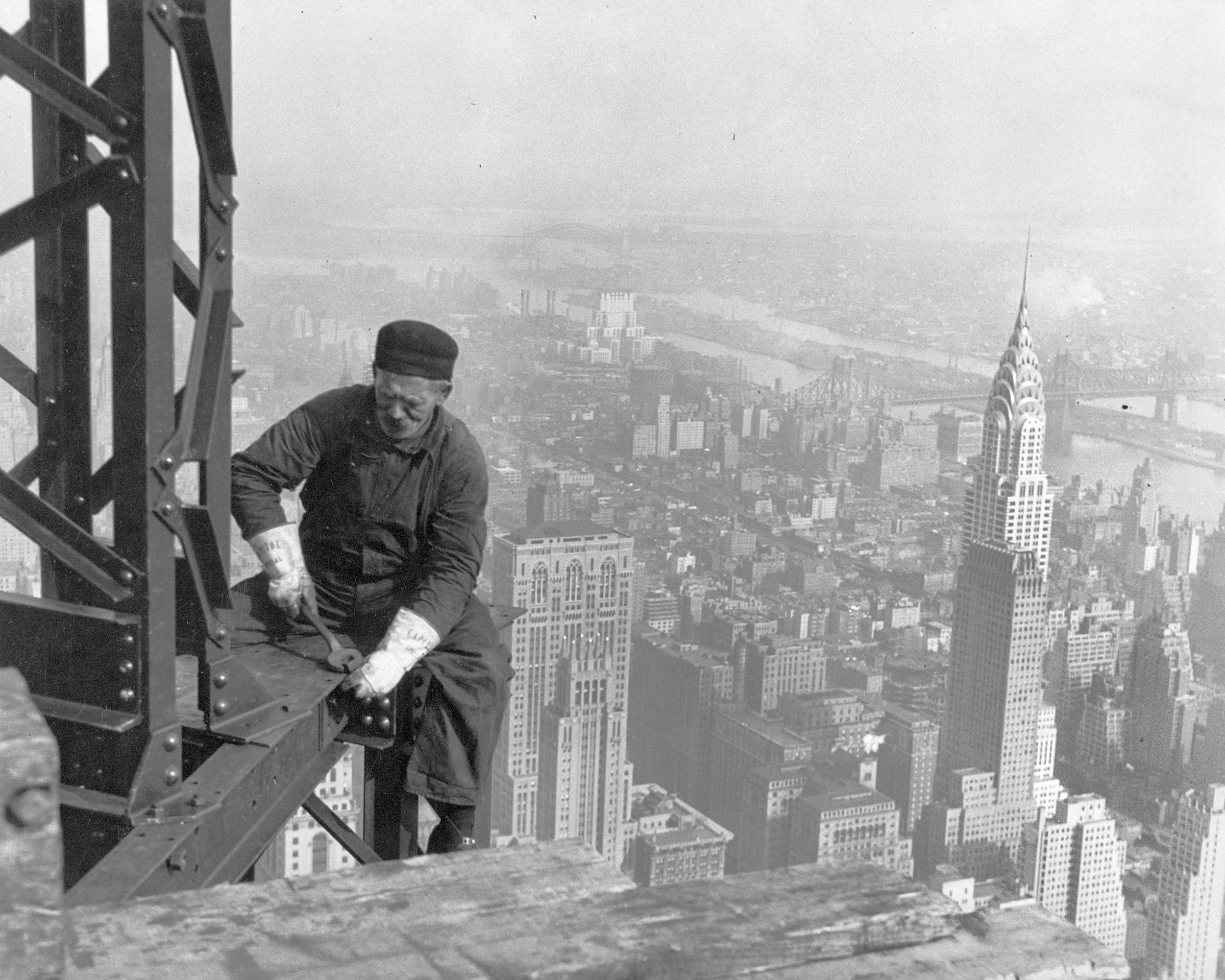
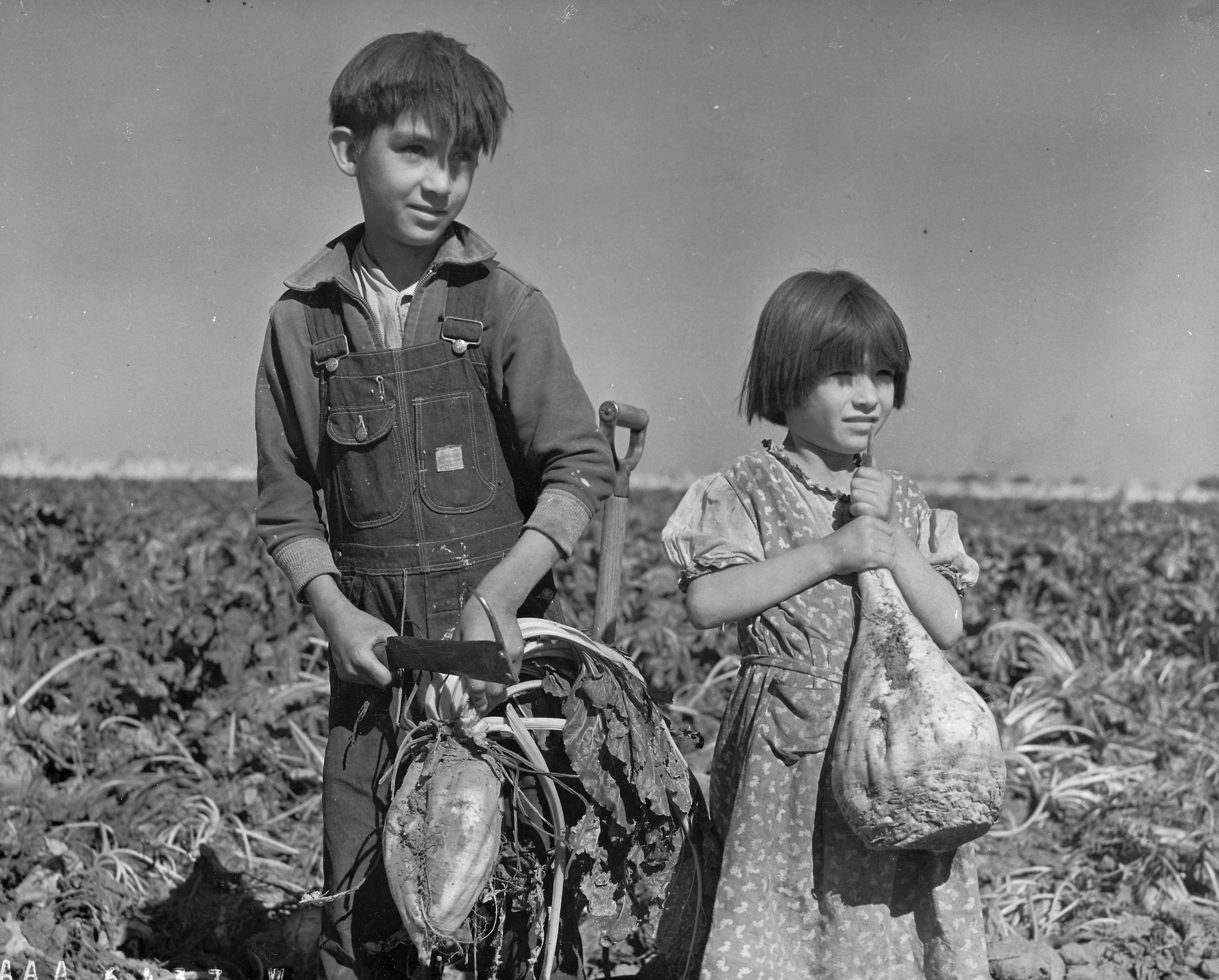
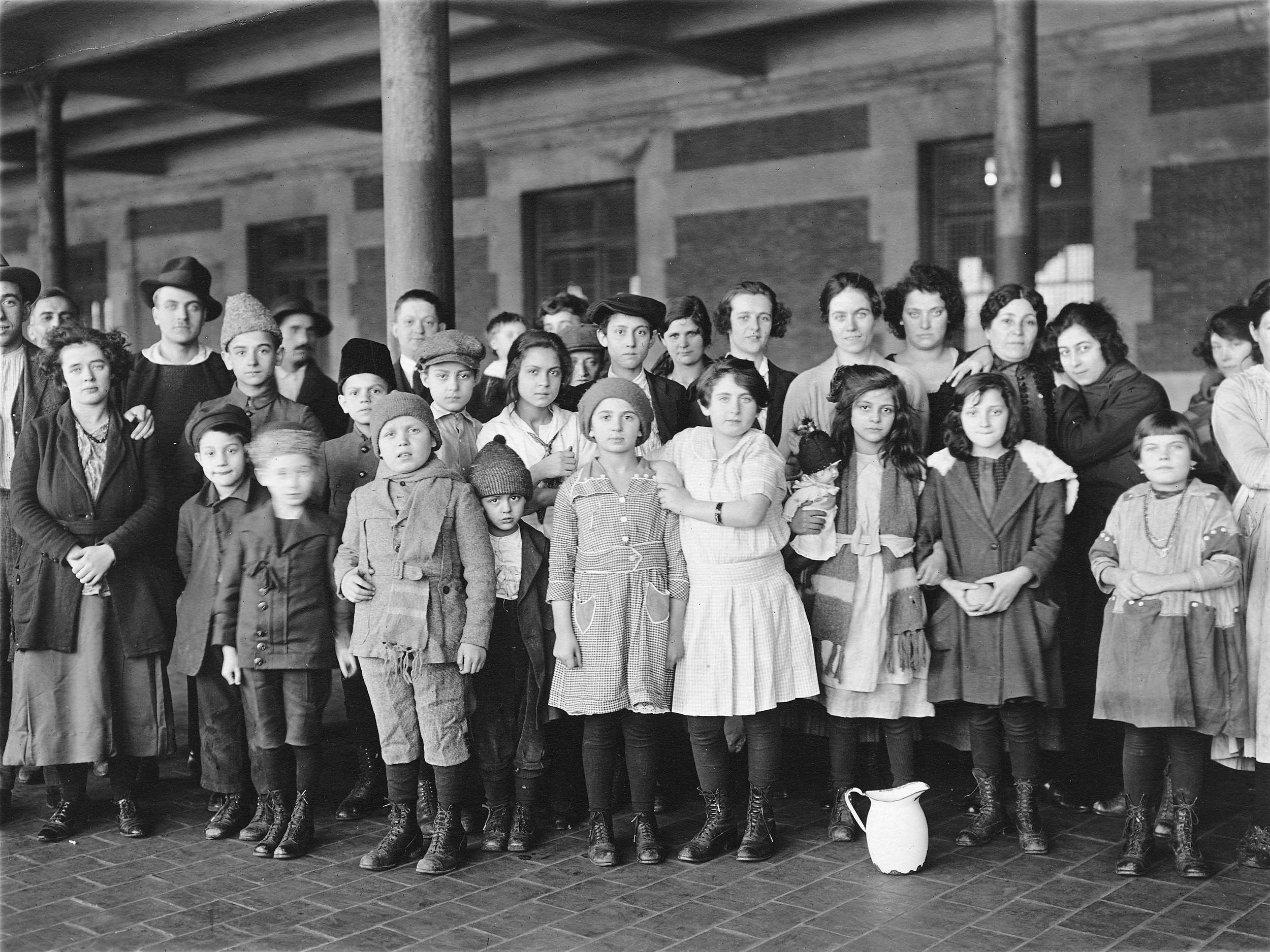
3 awesome (and easy!) Thanksgiving memory-keeping ideas
Get the whole family involved in saving stories and favorite holiday recipes with these three easy and fun Thanksgiving memory-keeping ideas.

My fingers are crossed that you are able to gather with your loved ones this year in person to celebrate Thanksgiving—to honor your family traditions and find fellowship around the table.
If you would like to use the opportunity to share stories and begin preserving some of your delicious family history, here are three simple Thanksgiving memory-keeping ideas, complete with ways to make them manageable and fun.
Thanksgiving activities that help you preserve bits of your family history
1 - Start a recipe preservation project.

In addition to writing down your family recipes, snap a few photos of a family member cooking the food, of the ingredients (especially unique or hard-to-find ones), and of the finished dish; whether or not you eventually put them into a family cookbook, your family photo archive will be more complete.
Notice I said “start.” Too often we let things we really want to do fall by the wayside because they seem overwhelming. Don't think about creating a heritage cookbook or worry about getting every single recipe your family has ever cooked! Instead, try one of these approaches to put your family on the path to preserving your best recipes:
Why not write down recipes for every dish at this year's Thanksgiving meal? Take a few pictures of prepping the dishes, what they look like when they are finished, and a few of the family around the table enjoying them? When the time eventually comes for you to make a recipe book, you'll have wonderful photos at the ready. And because you are beginning with a finite number of recipes—those for this year's menu only—your task is manageable enough to take on without worry
Make your recipe gathering a group endeavor. Send a blank recipe card (or a digital template for them to print) to every member of your family and ask them to record the recipe for their favorite Thanksgiving dish or meal. Important: Tell them where to return it, and provide a deadline (trust me, you'll never get them back otherwise).
Consider upping the ante and asking not just for a recipe, but for your loved ones to also write up a favorite story associated with that food. It's not just the provenance (that this was Aunt Betty's stuffing, for example) that make a passed-down recipe special, after all—it's the memories and traditions associated with it.
2 - Make a gratitude jar.

A handmade gratitude jar is easy to make and even easier to incorporate into your Thanksgiving festivities—I bet it will become a new tradition.
This one is so easy and it's sure to become your newest Thanksgiving tradition. It can be as basic as handing out pens and small pieces of paper to your guests, asking them to write one specific thing they are grateful for (as well as their name and the date), then storing them all in a mason jar until next year. There are so many ways to soup this one up.
Consider having each participant read theirs aloud, sharing a bit of a story with all those gathered before dropping their paper into the jar.
If your family does this annually, pull out random slips from previous years and share what was recorded—while this is sure to be touching, hopefully it will also prompt even more story sharing and reminiscing together as a family.
Maybe you want to set out construction paper, markers, ribbon, and glue and ask the kids to decorate the jar.
Why not find some autumn-themed paper to record your thanks?
Consider preserving everyone's notes of gratitude as a section in your annual family photo book.
3 - Revisit Thanksgivings past.
Thanksgiving is a great time to interview family members about food heritage, holiday traditions, and favorite childhood memories.
Thanksgiving is a perfect opportunity to interview your mom, dad, or another family elder about their holiday memories, as it's usually a time when generations gather together in one place—and nothing sparks visceral recollections like the smells and flavors of childhood foods!
Like with the recipe preservation project above, it's super-important that you don't get caught up in the idea that this is too big a task to take on. I promise this is something you can do even if your shopping list is long and you plan on getting up at the crack of dawn to get that 15-pound turkey in the oven! A few ways to make a family history project like this practical:
Is there a younger family member or non-chef in the family who might want to take the reins? Ask them to be the ringleader, bringing a list of interview questions designed to elicit Thanksgiving memories; setting up the voice recorder on their phone; and generally ensuring that everyone gets to participate.
If you've got a large clan and the football game's on, too, consider setting up a quiet area especially for brief interviews to happen and be recorded without interruption.
A fun—and efficient!—idea: Designate pairs of people who can interview one another, so you are not burdening one person to handle all the logistics. Two siblings, for instance, may be able to jog one another's memories of shared experiences; and a grandmother might have fun sitting with a grandchild to talk about how times were different “back then.”
Remember, any memory-keeping project you begin this Thanksgiving does not need to be finished by the next morning’s turkey trot. But if you don't start somewhere, your cherished recipes and stories won’t get recorded at all…so hop to it!
Resources to make your Thanksgiving memory-keeping easier
A Taste of the Past: Recipe card set that capture recipes and memories
Free guide: 55 Questions to Spark Thanksgiving Story Sharing
Gift idea: 8 weeks of writing prompts specifically designed to capture food memories
If you'd like to talk about working together to preserve your recipes, stories, and family history in an heirloom book, reach out any time to set up a free half-hour consultation.

Free Printable Thanksgiving Guide
Download this handy e-book with 55 family history questions perfect for Thanksgiving day!

Great gift idea!
Invite a beloved family member to share their stories via inspirational prompts specifically designed to capture food memories—just $15 for 8 weeks of writing prompts!

Life Story Links: October 18, 2021
A curated collection of recent stories about the power of telling our stories, recent memoir reviews, and how things can be imbued with special memories.
“Memoirs are the backstairs of history.”
—George Meredith
Children at a Halloween party in Osage Farms, Missouri, October 1939. Photograph by Arthur Rothstein, courtesy Library of Congress Prints and Photographs Division.
In the Books
MEMOIRS IN PIECES
Reading works by others to inspire our own writing is a humbling and essential practice. Last week I reviewed three books that use shorter vignettes to create a compelling portrait of the writers—I hope they inspire YOU!
TUCCI TIME
Actor and memoirist Stanley Tucci “traces his love of food to his family. His mother, an excellent cook, would send him to school with sandwiches made from the previous night’s eggplant parmigiana, while he jealously eyed his friends’ peanut butter and jelly sandwiches.” Read an excerpt here.
SHOWBIZ LIVES OF YORE
Hollywood veterans Ron and Clint Howard were inspired to co-author their new memoir, The Boys: A Memoir of Hollywood and Family, when they were going through old family photos while preparing for their father’s memorial service:
Artifacts from the Past
HANDKNIT HEIRLOOM, STITCHED WITH LOVE
“‘You know what's in here?’ I blurted out to the shipping clerk—even though I could see he was busy and cranky and probably aching for his shift to be over. ‘I'm sending a family heirloom to my grandson in Europe. It’s my mother’s handknit sweater so he can give it to his child, my first great-grandchild!’”
THE LEGACY WE LEAVE
“We have all heard the saying, ‘success leaves clues.’ Speak of your successes and failures as a means of providing perspective to those who will ride on their ancestor’s coattails in the century ahead.” On leaving not just a financial legacy, but a legacy of meaning.
THAT OLD-SCHOOL VOICEMAIL
“I have an archive of everlasting audio that allows me to experience whatever memory I want, as many times as I want to. My loved ones’ voices will always be with me. Ready to be tapped on. Ready to make certain that I am never alone.” How her phone’s most annoying feature saved her life.
Transformative Words & Memories
“THE POWER OF BOOKS TO CHANGE LIVES”
“For me, telling and writing my story over and over was a part of healing,” memoirist Mondiant Dogon says of revealing his stories during two- or three-hour interview sessions with his cowriter Jenna Krajeski.
JOURNALING FOR ANXIETY
“When people use writing to express themselves, Dr. Wright said, they ‘increase emotional regulation, clarify life goals, find meaning, and give voice to feelings, which can help construct a meaningful story.’”
“HE DIED AMONG HIS MEMORIES”
“In one email he reminded us of what his grandmother whispered every time she kissed him goodbye: ‘Sciaddu miu’—Sicilian for ‘my breath.’’ Gina Rae La Cerva revisits her grandfather’s recipes along with her Sicilian heritage.
THE ETHICS OF ARTISTIC APPROPRIATION
“[With] a growing interest, in some publishing circles, in ‘own voices’ and ‘lived experience’…a premium is placed on authors’ personal familiarity with the worlds they summon. There’s a corresponding sense that the person who inhabited a story in real life should get the first crack at fictionalizing it.” If you’ve followed the controversy surrounding the “Bad Art Friend,” then this is a rather arresting read.
...and a Few More Links
The 10 best biographies of 2021 according to Barnes & Noble
How on earth do you distill an entire life in one single photo book?
Man works to preserve photos his father shot of Pakistan’s people in the era of the country’s founding
Virtual book talk: “How Yiddish Changed America and How America Changed Yiddish”
An excerpt of In the Weeds: Around the World and Behind the Scenes with Anthony Bourdain by Tom Vitale.
Short Takes
Dawn Roode’s curated roundup for the week of Sept. 23, 2026, is overflowing with recent reads on memoir, life story writing, and family history preservation.