
Memories Matter
Featured blog Posts


READ THE LATEST POSTS

Stop waiting, start writing: Why now is the right time to begin your memoir.
Ignore those naysayers who warn that you must be passed middle age to begin writing your life stories: Start your memoir now, no matter how old you are.
“Too often memories die with their owner, and too often time surprises us by running out,” wrote one of our foremost authorities on memoir writing, William Zinsser.
Speaking candidly about the fact that we have a limited number of days on this Earth can be hard—no one wants to contemplate their death or jinx the happy times we’re living in right now. That’s why we come at it sideways sometimes—like with this quote that I often reference, again from Zinsser, because it inevitably—every time—elicits an emotional response:
“The saddest sentence I know is ‘I wish I had asked my mother about that.’”
That resonates with you, doesn’t it?
It is sad to think our mother’s—or father’s or grandparent’s—stories have died with them.
And one day your own kids will wish they had asked you for more: more stories, more details about your childhood, more names on the family tree. But it’s a simple fact that most times our children don’t value our stories until they are older; they don’t invite conversation about it now—but they will cherish them later.
That’s why it’s so important for you to begin recording your life stories now. Whether you write in a journal, work with a memoir coach, or share your memories during a series of personal history interviews, the time to begin is now.
Don’t worry that you are too young—all your stories matter, and you can always write more later, when you’re older.
Don’t worry that you haven’t lived your full life—we are all in the midst of our narrative, and reflecting upon your stories of the life you have lived thus far is worthwhile. “Every event, and certainly every event worth writing about, will always remain tattooed on our neurons. So it is never too early to start giving those events, which are our lives, a form,” Benjamin Moser has written. “It is a homage we pay ourselves. More solid than a memory, a memoir will outlast it, because until a memory is put into words, it remains mist, never shore.”
Don’t worry that you don’t have enough time to write—there are ways to make the time for something as important as your life story.
And don’t worry that you will have more perspective when you are older: “Of course someone will look back at his first broken heart with a different perspective at the age of 40, or 60, or 80. But that doesn’t mean that these perspectives are better, or that our self-understanding travels toward some telos of perfect consummation with every passing year,” Leslie Jamison wrote. “The narratives we tell about our own lives are constantly in flux; our perspectives at each age are differently valuable. What age gains in remove it loses in immediacy: The younger version of a story gets told at closer proximity, with more fine-grain texture and less aerial perspective.”
So don’t risk not having the time to tell your stories. Preserve them now. As Zinsser suggests, “be a recording angel and record everything your descendants might want to know.” Starting…right now.


















Life Story Links: August 23, 2022
This week's curated reading list for family historians, memoirists, and memory-keepers of all kinds includes great learning opportunities and a film recommendation.
“Talk to those older generations. We sometimes dismiss that—we say, ‘Oh Grandma, she’s told the same story twenty times.’ Give her a prompt. Say ‘Grandma, what do you remember about shoes?’ … then the narration starts happening. Then the stories start happening.”
—Lisa Elzey
Vintage photo of a Regal movie theater in Southside, Chicago, April 1941. Photograph by Russell Lee, originally for the Office of War Information, courtesy of The Library of Congress Prints and Photographs Division Digital Collection.
In memorium
AN NBA LEGEND’S OBIT
““If he was out dining and got approached by someone asking for his signature, [Bill] Russell’s usual response was to instead ask the person to join him at the table to have a conversation about life. The autograph-seekers almost always declined. Oh, the stories they missed.” Here, photos help tell his personal history.
SHOOTING FOR THE STARS
StoryCorps mourns the passing of Nichelle Nichols, a Black American actress best known for her portrayal of Nyota Uhura in Star Trek. “Her career showed people of all races a future of possibility. Among those she inspired was a young Ronald E. McNair, who became the second Black person to enter space”:
EXPLORER OF AMERICA’S PAST
David McCullough, who said he thought of writing history as an art form, died last week. His obituary tells some of his story. “People often ask me if I’m working on a book,” he once said. “That’s not how I feel. I feel like I work in a book.”
The art—and value—of legacy-making
LET’S FLIP THE SCRIPT
It’s a common but wrong assumption that we’ve all heard as personal historians—that telling one's own stories is “narcissistic” or “self-centered.” Recently I wrote about why, in reality, it is an act of generosity.
THE CRAFT OF PERSONAL STORYTELLING
Storytelling School with The Moth is in session with a story about family and home told by Mariam Bazeed: Watch her story performance, then learn about the principles of ‘show don't tell’ and setting up ‘the world as it was.’
PRO BOOK DESIGN TIPS
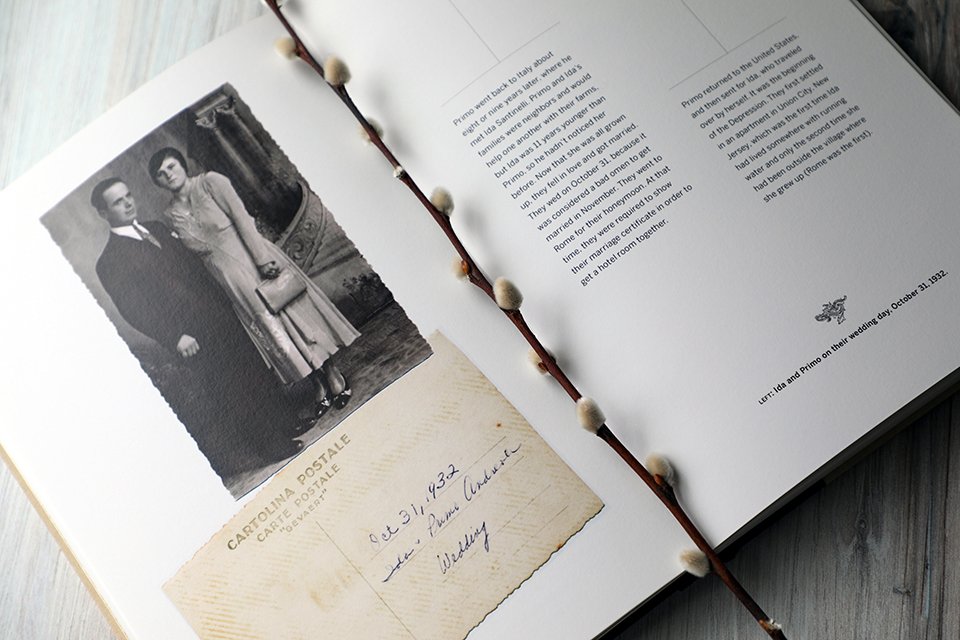
Family photos aren’t the only images worth including in your family history or personal life story book. Consider including maps, family tree charts, and beautifully styled shots of your family heirlooms to elevate your book.
First person reads worth your time
WEAVING HIS PARENTS’ LIVES INTO A NARRATIVE
“My parents’ American addresses are a history of friendships and acquaintances: a spare room in someone’s attic, visits to family friends whom they’d heard about but never actually met, a summer job in a small town a few hours away, an opportunity in an unfamiliar, emerging field.”
TRUE STORY, WELL TOLD
“‘We are hearty buggers!’ Jane yelled to the sky.” Wisconsin–based personal historian Sarah White writes this slice-of-life reminiscence about weathering a storm—with tumblers of wine and the comfort of fire—with a friend.
“DON’T DESCRIBE IT, REMEMBER IT”
“A lovely day… I wish it meant something to me, but I am here for the wrong reason, and Venice is like a travel film through which I sit, impatient, waiting for something important.” Mavis Gallant was a dedicated diarist for 55 years; here, take a peek into passages from 1954.
WRITING THE TRUTH
“None of us, other than time-travelers and clairvoyants, can know the future, and most of us have difficulty making sense of our past.” William Dameron on why he wrote his memoir despite discouragement.
In conversation: asking, listening, making space
THE MEMORY GENERATION
“I’m really interested through The Memory Generation of saying, how do we make the past more present in our present? And in what ways might we do that in a shared experience with others?” oral historian Stephen D. Smith says of the podcast he co-created with Rachael Cerrotti. Find the latest episode here.
PERSONAL HISTORY Q&A
“Experienced personal historians combine the expertise of active listening, archiving of artifacts, genealogy, narrative writing, ghost-writing, book production, self-publishing, and more,” reads the introduction to this fun and informative interview with Connecticut–based professional Sarah Merrill.
TIME IS A COMMODITY
“I thought I had time to sit across a table from him and share stories. We had only ever skimmed the surface. We never had really captured his narrative the way I wanted to know it. Yet here we were, boarding an airplane to meet him at his final resting place instead.”
THE MAGIC OF STORY
“I can’t wait to foist this book on everyone,” Anne Lamott says of Between the Listening and the Telling: How Stories Can Save Us, a new book by Mark Yaconelli. Listen in as they discuss the transformational nature of stories:
Tokens of memory
WAYS OF LOOKING AT FAMILY
Maud Newton, author of Ancestor Troubles, says that many old family photos fed into her “obsession with ancestors.” Here she discusses visual inspirations for her memoir, including two specific old photos and a will bequeathing 12 slaves.
STEPPING INSIDE A PHOTOGRAPH
Musician Kevin Morby talks about how photography inspired his latest album, how he found ways to immerse himself in the memories of family, friends, and famous people, and how those memories became songs.
PUBLIC ACCESS
“The name of the game for any archive is to preserve and make available.” How the St. Louis Kaplan Feldman Holocaust Museum is making every Holocaust story, memory, and artifact in their collection sharable.
Looking back, finding meaning
A PORTAL BETWEEN TWO ERAS
Three Minutes: A Lengthening explores “the ways in which moving images can bring the past into the present, connecting us with human beings whose time on Earth was brutally cut short.” Watch the trailer:
THE MEMORY METAVERSE
“While studies suggest that traditional reminiscence therapy can significantly improve the well-being of older people, V.R. has the potential to make it more immersive and impactful. By putting on a headset, Mr. Faulkner could walk along the virtual Cliffs of Moher in western Ireland, just as he’d done with his wife several years earlier.”
“A MAP FOR THE MISSING”
“How do we fill spaces when there are deaths in our lives, or when we have people in our lives who don’t give us the answers, or who don’t give us the clarity that we’re looking for?” An interview with Belinda Huijuan Tang, who turned to fiction to help fill in the gaps in her own family history.
...and a few more links
Tuesday, September 6, 2022: “Researchers Remember” virtual book talk
A librarian collects all the things left in books, from love letters to old photos
Tips for parents on how to use family photos to encourage kids’ storytelling
Beth Kephart launches new series of Zoom webinars, “The Story of You”
Family business origin stories and the power of nostalgia
Short takes
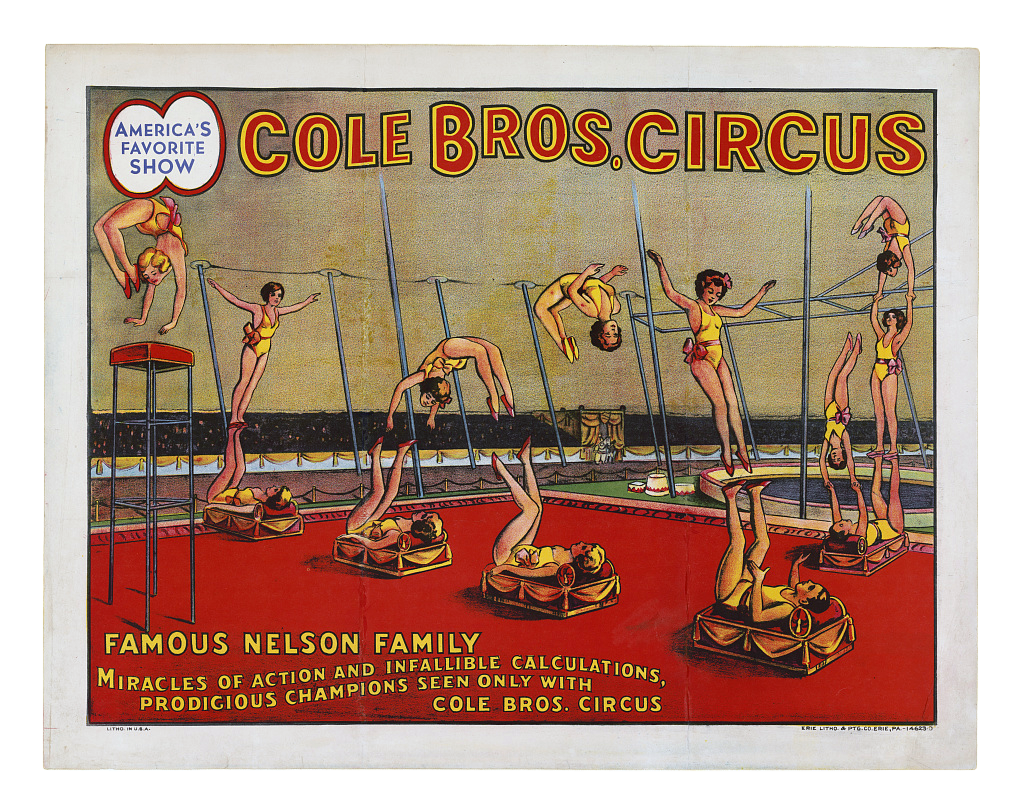
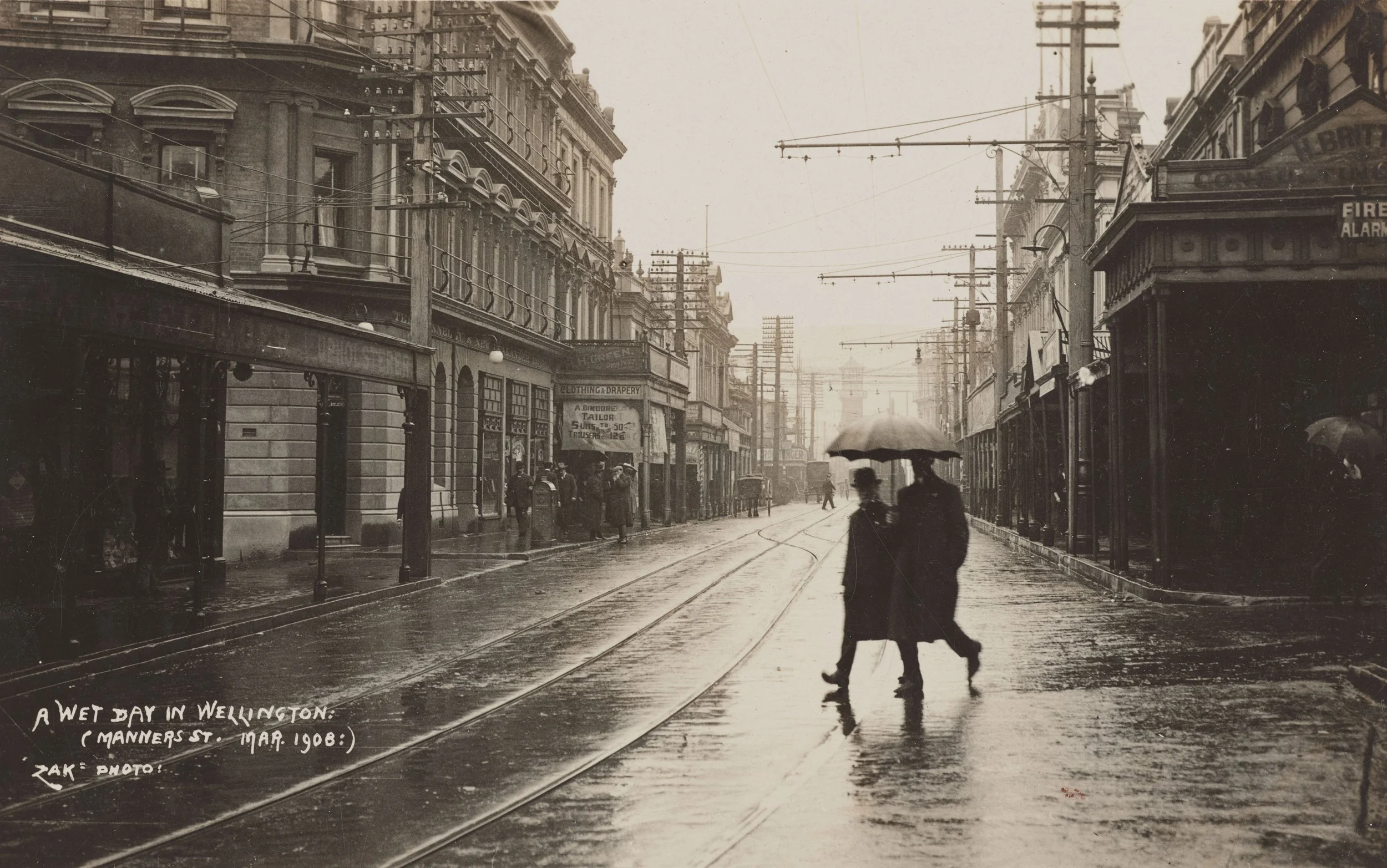
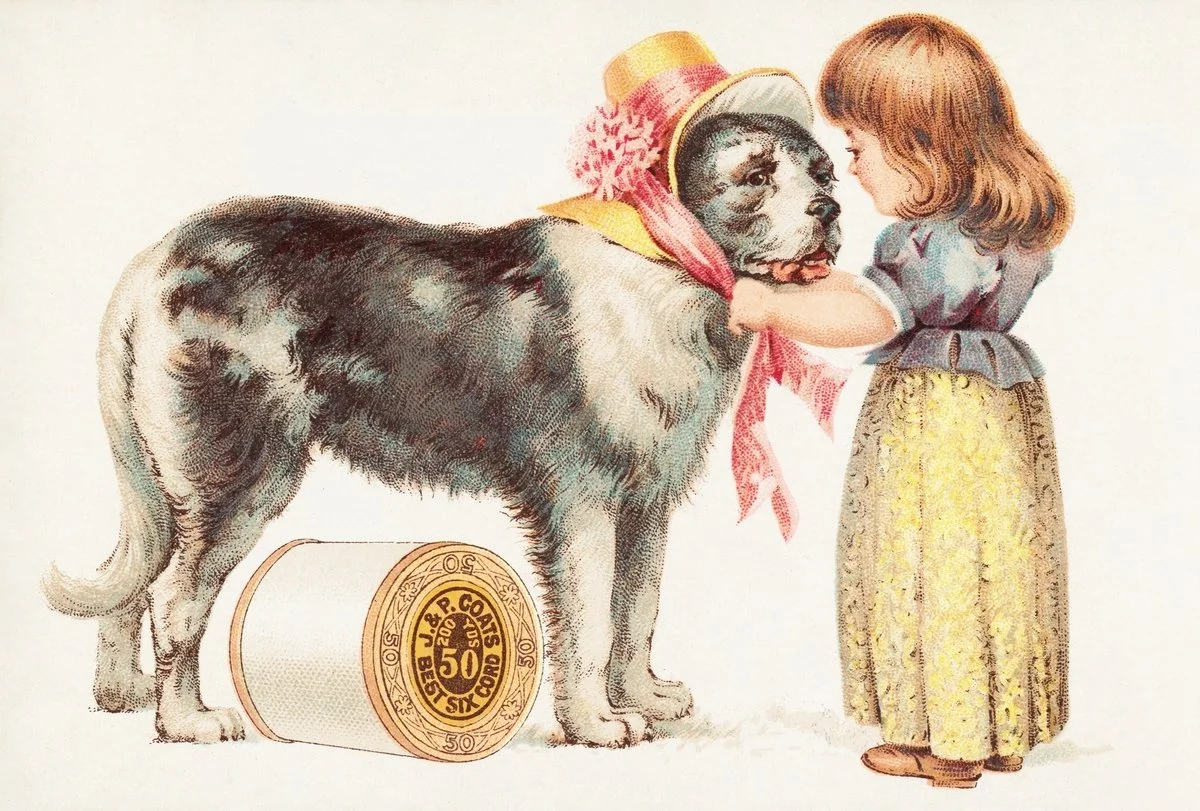
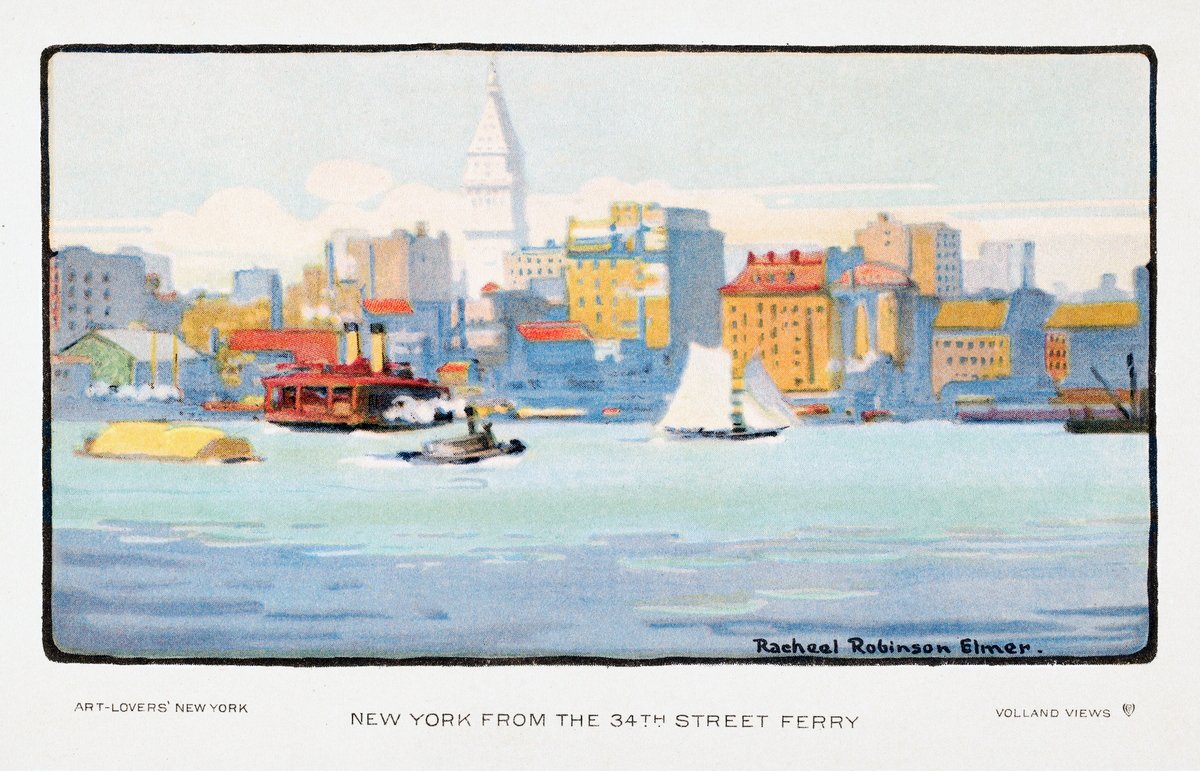


The best graphics to add to your family history book
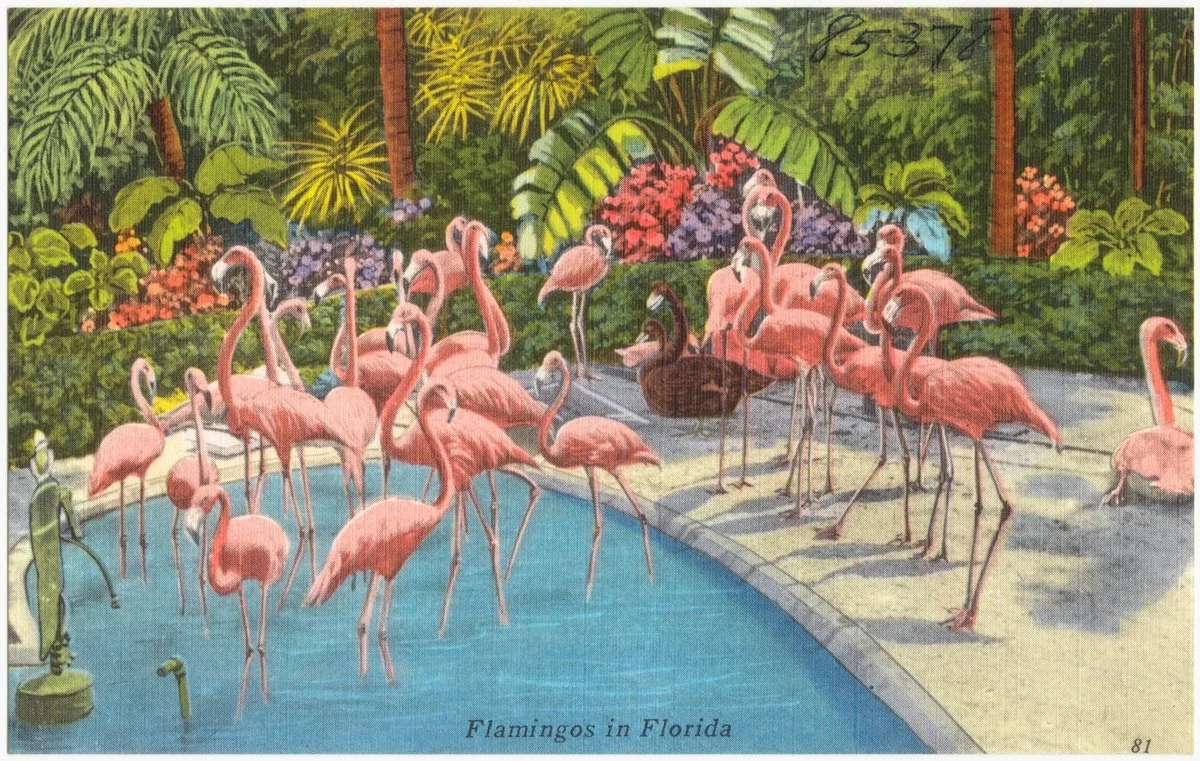
Beyond family photos: Consider adding vintage maps, family tree charts, and professionally shot images of special heirlooms to your family history book.
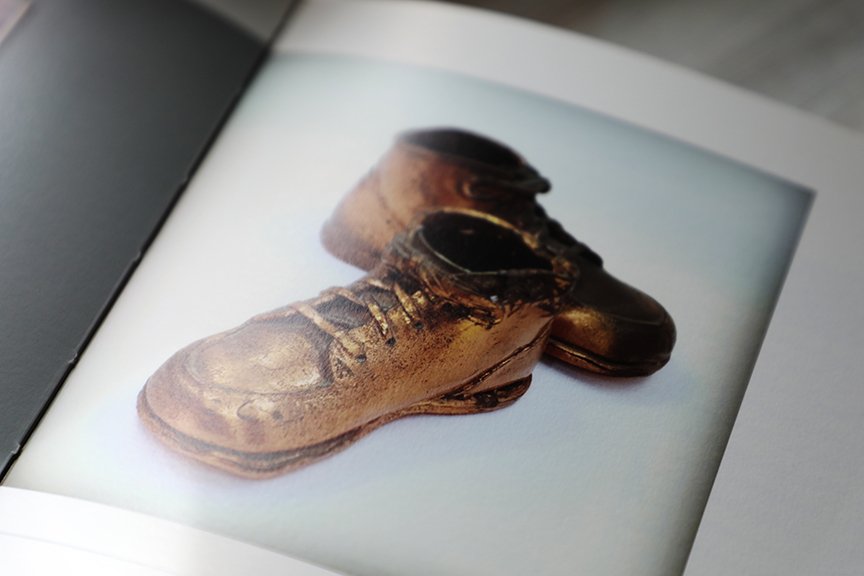
Shooting some of your family’s most treasured heirlooms for your book not only provides beautiful visuals to accompany your stories, it ensures that the details of those heirlooms will get passed on. These happen to be my bronzed baby shoes from 1970.
One of the more fun parts of putting a family history book together can be deciding what to include to visually illustrate your family’s stories.
Your first line of business is to sort photos and memorabilia and digitize it. (Some helpful resources for that include “How to Decide Which Photos to Use in Your Life Story Book” and, if you’re still in the early stages of planning your book, “How to Organize Your Family Archive as a Resource for Your Life Story Book.”)
Once all that’s done, consider these three types of visual media to add color, texture, and graphic appeal—all while helping to tell your stories clearly—to your family history book:
Family tree charts
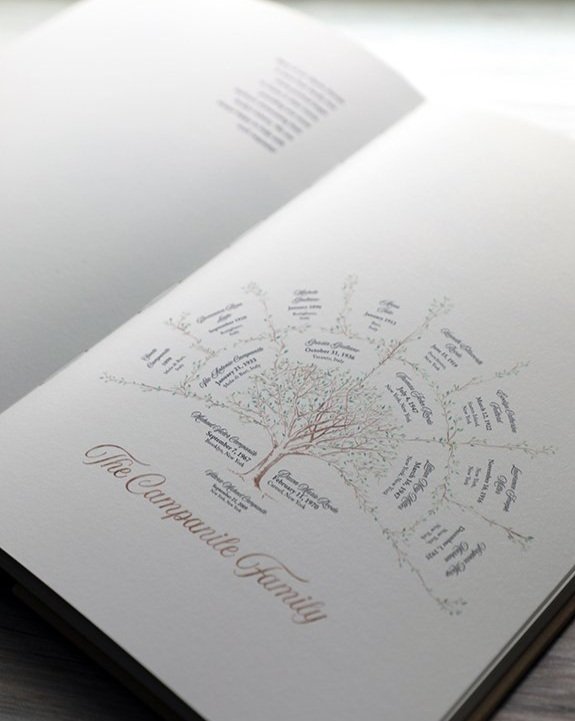
Family tree charts can be a simple ancestor chart such as this one, embellished with an illustrated tree and roots; or they can be extensive all-in-one genealogy documents listing multiple generations, with all relations including ancestors and descendants (the larger a family gets the more challenging it can become to print an all-in-one tree in your book; in that case, multiple graphics of each family line are recommended).
As the steward of your family history, you are abundantly familiar with the names of your ancestors—and, more importantly, of their relationships to you. But consider this: Future readers of your family history book will be separated by generations from their kin, and will not intuitively understand those relationships. A graphic family tree chart provides them with a visual reference that they can easily flip to for confirmation—Yes, that is my two-times great-grandmother!—and clarification—No, Great Uncle Pete was actually on my paternal side!
Search Instagram, Pinterest, and Etsy for “custom family tree” and browse the myriad styles out there. You’ll want to create a family chart that feels consistent with your book’s design (is it modern? traditional? fun?)—so either emulate one you like in your preferred design software, or hire a graphic artist to create one for you. Many designers provide you with a large-scale print to be framed but will also provide a high-resolution digital file for you to include in your book for an extra fee (trust me, it’s worth it!).
Photographs of family heirlooms
No doubt you’ve got some heirlooms sitting around your house that hold meaning (of course they do, otherwise why hold on to them?). Families often pass down the lore behind family heirlooms via good old oral storytelling, and I’m all for that. But to ensure that the provenance of those heirlooms, and the stories they hold, don’t get forgotten as new generations inherit them, it’s key to record their details.
A few notes on heirlooms: The word ‘heirloom’ connotes for many an item of import, and often one of high monetary value (think of Great-Grandfather’s grand piano or your mom’s passed-down diamond engagement ring, for instance). Value can derive from more than money, though (think of the family Bible in which family members have recorded—in their own handwriting—births, marriages, and deaths for more than a century; or the family recipes on grease-stained index cards that are pulled out every holiday).
Make a list of all the heirlooms, big and small, that hold meaning for your family (and remember, some may be kept at the homes of other family members). Then, decide on an approach for preserving their stories.
One idea: Use your smart phone to take clear photos of all the items (some from multiple views), print those out, and write their details on back (include who it originally belonged to and to whom it was passed down; any relevant dates; and bonus points if you also record a narrative remembrance about the heirloom, as well!). Make copies of these for interested family members, and store one in a bank vault or safe location so it’s secure in the long-term.
Another option: Use a high-quality DSLR or hire a professional photographer to get beautiful shots of your heirlooms to include in your family history book. For this use you want to capture photographs with studio lighting (pro-grade lighting set-ups are now easily portable, so photographers can bring them into your home) and that show strong detail. You can either create a full chapter devoted to your heirlooms and their stories, or you can pepper these photos throughout your family history book, including them where relevant (a shot of Grandma’s well-loved wooden spoon near her stories of holiday cooking, perhaps, or a close-up of that third-generation quilt near the ancestor who worked on it).
Using proper lighting and adding props to your family heirlooms help make the resulting photos worthy of inclusion in your heirloom book. How much more boring would these blue glass rosary beads be if they were shot simply from above on a table with your smart phone?
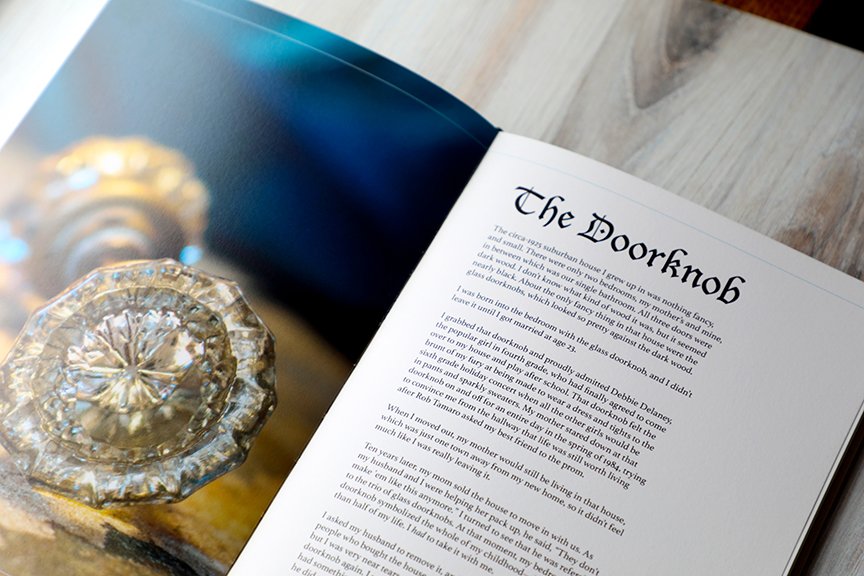
Heirlooms can be unexpected—such as this gorgeous glass doorknobs shown here: “I was born into the bedroom with the glass doorknob and I didn’t leave it until I got married at age 23,” the subject remembers; she uses the object as a jumping-off point for stories from her life in that home (she even took the doorknob with her when the house was sold—a true heirloom).
Historic maps
Reproducing maps within your family history book will help orient readers to the geography of your family and add a wonderfully historic feel to your book. Fair warning, though: While there are numerous resources for finding royalty-free digital maps spanning centuries, you’re in for some intense research to find exactly which map(s) will best illustrate your family history.
This article, “Old Map Collections That Every Family Historian Should Know About,” is one of the most comprehensive and helpful, listing 11 sources for researching vintage map collections.
One of my favorites is the David Rumsey Map Collection, which includes more than 150,000 maps that you can easily download and use. The interface can feel overwhelming, but there are gems to be found, including 1950s road maps from Shell Oil Company and
The Library of Congress map collections home page is a little more straightforward to navigate and has advanced search capabilities. Here you’ll find everything from maps and charts from the time of the American Revolution to fire insurance maps that get granular with street-level details; from WWII military situation maps to railway and other transportation maps.
You can also purchase basic city and country maps from stock photo agencies or freelance illustrators, or scan in maps from your family genealogy archive. Always be sure to check copyright details to ensure you have legal permission to reproduce chosen maps in your book.

An example of a vintage map you might include in your family history book: This one is an 1872 topographical map of Adams, Brown, Highland, Pike, and Scioto Counties in Ohio, originally published by Stedman, Brown & Lyon, Cincinnati, 1872; courtesy of David Rumsey Historical Map Collection. The Rumsey collection allows for downloads of varying sizes so you can ensure you have the highest resolution for printing in your book.




















Writing about your life is not a selfish act
It’s a common but wrong assumption—that telling one's own stories is “narcissistic” or “self-centered.” Truly, preserving your legacy is an act of generosity.
Writing about your life is an act of generosity, period.
When I meet someone new and the inevitable question, “What do you do?” comes up, I get two very different types of responses when I say, “I help people preserve their stories.”
Some people are intrigued and excited: “Oh wow, I never heard of that—how fabulous!” and “I wish I had captured my parents’ stories!”
Others are baffled and even, sometimes, indignant: “I don’t have any stories that would be of interest to anyone else” or “I’m not a celebrity, so why would I tell my story? It’s so narcissistic.”
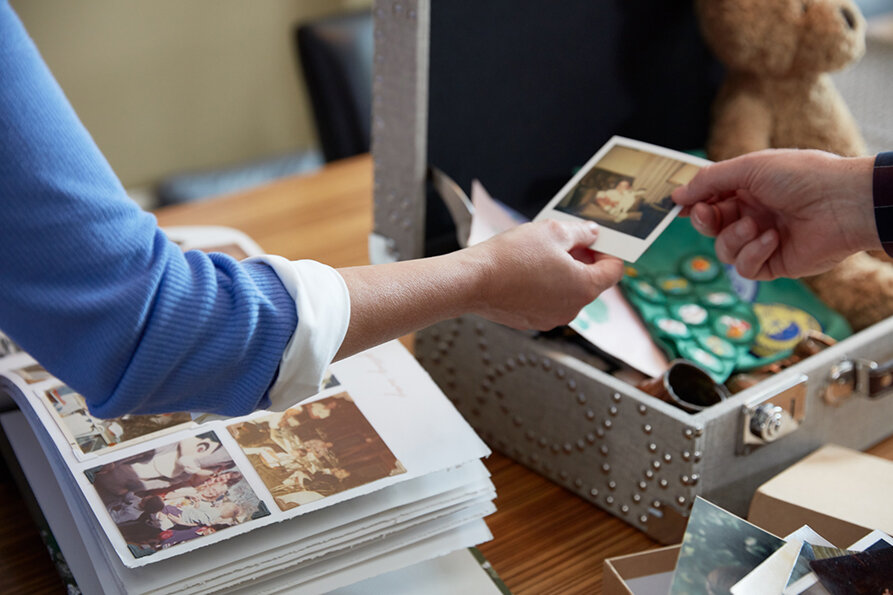
I’m here to tell you—with confidence and years of experience to back me up—that your stories matter, and it is NOT narcissistic to tell them. In fact, sharing your stories is an act of generosity.
Here, two distinct ways to think about writing about yourself as a positive endeavor rather than a self-centered act:
Flip the script: It’s selfish to withhold your story from your descendants.
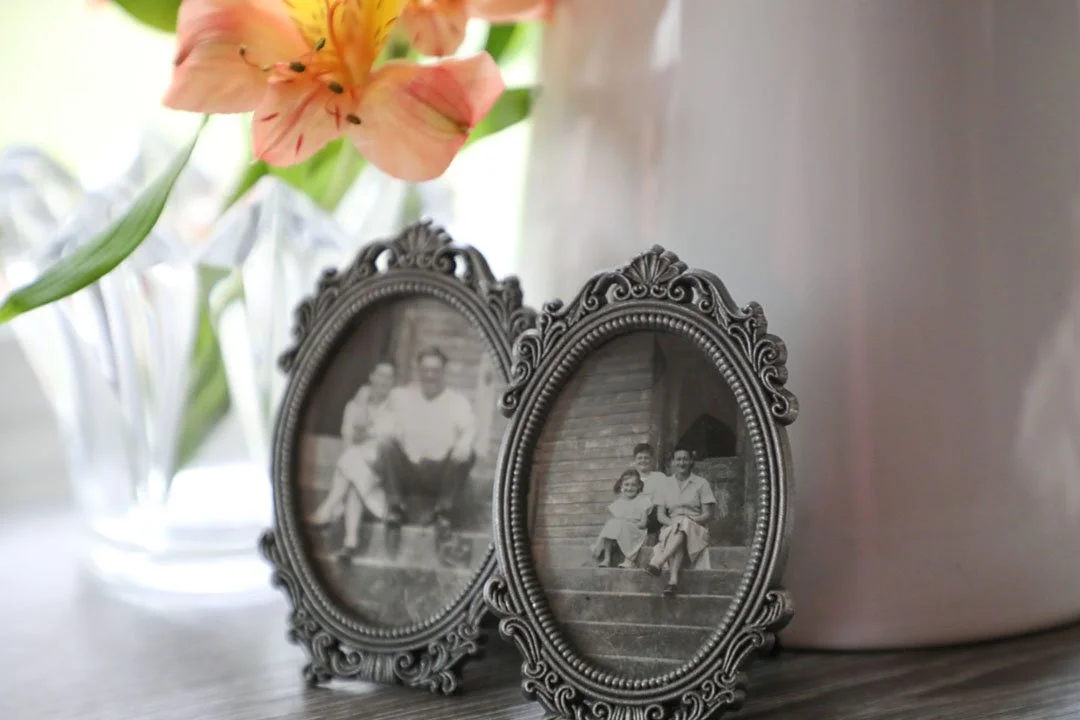
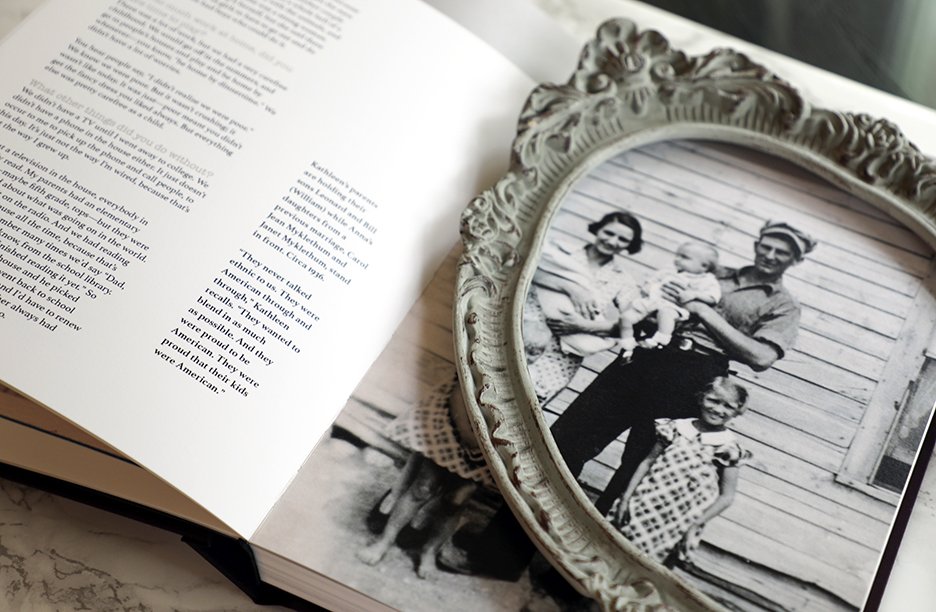
Are there things you wish you knew about your grandfather? How would you feel if your mother passed on a book of stories and photos about her life? Can’t you imagine your own kids engaging with stories of the great-grandparent they never had the privilege of knowing?
It’s a rare gift to receive such a legacy from a loved one.
“To share our story with someone is to say, you matter to me,” Rabbi Steve Leder writes in For You When I Am Gone.
So, I ask you to consider how blessed your descendants will feel when you take the time to preserve your own life stories for them. Let them know you as a full person with lots of lived experience, not just as their father or grandmother.
“Yours may be the words that relieve another’s isolation, that open a door to understanding, that influence the course of another’s path,” Tristine Rainer writes in Your Life as Story. “If you write an autobiography for a great-great-grandniece not yet born, perhaps she will find it in her mother’s drawer, and she will be altered, perhaps even saved, through the wisdom you have sent her.”
Give your descendants this gift.
Your life is worth considering—for you.
“What a poorer and less beautiful thing life would be without the stories and values of the people who loved us and whom we loved most to carry us when they are gone,” Rabbi Leder says. Indeed.
But you know what? Carrying those stories within ourselves has value for us as individuals, too. Self-reflection—which is very different from self-aggrandizement—allows us space to look back on our experiences as growth and learning experiences.
Our lives are works in progress; and while our own story is continually being written, it is worthwhile to dive in RIGHT NOW to bear witness to our own journey, to allow our stories from the past to guide our decisions in the future, and to help us make sense of our experiences.
Barbara Haight, a foremost expert on the study of life review, asserts: “For many who reminisce, the story—the end product—is the most important outcome, but for others it is the therapeutic process of revisiting and reconsidering memories which is more important.”
So consider writing about your life for you. Write towards meaning, without thought for publication or sharing. Discover pieces of yourself on the page, and find joy and purpose in communing with your past selves.
If you’d like help with your life writing, please reach out to see how we can work together. No matter where you are in your personal history journey, I can help support and guide you.










Life Story Links: July 26, 2022
Personal historian Dawn Roode reads a lot about memoir, personal history, and memory-keeping—and she curates it every other week for family historians like you.
“If you don’t see that your story matters, chances are no one else will either. So even though it isn’t always easy, it’s important for you to find the strength to share your truth. Because the world needs to hear it.”
—Michelle Obama
What we pass down
FAMILY PICTURES
“Most photographs you come across have stories—you just don’t know them. I actually believe that the more that’s known about what a photograph shows, the more likely it is to survive.” Michael Johnston on the secret art of the family photo.
A MATRIARCH’S LEGACY
“This is the story of an heirloom that isn’t.” How a portrait of Jill Lepore’s Italian grandmother was lost and found and passed on to a new generation.
Memoir explorations
STUCK, FOR NOW
Last week I wrote about how I have been struggling with my own memoir writing, plus a three-step plan for a reset so I—and others struggling with project overwhelm—can get back on track.
QUESTIONS OF DESCENT
When the results of a DNA test change the family tree: Two new memoirs probe stories of uprooted identities, family origins, and uncovered secrets.
A KALEIDOSCOPE INTO A LIFE
“Memoir is always, it seems to me, a mix of power and vulnerability. You have the power of claiming the story and of claiming your interpretation of every part of it. And yet you are exposing.” Memoirist Margo Jefferson in conversation about the form.
WEAVING STORIES, UNRAVELING LEGACIES
When researching her ancestry in Colombia proves futile, Ingrid Rojas Contreras “relies instead on oral history, ultimately embracing its messy, unverifiable and disjointed nature” to write her memoir.
NARRATIVE MEDICINE
“These young doctors needed to tell their stories to one another. To process the significance of what they were doing every day, to reckon with the feelings that they were coming home with every night.” Jerome Groopman on Jay Wellons’s memoir, All That Moves Us, and why storytelling is part of being a good doctor.
Preserving pieces of the past
FADING FROM LIVING MEMORY
“You don’t need to tell people the entire narrative of the Holocaust, you just need the story of one victim to pass on with love.” Now is a “critical time” in preserving memories of Shoah’s survivors.
SECRET INGREDIENTS: PARIKA AND MEMORIES
“It’s the sweet burden of my origins and the everlasting loving memories of my grandmothers” that inspire Tibor Rosenstein, a Holocaust survivor, to preserve the legacy of Jewish-Hungarian cuisine in Budapest.
THE FUTURE OF THE PAST
An array of new artificial intelligence tools and memory-preservation programs “might change the way we collect history”—are they creepy or cool?
...and a few more links
Language, Please is “a living resource for all journalists and storytellers seeking to thoughtfully cover evolving social, cultural and identity related issues.”
A rare look at postwar Korea emerges from long-lost photos
Guidelines for writers giving feedback on work that discusses personal trauma
“Who Do You Think You Are?” has returned with new episodes on NBC.
Short Takes
I’m feeling stuck with my life story writing (can you relate?)
Sometimes a life writing project can become overwhelming—so much so that we stop writing at all. Get back on track with your memoir with this three-step reset.
When our memoir writing feels overwhelming and writer’s block sets in, sometimes a project reset is in order.
I spend my days helping people write their memoirs and craft their life stories into meaningful heirloom books to pass on—and yet, when it comes to writing my own personal stories, I have been completely stuck.
For a while I thought it was burnout, not having the energy to focus on my own stories because I was “storied out” from everyone else’s. But that’s not it.
Sometimes I think it’s my perfectionism creeping in—it has a habit of hindering my progress when I feel that something isn’t living up to my overly high standards (even though, as a longtime editor, I am fully aware that first drafts are meant to be anything but perfect!). But it’s not this, either, for I have done too little to even assess my storytelling as imperfect.
Could it really be that I am feeling overwhelmed by the task before me? How could that be when I work regularly to calm overwhelm and set priorities for my clients every single day? How could that be when I’ve written so much about how to approach your life story writing that I could gather it all into a book (hey, why haven’t I done that yet, either?!)?
Well, here’s the reason I haven’t been making progress with my own personal narrative: Despite knowing the steps—and despite having taken the first few of them—somewhere along the way I neglect my plan. I ignore the life timeline I’ve thoughtfully written; I start jotting notes in an entirely new notebook (separate from my previous writings, many on the same topics); and I keep going back to square one, thinking my newer ideas are more urgent than those I have already begun executing. I am tripping over myself constantly.
A project reset: 3 steps to getting my (and your) life writing back on track
I spent much of this morning procrastinating in the form of…
cleaning out my email inbox
scrubbing every surface in my office…and kitchen, and bedroom…
driving into town to run two errands that could totally have waited!
This is a routine familiar to every professional writer I know, but I feel no less guilty for knowing this.
The oft-repeated advice for escaping this avoidance routine? SIT IN THE CHAIR AND WRITE. That’s it. Just sit. And write.
But, to circle back to the first part of this blog post: I don’t know what to write. And so…a full project reset is in order.
If you, too, are feeling overwhelmed in the middle of your life writing endeavor, try this: Go back to square one and organize (or, perhaps, reorganize) everything:
Compile all your writing.
Gather all of your writing into one pile. Include journals (even the ones with a mere two paragraphs of personal writing within their pages); loose papers (even the notes scribbled on the back of bill envelopes); and printouts of writing you’ve done on your computer. If you’ve created a life timeline, have this on hand, as well.
Sift through your stories.
Set aside a block of time—likely between one and two hours—to review what you’ve got. Take notes about recurring themes you encounter in your writing, and about new ideas that come to mind during your reading. Are there glaring omissions? Blocks of writing that feel more complete than the rest?
Plan with intention.
Make a plan for diving back in to your memoir project with intention. Designate ONE place for your writing to happen (a single document on your computer, perhaps, or a preferred notebook for handwritten musings). Decide on a major theme for your project, and file any writing that does not adhere to this theme in a folder marked “future writing.” And finally, set some reasonable goals for yourself: Will you write a little every day, or for a chunk of time every Saturday, perhaps? Do you aim to have your stories compiled into a book (if so, you may want to start gathering photos as you go). Are there holes in your storytelling that may need further research—a conversation with mom or a sibling, maybe, or a trip to the library? If so, sketch out a plan for moving forward with all those elements.
Sometimes our storytelling gets muddled. There’s so much we want to say, we’re scattered in our approach, we start and stop so often that we lose our place. It’s all okay. So I tell myself, and so I say to you! Hopefully, a reset is all we need. It’s what’s on my agenda for tomorrow, now that my home is squeaky clean and, fingers crossed, procrastination–proof…
Life Story Links: July 12, 2022
Personal historian Dawn Roode’s curated roundup of stories of interest to family historians includes first-person reads plus tips for life story preservation.
“Take nourishment from good stories…. Because it’s the art of the storyteller that reminds us that there is not just one single answer to human dilemmas.”
—Gianrico Carofiglio
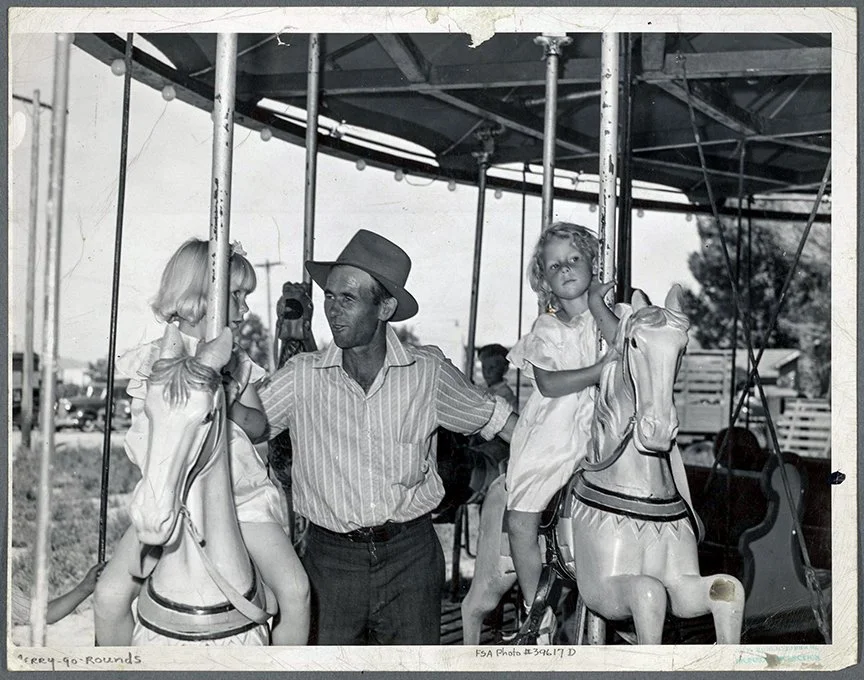
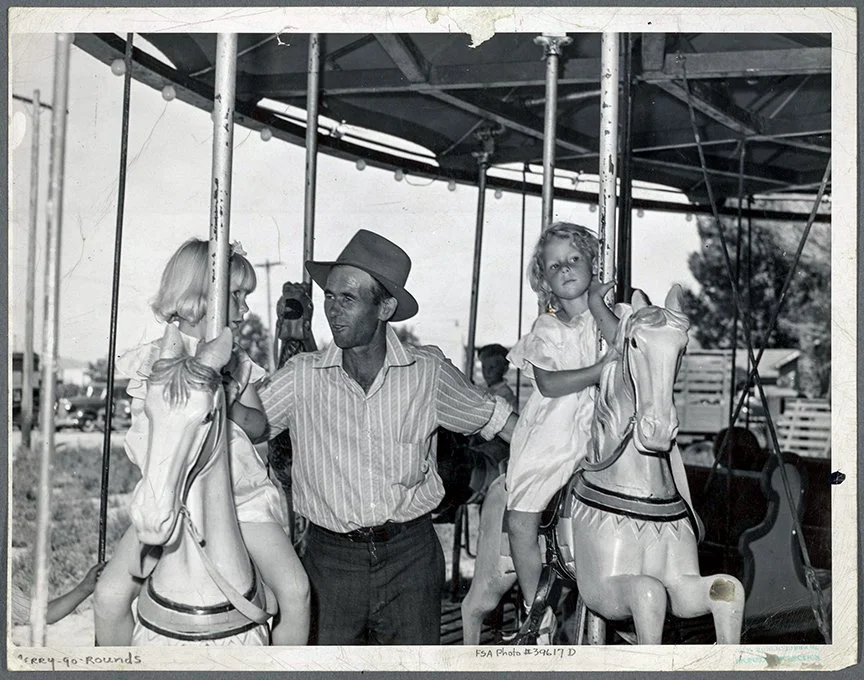
Vintage photo of a father with his daughters on a merry-go-round during the Fourth of July carnival in Vale, Oregon, in 1941. Photograph by Russell Lee for the Farm Security Administration, courtesy of The Miriam and Ira D. Wallach Division of Art, Prints and Photographs: Photography Collection, The New York Public Library Digital Collections.
Pro tips for diy family history preservation
AND NOW, VISUAL STORYTELLING
When the writing of a memoir is finished (hurray!), the next step is gathering photographs to include in your printed book. Last week I shared my top tips for picking the best images to include in your life story book.
FOOD STORIES, GATHERED
“One of the best ideas for a family reunion is to make a family cookbook that documents all the family recipes (and recipe rivalries!) in one place.” Here, top tips on how to tackle your family cookbook together.
WRITING YOUR TRUTH
“When you include people besides you in your story (how can you not?), someone will not like what you write about them. They will call you liar. I don’t think that should stop you.” Vanessa Mártir on the complicated nature of writing about family.
Stories through stuff
FAMILY HISTORY CONNECTIONS
“I don’t see my great-grandfather’s imprisonment as a stain on the family, like ink spilled on the fabric of the baby quilt his daughter would go on to make for me,” writes Megan St. Marie, an Amherst, Massachusetts–based personal historian in this piece inspired by a family heirloom.
HUMAN STORIES TOLD THROUGH OBJECTS
“A young child’s diary, a favorite doll, a cookbook of family recipes, a report card, a Torah scroll smuggled to the United States, and a silver spoon found among the rubble at a concentration camp”—these are among the 750 artifacts accompanied by first-person testimonies in an expansive new permanent exhibition at the Museum of Jewish Heritage in Lower Manhattan.
HIS ABSTRACT ART IS HIS LEGACY
A neighbor was curious about George Westren and learned more about him after his death. Now he is helping cement the artist’s legacy by preserving—and showing—his artwork.
Recommended first person reads
AN UNEXPECTED ENCOUNTER
The few vintage images are as alluring as the words in this recounting of the downtown icon Michele Saunders’ “accidental getaway” with a literary legend James Baldwin.
“IT’S ALL ABOUT YEARNING”
“You look back through a reverse crystal ball at all the hoopla, sometimes not even believing you were there in that time... No time to sleep. No idea that you would someday grow old and no longer be the headline.” Susie Kaufman on nostalgia.
Stories and history
WRITERS PROJECT
Bookmark this collection to visit again and again: Contemporary writers reflect on 25 voices from the archives of The Atlantic—adding valuable context and linking to original stories that reflect a belief that ideas can change the world.
(JUST?) FAMILY LORE
“For a short time, our family’s history is the world’s history.” Chicago–based personal historian Nora Kerr on looking beyond the surface meaning of your family legends.
...and a few more links
Short takes
How to decide which photos to use in your life story book
When choosing photos for your life story book, consider emotional impact and storytelling interest—the right images will ensure your descendants are drawn in.
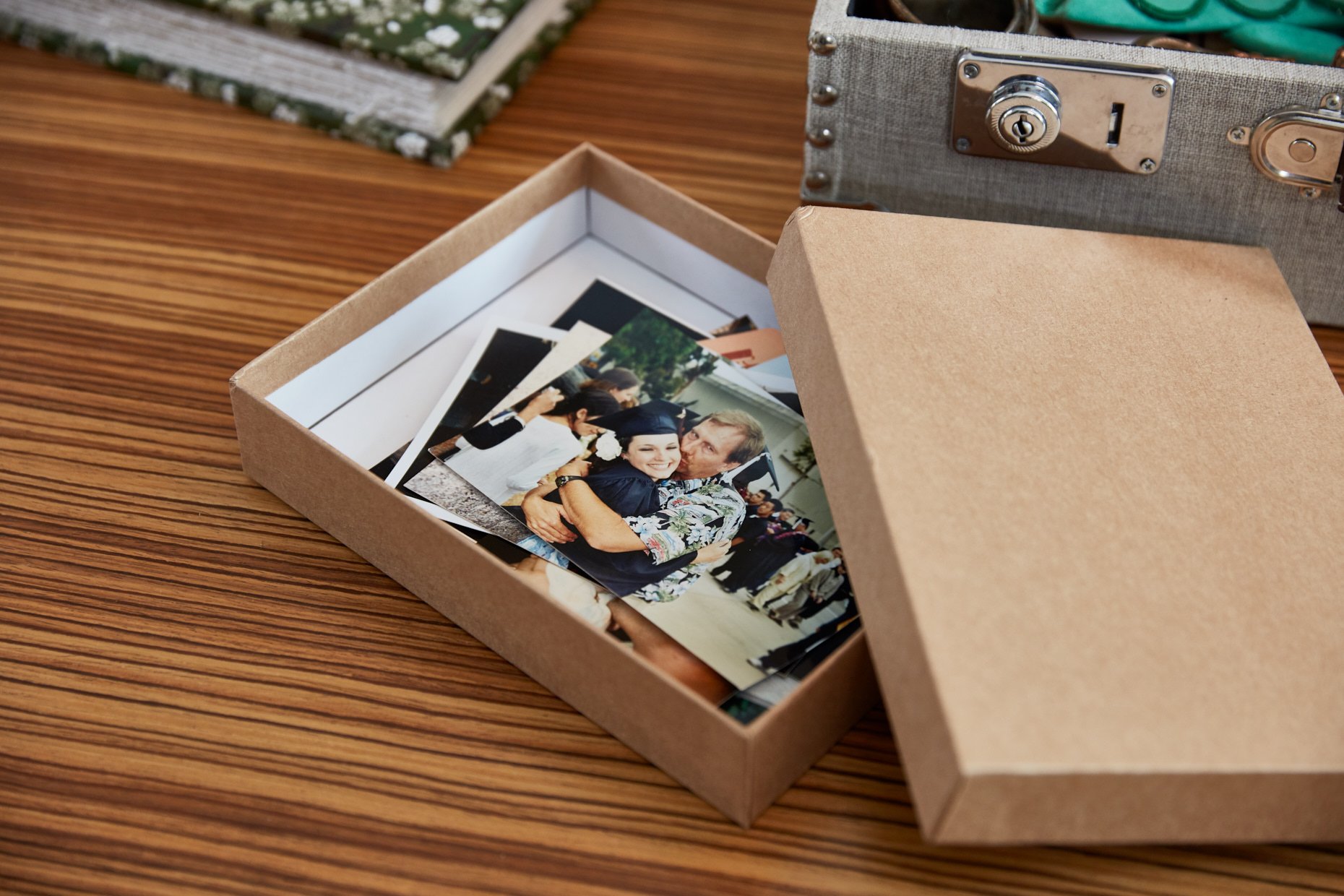
Rule number one: You don’t want to use ALL of your photos in your life story book. Thoughtfully choosing which pictures help tell your story—and elicit emotions—will produce a finished product that feels inviting and impactful.
You’ve finished your memoir manuscript or your personal history interview sessions and are itching to move on to the design stage of your life story book—but first, photos! Choosing which images will make it into your book can be a daunting task. Having done some pre-project photo organization will help, but honestly, it comes down to keeping two principles in mind:
Choose photos that have emotional impact.
Choose photos that help tell your stories.
You want to choose images that not only help you tell your story, but that make the readers of your one-day book feel something. Because, remember this: While you and your friends and family will enjoy your life story book now, it’s your kids’ kids—those future descendants you may never meet—who will one day flip through the pages of your book and wonder: Who were you? How did you live your life? What made you laugh and cry and feel afraid? How were you like them? How were times different?
The photos that accompany the written stories in your book serve not only to amplify and illustrate those stories, but to draw folks in. So choose varied images. Make some really big (how I love a full-bleed photo!). Make others small, along a timeline or in a grid. And, unless you only have a handful of old photos in your possession, don’t include them all: You must curate them, choose photos that serve your story and your audience, that add context and color and visual interest.
Choose photos that make us feel—because, again, it’s all about emotional impact. Beyond that, here are a few tips for choosing the best photos for your life story book:
4 tips for curating your life story book images
Zoom in and zoom out.
Choose photos that show a scene in context—the whole family standing around in your backyard during a get-together, for instance; and then include a detail shot—your child’s hands holding a stick roasting s’mores over the fire pit, perhaps. Your readers will feel invited into the scene by the zoomed-out shot, and feel emotions (nostalgia, comfort, love!) well up from the intimate detail shot.
Choose people when possible.
Do you have some stunning pictures of the Alaska landscape from your trip there? Certainly consider including a scenic shot to set the tone of a chapter, but opt instead for the photos that show you in the scene to aid in your storytelling. We connect with people.
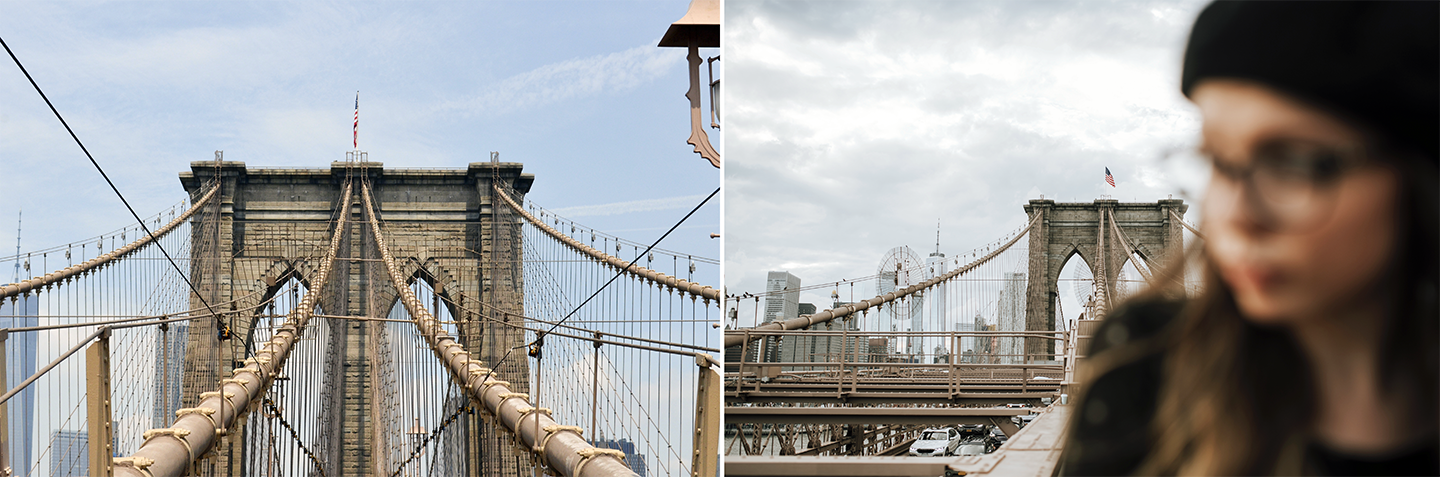
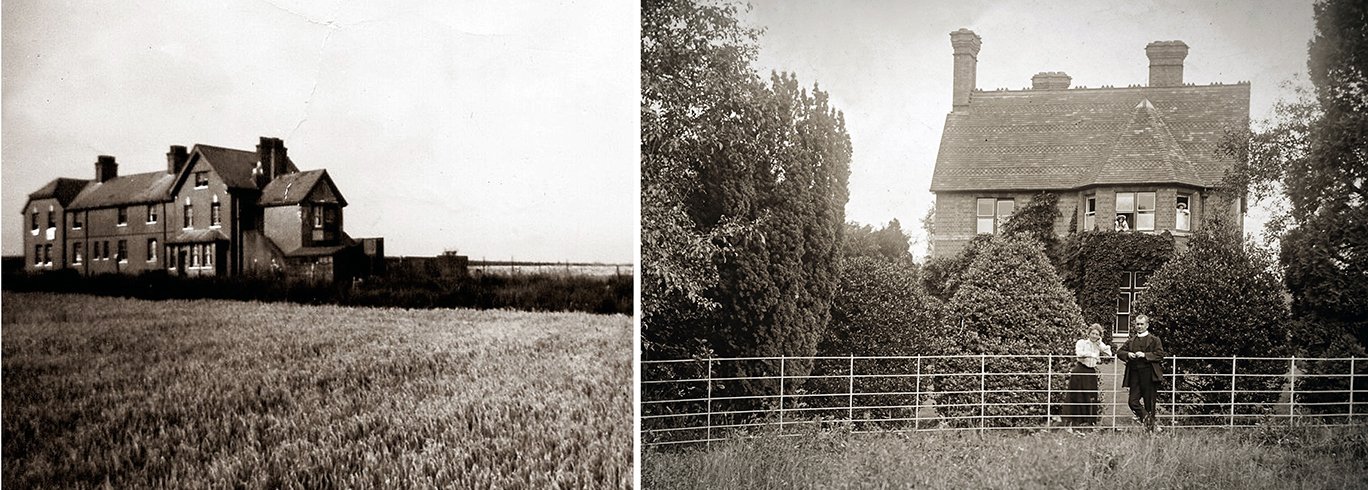
The image on the left, above, would be great in a travel album, but the one on the right—which shows not only the Brooklyn Bridge but the person who was visiting—is better suited to a family history book. Below, wouldn’t you agree that the photograph of an old family home resonates more when there are people in the frame, too?
Let details shine.
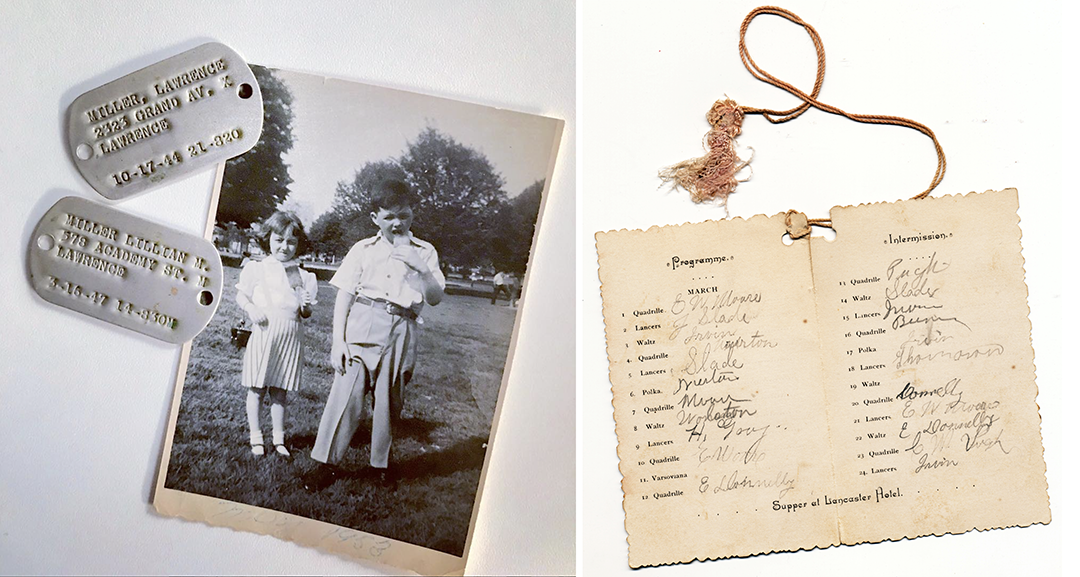
Nanny’s floral-print house dress. Momma’s slim cigarette burning to ash in a glass dish on the kitchen table. The framed prayer card with rosary beads hung over it on the mantle. Pop-Pop’s cane leaning against the wall. Scout out details in your photos that bring your family’s stories to life. And don’t just think about homespun details—consider those that reveal history in a broader sense: Grandpa’s World War II dog tags, a photograph of your ancestors in their hometown before immigrating, a headline on weathered newsprint. Such particulars add nostalgic flavor and ground your stories in history.
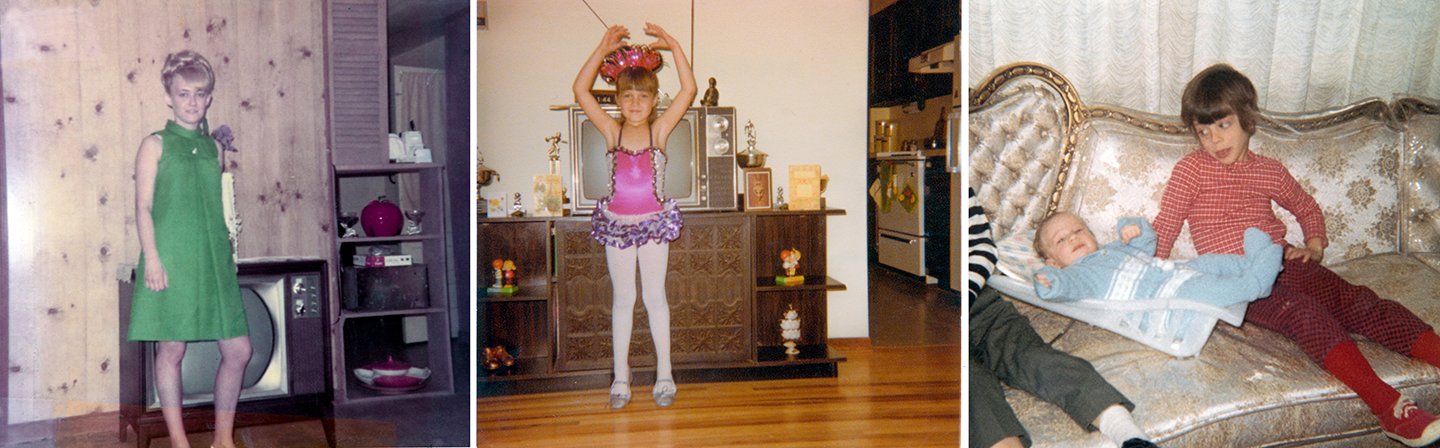
In all three photos above, details—from the old television boxes to the wood paneling to the trophies and the plastic-covered couch—provide texture and context, making them fun choices for your life story book.
Another idea, below: Photograph small items that bring your stories to life, such as these Civil Defense Identification Tags from the 1950s (these belonged to my mom and her brother) or this tasseled dance card from 1889 (a cherished memento from a former client).
Always go for personality.
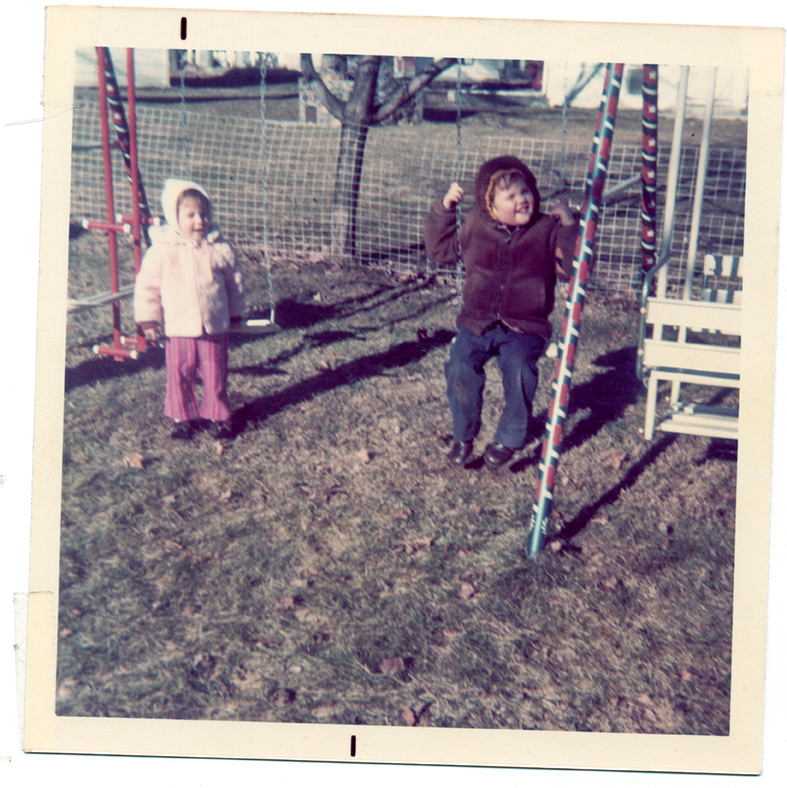
I gravitate to a candid photo over a posed shot every time. Think about it: That picture of your dad as a handsome teenager laughing as he almost drops his sister into the pool has way more personality than the studio portrait of them side by side in their Sunday best. I am not saying not to use those polished portraits, but rather to use them in straightforward ways such as on a graphic family tree, or early in your book to identity people. Then, enlarge the images that have motion and humor and joie de vivre—I guarantee those are the ones your descendants will connect with and be drawn to years from now!

Candid photos are vibrant—they jump off the pages of your family history book with energy and life. Certainly used those posed pictures and studio portraits to identify family members, but don’t forget to include images that show your loved ones’ personalities, as well.