
Memories Matter
Featured blog Posts


READ THE LATEST POSTS

Life Story Links: June 3, 2025
Dawn Roode’s curated roundup for the week of June 2, 2025, includes recent stories of interest to personal historians, preservationists, and family history fans.
“You are the landlord of your own soul. Let the words, the memories, the imaginings pour white-hot onto the page. You can decide later what they are, what they might become, and when it is time to show them to someone else.”
—Pat Schneider, Writing Alone and with Others
Vintage postcard depicting a black-and-white photograph of children on the shore at an Asbury, Park, New Jersey, beach, postmarked 1933, from the personal ephemera collection of Dawn Roode.
Writing comes and goes
‘THE SILENCE KEEPS ITS COUNSEL’
“I’d hoped I could find words, or they would find me, to share my thoughts about life, memories, and spirit during this period of mourning after my son’s death,” Linda Joy Myers writes. “I discovered I couldn’t rush anything. I sat with no words longer than I ever have in my life, and now they are returning.”
WHEN STORIES SURFACE
“Some moments in life are so powerful, they don’t just mark time—they open a doorway to our memories and to how to live more fully in the present.” Sacred Stories’ Whitney Myers on the power of life transitions to invite reflection.
GOALS: WRITE EVERY DAY
“Every time I showed up to write, there was always something to say if I listened for it. The problem was that I ‘thought’ before I acted, and felt ‘fear’ before the freedom that came in trying.”
The stories of our lives
CREATING A FAMILY ORAL HISTORY
“As a new mother herself, [Nicole Wong] realized she’d become ‘the person who holds the information now’—and that time was of the essence to capture it from her parents.” The author’s quest to learn Mahjong from her parents’ generation turned into a deep exploration of family history—and here, her experience is used as a jumping-off point for valuable guidance on interviewing your family members like an oral historian.
PRESERVE YOUR FAMILY HISTORY LIKE AN ARCHIVIST
“You never know what will have value in 50 years, or what will help be evidence to fill in pieces of a puzzle later on.” KQED spoke to experts on how to best preserve family documents, digitize records, and how best to connect with organizations who may be interested in your personal archives.
REMEMBERING THE FALLEN, ANY TIME
Memorial Day may be passed, but I hope you’ll be inspired by these three ways to honor the legacy of someone who died in service, whether or not you have a family member who served and died for their country.
Miscellany
FRIEND—AND BIOGRAPHER
“In composing his biography, the wonderfully titled Peace Is a Shy Thing, Vernon appears to have tracked down most every individual who crossed paths with [Tim] O’Brien and had an interesting anecdote to tell.”
USING TECH TO STAY CONNECTED
Discover when and how to use digital tools with someone who has dementia, what types of tech can stimulate storytelling and memory, how to record and preserve family history and legacy, and more in the following conversation:
...and a few more links
“Memoir, memory, truth, and fiction mix it up in the ‘Taj Mahal’”
Palliative and hospice care experts about what they’ve learned from their patients.
planning ahead for the large digital legacy you will leave behind
MyHeritage and ScanCafe partner to digitize and preserve family memories.
As Google Photos turns 10, it now hosts more than 9 trillion photos and videos…
…plus, 10 ways (some new) to celebrate a decade of memories through the app.
Short takes


3 ways to honor the legacy of a family member on Memorial Day
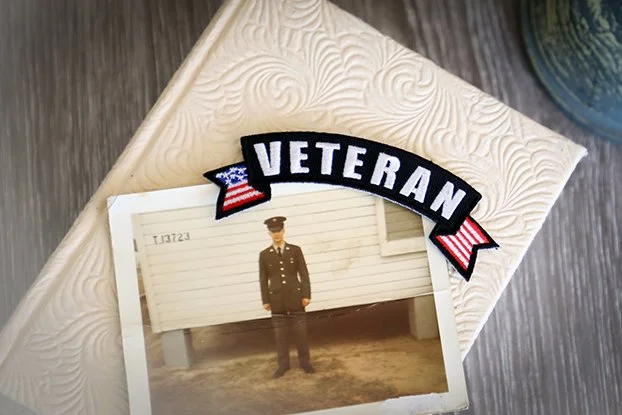
The holiday’s meaning often gets lost amidst long weekends and cookouts, but we’ve got easy ways to remember loved ones who died in service.
Memorial Day has come to be seen as the unofficial start to summer in the United States, ushering in warmer weather (if not the actual summer season). Its meaning is often lost amidst long weekends and cookouts, but let us not forget, it is a day on which those who died in active military service are honored.
Here are three ways to honor the legacy of someone who died in service, whether or not you have a family member who served and died for their country.
Intentionally remember your family member who died in service.
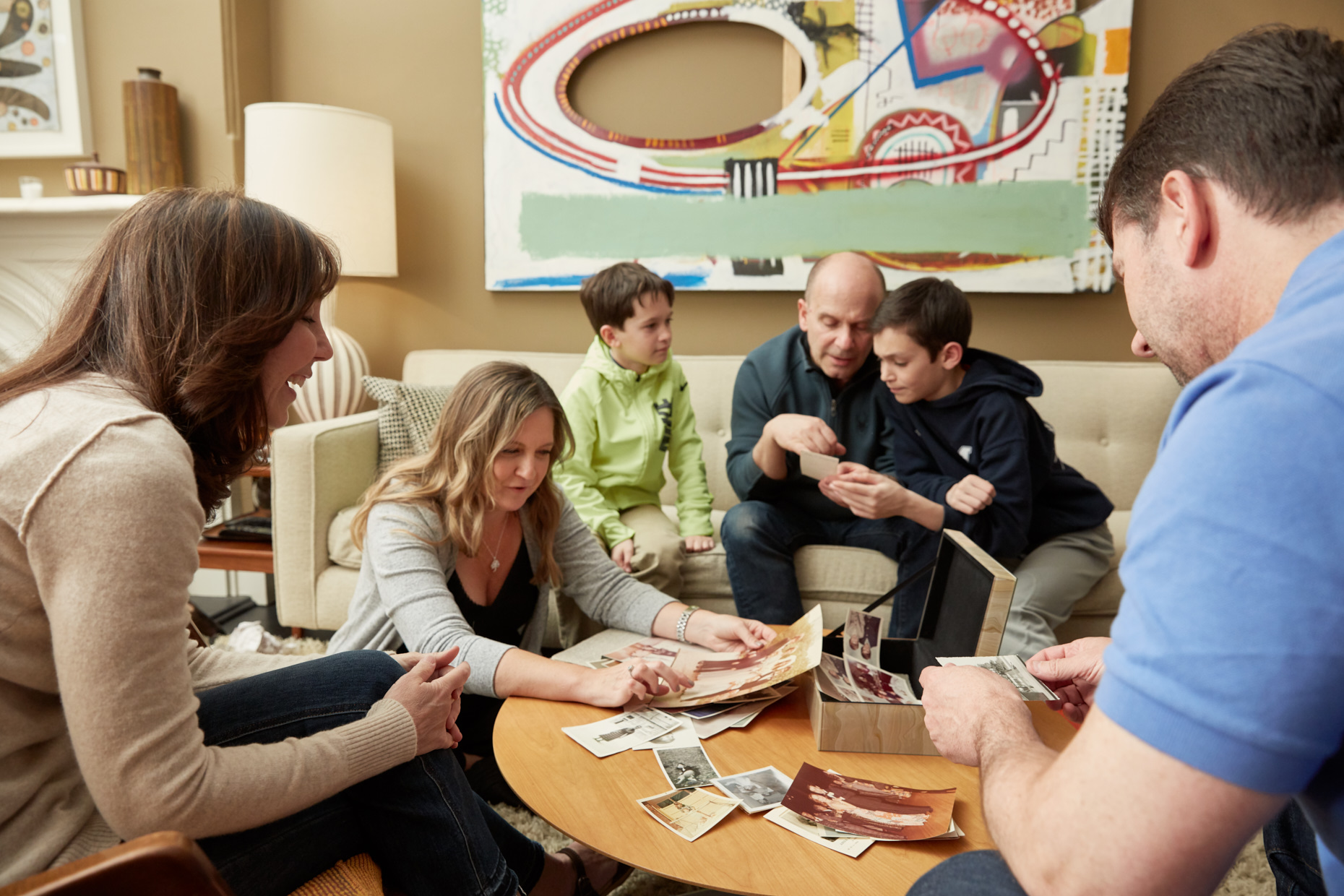
Set aside time to actively remember your loved one. This could mean looking through old photographs, reading letters they wrote, or sharing their story with your family. If they are buried in a military cemetery, consider visiting their grave to leave flowers or a flag. You might also take a moment of silence or raise a toast in their honor during a family gathering. Small acts of remembrance help keep their legacy alive.
Invite stories from other veterans in your family or community.
While it may be outside your comfort zone to interact with people you’ve never met, Memorial Day presents a unique opportunity to talk with living veterans in your community. Libraries and senior centers often have intergenerational conversation groups, or consider a senior who is loosely in your circle who you’d like to know more about (the grandparent of one of your kid’s friends, for example, or a shopkeeper who you know casually). Ask them to share memories of any of their fallen comrades, or simply listen to their own experiences. Record these conversations—whether in writing, audio, or video—to preserve their stories. If they are comfortable, consider submitting them to a veterans' history project or helping them create a family archive. These firsthand accounts add richness to history and ensure that the sacrifices made are never forgotten—and moreover, they shine a light on a single individual and create sacred space for them to share stories from their life..
Visit a local cemetery and photograph headstones for the Find-a-Grave website.
One way to contribute to the collective act of remembrance is by helping document gravesites for historical and genealogical records. The Find-a-Grave website allows users to upload photos and information about burial sites, ensuring that the names and legacies of fallen service members remain accessible to future generations. If you visit a cemetery on Memorial Day, take a few extra moments to snap photos of military headstones and upload them to the site. This simple act of digital preservation can be incredibly meaningful for families searching for information about their ancestors.
Honoring a family member who died in service doesn’t have to be limited to Memorial Day, but this holiday serves as an important reminder to pause and reflect. Whether through personal remembrance, community storytelling, or historical preservation, you can help honor a loved one’s legacy in a way that feels meaningful to you.
















Life Story Links: May 20, 2025
Dawn Roode’s curated roundup for the week of May 20, 2025, includes recent stories of interest to personal historians, preservationists, and family history fans.
“As a bird must sing, it’s your human nature to tell your story.”
—Tristine Rainer
Vintage postcard depicting a black-and-white photograph of German performers circa early 1900s, from the personal ephemera collection of Dawn Roode.
Our lives, our stories
THE PUZZLE OF YOUR LIFE
Last week I wrote about writing towards your memoir. “Write, then write some more; read, analyze, tweak; then write some more. Then, as you begin to uncover patterns, you can MAKE something of what you have written.”
LEGACY PLANNING
“Nostalgia has its place. But if you're aiming for cohesion, belonging, and wise stewardship in your family’s future, story isn’t just a nice-to-have. It’s strategic.”
GENEALOGY: SIDEWAYS STRATEGY
“Because living relatives possess what dead ancestors cannot give you: context, stories, photos, and artifacts that bring your family history to life. This is how you transform genealogy from a sterile collection of facts into a vibrant family narrative.”
CREATIVE NONFICTION MASTER
“There is no higher praise for a work of factual writing than to say that it reads like a John McPhee book.” Read an excerpt from Looking for a Story by Noel Rubinton by Peter Hessler (May 2025, Princeton University Press).
The family history we feel and seek
THREADS OF TIME
“As the world has changed, so has my family story. Not the facts or the bones of the narrative arc, but the meaning made and the memories I lean upon. And, more importantly for the shape of the story, as the world has changed, so have I—the narrator.”
‘THE END IS THE BEGINNING’
“I relied on memory, lived experience, stories my mother, my sisters, or other relatives or friends told me about my mother and her family before I was born, photos, scrapbooks, and research to evoke the milieu of my mother’s life.”
‘HIDDEN IN PLAIN SIGHT’
“From childhood, Julie Brill struggled to understand how her father survived as a young Jewish boy in Belgrade; in her memoir, she recounts how through exacting research, a bit of luck, and three emotional trips to Serbia, she returned to her father a small part of what the Nazis stole: his own family history.”
GENERATIONAL TRAUMA
“My grandmother, Nina, had always described her rural western-Ukrainian childhood in romantic terms. I would sit for hours in her Chicago kitchen while she told stories about the old farm, how every beet, potato, onion, and egg came from the family’s garden.”
A PERSONAL HISTORY OF HER MOTHER
Writing the book “raised the bar” on the empathy this writer felt for her mother as she understood the milieu her mother lived in and discovered the aspects that shaped her mother in the early years of her life.
‘FEEDING GHOSTS’
“The point at which I felt I had accomplished what I set out to do with this story was when, for the first time, my mother told me that she understood how much I loved her,” Tessa Hulls says of her Pulitzer-winning graphic memoir.
The past, in pictures
‘A PRICELESS INHERITANCE’
Curators in Memphis have begun the painstaking process of saving a trove of 75,000 photographs that capture middle- and working-class life. It will take years—maybe even decades—to complete.
JEWISH WWII VETERANS
“I grew up listening to their stories and perhaps this is why ever since I became a war photographer, I didn’t just want to photograph wars, but also the veterans who had fought in previous ones.” He captures their personal histories, too.
CHRONICLING OUR LIVES—INSTANTLY
The upcoming doc Mr. Polaroid tells the little-known story of the man behind the camera, a Harvard dropout named Edwin Land. Over a half century ago, before the smartphone, Land was dreaming up “a camera that you would use as often as your pencil or your eyeglasses.”
IN DEFENSE OF SOUVENIRS
“The Japanese have a word for when an object stirs a memory—natsukashii.” Physical keepsakes, whether priceless or prosaic, can be the most meaningful mementoes of a trip—here are 10 visually interesting ones.
...and a few more links
The pressure of ‘making memories’—is it the scourge of modern parenting?
Photographer captures the lives—and spirit—of immigrant moms in a striking and unexpected way.
New collection from Assouline is inspired by treasured family heirlooms.
“My grandfather was a Nazi executioner at Auschwitz—and I had no idea until 7th grade history class”
“A new biography of Mark Twain doesn’t have much of what made him great”
Short takes

Putting the pieces together (aka memoir ‘making’)
By holding as your goal the idea of ‘writing your memoir,’ you are focused too soon on the end goal. Instead, think about writing towards your memoir.
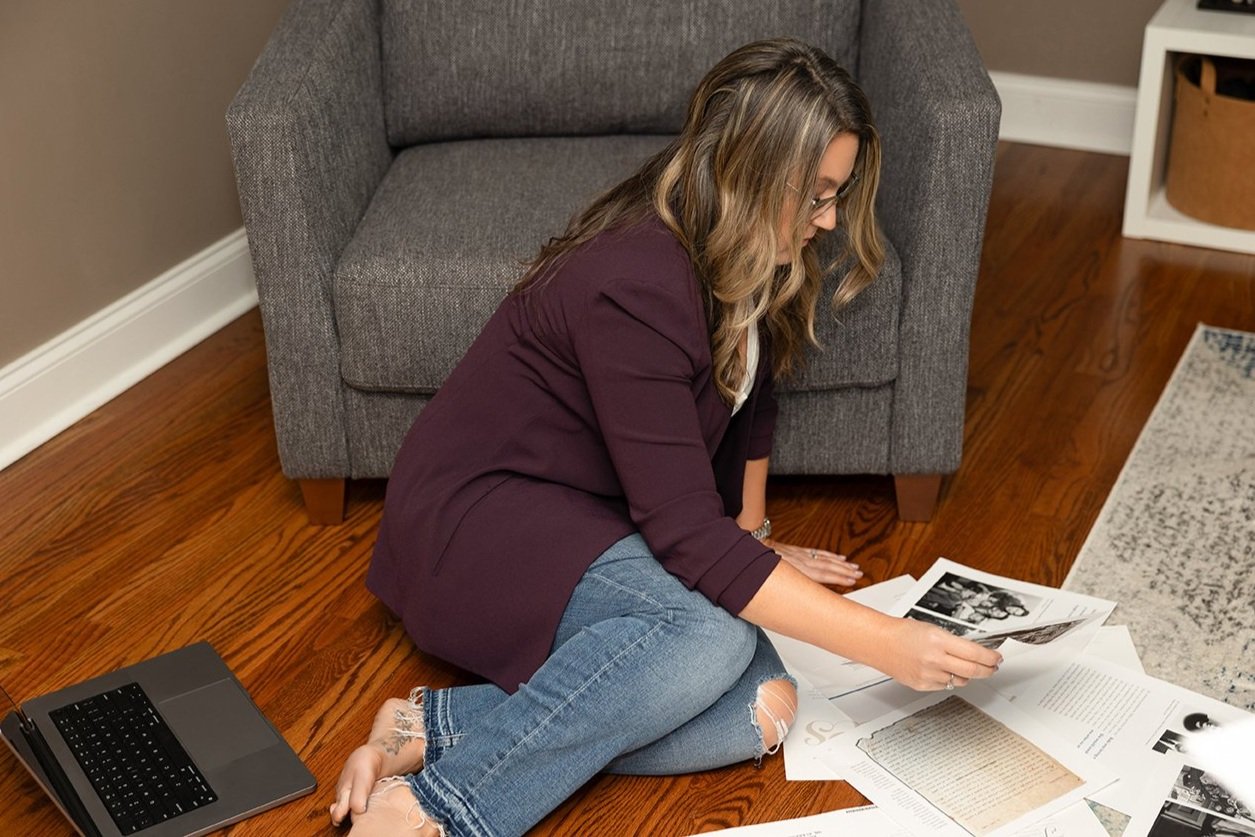
During the design phase of a personal history book, I often spread pages out all over my office floor to evaluate the book’s flow. Similarly, in the early stages of a memoir—when writings may consist of disjointed stories and short reflections without any narrative arc—I will spread pages out on the floor to look for patterns. Sure, you can do this on a computer, but I find this old-school approach much more efficient (and satisfying)!
It’s a rare individual who decides to write a memoir and knows out of the starting gate the path their writing will take. No, it’s much more common to decide to write a memoir…then to wander—to wander amidst memories, to wander on the page, even to wander in one’s commitment to the endeavor as a whole.
When coaching my memoir clients, it can often be helpful to talk about ‘making’ a memoir rather than ‘writing’ a memoir. It’s a small semantic shift, but an effective one. Why?
Well, whether we call it imposter syndrome or insecurity, many of us (me included) may find ourselves staring down a blank page and letting our imagination get the best of us—and who doesn’t have thoughts in those moments such as,
Why is this so easy for everyone else?
I read ______’s memoir, and it was powerful and clear—they certainly weren’t all over the place like me!
Where the hell is this writing GOING?!
But ______’s memoir—hell, every memoir written by a human—was in its early stages all over the place. Disjointed. Lacking a theme or narrative arc.
Every memoirist has wondered where the hell their writing is going.
How to gain clarity on your memoir’s theme
By holding as your goal the idea of ‘writing your memoir,’ you are focused too soon on the end goal, in my opinion. In reality, you are writing towards your memoir. So: Write, then write some more; read, analyze, tweak; then write some more. Then, as you begin to uncover patterns, you can MAKE something of what you have written.
As William Zinsser recommends in this brilliant piece (I recommend reading the whole thing if you have time), begin writing by following the memories as they come to you. Keep writing—short vignettes, slivers of memory, feelings from your childhood, favorite stories you’ve told a thousand times…
“Then, one day, take all your entries out of their folder and spread them on the floor…. Read them through and see what they tell you and what patterns emerge. They will tell you what your memoir is about and what it’s not about. They will tell you what’s primary and what’s secondary, what’s interesting and what’s not, what’s emotional, what’s important, what’s funny, what’s unusual, what’s worth pursing and expanding. You’ll begin to glimpse your story’s narrative shape and the road you want to take…. Then all you have to do is put the pieces together.”
Admittedly, “putting the pieces together’ may not be as simple as it sounds—but it is straightforward and fun, like putting a puzzle together: the puzzle of your life. Not your whole life, of course (a memoir isn’t an expansive tome covering every autobiographical tick on the timeline of your life), but the aspect of your life that has revealed itself in this exercise as holding meaning.
So, begin writing towards your memoir. One day in the future, I promise, you’ll be able to make it out of the raw materials you’ve penned.
















Life Story Links: May 6, 2025
Dawn Roode’s curated roundup for the week of May 6, 2025, includes recent stories of interest to personal historians, preservationists, and family history fans.
“This isn’t a tell-all because some of what I’m telling you is what I don’t know. I’m offering the absences, too—the spaces I know aren’t empty, but I can’t see what’s inside them. Like the white spaces between stanzas in a poem: What is unspoken, unwritten there? How do we read those silences?”
—Maggie Smith, You Could Make This Place Beautiful
Vintage postcard depicting a faded photograph of two daisies postmarked from Bari, Italy, in 1906, from the personal ephemera collection of Dawn Roode.
Between generations
A SURPRISE ORAL HISTORY
“I was impressed that my father put this project together with such care, resurfacing stories my family had long repressed. I was also dumbfounded that he somehow had zero follow-up questions when my uncle said he was ‘attacked by Malaysian pirates.’”
TIME CAPSULE
“Imagine opening a letter from your younger self, a glimpse into the dreams and anxieties of a fifth-grader. That's exactly what happened to a group of graduating seniors.”
SHARING, OR OVERSHARING?
“I share my life on social media; I share my life in my newsletter; now, I’ve shared my life in my book. [My son] is a massive part of my life, and because of this, for the first time in my decades of public oversharing, I have a reason to censor.” Arianna Rebolini on writing about your kid in memoir.
Our own personal histories
WHAT’S STOPPING YOU?
“I’m scared,” the prospective client told me immediately after calling me about undertaking a personal history project. So we delved into their why—and their fears. Then I decided to share some of these common anxieties…and how to alleviate them.
MEMORY MAPPING
Florida–based life writing teacher Patricia Charpentier invites you to sketch your childhood street and the layout of your home, labeling everything you can remember. As you create your map, old memories might float to the surface.
Fighting for the future
REQUIRING EXTRAORDINARY EFFORTS
“Whoever controls the archives controls history.” A look at why it is important for Ukraine to work on protecting and preserving archival collections during wartime.
HIGHLIGHTING—AND HONORING—MILITARY STORIES
“It was hearing their life story—it humanizes people. It’s easy to label people and put them in boxes, but we all have a story, we all have lessons, we all have so much value to give.” Retired Air Force vet’s podcast shares hero stories.
...and a few more links
The Memory Box, Charlotte’s Big Surprise—a new children’s book that tackles loved ones’ memory loss
Read an excerpt from Dirty Kitchen: A Memoir of Food and Family by Jill Damatac.
Presenting thw 2025 Pulitzer Prize winners, including those in Memoir and Biography.
Read an excerpt from the new biography Dickens the Enchanter by Peter Conrad.
Short takes
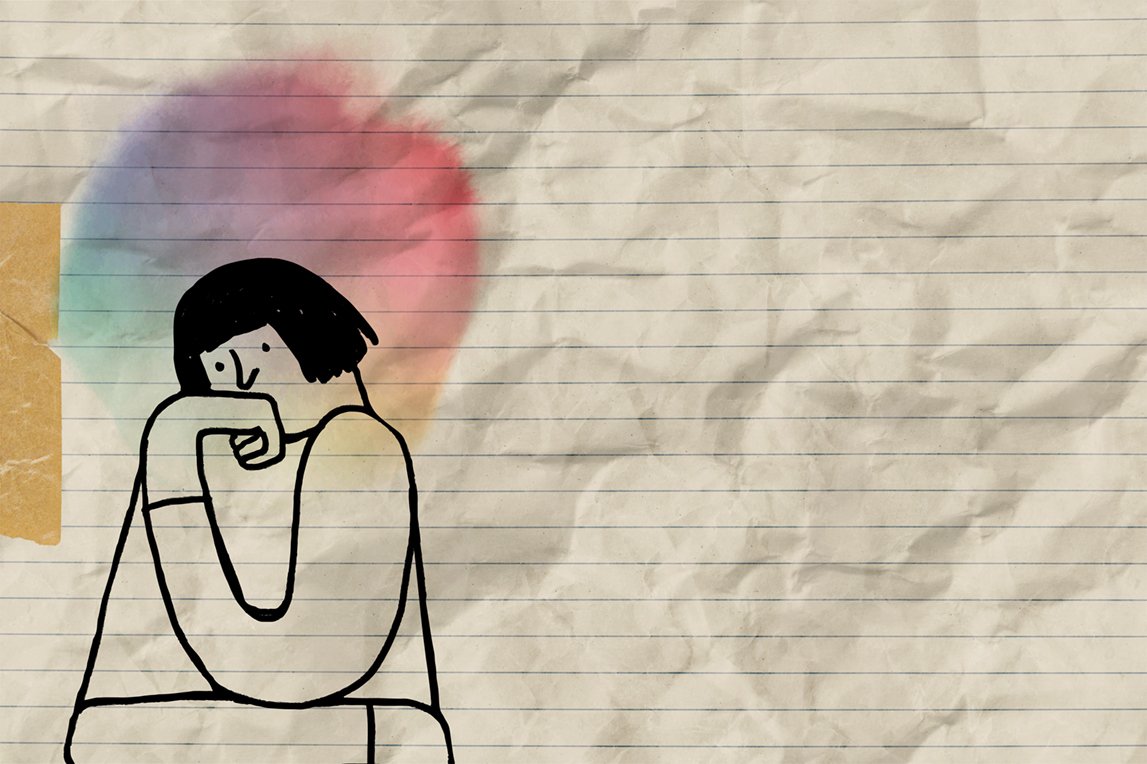
“I’m scared.”
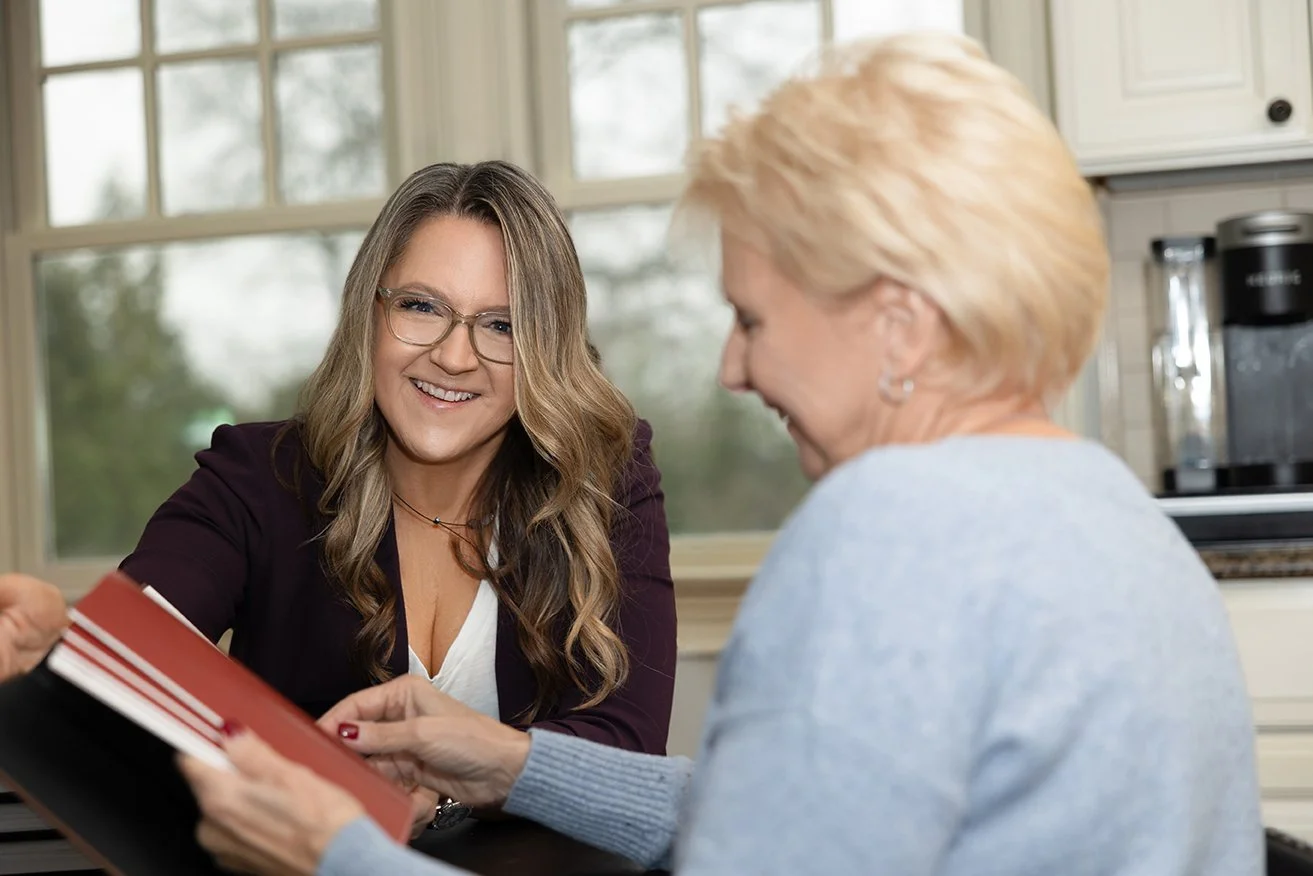
Are you nervous about undertaking a life story project? Working with a personal historian or memoir coach can help alleviate many of the most common fears.
Before I had even met with a particular prospective client, he told me has was scared.
He had filled out a form expressing interest in writing his life story. I replied to him within 24 hours, but did not hear back from him until about three months later. At that time, I urged him to set up a free phone consultation, so I could learn more about the project he envisioned. He scheduled that for a week later, then did not answer the phone when I called.
Then he emailed me: “I’m scared.”
That’s it—two words, but two words that hold so much weight.
Have you ever felt nervous about undertaking a life review project? Whether it’s a reflective memoir, an extensive family history, or just a few short stories encapsulating your favorite memories, starting any personal legacy journey can feel daunting.
Working with a personal historian or memoir coach can help alleviate many of the most common fears.
A few fears that my personal history clients have told me about over the years:
Fear that their family members won’t be interested in their life story.
This is one I hear ALL the time. And you know what? It’s often the case…for now. Your family members are living their lives, and likely taking for granted that you—their parent or grandparent—will always be there. But your stories are the gift they don’t yet know they want. Writing them now—even if it’s for them to appreciate later—is giving them an unequivocal gift.
Fear that they won’t remember enough to write a memoir.
Memories can be elusive. Especially for folks who don’t often share their stories around the dinner table or in a journal, accessing those memories might seem like an impossible task. But we professional personal historians and memoir coaches have plenty of tools and prompts at our disposal to help! Consider using this straightforward and EASY prompt that is guaranteed to yield surprising memories; use your senses to help you travel back in time; or consider picking up a journal designed especially to stir memories, like this one from Beth Kephart.
Fear that they will have a hard time managing their emotions when writing about traumatic life experiences.
It’s a common refrain that writing about hard times can be cathartic. It can, but as Lisa Cooper Ellison writes in this post, catharsis is just the beginning. Writing about trauma is generally only worthwhile—and valuable, even healing—when we can make some meaning out of it. “Writing well requires an open heart,” Ellison says. “That means you must relive a small portion of the incident as you write about it.” In other words, you will relive some trauma if you write about it—but while there’s no way around that, there are ways to cope with it. Limiting writing sessions that cover traumatic experiences to a half hour or so may help; allowing yourself to write from a distanced perspective will, too. Some people swear by writing groups or trustworthy readers to offer them support when writing about difficult experiences; and others find walking this path with a therapist is necessary. Make sure to include self-care as part of your writing ritual, and be gentle on yourself—if it feels too hard today, wait until tomorrow. Though it likely is a scary endeavor, writing into our trauma can be life-transforming for many. (And remember: You can do all of this just for YOU…write in a private journal, either as a first step, or as the thing itself; no one else need ever read your words.)
Fear about being vulnerable.
Exposing our emotions is scary. Remember that you are in control of what makes it into the final draft of your memoir, so if something feels too exposed, you can always cut it. But also remember that it’s our vulnerability, often, that proves most powerful for our readers. “Revealing oneself is an act of radical generosity: letting oneself be seen allows others to do the same,” Robin MacArthur writes. “And this vulnerability creates connection.”
Are you scared of taking the first step in preserving your life story for the next generation? Set up a free 20- to 30-minute consultation to see if working together can help settle those fears—and get you on the path to preservation.












Life Story Links: April 22, 2025
Dawn Roode’s curated roundup for the week of April 22, 2025, includes great recent reads on memoir, family history, life story writing, and legacy preservation.
“There’s basically an element of fiction in everything you remember. Imagination and memory are almost the same brain processes. When I write fiction, I know that I'm using a bunch of lies that I've made up to create some form of truth. When I write a memoir, I'm using true elements to create something that will always be somehow fictionalized.”
—Isabel Allende
Vintage postcard depicting an illustration of The Museum of Natural History in New York City, circa 1920, from the personal ephemera collection of Dawn Roode.
Our own stories…
WHAT WE REMEMBER
“It can be intensely rewarding to remember more of your life, but it takes time; if you don’t have time, you don’t experience the rewards, and so you become less inclined to prioritize the enlivening of your own past.”
FROM REFLECTION LAGOON TO FAMILY GATHERING PLACE
“Memories are bridges to the past, guiding us in understanding who we are and shaping where we’re headed,” film biographer and StoryKeep founder Jamie Yuenger shares at the “Remembrance Island” stop on the wonderfully imaginative voyage of reflection mapped out here (it’s worth the trip!).
A GUIDE TO THE ART OF JOURNALING
“Journaling as a process is utterly alchemizing, with practical applications in every area of one’s life and work. The journal is like a chrysalis: the container of your goopiest, most unformed self.” Read an excerpt from The Book of Alchemy by Suleika Jaouad, releasing this month…
…Then get a glimpse into Jaouad’s first intimate book event: “I began to feel relaxed and grounded, amused by what I was remembering and delighted by the way my memories led to other long-forgotten memories.... Journaling with these lovely humans was a resounding reminder of how soul-soothing and expansive it is to spend time on the page.”
WHAT HAPPENS TO OUR JOURNALS WHEN WE’RE GONE?
Would Joan Didion have wanted the world to see her notes on therapy? Readers can decide when Notes to John, which shows the writer grappling with guilt and vulnerability, is published next week. I pondered the question of what to do with one’s journals a while back, too.
Our family’s stories…
ECHOES THROUGH TIME
“That document you’re staring at? They touched it. Their hands were there. Their hopes were fresh. Their future— your past—was unwritten.” Why you feel connected to ancestors you’ve never met.
BE A FAMILY HISTORY DETECTIVE
There’s way more to family history than clicking on digital hints and scouring online genealogy sites. Last week, I shared three ideas for tracking family history clues IRL.
FINDING HIS ROOTS
As his hit PBS series Finding Your Roots closes its 11th season, the Emmy-nominated historian and celebrity genealogist Henry Louis Gates, Jr., explores his own family history.
‘I SEEK A KIND PERSON’
“Julian Borger’s haunting, revelatory book exists in the shadow of a parent who, like many survivors, spoke little about his past. Part of Borger’s task is to illuminate that anguishing tension between forgetting and remembering.”
In pictures
AN ODE TO VERNACULAR PHOTOGRAPHY
A family photo taken in 1950s Cape Town mirrors another from 1970s Kyoto or 1930s Rome. They are fragments of a collective memory, silent witnesses to what it means to live—to love, to grow, to remember.”
THE GIRL IN THE MIDDLE
“With her name in hand, I found her story—buried deep in legal files, memoirs, government records, and fading family memories.” Historian Martha A. Sandweiss on the history held within a single photograph.
Short takes
Become a family history detective (the fun way!)
There’s way more to family history than clicking on digital hints and scouring online genealogy sites. Here, three ideas for tracking family history clues IRL.
All of genealogy can be thought of as a treasure hunt or a detective mission: You’re searching for clues to the past, one document at a time. But beyond the paper trail, there are other paths you can follow to help you understand your ancestors’ lives, to flesh out their stories, and to add texture to your family narrative.
3 ideas for going on a family research adventure

Search for treasures at home.
Have you searched your attic and basement for boxes of photos or scrapbooks or other items your parents or grandparents saved? Too often, particularly when a family elder dies, we just stash these boxes away because we are overwhelmed dealing with logistics of the loss, or too emotional to rummage through them. Check out this free guide for tips on how to navigate that process, including what to search for, where to look, and how to handle the waves of grief that may ensue.

Search for treasures at family members’ homes.
Maybe you’ve seen a photo of your extended family on the mantle at your cousin’s house for years and never thought to ask for a copy for yourself. Or maybe you know your brother inherited a separate box of Dad’s things after he passed, and you never thought to inquire as to what was within. I guarantee you that every person on your family tree has some clues to your own family history—all you need to do is ask. Consider arranging a visit: You bring the meal, and invite them to bring out those dusty boxes. You bring the questions, and invite them to share some stories. You bring your curiosity, and invite them to get excited about the past along with you. Make this particular detective mission one centered not just one fact-finding, but on building connections!

Take a fact-finding trip.
It might be as simple as driving 20 minutes to the street where your childhood home was located, or as elaborate as creating an entire itinerary and traveling out of the country to your family’s homeland. After jotting down some questions about various PLACES from your past, consider if any of them might be answered by undertaking a trip.
A few ideas:
Perhaps an ancestor is buried in a cemetery that is not indexed on Find-a-Grave: Go there, physically, and take photos of the headstone to determine (or confirm) your ancestors’ names and birth and death dates. Are there other family members in the plot that might be new to you, too? (Why don’t you upload one—or a few—photos of other grave markers to the Find-a-Grave website while you’re at it? Someone will be grateful one day.)
Maybe there was a diner or mall or bowling alley where you made frequent visits as a child with your family? If you want some sensory input to help you travel back in time to access your memories, putting yourself in the environment will help. (A recent trip I made to my hometown, for example, flooded me with memories in the most unexpected ways—turning on a road I had forgotten about where a close childhood friend had lived, and driving by my high school parking lot…)
Did you determine that you are almost 100-percent Italian through a DNA test? Or uncover Ashkenazi roots you didn’t know were present in your bloodline? Consider traveling to places where your ancestors may have lived. There is now a whole industry built around heritage travel. You could hire someone to craft a custom itinerary based on your family history, or just visit a new country where you have roots to immerse yourself in the culture, hear the language, and eat the food. Make sure to prepare like the detective you are by having at least a handful of specific objectives during your travel. It might be visiting a specific address you unearthed on a genealogy document, or visiting a local archive to answer specific questions you’ve had trouble answering through online repositories. Maybe there’s a ‘lost’ recipe you’d like to recover—find a restaurant that caters to locals and might be able to help you.
Grab a notebook, a pen, and your camera, and get ready for adventure, family history detective!