
Memories Matter
Featured blog Posts
READ THE LATEST POSTS
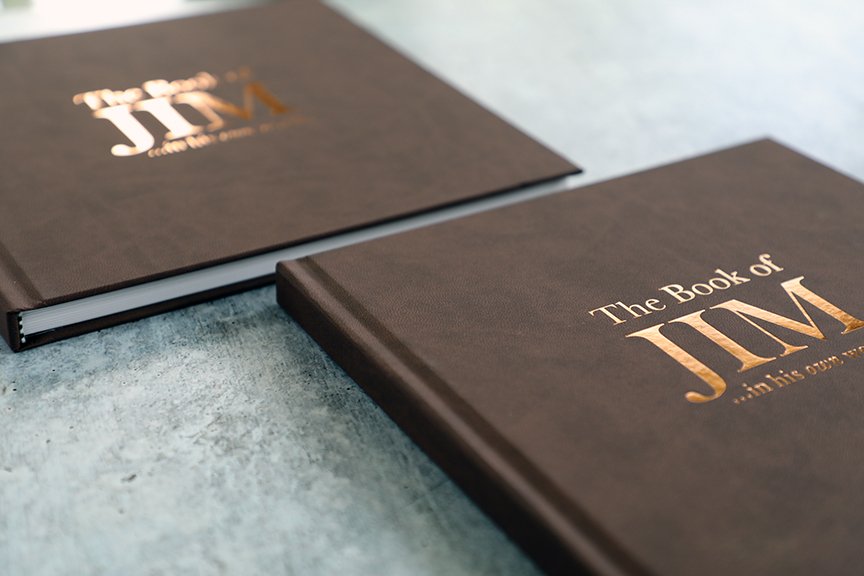
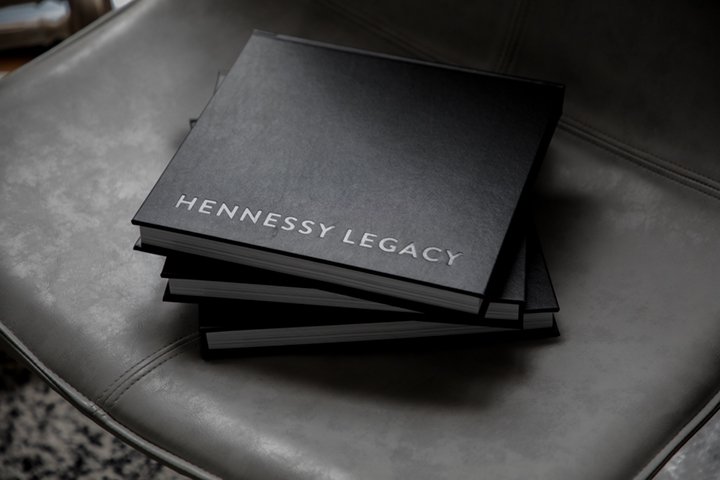
10 Heirloom book ideas to preserve your family history
From life story books to a family history collection, from travel journals to heritage cookbooks, our founder lists 10 of her favorite heirloom book themes.
Maybe you’ve thought about preserving your own or your family’s stories in a book for the next generation. But where to begin? How to narrow down a topic?
Don’t worry, I’ve got you covered. Here are 10 of my favorite heirloom book themes, and I’m willing to bet one of them jumps out at you as just-right for your situation. And if not? No worries, all of our books are fully custom, so let’s chat.
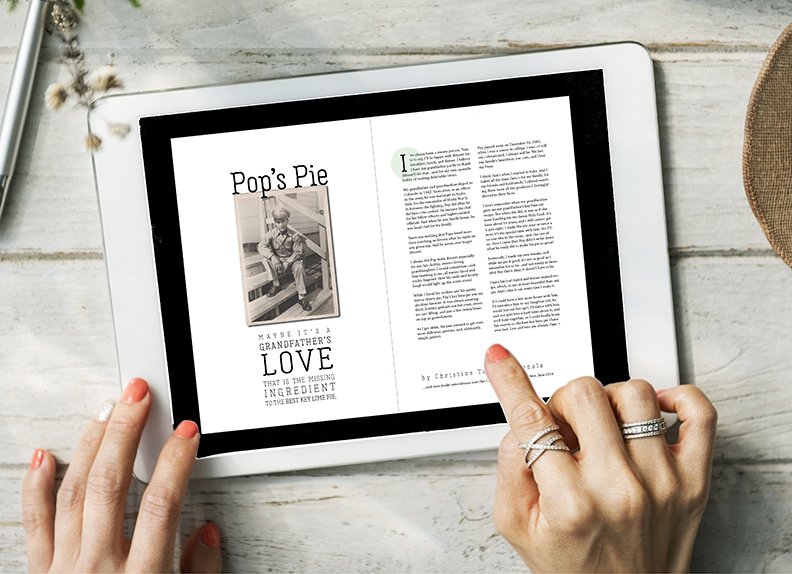
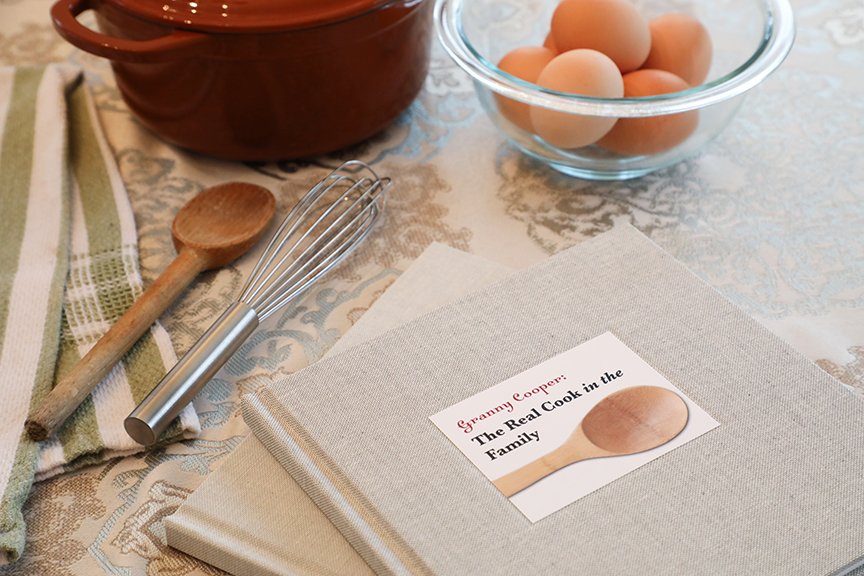
A family cookbook—complete with the stories behind the recipes—is a great option for families whose love language is food.
1 - a heritage cookbook
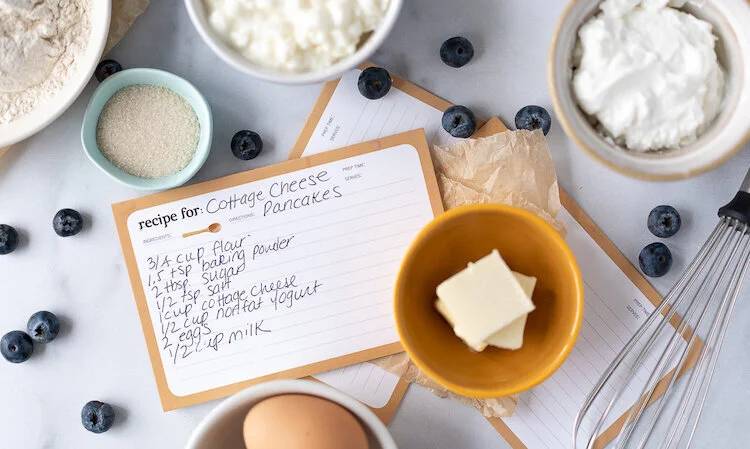
Be transported to the kitchen of your childhood! Celebrate dishes that have been passed down through generations in a bespoke book that weaves your family’s cherished food memories with nostalgic photographs and handwritten recipes.
2 - LOVE STORY
Perhaps you were bequeathed a beribboned stash of your great-grandparents’ love letters. Or maybe it’s your own love story—how you met, how you choose one another every day, maybe how you almost didn’t meet—that you’d like to share. Let the love flow...
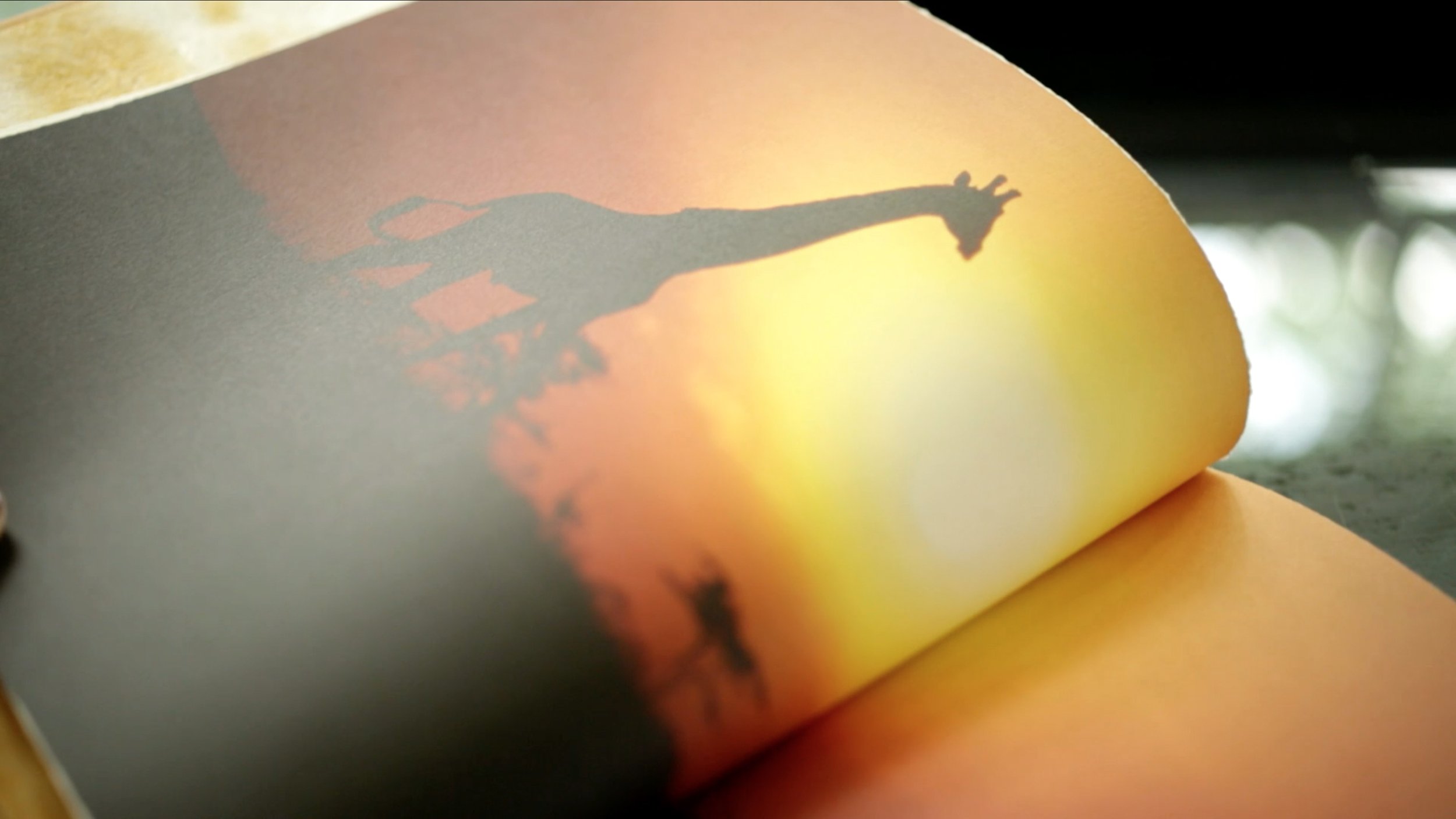
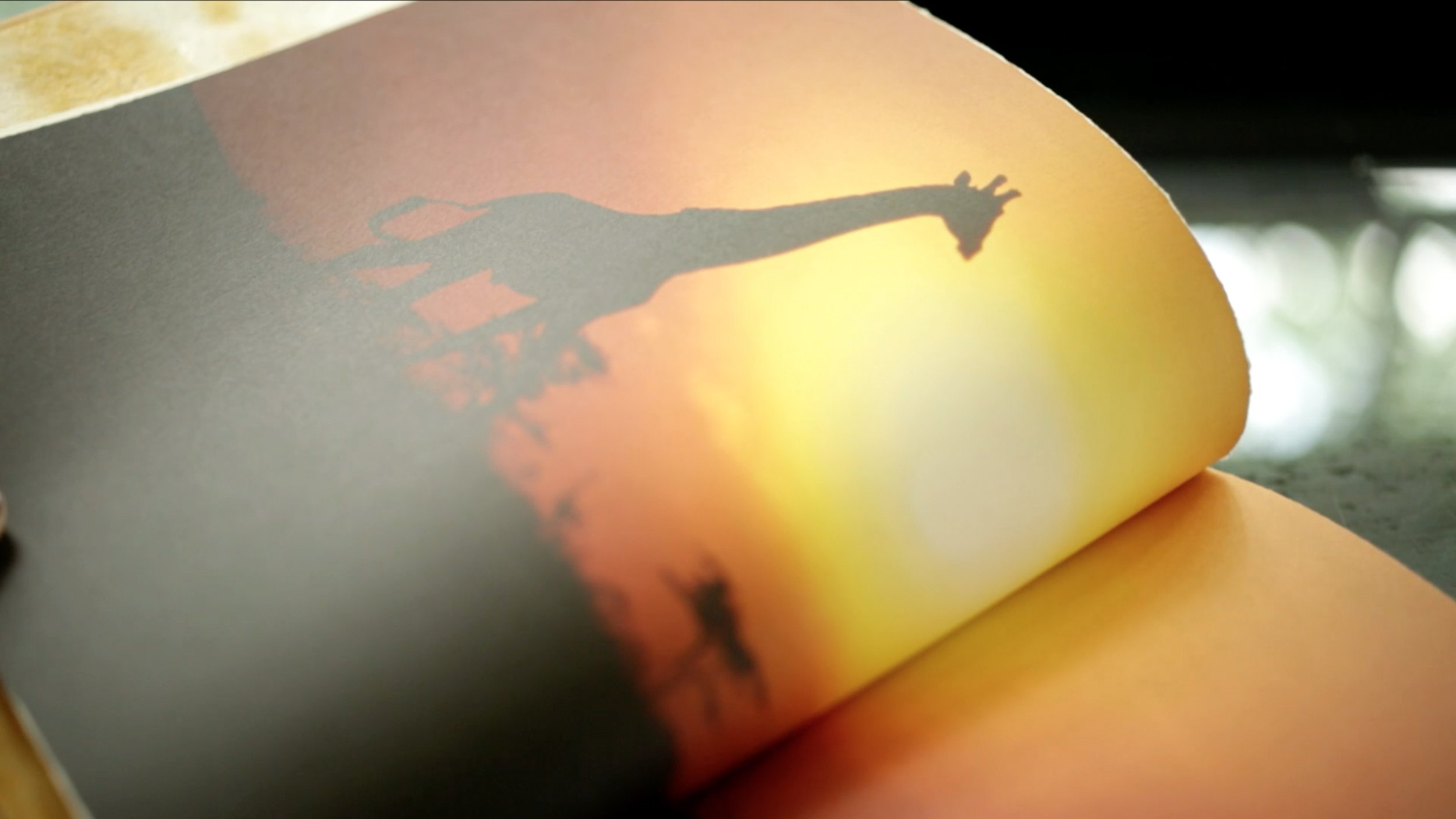
Record your journeys in a travel book so you can revisit your memories from the comfort of home (and inspire the next generation to travel in your footsteps).
3 - travel journal
Are you a voyager? Don’t just make a photo album; record memories. Wherever your journeys take you (an African safari? The Maldives? Alaskan glaciers?), our travel books help you not only remember the places, but relive the moments—and ‘travel’ back there from the comfort of your home.
Your stories matter—tell them in your own words, and they will resonate with loved ones for generations.
4 - your words, your stories
Whether you’ve written a full-on memoir (if you’re partway through, we can help you finish!) or want to capture episodes of your life through a series of personal interviews, tell your own story. It matters. To you, and to those you love. Now is always the right time!

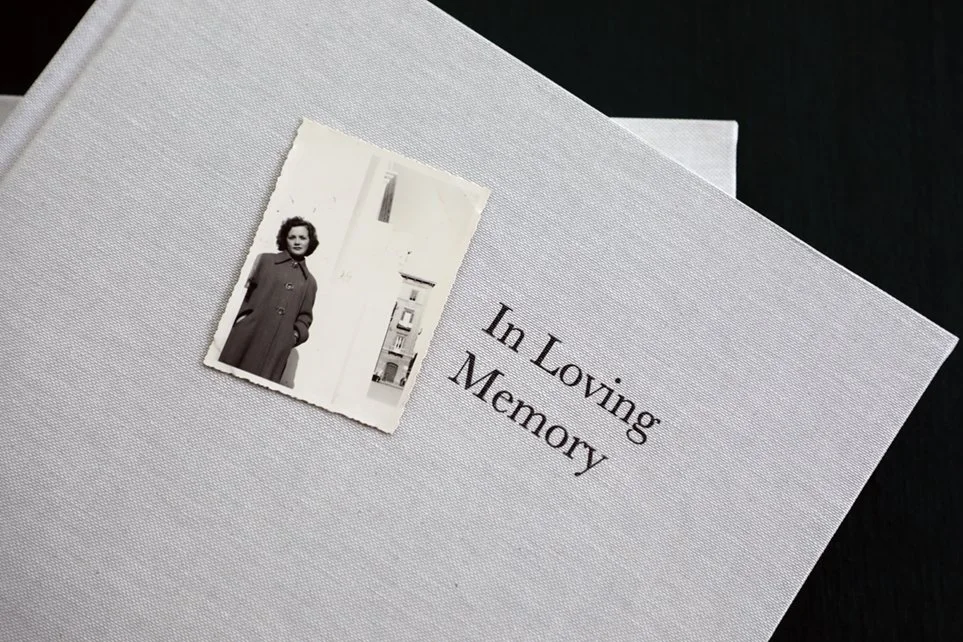
Honor a loved one’s memory by preserving tributes in an heirloom book that you and your family can open any time to feel closer to them.
5 - in remembrance
Is there a family member who has passed that you would like to honor? Let’s gather written tributes remembering them with dignity, humor, and grace, then curate photos that capture their spirit. Bound with love, this tribute book will become your most cherished heirloom.
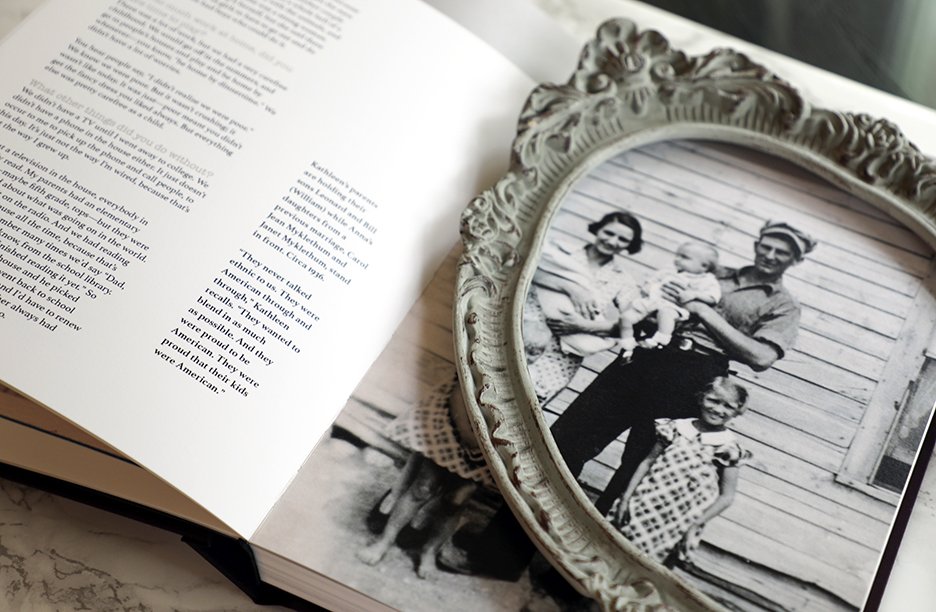
6 - FAMILY HISTORY BOOK
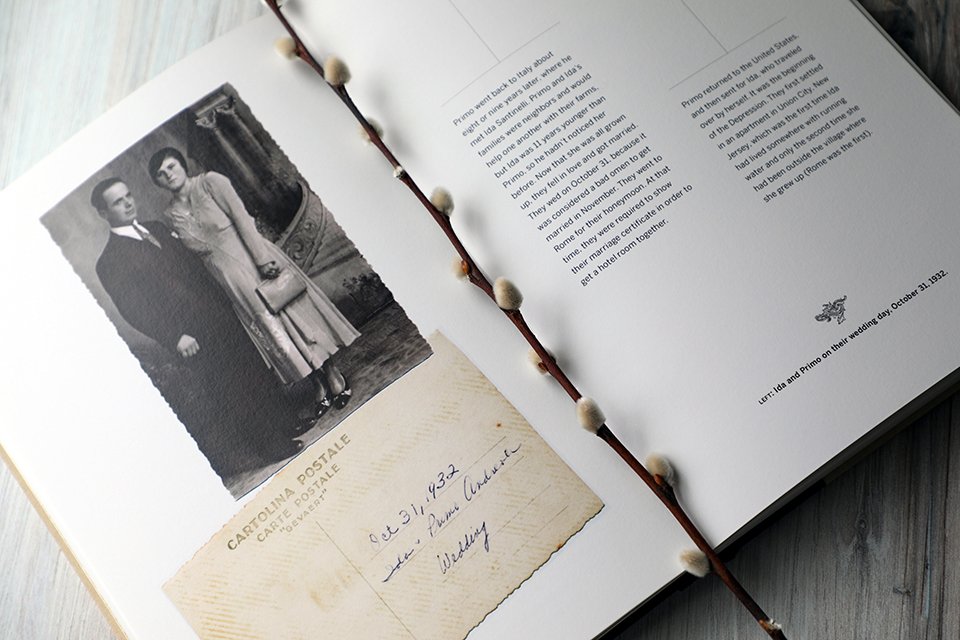
Have you caught the genealogy bug? Consider this: It is highly unlikely your ancestors will be thrilled to sort through 18 boxes of census records and ship manifests, no matter how meticulously catalogued they are. They will, however, read a story. So give them one.

7 - home is where the heart is
As Henry Louis Gates, Jr., says, we are all immigrants. Do you know where your ancestors were born? Have you taken a heritage trip? Perhaps your family lived on the same NYC block for generations. We can bring the stories of your homeland to life, so they are never lost.
8 - LESSONS LEARNED
With experience comes wisdom. By reflecting on the full journey of your life—including challenges overcome and opportunities missed—you leave a legacy that the next generation can both learn from and find inspiration in. Go deep, and be rewarded deeply.
9 - CONVERSATIONS WITH GRANDMA
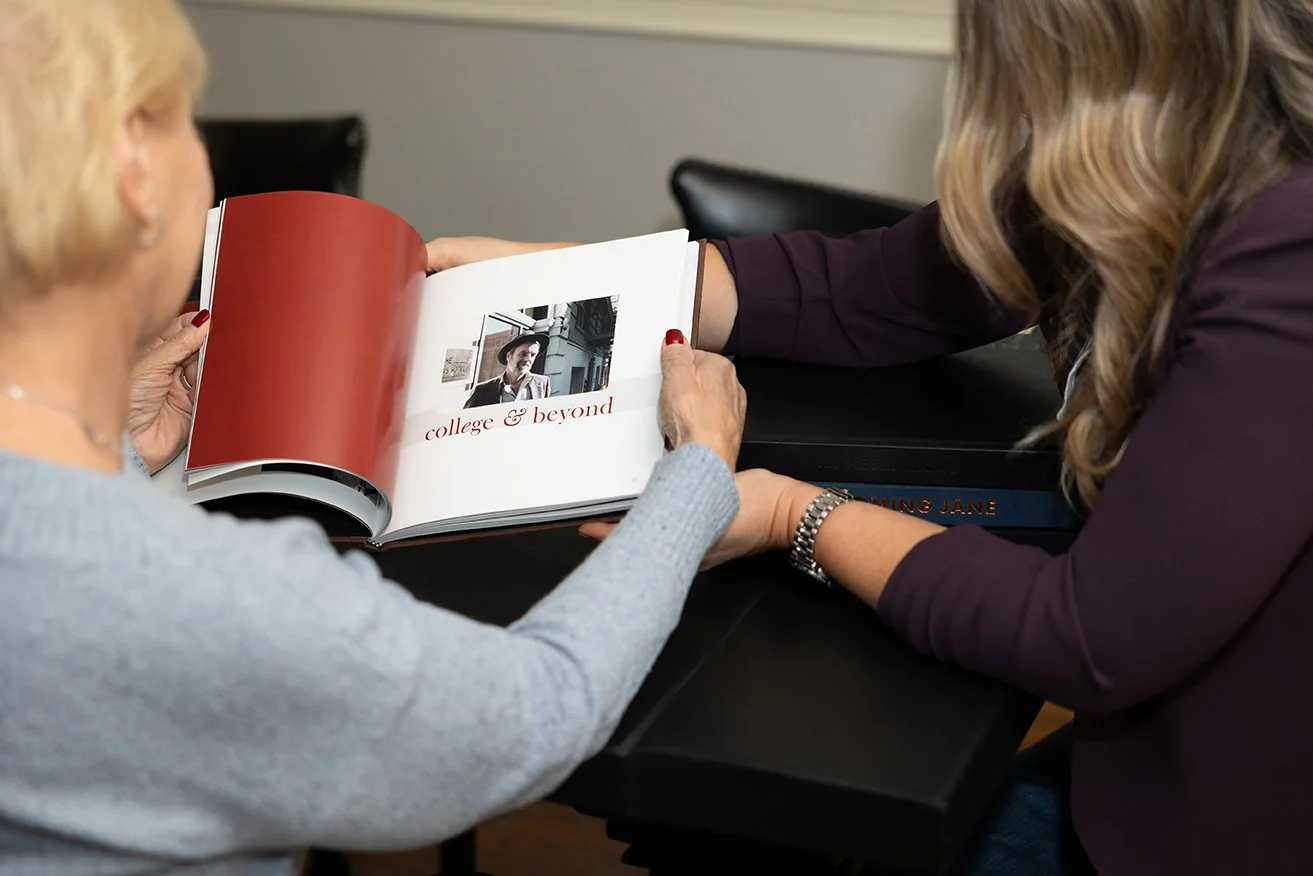
We’ll conduct interviews with your grandmother or other family elder, gather memorabilia, and find the narrative thread that best captures her story, then weave it all together beautifully. Don’t wait until it’s too late to ask questions.
10 - places in the heart
This book makes your favorite place the central character and gives meaning to the phrase, “If these walls could talk…” Think a beloved family vacation home, a longtime sleep-away camp, or the college you’ve all (multiple generations!) attended.












Life Story Links: May 3, 2022
This week's curated reading list is heavy on quality articles to help you tell your stories well plus inspiring first-person reads and interesting legacy takes.
“I am fooling only myself when I say that my mother exists now only in the photographs on my bulletin board or in the outline of my hand or in the armful of memories I still hold tight. She lives on beneath everything I do. Her presence influenced who I was and her absence influences who I am. Our lives are shaped as much by those who leave us as they are by those who stay. Loss is our legacy. Insight is our gift. Memory is our guide.”
—Hope Edelman

On this vintage postcard, horse-drawn carriages idle along Richmond Avenue at Bergen Point Ferry in Staten Island, New York. Image courtesy of the Irma and Paul Milstein Division of United States History, Local History and Genealogy, The New York Public Library Digital Collections.
Your stories, well told
TELL A CAPTIVATING STORY
“Leveling up our storytelling game can lead to more meaningful connections.” Here’s a step-by-step guide on how to tell a story, from an idea to delivery, from the editors of The Moth’s new book, How to Tell a Story:
DOUBLE THE STORIES
While I interview people for their stories regularly as part of my business, a big part of my mission is to inspire and empower families to conduct such interviews themselves. Last week I offered tips for interviewing a couple (your parents, say, or one set of grandparents) together.
TWO TALENTS TRADE INSIGHTS
“I’m not going to share [traumas from my life] for the sake of sharing.... I’m sharing what needs to be shared as part of this story. To do right by the story I’m creating, I’ve got to put in the right ingredients.” Marion Roach Smith interviews Mary Laura Philpott about how to write a memoir in essays. Listen in:
In their own words
“SWEET SPOT”
“I bummed rides home after practice. I bummed clothes, snacks, socks, money for the vending machine, and anything else I needed to survive.” This personal essay from Jennifer Shields transported me with time-specific details and a powerful remembrance of adolescence.
HER SERBIAN GRANDFATHER
“During the Nazi occupation, the Gestapo chose our hotel for their headquarters. I haven’t decided if it’s a sign of disrespect to that past, or a mark of triumph that we’re staying here now.” Julie Brill remembers a childhood interrupted by genocide.
THE DRIVE TO SUCCEED
“It has dawned on me lately that insecurity is one of the biggest killers of art,” Alice Walker wrote in October, 1977. Take a deep dive into her journals with this reflective and engaging piece in The New Yorker.
STILL LIFE
Award-winning writer Jhumpa Lahiri talks about a few of her favorite things, including a book she bought when she was 12 years old and “a road map to how to write” from a university professor.
Beginning, ending
NEW ITALIAN SURNAME CONVENTIONS
“Italy had until now carried “a story of male biographies,’ [one Italian official] said. “The surname is part of one’s identity and personal history, a story that we can now pass on written in the feminine.’”
WHAT IS LEGACY?
“Surveys conducted show that when faced with end-of-life planning, Boomers (and older generations) are more concerned about the loss of their values and personal history than the loss of their wealth,” personal historian Clémence Scouten writes in this pub from the Philadelphia Estate Planning Council (scroll to page 11 for the article).
MEMORY FLASHBACKS OF DYING
A patient whose brain waves were being studied by doctors died suddenly during the recordings; the resulting scientific data may be consistent with our idea that our “life flashes before us” just before death.
Miscellaneous
TESTIMONIES ON THE BLOCKCHAIN
The first Holocaust museum in the metaverse aims to use NFTs to transform survivors’ tragic memories into artistic visual presentations.
COOKING UP THE PAST
A new film premiering June 1 as part of the Tenement Museum’s annual fundraising gala will focus on food traditions, family stories, and local history; virtual attendance is donation-optional. The film, which looks at the American immigrant experience through the lens of food, was inspired by Padma Lakshmi’s visit to the Lower East Side museum, as featured on this episode of Taste the Nation:
...and a few more links
Holocaust survivors ask Israel museum to return one-of-a-kind Haggadah.
The LIFE Picture Collection is launching a non-fungible token (NFT) collection of its legendary photography.
Apple Photos adds “sensitive locations” filter to Memories functionality.
Check out this free hour-long webinar from Creative Nonfiction managing editor, Hattie Fletcher, on writing long-form.
Short Takes

Double the fun: Interviewing Grandma & Grandpa together
Sitting both of your grandparents down together for a family storytelling session can be fun—but it’ll yield the best results if you follow these simple tips.
Conducting family history interviews with a couple such as your grandparents or parents can be a fun endeavor if you ask the right questions.
I am always thrilled when I hear you have a plan not just to interview one family elder, but to gather stories from multiple relatives. One of the most common goals is to interview a couple—perhaps it’s your parents, or one set or the other of your grandparents. If that’s on the agenda, you may be wondering: Can I interview them together?
Short answer: Yes, you can interview two people together.
Here, though, is a longer answer with tips for when this dual interview approach works best, and when it’s better to stick to conversing with one person at a time.
When dual interviews are okay
It’s absolutely okay—fun, even—to conduct joint interview sessions, especially with couples who have been together for a long time. If you plan to interview your grandparents on both sides of your family, for instance, invite your maternal grandmother and grandfather to sit down together for the first interview session. This will take advantage of their storytelling dynamic to get them excited about sharing.
If you are concerned that your family members may talk over one another, let them—at least for a bit. Their banter is likely the product of years together, and capturing it on film (if you are recording video) or in audio (if are using a voice recorder) is an accurate representation of how they interact. Imagine years from now listening in and thinking, “Oh, that’s so him!!” If you can’t follow the progress of their storytelling because they are interrupting or speaking at the same time, gently prod one or the other to take the lead, then ask a follow-up of their partner after.
A couple’s shared history can be explored in a joint interview: Ask questions that apply to their time together (their marriage, children, and holidays, for example), but save questions about their individual histories for their solo interviews.
Once that first interview session is transcribed, highlight sections that resonate but that you’d like to hear more about, and develop your questions for the next individual interviews from this transcript—it will help guide you on what to ask.
When joint interviews aren’t the best option
I would not recommend conducting all of your interviews in this fashion, with more than one subject at once, as it often prohibits one person from diving deep into their stories.
Maybe dad gets quieter when mom is around; it could be deference, or simply habit. He may think she is a better storyteller than he is, so he lets her take the lead. I guarantee you he has something substantive—or funny, or clarifying—to add, though, and he may just be more likely to do so in a one-on-one setting.
Other times dual interviews are not ideal:
If the couple’s relationship is strained or difficult.
If one person is hearing impaired.
If you are wanting to explore more about their personal histories rather than their shared family history.
When interviews must be conducted remotely.
If you’re only planning on conducting one interview (you’ll get better—deeper, thoughtful—answers during a one-on-one interview).
Preparing for your family history interviews
Whether you choose to begin with a joint interview session or not, you’ll want to be prepared with the right questions and optimal equipment. Here are a few resources that should help:
interview questions
Use this set of family history interview questions as a basis for forming your own list.
Pick an opening question that will set the right tone for your interview.
Interview setup




THE KID KIT: Everything you need to interview your grandparents
This 20-page FREE e-book is designed for kids 8 and over (and we mean way over!). Get ready to start connecting…
Life Story Links: April 19, 2022
If you're into family history, memoir, and memory-keeping, you'll want to check out this week's list of stories hand-picked by personal historian Dawn Roode.
“As for how to actually organize your memoir, my final advice is, again, think small. Tackle your life in easily manageable chunks. Don’t visualize the finished product, the grand edifice you have vowed to construct. That will only make you anxious.”
—William Zinsser
Vintage black and white photograph of a young girl in Illinois, spring 1962, by Francis Miller for Life magazine, © Time Inc.
History in our homes…
SUGGESTED INTERVIEW QUESTIONS
Mali Bain, a custom publisher in British Columbia, shares ten open-ended questions to ask in a family interview session so you may “naturally follow up on ideas without struggling to find a suitable next question or getting lost in brain fog.”
BEST PRACTICES
Before any family history interviews can begin, there’s a little prep involved. Read how professional oral historians set the stage for effective storytelling and secure saving.
THE FAMILY KNOWLEDGE GAP
A new survey from Ancestry.com found that while more than half (53%) of Americans can’t name all four grandparents, 66 percent of respondents said they want to learn more about their family history and over half (51%) want stories about when their ancestors were young.
“THE ITEM IS THE VEHICLE TO THE STORY”
“I can say this firmly: Along with your stories, your family members are going to want some of your possessions. They just might not be the ones you'd expect.” Matt Paxton on the sometimes surprising stuff of legacy.
HER GRANDFATHER’S STORIES
“He had taken to telling his grandchildren many, many stories. Unfortunately, at that time, we brushed it off, even choosing not to sit with him at restaurants, so that he would not ‘bore us’ with yet another story. But here we were—confronted, for the first time, by death. This protector, this legend and all his stories had a deadline.”
MAKING TIME
Think you’re too busy to write about your life? Think again. Here are three easy ways to make memoir writing more approachable—and more efficient, so you can finally fit it into your busy schedule.
HER UKRAINIAN HISTORY
In light of recent world events, StoryCorps looked into their online archive to explore Ukrainian voices recorded with their interview app. Here’s one:
…and history in a broader sense
LEGACY OF SILENCE
“A society can forget on a mass scale, not when the government imposes amnesia as a political project, but when people refuse to look within—to dig into the messy and complex family biographies that turn memory into a landmine, and forgetting into a psychological salve.” A compelling piece about historical reconciliation and one man’s discovery of a lynching in his family.
JEWISH BEACON HISTORY WALK
In researching the origins of the first and only synagogue in Beacon, New York, historian Anna Brady Marcus and her team uncovered a rich history of Jewish enterprise in the town. To coincide with its centennial, they have released a digital walking tour derived from a rich catalog of oral history interviews.
What we keep
OTHER WRITER’S WORDS
“If keeping a journal would be a way to look in the mirror and make an honest appraisal of myself, keeping a commonplace book is more like looking at myself out of the corner of my eye.”
PHONE PHOTOS
“You’re you, and your pictures are yours, and what you bring to a photograph is not separate from it.” So when attempting to curate your digital gallery, “scroll your roll, and find the pictures that please your eye and touch your heart and stir your feelings because you’re you”—and keep those.
DO YOU NAME YOUR POSSESSIONS?
“Some researchers believe that people write a biography of themselves with things, that our life stories aren’t complete without the items that matter to us”—but do we really need to name those things?
THE WELTY COLLECTION
A trove of letters from Eudora Welty’s family that has been made newly available to the public provides insight about the author’s parents; her siblings and their families; her grandmother and great grandmother and their children.
IS THAT GRANDMA?
How fun to follow the lost-and-found journey of a family photo album via this Twitter thread (click through to read the full thread):
Personal essays of note
WHOSE STORY IS IT?
“Day had written his family history after conducting archival research and reading the relevant sociocultural experts; I wrote mine after growing up in my family.” Tad Friend on a relationship reconsidered by reading between the lines.
KNOWING NIRVANA’S FRONTMAN
“‘Who put these fingerprints on my imagination?’ Elvis Costello once sang. I didn’t want someone else’s fingerprints on my memories [of Kurt Cobain],” Michael Azerrad writes in this New Yorker personal history column.
AN IMPULSE TO CONNECT
In this personal essay on Oldster, Robert Burke Warren recalls an impromptu visit he made to his estranged grandparents at 19. He writes of connection and gratitude and “compassion delayed.”
In the books
BACKDOOR MEMOIRS
“When writers get away from what’s going on inside their head, they just might see their own life in a new light and find something universal in the personal”: nine nonfiction authors who set out to investigate the outside world and ended up finding themselves.
BOOK REVIEW OF NOTE
“Ancestor Trouble represents decades of research into genealogic records, genetic science, and the cultural history of ‘ancestor hunger’ and reverence—as well as [Maud] Newton’s own coming to terms with how to face and honor her family history,” reads a review on NPR. This one in the NYT describes “the preoccupation of the entire book” as “the periphrastic construction of identity itself.”
...and a few more links
Read an excerpt from Osman Yousefzada’s memoir, The Go-Between: A Portrait of Growing Up Between Different Worlds
Austin–based video biographer Whitney Myers is profiled in this regional magazine Q&A.
A life documented: Winkfield, an enslaved man in colonial Virginia
Tech startup uses artificial intelligence to enliven family photographs.
The unique challenge of designing a book by incarcerated writers
Ohio mother and son pen personal history book about mom’s memories of living through Nazi-occupied France.
What the New York Public Library is doing to save the sounds of the early 20th century.
How to save time with these eight translation tools for genealogy.
Short Takes

Think you’re too busy to write about your life? Think again.
Three easy ways to make memoir writing more approachable—and more efficient, so you can finally fit it into your busy schedule.
Want to commit to writing your memoir? Let’s do this together! I’ll give you three ways to make the process more efficient so it takes less time; and you need to say “yes” to carving out space on your schedule. Ready?
We live in a culture of busy-ness—we’re all busy, all of the time. But are you allocating your time to things you love, or to things that satisfy others in your life (your boss, your children, your spouse, your friends)? I won’t pontificate about why I think it’s important to be mindful of the trap of busy-ness, but I will offer some tips for making time to focus on a passion project you’ve been thinking about for a while…and cross my fingers that you take steps to get started, at long last.
In this case, I am suggesting three ways to make time for writing about your life—but if your goal is something else creative, many of these tenets hold true.
Want to write your memoir? Do these 3 things to make the time.
1 - Set small goals.
Forget about the memoir you envision, with that favorite childhood photo of you on the cover, and that dedication to your beloved mom. Don’t even think about what printer you might use, or where you will end. Instead, focus on one story at a time.
I am not advocating sitting down to write with nary a notion of where you are heading (though, if that gets your pen moving, then so be it!). Rather, I suggest planning your life story book by first organizing your family archive; then drafting a life timeline; and, next, narrowing down themes you would like to write about.
Once these architectural elements are done, you may begin writing. Create a regular schedule with reasonable expectations—perhaps 500 words a day, or if you are fitting your memoir writing in amidst full-time work responsibilities, maybe 1,500 words every weekend. Or ignore word counts altogether and tackle one story at a time.
Declare goals for yourself and set corresponding deadlines for accountability. Then, focus only on one goal at a time. You’ll see that as you start ticking off your objectives along the way, your momentum will carry you forward. With each story you write, I am willing to bet 10 more will pop into your head as future ideas!
2 - Narrow your topic.
During the prep work I recommend in the previous step, you should have narrowed down some themes for your memoir. I go into more detail about that here, but for now I want to encourage you to go even further: Take a look at the themes you may have chosen, then see how you might hone in on them even more.
Did you decide to write about your family travels growing up? Narrow your focus to, maybe, “What I learned driving around small-town America in my youth”; or “How taking pictures of my childhood travels helped me appreciate the world.” Note that while you of course can narrow a theme down from a subject perspective (instead of all your travels, focus on those in the United States or those from just your teen years), you can also narrow your focus by writing towards a lesson or insight.
The more precisely you can whittle your theme, the easier it will be to tackle writing about it.
3 - Say goodbye to perfectionism.
Ever heard the saying “Done is better than perfect”? Nothing will hamper your writing more than trying to get it perfect the first—even the second—time around.
Free writing exercises such as this one will hopefully get the words and ideas flowing, even if they are on a topic different from what you’d like to write about on any given day. Consider beginning your writing practice with a 10-minute free write, then shifting into writing about your self-assigned topic. Doing so often alleviates pressure and allows us to dive right in.
Don’t edit along the way, either. Just write. Get your thoughts down. Memoirist Anne Lamott has memorialized the expression “shitty first draft,” and writes in her beautifully encouraging Bird by Bird,
“The first draft is the child’s draft, where you let it all pour out and then let it romp all over the place, knowing that no one is going to see it and that you can shape it later… just get it all down on paper, because there may be something great in those six crazy pages that you would never have gotten by more rational, grown-up means.”
Is it perfection in life rather than perfection on the page you are concerned with? I’m no therapist, but I can say with conviction that none of us is perfect, and that we learn (and teach) from our struggles and failures, so writing about them can be valuable. Allow yourself to be vulnerable, remembering this caveat at all times: Just because you write it doesn’t mean anyone else has to read it! You maintain full control of your words and stories; you can rip them up or delete a file any time. But don’t be hasty: Give yourself some emotional and temporal distance from your writing before making such an assessment. If you’ve allowed yourself to be vulnerable in your memoir writing and then find yourself questioning if you went too far, wait a month and go back to read your words afresh. You may surprise yourself with the level of nuance and honesty in your writing. Ask yourself, Would one of my loved ones appreciate and relate to my words one day?
I admit, I didn’t manufacture more time in your schedule. But I hope I made the notion of writing about your life more approachable—and more efficient, so you can indeed fit it into your days. Start saying ‘no’ to things that don’t feed your soul, and start saying ‘yes’ to things such as this that you want to do but haven’t yet…! Set up a free half-hour consultation if you’d like a professional memoir coach to help guide you.















Best practices for recording family history interviews at home
Steal these best practices from professional oral historians to make your next family history interview a success, plus how to set the stage for great stories.
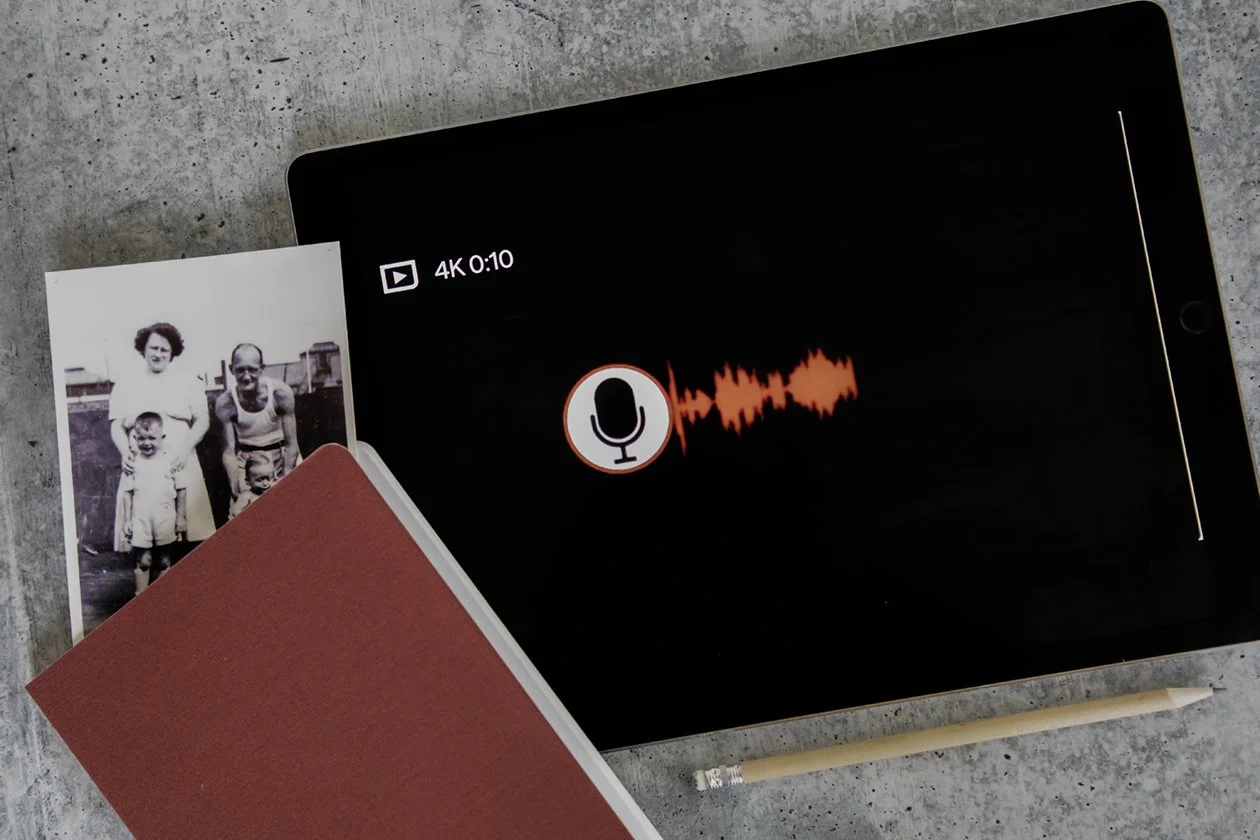
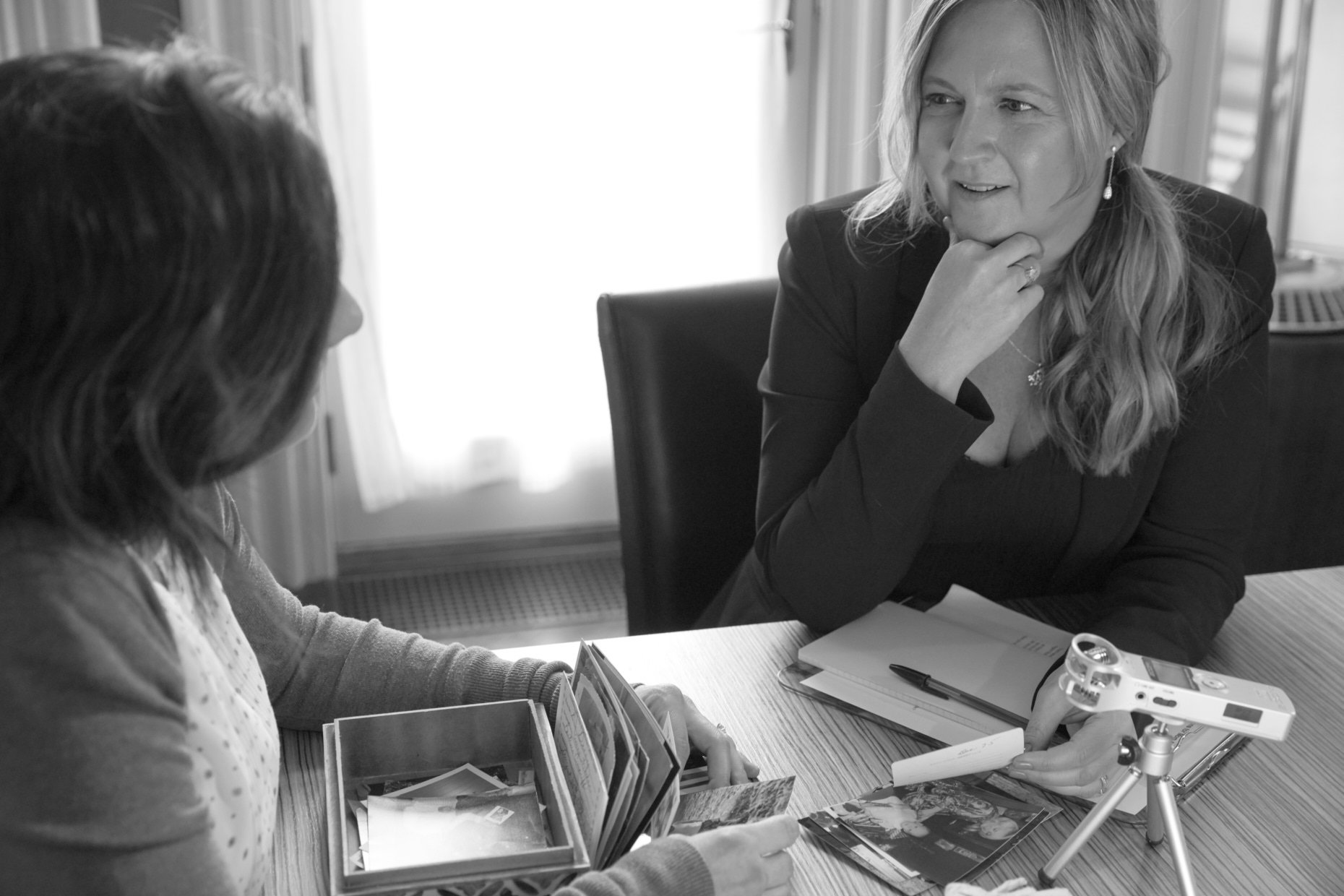
You need minimal equipment to interview a family member at home, like this Zoom recorder on a mini tripod.
I applaud you for wanting to capture your family history through in-person interviews with your loved ones! Preserving their stories—and their voices—is a gift for the next generation, but also a gift for those you plan to interview (trust me when I say it is a rare thing to be given 100-percent attention and the freedom to share…and be witnessed).
In order to ensure that you capture stories in the best and most secure way possible, please follow these simple practices that are used by professional oral historians around the world.
Do your best to create a recording-friendly environment.
No matter what kind of recording device you are using, any background noise and interference will have a deleterious effect on your final product. Choose a quiet location in the home or office where you are conducting the interview—away from heating or air-conditioning vents, a humming refrigerator, or windows overlooking noisy streets. Ask others who may be in the vicinity to either leave or be mindful of staying quiet. Additionally, ensure that your interview subject is comfortable—consider temperature, seating, and have a glass of water on hand, and try to situate yourself so you have direct eye contact with your family member.
Use multiple recording devices.
Always, always hit “record” on at least two devices. That may mean a professional mini digital recorder plus an app on your smart phone, or perhaps a DSLR capturing video plus a basic audio recorder. I do recommend sticking with digital recordings rather than old-fashioned analog cassette tapes, which are more cumbersome to convert and transfer to your computer.
Begin recording with an identifying statement.
Say out loud who is present (spell names), the date, and where you are. For instance: “This is Dawn Roode interviewing my grandmother, Virginia Miller—V-I-R-G-I-N-I-A, M-I-L-L-E-R, on this March 22, 2022, at my home in Brooklyn, New York.” Alternatively, you can introduce yourself, and then ask each individual you are interviewing to say and spell their own names. This may feel unnecessarily formal, but it’s critical.
Once the interview is complete, secure your recordings.
Immediately download the digital recordings, name them, and save in more than one place. The sooner you do these things, the better. I can’t tell you how many times I have thought I would remember what such-and-such recording on my phone is, only to press ‘play’ and have no recollection of the interview details.
Beyond these standard procedural points, here are three tips for setting the stage for a truly substantive and fruitful interview:

Consider your list of questions a framework, not a bible.
Preparation can be incredibly valuable—knowing, for instance, that your grandfather is a WWII veteran and asking informed questions about his service is both respectful and smart. So do come into the interview with a list of interview questions you’d like to ask. That said, be willing to stray from the set list should the need arise. Maybe, in the above example, your grandfather is unwilling to speak about his time at war—you may want to gently ask him why, or see if there is any aspect of his military life that he is willing to talk about; if not, be prepared to go in another direction. Alternatively, maybe one of your questions elicits such rich storytelling that you stick to follow-ups and veer in an entirely unexpected direction, allowing your interview subject to steer the conversation. If your storyteller gets animated—sitting at the edge of her seat or raising her voice and laughing as she recounts her memories—that’s a good sign that the stories she is sharing are good ones, and there are likely more in this vein!
Embrace silences.
Human nature is to keep a conversation going—so when there is a silence, we tend to jump in either with our reaction or with another question. But do your best to refrain from this; allow a pause to grow. In that interim your subject is thinking, and some of their best stories are likely to come from this. And don’t worry when the pause does not yield something great—simply ask a follow-up if you think there’s more to the story, or move on to the next question. The more comfortable you become with sitting in the silence, the more comfortable your storyteller will feel to keep going.
Bring some memory prompts.
Old family photos, scrapbooks, or journals are excellent vehicles for storing up memories and getting your interview subject to open up. While I find such totems to be helpful with everyone, they come in especially handy when your interview subject is reluctant or less than enthusiastic about participating.
A few more resources you may find helpful to prepare for your family history interview

Download this free Kid Kit e-book; while it is specifically geared to youngsters interviewing their grandparents, the historical timeline is a nice cheat sheet for any age.
How to be a good storyteller if you are the subject of a family history interview
Get 56 essential family history questions to ask your elders.
Special circumstances: Oral history interview questions for particular subject groups
If you are interviewing people who are trauma survivors or part of a distinct population, these resources may help:
MILITARY VETERANS
Oral history instructions and sample interview questions for vets from the Veterans Project of the National Archives
TRAUMA SURVIVORS
Navigating life review interviews with survivors of trauma
HOLOCAUST SURVIVORS
Oral history interview guidelines from United States Holocaust Memorial Museum
HOSPICE PATIENTS


Life Story Links: March 29, 2022
From sacred storytelling to writing about one's own personal history, from family legacy to family heirlooms, this curated roundup is filled with great stuff.
“Face-to-face conversation is the most human—and humanizing—thing we do. Fully present to one another, we learn to listen. It’s where we develop the capacity for empathy. It’s where we experience the joy of being heard, of being understood. And conversation advances self-reflection…”
—Sherry Turkle
Vintage photo of Washington Senators coach Nick Altrock with Dot Meloy, who, according to the original caption, was in training as a side line entertainer; 1920. Photograph from the National Photo Company Collection, courtesy of the Library of Congress Prints and Photographs Division.
Writing our truths
A WRITER’S WHY
In conversation about her memoir in essays Bomb Shelter, Mary Laura Philpott says, “My hope was to do what many other books have done for me, which is to tell one person’s story in a way that makes other people look at their own lives differently or perhaps understand something about themselves better.”
WIDENING HIS LENS
“My life is too boring for a memoir,” Fintan O’Toole writes in the afterword to his new book We Don’t Know Ourselves—so he instead turned his attention to the personal history of Ireland.
EXPLORING YOUR OWN TRAUMA
Melissa Febos, associate professor in the nonfiction writing program at University of Iowa and author of the new memoir, Body Work: The Radical Power of Personal Narrative, offers up guidance to other aspiring writers on how to begin their journey—including, of course, the hard stuff:
FROM A WRITING TEACHER
“I engage with personal narrative as a contribution to a bigger political or cultural conversation that puts human beings front and center,” memoirist Meghan Stielstra tells the hosts of Everything Is Fine podcast. Fast-forward to the 7:45-minute mark to get right to their conversation, which includes discussion of narrative distance, giving and accepting criticism, and the creative writing practice:
Not just preservation, but curation
WHAT’S NOT REPRESENTED
“Of the 270,000 photographs commissioned by the U.S. Farm Security Administration to document the Great Depression, more than a third were ‘killed.’ Erica X. Eisen examines the history behind this hole-punched archive and the unknowable void at its center.”
PROTECT YOUR PHOTO LEGACY
“It'll happen to all of us someday: We'll be gone, but our data will persist.” Wired magazine takes a look at how to leave your photos to someone when you die.
“WE ARE HISTORY”
“Am I only the sum of all the things that I have collected? And if so, shouldn’t I declare it proudly?” Questlove ponders in this opinion piece on his lifelong collection of music and cultural artifacts.
Physical manifestations of memory
LEGACY LIST TIME
Making a legacy list is a powerful way to identify which family items are worth passing on—and as long as the stories of those heirlooms are preserved, the list becomes a de facto cheat sheet to your family history.
PREHISTORIC MEMENTOS
“Just like us, our early ancestors attached great importance to old artifacts, preserving them as significant memory objects—a bond with older worlds and important places in the landscape."
WRITTEN BY HAND
“I apologize to those who will have to deal with my boxes of letters and cards some day in the future. You have my permission to dispose of them, light a bonfire, or make a book out of the ones that are important to you.”
Sacred storytelling
“OUR JOB IS TO LOVE THE WORLD”
“So that’s the question, I guess, for you and for me and for all of us trying to do this sacred task of telling stories for the young: How do we tell the truth and make that truth bearable?” Krista Tippett shares a thoughtful letter from author Kate DiCamillo.
HONORING THEIR FOREMOTHERS
“To this day, I do not know which story is more amazing—the yearlong conversations I had with my aunt, who spent her last days sharing the stories of our ancestors, or the actual stories she had told.”
GILDED HISTORY
A young writer delves into his family’s past life in Vienna after his 95-year-old grandmother passed on her unpublished memoir—he finds tragedy, but hope, as well.
“READ ME. TAKE MY HAND.”
“Have we learned our lesson yet? About embodiment? About stories? Our need for connection in order to tell them? Our need for a usable past?” Diane Seuss’s advice for life as a writer.
OPPORTUNITY FOR STORY SHARING
My favorite part of this piece about how to make family reunions more meaningful: the recommendation that all family storytelling that takes place be “just the beginning.”
Miscellaneous
RECOMMENDED FIRST-PERSON READ
“The stars were infinite. The men were always liquid. The moms—choking on anger at idiot men—were our saviors, our solidity and happiness.” Samantha Hunt on being marked by addiction.
NYC HISTORY, UNLOCKED
A new online platform gives free access to 9.3 million historical NYC records. Time Out New York shares the details of how to access the Municipal Archives and links to tips for how to best search them.
RE-HUMANIZING PEOPLE
“I think genealogy is a tool for being able to achieve healing, because we have to go back into the past. And when you reconnect those pieces that were corrupted because of slavery, that is a way forward.”
...and a few more links
Bruce Springsteen unveils new exhibition space for archives in his hometown, Freehold, New Jersey.
Ways that creative nonfiction writers can borrow from acting techniques
Salt Lake City–based personal historian Elizabeth Thomas reviews the memoir London's Number One Dog-Walking Agency by Kate MacDougall.
“A 50-year-old graphic biography of Che Guevara that still feels fresh” has been translated into English.
She discovered what happened to 400 Dutch Jews who disappeared.
Consumer Reports on how you can preserve family memories for generations to come
New cooking museum in Rome invites visitors to feast with their eyes.
British Air Force veteran’s childhood memories featured in exhibition
Congrats to San Antonio–based legacy filmmaker Clinton Haby for garnering attention in this newspaper in the Alsace region of France.
Read an essay adapted from Melissa Febos’s newest book, Body Work: The Radical Power of Personal Narrative.
Short Takes

Why not make your own legacy list?
Whether you're downsizing or consciously sorting through your stuff, make a legacy list of items that hold memories—it's a cheat sheet to your family history.
A well-loved donut cutter has been passed through generations of my neighbor’s family—and best of all, they continue to use it and share stories of those who used it before them! An heirloom doesn’t have to be so precious that it sits in a box untouched; those we stitch into the fabric of our lives through regular use are often even more meaningful!
How making a “legacy list” can set stories—and guilt—free
Things can hold memories. But those same things—maybe even more so because they hold memories—can feel like a burden.
Rather than let the stuff of your past overwhelm you—with clutter, with guilt—let’s look at a few ways to take control of the things so you can focus on the stories associated with them.
Have you ever seen the PBS show Legacy List with Matt Paxton? I hadn’t until fairly recently, but I love it! TV promotions describe the series as exploring the hidden treasures within our homes: “As millions of Baby Boomers downsize their own homes or settle the estates of family members, they will discover the most important museum in the world is in their family home.” In each episode Paxton and his expert team of organizers and historians clean through one family’s home with the intent of uncovering the most special things within—what he calls a legacy list.
“A legacy list is really just a list of items that help you tell your family history,” Paxton says.
“Lose the stuff, keep the memories” is a mantra for many downsizers or minimalists, but you don’t have to be either of those things to want to get rid of at least some of your stuff. Consider it a courtesy for the next generation (I speak from experience when I say going through my mother’s things after she died was not an easy task). And think of it, too, as a way to ensure that the things that really matter get preserved, not discarded.
Make your own “legacy list.”
1 - Write your legacy list.
Start with a list of items you think you want to find. Watch the episode of Legacy List below for some inspiration, or think about the following questions to help you identify things that may hold meaning within your house:
Are there items associated with specific family members that help tell their story?
Are there certain items that were used by ancestors that are still functional?
Are there handmade items among your treasures?
Do you have handwritten recipes that have been passed down through generations?
What items, if any, hold historical value, or perhaps help tell the story of the region?
Some examples:
In the episode below, “Home on the Range,” the family matriarch treasures her mother’s early handwritten school notebooks, which symbolize her intelligence and the sacrifice she made of quitting school at the age of 13 to care for her siblings.
Things don’t need to be big or monumental to be imbued with meaning! I, for example, think of my mom every time I bake and use her small offset spatula; and I gave a friend who loves to knit my grandmother’s collection of knitting needles so they would continue to be used with love.
I adore my mother’s chimes, and rather than stow them away in a box, I consider them an everyday heirloom and smile every time I hear their song from my backyard. I also cherish the crocheted blankets she made for me when I was away at college, and the ring I inherited with her birthstone (which I wear often).
2 - Allow yourself to be surprised.
There will be things you “just know” are packed away that you can’t find, and others that you never knew existed. Remind yourself that it’s okay for some things to have gone missing; you can write down your memories associated with them so those are not lost, too, and even search for photos that might represent the items in a more concrete way.
3 - Go beyond finding the things on your legacy list—tell their stories, too.
When Paxton asks the family matriarch why she gets such a sense of comfort from her ancestors’ stuff, she says, “I guess it’s just all a part of me…. I think that if I let go of the stuff, the memories will fade, too.”
“I think that if I let go of the stuff, the memories will fade, too.”
Those memories will fade as time goes on, though, if they are not recorded in some permanent way. With each new generation, the experiences and firsthand memories become further removed.
So grab a pen (or hit “record” on a digital audio or video recorder) and tell those stories! Many pieces may need explanation (how was that plow yoke used? for instance). Some may have important documentation associated with them (a dated certificate of authenticity, for example). But mostly, strive for heartfelt stories (for a recipe—how the smell alone alerted you to the holiday and Poppy’s presence; for a photograph—when it was taken and what the context was…and why it holds a special place in your memory).
And take a lesson from the show: Interview members of every generation to hear about their memories and associations with the items on your family legacy list. As you’ll hear in this episode, even the grandchildren may surprise you with distinct and meaningful memories.
As Paxton reminds viewers, if an item is properly chronicled, it will be cherished forever.
Watch an episode from the recent season of Legacy List with Matt Paxton below, or browse all available episodes on PBS.



Dawn Roode’s curated roundup for the week of Sept. 23, 2026, is overflowing with recent reads on memoir, life story writing, and family history preservation.