
Memories Matter
Featured blog Posts

READ THE LATEST POSTS

Memoir resources for when you’re staring down a blank page
Even the most seasoned writer sometimes feels hopeless when they sit down to write and nothing comes. Here, 7 helpful resources for budding memoirists.
Even the most seasoned writer sometimes feels hopeless when they sit down to write and nothing comes. “But we have this tool, this ability to begin again. Every sentence is new. Every paragraph, every chapter, every book is a country we’ve never been to before,” Dani Shapiro writes in Still Writing, a wonderfully small tome I recommend having on hand for quick hits of inspiration during your writing journey.
Embarking on a memoir-writing journey can be both rewarding and challenging. While I work with many clients one-on-one to bring their memoirs to fruition (from working as a writing coach to editing the manuscript you’ve already prepared, from conducting personal history interviews to crafting a narrative from those interviews), I also strive to share resources for those of you who prefer the DIY route.
Here, I’ve curated some of the most popular writing resources from the Modern Heirloom Books blog over the years. Hopefully you’ll find help for what challenges you—and if not, please do let me know where you are struggling, and I’ll do my best to share guidance on that topic in a future post!
Note: There are lots of memoir teachers and courses out there. The tips I provide are most often geared to folks who want to preserve their stories but don’t normally consider themselves a writer. Is that you? If so, don’t stress—once you find your way into writing (see below 😉), you will become a writer.
7 writing resources for beginning memoirists
1. Develop personalized writing prompts.
Creating your own life writing prompts can help overcome blank-page anxiety and keep your memoir ideas flowing. By following five simple steps, you can draft a library of personalized prompts that resonate with your unique experiences. Read more.
2. Engage in focused writing exercises.
To generate new autobiographical content, try simple writing exercises that prompt reflection and creativity. For instance, setting a timer for eight minutes and jotting down as many one-sentence memoirs as possible can spark ideas for future writing. Read more.
3. Overcome writing obstacles.
It's common to feel stuck during the memoir-writing process. Acknowledging these challenges and finding relatable experiences from other writers can provide motivation and strategies to move forward. Read more.
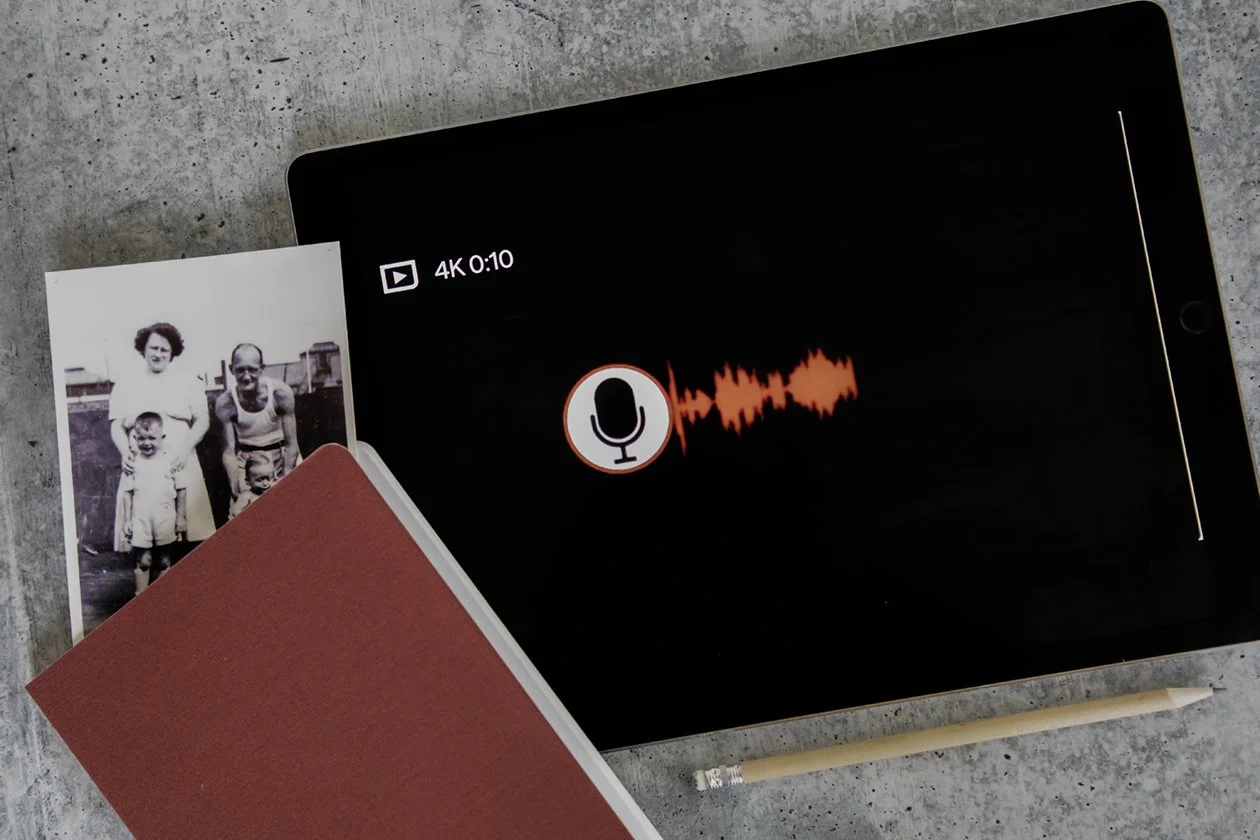
4. Utilize voice recording for storytelling.
If writing feels daunting, consider speaking your stories aloud and recording them. This approach allows you to preserve your personal history without the pressure of writing, capturing the natural rhythm and emotion of your narratives. Read more.

5. Shift your perspective on memoir writing.
Reframing the concept of memoir writing can alleviate pressure. Instead of viewing it as a formal endeavor, consider it as simply writing about your life. This mindset shift can make the process more approachable and authentic. Read more.
6. Don’t use research as an excuse to procrastinate.
While conducting research for your memoir is essential, it’s important to recognize when to transition from research to writing. Identifying signs that your research is sufficient—and not just a crutch to remain busy in the face of a blank page—can help you focus on crafting your narrative without unnecessary delays. Read more.

7. Create a Life Timeline
Developing a life timeline can serve as a handy tool for memoirists, helping to orient you in time when writing or sharing stories orally. This chronological framework ensures that significant events and transitions are thoughtfully incorporated into your memoir, yes—but it also becomes a reliable cheat sheet for writing ideas when you’re lacking inspiration. Read more.
Click for a full year of memory prompts & writing support!











Life Story Links: August 12, 2025
Dawn Roode’s curated roundup for the week of August 12, 2025, includes recent stories of interest to personal historians, preservationists, and family history fans.
“We recognize ourselves in the specificity of others’ stories.”
—Tobias Wolff
Vintage photograph by M.A. Crosby: “The Sam McCall family of Wilcox County, Alabama,” 1910; 1998 print from the original glass plate negative. Records of the Bureau of Agricultural Economics. Courtesy Picturing the Century Exhibition, National Archives.
Family story preservation
FROM QUESTIONS TO STORIES
Once you’ve interviewed your family member(s), you’ve got the most important step under your belt. Why not take the next step and turn those spoken stories into something more permanent and engaging: an edited narrative that will hold meaning for generations?
THE ALLURE OF HER GREAT-UNCLE
“I started thinking that if Uncle Ronald were still here, we could go to lunch.... Would he offer advice, or just listen and wince? What would he order? What stories would he tell? I told my family that I wanted to write the story of his life. My real motivation was always the impossible lunch.”
THOSE PHONES IN DRAWERS?
Back-up challenges block tech donations in UK, according to a report: “These forgotten devices collectively store around 11 billion photos, 8.7 billion messages, and nearly 8 billion videos—moments too valuable to lose, yet too often left inaccessible.”
‘MY FATHER, GUITAR GURU TO ROCK GODS’
“When the greatest musicians of the 1970s needed an instrument—or a friend—my dad was there.” I think this is a beautiful example of bringing someone we love to life through our memories and recollections of others in their orbit.
SEARCHING FOR MOM
“[Mariska] Hargitay started by reading letters from her fans who brought up her mother. That led her to combing through storage boxes that hadn’t been touched since 1969.” She likens the process of making her new documentary, My Mom Jayne, to an archeological dig.
Our unfiltered selves
ON THE CHRONOLOGY OF SELFHOOD
“My [journal] entries are just a human being a human. If [after my death] someone close to me read and did something with any excerpts that felt edifying for the soul, I would consider that to be a positive offering for the world. We need to know that we’re not so different.”
TRANSFORMATIVE POWER OF JOURNALING
“‘Alchemy’ feels apt when it comes to keeping a journal. In taking a moment each day to write your thoughts, show up and write your way back to yourself, you take the grist of everyday life and transform it.”
Storytelling out in the wild
MOBILE RECORDING STUDIOS
With the country’s semi quincentennial less than a year away, “America250” is bringing the celebration cross-country with a fleet of Airstream RVs on a nationwide storytelling tour looking to highlight thousands of personal histories.
COMPASSIONATE CARE
Maureen Leier, a registered nurse and digital storyteller, joins host Lisa Joworsky to explore how integrating personal life stories into healthcare transforms the quality of care and creates meaningful connections between caregivers and patients. Listen in:
Through the lens of food
A DELECTABLE MEMOIR
“In the scrumptious Tart, the anonymous London haute-cuisine veteran Slutty Cheff tells all. Deliciously,” writes one reviewer.
EXPLORING FOOD HERITAGE
I wrote about this series earlier in the year, but I just discovered that NatGeo’s No Taste Like Home is available for viewing online. Find full episodes of season one here, and check out the trailer below:
Short takes
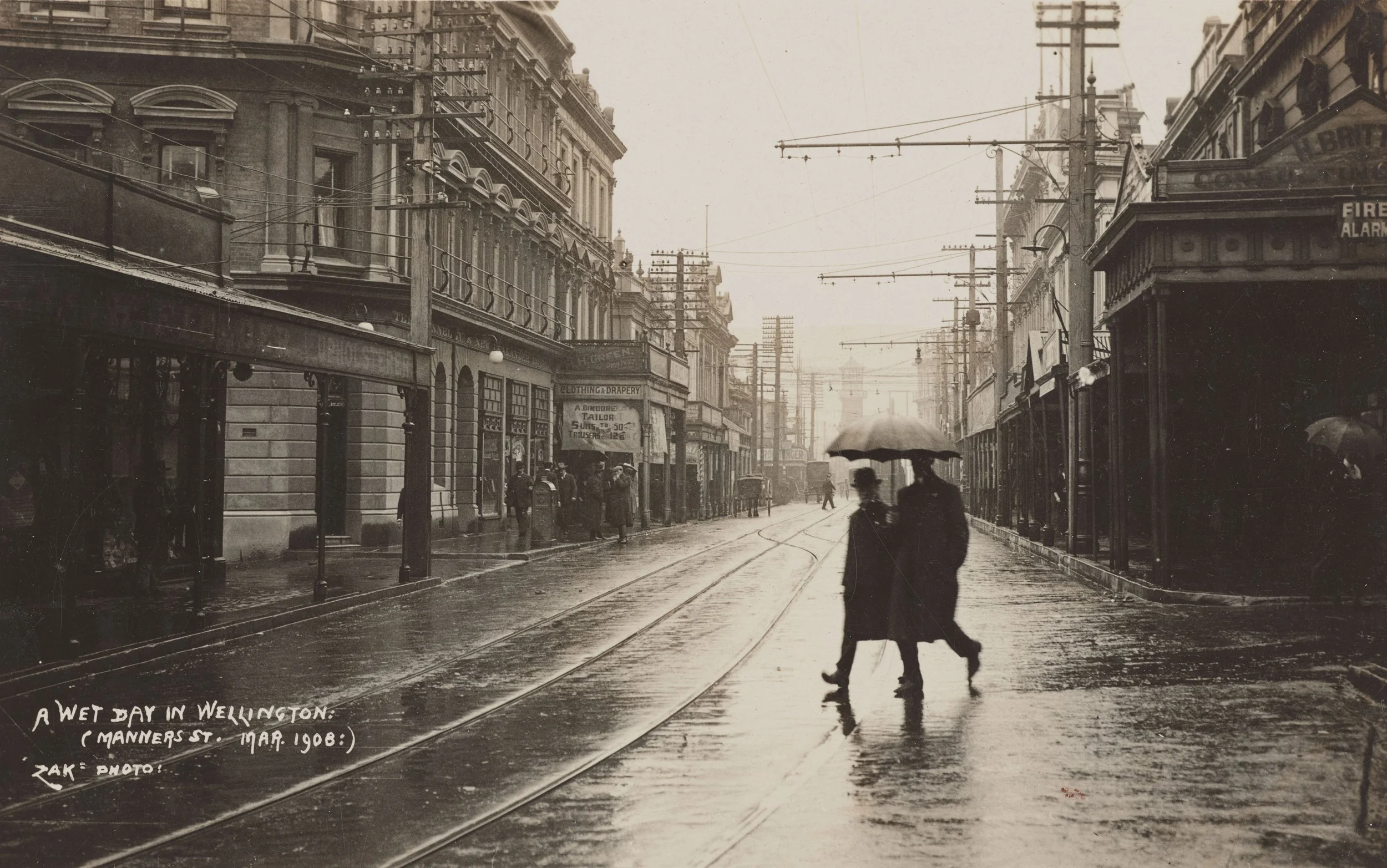

How to turn an oral history into a compelling story
Four steps to help you turn spoken stories into engaging written narratives—so once the family history interview is done, you can create a lasting legacy.
Once you’ve interviewed your family member(s), you’ve got the most important step under your belt—congrats! But why not take the NEXT step and turn those spoken stories into something more permanent and engaging: an edited narrative that will hold meaning for generations?
So many people land on my website in search of family history interview questions (are you one of those folks?). And while ASKING the questions—and recording them—is literally the best first step (even if you never do anything else with the recordings, you have them!)…it’s always my hope that you’ll go a few steps further and hone those interviews into compelling narratives.
This process involves capturing the storyteller's voice, structuring the narrative effectively, enriching it with context, and editing with care. Each step is crucial in preserving the authenticity and emotional depth of the original accounts, ensuring your stories will be read (happily!) for generations.
If you’d like to conduct the personal history interviews then hand them over for professional editing, please reach out to schedule a phone call to see how we might work together. If you’d like to give it a go yourself, here are some concrete steps—as well as further reading on each topic—to help you turn raw conversation into engaging stories.
4 steps to turn your family history interview into great stories

Step 1: Conduct thoughtful and open-ended interviews.
A compelling narrative starts with a strong foundation: the interview. Whether you’re sitting down with a loved one in person or recording a conversation remotely, the key is to create an atmosphere of trust and openness.
Start with broad, open-ended questions. Instead of asking, “Did you like school?” try, “What was a typical school day like for you?”
Encourage storytelling. Prompt with, “Can you describe that moment in detail?” or “What did it feel like when that happened?”
Follow the unexpected. Some of the most powerful stories emerge when we let conversations flow naturally rather than sticking rigidly to a script.
Record (with permission). This allows you to focus on listening rather than scrambling to take notes.
PRO TIP: Small details often unlock the most vivid memories. Ask about sounds, smells, and emotions to deepen the storytelling experience.
Further Reading: "Best questions to open your family history interview"

Step 2: Preserve the storyteller’s voice.
One of the most powerful aspects of oral storytelling is the subject’s voice. When converting spoken words into written text, aim to retain the unique rhythm, expressions, and personality of the speaker.
Transcribe with care. Capture natural speech patterns, but remove filler words like “um” and “you know” for readability.
Enliven the story with dialogue. If a story includes conversations, write them as scenes rather than summaries. Direct quotes help maintain authenticity.
Use first-person narration when possible. This makes the story feel personal and immersive.
For example, instead of writing: “My grandfather worked in the shipyards during the war. He remembers it was hard work.”
Try: “The shipyards were cold in the winter, blistering in the summer. I’d come home with hands so sore I could barely hold my fork at dinner. But we had a job to do, and we did it.”
Further Reading: “Write the way you talk—your family will thank you”

Step 3: Make the structure easy to navigate—and impactful.
Oral storytelling is often nonlinear—memories surface out of order, details emerge in layers. But written narratives benefit from clear organization.
Consider what structure best serves the story and resonates with the intended audience. This could be:
Chronological: Ideal for life stories or historical accounts.
Thematic: If certain themes (resilience, migration, perseverance) emerge strongly, organize the story around them.
Vignette-style: A collection of short, evocative moments can sometimes be more powerful than a strict timeline.
PRO TIP: When shaping the narrative, think like a reader: What details create tension, curiosity, or emotional connection? What order makes the story most engaging?
Further Reading: “How to create a life timeline for your memoir writing project”

Step 4: Enrich the story with context and details.
While spoken stories often assume shared understanding, the written version benefits from additional historical context. Future-proof your family history book by doing the following:
Add historical and cultural details. If a relative mentions a significant event, include a brief explanation for future readers. The COVID-19 pandemic is fresh in our minds, for instance, but won’t be immediately known by the next generation.
Describe places and settings. What did their childhood home look like? What was the makeup of the neighborhood where they were raised? Were their schools integrated, religious?
Clearly identify people. Use names rather than just “he” or “she,” and clarify relationships whenever possible to avoid confusion.
Further Reading: “How to edit your family history so it will make sense 20 years from now”
By transforming oral histories into written narratives, you’re creating something lasting—something that can be held, reread, and passed down through generations. It’s a labor of love, but also an act of preservation, ensuring that the voices of the past continue to speak to the future.



















Life Story Links: July 29, 2025
Recent recommended reads about memory preservation, life story writing, and memoirs of note round out personal historian Dawn Roode’s curated roundup this week.
“Life is story in motion. Each day, you add to your story, revise it, and view it from a different angle. You erase things. Tear pages out. And sometimes, in hindsight, wish you could put them back. A day is a story. A year is a story. A life is a story. You are a story.”
—Ruta Sepetys
Vintage photograph by Danny Lyon: “Two Latin girls pose in front of a wall of graffiti in Lynch Park in Brooklyn, New York, June 1974”; 1999 print from the original 35mm slide. Records of the Environmental Protection Agency. Courtesy Picturing the Century Exhibition, National Archives.
For generations to come
‘LOVE, GRIEF, LONGING FOR HOME’
A local history buff donates his treasure trove of wartime letters—more than 11,000 in total, spanning the Civil War through Vietnam—to Chapman University’s Center for American War Letters:
THE NITTY-GRITTY OF DIGITAL PRESERVATION
“The reality is harsh: hard drives fail regularly. If you're relying on a single drive for storage, you're essentially gambling” with your family archive. While this piece is written for professional photographers, there is a wealth of information of value to anyone with digital assets worth safeguarding.
EYEWITNESS TO HISTORY
“The sea is a stranger to me,” Ella Sheldon confessed in the first pages of her journal, which goes on to chronicle her voyages on the high seas all over the world between 1892 and 1900. Here is a fascinating look at how one woman's personal handwritten diary can hold gems even 125 years later.
DATA PROTECTION OBLIGATIONS?
“The destroyed records had the potential to be an unknown memory, an identity, a sense of belonging, answers—all deeply personal pieces in the jigsaw of a person’s history—some now lost for eternity.”
Memories, memoir, and mementos
BUT WHERE ARE THE JUICY BITS?
“It’s sad to think that, if the current trend for cutting indexes continues, future memoirs might be accessible only electronically.” How will readers browse for gossip in celebrity memoirs, then?
PROOF OF LIFE; STORY
“There’s a strange intimacy to a stranger’s grocery list; a found scrap of paper is a rare analog window into someone else’s needs. It’s an accidental autobiography, a blank space to be filled with one’s imagination.”
DEBBIE MILLMAN’S JOURNALING PRACTICE
“Some years ago, I reread a journal I kept during my college years, in 1982.... I found myself holding my breath as I realized these weren’t just diary entries or memories. They were evidence of a life. They were my witnesses to living and persevering.”
INFO VS. STORIES
“Take a look at your family tree. Are you seeing people or just data points? If it’s feeling more like a spreadsheet than a collection of human stories, it might be time to dig a little deeper and bring those ancestors back to life.”
Happy and hard—it’s all worth writing about
TRAUMA-FOCUSED WRITING
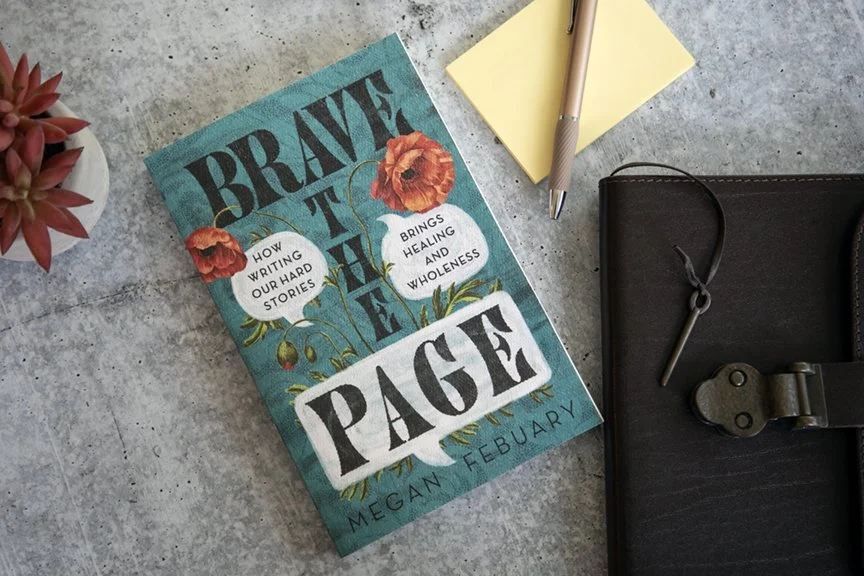
Writing hard stories is…well, hard. But as Megan Febuary puts forth in her new book, Brave the Page, doing so may also bring healing and wholeness. Last week, I reviewed this worthwhile book.
INHERITANCE
“I was procrastinating while writing a piece that involved research on genealogical websites, and, on a whim, I began punching my grandparents’ names into search bars.” Jessica Winters’s piece is a tour de force of layering past and present and an incredible example of how skilled writing can infuse genealogical research with life.
ON NAVIGATING SUICIDE IN MEMOIR
“Our stories shape us. We can’t escape them. I was no longer the same person after Daniel. I couldn’t run away from him on the page. My book wouldn’t ring true to me without him.”
‘THE OG VIBE SHIFT’
Thematically, this one’s a stretch for our Life Story Links roundup, and yet I couldn’t resist including it for the grammar and word nerds among us: “The Em Dash Responds to the AI Allegations.”
EMBRACING GENRE FLUIDITY
“Like breakfast for dinner, hybrid writing challenges expectations—not for rebellion’s sake, but because it’s practical, and something deeper, stranger, or truer demands it from your material.” On finding the right container for your story.
HOW HISTORY IS (RE)WRITTEN
“The national parks were established to tell the American story, and we shouldn’t just tell all the things that make us look wonderful. We have things in our history that we are not proud of anymore.”
Where memories reside
“‘THAT ANCESTRAL TRAVELING LIFESTYLE…’
“I have noticed that my memory is strangely place-bound: I don’t often remember when something happened but rather where it occurred.” Madeline Potter on letting the Roma narrate their own story.
SEARCHING FOR HOME
Hala Alyan, author of new memoir I'll Tell You When I'm Home, “and her relatives have been displaced from their homes in Gaza, Kuwait, and Lebanon—and she says it's difficult to fully separate herself from these places.” Listen in:
LEGACY, VALUES, AND LOVE
A veteran in the personal history space, video biographer Iris Wagner, speaks about how she got started, what makes a good legacy video (it’s not prescriptive advice!), and why she’s so passionate about her work. Listen in below, or click here to see time stamps of the topics they cover.
...and a few more links
Larry Smith (the “six-word memoir” guy) shares 6 lessons from a return to live storytelling.
“Wishing to Be Remembered, I Remember,” a prose poem by Beth Kephart.
“America’s Cup finally has a coffee table book, and it’s a work of art.”
How Petite Keep “boxes of memories” are faring after Shark Tank investment
5 creative ways to add storytelling elements to your next travel book.
Read an excerpt from the memoir A Beginner’s Guide to Dying by Simon Boas.
Colorado’s Marshall Fire survivors find healing and meaning through oral history project.
Short takes
Life Story Links: September 8, 2026
Dawn Roode’s curated roundup for the week of Sept. 8, 2026, is overflowing with recent reads on memoir, ghostwriting, visual storytelling, and family history.
“The average life of a Tweet, for example, is fifteen minutes. A Facebook post’s average life is five hours. After that, the chance of being read plummets. But leaving behind actual writing for the people who love you to find? That’s something rare and precious, and it’s worth even more if you’re perfectly truthful.”
—Rachael Herron, Fast-Draft Your Memoir
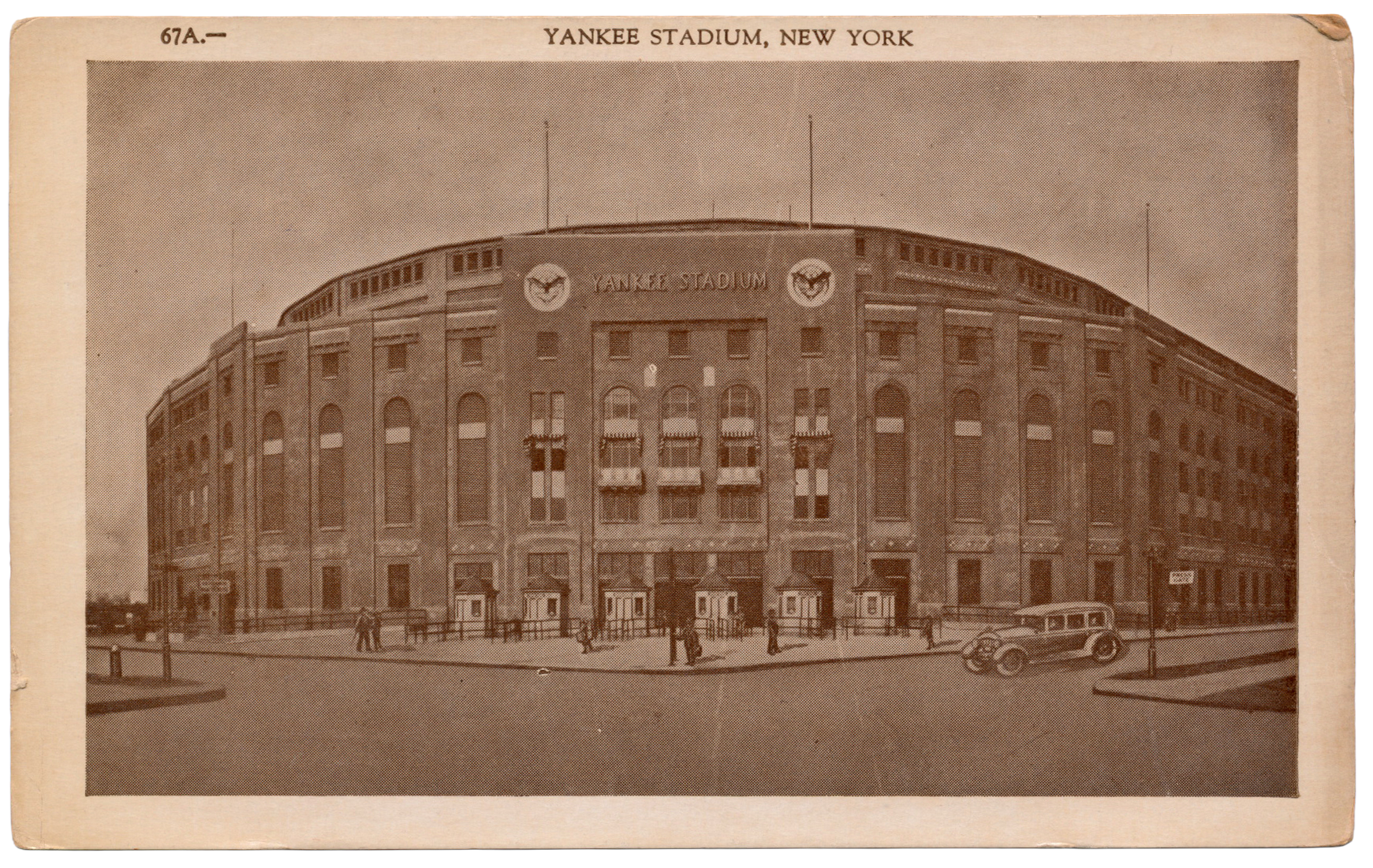
Vintage postcard depicting Yankee Stadium in New York City, circa 1924, from the personal ephemera collection of Dawn Roode.
The art & adventure of life writing
BIG STORIES, SMALL CONTAINERS
“The flash essay—flash nonfiction typically under 1,000 words—is not a lesser form of personal writing. It is the personal essay distilled.”
‘AN INTERVIEW IS A LIVING DOCUMENT’
Last week I shared three ways to transform oral history interviews into lasting keepsakes—from edited transcripts to personal podcasts and narrative family histories.
WELCOME THE TEARS
“As time passed, I was afraid that my memories and detailed accounts would get less vibrant as life and its challenges and complexities took its toll.” On the complex journey of storytelling and grief.
A TRANSFORMATIVE JOURNEY
“The craft of storytelling will carry you, protect you, as there are many ways to write about trauma, and you will need to learn them so you can skillfully choose how you present your story to readers and touch them with your story.”
DOLLY PARTON, WRITER
“The song wasn’t about me, wasn’t about my life, about my people. But good writing doesn’t have to imagine everyone. It only has to imagine the truest thing about all of us, that exists in each of us.”
Family history finds
BIOGRAPHICAL SKETCHES OF EARLY NYERS
Explore this compilation of completed biographical sketches for the NYG&B's New Netherland Settlers project, which developed detailed, peer-reviewed sketches of all the people residing in New Netherland prior to 1664.
STORIES FROM MEMORY
“The past is not so much foreign as free, free to anyone who is willing to do the work, to enter the past with a spirit of curiosity and a willingness to conjure a living world out of the detritus that history leaves behind.”
Ghostwriters, unite
ON VOICE, ETHICS, AND PUBLISHING
“We get to know each other on a very deep level…. I’m so selective with who I work with as a ghostwriter because essentially I am stepping into their shoes. I love working with people who have open hearts and they’re compassionate.” Here, ghostwriter Amy White in conversation about the craft of writing other people’s stories—and about her own memoir:
‘AS TOLD TO’ PODCAST
“We ain’t doin’ none of this Tuesdays with Morrie shit,” baseball great Dave Parker once told his collaborator Dave Jordan, as they worked together on the soon-to-be-Hall-of-Famer’s memoir. “We goin’ out poetic and wild.” Listen in as the ghostwriter talks about their collab:
More in memoir
SECRETS: A REPORTING MEMOIR
A book I’ve pre-ordered: From two-time Pulitzer Prize–winning investigative journalist Bob Woodword comes the definitive memoir of the man with more #1 bestsellers than any journalist of our time, offering an unprecedented inside look at some of the most newsworthy stories ever.
IN CONVERSATION WITH EARL SWIFT
"I’m happy that I turned to memoir only after writing nine books and a mountain of stories about other people. I’d recommend that approach as it trains you to recognize the elements of a good tale..."
Visual storytelling
OUR STORIES, OUR NEIGHBORS
“"The whole point of the project was to ignite cross-generational social connections." A British photographer invites untold stories from a single village.
DIGITAL AMNESIA
“Snapping a photo or a screenshot to remember something? According to recent cognitive research from Binghamton University’s Psychology Department, the practice may make you more likely to forget.”
BEFORE IT ALL CHANGES
“People forget certain things, like where the coffee pot was, how she touched something, the weird doorknob. That’s the stuff that’s unique to your life. I’m preserving all that.”
PORTRAITS YIELD STORIES
“Cormac asks what we think of the home so far, already knowing our answers.” Photographer Beowulf Sheehan remembers capturing Cormac McCarthy through a lens.
In letters
‘MOST REVEALING OF ALL DOCUMENTS’
The story behind Too LA: Letters Never Sent (But Some Were), the new book bringing together Eve Babitz’s most uncensored and never-read writing, as shared by the writer’s biographer.
LIFE ON THE PAGE
“A letter—especially a handwritten one—feels dangerously permanent. It asks us to choose what deserves to outlive us.”
‘LAUGH? I THOUGHT I’D DIE!!’
Novelist Richard Yates has a reputation for bleakness. But while the works for which he is best known do feature a cast of unhappy souls, they are also often funny. So are his letters, which have never before been published.
Jewish research & genealogy resources
THE JEWISH JOINT, NEW RECORDS
JDC Archives has expanded access to primary source material documenting JDC’s work during the Holocaust era and its aftermath. Known within the Archives as the “Hidden Collection,” these records were held in offsite storage for many years and only recently retrieved for processing, preservation, and digitization.
JEWISH HERITAGE NETWORK
JDC Archives has also launched a new names database with enhanced features for tracing family journeys. An ongoing project for nearly 20 years, the JDC Archives Names Database provides access to information about more than 700,000 individuals who received assistance from JDC, not only financially but also as recipients of material relief, rescue, and emigration assistance.
...and a few more links
Did you know Talas creates custom-sized archival storage boxes?
How Dolly Parton told her life story through six iconic songs
Caregiver helps woman with dementia write memoir before her 95th birthday
“More than just relics, mix tapes are portals to specific moments.”
Describing one privately published memoir to hopefully inspire others
This immigrant memoir intertwines personal and national history.
Read an excerpt from The First Ghetto: Venice and the Origins of Modern Antisemitism
Short takes
Life Story Links: August 25, 2026
Dawn Roode’s curated roundup for the week of August 25, 2026, includes recent stories on memoir writing, oral history interviews, and memory-keeping ideas.
“If, in good times and bad times and ordinary times, people who may not think of themselves as writers begin to set their stories down, in their own voices, in whichever way they choose, it will make history, make it truer, fairer, richer.”
—Anna Quindlen, Write for Your Life
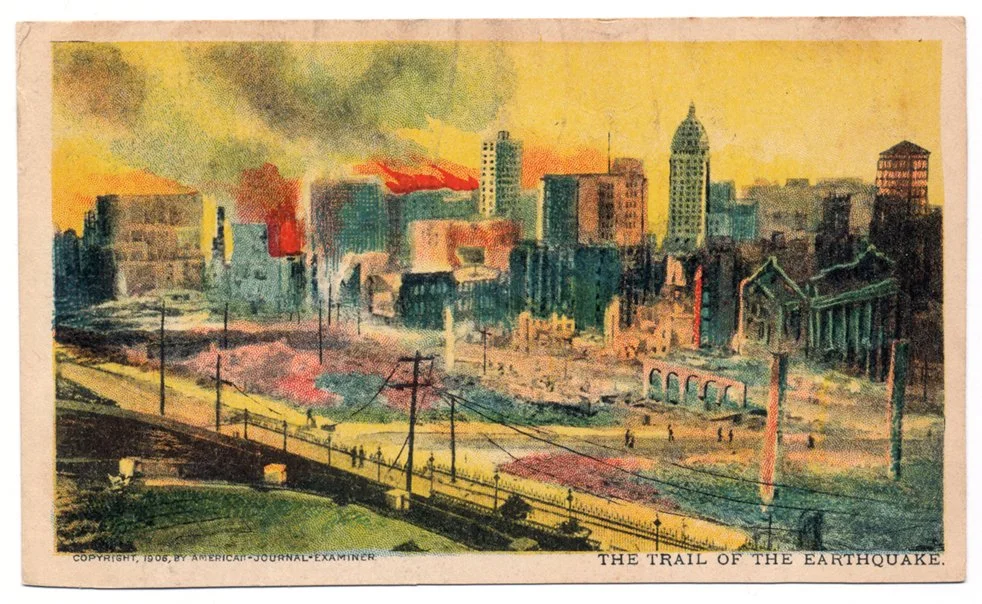
Vintage postcard captioned “the trail of the earthquake” depicting the burning city of San Francisco, circa 1906, published by American Journal Examiner, from the personal ephemera collection of Dawn Roode.
Our lives in print
LAYING OUT HER LIFE
Amber Pjongluck’s two-meter-long book curates the designer’s entire life in objects, using publishing as a tool to gather, sort, and reorient personal memories in a catalogue of objects past and present.
WHAT TO DO AFTER THE INTERVIEW?
”An oral history is a gift—but it’s also raw material. Whether you shape it into a readable story, a personal podcast, or a written family chronicle, the goal is the same: to make the memories accessible, engaging, and lasting.”
FROM MEMOIRIST JULIA COHEN
“When writing nonfiction, I usually know the beginning and end of a piece but am surprised by the twists and turns the middle takes to connect the two.”
FROM MEMOIRIST ELIOT GLAZER
“The hardest part was excavating my own life for material, living in my own head all the time…. It’s no secret to me that vulnerability always elicits authenticity in art, but I needed reminding.”
FULL CIRCLE
“It was during Covid that [Nick] Haymes found the time to go through all his family negatives and work out what to do with them. ‘It moved me pretty heavily,’ he says. ‘I also had to try to be as impartial as I could because I didn’t want it to be saccharine.’”
Life and death
EPITAPHS-IN-PRINT
“Writing obituaries has persuaded me that everyone has a story to tell; every life, no matter how seemingly mundane, can offer something to grasp.” In Are They Dead Yet?, Sam Roberts “offers a wry, witty, deeply researched survey of the art and history of the obituary.”
AFTER WE DIE
More from Sam Roberts here: “Obituaries, I’m often reminded, are mini-biographies. They are not about death. They reveal how people lived their lives.”
Personal history miscellany
THE GIRL IN THE MIDDLE
A historian spent years tracking down the identity of an unnamed Indigenous girl in an 1868 photo of the Indian Peace Commission, eventually identifying her through a newspaper query that connected her with the subject’s great-great-granddaughter.
HERITAGE RENEWAL
One Omaha family’s annual reunion—500 people strong and going for more than 100 years—is “a celebration of family and history, and a reminder that both are worth preserving.”
SCIENCE NEWS
Neuroscientists left the lab to study memory loss, and the results were surprising: Past research in lab settings may not have accurately captured older adults’ recall.
...and a few more links
The stories dementia couldn’t erase: Spiri Tsintziras honors her mother’s legacy.
Preserving Maui’s stories: UH Center for Oral History lands $538K in new funding
Life’s ‘last universal common ancestor’ may predate life itself
IIT and Adobe researchers explore how AI can bring memories to life
“I read 47 rock memoirs...and ranked them from worst to best”
Short takes
Life Story Links: June 16, 2026
Personal historian Dawn Roode curates recent posts on the topics of memoir, life story writing, family history preservation; here, the June 16, 2026, roundup.
“It is not the job of future generations to make sense of our lives from the remnants of the marketplace, scrap snapshots, refurbished heirlooms, electronic bits of bits. Only we can make of it all a song of self, a story with the power of myth, to leave somewhere the best of what we were and what we learned.”
—Beth Kephart, Handling the Truth: On the Writing of Memoir
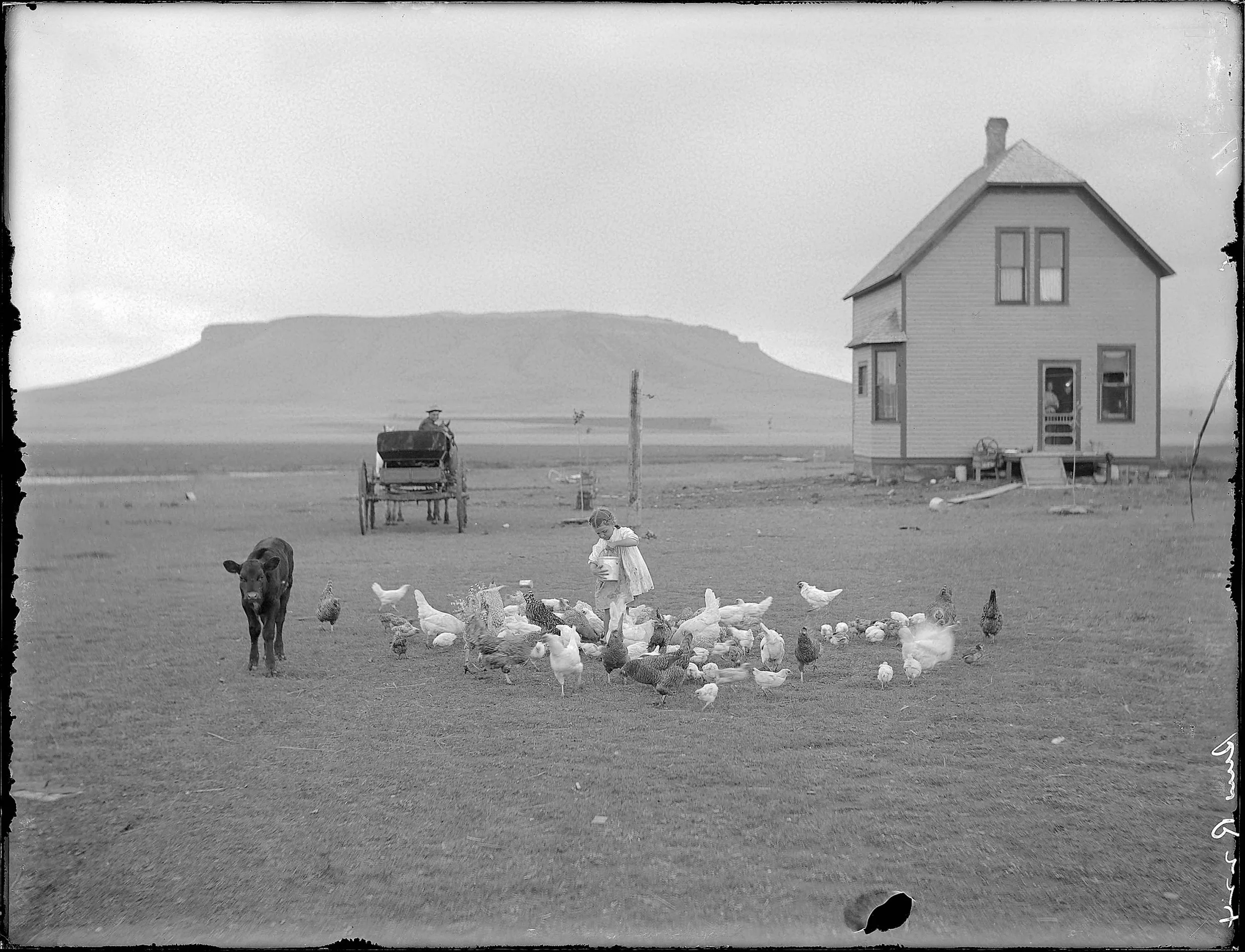
Vintage photograph by Walter Lubken of the Hancock homestead, July 23, 1910: settler from Benson, Minnesota, Sun River project, Montana; 1999 print from the original glass negative. Records of the Bureau of Reclamation (115-JAD-224). Courtesy Picturing the Century Exhibition, National Archives.
Finding our stories
INVITATIONS TO MEMORY
“Writing prompts are really just ways of listening—to memory, to emotion, to curiosity. They remind us that there’s no single path to finding your story; there are hundreds of small openings that lead to it.”
NO TRANSLATION NEEDED
“My grandfather only spoke Lao, and I had lost the language—but with one dish, we shared so much.” Manichanh Naonady on how eating snails with her grandfather bridged their language barrier.
MOBILE RECORDING BOOTH
Inside a circa 1978 camper trailer, The Chatterbox Project founder David Balzer collects and shares joyful audio stories in Canada:
Writing our lives
MEMOIR IN THE AGE OF OVERSHARING
“From sad-fishing on Facebook to sensational Substack revelations, today’s readers don’t have to look far for confessional writing. Is this the end of autobiography?”
WRITING THE TRUTH
“Memoir required a confident retelling of experience, a way for a reader to exist inside someone else’s life for a moment. The problem, I was coming to understand, was that even though I wanted to write my life story, I had disappeared inside the stories of everyone else.”
WRITING MEMOIR IS HARD
“For any memoirist who’s struggling to write, you’re not alone, and there’s nothing wrong with you or your process if it’s taking longer than you want.”
Short takes
Life Story Links: June 2, 2026
Personal historian Dawn Roode curates recent posts on the topics of memoir, life story writing, family history preservation; here, the June 2, 2026, roundup.
“Is not the poet bound to write his own biography? Is there any other work for him but a good journal? We do not wish to know how his imaginary hero, but how he, the actual hero, lived from day to day.”
—Henry David Thoreau, The Journal of Henry David Thoreau, 1837–1861
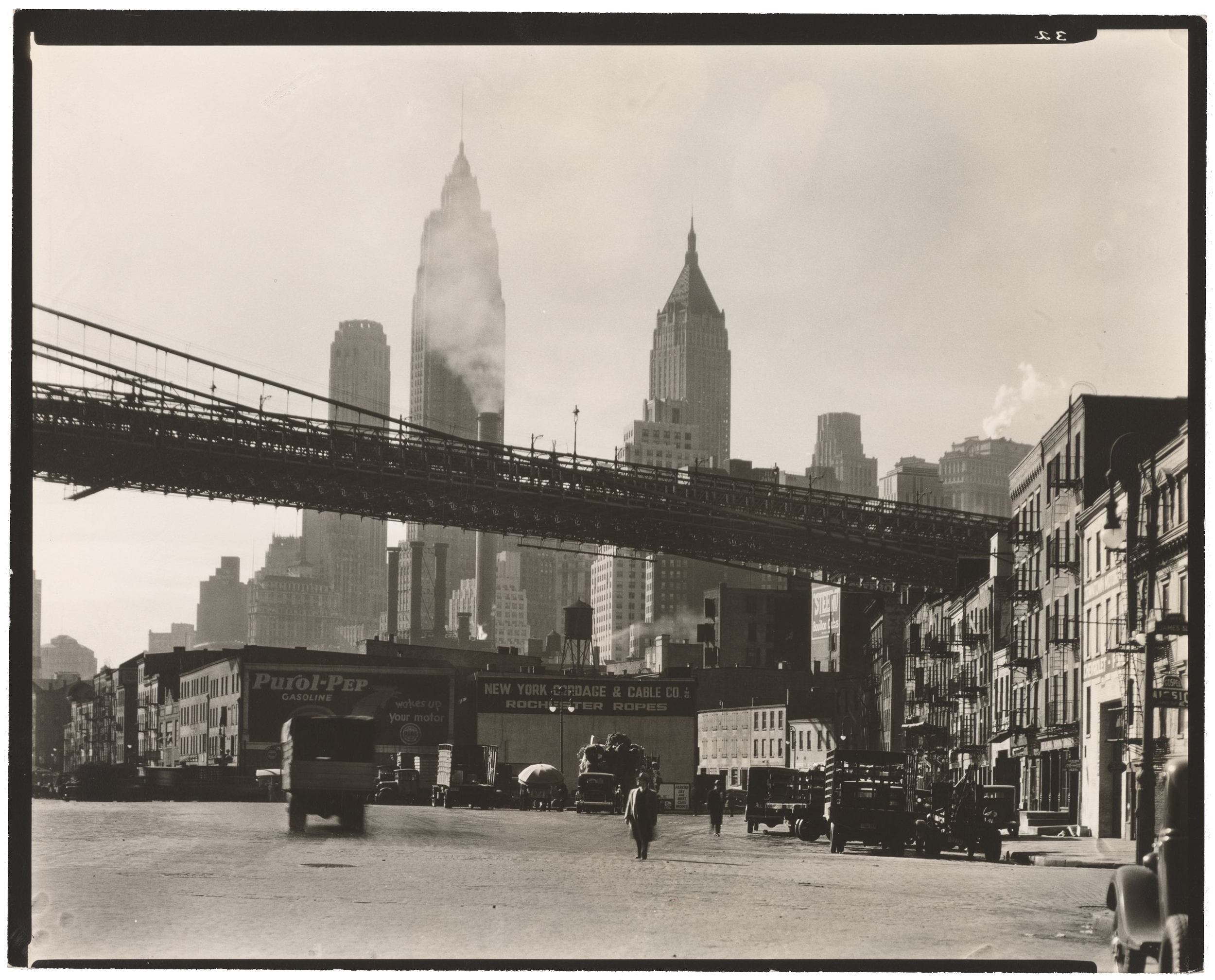
Vintage photograph of the South Street waterfront in New York City, 1935, by Berenice Abbott, courtesy the Miriam and Ira D. Wallach Division of Art, Prints and Photographs: Photography Collection, The New York Public Library Digital Collections.
Personal history potluck
INTERGENERATIONAL CONNECTIONS
“You might not think calling your grandkids on the phone could invoke more than clipped answers—‘school was okay,’ ‘I have a flag football game later…’—but I guarantee using video and a few of these ideas will rouse spirited—and meaningful—conversation.” Last week I wrote about how to be proactive sharing your stories with your grandkids.
A LEGACY OF VALUES
“While leaving a legacy may feel more urgent for older adults who feel the pressing nature of limited time, some scholars argue the drive to leave one can—and maybe should—begin earlier in life.”
‘THE STORIES MAKE MY MOM COME ALIVE’
Comedian Gus Constantellis shares how his Greek mom inspired a heartfelt cookbook—called, hilariously, My Greek Mom’s Recipes: She Died. I Wrote This Cookbook—filled with family recipes, humor, and memories:
SEARCHING FOR FAMILY
“At age fifty-eight, I discovered my biological family from a DNA test that [my adoptive mother] had given to me. I found an unbelievable connection to my biological father and learned he had been with me most of my life…. The story I discovered, my story, was a true war story.”
BOOKS ABOUT MEMORY
“I’m fascinated by how memory works, how it is organized, all the methods that have been developed to increase it and explore it and to summon images from the depths of the past. I write about my own memories and those of other people because that is the history I pursue: the subjective experience of time.”
‘WHEN BIOGRAPHY GOES DELULU’
“The process of discerning the truth from illusion was an unexpected yet crucial task in researching and writing my book, Follow the Signs, a hybrid biography that combines the story of Goodman’s life alongside my quest to create an authentic portrait of her.”
...and a few more links
Short takes
Learn about our Write Your Life course, providing memory prompts, writing guidance and a dose of inspiration to anyone who wants to preserve their stories now.