
Memories Matter
Featured blog Posts
READ THE LATEST POSTS
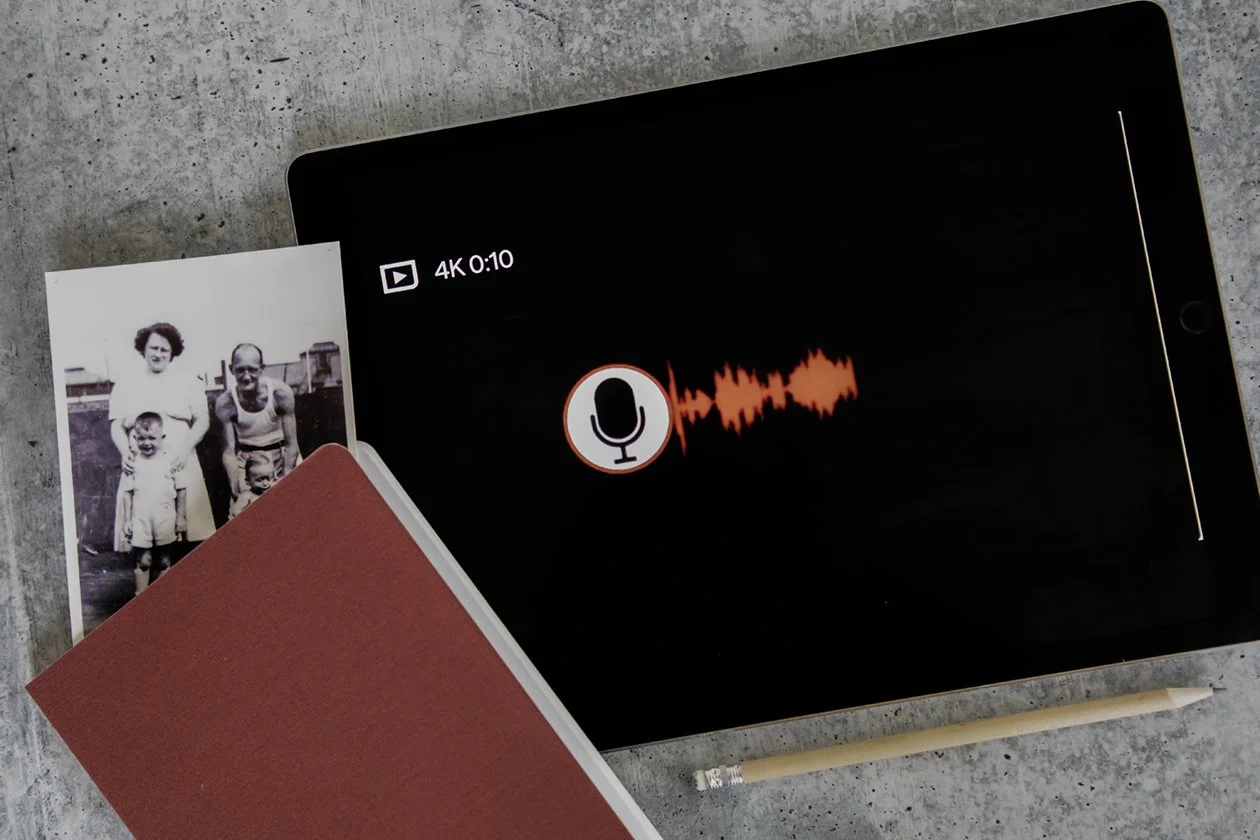
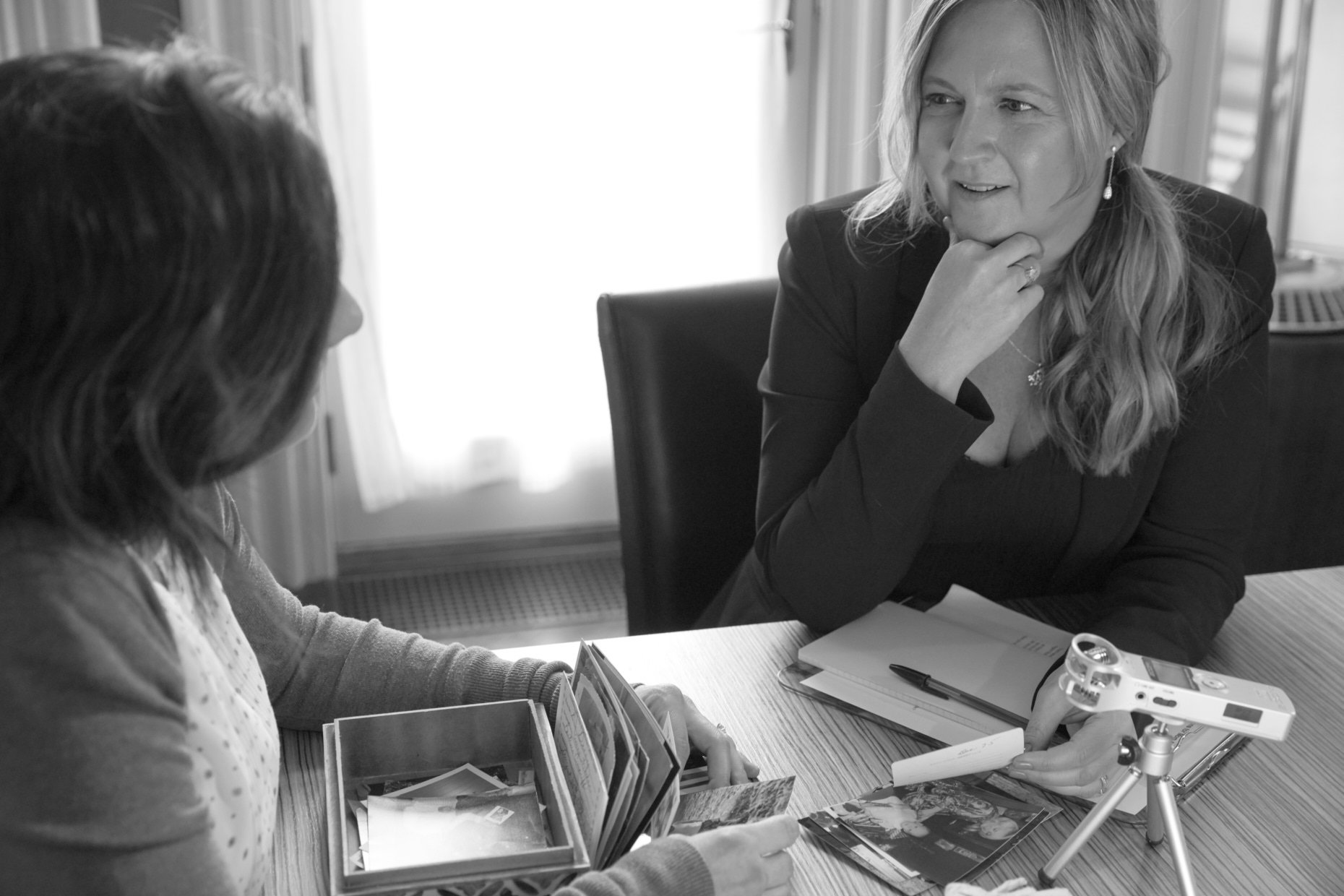
Preserving audio and video interviews: from recording to storytelling
Learn how to record, transcribe, and store interviews with care. Tips on consent, ethics, and turning audio or video conversations into lasting family stories.
Recording a family history interview is as simple as using a voice recorder on a device such as a tablet or smart phone.
When someone trusts you with their memories—when they sit down in front of a microphone or camera and share their story—you’re holding something precious. But recording a great interview is only the first step. How you handle that recording afterward—from transcription to storage to storytelling—determines whether those memories will endure for years or disappear with a crashed hard drive.
At Modern Heirloom Books, I’ve learned that preserving interviews is as much about care as it is about craft. It’s about listening well, recording responsibly, and treating people’s stories with the respect they deserve.
Best practices for recording family history interviews
1. Recording with intention
The technical setup doesn’t have to be fancy, but it does have to be thoughtful.
Choose a quiet space. Avoid kitchens (appliances hum) and large echoey rooms. Soft furnishings, like curtains or carpets, help absorb sound.
Test before you begin. Record 20 seconds of conversation, then play it back. Adjust mic distance, reduce background noise, and double-check your battery or storage levels.
Back up immediately. Save the file to at least two locations—ideally an external drive and a cloud-based service. Name the file clearly (for example: Interview_MiriamRosen_2025-02-10).
Get permission in writing. Always explain how the recording will be used, and have participants consent—especially important for projects you plan to publish or share.
2. Working with older participants
Many of the most meaningful stories come from older generations—but that also means being sensitive to energy, comfort, and pacing.
Keep sessions short. One hour is usually enough. Fatigue affects memory recall.
Be patient with pauses. Silence often signals deep thought; don’t rush to fill it.
Bring visual prompts. A photo, newspaper clipping, or memento can help unlock memories.
Check the environment. Good lighting, a comfortable chair, and room temperature matter more than you think.
3. Ethical considerations and consent
When you record someone’s story, you become its steward. Handle that role with transparency.
Explain purpose and scope. Let them know whether the recording is for personal use, publication, or archival storage.
Clarify ownership. If possible, have a signed release stating who retains rights to the recording. (At Modern Heirloom Books, the storyteller always does.)
Honor boundaries. If someone asks for a section to be edited or omitted later, do it—no questions asked.
Protect privacy. Store sensitive recordings securely, and think carefully before sharing publicly.
4. Transcribing the conversation
Transcription is where the raw story begins to take shape. While automated tools like Otter.ai, Descript, Zoom, or ChatGPT can help, always review manually to correct errors—especially names, dates, and emotional nuance.
A few tips:
Timestamp key moments. It’s helpful when you later want to pull quotes.
Note tone and pauses. A soft laugh or a long silence can carry emotional weight.
Respect voice. Don’t over-edit for grammar; people’s natural rhythms make transcripts human.
Read aloud. If you’re planning to turn the interview into a narrative piece, read the transcript out loud. You’ll hear the music of their speech—and know which parts to keep verbatim.
5. Storing for the long term
Digital storage is fragile. Protecting your files now ensures they’ll still exist when future generations go looking.
Triple backup. Keep at least one local copy (external hard drive) and two cloud-based backups (like Google Drive and Dropbox, or an archival service such as Backblaze).
Name files consistently. Use clear labels: Lastname_Firstname_Interview_Date.
Store metadata. Keep a simple spreadsheet noting who was interviewed, when, by whom, and where. If you want to go a step further, include key phrases (many transcription software programs now use AI to help with this).
Create a preservation plan. Every few years, check your file formats and transfer them to updated storage—don’t leave them on aging technology. I recommend adding an annual reminder in your calendar for this task, as it’s otherwise likely to fall by the wayside.
6. Turning transcripts into stories
Once transcribed, interviews become rich material for narrative. But they shouldn’t be copied wholesale. Instead:
Look for patterns. Repeated phrases, values, or memories often form a natural thread.
Preserve voice. Keep their expressions and rhythms, even if you edit for flow.
Add historical context. Ground their experiences in time and place—what was happening around them.
Share drafts when possible. Let the storyteller (or their family) review before publishing; it builds trust and ensures accuracy.
Resources for further guidance
If you’d like to explore best practices in oral history and ethical recording, these organizations are invaluable:
StoryCorps
Promotes everyday storytelling and provides interview guides and consent templates.
The Oral History Association
Offers ethical standards, equipment advice, and transcription guidelines.
Library of Congress Veterans History Project
Excellent resource for interviewing veterans and preserving recordings for posterity.
Smithsonian Folklife & Oral History Guide
Comprehensive handbook on oral history methods and cultural respect.
Preserving a recorded story is both a privilege and a responsibility. Technology gives us incredible tools—but it’s the human care behind them that matters most.
When you record a voice, you’re capturing not just sound but presence: the laughter between sentences, the breath before a memory, the emotion carried in a pause. Those moments are what future generations will remember—not just what was said, but who was speaking.
Up next…
Once your interview is recorded and safely stored, the next step is bringing it to life. In Part Two, I share three creative ways to transform a raw conversation into a lasting family story.





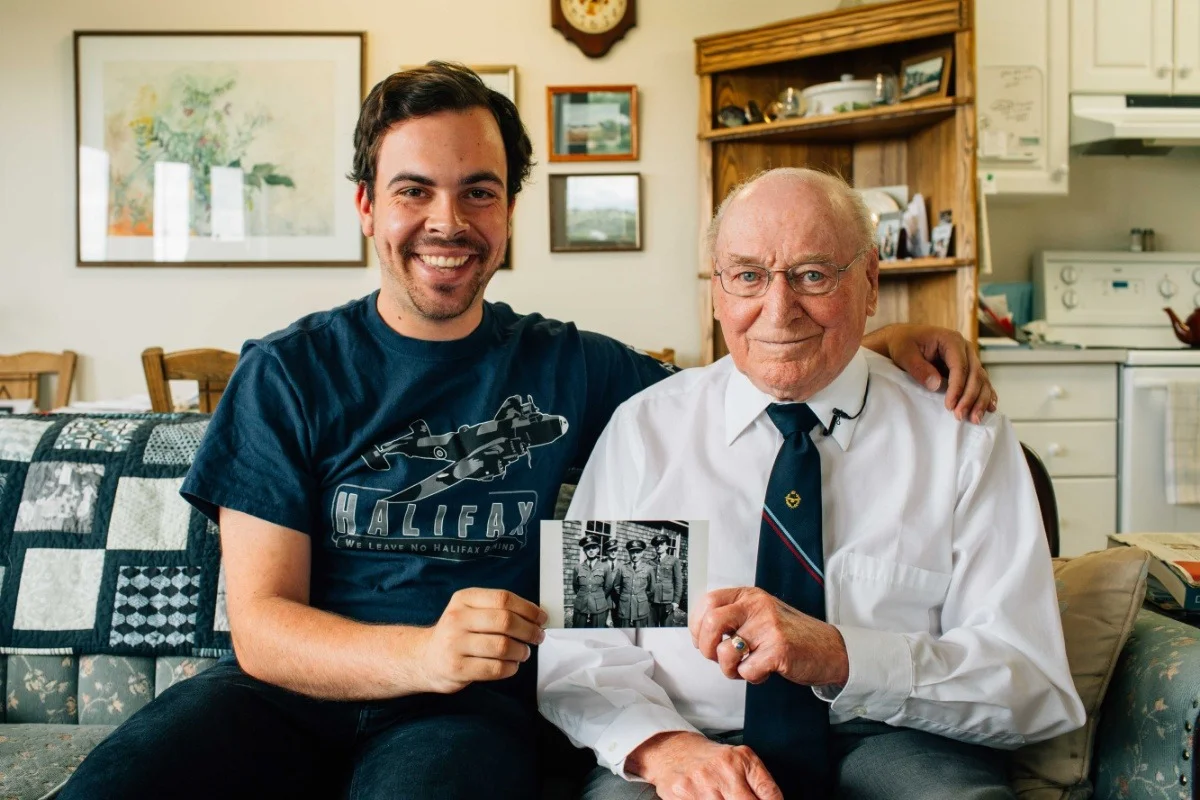








How the Proust Questionnaire can unlock your memoir
Discover how the Proust Questionnaire can unlock your memoir. Reflective questions to spark memory, deepen insight, and reveal your authentic story.
Long before personality quizzes filled our social media feeds, there was the Proust Questionnaire, a simple yet profound set of prompts designed to reveal a person’s true nature.
The questionnaire’s origins trace back to a 19th-century parlor game known as a “confession album.” Marcel Proust, the French novelist and essayist, famously answered one as a teenager and again later in life. His thoughtful, introspective responses transformed what had been a lighthearted pastime into something enduring—a tool for exploring identity, values, and emotion.
Writers have been using versions of the Proust Questionnaire ever since. Journalist Bernard Pivot adapted it for French television interviews; decades later, James Lipton brought a shorter, creative version (see first comment below) to a new audience at the end of each episode of Inside the Actors Studio. And Vanity Fair has long featured entertainers and cultural icons answering the questionnaire on the magazine’s back page.
The enduring appeal of the Proust questionnaire lies in its elegant simplicity: a series of deceptively straightforward questions that invite deep reflection.
Why it works for memoir writing
The Proust Questionnaire offers a shortcut—not to a finished memoir, but to the heart of one. Each question nudges you toward the emotional truths that make a story come alive.
When you’re writing personal history, the hardest part is often identifying what really matters: the moments, beliefs, and relationships that define you. Proust’s questions bypass the timeline and reach directly for meaning.
Try answering them not as a rapid-fire quiz, but as a reflective exercise. Linger on the answers. Explore why you believe what you believe, or how your answers might have changed over time. The results can be illuminating—and often provide an authentic foundation for scenes, anecdotes, or reflections in your memoir.
The (original) Proust Questionnaire
What is your idea of perfect happiness?
What is your greatest fear?
What is the trait you most deplore in yourself?
What is the trait you most deplore in others?
Which living person do you most admire?
What is your greatest extravagance?
What is your current state of mind?
What do you consider the most overrated virtue?
On what occasion do you lie?
What do you most dislike about your appearance?
Which living person do you most despise?
What is the quality you most like in a man?
What is the quality you most like in a woman?
Which words or phrases do you most overuse?
What or who is the greatest love of your life?
When and where were you happiest?
Which talent would you most like to have?
If you could change one thing about yourself, what would it be?
What do you consider your greatest achievement?
If you were to die and come back as a person or a thing, what would it be?
Where would you most like to live?
What is your most treasured possession?
What do you regard as the lowest depth of misery?
What is your favorite occupation?
What is your most marked characteristic?
What do you most value in your friends?
Who are your favorite writers?
Who is your hero of fiction?
Which historical figure do you most identify with?
Who are your heroes in real life?
What are your favorite names?
What is it that you most dislike?
What is your greatest regret?
How would you like to die?
What is your motto?
(The Proust Questionnaire is part of the public domain; this version has been widely adapted and reinterpreted over time.)
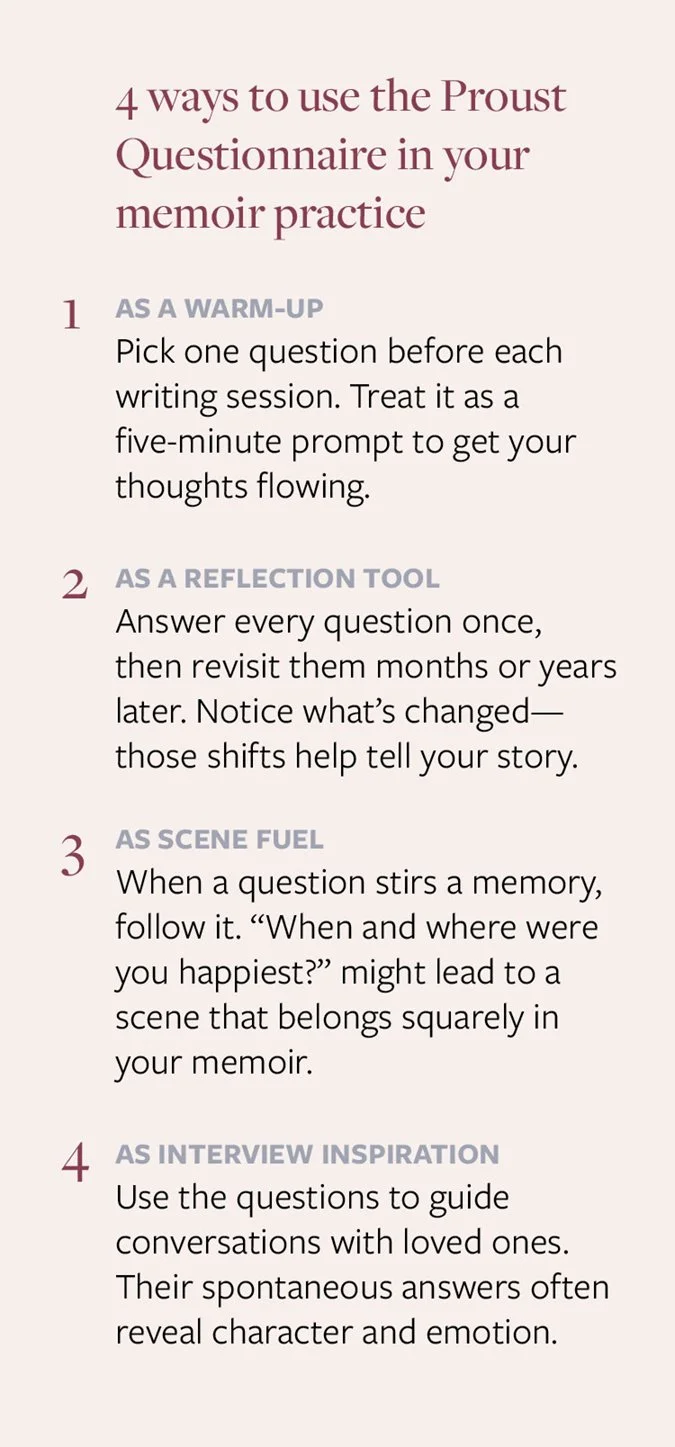
How to use it in your writing practice
as a warm-up
Pick one question before each writing session. Treat it as a five-minute prompt to get your thoughts flowing.
as a reflection tool
Revisit your responses every few years. Shifts in your answers reveal growth, changing priorities, and new perspectives.
as Scene Fuel
When a question stirs a memory, follow it. “When and where were you happiest?” might lead to a scene that belongs squarely in your memoir.
as interview inspiration
Try posing these questions to parents or grandparents. Their answers can form the basis for a rich oral history or tribute project, might inspire them to write their own memoir, or even provide you with context in yours.
Helpful ideas
Start with Spontaneity.
Don’t overthink—write your first, instinctive answers. You can always expand later.
leave a legacy snapshot
Print or handwrite your responses, date them, and tuck them into your journal, scrapbook, or memory box. Future generations will treasure such a discovery.
Why I love it as a memoir tool
I’ve always been drawn to exercises that reveal depth through simplicity—and this one never fails. The questions are timeless, the answers always specific. They bridge introspection and storytelling, reminding us that the best writing doesn’t begin with chronology or plot. It begins with truth.
Many of the most memorable stories I’ve helped shape at Modern Heirloom Books began with reflections such as these: small, personal revelations that grew into full portraits of a life. Whether you’re writing a full life story or just gathering memories for your family, the Proust Questionnaire offers a wonderfully accessible place to begin.
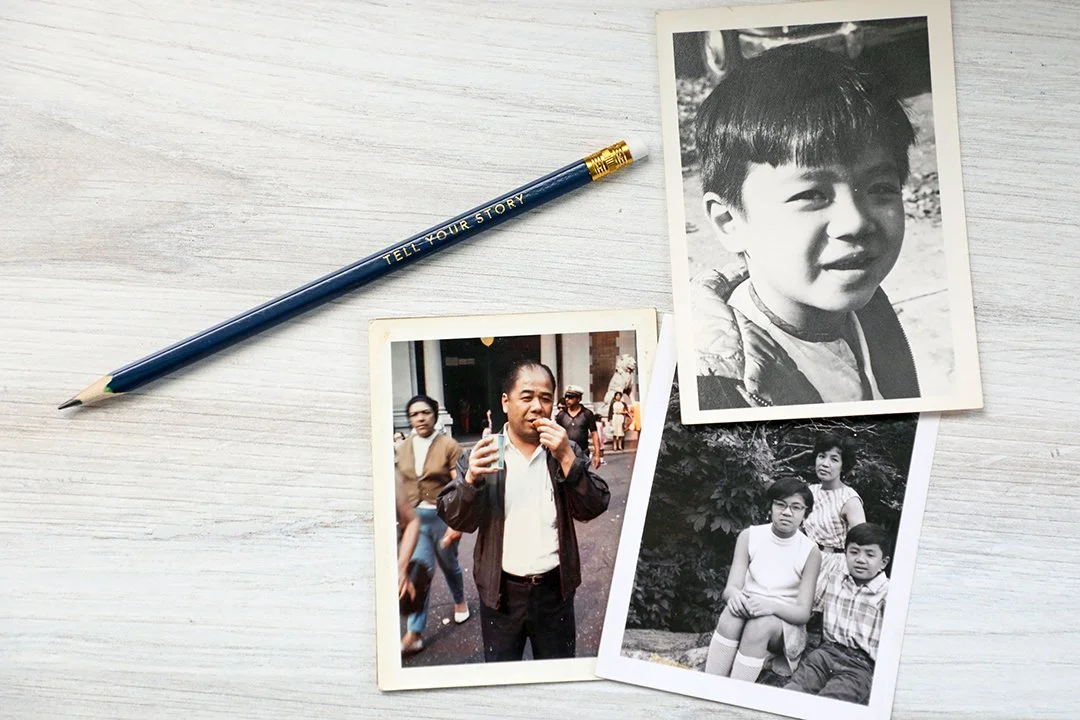



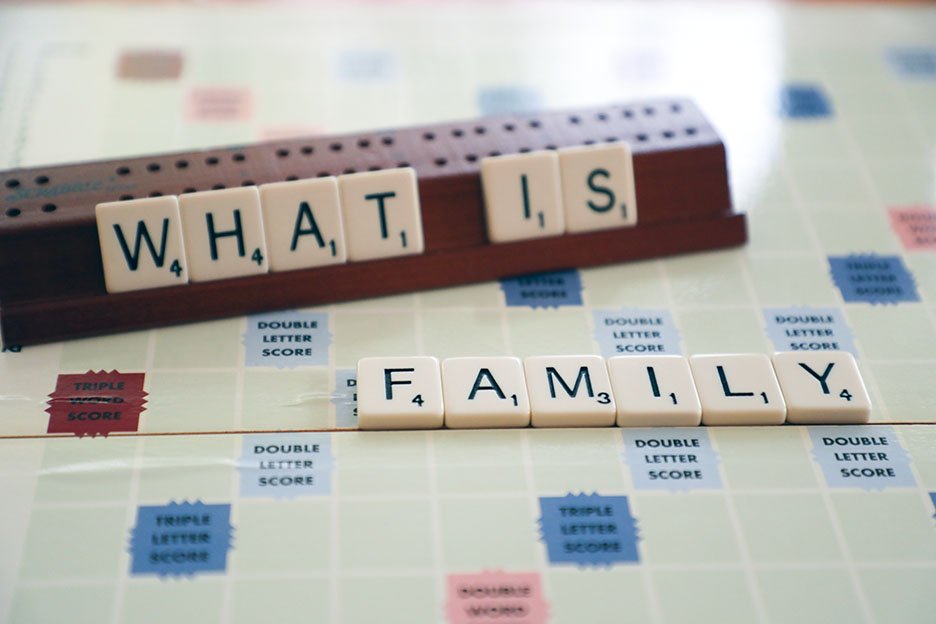


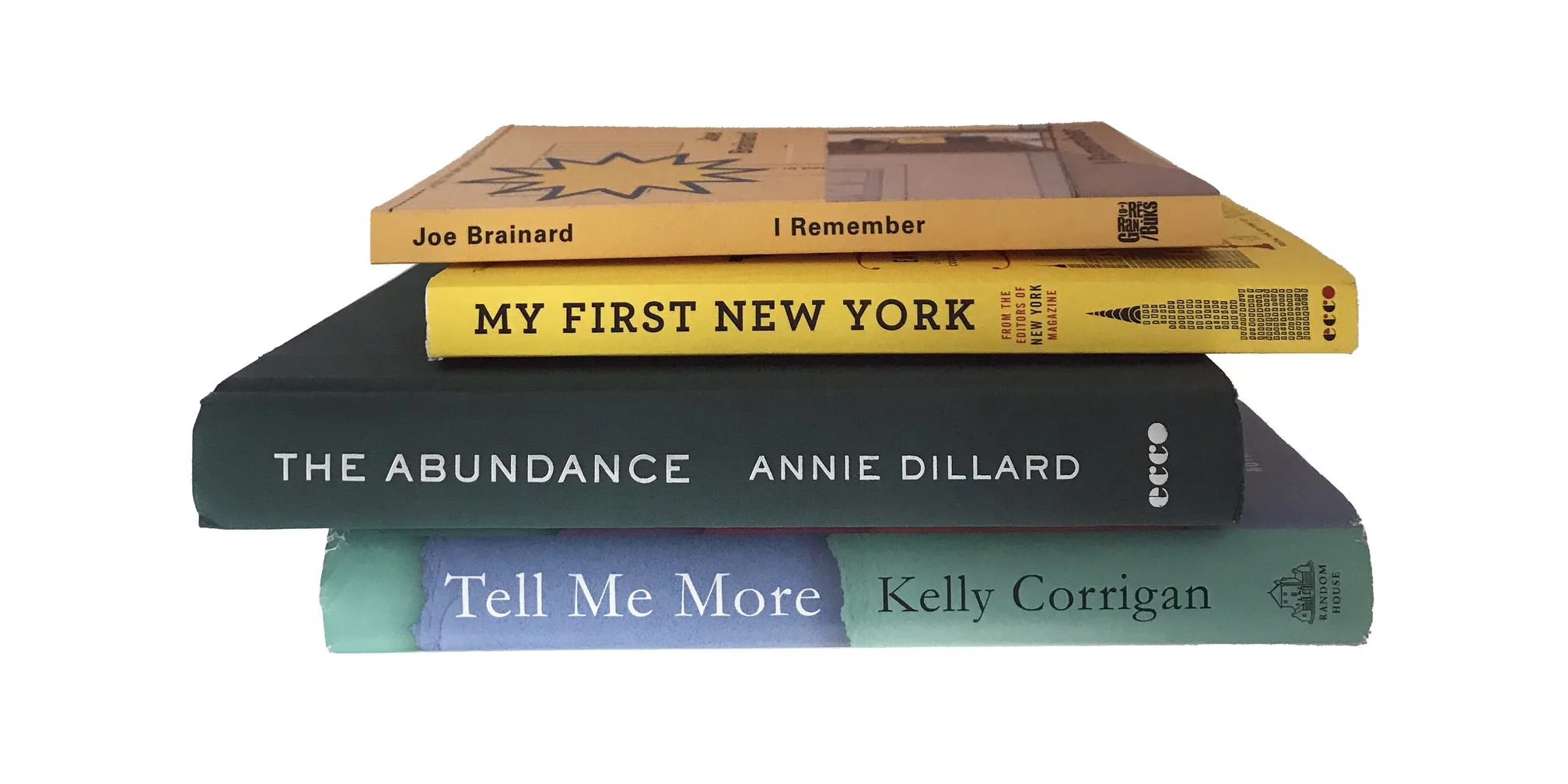




What kind of writing prompts do YOU like?
Discover inspiring writing prompts for memoir and family storytelling—from sensory to introspective, short to timed. Find the one that sparks you.
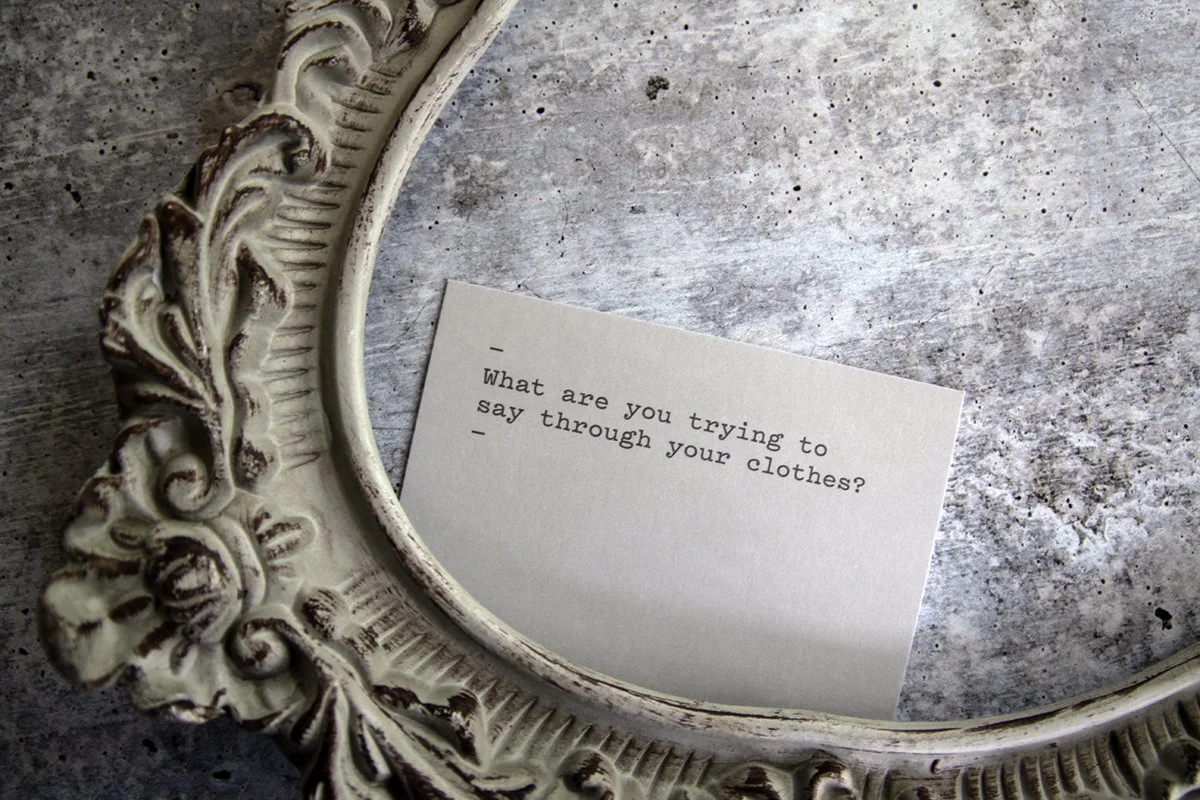
Once you develop a regular writing or journaling habit, you will be attuned to writing prompts everywhere—they key is to remember them. Pictured: a random card drawn from a conversation card deck to use as a life writing prompt.
If you’ve followed Modern Heirloom Books for a while, you know I love a good writing prompt. They’re like little doorways—small enough to step through without hesitation, but often leading somewhere unexpected. Whether you’re working on a memoir, collecting family stories, or simply trying to write more consistently, prompts can spark ideas you didn’t know were waiting.
Still, a prompt is never a rule. It’s an invitation. I always tell my clients and workshop participants that prompts aren’t assignments, they’re springboards. You can follow them closely or veer entirely off course; either way, what matters is that you start.
Writing prompts are not assignments—they’re suggestions
There are many reasons why it’s okay to stray from the topic of a writing prompt. Besides the fact that no one’s grading you (!), here are a few:
To be creative.
Writing prompts are a great way to get your creative juices flowing, but they don’t have to be followed exactly. If you have an idea that excites you, go off on a tangent.
To explore different ideas.
Writing prompts can help you test out different perspectives. If you’re unsure what to write about, start with a prompt and see where it takes you.
To learn more about yourself.
Writing prompts often lead to unexpected discoveries. As you write, you might find yourself exploring thoughts and feelings you didn’t realize you had.
To have fun.
Writing prompts are meant to loosen you up, not lock you in. Don’t take them too seriously—just enjoy the process.
Writing prompts are just a starting point. They’re meant to give you a general idea of what to write about, but they’re not meant to be followed exactly. If you have a better idea for a story, go with it!
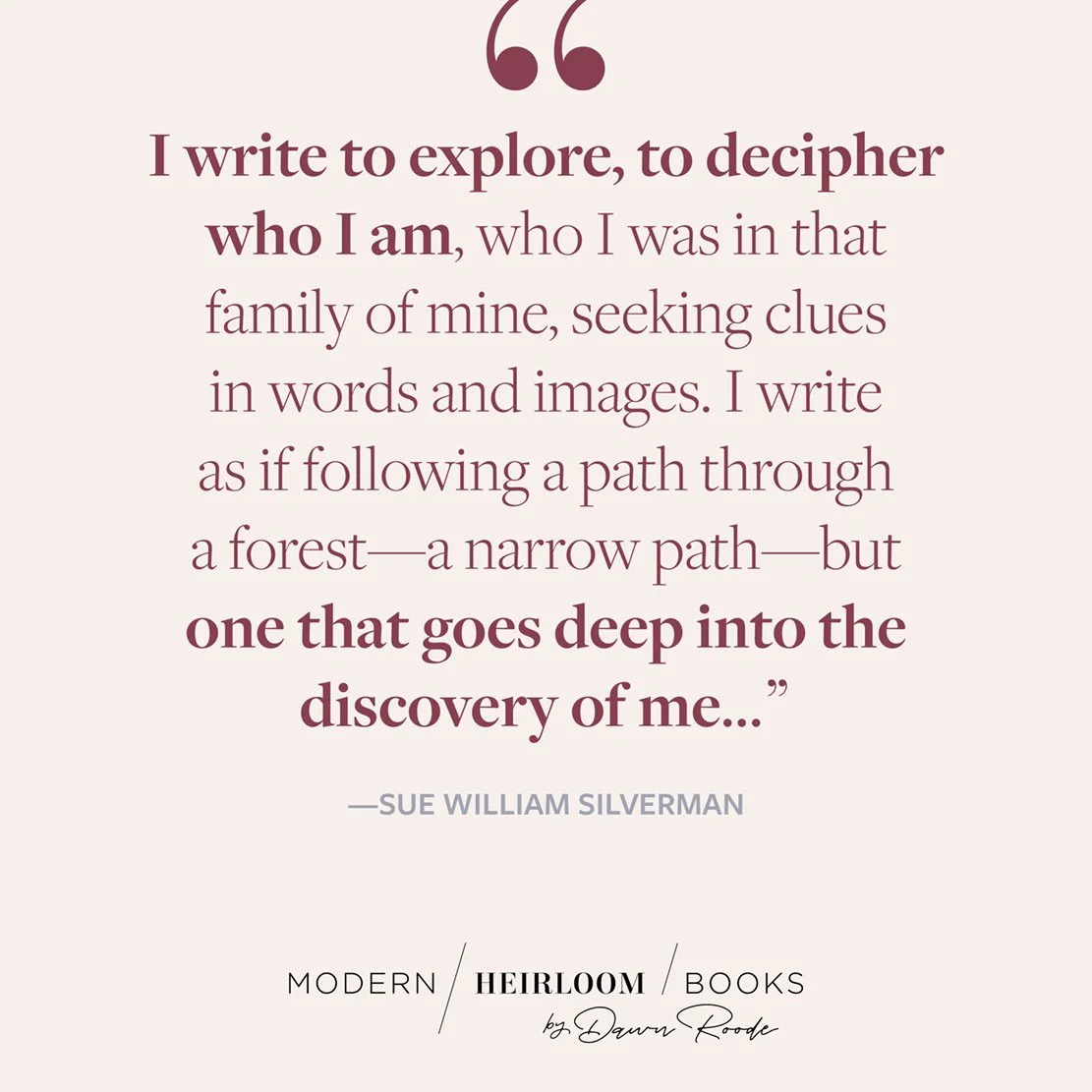
“I write to explore, to decipher who I am, who I was in that family of mine, seeking clues in words and images. I write as if following a path through a forest—a narrow path—but one that goes deep into the discovery of me…” —Sue William Silverman
If you’re in the mood for…
…a tailored-to-you writing prompt, try this.
…a family history–specific writing prompt, try this.
…a sensory writing prompt, try this.
…a timed writing prompt, try this.
…a couldn’t-be-shorter writing prompt, try this.
…a writing prompt about family, try this.
…an introspective writing prompt, try this.
…a weekly writing prompt to hold you accountable, try this.
…a foolproof writing prompt, try this.
…a visual writing prompt, try this.
Writing prompts are really just ways of listening—to memory, to emotion, to curiosity. They remind us that there’s no single path to finding your story; there are hundreds of small openings that lead to it.
I’ll keep sharing new life writing and memory prompts here on the blog and on Instagram (@modernheirloombooks), so you’ll never be short on inspiration. And if one of these sparks a story for you—even a single paragraph—I’d love to hear about it!
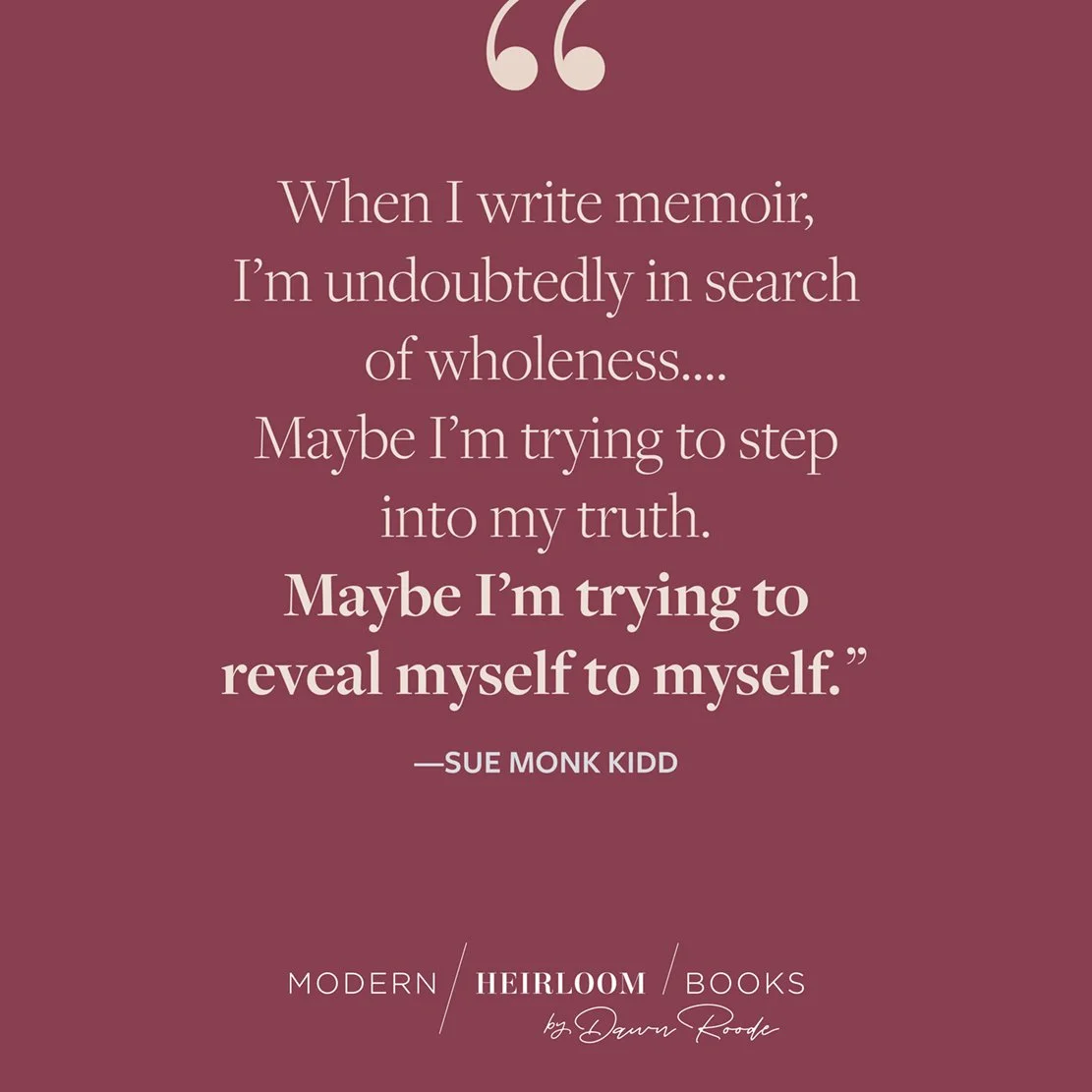
“When I write memoir, I’m undoubtedly in search of wholeness…. Maybe I’m trying to step into my truth. Maybe I’m trying to reveal myself to myself.” —Sue Monk Kidd





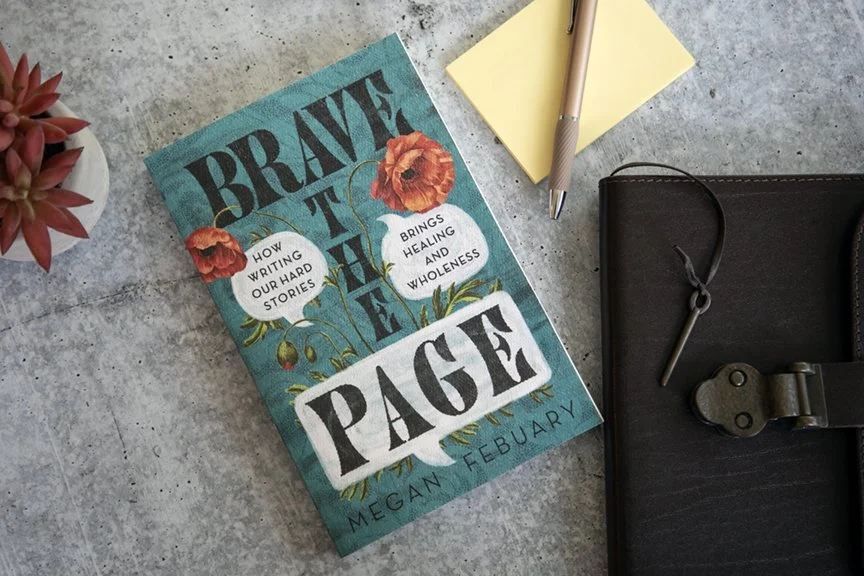




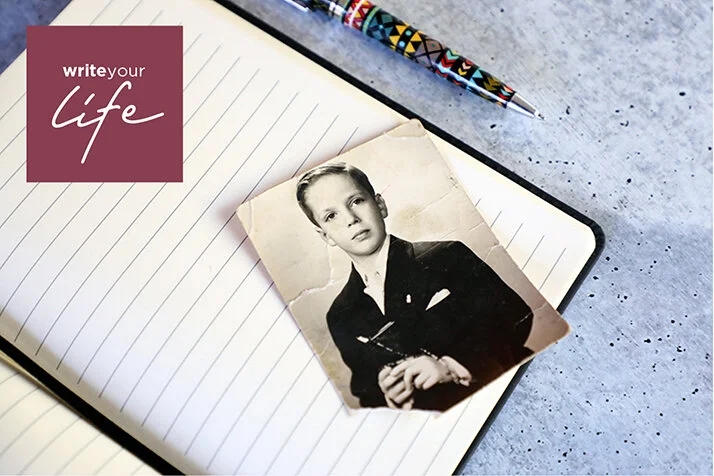








“Every notebook is a possibility.”
Learn how keeping a notebook can nurture memoir and legacy writing—each blank page a new possibility for memory and meaning.
“Every notebook is a possibility,” I heard Patti Smith tell an interviewer recently. A paper person like me—she was browsing a stationery store during the interview, drawn in by every notebook, pen, and paper clip (!!!)—the musician and memoirist also spoke about the connection between brain and hand, pen and paper.
But that quote lingered with me: “Every notebook is a possibility.” Yes!!!
Each blank page offers the same quiet invitation: Begin anywhere. Whether you’re journaling your thoughts, recording a memory before it fades, or collecting fragments for a family story, a notebook isn’t just paper—it’s potential.
We often think of legacy as something monumental, but most family histories start small. A sentence scribbled in a margin. A recipe jotted down on a grease-splattered sheet. A note to remember who sat where at a long-ago table. Over time, those fragments add up—and they can become the foundation of a story that outlives us.
And you know what? Even if you don’t curate and elucidate on those fragments—even if you have zero plans to turn them into some grand legacy project—everything you put into that notebook holds value. To you, as an individual who strives to find meaning through writing, as a person who finds joy in preserving memories for memories’ sake. And to your descendants, who may one day flip through one of your notebooks as an artifact of a life only you could have lived.
A place for anything
A notebook is forgiving. It doesn’t demand structure or perfection. It welcomes half-formed ideas, unsteady handwriting, and thoughts that trail off mid-sentence. It’s the safest place for honesty (especially when you’re not sure yet what you’re trying to say).
When you begin with pen and paper, you tap into something tactile and timeless. You start to listen differently—to your thoughts, to your memories, to your instincts.
How to use a notebook for legacy writing
Capture what catches your attention. A scent, a phrase, a face that flickers through memory. Don’t worry about whether it “fits” in a story. You can always find its place later…or not.
Keep one notebook for story sparks. Think of it as your catch-all for family lore, overheard lines, or questions you want to ask an elder relative. It just may become your go-to for self-made writing prompts when you’re in need of a little inspiration.
Date your entries. Months or years from now, you’ll be glad to see when those memories first surfaced. It’s a timeline of your creative and emotional life. Paste in an occasional ticket or receipt with the date imprinted on it, too—it’ll add some wonderful texture even as it helps orient you in time.
Don’t censor. The private pages are for you. Messy, funny, sad, unpolished—it all belongs. (If you’re worried about what will happen to your journals when you’re gone, read this.)
Revisit, don’t revise. Every few months, flip back through old pages. You may find patterns you didn’t see before— small moments that begin to form the shape of a story. Or, maybe more alluringly, you may simply get lost in the past, immersing yourself in the nostalgia of your own life…enjoy.
A possibility, realized
Every time you open a notebook, you’re saying yes to remembering. Yes to meaning-making. Yes to the possibility that something you write might matter, to you now, or to someone else later.
The only rule is that there are no rules.
5 inspiring quotes about writing your life
Words from seasoned memoirists remind us that writing about our lives isn’t just an act of preservation—it’s an act of connection, reflection, and courage.
I’ve got more than one commonplace book filled with words from memoirists and other writers, and I thought I’d pluck a few quotes from those pages to share with you today—along with a few thoughts on why each quote resonates with me.
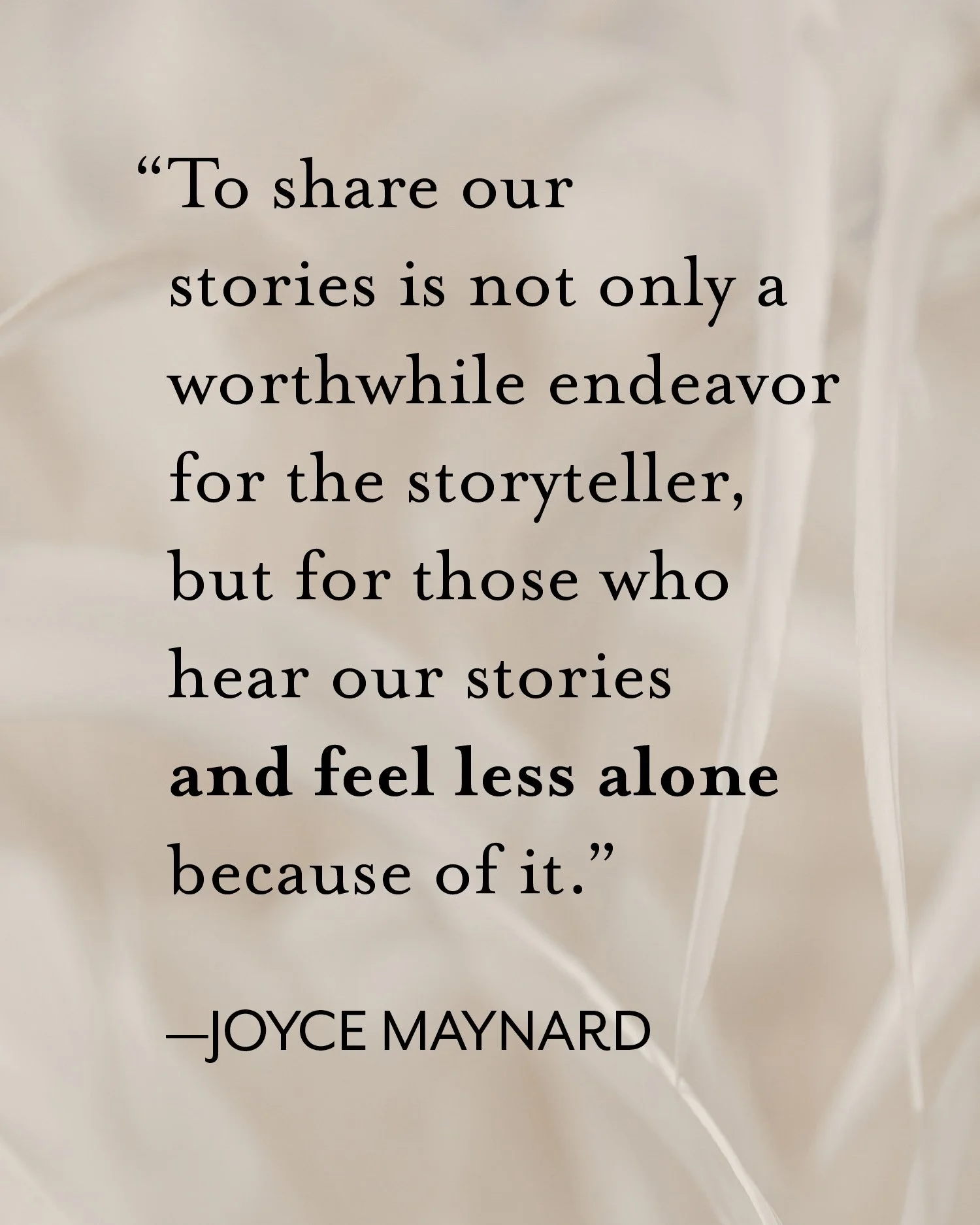
“To share our stories is not only a worthwhile endeavor for the storyteller, but for those who hear our stories and feel less alone because of it.” —Joyce Maynard
Writing about your life is not just for you—it’s for those who come after you. When we share our personal experiences, we offer future generations a bridge to understanding, a source of comfort, and a way to see that they are not alone in their struggles and triumphs.
Our stories contain lessons, wisdom, and emotions that others will recognize in themselves. By documenting our lives, we give others permission to embrace their own stories with courage and honesty. Your story is, indeed, a gift to your descendants.
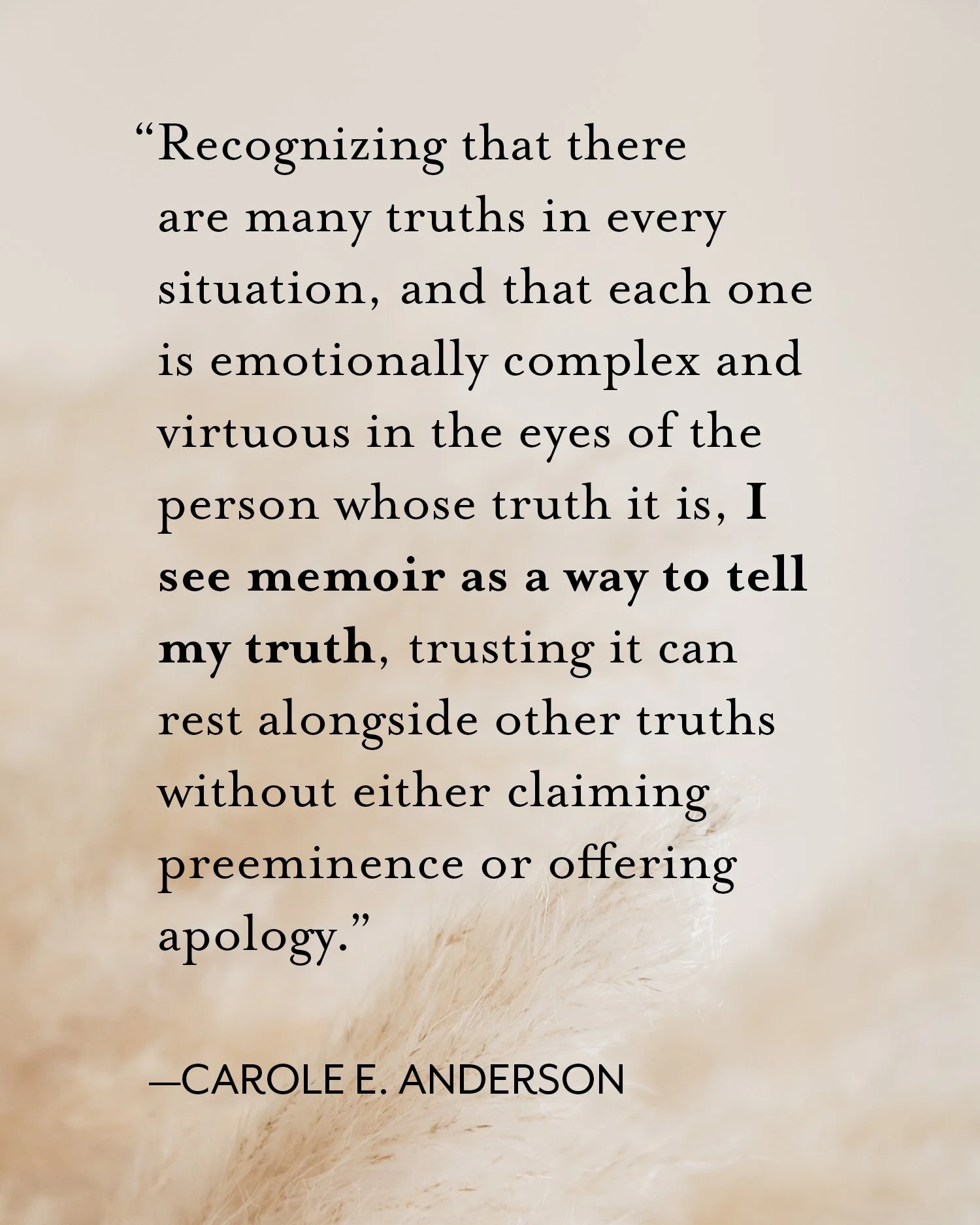
“Recognizing that there are many truths in every situation, and that each one is emotionally complex and virtuous in the eyes of the person whose truth it is, I see memoir as a way to tell my truth, trusting it can rest alongside other truths without either claiming preeminence or offering apology.” —Carole E. Anderson, “What Is It About Memoir?”
One of the biggest fears people have when writing memoir is, “What if others remember things differently?” But memoir isn’t about an objective, single truth—it’s about your truth.
Your perspective is valid, and you have the right to tell your story. That said, it’s also important to approach personal history with respect for others who played a role in it. You don’t have to apologize for your truth, but you can acknowledge that others may see events differently.
Consider: Two siblings may remember the same childhood moment in entirely different ways. Both memories are real; both are true. Memoir allows those truths to coexist.
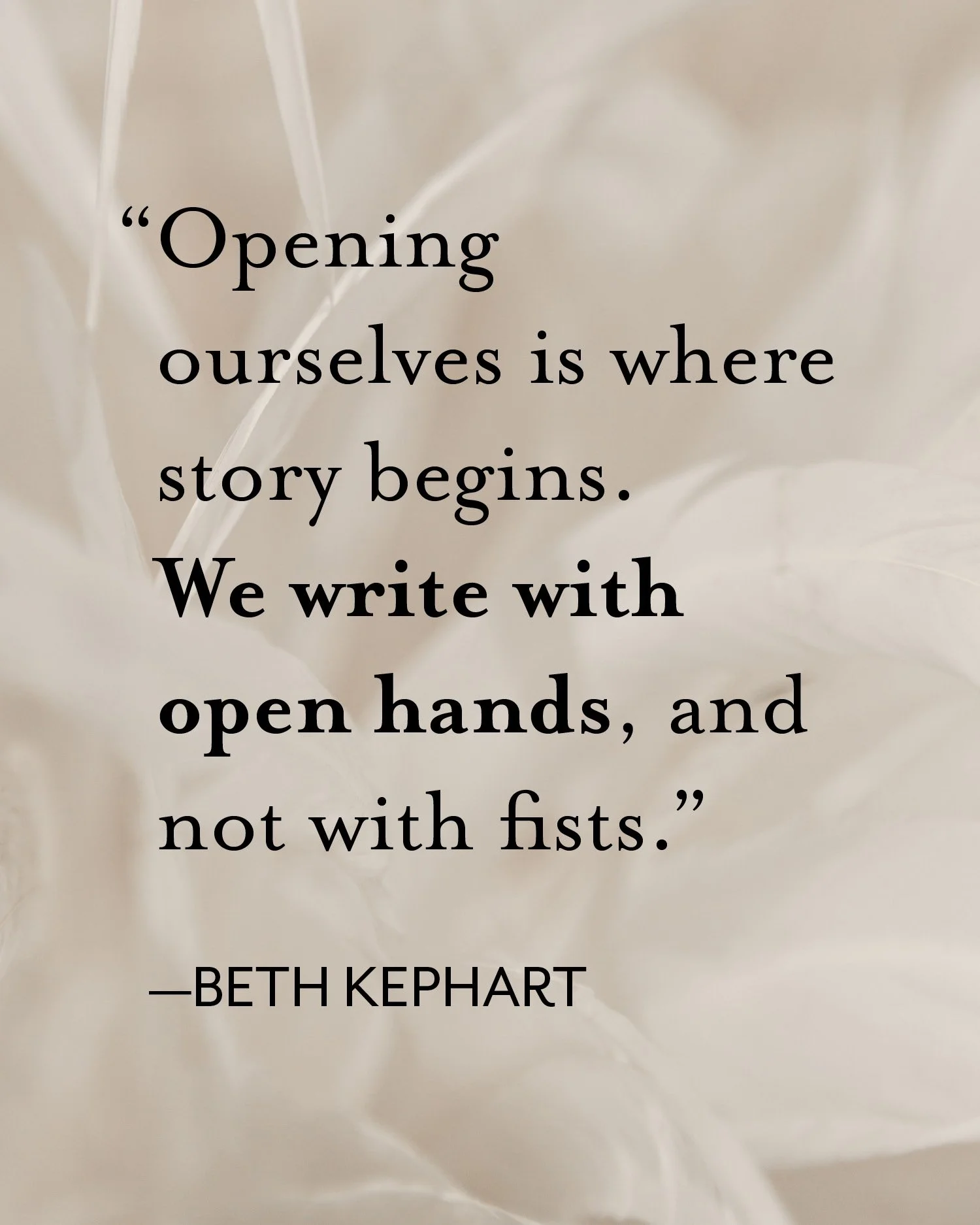
“Opening ourselves is where story begins. We write with open hands, and not with fists.” —Beth Kephart
Great storytelling requires vulnerability. When writing about our lives, it can be tempting to hold back, to protect ourselves from judgment or discomfort. But the most powerful stories invite the reader into real emotions, real struggles, and real discoveries.
If you only write about the polished, curated version of your life, the story won’t feel real. But if you allow yourself to be vulnerable, to tap into raw emotions, to reveal yourself in honest new ways, well, you create something that’s possibly universal, and always deeply meaningful.
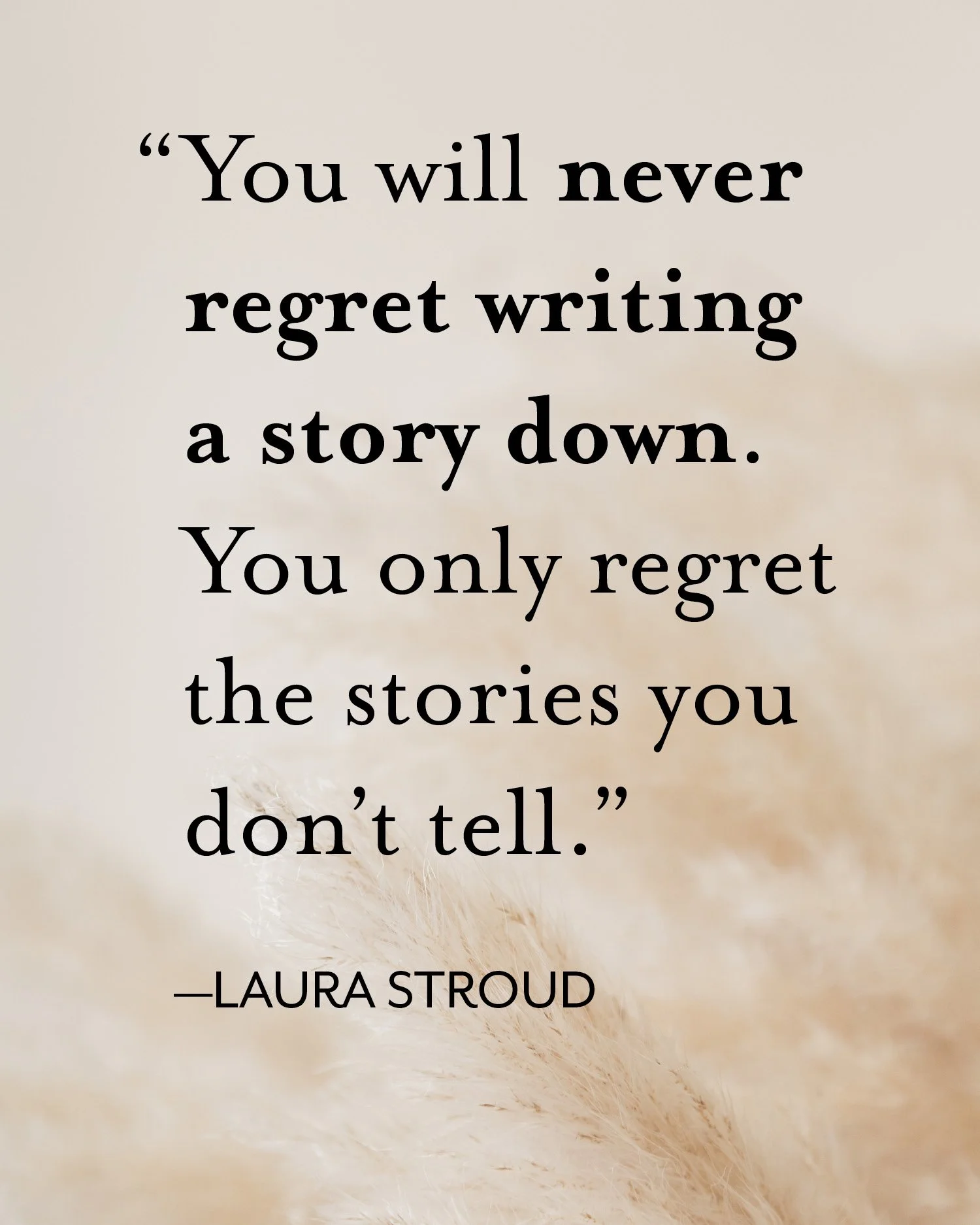
“You will never regret writing a story down. You only regret the stories you don’t tell.” —Laura Stroud
Many people put off writing their stories, thinking “I’ll do it later”—but later is never guaranteed. The only regret most people have is not capturing their memories before they fade.
There’s no perfect time to start writing about your life. You don’t need to wait until you feel “ready” or until your story feels complete. The act of writing itself is what makes your story matter. Even if you never share your writing widely, your words will exist.—your memories, your reflections, your experiences preserved, rather than lost.
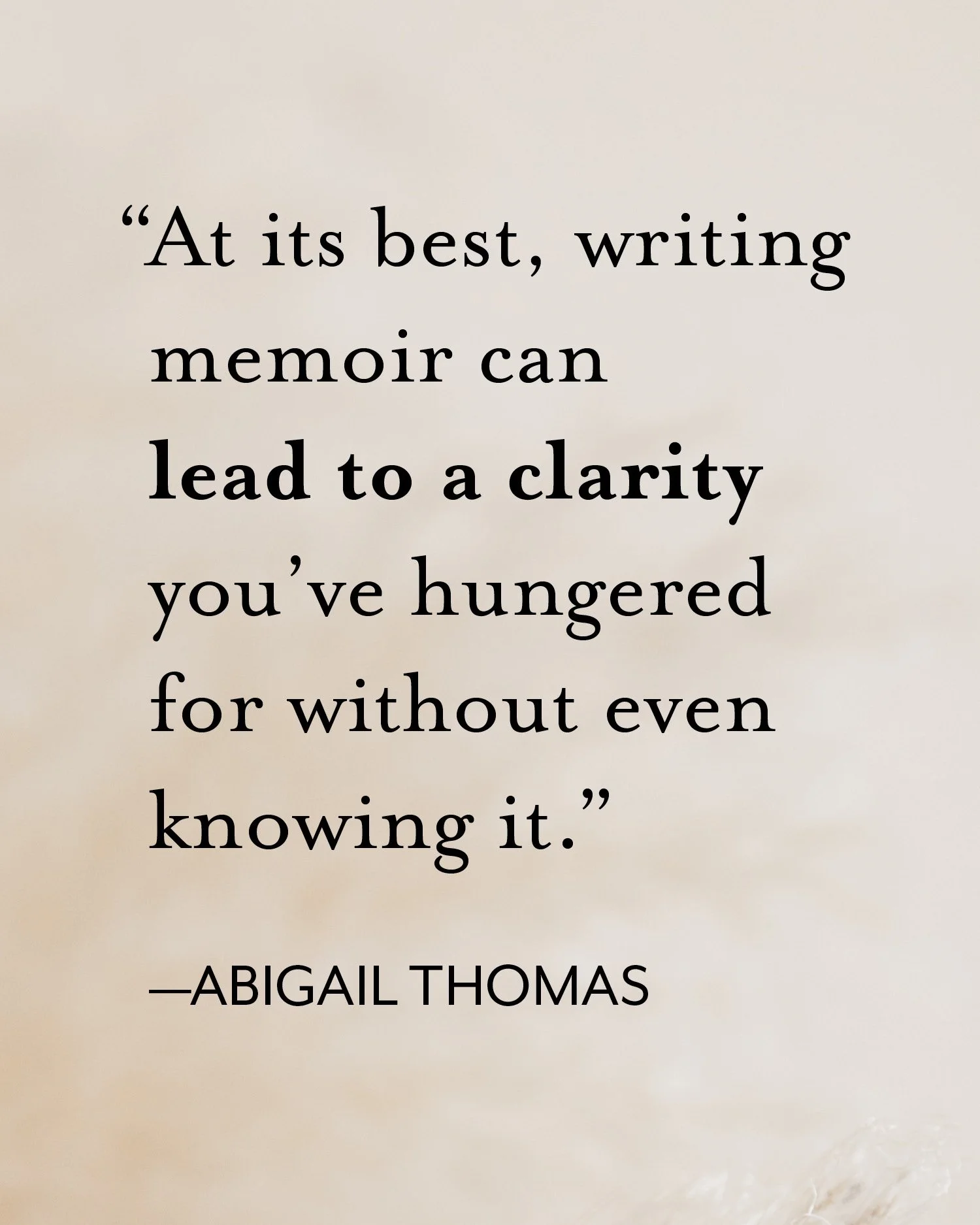
“At its best, writing memoir can lead to a clarity you’ve hungered for without even knowing it.” —Abigail Thomas
Memoir isn’t just about documenting the past—it’s about making sense of it. Writing helps us connect the dots, see patterns in our lives, and discover meaning in experiences we once took for granted.
Often, we don’t realize how much we’ve needed clarity until we start writing. The process of revisiting memories, reflecting on them, and putting them into words can help us understand ourselves in a new way—and even shape how we move forward.
These quotes remind us that writing our lives isn’t just an act of preservation—it’s an act of connection, reflection, and courage. Your story doesn’t have to be perfect, complete, or grand. It just has to be yours.
So, pick up the pen. Open a blank document. Speak your story aloud and record it. However you begin, just begin. As Laura Stroud teaches, you will never regret telling your story—you will only regret not telling it.









A year’s worth of journal writing prompts
Stay inspired with 52 weekly writing prompts for journaling and family history. Capture memories, dreams, and stories big and small. Bonus: Downloadable guide!
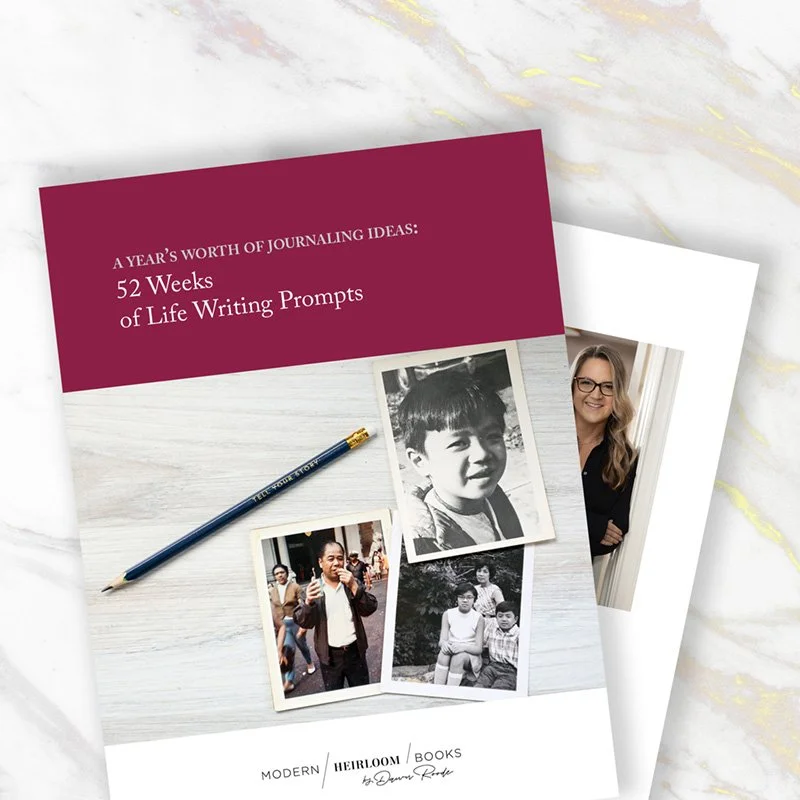
Never face down a blank page again—download our free guide with a life writing prompt for every week of the year, then tuck it in your journal or pin it near your computer for inspiration at your fingertips!
Keeping a journaling or family history practice alive through the entire year can feel daunting—until you realize you don’t have to come up with ideas on the spot. Having a set of weekly prompts at your fingertips gives you structure and inspiration, while still leaving room for your stories to flow in their own unique direction.
To make it easy, I’ve gathered 52 prompts—one for every week of the year—that weave together themes of reflection, memory, family history, traditions, and everyday moments. Each month offers four prompts tied to the seasons and natural rhythms of life.
Whether you use these life writing prompts to spark daily journaling, guide family conversations, or record stories for future generations, these questions will help you capture the richness of your life and legacy.
TIP: Our free download includes one page of writing prompts per month, so you can print them out and paste into your daily planner or tuck into your journal for easy reference! Get yours here.
Click below to jump to any month’s writing prompts:
January
February
March
April
May
June
July
August
September
October
November
December
January – New Beginnings
week 1 Reflection:
What were your greatest accomplishments, biggest challenges, surprises, joys, and losses last year? Keep things simple with a list if that’s all you can handle as the new year begins, or dive deep and probe for meaning!
week 2 Setting intentions:
How do you want to shape the coming year? What do you hope will happen? What habits, relationships, or parts of yourself would you like to nurture? Dream big or be practical—whatever approach suits you right now!
week 3 Memory:
What childhood home do you remember best? Describe its sights, smells, sounds, people. Can you draw a map of its layout? Why do you think you remember what you do (or don’t)?
week 4 Life list—fun:
What was your favorite toy, game, or pastime as a child?

February — Love & Connection
week 1 Love Letter:
Write a letter to someone who influenced your life deeply (friend, partner, ancestor). What have they taught you?
week 2 Lasting bonds:
Think about a meaningful friendship. What made it special? What lessons or memories does it carry?
week 3 Memory:
What meals remind you most of your childhood? Describe the smells, flavors, and people around you. Could you cook up these dishes if you tried?
week 4 Life list—food:
Was there a dish you hated as a kid but now love (or vice versa)? What changed?
March — Women’s History Month
week 1 Female influences:
In honor of Women’s History Month, write about a woman who shaped your life. What qualities of hers live in you? Does (or did) she know her impact on you?
week 2 Unsung stories:
What story of a mother, grandmother, or other woman in your family deserves to be remembered? It needn’t be a drama-filled story—it just might be a small moment that held major impact.
week 3 Identity:
Tell about a time when someone asked you, “Who are you?” How did you respond? How has your answer changed?
week 4 Silenced stories:
Do you have any stories you once hesitated to tell but now feel are important? Why did you hold back? Remember—no one needs to see what you write in the privacy of your journal, even now.
April – Renewal & Growth
week 1 Spring awakening:
Describe a time you started over, intentionally or by chance. What changed inside you?
week 2 Nature as metaphor:
Choose a flower, tree, or garden from your past. What did it symbolize in that season of life?
week 3 Lost recipe:
Recall a family recipe that has been lost or half-forgotten. What do you remember and what do you wish you knew?
week 4 A letter you never sent:
Write the letter—to someone living or gone—that you wish you’d sent.
week 5 Turning point:
What was the moment when you felt you were no longer a child?
May – Heritage & Traditions
week 1 Family gatherings:
Describe a family celebration or tradition that left a strong impression.
week 2 Keepsakes:
Write about an object you’ve inherited (jewelry, recipe, letter). What story does it carry? If nothing comes to mind, consider writing about an object that holds meaning to you now that you hope a child or other family member will one day cherish.
week 3 Memory:
Who in your family was the storyteller? Capture a tale you remember hearing from them.
week 4 Life list—values:
What values do you see passed through your family (kindness, humor, hard work)? Where did they come from?
June – Journeys
week 1 Travel:
Recall a trip (near or far) that shaped you. What moments do you still see vividly?
week 2 Going forth:
Write about a time when you “set out”—to college, a job, a new city, an adventure.
week 3 First job:
What was your first job, or a formative work experience? How did it shape you?
week 4 Failure and growth:
Write about a time you failed at something important. What did you learn from it? How did you handle it?
week 5 Mid-year check-in:
Look back on the first half of the year. What have you done, and what are you proud of? What do you still want to finish?
July – Independence
week 1 Independence:
Write about the first time you made a big decision on your own.
week 2 Reflection:
What does freedom mean to you personally? Reflect on a moment when you felt free.
week 3 Memory:
When was the last time you felt awe? What brought it on?
week 4 Life list—home:
What place(s) feel most like home to you? What makes it feel that way?
August – Everyday Moments
week 1 Summer snapshot:
Capture a vivid childhood summer memory—sights, smells, sounds.
week 2 Daily life:
Write about an ordinary routine that reveals something bigger about who you are.
week 3 Life list—soundtrack:
What song takes you back instantly to a time in your life? What story is tied to it?
week 4 Memory:
Tell a story from your teen years—a friendship, conflict, turning point, or just a funny, sad, beautiful, or poignant memory.
September – Growth
week 1 Back to school:
Recall a memorable teacher, mentor, or lesson.
week 2 Lifelong learning:
What skill or habit did you learn later in life that changed you?
week 3 History made personal:
What historical event shaped your family (war, migration, economic change)? How?
week 4 Life list—school supplies:
Do you remember back-to-school shopping when you were a kid? What items did you love…or wish for?
week 5 Memory:
Describe a small, ordinary moment that brought you unexpected joy. What made it stand out?
October – Family History Month
week 1 Roots:
In honor of Family History Month, write about the earliest ancestor you know by name.
week 2 Family lore:
Capture a funny or legendary family tale. What truths lie beneath it? Has the telling of the tale changed over time?
week 3 Life list—ancestors:
If you could ask a grandparent three questions, what would they be? Write what you know and what you wish you knew.
week 4 Heirlooms:
Pick a family heirloom. What is its story and how did it come to you?
week 5 Memory:
Write about one of the following (and save the others for another day!): your earliest memory, your most elusive memory, your favorite memory.
November – Gratitude
week 1 Life list—gratitude:
Write about five things you’re grateful for this year. Choose one and go deeper.
week 2 Reflection:
Reflect on a hardship that later became something you were thankful for.
week 3 Memory:
What kindnesses have you witnessed or experienced this year? Elaborate on one that moved you (or that you hope moved someone else), or take the prompt in an entirely different direction that resonates for you right now.
week 4 Absence:
Think of someone you miss. Write about what you learned from them and what you carry forward, what you would tell them if they were here, or how you honor their memory.
December – Holidays & Reflection
week 1 Traditions:
Describe your favorite holiday ritual and why it matters.
week 2 Reflection:
As the year winds down, reflect on how you’ve changed since January. What do you want to carry forward?
week 3 Surprises:
What was the biggest surprise of the year? How did it make you feel? Change you?
week 4 Dream on:
Write about one wish or dream you have for the coming year, small or large. What will you do to make it come true?
Stories live best when they’re shared. My hope is that these prompts not only inspire your own journaling, but also spark conversations with the people you love. Imagine what your children or grandchildren might discover if even a few of these questions were answered and preserved.
If you’d like to keep this list handy, I’ve created a printable version with all 52 prompts—perfect for tucking into your journal!
P.S. This list is formatted for the year 2026, with five prompts for the months of April, June, September, and October—but it can be used any year (52 weeks is 52 prompts, no matter when the weeks fall 😉).
Free Printable Guide!
Download all 52 life writing prompts in a beautifully designed guide that you can tuck into your journal or pin up near your computer—inspiration always at your fingertips!
Want even more prompts—and writing guidance along the way?
Our email subscription, Write Your Life, offers 52 weeks of life writing prompts geared specifically for building towards a memoir or personal history. How are they different?, you must be wondering! Well:
With Write Your Life, each week you’ll receive a thoughtful prompt with follow-up questions, examples of directions you might take, guidance for accessing memories and developing them into stories, and inspirational quotes and resources—PLUS subscribers get a companion e-book overflowing with even more pro tips.
While this free journaling guide is tied to the seasons, the Write Your Life subscription is intentionally crafted to start with easy-to-access memories that lead to deeper life reflection as you go. It’s designed to lead you towards a finished memoir, and prompts from one week build upon others you have written about previously.
The Write Your Life prompts are delivered to your email inbox each week to help keep you accountable and spur you to write—really write!! (If you’ve got a loved one who’s been thinking about writing about their life, this makes a wonderfully original and thoughtful gift, too 😉).


Introduce yourself: a writing prompt, a life prompt
Go beyond labels with this powerful memoir prompt: introduce yourself without name, job, or age. Includes writing tips and a free downloadable worksheet.
Sometimes scrolling Instagram is a massive waste of time (okay… often), but I usually restrict it to in-between moments—like sitting in a doctor’s waiting room or waiting in the car to pick my son up. Every once in a while, though, a little gem sparkles bright.
One such gem came from Jade Bonacolta, a thought leader and marketing exec who doles out bite-sized career and life wisdom in her feed. She posed a deceptively simple question:
“If I asked you to introduce yourself without mentioning your name, job, age, ethnicity, or the city you live in, what would you say?”
Well, if that isn’t a provocative memoir writing prompt, I don’t know what is.
An evergreen memoir writing prompt
“Introduce yourself.” Seems straightforward, right? But most of us are conditioned to start with the basics—our job titles, family roles, geographic location, or where we grew up. These details are comfortable and expected. But they’re also just labels.
Bonacolta explains: “When you strip away these social labels, people tell you who they are. Who they really are. You hear about their values, the things they're obsessed with, the beliefs that guide their decisions.”
For memoir writing—or even just gaining clarity about your identity—this is a powerful exercise. And it’s one you can return to again and again throughout your life or project. Below are a few tangible ways to work with this prompt, whether you’re just starting your memoir or feeling stuck midway through.
3 ways to work with this writing prompt
Freewrite with No Filters
Set a timer for 10 or 15 minutes and respond to the prompt: “Who am I, without my name, age, job, or hometown?” Don’t censor yourself. Let it be messy. Start with phrases like:
• “I am someone who…”
• “I feel most myself when…”
• “What drives me is…”
Let your values, passions, fears, and quirks take center stage. You might surprise yourself with what emerges when you're no longer listing résumé bullet points.
🔍 Bonus Tip: Repeat this exercise at different points in your memoir-writing journey. The way you answer will shift—and that evolution might become part of your story.Create a character sketch—of yourself.
Treat yourself like one of the characters in your memoir. Without using surface-level identifiers, how would you describe yourself in a story? Try writing a paragraph or two about yourself in the third person. For example:
She moves through the world guided by curiosity and a hunger for connection. She tucks grocery receipts into her notebook, convinced they’ll mean something someday. She believes that books can save lives, that being a mom is a sacred undertaking, and that cheese belongs on everything..
This not only deepens your understanding of your own voice but can become rich material in your actual manuscript.Use It to unlock a chapter or theme.
If you’re feeling stuck in the middle of your memoir, revisit this prompt through the lens of your younger self, or the version of you at a pivotal point in the story. Ask yourself:
• Who was I then, beyond the job I had or the place I lived?
• What mattered to me at that moment?
• What did I believe about the world? About myself?
These reflections often lead to unexpected turns or unlock deeper emotional truths—especially useful when your writing feels stalled or superficial.

Get a free companion worksheet…
…with exercises using this “Introduce Yourself” prompt to jump-start your memoir writing!
You are more than a bio.
In a world that constantly asks us what we do, it’s grounding—and sometimes healing—to return to who we are. This simple question from an Instagram scroll can serve as a compass not only for writing, but for living more intentionally.
So, go ahead. Introduce yourself.
But this time, leave the labels behind.





How can I write about my life when I am still living it?
The three most common excuses I hear for not writing about your life “yet,” and how—and why—to overcome them. It’s not too soon for your memoir, I promise.
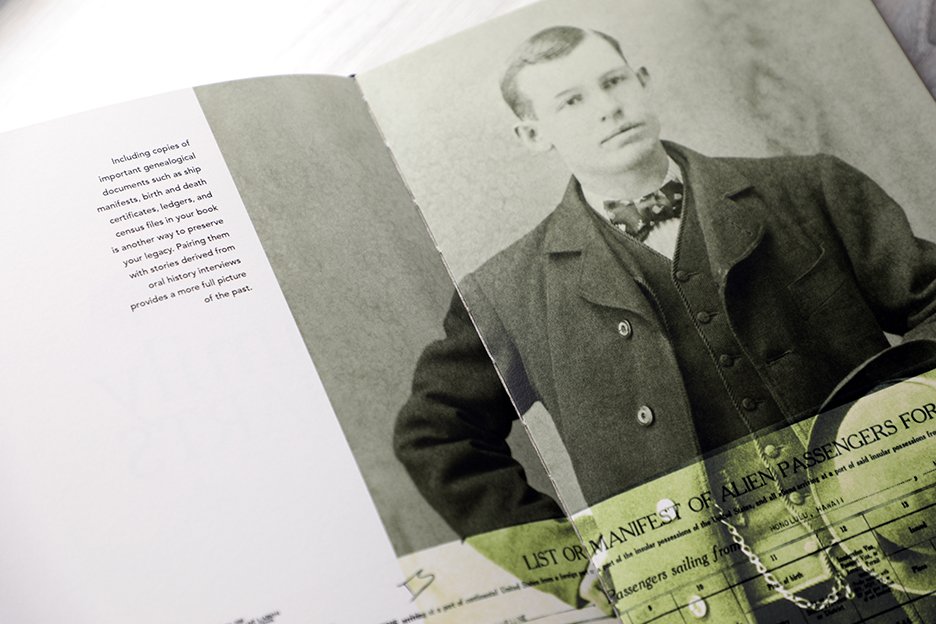
Even if you don’t love to journal, keeping a simple ideas notebook—with snippets of memories, headlines that resonated, quotes from loved ones, ticket stubs, whatever may prompt life writing ideas later—is a powerful tool. Use a simple composition notebook, or grab this lay-flat one from our store.
There’s a common misconception that a memoir—or any personal writing—needs to be a finished product, a neatly wrapped narrative with a clear beginning, middle, and end. But life doesn’t work that way, and neither does great storytelling.
The truth is, the best time to start writing about your life is right now—not years from now, when everything has “settled.” Writing as you live allows you to capture moments in real-time, with fresh emotions and raw details that might fade with time. It’s not about having all the answers; it’s about documenting the journey.
So, how do you begin? Let’s break down some of the biggest hesitations and how to move past them.
The 3 most common excuses that it’s ‘too soon’ to write about your life
“I don’t know how my story ends.”
Good news: You don’t need an ending to start writing. Memoir and personal essays don’t require a final chapter before you begin—many of the most compelling life stories are explorations, not conclusions.
💡 Try this: Instead of worrying about how everything ties together, focus on individual moments that feel meaningful right now. Write about a recent experience, a challenge you’re navigating, or a lesson you’re learning in real time.
📖 Example: Eat, Pray, Love by Elizabeth Gilbert
Gilbert didn’t write her memoir after she had “figured everything out.” She wrote it in the middle of transformation, capturing a period of self-discovery. Her story unfolds as she travels through Italy, India, and Indonesia, and it doesn’t wrap up with a perfect ending—just a deeper understanding of herself.
👉 Further Reading: How to use short vignettes to create a mosaic of your life.
“I haven’t achieved anything ‘big’ yet.”
You don’t need a dramatic, bestselling-worthy life event to write about your experiences. Some of the most powerful personal writing comes from small, everyday moments—the way you felt on a quiet morning, a childhood memory that keeps resurfacing, the way certain music transports you to another time.
💡 Try this: Instead of chasing “big” moments, focus on specific details that make a memory or realization come alive. If you keep a journal, flip through an old one to discover how compelling small experiences from your everyday life can be.
📖 Example: An American Childhood by Annie Dillard
One of the first memoirs I ever read, Dillard’s book isn’t about a single, dramatic event—it’s about how she experiences the world as a child growing up in Pittsburgh. She writes about curiosity, wonder, and the process of paying attention to life as it unfolds, proving that even the smallest moments can make for profound storytelling. I highly recommend it as a model to emulate.
👉 Further Reading: How to choose which life story theme to explore first.
“What If My Perspective Changes?”
Your perspective will change—and that’s a good thing. The beauty of writing while living is that your story evolves—and your writing can, too. You can revisit memories with new understanding, update reflections with fresh insight, and track how your views shift over time.
💡 Try this: Start a “living memoir” journal where you capture thoughts and stories as they happen. Revisit entries later to see how your perspective has changed.
📖 Example: Hourglass: Time, Memory, Marriage by Dani Shapiro
One of my favorite books from one of my favorite authors, Shapiro’s Hourglass explores how we evolve and change over time, and how those changes impact her relationship and sense of self. Instead of writing from a place of finality, she embraces the shifting nature of perspective—reflecting on the past while still actively living her present.
👉 Further Reading: 5 steps to drafting your own library of life writing prompts.
Your life doesn’t need to be finished to be worth writing about. Your words matter right now—in the middle of the mess, in the midst of discovery, even before you have all the answers.
So, pick up the pen. Start where you are. Your story is unfolding, and that’s exactly why you should write it.















Dawn Roode’s curated roundup for the week of Sept. 23, 2026, is overflowing with recent reads on memoir, life story writing, and family history preservation.