
Memories Matter
Featured blog Posts

READ THE LATEST POSTS

A fun way to spark childhood memories for your memoir
Smells (such as of Mom’s perfume or Grandpa’s grease-stained clothes) and sounds—especially music—can trigger long-buried memories helpful for writing memoir.
Music is one of the most immediate ways to tap into childhood memories—so listen to some nostalgic songs before sitting down to write your life stories.
Revisiting journals from our adolescence and poring through old family photos are tried-and-true ways to call forth memories to be mined during memoir writing. If you want to get a little more creative, though—and tap into your senses—try these two super-fun ways to travel back in time.
Using the senses to trigger deeply hidden memories

Surround yourself with smells from your childhood.
When I was reading Prince Harry’s blockbuster memoir, Spare (a wonderfully engaging read, perhaps because of his celebrated ghostwriter), I earmarked a page where Harry describes bringing “Mummy’s favorite perfume” to his therapist’s office in an ongoing effort to revive memories about her he had long regarded as “dead.”
“I read somewhere that smell is our oldest sense, and that fitted with what I experienced in that moment, images rising from what felt like the most primal part of my brain.” He goes on to describe quite a few “resurrected memories” of the late Princess Diana—painful memories that had been suppressed, but joyful ones, too: “The sound of her laughter that day, lost to me all these years, was back—it was back. Loud and clear as the traffic outside the therapist’s windows,” he writes. “I cried with joy to hear it.”
Smell is indeed our oldest sense, and it apparently has a direct pathway to the brain, putting us in touch not just with raw experiences but with the emotions tied to them.
Probably the most familiar experience of smells transporting us back to a sense memory is the scent of baking bread or chocolate chip cookies—or any comfort food we associate with a parent or grandparent. But like Harry’s reaching for his mom’s perfume, there are plenty of other smells we can seek out to spark memories of an earlier time in our life or of a lost loved one. Think childhood perfumes (Love’s Baby Soft, anyone?) or mom scents (Jean Naté? Pond’s Cold Cream? Noxzema?). Think dad smells (cigar smoke? musky cologne? car grease? sawdust?).
What did your school smell like? The hospital where you had an extended stay? How about your granddad’s Oldsmobile, that never seemed to shake that new car smell? Where does fresh-cut grass take you? The sulfurous scent of the marsh where you played with your siblings?
Thinking about—and naming—the scents of your past will help ground your autobiographical writing. Returning to those scents intentionally (like Harry did with his mom’s perfume) can go a step further and literally draw out those memories. Try it, and please, let me know how it goes! I am especially curious to hear just what smells evoke vivid memories for you.

Make a playlist of nostalgic songs.
My husband and son’s birthday gift to me this year was tickets to A Beautiful Noise - The Neil Diamond Musical on Broadway. For a little context: When I was a kid, Neil Diamond was part of the soundtrack of our home. My mom would turn the volume up loud enough to be heard over the vacuum cleaner when she was doing chores! While Simon and Garfunkel or Tom Petty might be playing on any given day, Neil Diamond was always—always!—in rotation.
I knew the words to every song (though I would never admit to that—I didn’t deem him cool enough…he was “mom” music). At some point as an adult I did go to a Neil Diamond concert with my mom, though even then I was ambivalent, singing along on the inside while my mom danced excitedly and sang loudly.
These days I mostly belt out “Sweet Caroline” with all the other revelers at wedding receptions and occasionally hear a hit on Sirius, glad to be reminded of my mom. So I was caught off guard with how fervently my emotions swelled up during the Broadway show. Hearing songs I hadn’t heard in years literally transported me to my childhood living room.
When I came home, I looked up Neil Diamond’s discography on Spotify and did a deeper dive. And I remembered even more. Silly songs from his first Hot August Nights album that I definitely haven’t heard since childhood—“Porcupine Pie” and “Gitchy Goomy”—created a sense that no time had passed. I felt like I felt as a seven-year-old girl; I giggled; I almost cried. I honestly don’t think I would have ever had access to the memories these songs called forth without them. It was a prime time to pick up a pen and start writing about that time in my life.
What songs would make your nostalgia playlist? Are there musical artists that your parents listened to on repeat? Are there songs that have the power to transport you back to your teen years?
Make a playlist of these songs and listen for a while before sitting down to work on your memoir. Even if the songs don’t spark specific episodic memories, they’re sure to put you in a certain mood that just may come through in your writing.
Related reading





















Life Story Links: April 9, 2023
This week’s curated roundup includes conversation with memoirists of note, life writing book recommendations, and recent family history reads and tips.
“And trust me when I say—again—that no one wants to read the story of your whole life, not even your sweet, forbearing mother who thinks everything you do is fascinating.”
—Rachael Herron
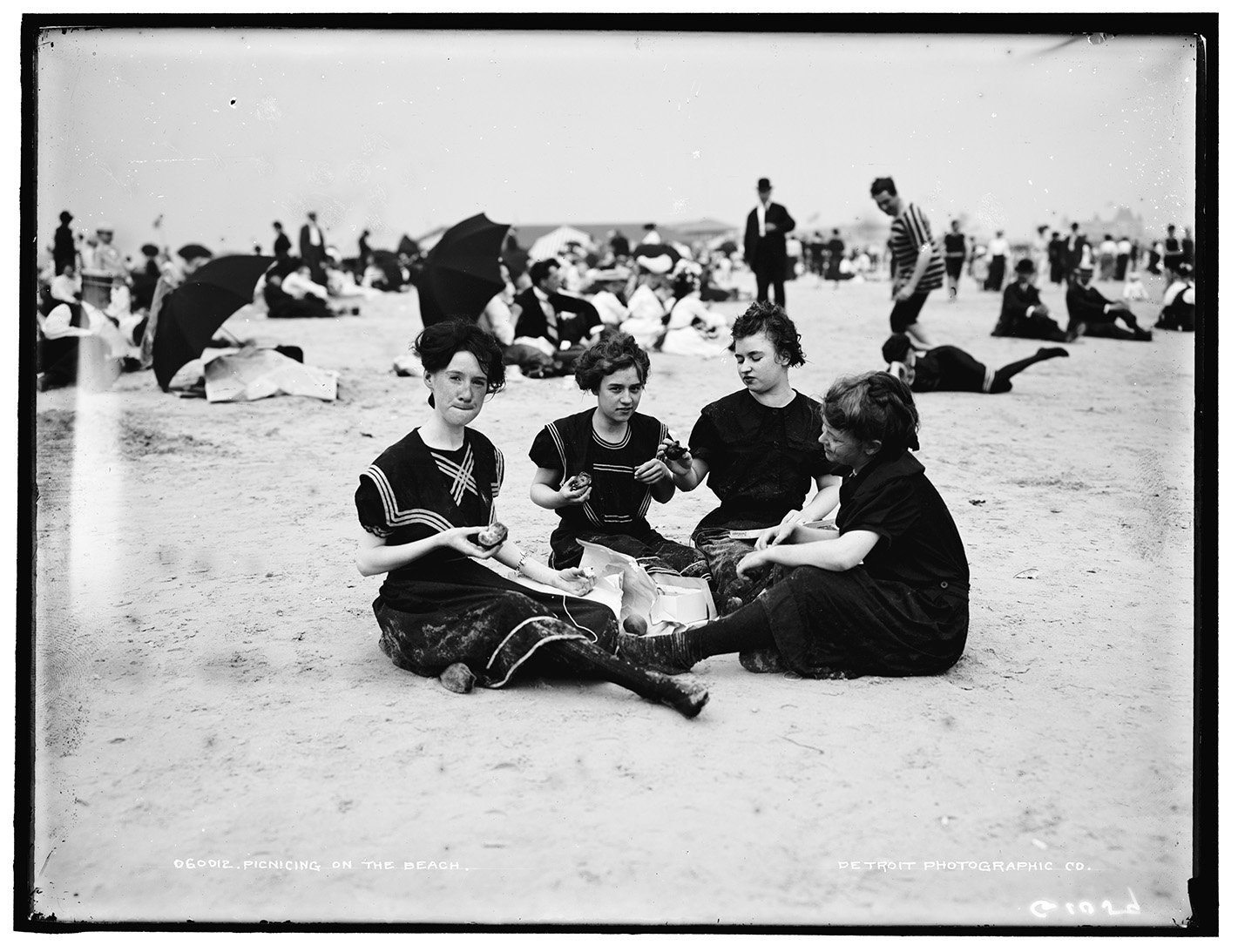
Vintage photo of women having a picnic on the beach in Coney Island, Brooklyn, New York, circa 1905. Photograph originally from the Detroit Publishing Company, courtesy of The Library of Congress Prints and Photographs Division Digital Collection.
Memoirs and more
AN HOUR WITH MASTER MEMOIRISTS
This delightful conversation between Beth Kephart and Abigail Thomas about her latest memoir, Still Life at Eighty, includes thoughts on juxtaposition, chronology, being an intuitive writer, getting unstuck, and how the body remembers.
STORIES OF PERSEVERANCE AND TRIUMPH
Three debut memoirists chart paths of chaos and survival: reviews of Deborah D.E.E.P. Mouton’s Black Chameleon, Laura Cathcart Robbins’s Stash, and Christine Barker’s Third Girl From the Left.
MAPPING HISTORY
“A lot of survivors want to tell their stories, and not everybody can write a book. Not everybody actually knows how to tell a story.” A look at an interactive mapping platform sharing stories of adoptees from the Sixties Scoop.
HIDING BEHIND PHOTOGRAPHY
“So much has to be added to still pictures, no matter how evocative, in order to tell a story,” Carl Rollyson writes in this thought-provoking review of Janet Malcolm’s “oblique” memoir, Still Pictures.
“OUR HOMES ON INDIGINEOUS LANDS”
Mali Bain’s new book uses family history to thoughtfully interrogate Canada’s settler past and ask: What stories are we passing on to our children?
A NEW DIMENSION
“Perhaps I am an invisible man lurking behind my father’s face, waiting to be born. And, eventually, to grow into my father’s face. Not exactly, but somewhat.” Viet Thanh Nguyen ruminates on the cover design of his new memoir.
Records of lives well lived
MEMORIES, ERASED
“I was the only historian of our short-lived universe and now it was lost for ever.” Our phones and computers have become hosts for our pasts. What happens when the backups fail?
NYC PHOTOG JAMEL SHABAZZ’S INSPIRATION
“When I would go to [my uncles’] homes, and my grandfather’s house, the first thing I would do was hit the photo album up, because it allowed me to time-travel and get a greater understanding of who they were.”
VINTAGE WEDDING ALBUM
Lest we think that only digital representations of our memories can get lost, I am sharing this heartwarming snippet of a lost wedding album being reunited with the family decades later—a scenario that plays out all too often:
Media recommendations
DEAR DIARY
Suleika Jaouad writes about how to develop a “sticky” journaling practice and shares some evergreen writing prompts to help you get in the flow.
FROM OBIT TO MINI-MEMOIR?
Last week I shared five life writing tips derived from the book Yours Truly: An Obituary Writer’s Guide to Telling Your Story by James R. Hagerty (which I recommend regardless of your writing level or experience).
EXPLORING INTERGENERATIONAL MEMORIES
In “The Memory Generation,” podcast host Rachael Cerrotti “sets an example of how the stories we inherit can initiate insightful conversations that help us not only reflect on the memories that define us but also build upon our capacity for empathy.”
Miscellaneous
THE LEGACY OF FOOD
“It happens gradually, the relinquishing of one’s past, and something that once felt so potent, one day simply stops being as important.” Finding memories of a distant home through milo toast in this excerpt from Rachel Heng’s The Great Reclamation (a novel that feels memoir-ish in the best possible way).
FOLLOWING THE CLUES
“Elvira and her brothers, Ricard and Ramón, were left at a train station in Barcelona aged two, four and five. As an adult, when Elvira decided to look for her parents, she discovered a family history wilder than anything she had imagined.” A mystery solved through childhood memories and DNA.
...and a few more links
Short takes


Life (and life writing) lessons from a WSJ obituary writer
Why leave your legacy in the hands of someone else? Try your hand at writing your own obituary with these tips—it just may be the start of your mini memoir.
James Hagerty, a longtime obit writer for the Wall Street Journal, shares his years’ worth of life writing wisdom in the book Yours Truly: An Obituary Writer’s Guide to Telling Your Story.
There are many reasons I recommend picking up a copy of the book Yours Truly: An Obituary Writer’s Guide to Telling Your Story by James R. Hagerty. Among them: his flair for telling a good old, draw-you-right-in story, honed over decades as a reporter; his ability to distill a lifetime’s worth of living into a manageable piece of writing that is both enlightening and engaging; and his respect for everyday folks whose names we might not otherwise know had he not shined a light on them on the Wall Street Journal obituary pages (and now, in this book).
Most of all, though, I recommend you read Yours Truly to glean some life writing wisdom for yourself. My hope, like Hagerty’s, is that it will put you on the path to writing your own mini-memoir long before your family needs to craft your obituary.
For now, here are five lessons derived from the book to spark your inspiration.
Your family wants your stories—even if they seem disinterested now.
Have you ever been to a funeral, a wake, or shiva and witnessed how hungry the family members of the deceased are for stories—for any and every little morsel of memory about their lost loved one? I have. And I have also been the grieving individual desperate for such recollections.
In my years of creating tribute books to help people memorialize their lost loved ones, I am continually saddened by the regrets my clients express: regrets for not asking as many questions about their family member’s life as they “should have”; regrets for not expressing their feelings and gratitude before it was too late.
As Hagerty shares in his book, it’s often not until someone sits down to write an obituary that they realize how limited their knowledge is. “I am struck by how much [family members of the deceased] care about ensuring their loved one’s life will be remembered—and by how little they know about that life.”
This, by the way, is in no way laying blame—we all fall into this trap of taking our loved ones for granted, of thinking of them as “mom” and “dad” without really reflecting on them as individuals with rich lives of their own. Even professional personal historians like myself have felt this way—heck, it’s the reason many of us came to do what we do.
Hagerty, too, expresses: “Even if I had tried to write [my father’s] story, I would have struggled. I lived in my father’s house for my first 18 years and saw him at least once a year for the next 20-some. How can it be that I knew so little about him? Even the basic facts are blurry.” Of course he regrets not knowing more, not asking more—and it’s only in hindsight that he wishes his dad told his story—“I’m sure we would have read every word and kept it in a safe place,” he writes.
Just because your family members aren’t asking for your stories now doesn’t mean they won’t want them someday. They will, I promise.
You’ve got stories worth telling—really.
“My life is boring.”
“Ugh, I don’t have any stories—just scattered memories here and there.”
“I’ve lived a simple life, not worth talking about.”
I’ve heard all the excuses for not writing about your life and, frankly, they’re rubbish. I have yet to meet a person who felt this way who didn’t ultimately go on and on about their experiences during a personal history interview, only to surprise themselves with just how wonderful their life has been! Sure, it may take a while for some people to get warmed up, but by asking them the right questions and leading them on a path of self-discovery through reminiscence, they inevitably rediscover just how riveting their life has been.
You can “find” your stories through writing, too, and in his book, Hagerty brilliantly walks you through how to do just that. As he says, “If you think your life has been uneventful, think again. Once you start writing, you may find it’s been far more interesting than you realized.”
In addition to offering up three questions you should ask yourself before embarking on any autobiographical writing, Hagerty shares plenty of examples of life writing that will showcase just how fascinating so-called “regular” people can be—and trust me, there’s a lot to be gained by reading about the lives of others if you want to write about your own!
Recounting tough times is as important as sharing happy memories.
This is a topic I address with every person I work with: Yes, the happy memories and funny stories should go into your book—but your challenges, your failures, and your resilience must be there, too. It’s those stories that may one day provide comfort or guidance to one of your children. It’s those stories that show your humanity and that inspire.
Just as I encourage my subjects during personal history interviews, Hagerty too encourages his readers to go beyond describing episodes from your life to find meaning among them. Be thoughtful about what an experience meant to you, about what lessons you learned. Place these episodes from your life in a broader context.
“The experiences that shaped you are often what other people least understand and would be most interested to know.” Yes!
And don’t just think about recent milestones from your life. Hagerty notes that “the most common error I see in obituaries is to underestimate the importance of childhood and teenage years, and the struggles to find a career, a mate, a vocation, or a purpose in life.” It’s during those formative years that some of our biggest—life-defining!—decisions are made. They are worth exploring in a loved one’s obituary and in your own memoir writing.

Check out the book that inspired this post
“In life stories, generic will never do.”
We’ve all heard the maxim Show, don’t tell. Paint a picture of the environment you describe. Be specific about place names and clothing styles. Choose details that reveal your specific experience—including details of our modern life, for what we take for granted today may one day seem dated, even quaint: corded phones, drive-in movie theaters, and handwritten (mailed!) letters seem like relics of the past, but even more recent references to sending someone a message via a pager, hanging out at the mall, or picking your “top 8” in MySpace are already “of their time.”
This doesn’t, of course, mean to flood your stories with details, but choose telling ones, and be specific when it counts. If you are talking about your first job, describe the company and your role with real examples. If you say you felt demeaned at work, share a representative episode that made you feel that way. Allow your readers to imagine themselves experiencing life alongside you.
“Without details,” Hagerty writes, “a story shrivels into oblivion.”
Something is better than nothing.
I’ve said to many a personal history client, “Done is better than perfect.” So, too, is something better than nothing.
I am grateful for the few things my mom hand wrote in the memory journal she kept on her bookshelf. She answered about 10 of the 100 or so prompts with a mere sentence or two—and while I wish she wrote more, I cherish those sentences.
“You may never finish the project,” Hagerty writes. “That’s okay. An imperfect, incomplete story, offering whatever you can to muster to explain yourself and share the lessons you’ve learned is a precious gift to your friends, loved ones, and maybe even posterity in general. As for the memories you will resurrect and the insights into living you may discover, those are gifts to yourself.”
It’s a gift to your family, as well. A gift of legacy they will assuredly keep in a safe space in their home, and in their hearts.


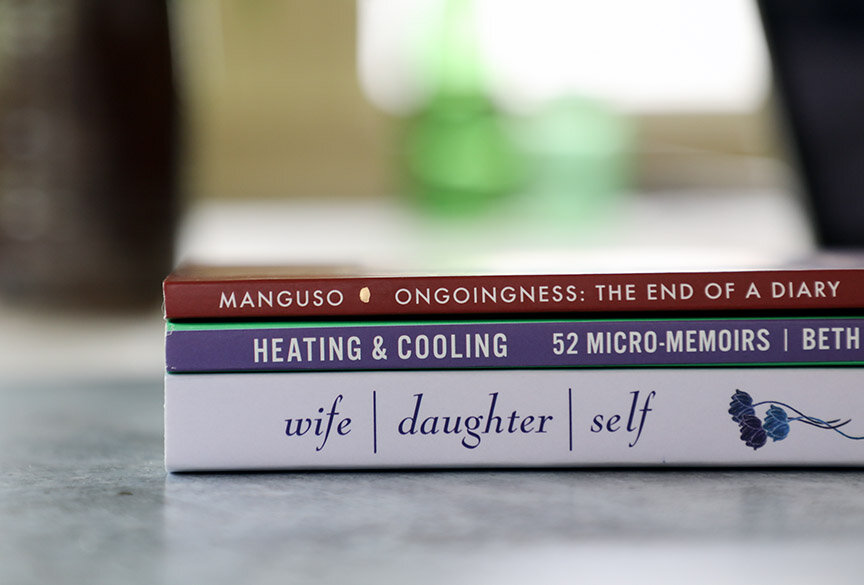

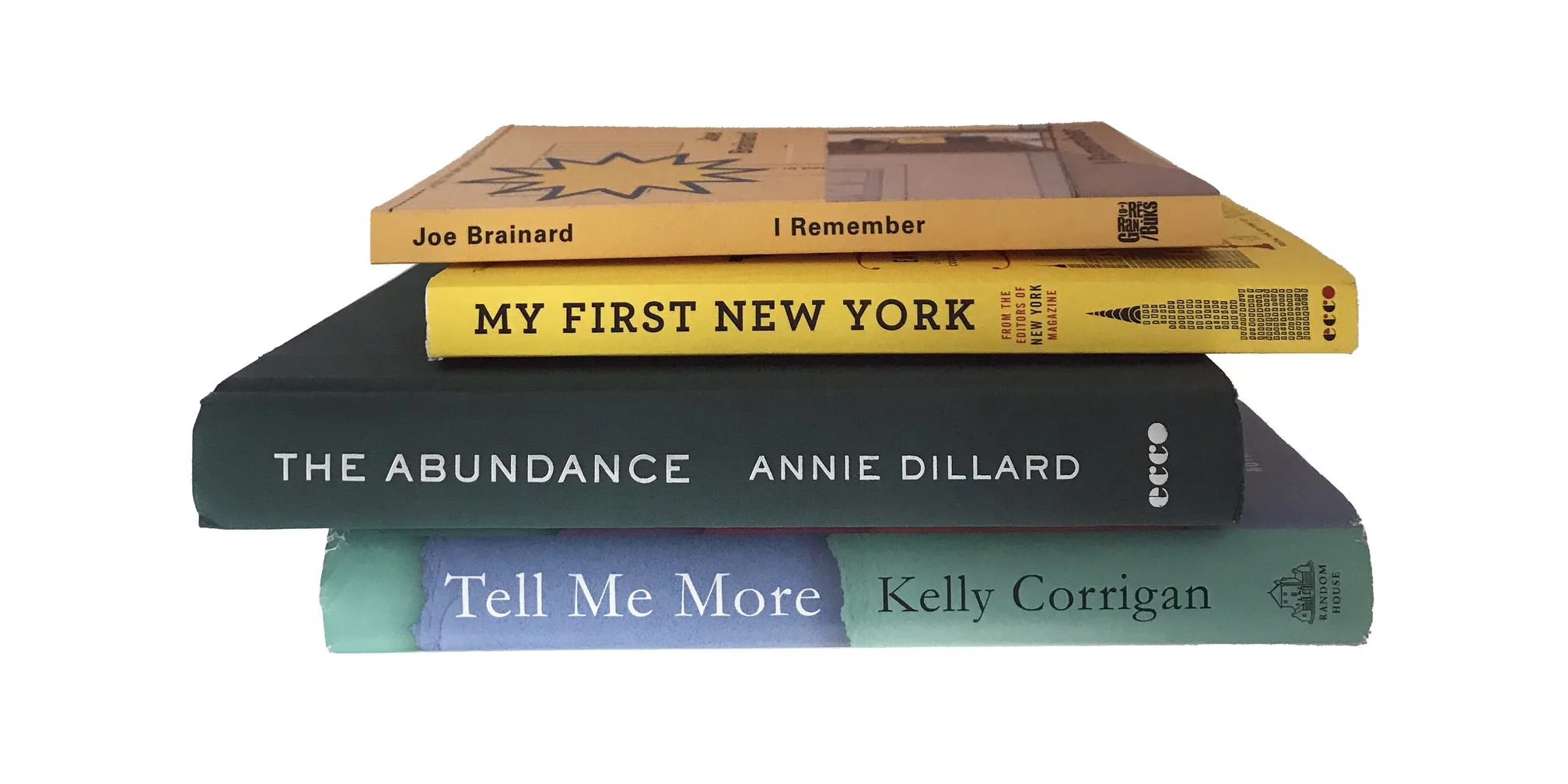


Note: This is an unsolicited review of a book I purchased at full price. I did not receive any compensation or free products in exchange, and any endorsements within this post are my own.
Affiliate disclosure: As an Amazon Associate, we may earn commissions from qualifying purchases from Amazon.com.

Life Story Links: March 28, 2023
Dawn Roode curates the best of what she’s read this week on the topics of family history, life stories, memoir writing (and reading), and leaving a legacy.
“The great stories are alive.”
—Ariel Burger
Vintage photo of a young girl, with other children in background, in a vacant lot behind tenement housing in East Harlem, New York City. Photograph by Rómulo Lachatañeré, courtesy of Schomburg Center for Research in Black Culture, Photographs and Prints Division, The New York Public Library Digital Collections.
Preserving our legacies
“BOOKS HAVE MY HEART”
Last week I answered a question I’m often asked: Why life story books, and why coffee table books in particular? Why not video? Why not audio?
PARTS UNSPOKEN
“It requires a certain level of trust for someone to be vulnerable and share their story. The person at the center of this exercise becomes the subject of their own life.” A look at educational biography.
MEMORIAL REFLECTIONS
How do you want to be remembered?, Patricia Charpentier, a Florida–based life writing teacher, asks in this short piece written after a funeral stirs questions of legacy.
NARRATING OUR LIVES
“Over the years, I have realized a parenting inversion: Just as we narrate our children's lives when they're quite young, our children eventually narrate our lives when we're quite old.”
First person reads worth your time
WHEN A ROAD ENDS
“I wrote the kernel of this piece over ten years ago, and still work to make sense of parts of this story,” Marjorie Turner Hollman writes in this piece on life-changing events in her own life, and lessons learned along the way.
UNLIKELY OASIS OF PEACE
“I am sometimes not sure which is the more remarkable: that life lives up to great paintings, or that great paintings live up to life.” This excerpt from Patrick Bringley’s memoir takes place at The Cloisters in upper Manhattan.
HOW WE SEE AGE
“The first person who portrayed old age for me was my grandmother, my father’s mother, Erma King Aldrich, the woman who bore my last name, the woman I called Nana, the only woman in my family who made me feel loved.”
Memoir notes
THE ‘FIRST JOB MEMOIR’
In this piece looking at the evolution of the “first job memoir,” one author “sees her job as simply a job, rather than as a crucible for forging her identity,” while others take different approaches to their work narratives.
SELF PORTRAIT
“For a writer so relentlessly suspicious of the accounts we give of ourselves, and so attuned to the meager defenses we muster against self-exposure, memoir is a risky medium.”
ON THE THEME OF AGING
“The mystery of what makes you and your childhood self the same person despite a lifetime of changes is, after all, one of the most interesting questions of philosophy.” Grace Paley on the art of growing older.
...and a few more links
“4 powerful reasons to write your family history even if no ane else cares”
An intriguing look at how an admired figure in the literary world essentially forged his identity
It’s never too late to solve your adoption mystery
Short takes

What to do when you have too many memory-keeping ideas
Don’t let all those memory-keeping ideas swirling around your head overwhelm you. Instead, take some time to hone in on which stories to tell first—here's how.
Lots of light bulbs going off in your head? Consider that a good problem to have—chances are your next life writing project is amidst that mental clutter! Take a few steps, outlined below, to hone in on which topic to tackle first.
I recently had a conversation with a gentleman who had a multitude of ideas for book topics—he wants to tell his own story, his mother’s story, the story of his more-than-100-year-old family business, the story of the best friend from college who recently passed. The talk was chaotic—a maelstrom of memories. It was exciting.
Fertile ground—that’s my positive spin on what can often be considered overwhelming: early talks with folks who know they want to preserve their legacy in a book, but have too many ideas. For while it can indeed be overwhelming for you, I am able to take notes as an objective listener and ask questions to help you refine your goals and, ultimately, set priorities.
Sheer overwhelm is, from my experience, the number-one reason most people let their life story book ideas languish. I’ve written a lot about ways to minimize that overwhelm (check out this post for easy ways to minimize the fuss and just get started, for example)—but right now I want to focus on narrowing down your ideas to the most pressing one.
How to choose which life story theme to explore first.
These steps are applicable whether you want to write your memoir (perhaps as a series of vignettes!), speak your stories into a recorder to be transcribed for a life story book later, or simply to create a photo album or oral family history. No matter the final form of your life story preservation, following these four simple steps will help you get control of your ideas and settle on one topic to tackle first.

Step 1 - Do a brain dump.
Get all those ideas out of your head and onto paper. It’s okay if your scribblings are as messy as those ideas swirling around your mind—just write them down, one phrase and memory at a time. This is what we call brainstorming, and it’s both effective and cathartic. Give yourself 10 minutes, tops, but try not to pick your pen up from that paper…keep the ideas flowing! I recommend doing this with good old-fashioned pen and paper.

Step 2 - Make a list.
Type up your handwritten ideas in list form without regard for order or relevance. Don’t edit or ruminate over anything; just make it presentable, then print a copy you can mark up later.

Step 3 - Step away from the page.
Seriously, slip your paper in a drawer and forget about it for a week. This will give you enough emotional distance to approach the next step with the necessary perspective.

Step 4 - Set priorities.
Okay, maybe this one’s a little thorny. What if every idea looks A-MA-ZING?! What if your heart palpitates at the thought of choosing one life story topic over another? It’s all good. It means you’re excited about preserving your stories and, most likely, that you’ve lived a life filled with stories worth sharing!
Remember that your goal here is to set some realistic priorities—to identify which life story angle you are going to tackle first (and that doesn’t necessarily mean it’s “the best.”). It DOES mean you’re choosing a topic
(a) that is currently at the forefront of your mind, for whatever reason;
(b) that you’ve already written a bit about and would like to develop further;
(c) that a family member has expressed interest in;
(d) that you feel some urgency about capturing before memories fade;
(e) or that troubles you, and you want to explore to write your way to clarity…
These are just some of the reasons you might choose one memoir topic over another. Simply having a gut feeling about one idea is reason enough to pursue it, in my opinion.
You can’t finish a life story book, memoir, or oral history memory-keeping project if you don’t start. By picking one of these ideas as your first priority, you’re on the right (productive!) path.
Do those four steps still feel too overwhelming?
Sometimes you may not be up for all that. There is another way: Set aside time for a few introductory personal history interviews. That’s what I am doing with the aforementioned client who was overflowing with life story ideas—we’ve scheduled three interviews that we are looking at as “data collection.” I will guide the conversations with an open mind, paying attention to those stories that get him excited, that spark 10 more possible related stories, that feel like the fertile ground I referenced earlier. I will also note those that may seem more like a chore to talk about, that don’t feel as urgent.
You can do the same thing with a loved one if you like. Ask a family member or friend to sit down for an intentional reminiscing session. It needn’t be a formal interview like the one I will have with my client, but it should be approached with purpose. Tell them what you are hoping to achieve (to narrow down your ideas for a memory-keeping project or personal history book) and invite them to ask questions and comment on what they find of interest. You can record the session to hear how your voice betrays your feelings about a given topic, or take notes as you go. Either way, I am willing to bet the very process of sitting down to talk about your memories will both get you excited to begin preserving your stories for real AND help you decide which aspect of your life to explore first. Good luck!
Ready to start writing your life stories?
Don’t stress about the quality of your writing—use your authentic voice.
Not sure how to proceed but still chomping at the bit to preserve your life stories? Consider scheduling a free 20- to 30-minute phone consultation to see how we could work together.
Why a “coffee table” life story book?
After we record your personal history interviews, I craft your story and photos into an heirloom coffee table book—not a video, not an audio file. Here’s why.
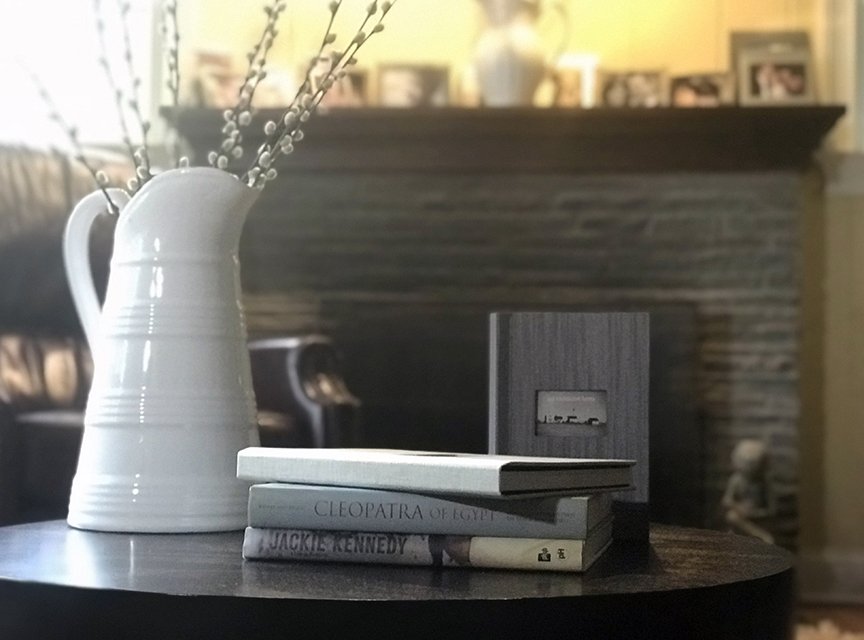
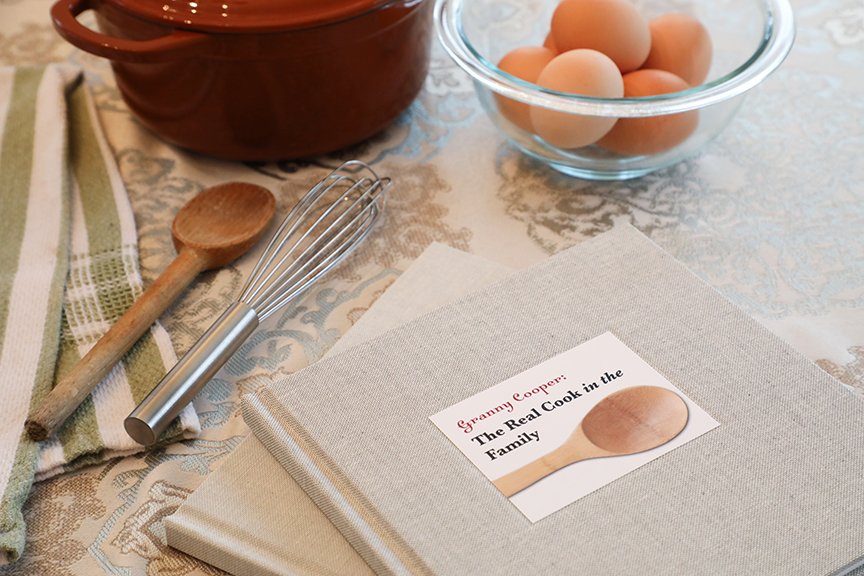
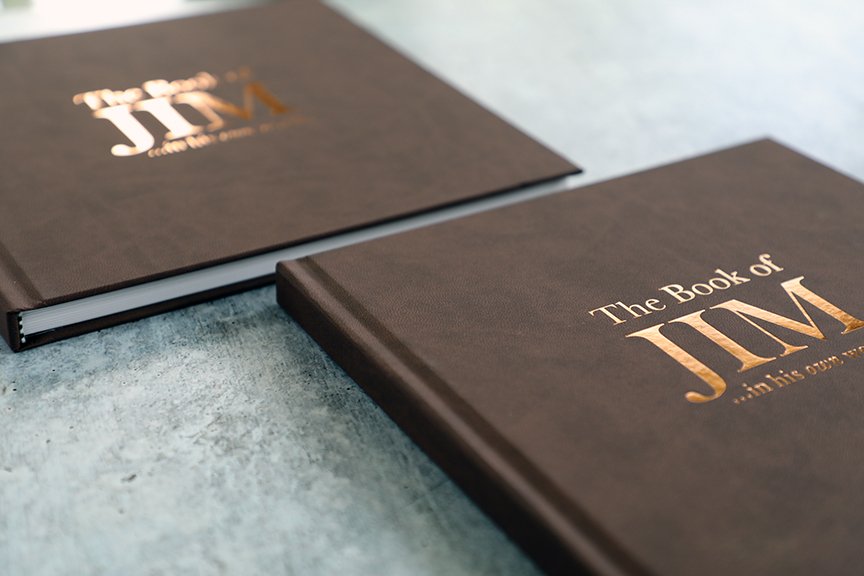
One of the most compelling reasons to preserve your personal stories in a coffee table book? You’ll display it in your home—which leads to people picking it up and engaging with it…which leads to even MORE story sharing and connection.
While I realize that most people have still never heard of a “personal historian,” I have been heartened over the years to understand that most people ARE interested in the services we offer—preserving life stories and family history, often through oral interviews; and the values we hold—a respect for preservation, a love of storytelling, and an abiding belief that intergenerational connectedness is a balm for the soul!
Often when I meet someone new and describe what I do, they ask me, Why books—why not video? Or, Why coffee table books specifically?
Well, the fact that I create personal history books in no way diminishes my respect for other forms of storytelling. If you prefer to record your loved one’s voice and receive edited audio recordings for your family archive, I can refer you to the perfect person to help you with that. Envisioning your family member talking about their memories on film? I’ll happily refer you to a video biographer I know and trust.
Me, though—well, I love books. And I have decades of experience in print. It’s my thing.
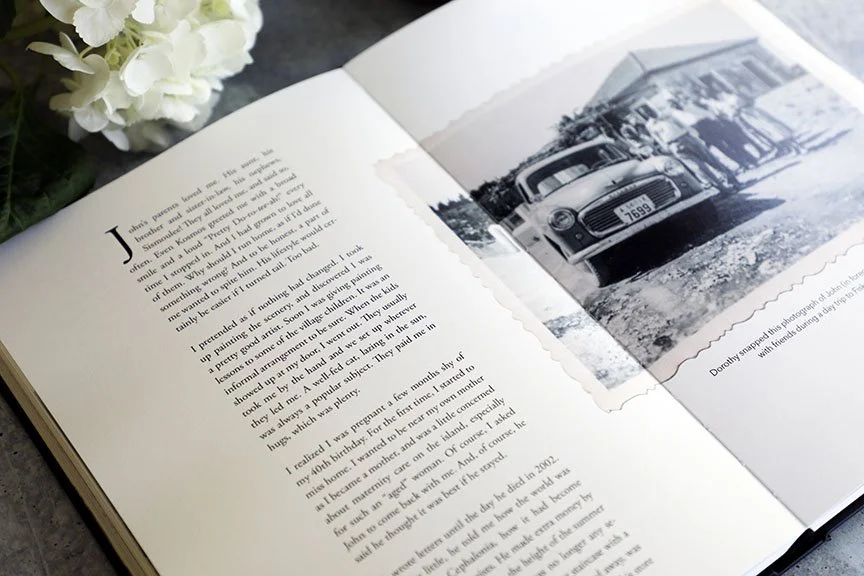
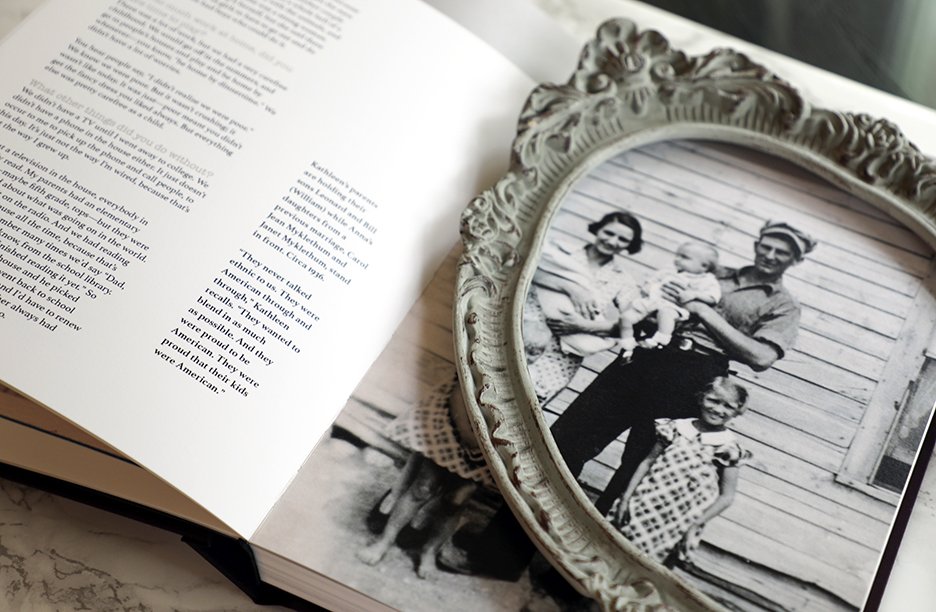
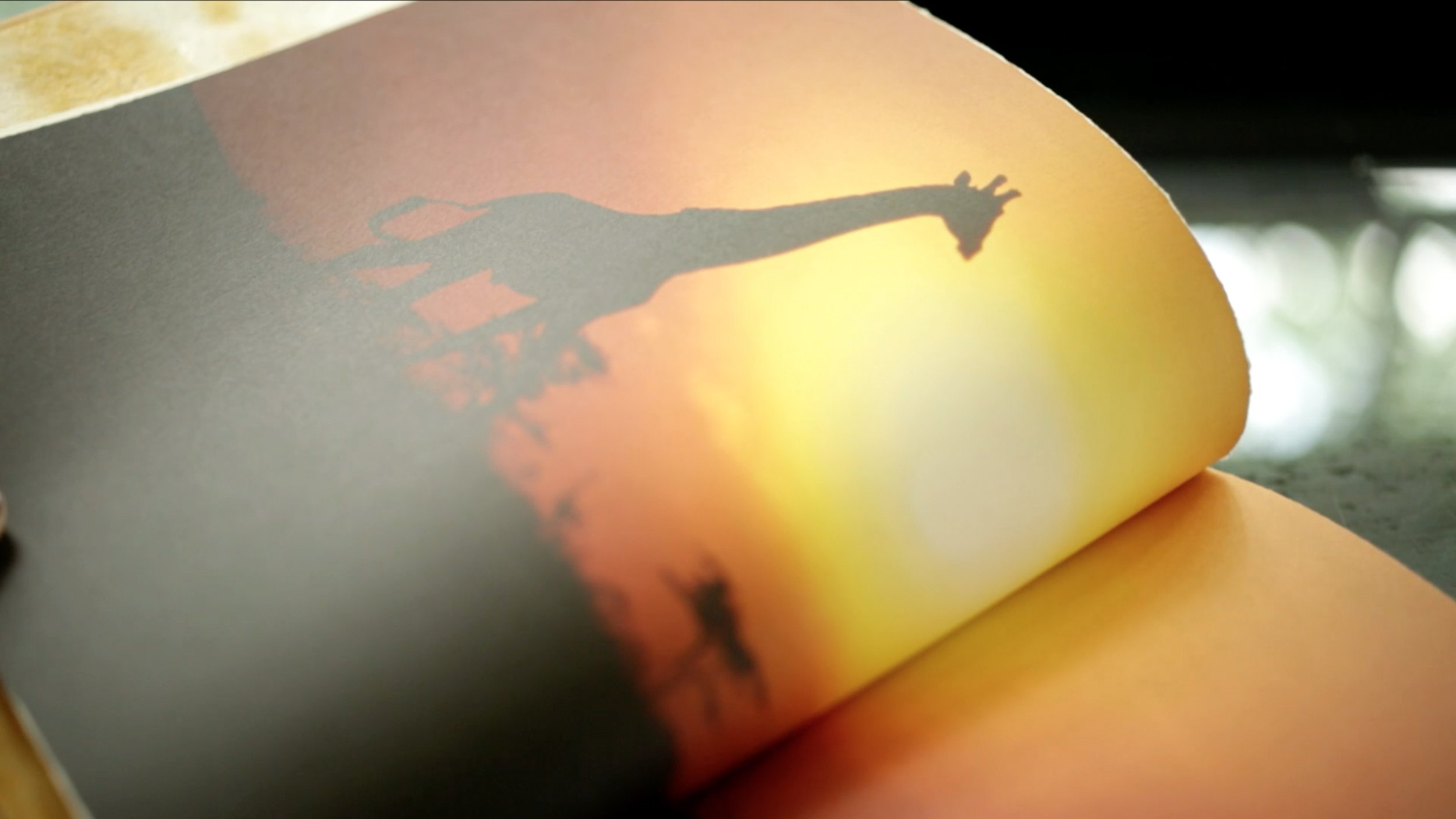
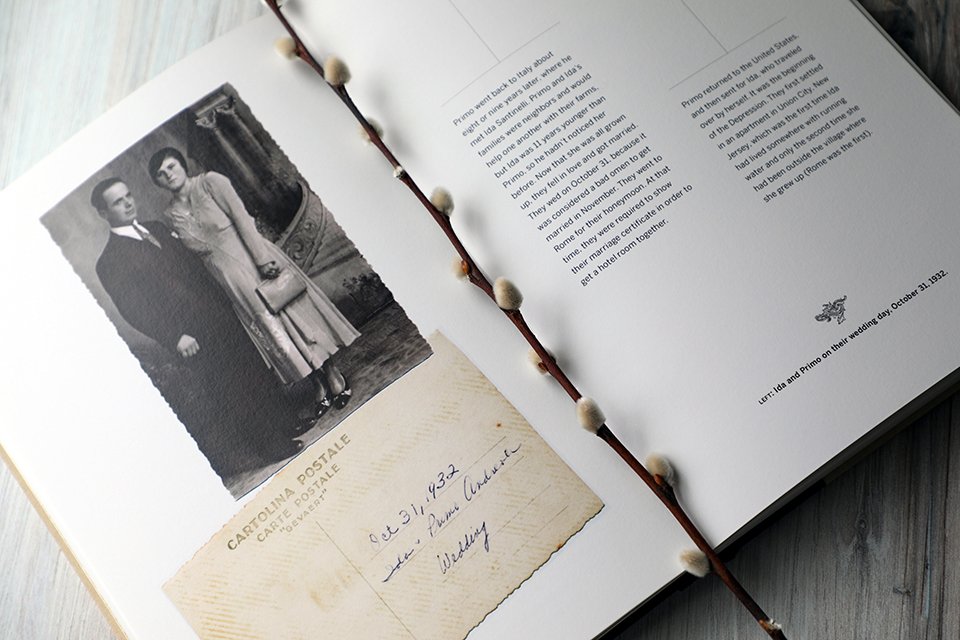
Large photos and ample white space give your heirloom book visual interest and breathing room.
My expertise is in print. And books have my heart.
I worked in magazines for years, back in the heyday when printed magazines were thick and juicy…before they were stunned by online journalism and “content creation.” I worked with some of the best writers, editors, and creative directors around at titles as diverse as Vogue, Harper’s Bazaar, Vanity Fair, Parenting, Child, and Latina. I gained a career’s worth of experience in compelling interviewing, project management, and visual narrative. And it’s both a love of the print medium and my desire to continue using all those storytelling skills that drive me to tell YOUR stories in print.
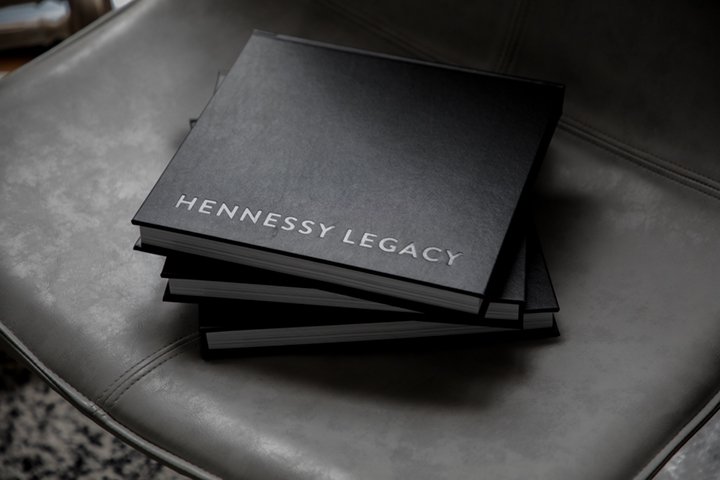
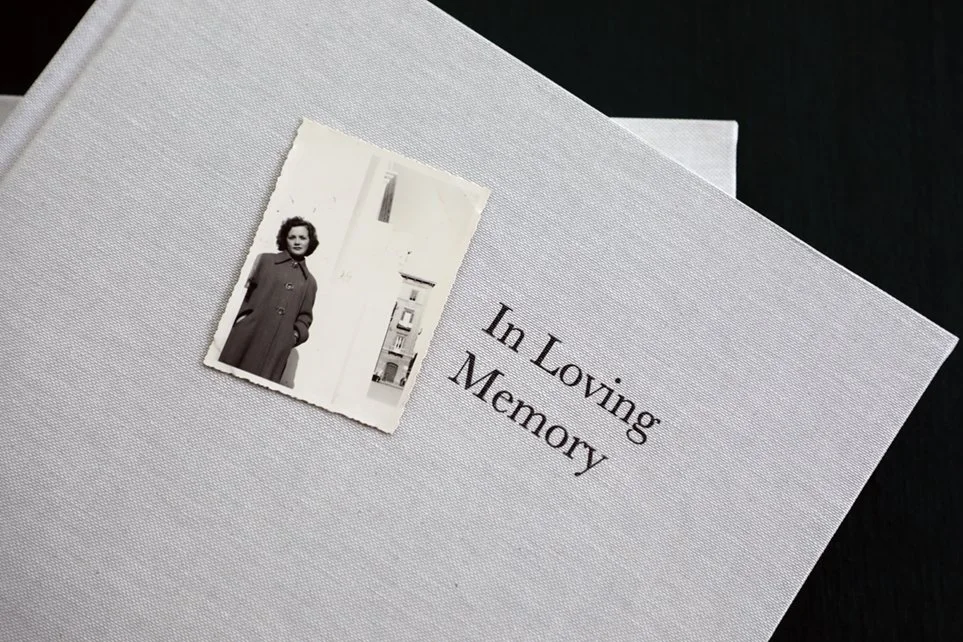
I turn your stories and family photos into heirloom coffee table books because I know you will display such a book in your home. Having your book out all but guarantees people will pick it up and engage with it. And designing it with great photos—and with plenty of entry points—makes it even easier to engage with: so the stories you have included in the book will encourage more (in-person, out-loud!) story sharing.
Some have heard me say, “I don’t want to read a 500-page book of straight text about Obama or Madonna, forget about my grandmother!” That’s not to say I don’t want to KNOW their stories—I do! I just want them presented to me in a way that’s inviting. Arresting. Compelling. INTERESTING!
Generations from now your ancestors will not need a new computer or updated software to access your book—they can pull it off the bookshelf and dive right in!
Print is the forever media format.
A book is a physical thing, with a sense of heft and permanence that the digital cannot provide. The tactile experience of reading a book is emotionally satisfying. A book confers status. It is special, and the story within is, too.
A book is destined to become an heirloom.
A book “can be read in the familiar tone of one’s inner voice, skipped where necessary, laid down when it pleases, and carried about freely,” wrote Robert Graves in 1958. It will never need to be upgraded, archived, or converted to a new media format.
In a digital world, print stands out.
And by the way: Merging print with digital can be more powerful than each medium alone; both serve different functions and are not only valid, but essential. As such, a digital version of your print book is always available: it serves as a backup of the book, and is more easily shared among friends who are not near.
Are both a form of social media? You bet. While you can share and tag and collect comments on a digital book, you may gather around a physical book on your table, laugh, share stories, relive memories, and...make some new ones.












Life Story Links: March 14, 2023
This week's curated roundup includes a quick guide to RootsTech 2023, lots of conversation about reading and writing memoir, plus notes on legacy and research.
“What is writing but we put our heart on a piece of paper and then we hand those pages to somebody else?”
—Megan Stielstra
Vintage St. Patrick’s Day postcard
Reading memoir…
MORE THAN A LIFE ON THE PAGE
“Sometimes, a writer can use more than their own recollections to tell a personal story.” John Hendrickson, author of the reported memoir Life on Delay, offers up six memoirs that go beyond memories.
FORMATIVE FRIENDSHIP
“By the time I was a junior at college, I’d already met everyone I cared to know.” This short excerpt from Will Schwalbe’s new memoir, We Should Not Be Friends, is as irresistible as the unlikely friendship he chronicles.
“STILL LIFE AT 80”
“Sometimes the present is interrupted by a memory so vivid that I am in two places at once.... These are the moments in which past and present are fused. I like to imagine them as little paperweights, holding my life together before it all blows away,” Abigail Thomas writes in her new memoir. Read a review here.
…and writing memoir
A LITERARY QUADRANGLE
“Only you and I know who wrote this book,” Gloria Swanson said to Wayne Lawson at a launch party for her memoir, Swanson on Swanson, in 1980. The ghostwriter sets the record straight four decades later.
THE SELF, REVISED
“It’s the human imperative, this piecing together of a life. And so, word by word, we lay down our tracks.” Dani Shapiro on discovering that her family’s secret was embedded in her writing before even she knew the truth.
TO BETRAY OR NOT TO BETRAY?
“I had anchored myself in the why—not just why I’m writing the book, but also why I included certain details.” This story about the ethics of writing about others has a paywall, but you can get a free trial subscription if you’re interested. (I am a paid subscriber to The Isolation Journals with Suleika Jaouad and highly recommend it both for her heartfelt, raw first person writing and her interviews and writing prompts.)
HISTORY AND IMAGINATION, CONVERGED
“A writer is interested only in his origins. That’s why you’re here, isn’t it? A writer wants to know, at every level, where it is he comes from.” Chris McCormick on visiting the Armenia he had brought to the page via his imagination.
FICTION’S BLURRY BORDERS
“Now I think we all are...living our lives and making up stories at the same time, our brains running smoothly down both tracks.” Jesse Lee Kercheval tries to figure out where life ends and fiction begins.
Sending messages across time
BEQUEATH YOUR VALUES
Last week I shared recommendations for resources to help write your ethical will—including a nitty-gritty workbook and a book with 12 guiding questions and a wealth of inspirational examples.
LOVE LANGUAGE
After her father’s cancer diagnosis, Google Translate became Mium Gleeson’s tool for survival—and then, remembrance. Read her beautiful meditation on keeping her dad close.
Contextualizing research
“A WILD ARCHIVE”
Imagine being one of the researchers invited to sort though a centuries-old cache of undelivered mail, all seized from merchant ships during wars from the 1650s to the early 19th century? Here’s a fascinating look at what some of the letters reveal.
UNCOVERING AN 1860S NEIGHBORHOOD
As a visitor to NYC’s Tenement Museum, I have wondered at the wealth of research that goes into creating the stories of the everyday families they highlight. Listen in as a museum VP walks through some behind-the-scenes research into a new exhibit:
RootsTech recap
The world’s largest annual family history conference was held earlier this month and a flurry of posts around the interwebs chronicled the goings-on. Here are a few highlights:
“Making family history discoveries is one thing. Learning how to craft those discoveries into stories that will capture the attention of the next generation is another matter entirely.” Watch the hour-long presentation, “The Anatomy of a Story,” by Crista Cowen, here.
The Church of Jesus Christ of Latter-day Saints, the organizers of RootsTech, share recent research that provides some empirical evidence that learning family history has a positive influence on adolescent identity development. Read the study abstract here.
Ancestry announced the launch of Storymaker Studio, a new suite of tools on the Ancestry app.
There is a rich back catalog of classes that you can watch on-demand at the RootsTech site.
You can also virtually browse the exhibitors that were in-person at the event this year.
...and a few more links
From The Atlantic: “20 Biopics That Are Actually Worth Watching”
A look at a new documentary, Film, the Living Record of Our Memory
iMemories named to Fast Company’s annual list of the world’s most innovative companies for 2023
“Stories my father told me shaped my life. Later, I learned they weren’t true.”
On this episode of Things That Matter with Martie McNabb: A pen, a purpose, and a passion
A publisher who was arrested while preparing to release an unauthorized biography of Xi Jinping has been freed after serving a 10-year sentence.
Boy recreates grandmother’s photos from 1955 to help her after she was diagnosed with Alzheimer's
Vintage photos show what life was like in the White House during John F. Kennedy’s presidency.
Short takes
Two great resources to help you write an ethical will
Ethical wills—also called legacy letters—are great ways to pass on values and life lessons to your descendants. These two books will help you create your own.
One helpful resource to guide you in writing your own ethical will: this step-by-step book from Susan Turnbull, founder of Massachusetts–based Personal Legacy Advisors.
“What do I want my loved ones to inherit, in the broadest sense of the word?” Susan Turnbull asks in her guide, The Wealth of Your Life.
So, beyond the physical wealth you have accumulated in your lifetime, what else should you think about passing on? Things like your values, your stories, your family history—these things make up intangible wealth that, for many, is as important (if not more so) than your material assets. But how, exactly, to pass those on?
Leave your values, not just your valuables
The answer comes in the subtitle to Turnbull’s book, “A Step-by-Step Guide for Creating Your Ethical Will.”
An ethical will is simply a document you create to pass on wisdom, stories, and other information you feel is vital for your loved ones to know. It is an opportunity to share love, gratitude, and lessons with them. To leave a legacy with words.
Originally an ancient Jewish oral tradition, ethical wills have come to be known by more descriptive modern terms such as legacy letters and forever letters—but no matter what they are called, their intention is “to share the deepest truths of our lives for our loved ones to know and to hold even when, especially when, we are gone,” as Rabbi Steve Leader writes in For You When I Am Gone: Twelve Essential Questions to Tell a Life Story.
My life story?, you might be thinking. Well, yes, you may endeavor to preserve your full life story for the next generation (if you’re on my website, you know that’s undoubtedly something I champion!)—but most ethical wills are shorter documents (often between two and 10 pages, Turnbull suggests) and therefore much more approachable. It may evolve over time, too. “Start by creating a short message that captures the most important things you want to say,” she writes. “Peace of mind will be your immediate reward. You can add to that core message later, as time and inspiration allow.”
Here are two very different resources that I highly recommend for anyone interested in crafting your own ethical will.
The best books to help you craft your own ethical will
1 - a practical ethical will workbook

Susan Turnbull’s workbook is meant to be read and filled in—so get your pen ready!
Title: The Wealth of Your Life: A Step-by-Step Guide to Creating Your Ethical Will by Susan Turnbull
Who it is right for: A self-starter who wants to craft their own ethical will by the end of Turnbull’s book.
Biggest benefit: The nitty-gritty guidance (including, for instance, a list of values to consider writing about, and questions to narrow down your intentions) is thought-provoking; and the worksheets are incredibly helpful tools that also mark your progress as you go.
Consider: Buying one guide for yourself and another for your life partner, sibling, or a close friend—going on this journey together may provide both motivation and a means to grow closer.
This is a short, spiral-bound book that’s meant to be used as a tool. The author has broken out the steps to creating your ethical will not only clearly, but gracefully: Questions and prompts are accompanied by “lightbulb” asides that nudge you in the right direction, plus short examples of real-world answers that illustrate, among other things, that using your authentic voice is a powerful thing.
One of my favorite tips: You can convey values without sermonizing. “It is in your everyday life that your values find their expression.” In other words, use stories to reveal your values. Writes Turnbull, “In so doing, your values become obvious, you provide an interesting record of a slice of your life, and you will touch your audience in ways you can never imagine.” Indeed.
2 - an inspirational read that leads by example

I recommend reading Steve Leder’s book twice—once to relish the personal writings within, then again with the intention of answering his questions to craft your own ethical will.
Title: For You When I Am Gone: Twelve Essential Questions to Tell a Life Story by Steve Leder
Who it is right for: Anyone who wants to immerse themselves in years’ worth of wisdom, all the while becoming inspired to share your own.
Biggest benefit: Thoughtful, rich examples of excerpts from ethical wills from a wide variety of people of differing backgrounds and life experiences. The answers people provided to the 12 guiding questions Leder supplies are heartening and motivating.
Consider: Finishing your ethical will and then…writing more! For me, personally, answering the 12 questions in this book promises to yield more than my ethical will for my son—a whole lot more.
An ethical will can be both a way for descendants to remember a lost loved one and a primer on how to live a better, happier life.
Rabbi Steve Leder—who has presided over more than a thousand funerals over the past three decades—knows the value of stories in creating legacy. If you ask the right questions, he says, meaningful stories pour forth. In this book, he has distilled those questions for us. “These questions are deliberate and so is the order in which I ask them,” Leder writes. “They have helped countless families tell the deepest, most honest, and often beautiful truths by which their loved ones lived.”
Sound intimidating? It’s shouldn’t be. Not only can you do this, but you will also gain insights and feel a sense of peace upon completion, “a promise of continuity,” as Leder says. While he thought he would be imposing on those he asked to contribute to his book, on the contrary, most of the individuals thanked him for allowing them the opportunity to be thoughtful and to share their stories.
The 12 chapters in For You When I Am Gone each introduce one question, some rationale for its inclusion, and then varied answers from real people. I recommend reading this book in its entirety, then beginning again with the intention of answering each question yourself as you finish its chapter. That’s what I have done.
Two messages that resonated greatly with me: ““We cannot learn from a story no one has ever told us” and “To share our story with someone is to say, you matter to me.” Leder also professes urgency: “My message is, ‘Don’t wait.’ Because none of us ever really knows which conversation might be our last.”
For You When I Am Gone is the best book on life writing that I have read in years; it has become the book I have gifted most often since it was published last year. I hope you’ll pick it up, and that you’ll take the messages from Leder and Turnbull to heart and begin writing your own ethical will.
This clever turn of phrase from Turnbull’s guide says it all: “What you have learned is as valuable as what you have earned.” So pass it on—please!
Note: This is an unsolicited review of two books I purchased at full price. I did not receive any compensation or free products in exchange, and any endorsements within this post are my own.
Affiliate disclosure: As an Amazon Associate, we may earn commissions from qualifying purchases from Amazon.com.