
Memories Matter
Featured blog Posts

READ THE LATEST POSTS
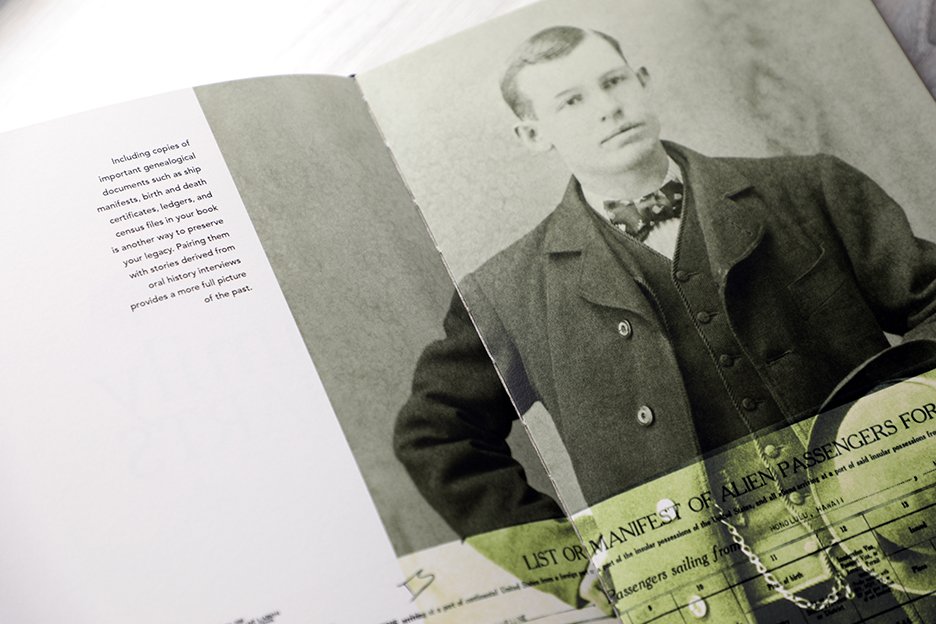
How to edit your family history so it will make sense 20 years from now
Ready to edit your family history or life story book? Follow these three tips from a personal historian to ensure everything is clear for your descendants.
You’ve written your family history in narrative form (congratulations, that was a major undertaking that took great commitment and effort!!!), and now you’re on to next steps: giving your work a final edit and determining how you will preserve it for the next generation. I’m here to share three things you should do during the editing process to ensure that all your hard work is understood and appreciated by your readers.
1 - Be explicit with family members’ surnames and ages.
Your mom’s sister who was named Margaret but only ever went by Aunt Peggy to you and your siblings was actually called Maggie when she was a little girl. There may be a great story in there (and if, so, try to find it through interviews!), but I’m sharing this example to illustrate how important it is to be explicit when introducing family members (a.k.a., your characters).
On first reference, give a person’s full name, as well as some type of relational status (e.g., “my aunt” or “mom’s brother”). How you approach adding in the relationships will depend on the voice you are using to tell your stories. So, if you have written the majority of your family history in first person, then all of the relationships should be in relation to you—“my paternal great-grandmother,” “my father’s step-sister,” etc. If you have chosen to write in a more neutral third-person voice, then determine who the main character is of the particular story you are editing, and designate all people in relation to them—so, if Mary Smith is your story’s protagonist, you’ll introduce people as “John Joseph Smith, Mary’s older brother” and “Desirae Kensington Smith, Mary’s mother.”
You’ll also want to mention any nicknames that you are aware of—and do so in the most clear way possible. Because imagine you simply say “Aunt Peggy decided to move to Texas…” and a relative who has only ever known her as Maggie is reading this; you run the risk of your character going unrecognized or being confused for someone else. I guarantee the chances of this happening increase exponentially the further your reader gets on your family tree. Your grandchild will have no idea who these people are beyond the picture you create on the page.
I think it is so helpful to include an age—even an approximate age—when orienting a reader at the beginning of a particular family story. Was Aunt Peggy approaching 40 when she had her first child? Was your father just a teenager when his own father died? Again, adding ages in this way is to make it easy for your readers to follow what’s happening. You are abundantly familiar with your characters—they are your family, after all, and you’ve likely been spending a lot of time with them via your research; your readers, however, are not quite so familiar. So seamlessly give them the info they need without having to flip back to see who the heck Mike Jessup is again!
2 - Orient your reader with explanatory help throughout your family history.
Just as your reader two generations on will need help with names and relationships, they, too, will need help with other details you may take for granted. Try to do a read of your material as if you are someone who has no familiarity with your family or their history. What questions arise? Where might you add context to help bring your story to life?
A few examples of details you may want to include or elaborate on:
Beyond a city name, can you characterize where they lived: Was that place in that time a wealthy enclave, a haven for transplants from the big city, a blue-collar town where neighbors watched out for one another’ kids?
Beyond a year, might you add some details that reveal how history may have impacted them? “The year was 1865, and while the Civil War had ended, that reality hadn’t quite sunk in for many who lived in my great-grandparents’ home state of Louisiana.” This could be a great opportunity to take advantage of new developments in artificial intelligence and ask ChatGPT or Google Bard for help describing what a time period or region was like—just be sure to include a directive in your chatbot inquiry to “use only factual information” when generating your answer!
What other parts of your story might be vague or confusing for a new reader? If you don’t think you can identify such problem areas, perhaps ask a friend or colleague to give your family history story a read and mark their questions in the margins. I bet you’ll be surprised by some of their queries!
3 - Provide graphic “cheat sheets” to make things easy for your readers.
Reading an account of genealogical research can seem like an exercise in…well, putting someone to sleep—but sharing stories, not just facts, and providing elucidating information (as described above) are great ways to engage your readers. Another is to include visuals that aid in your storytelling.
Family photos go a long way in drawing readers into a story, of course, but there are other graphics you may want to add. Consider creating:
Family tree charts: This can be as simple as a family chart that is generated through your Ancestry or FamilySearch account. Note that I used the plural here—while, yes, you may include a large family tree showcasing all the ancestors whose names you know, I recommend creating a few smaller charts that are relevant to a specific chapter or story. So if you’re telling stories about your second-great-grandfather Will Shannon, make Will the root of your tree and show just his parents and his siblings; then, in a subsequent chapter when you have an account of Will’s son, your great-grandfather, Marcus, create another family chart with Marcus at the root. Do you see why? That way your reader can easily glance at the chart to orient themselves within the family without really taking themselves out of the story.
Maps: If you’re a die-hard genealogy buff, then perhaps you have insurance maps and land ownership maps in your files—include those if they are clear and they help illustrate some aspect of your family history. Then consider including more straightforward maps—an outline of your country of origin with relevant cities marked, say, or a map of the world with your ancestors’ immigration journeys marked with arrows. There are plenty of resources online to buy inexpensive digital maps, including Creative Market or Fiverr (for custom creations); and you can explore public domain maps from David Rumsey and also around the web.























How to preserve the stories behind your family heirlooms
Whether your family heirloom collection consists of generations’ worth of antiques or a handful of sentimental items, catalog them for the next generation.
Photographing your family heirlooms is a first step in preserving their legacy. You can go as basic as snapping a few simple pictures with your phone’s camera or taking the time to style and properly light your heirlooms like I did with this image of my mother’s rosary beads.
So often a family history book has its genesis when a family decides to downsize. The kids are grown and have homes of their own—and they've yet to collect all the things that have been saved in boxes labeled MEMORIES. Going through those things inevitably sparks some pangs: What are we going to do with all this stuff? How can we part with ANY of this? Will the kids even remember what it all means?
The “stuff” holds stories, and it's often those stories we aim to uncover and preserve through personal history interviews—again, usually before donating or tossing much of the stuff…
Sometimes, though, the stuff matters as much as the stories. Just because you plan to hold onto the physical objects (fingers crossed subsequent generations will want to do the same) doesn't mean you shouldn't still capture their stories!
First step: Make an inventory of all the things you consider heirlooms. Next: Prioritize which ones hold the most meaning and begin to capture their history.
Just a few heirlooms?
>> Capture their stories, one heirloom at a time.
Whether you are writing a full-fledged family history or compiling just a few of your favorite personal stories, consider photographing the heirlooms that mean the most to you and writing about them.
Include each object's provenance:
Who owned it first, and who was it passed down to? Write the list in reverse-chronological order, and include years and locations (where the owner lived) whenever possible—these details are gold for any future family historians.
Where was it made/purchased?
Why does it hold meaning?
Do you personally have any special associations with the item (favorite memories, or stories you remember recounted by a grandparent, for instance)?
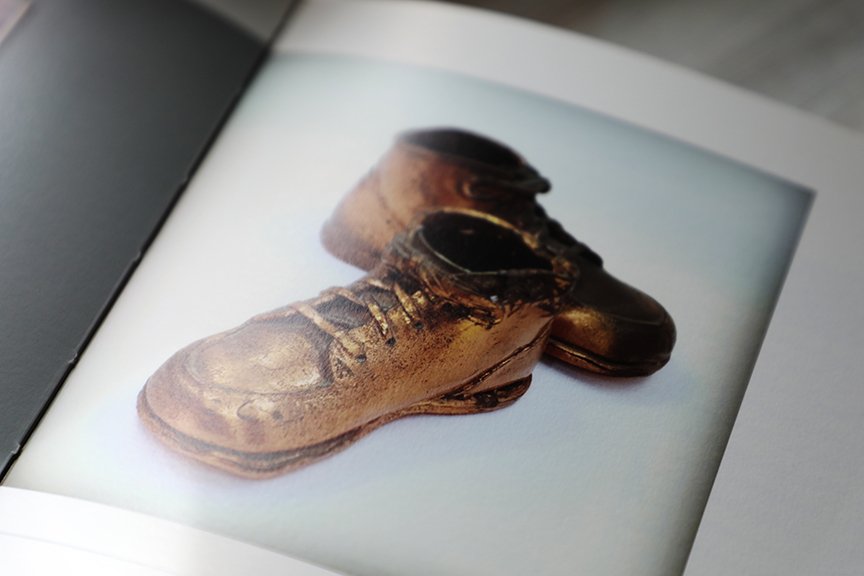
Lastly, even though you are including a photograph of the heirloom, write a brief description of the object: material (such as an oak cabinet), model (such as of a vintage pistol or a watch), size, etc. This is especially important if you are getting rid of the item or if it becomes separated from this history you are preparing.
Consider recording all of these details in a binder (one sheet per heirloom, stored in clear archival sleeves) or in a recipe box (one index card per heirloom, with a photo and name on the front and details on the back). Other options: Purchase an heirloom journal to capture all the history (I love this one from Hannah Bergen, who also has an heirloom provenance kit), or hire a personal historian to help you put it all in an heirloom book (reach out if interested!).
Loads and loads of artifacts?
>> Create a family heirloom catalog.
Maybe you are cataloguing generations' worth of heirlooms, or maybe you've got a treasure trove of vintage cabinet cards and other photographic heirlooms to make sense of. If you've got more than 20 heirlooms, consider creating a custom index of all of them.
In some ways, this type of project is as straightforward as the previous recommendation: You'll begin by photographing each heirloom (or digitizing your print photos, if you’re dealing with a family photo collection) and recording its provenance in writing. The subsequent steps, though, will elevate this catalog into a family history tool that will be an heirloom unto itself.
First, take your inventory and create categories for your heirlooms to fit into. These will be used to organize the structure of your catalog and to create a useful index for finding heirlooms in various ways, so be as intuitive and descriptive as possible (and know that some heirlooms may fit into multiple categories). Consider creating tags in various categories, such as:
Time period: Civil War Era, 19th Century, 18th Century, 1960s, etc.
Object type: Furniture, Jewelry, Household Object, Photograph, etc.
Owner(s): [names of specific family members who may have at one time had possession of this object]
Value: Sentimental, Financial, Historical
Second, assign tags from each category to every item in your collection. It may be helpful to use a spreadsheet to record all of this data (this is an especially relevant step when dealing with a large number of heirlooms, as you will be able to sort columns by categories or alphabetically—and therefore more easily generate an index).
Third, decide on the broadest categories to create your book architecture—these will be used as de facto chapter headings and will be reflected in your catalog's table of contents. You may want to present your heirlooms based on branches of your family tree, for example (so you may have broad headings of MATERNAL LINE and PATERNAL LINE, then family surnames used to designate chapters within each of those; or instead organize by type of heirlooms, so your chapter titles would derive from those subcategories (Photographs, Furniture, Jewelry, etc.). Choose what makes the most sense for your distinct collection.
Sound like a big undertaking? It is, but if you set parameters early and tackle a few heirlooms per week, it's a project you can complete in a year for even the largest family heirloom collections!
No heirlooms?
>> (I doubt it. Let’s see…)
It's a rare individual who hasn't held onto something of meaning from their childhood or ancestors. Chances are you just wouldn't think of calling those things ‘heirlooms.’
If you hear the word heirloom and think of a dignified mahogany clock or a great-grandmother's passed-down wedding ring, you're right on—that's an heirloom, and Merriam Webster would agree:
1 : a piece of property that descends to the heir as an inseparable part of an inheritance of real property.
But what about the second dictionary definition?
2 : something of special value handed down from one generation to another.
…and who's to say what holds value? You say, that's who. An heirloom in no way needs to be worth a lot of money! Consider these items that I certainly consider heirlooms:
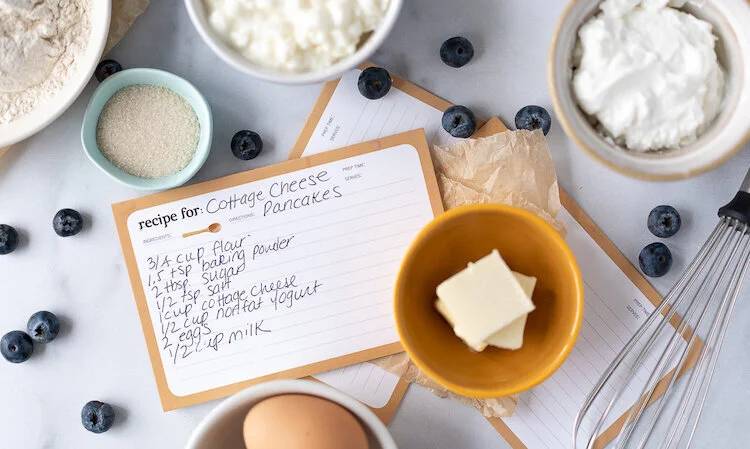
the grease-stained recipe cards my mom saved (including a few of the ones with recipes clipped from old Better Homes & Gardens magazines)
my mom’s wooden spoon, which I use almost daily
my grandfather’s playing cards
my son’s tattered stuffed lion that holds more love and stories than almost any other item from his childhood.
What sentimental items come to mind for you? Once you've gone a nostalgic journey remembering the stories associated with those, consider recording their stories…and calling them heirlooms.



Life Story Links: July 11, 2023
This week’s curated roundup includes inspiring first-person stories, lots on documenting our histories (in letters, on fabric, in recorded conversations) & more.
“Words can resonate though generations for all of us. That's one reason why it’s important that we embrace them.”
—Anna Quindlen
Vintage poster produced by the Work Projects Administration; image courtesy of the Library of Congress Prints and Photographs Division, Digital Collection. The posters were designed to publicize exhibits, community activities, theatrical productions, and health and educational programs in seventeen states and the District of Columbia between 1936 to 1943.
First person reads worth your time
‘MEMORY IS SLIPPERY’
“I am almost always the main character in my stories of my parents’ music,” Keziah Weir writes in this piece about why we become who we are, and how artistic callings shift across generations.
SLICE OF LIFE
If you’re looking for inspiration for well-crafted, compelling first person storytelling, the Modern Love column in the NYT delivers regularly. “How My Father and I Drew a New Life” is a personal essay in this vein.
MINI MONOLOGUE ON MOTHERHOOD
“The story and memory scattered down the hall, again. You lost it. Your urgent need to document paralyzes you, shames you. You want it so bad, you don’t do it.”
THE WOMAN BEHIND THE WORDS
“I was agonizing over the deep feeling that I had tried to write a very honest novel. Bracingly so…. All that honest work and I was about to be dishonest about what I looked like?”
Current books of interest
MEMOIR WITH A TWIST
Tom Brokaw’s new book, Never Give Up: A Prairie Family’s Story, “is a hybrid of memoir and history, a kind of love letter to his parents and to the hardworking people of the Plains who shared a ‘never give up’ outlook.”
TRUTH IN FICTION
Have you ever thought about using your life experiences to inform a novel rather than a memoir? Here’s a new book that can help you discover effective ways to craft fiction through personal memories.
Documenting our histories
STUNNING STITCHED MEMORIES
“Some people enjoy…[using] photography or a sketchbook to capture their travel memories. But embroidery artist Maria Zamyatina uses a needle and thread to make beautiful embroidered keepsakes of her trips.”
A FAMILY HISTORY IN LETTERS
“This is my proudest creation. An archived collection of my father’s letters to his mother during his time in the Marines. Over 100 pages of his words and his handwriting and I could not love it more.”
A STEP-BY-STEP PLAN
As a professional personal historian, I help a lot of people create tribute books to surprise loved ones. Recently I shared a primer on how people who want to go the DIY route can make their own milestone birthday tribute books.
JOURNEY THROUGH THEIR JOURNALS
“Alongside their duties as presidents, these forward-thinking leaders turned to their personal journals, recording their ideas, theories, and reflections.”
CARETAKER, VOLUNTEER ARCHIVIST
“They are our fragile, flammable legacy, and we can lay our hands on them only because of the work of people like Paul Fasana,” the librarian who was instrumental in preserving hundreds of thousands of artifacts of queer history.
IN CONVERSATION WITH A GENEALOGIST
“I have two children that we adopted at birth, and if their descendants ever put together their family trees, are they going to bypass me because I’m not a DNA relative? Or are they going to be more inclusive and do family history, not just DNA genealogy?” Listen in to this interesting conversation on LGBTQ family history:
Things we leave behind
A WAY THROUGH GRIEF
“The gift of these pictures and letters allows me to explore the memories she had but didn't think to share, and gives me the opportunity to keep learning more about her, even without her voice telling the tales.”
ROYAL DIARIES
“Tall Paul is the legacy man—the keeper of the Queen's secrets.” Could Queen Elizabeth II’s diaries ever be published?—and why her Page of the Backstairs gets to make that call.
...and a few more links
Memoir review: If This Were Fiction: A Love Story In Essays by Jill Christman
Curious about what a family history story by ChatGPT would look like?
Cool offering: The Boston Public Library loans oral history backpacks to its patrons.
A peek inside Artists in Residence: Downtown New York in the 1970s by Brett Sokol
Short takes


Want to use your life story to inform your fiction?
This new book by Ruta Sepetys, You: The Story, is a great tool for those who want to use their own life experiences to inform their fiction writing.
This new book from Ruth Sepetys, You: The Story, is a great resource for anyone who wants to write fiction informed by their own life experiences.
What if you don't want to write a memoir, but you know that stories from your life are compelling? What if you’re rereading your journal one night only to discover that the twists and turns in those pages read like a movie script? Maybe it's time to consider using your life experiences to inform a fictional book.
Why not? Transforming scenes from your life into scenes in a novel is a tried-and-true way to infuse a fictional account with an underlying truth that readers can relate to.
In her recent book You: The Story (Viking, 2023), Ruta Sepetys suggests you put a piece of yourself into your fiction: “When you do, you'll pull the reader to the page and share something resonant and meaningful that will keep them there.”
But how? I recommend you begin by picking up a copy of Sepetys’s book, subtitled “A Writer's Guide to Craft through Memory.” While I was drawn to it for the snippets of wisdom applicable to personal historians and memoirists, I soon realized it's a better resource for those who want to be inspired by their life, not depict it directly on paper.
3 ways you'll learn to effectively write from your life

You'll have a library of creative writing prompts at your fingertips.
Each chapter of You: The Story concludes with a handy recap (in easy-to-scan bullet points) as well as a series of writing prompts aimed to help you with that chapter's premise. Working on writing genuine-sounding dialogue? There are prompts for that. How about creating a setting that's immersive, believable? That, too.
Some of the suggestions may seem obvious, but I would argue that they will only seem so in retrospect. Sepetys encourages you to brainstorm a list of settings from your own life, for instance—addresses (including corresponding time periods and people around you) as well as memories you associate with each place. It's through detail, after all, that dialogue and setting and characters come to life. So detail is what she (and you) are after.
Here's an example of a writing prompt from the chapter called “Setting”:
Recall a time when you thought, What in the world am I doing here? Write for ten minutes about that time. Describe the setting and your feelings there.
Note that it's not just the color of the walls or the overarching smell of a place, it's also the way the place made you feel. Throughout the book the author implores you to consider, at every turn: How do these things from YOUR life impact your fictional characters? Mine your life for details, then fold them into your imaginative narrative.

You'll learn how to turn real people into characters.
Putting people you know into your book is generally a no-no (while it’s unlikely, lawsuits have even been brought by individuals who have recognized themselves in a story and took umbrage at their portrayal). Just about every fictional character, though, is an amalgamation of people we have come across in our lives. You want a reader to identify with a character—to feel like they recognize this person, whether in themselves or in someone they know—and the best way to do that is to root them in some reality.
Sepetys offers up an array of ways to do this, from tapping into archetypes and personality quirks to identifying a character's personal rhythms and rendering their nuances. She explores how you can create believable characters inspired by your life in three chapters—“Character Development,” “Voice,” and “Dialogue”—and it is here I think she provides the most value through concrete examples, instructive writing prompts, and helpful tips.
“Your true voice is layered deep within your life experience and your memories,” she writes. “It's the voice of your old diary, the voice of your desperation, and sometimes the voice you hope no one else will hear.”

You'll discover even more reasons to preserve your memories.
If you're here on this site, I'm fairly confident you're already a memory-keeper of one kind or another. I've been one since I was a child (really). And still I felt inspired by Sepetys’s words.
“Memories are like leaves,” she writes. “They fade, fall, and scatter beneath the slightest sigh of wind. So for now, think of ways to press them between wax paper and preserve them for one quiet day in the future.” One day when you might be in need of sensory details to bring a character to life. One day when you might need a glimpse of the you that you were 10 years ago. One day when your son or daughter asks you to recall something that has long since blown away on the breeze.
Whether you choose to tap into your life by writing a personal memoir or a fictional account, I encourage you to look inward and write what you find. As Sepetys says, “Work with your stories. Water them with your blood and tears and laughter. The world needs them.”

Your life is a story.
One of my favorite bits of wisdom from Ruta Sepetys’s book applies whether you are turning your life stories into fiction or nonfiction:
“Use your own best judgment about which memories you might be able to responsibly dig through and which ones you should avoid. Protect your head and your heart. Always.”
Note: This is an unsolicited review of a book I purchased at full price. I did not receive any compensation or free products in exchange, and any endorsements within this post are my own.











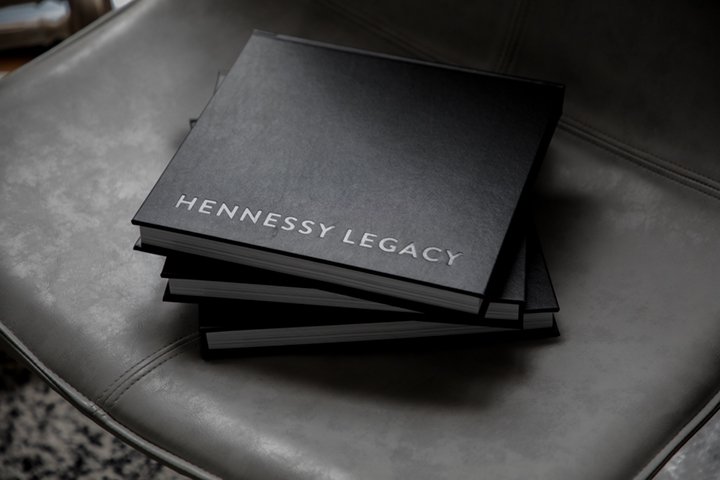
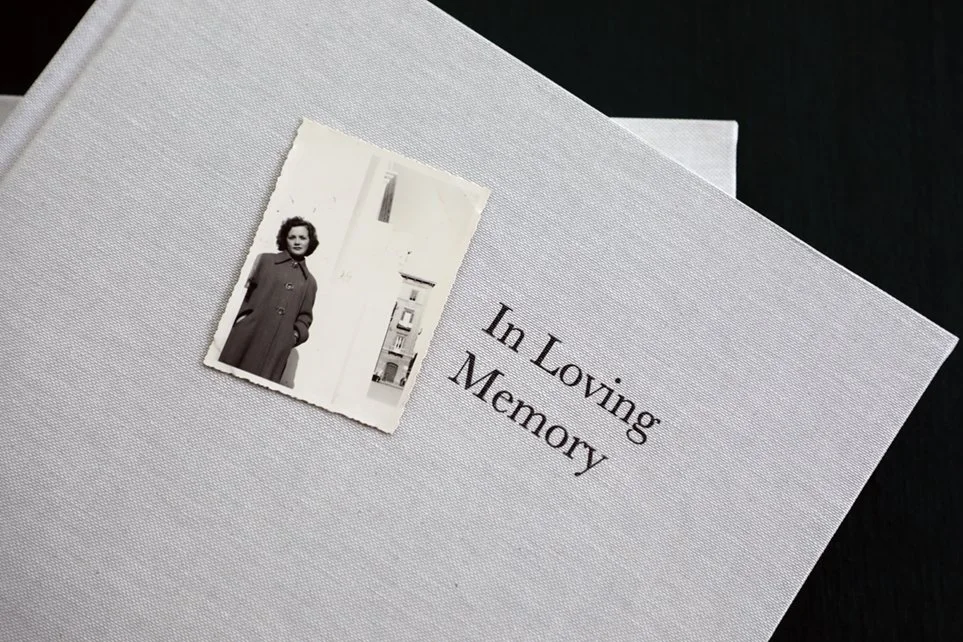
The best gift for a milestone birthday? A tribute book filled with love!
Here’s how to make a tribute book for their milestone birthday—your step-by-step guide to the most unique, thoughtful gift you can give someone you love!
Have you ever wondered how to make a tribute book for a loved one’s milestone birthday? Keep reading for a step-by-step plan (plus some tips for writing the best tributes ever!).
Early on at Modern Heirloom Books, creating tribute books in honor of deceased loved ones became a bit of a specialty of mine (inspired by the first book I created memorializing my own mom). I soon realized, though, that this same format could be used to honor living family members—and what better occasion than for a milestone birthday?
Whether you call them birthday books, memory books, or tribute books, the idea is to gather photos of and stories about the gift recipient. Once designed and printed, these one-of-a-kind books make a most meaningful (surprise!) birthday gift. But where to begin?
The very notion of having to put all these disparate pieces together can stop some people from ever undertaking a birthday tribute book—but I’ve got you covered. What follows are the essential steps to create the best tribute book as a unique, sure-to-be-treasured gift for a 40th, 50th, 60th, 70th, 80th, 90th (you get the idea!) birthday.
Oh, and one more thing: It’s key to start this process early, both so you are not feeling the pressure of a last-minute rush to finish and so you can have a cushion should any delays occur at the printer. How much time will you need? My best guess is about four months from start to finish.
1 . Consider who will contribute.
Your first order of business is to create a list of everyone you would like to participate. Think about family members, friends (new and old), work colleagues, sports teammates—anyone who knows and loves the birthday celebrant.
2. Designate a way for people to contribute.
How will you invite participants to share their stories? You may have a dedicated email address for receiving tributes and photos; or create a private web page or Dropbox folder for people to easily upload their materials, for instance. It’s handy to have a checklist of all contributors (I create this in a Google spreadsheet) so you can check each person off as their files come to you; label columns as
NAME
TRIBUTE RECEIVED
TRIBUTE EDITED
PHOTO(S) RECEIVED
PHOTO RESOLUTION CHECKED
NOTES.
3. Gather photos of the birthday celebrant.
I generally recommend including 1-3 photos per tribute, on average. That may mean that some friends or colleagues, for instance, have no photos, while close family members may have a handful extra. Curation is key: Ask for images that convey the subject’s most enduring traits, that capture happy times or vivid moments from their life; and that illustrate stories you (or others) plan to write about them. Include photos from different stages of their life, too—from childhood through old age—so you show their personality and experiences but do not overwhelm. And ideally, you’ll want to gather photos of each storyteller (the writers of the tributes) with the recipient whenever possible! The pictures should complement the stories, not detract from them. Technical tip: Source only high-resolution images—that means 300 dpi for print—and have print photos professionally scanned (it’s worth going the extra mile here else risk being disappointed with your final book).
4. Capture stories about your loved one.
It’s time to start writing your birthday tribute, and to send those invitations out inviting others to share, too (see Step No. 2, above). Before beginning, spend five minutes jotting down all the things about the person that make you smile, laugh, or feel strongly—include phrases about their traits, sure, but focus on specific experiences with them. You may want to use a few of the photos you gathered to stir your memories. Another foolproof way to get your stories flowing: Converse with a mutual friend or family member about the subject. One story will remind you of another, and you’ll undoubtedly be inspired—so either hit “record” during your conversation or have a laptop or notebook handy to write immediately afterwards.
5. Put it all together in a book.
In professional bookmaking parlance, we call this the production part of your project: editing, designing, and producing print-ready files; sourcing and working with a printer; and ensuring quality along the way. There are some DIY options out there—scrapbooking and the free software Bookwright among them—and I encourage you to give this a go if you have some creative experience and are a solid project manager. Remember, though: No one expects you to become a pro at this overnight, and there’s a lot to juggle to put a tribute book such as this together; so consider hiring a pro for this step to make your life easier, and to ensure you are thrilled with the book that is ultimately created. (Reach out if you'd like to talk about working together.)
6. Bonus tip: Set deadlines for each step!
Without deadlines, I doubt your project will get finished. Since you are creating this book for a milestone birthday, your deadlines are clear—work backwards from the date the books are needed (either their exact birthday or the date of a party in their honor). Here is a suggested timeline:
8 weeks before birthday:
Finalize list of contributors.
Record/confirm their email addresses or phone numbers (however you will communicate with them about their contributions).
Create checklist of contributors per Step No. 2 above.
Invite contributors to send their tributes and photos for the birthday book.
6 weeks before birthday:
Initial deadline for tributes and photos due to you (you can extend by a few days here or there for stragglers if necessary)
5 weeks before deadline:
Edit and design the tributes into a coherent, beautiful book.
4 weeks before deadline:
Order book from printer. (Note: This timeframe should be based on the estimated turnaround time from your specific printer. I always, always allot at least one full week extra to account for mail delays or production snafus.)
Setting clear deadlines such as this will not only lend your project a sense of urgency, it will give you a way to stay accountable—and ultimately get everything done!

The best tributes honor the birthday celebrant with specific stories of shared experiences and special times. Selecting key quotes to design larger on the page ensures that even if they’re just flipping through their gift, they will encounter meaningful notes along the way!
Ideas for making a birthday celebrant feel special
Use the prompt “remember the time...” to offer up:
Something ridiculous you did together that still makes you laugh (or, ahem, blush)!
A memory from your childhood that they may have forgotten.
That time you traveled together...or cooked together, messed up together, sang karaoke together, considered doing something daring together—you get the idea!
Or tell them a story that might surprise them, perhaps about:
Something seemingly insignificant that they did (for you or for another) that made a major impact on you.
Advice they gave that you took to heart.
Something they said off the cuff that resonated deeply.
Always be specific and offer up stories and memories that will make the gift recipient smile and, most importantly, feel deeply.
Write the way you speak and I guarantee your story will turn out beautifully. (If the notion of writing truly paralyzes you, use the voice recorder app on your smart phone to talk about your memories, then you can transcribe it later.) Allow yourself to be vulnerable, and use the list you brainstormed above to inform the tribute you are writing.
Good luck with this most meaningful project, and congratulations on taking the first step to creating the most unique and special gift for your loved one’s milestone birthday!










Life Story Links: June 20, 2023
This week's roundup for family historians and life writers includes oral history interview tips, thoughts on intergenerational trauma, recent memoir reviews.
“I believe that any experience, whatever its nature, has the inalienable right to be chronicled. There is no such thing as a lesser truth.”
—Annie Ernaux
Vintage poster produced by the Work Projects Administration in 1937 with artwork by Jack Rivolta; image courtesy of the Library of Congress Prints and Photographs Division, Digital Collection. The posters were designed to publicize exhibits, community activities, theatrical productions, and health and educational programs in seventeen states and the District of Columbia between 1936 to 1943.
Our stories, our selves?
REMEMBERING—AND FORGETTING—THE HIJACKING
“My father told me often that he hoped to live long enough to read my memoir,” Martha Hodes explains before detailing why, in fact, she didn’t want him to read it.
PHILOSOPHIZING THE STORIES OF US
“What is the connection between the development of a sense of the self and a narrative of the self? How does the question of who you are or who I am become a question of storytelling? Is the self a story?”
INTERGENERATIONAL TRAUMA
Rachel Zimmerman investigates new research into how “the environmental wounds inflicted on one generation may be transmitted to the next” in experiences as diverse as childhood abuse, the Holocaust, and slavery.
Papers of the past
THE ART OF LETTER WRITING
“You may find your handwritten words on a piece of paper ordinary today, but that same piece of paper, three or four generations later, will become an emotional property,” Narendra Modi, prime minister of India, recently said.
JOURNALS: TO SAVE OR NOT TO SAVE?
I’ve often fallen off the journal-writing bandwagon because I get mired in thoughts about who will read my (vulnerable, extemporaneous) words when I am gone. Last week I deliberated the pros and cons of saving one’s diaries.
CELEBRATING GRANDMOTHERS
Cuban American women are sharing their abuelas’ cooking and life lessons in the digital sphere, helping these grandmothers fulfill the role of “keeper of the family legend.”
Pop annals
PHOTO STORY
“An excerpt from the new book White House by the Sea: A Century of the Kennedys at Hyannis Port offers a rare glimpse into Jackie Kennedy’s early years on Cape Cod.”
1964 TIME CAPSULE
When an archivist unearthed a stash of photos taken by Paul McCartney at the height of Beatlemania, he got to revisit memories blurred by the whirlwind of the time. Now, those photos and McCartney’s reflections are in a book:
HOW TO INTERVIEW MUSICIANS
“Designate a small number of must-ask questions—the quotes you have to get for your story—and promise yourself you’ll ask them at some point. With that established, treat your interview like a conversation.”
...and a few more links
Short takes
What should I do with my journals?
Have you ever thought about what will happen to your diaries—who will read them, how you may one day use them? Join me as I consider this profound question.

So many factors come into play when considering whether to save or destroy your personal journals. What’s your thinking?
As an off-and-on journaler since young adulthood, there are two main things that stop me from being consistent with my journaling: finding time, and wondering what on earth I should do with them after they are written.
The first challenge—time—is fairly easily addressable. I have tried gratitude journals or other short memory-keeping prompts that can be completed in just 10 to 15 minutes with great success. I also firmly believe that we make time for what matters to us—so if keeping a diary can make its way atop your priority list, chances are you can squeeze it into even the busiest schedule.
But that second question troubles me more.
The case for destroying my journals upon completion?
A personal journal has value, in my opinion, because it is a place where we can be our unfettered selves—free from the constraints of worrying about what other people will think, or worrying about the quality of that writing. A diary is a place to be vulnerable, even to work out problems through the very act of writing about them.
Are they something I envision other people reading? No.
At times I have formatted my journal as an ongoing correspondence with my deceased mom. It helps orient me, feel like I am speaking to someone rather than sending messages out into the ether, and imagine a compassionate soul receiving my words. Perhaps if she were still alive I could envision her actually reading them. But, well, I wouldn’t want anyone else to read them.
Which poses a dilemma if I ever want to use those diaries as a touchstone for future memoir writing, as so many life writers do (and as I often recommend!). Because if I hold onto them, someone else may find them. If I hold onto them, someone else will certainly discover them when I am gone.
Let me be clear: It’s not like I am writing anything awful in those journals. On the contrary, the types of things I share—the overwrought emotions and unprocessed (often reactionary) thoughts—are likely universal in many ways. But they’re not necessarily how I want to be remembered. It’s why at some point in my 30s I destroyed my diaries from my teen years (I am ashamed now to say how dreadfully embarrassed I felt upon rereading them as an adult—I hadn’t yet learned to be compassionate with my former selves). I am still not even sure if I am happy or regretful of that decision to get rid of those angsty handwritten pages.
In the introduction to A Writer’s Diary, the collected journals of Virginia Woolf, Woolf’s husband writes:
“At the best and even unexpurgated, diaries give a distorted or one-sided portrait of the writer, because, as Virginia Woolf herself remarks somewhere in these diaries, one gets into the habit of recording one particular kind of mood—irritation or misery, say—and of not writing one’s diary when one is feeling the opposite. The portrait is therefore from the start unbalanced…”
…a fairly adequate description of why I don’t intend my diaries to be read by anyone other than me.
When I ponder the question of whether to save or destroy my journals, though, I sometimes come to the conclusion that I should save them, but that I should write with an audience of my child or future descendants in mind. That’s certainly what some famous diarists have done. But, as Joan Didion wrote in the essay “On Keeping a Notebook”:
“…our notebooks give us away, for however dutifully we record what we see around us, the common denominator of all we see is always, transparently, shamelessly, the implacable ‘I.’ We are not talking here about the kind of notebook that is patently for public consumption, a structural conceit for binding together a series of graceful pensées; we are talking about something private, about bits of the mind’s string too short to use, an indiscriminate and erratic assemblage with meaning only for its maker.”
Ah, so much fodder for thought, and yet I reach no conclusions—“to save or to destroy my journals” still exists as an unanswered question for me.
Where do you stand on this?
The case for saving our journals
Of the many reasons one might have for keeping a journal, here are a few that, in my opinion, merit their safekeeping:
keeping a journal as an autobiographical record
Whether as a tool for future memoir writing or as a piece of your legacy you pass down to loved ones as is, a journal can be an important piece of your personal history to preserve. Read this post for a specific writing prompt that will yield fodder for your autobiographical writing.
keeping a journal as a personal record
Such personal writing can be a valuable resource for you to look back on later in life. They can help you to remember important events, to track your progress, and to reflect on your thoughts and feelings. Read a thought-provoking exploration of what it means to write memoir as a tool for self-understanding (“like a good therapist”) in this old New York Times article.
keeping a journal as a source of inspiration
Perhaps you plan to use your journal as a source of inspiration for your writing, art, or music. They can also help you to come up with new ideas for projects or to solve creative problems. Read these thoughtful reflections from The Marginalian by Maria Popova on celebrated writers and their ideas about the creative benefits of keeping a diary (there are, unsurprisingly, conflicting notions on whether or not to keep said diaries!).
Ultimately, the decision of what to do with your journals is up to you. There is no right or wrong answer, and the best option for you will depend on your individual circumstances and preferences. That said, I would absolutely love to hear what you think about this! Please share in the comments—I promise to reply and get a conversation going.



Life Story Links: June 6, 2023
Compelling reads from the past two weeks about uncovering family stories, preserving legacies, writing memoir, and creating meaningful personal history.
“Even the most random memory is retained as a kind of code for emotional information.”
—Pat Schneider
Vintage poster depicting the Old Swedes Church produced by the Work Projects Administration; image courtesy of the Library of Congress Prints and Photographs Division, Digital Collection. The posters were designed to publicize exhibits, community activities, theatrical productions, and health and educational programs in seventeen states and the District of Columbia between 1936 to 1943.
Family legacies
BOXES OF MEMORIES
“Years from now, I will be sitting by a fire, looking through cherished photos I’ve saved, and fondly recalling unforgettable moments and loved ones from the past.” How one woman sorted 30 albums of print photos—and the relief she finally felt!
REUNION GOODIES
Last week I shared some fun and easy ideas for capturing family stories at your next family reunion gathering, including preservation and sharing tips as well as bonus memory-keeping activities.
UNCOVERING FAMILY STORIES
“It was the scene from that drawing, the one I had been thinking about for what felt like my entire childhood, of that little girl on the deck of a ship staring out over the water, that image of hope.” Kori Suzuki interviews his grandmother to shed light on her personal history as a Japanese American during World War II.
DELVING INTO HIS FAMILY HISTORY
The renowned playwright Tom Stoppard speaks about seeing himself in his play Leopoldstadt, about several generations of a Jewish family living in Vienna.
“MEMOIRS FOR EVERYONE”
“What is our legacy? What do we leave behind after we’re gone?” Jeffrey Brown asks in this PBS News Weekend clip on the increasing accessibility of life story books:
Memoirs, biographies, oral history
WHAT’S THE REAL STORY?
“Given that it is about a real person whose words apparently were never written down, can it be a biography, or does it illustrate a truth about biography, that its subjects can only ever offer the illusion of being known?” A new biography of Cleopatra’s daughter—and a Netflix docuseries about Cleopatra—raise questions.
CENTENARIAN WISDOM
“Charlie made an art of living,” David Von Drehle writes in The Book of Charlie, a personal history he wrote about the 102-year-old neighbor who was an engaging teller of tales—and who lived a lot of life across two centuries.
WRITING WHILE WOMAN
The female writers who are the subjects of chapter-length biographies in her memoir, A Life of One’s Own, “supplied [Joanna] Biggs a measure of clarity in mapping a new life for herself; their voices helped her, as a writer, to find a new voice.”
OBAMA ORAL HISTORY PROJECT
“Researchers interviewed 470 Obama administration veterans, critics, activists, and others who were in the thick of major events back then, including Mr. Obama and the first lady, Michelle Obama, amassing a total of 1,100 hours of recordings. Transcripts of the interviews are being released in batches over the next three years.”
On the craft of life writing
ON THE MEMOIR-IN-PIECES
“Edges and joinery. Right-sized gaps. Isn’t that what lies at the heart of a true memoir-in-pieces?” Beth Kephart on the “meta interplay between the living of a life, on the one hand, and the writing of a life, on the other.”
REVEALING HARD TRUTHS
“At our best, memoirists hope it is silence we are breaking, and not another person. At our worst, we create anyway, knowing it will.” Kelly McMasters on the ethics of family memoir.
The stuff of memories
THE FACEBOOK GENERATION
“In the United States, parental authority supersedes a child’s right to privacy, and socially, we’ve normalized sharing information about and images of children that we never would of adults.” Beyond memory-keeping: How posting our children’s lives on social media impacts them.
HEIRLOOMS’ LONG LOST STORIES
“Every single artifact tells such a different story. I actually favor the letters and the diaries more than any other artifacts because they can tell you things that no record ever could.”
FINISHING YOUR FAMILY ARCHIVE
“When we talk about what to leave behind and what not to leave behind for the next generation, it seems wiser to spend the most time on curating your legacy. Your knick knacks go when you do, but your legacy?” Caroline Guntur on what Swedish death cleaning gets wrong.
PHOTOGRAPHIC EXPLORATION
Through her photography, Arin Yoon says she is able “to tap into my own forgotten memories, conjuring the past, creating new memories, all while exploring my connection to the natural landscape, to my children, and to our past and future selves.”
WHEATON, ILLINOIS EXHIBIT HIGHLIGHTS SOLDIERS’ STORIES
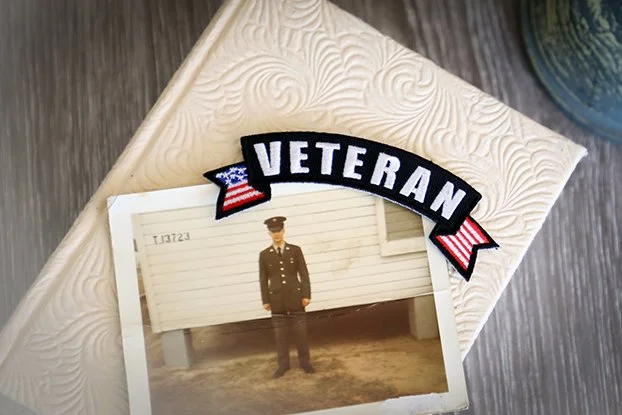
“The items in 65 Years represent the mundane and the momentous, from boots, helmets, and cigarette lighters to heroic patches, medals, and flags. They depict the everyday lives of soldiers while commemorating exceptional lives of service and sacrifice for our country.”
Short takes