
Memories Matter
Featured blog Posts


READ THE LATEST POSTS
Life Story Links: December 2, 2025
This week’s curated roundup is on the short but mighty! Find recent stories about our bodies holding our stories, the Memory of the World Register, and more.
“Anyone who has survived childhood has enough to write for their entire life.”
—Flannery O’Conner
Vintage family photo
Where memories reside
AN AVALANCHE OF BOOMER STUFF
“The delicate dance around family dynamics of inheritance and gift-giving among generations is an awkward one for a multitude of reasons, perhaps most importantly, that nobody really wants to think about their ultimate demise or that of their loved ones.”
OUR BODIES HOLD OUR STORIES
“Somatic Semiotics™ is the name I am giving to this truth. It is the study of how the body communicates in signs and signals long before we consciously craft a narrative, a drop in the stomach, a clenched jaw, a wave of heat when you try to speak a truth you were taught to swallow. These are not accidents, they are the body’s early drafts.”
LIMITED EDITION
“Through candid yet unsentimental photography, [Nadia Lee Cohen] captures the rhythms of rural heartland life, weaving together fragmented childhood memories with the present-day reality of four generations living side by side.”
Personal history miscellany
A DOSE OF INSPIRATION
Last week I shared four quotes from my commonplace book—I hope they remind you why family history and stories of our ancestors matter (and why now is always the best time to delve in).
INTERGENERATIONAL STORY SHARING!
“Interviewing loved ones brings you closer and offers a window into the past.” There’s nothing new here if you’re a personal historian, but (a) it’s always great to see articles such as this promoting story keeping, and (b) I always, always find the comments section of these types of articles so enlightening!
FROM KITCHEN TO STAGE
“We, as descendants of Africa who were taken, can only [trace our roots] back so far. I think I’ve always longed for that bigger and deeper and more ancient connection.” An ‘immersive adaptation’ about African American cuisine.
NOW STREAMING
A new documentary, A Road Trip to Remember, charts a journey across Australia as actor Chris Hemsworth and his father confront the realities of Alzheimer's and the ways in which memory loss alters everyday life.
PART OF THE UNESCO MEMORY OF THE WORLD REGISTER
A new exhibition, The Recordings: Voices from the ShoahTapes, is now on view at the New York Historical until March 29, 2026. The audio recordings—which were not originally created for publication—document the many conversations that Claude Lanzmann and his assistants had in the 1970s and early 1980s during several years of research on the film Shoah (1985). The recordings are part of the Jewish Museum Berlin collection and will be fully accessible online by 2027.
...and a few more links
Short takes
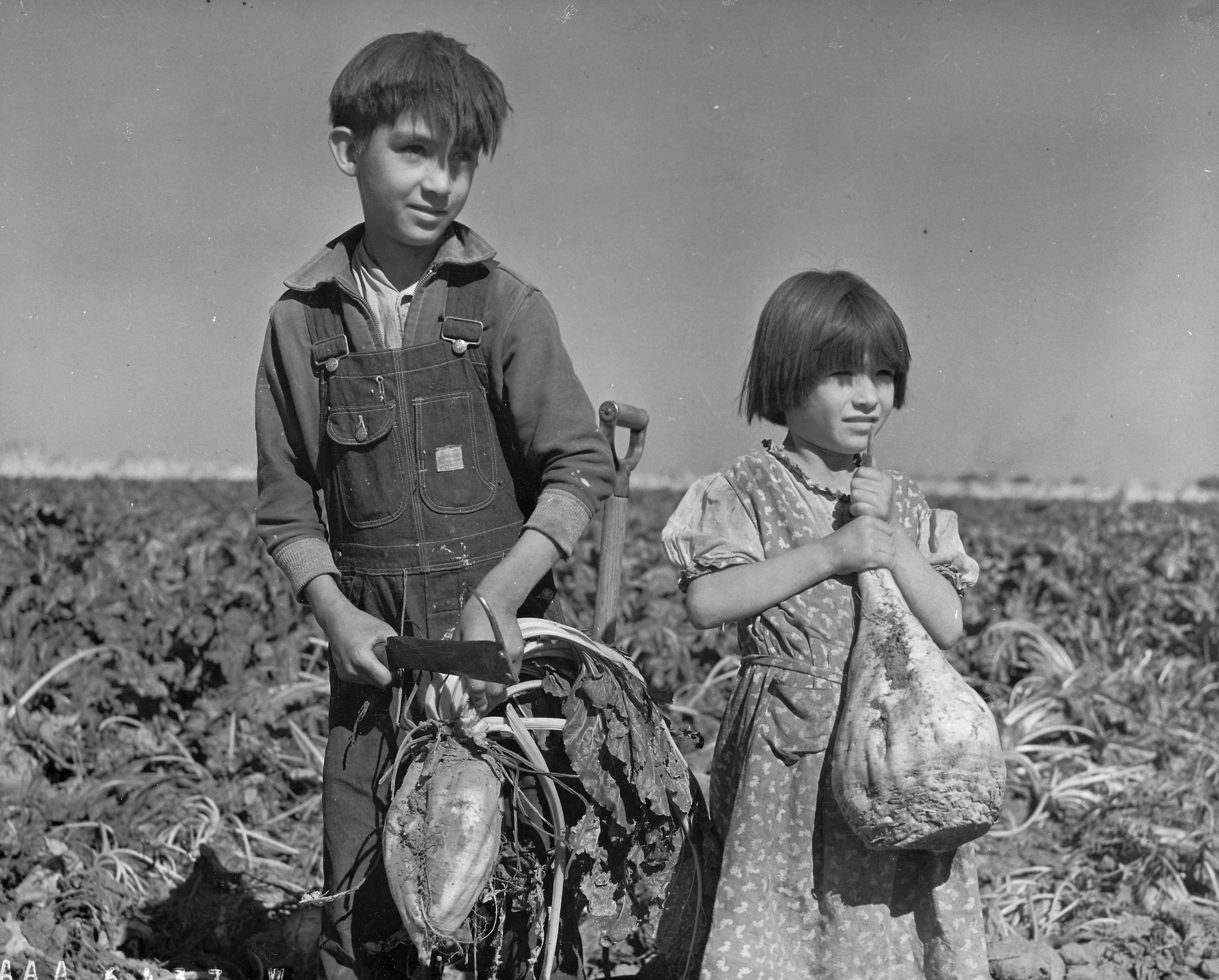
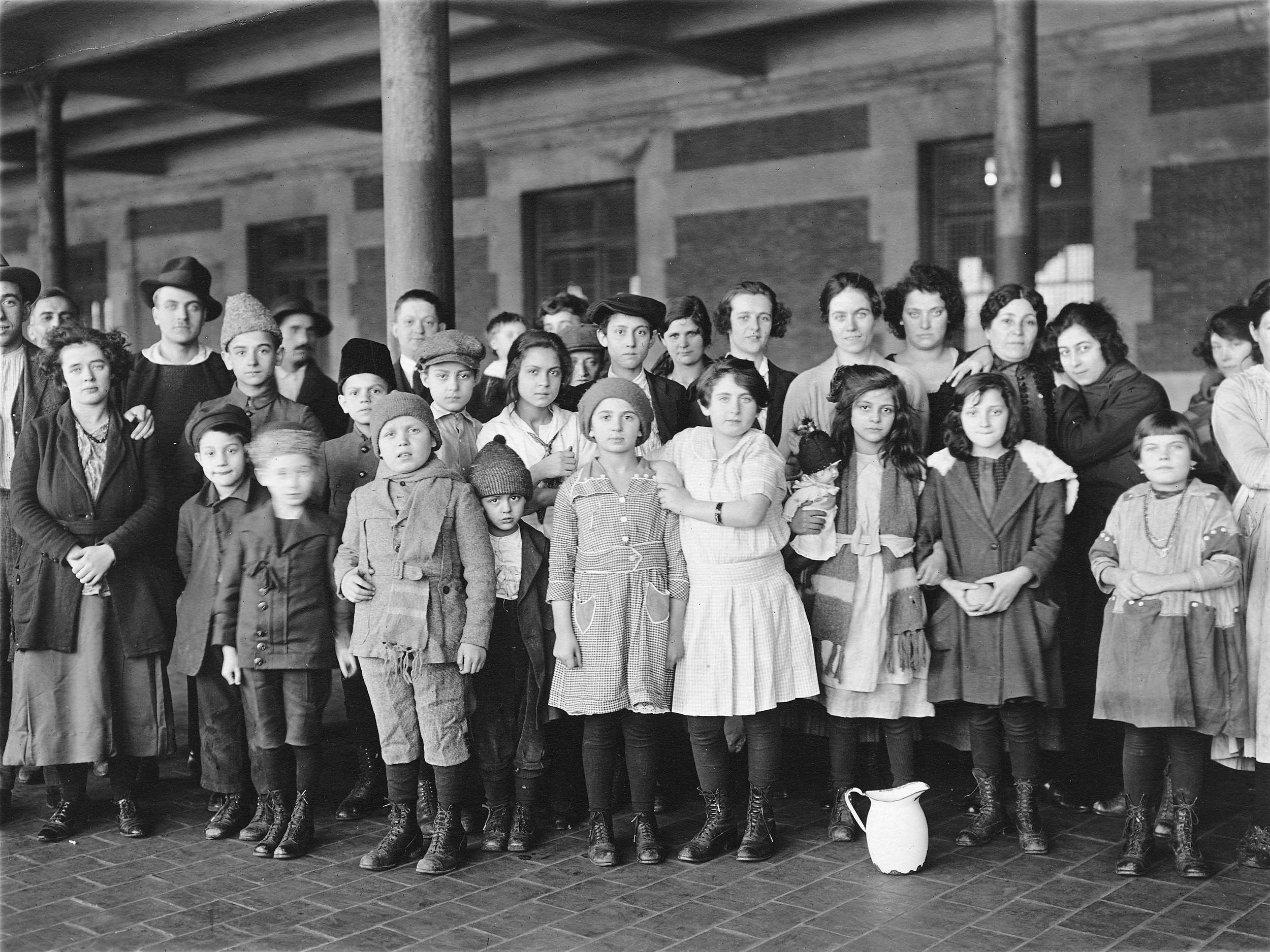
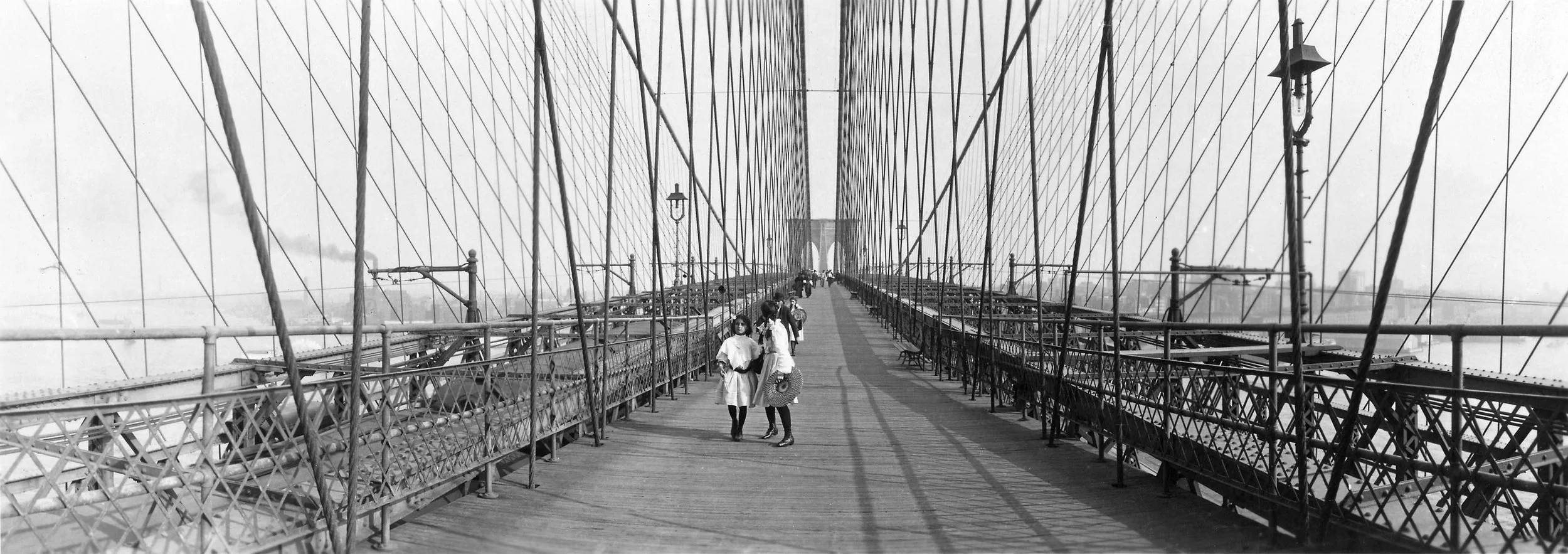
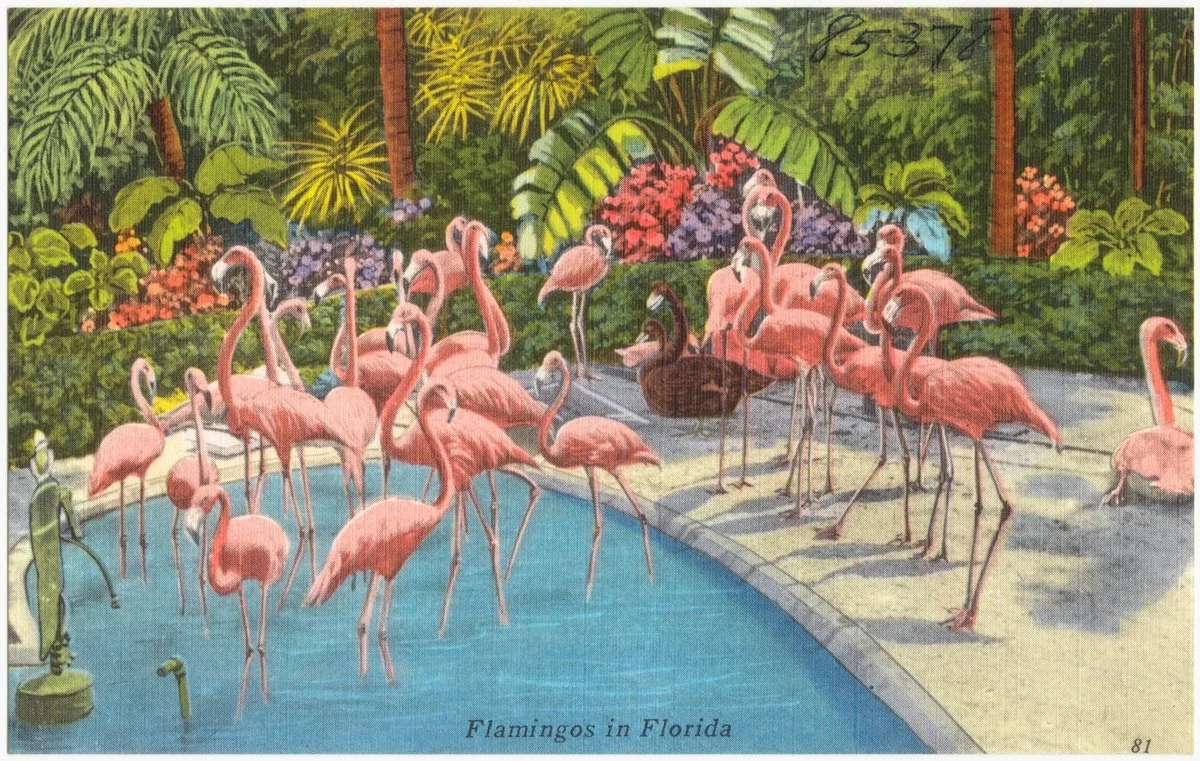
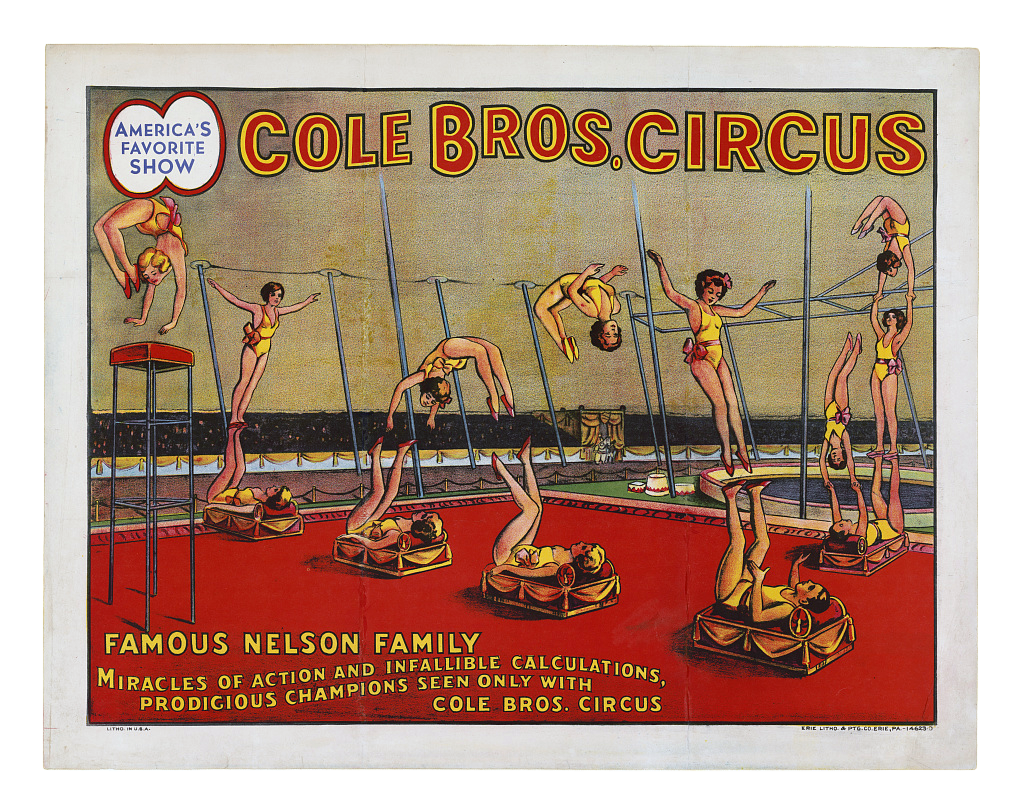
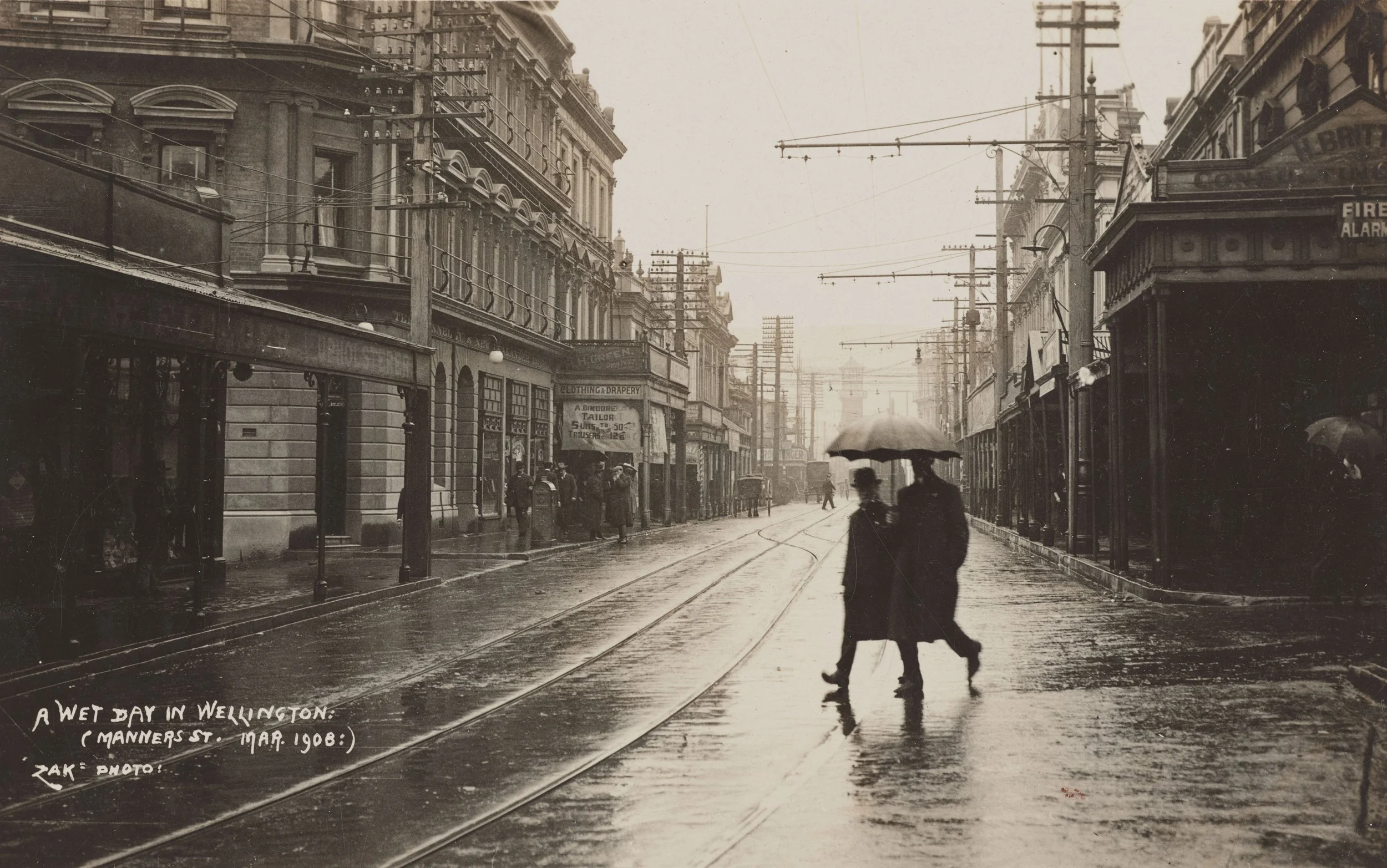
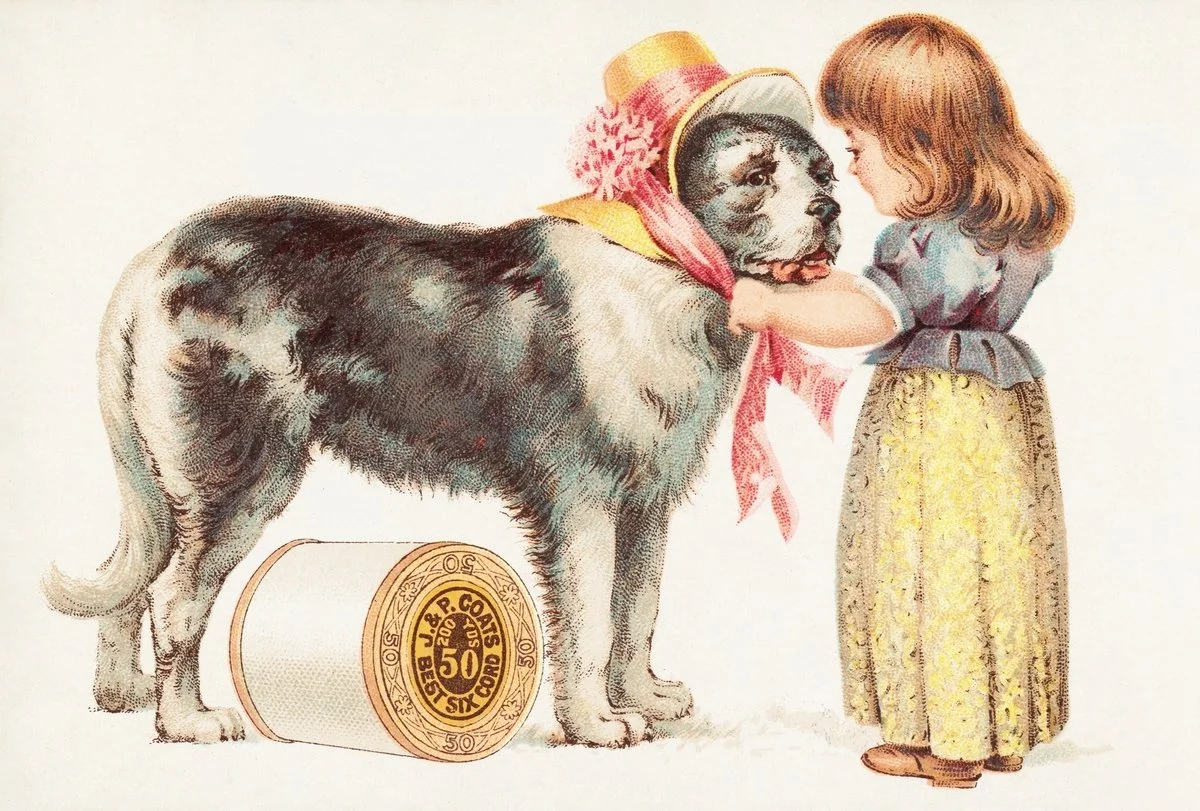
4 inspiring quotes about delving into your family history
I hope these quotes from my commonplace book remind you why family history and stories of our ancestors matter—and why now is always the best time to delve in.
Exploring family history is about more than tracing your lineage or collecting names and dates—it’s about understanding where we come from, and even deepening relationships. I hope these four quotes from my own commonplace book remind you why family history matters—and why now is always the best time to delve in.
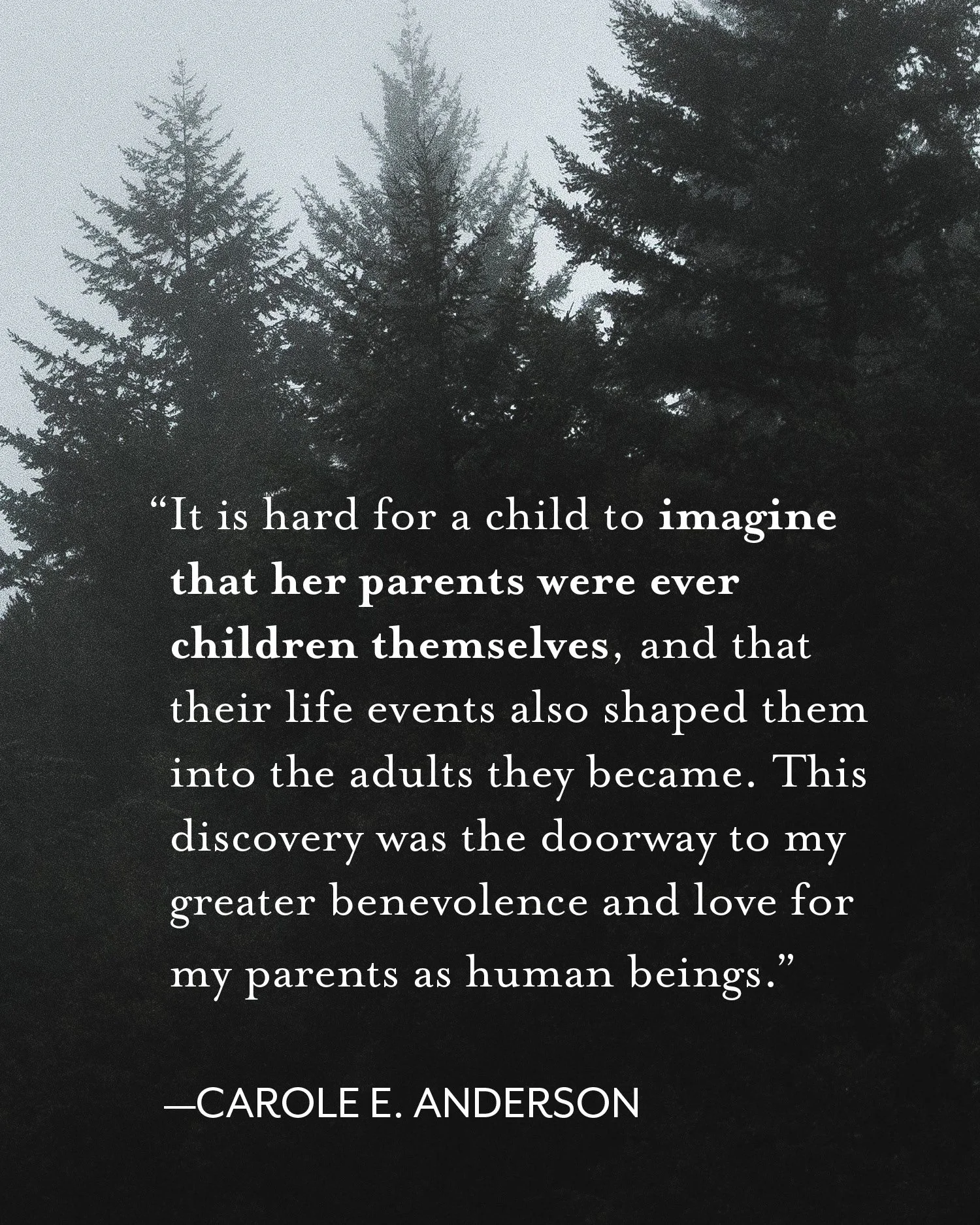
“It is hard for a child to imagine that her parents were ever children themselves, and that their life events also shaped them into the adults they became. This discovery was the doorway to my greater benevolence and love for my parents as human beings.” —Carole E. Anderson
Most of us grow up seeing our parents and grandparents only in relation to ourselves—as caretakers, providers, disciplinarians, or protectors. But they were once young, full of dreams, fears, and experiences that shaped them long before we came into the picture.
Understanding their stories helps us see them as full, complex individuals, not just as Mom or Grandpa. When we learn about our parents’ childhoods, their struggles, and their triumphs, we may come to understand their choices in ways we never did before. This can transform our relationships—sometimes even bringing healing and reconciliation.

“Curiosity is a muscle. Questions are exercise.” —M. Diane McCormick
Family stories are waiting to be told, but they don’t always emerge on their own. The key to unlocking them is simple: Ask.
The more we engage our parents, grandparents, and older relatives in meaningful conversations, the more doors open to family stories we never knew existed (ou never know what incredible stories one thoughtful question might unlock!).

“A family history is not complete until it considers the time and place in which each individual lived. Our ancestors were affected by the events around them, just as people are now; their relationship to their environment is an important part of the family’s story.” —Carmen J. Finley
No one’s life unfolds in a vacuum. The challenges, opportunities, and decisions our ancestors faced were deeply influenced by historical events, social norms, and cultural expectations—just as our own lives are today.
By placing our family history in historical context, we gain a richer, more nuanced understanding of why people made certain choices, moved to certain places, or held specific beliefs.
When we explore family history alongside world history, we don’t just learn about our relatives—we learn about the broader forces that shaped their lives, and in turn, our own.

“Your grandparents’ stories and the memories of your elders…[are] a scaffolding for you to build your identity on—and they will not always be accessible to you.” —Emma Fulenwider
One of the most heartbreaking realities of family history is that it has an expiration date.
The elders in our lives hold stories, traditions, and memories that will one day be lost if we don’t take the time to capture them. There is a limited window to ask, to listen, and to preserve.
Start now. Even if you don’t have a specific project in mind, record conversations, take notes, and gather family photos.
Don’t assume stories will always be there. Time passes quickly, and waiting too long can mean losing precious details forever.
Turn detective work into connection. If you’ve ever wished you could ask a grandparent about their past, don’t wait until it’s too late—start the conversation today.
The stories you don’t collect now will become unanswered questions later. Don’t let the history of your family slip away—preserve it while you can.
Your family’s history is waiting to be told, and you have the power to preserve it for generations to come.
You might also like: 5 inspiring quotes about writing your life (coming next month!)

























Life Story Links: November 18, 2025
This week’s curated roundup has great recent reads of interest to family historians, memoirists, and memory-keepers, plus a bunch of social media shorts.
“To be captured by a moment or to capture it. Decades later I’ll understand how they both exist, one inside the other intrinsic as breath—the inhale and the exhale.”
—Jamie Figueroa
A whole lot of memoir miscellany!
BACKSTORY
“Memories were bubbling up from all over the place—junior high, summer swim team, when I was first teaching creative writing in Utah—and I became obsessed with these moments. I wanted to sit with them and turn them in every direction like a kaleidoscope.” Melissa Fraterrigo on her new memoir-in-essays.
A RESPONSIBILITY FOR FAMILY STORIES
“After listening and transcribing and listening again, I felt different holes in our family’s history. I began searching for more stories,” memoirist Elena Sheppard writes about feeling closer to her grandfather through archival research.
‘INTIMATE AND INTRIGUING’
“In the last 15 years, [Patti] Smith has produced a tidy collection of small books that braid ruminations on her current endeavors with memories and photographs”—and now, her “most straightforwardly autobiographical book to date.”
FRIENDLY GHOSTS
“The ghostwriter is not just your thought partner and editorial support system. They are your consigliere, your part-time therapist.” A peek behind the curtains of the ghostwriting ecosystem.
NOT ANOTHER CANCER MEMOIR
“I call both of my books reported memoirs. What I really love to do is use my experiences as a jumping off point to talk about larger issues, to learn, and to interview people.”
ON MATERNAL LOSS
“To write Living Proof, I sat with my memories for thousands of hours. After decades, I made sense to myself in a way I hadn’t before. The wholeness I sought came when I was willing to examine my own story.”
SAFETY BEFORE DISCIPLINE
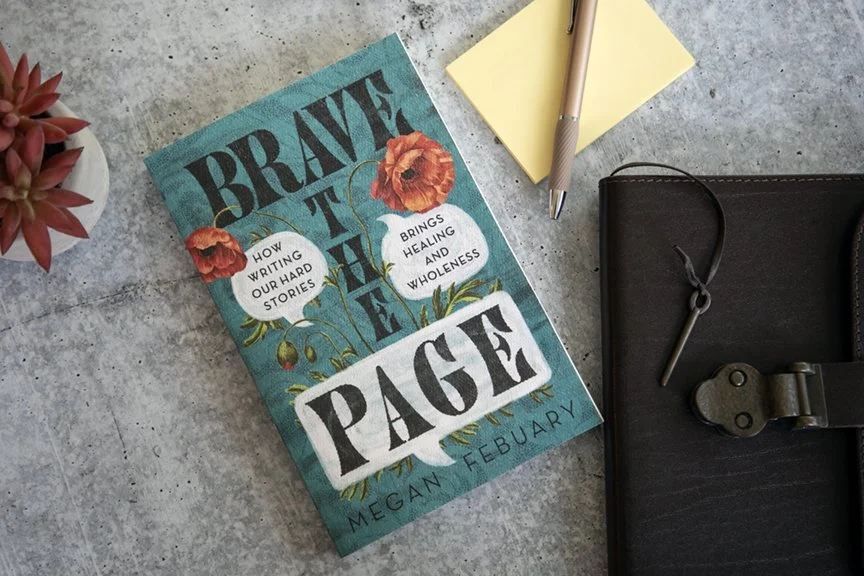
“Let your writing be tidal, trust the swell, trust the retreat. Your creativity is not a straight line; it is a rhythm, and rhythms belong to bodies that have lived through hard things.” Megan Febuary speaks to the highly sensitive writer.
INVENTING A LIFE
“Part memoir, travelogue, history of rock n’ roll, and insider look at the media business, Unplugged is a rollicking, often hilarious romp through [Tom] Freston’s 25-year career as a creative force in the music industry and modern media.”
VIRGINIA’S MOMENTS OF BEING
“The postcard is the self because it is instinctual and once gone, unobservable. As soon as it has been sent, it is history. The postcard is also a seeking, vulnerable self, extended toward someone else. It is the one-sided thought that asks to be acknowledged.” A wonderfully insightful look at Virginia Woolf’s postcards.
PRESERVING TESTIMONY THROUGH ART
Portrait artist Anita Lester says a recent project—featuring 16 oil paintings of Holocaust survivors—deepened her connection to her own family history. “I got to know my grandfather and members of my family through meeting these people and painting these people and understanding their experience.”
Short takes

Life Story Links: November 4, 2025
This week’s curated roundup for family historians, memoirists, and memory-keepers is brimming with ideas, wisdom, and the latest recommendations.
“To write memoir is to accumulate the facts and then write past them. It is to search through the briefcase of tattered documents because there is poetry in a passport stamp.”
—Beth Kephart
Vintage postcard depicting an illustration of a fisherman by a winding stream, postmarked 1906, from the personal ephemera collection of Dawn Roode.
Writing our lives
THERAPISTS, WRITING, FICTION…
The assumed therapeutic value of writing has become such a trope in recent decades that “trauma fiction” and “the trauma memoir” have become their own genres. Gabriel Urza on when telling your own story get in the way of processing trauma.
MORE THAN A BIO
Last week I shared a writing prompt I discovered in an unexpected place—it’s simple (not easy…there’s a difference!), provocative, and versatile, and I’ve got tips for how to use it in autobiographical writing, too.
HER AI PARTNER…
“I didn’t feel like my creativity was being replaced—I felt like it was being met.” Heather Gemmen Wilson on “the future of creative partnership with AI. Not replacement. Not shortcut. But invitation.”
…AND, A LESS OPTIMISTIC VIEW OF AI
“When I...began writing my memoir-in-essays, I felt the strength of my own mind, the experiences that made me weak bubbling through my fingertips onto the keys.” Could AI prpvide her with something similar?
INSIDE THE CRAFT
The son of a southern preacher, Michael E. Long says, “I learned how to write, and how words should go together, by listening to the music of my father's voice.” Veteran ghostwriter Daniel Paisner talks shop with Mike in a recent episode of As Told To:
Mining the past for gold
ERODED BY TIME, INDELIBLE JUST THE SAME
Lea Ypi goes on a quest to find the truth behind her grandmother’s smile: “Indignity is a memoir, biography and imagined history prompted by a viral family photograph.”
CLEARING THE FAMILY HOME
“Under the stuff I can’t throw out is the stuff my parents couldn’t throw out.” Would saying goodbye to every last newspaper clipping, button, and book her parents had saved over decades help writer Anne Enright mourn?
THE STORIES WE LIVE, THE STORIES WE TELL
“Nonfiction is, at its core, about how one chooses to live and observe life.” Julian Brave NoiseCat explores the relationship between documentary filmmaking and memoir.
Starry stories
ALMOST FAMOUS
In his new memoir, Uncool, Cameron Crowe gives readers a front-row ticket to the ’70s and, as one review says, delivers “deliciously readable tales.” Watch below as he shares some artifacts from his life, and click here for a delightful interplay between Crowe and Anderson Cooper (including a mutual appreciation of the power of silence during an interview).
A LIFE REFLECTED IN VIDEO
John Candy: I Like Me “documents the actor’s on- and off-camera existence, featuring never-before-seen home videos, intimate access to his family, and candid recollections from collaborators to paint a bigger picture of one of the brightest stars of the ’70s, ’80s and ’90s.”
...and a few more links
A luxurious company history that documents the Pajar family’s story and design legacy.
Floppy disks get a second life at Cambridge University Library.
Browse RootsTech live webinars (or check out those you may have missed).
Words of Veterans receives grant to help preserve military memories in Virginia.
New digital kit supports dementia care through photos and stories.
Short takes
Introduce yourself: a writing prompt, a life prompt
Go beyond labels with this powerful memoir prompt: introduce yourself without name, job, or age. Includes writing tips and a free downloadable worksheet.
Sometimes scrolling Instagram is a massive waste of time (okay… often), but I usually restrict it to in-between moments—like sitting in a doctor’s waiting room or waiting in the car to pick my son up. Every once in a while, though, a little gem sparkles bright.
One such gem came from Jade Bonacolta, a thought leader and marketing exec who doles out bite-sized career and life wisdom in her feed. She posed a deceptively simple question:
“If I asked you to introduce yourself without mentioning your name, job, age, ethnicity, or the city you live in, what would you say?”
Well, if that isn’t a provocative memoir writing prompt, I don’t know what is.
An evergreen memoir writing prompt
“Introduce yourself.” Seems straightforward, right? But most of us are conditioned to start with the basics—our job titles, family roles, geographic location, or where we grew up. These details are comfortable and expected. But they’re also just labels.
Bonacolta explains: “When you strip away these social labels, people tell you who they are. Who they really are. You hear about their values, the things they're obsessed with, the beliefs that guide their decisions.”
For memoir writing—or even just gaining clarity about your identity—this is a powerful exercise. And it’s one you can return to again and again throughout your life or project. Below are a few tangible ways to work with this prompt, whether you’re just starting your memoir or feeling stuck midway through.
3 ways to work with this writing prompt
Freewrite with No Filters
Set a timer for 10 or 15 minutes and respond to the prompt: “Who am I, without my name, age, job, or hometown?” Don’t censor yourself. Let it be messy. Start with phrases like:
• “I am someone who…”
• “I feel most myself when…”
• “What drives me is…”
Let your values, passions, fears, and quirks take center stage. You might surprise yourself with what emerges when you're no longer listing résumé bullet points.
🔍 Bonus Tip: Repeat this exercise at different points in your memoir-writing journey. The way you answer will shift—and that evolution might become part of your story.Create a character sketch—of yourself.
Treat yourself like one of the characters in your memoir. Without using surface-level identifiers, how would you describe yourself in a story? Try writing a paragraph or two about yourself in the third person. For example:
She moves through the world guided by curiosity and a hunger for connection. She tucks grocery receipts into her notebook, convinced they’ll mean something someday. She believes that books can save lives, that being a mom is a sacred undertaking, and that cheese belongs on everything..
This not only deepens your understanding of your own voice but can become rich material in your actual manuscript.Use It to unlock a chapter or theme.
If you’re feeling stuck in the middle of your memoir, revisit this prompt through the lens of your younger self, or the version of you at a pivotal point in the story. Ask yourself:
• Who was I then, beyond the job I had or the place I lived?
• What mattered to me at that moment?
• What did I believe about the world? About myself?
These reflections often lead to unexpected turns or unlock deeper emotional truths—especially useful when your writing feels stalled or superficial.

Get a free companion worksheet…
…with exercises using this “Introduce Yourself” prompt to jump-start your memoir writing!
You are more than a bio.
In a world that constantly asks us what we do, it’s grounding—and sometimes healing—to return to who we are. This simple question from an Instagram scroll can serve as a compass not only for writing, but for living more intentionally.
So, go ahead. Introduce yourself.
But this time, leave the labels behind.




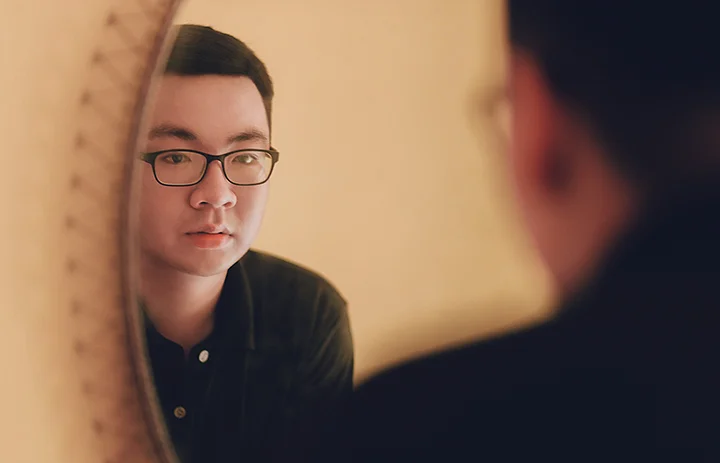





Life Story Links: October 21, 2025
Personal historian Dawn Roode’s curated roundup for the week of Oct. 21, 2025, includes great recent reads about memoir, family history, and memory-keeping.
“Remember, you don’t have to be old to forget. Memories are fragile and easily muddled. Over time the details get fuzzy and even your most poignant memories can be contaminated by what you hear others say.”
—Terry Tempest Williams
Vintage postcard depicting an illustration entitled “A Fallen Monarch,” a forest scene, postmarked 1908 from Long Island City, New York, from the personal ephemera collection of Dawn Roode.
On writing our lives
EXPLORING ALL HIS CONTRADICTIONS
“You don’t have anywhere to hide. You’re trying to be as honest as you can be. Otherwise there’s not much point, I don’t think.” Actor Tim Curry on the memoir he wrote with the help of a collaborator.
NOW IS (ALWAYS) THE RIGHT TIME
Last week I wrote about the three most common excuses I hear for not writing about your life “yet,” and how—and why—to overcome them.
‘AN AMNESIAC MEMOIR’
“Memory is what remains of everything we’ve ever seen or heard or learned or cared about. It is who we think we are. But it’s not what is in your head. It’s what you can find in your head.” Judith Hannah Weiss on writing after a traumatic brain injury.
From our family archives
CENTROPA
“As one [Holocaust] survivor said, ...‘Everyone always asked how we died. No one asks us how we lived.’” Edward Serotta created an archive that includes more than 25,000 photographs, and, he says, “every one of them comes with a story.”
WHAT WAS BEHIND THESE EARLY SELFIES?
“On a recent visit to my mother’s house, in New Jersey, I was going through some old boxes and was stunned to find dozens of selfies taken by her father in the thirties and forties: funny ones, straight ones, flagrantly thirst-trappy ones.”
A ‘VERY ACCESS-DRIVEN’ ARCHIVE
The Texas Archive of the Moving Image combs the state in search of historical footage hidden in Texans' home movies. “The archive's website is a treasure trove of both the important and the mundane.”
PREVENTING A DIGITAL DARK AGE
“‘If you've got a book, it doesn’t matter how old it is—you can still read it,’ (provided you understand the language it is written in, of course). With floppy disks, however, you need specialized equipment just to access the content itself—it is like requiring a key to open a book.”
Where stories reside
THOMAS MALLON’S THEORY OF THE DIARY
“Before they become historical documents, diaries start out as ordinary ledgers, a frame-by-frame accounting of the moments and events of a person’s days. With the help of time, scholarship, and critical interest, they become history in miniature, an up-close look at how a life was formed and shaped by the times the diarist lived in.”
THE POWER OF OBJECTS
“When my parents moved out of my childhood house, I saved only a couple of items, in part because I had no room for all my juvenilia but mostly because I just didn’t care.” But, ah, the dress!
‘A STORY I NEEDED TO TELL’
“Ever since I was a little girl I’ve been obsessed with my grandmother’s stories about her life. When I was in high school, I started recording her telling those stories and found myself years later with this archive of her memories that I felt deeply responsible for.”
HER BOOK WAS PERCOLATING…
“I suggest: a list of people involved in the story you want to tell, a list of places...that have had an impact or left an impression, a list of objects with meaning,...and a list of ‘moments’” to help get started with memoir writing.
FOLLOWING THE CLUES
“This discovery is more than just a name—it’s the beginning of reclaiming her story”: on a 1910 photograph and how archivists and Native communities are working to reconnect families with photos related to their ancestors.
Put your headphones on…
Dr. Cheryl Svensson, Director of the Birren Center for Autobiographical Studies, discusses how a structured approach to life story writing can provide emotional support, reduce caregiver burden, and create the deep connections we all crave—even when loved ones seem disinterested at first. Listen in:
ONE DISH, ONE STORY
“This cookie is a gateway to sharing stories,” Maureen Abood tells Becky Hadeed. “I feel like writing the book, remembering the stories, and making the recipes, I was seeing my mother anew. And not just my mother, but all the women who came before”:
OMISSIONS AND EXAGERRATIONS
“Memoir means truth as we know it. Memory isn’t perfect, but inventing or hiding facts will ultimately backfire.” Florida-based memoir teacher Patricia Charpentier discusses the importance of truth in memoir in this video.
Miscellaneous family history
PIVOTAL MOMENT FOR GENETIC GENEALOGY
Most current commercial DNA tests only read about 700,000 base pairs of nucleotides, looking for shared patterns. Whole genome sequencing will read around three billion base pairs giving unprecendented insight into our genetic code—and it’s available to consumers now through MyHeritage.
...and a few more links
“I’d like photos from the family album my late brother’s wife has—can I ask her for copies?”
“This simple, powerful exercise makes you the author of your own narrative.”
Former NBA star Allen Iverson talks about his new memoir, Misunderstood.
New dementia caregiving book discusses the power of personal history.
Trendhunter says Lifenote “fills a niche between journaling tools and social media archives.”
Twenty-five years of SuperAger research show cognitive decline is not an inevitable part of aging.
Short takes

How can I write about my life when I am still living it?
The three most common excuses I hear for not writing about your life “yet,” and how—and why—to overcome them. It’s not too soon for your memoir, I promise.
Even if you don’t love to journal, keeping a simple ideas notebook—with snippets of memories, headlines that resonated, quotes from loved ones, ticket stubs, whatever may prompt life writing ideas later—is a powerful tool. Use a simple composition notebook, or grab this lay-flat one from our store.
There’s a common misconception that a memoir—or any personal writing—needs to be a finished product, a neatly wrapped narrative with a clear beginning, middle, and end. But life doesn’t work that way, and neither does great storytelling.
The truth is, the best time to start writing about your life is right now—not years from now, when everything has “settled.” Writing as you live allows you to capture moments in real-time, with fresh emotions and raw details that might fade with time. It’s not about having all the answers; it’s about documenting the journey.
So, how do you begin? Let’s break down some of the biggest hesitations and how to move past them.
The 3 most common excuses that it’s ‘too soon’ to write about your life
“I don’t know how my story ends.”
Good news: You don’t need an ending to start writing. Memoir and personal essays don’t require a final chapter before you begin—many of the most compelling life stories are explorations, not conclusions.
💡 Try this: Instead of worrying about how everything ties together, focus on individual moments that feel meaningful right now. Write about a recent experience, a challenge you’re navigating, or a lesson you’re learning in real time.
📖 Example: Eat, Pray, Love by Elizabeth Gilbert
Gilbert didn’t write her memoir after she had “figured everything out.” She wrote it in the middle of transformation, capturing a period of self-discovery. Her story unfolds as she travels through Italy, India, and Indonesia, and it doesn’t wrap up with a perfect ending—just a deeper understanding of herself.
👉 Further Reading: How to use short vignettes to create a mosaic of your life.
“I haven’t achieved anything ‘big’ yet.”
You don’t need a dramatic, bestselling-worthy life event to write about your experiences. Some of the most powerful personal writing comes from small, everyday moments—the way you felt on a quiet morning, a childhood memory that keeps resurfacing, the way certain music transports you to another time.
💡 Try this: Instead of chasing “big” moments, focus on specific details that make a memory or realization come alive. If you keep a journal, flip through an old one to discover how compelling small experiences from your everyday life can be.
📖 Example: An American Childhood by Annie Dillard
One of the first memoirs I ever read, Dillard’s book isn’t about a single, dramatic event—it’s about how she experiences the world as a child growing up in Pittsburgh. She writes about curiosity, wonder, and the process of paying attention to life as it unfolds, proving that even the smallest moments can make for profound storytelling. I highly recommend it as a model to emulate.
👉 Further Reading: How to choose which life story theme to explore first.
“What If My Perspective Changes?”
Your perspective will change—and that’s a good thing. The beauty of writing while living is that your story evolves—and your writing can, too. You can revisit memories with new understanding, update reflections with fresh insight, and track how your views shift over time.
💡 Try this: Start a “living memoir” journal where you capture thoughts and stories as they happen. Revisit entries later to see how your perspective has changed.
📖 Example: Hourglass: Time, Memory, Marriage by Dani Shapiro
One of my favorite books from one of my favorite authors, Shapiro’s Hourglass explores how we evolve and change over time, and how those changes impact her relationship and sense of self. Instead of writing from a place of finality, she embraces the shifting nature of perspective—reflecting on the past while still actively living her present.
👉 Further Reading: 5 steps to drafting your own library of life writing prompts.
Your life doesn’t need to be finished to be worth writing about. Your words matter right now—in the middle of the mess, in the midst of discovery, even before you have all the answers.
So, pick up the pen. Start where you are. Your story is unfolding, and that’s exactly why you should write it.












Life Story Links: October 7, 2025
An incredibly rich roundup of stories for the week of October 7, 2025—with lots about AI, memoir, and memory; the craft of life story preservation; and more.
“I believe that at some level most families want to have a record left of their effort to be a family, however flawed that effort was, and they will give you their blessing and will thank you for taking on the job—if you do it honestly and not for the wrong reasons.”
—William Zinsser
Vintage postcard depicting an illustration entitled “Bringing Home the Harvest,” postmarked 1906, from the personal ephemera collection of Dawn Roode.
Listening for stories
HER NEXT CHAPTER
“I was in a moment emotionally—both as a storyteller and as a mother, and as a woman—where I was really in a season of deep listening in my own life, and to my own heart, and to what was going on.” Tembi Locke returns with “an audio-forward memoir”; listen to an excerpt here.
THE GREAT THANKSGIVING LISTEN
“For years, educators have been the heart and soul of [StoryCorps’] Great Listen tradition, helping students capture meaningful stories that connect generations.” Find out how to participate at home or in the classroom.
The craft of writing our lives
CLARITY FIRST, THEN VOICE
“Discover how (and why) bending certain grammar rules in memoir and life story writing can enhance voice, rhythm, and authenticity in your storytelling.”
SAME SUBJECT, DIFFERENT PERSPECTIVES
With his memoir of De La Soul, biographer Marcus J. Moore “wanted to show that you can have a middle-class existence and still be spectacular.” While this piece dives deep into the rap group’s catalogue and life, buried within are insights from two biographers on how they approached the same subject differently.
Lost and found in letters
EPISTOLARY HISTORY
“My mother was separated from her three-year-old brother at the age of nine. They lost contact for 40 years and finally reconnected through letters in 1988.” Letters exchanged across the Taiwan Strait shed light on family ties and memories, and capture history in a new book.
HER MOTHER’S SECRET PAST
After memoirist Halina St. James’s mother died, she found her letters—55 in all, written in Russian and Polish. She says they “provided enough of a frame work to allow me to construct a detailed timeline of her life, and some first-hand testimony about her experiences.”
Life story books, memoir & more
A NEW GOLDEN AGE OF BIOGRAPHY?
“Readers of a good literary biography are twice blessed. We profit from the subject’s wisdom and art as well as the biographer’s humane, shaping vision.”
“THE TELL”
“Amy Griffin wrote a book based on recovered memories of childhood sexual abuse. Oprah Winfrey and a slew of celebrities promoted it. Then questions arose.”
MEANINGFULLY CONFRONTING THE PAST
“Few American poets of the boomer generation have explored the interstices of public and personal history as deeply and urgently as has [Peter] Balakian.”
Remembrance, legacy
AS TIME GOES BY
“In this, my third stage of grief, the past, miraculously and mercifully, does not feel painful. The photograph of her that brought me to tears a few years ago now gives me a smile.”
HER GRANDMOTHER’S DEATH FOLDER
“Remembering can be a burden, just as final preparations for a loved one are a weight.... Laying someone to rest is the final act of care that leaves a lingering impression, not only on the dead, but on you.”
ON FORGETTING
“I collect these moments, these shining fragments of her.” Tamar Shapiro reflects on her mother’s memory loss and connecting through her mother’s native tongue.
AI, mortality, and memory
METABOLISM OF MEMORY
As the last Holocaust survivors approach the end of their lives, an AI scholar grapples with technology that promises to freeze them in time.
HIS OWN PRIVATE FRANKENSTEIN
When Jon Michael Varese interacts with a version of his deceased father generated by an AI chatbot, he tells ‘his father’ that it “felt like he was right here.” His ‘father’ replies: “That’s because I am. And maybe that’s all there is, Jonny—me waiting quietly, in the spaces you don’t notice, in the silence between your words.”
‘OUT OF THIN AIR’
“This AI slop is just harvesting the remnants of legacy journalism, insulting the legacies of the dead and intellectually impoverishing the rest of us.” When AI-generated biographies capitalize on death and grief.
...and a few more links
Podcast: How 2.1 trillion photos are affecting the planet—and us
Study explains why some emotional experiences last in the mind
Newsphotographer reunited with personal piece of 9/11 history
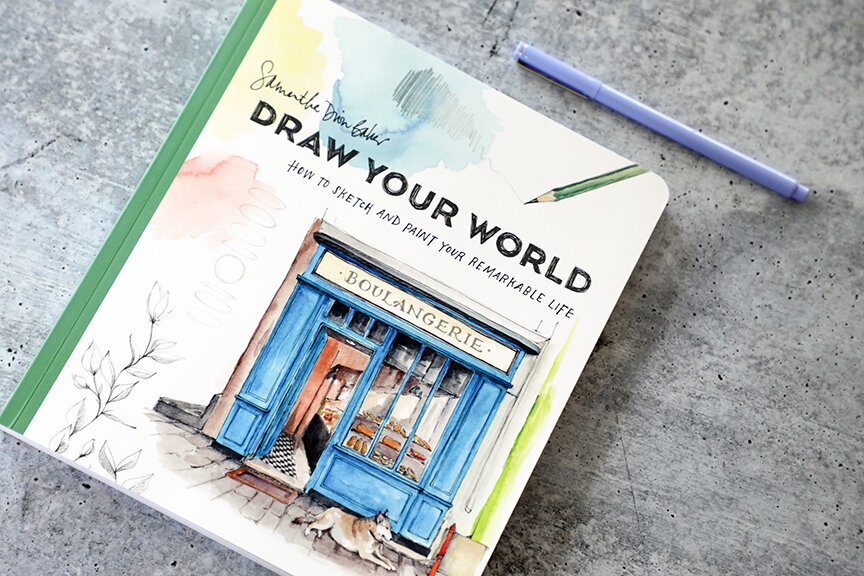
Capturing daily life in a sketchbook—thoughts from Nishant Jain and Samantha Dion Baker
Ancient life-size rock art in Saudi Arabia reveals earliest human presence
I find roundups like this so inspiring when it comes to coffee table book design!
Jamel Shabazz: “My eyes are open, my camera locked and loaded and I’m ready to observe.”
Short takes
Learn about our Write Your Life course, providing memory prompts, writing guidance and a dose of inspiration to anyone who wants to preserve their stories now.