Memories Matter
Featured blog Posts

READ THE LATEST POSTS

Life Story Links: July 15, 2025
Dawn Roode’s curated roundup for the week of July 15, 2025, includes recent stories of interest to personal historians, preservationists, and family history fans.
“Memory is the treasury and guardian of all things.”
—Cicero
Photograph by George W. Ackerman (1884-1962): “Farmer reading his farm paper,” Coryell County, Texas, September 1931. 1998 print from the original negative. Records of the Extension Service. Courtesy Picturing the Century Exhibition, National Archives.
Ways we remember
ON YIZKOR BOOKS
“They would pool their memories, knowledge and financial resources to put together these potluck books.... They were an internal form of monument and memory, keeping a connection to a place they couldn’t go back to.”
WOULD YOU WANT THIS?
“Despite near-consensus that memory has a physical basis, neuroscientists are split on whether we might someday be able to extract memories from a preserved brain or upload them into a computer.”
LETTERS FROM THE PAST
“My parents didn’t think that they would be here 50 years later to retrieve it with us. So it’s pretty special to know that their voices [are] in there that I haven’t heard in a long time.” The ‘world’s largest’ time capsule opened after 50 years.
Presentation matters
SIMPLY TIMELESS
“A book that captures your legacy should be designed with longevity in mind, so it remains engaging and accessible for generations.” Last week I made a case for classic book design.
MULTIMEDIA, GLOBAL STORYTELLING INITIATIVE
“The Last Ones is not a museum. It's not a textbook. It’s a movement—one that meets history where it lives: in the hearts and words of the [Holocaust] survivors who are still here, and in the eyes of the next generation who must carry their memory forward.... The organization has also developed a first-of-its-kind geo-located mobile app. Walk through Warsaw, Paris, or Berlin, and one's phone will light up with the testimony of a survivor who lived on that very street. It's memory, mapped.”
Writing our lives
SHE WROTE THE MEMOIR HER FATHER COULDN’T
“Even in the delirium-addled days before his death, my father continued to urge me to ‘write the book’ about his life.... I understood that he wanted to be honored and remembered, for his life to have had meaning, to leave a lasting trace upon this earth.”
FROM PAGE TO…?
“Rather than destroying them or sealing them up, I think I’d appoint my best friend, Lizzie, to be the arbiter and curator of my journals’ afterlife.” Suleika Jaouad shares her journaling routine.
THE UNEASY WORK OF REMEMBERING
“Remembering and forgetting are not so much actions as forces that everyone must negotiate. One might try to foster conditions for remembrance—take photographs, keep a journal, stash relics—but forgetfulness sets its own obscure terms.”
...and a few more links
Facebook is asking to use Meta AI on photos in your camera roll you haven’t yet shared.
UK-based documentarian aims to preserve priceless memories with Family Legacy Films business.
A nostalgic look back at what it was like waiting for your first roll of film to be developed.
The July 2025 edition of the GAB Gazette from the Birren Center for Autobiographical Studies
Read an excerpt from Frontier: A Memoir and a Ghost Story by Erica Stern.
New Haven launches Memory Lab to help community preserve and digitize family history.
Two fabulous visual aids derived from a roundtable about family history and legacy.
Short takes


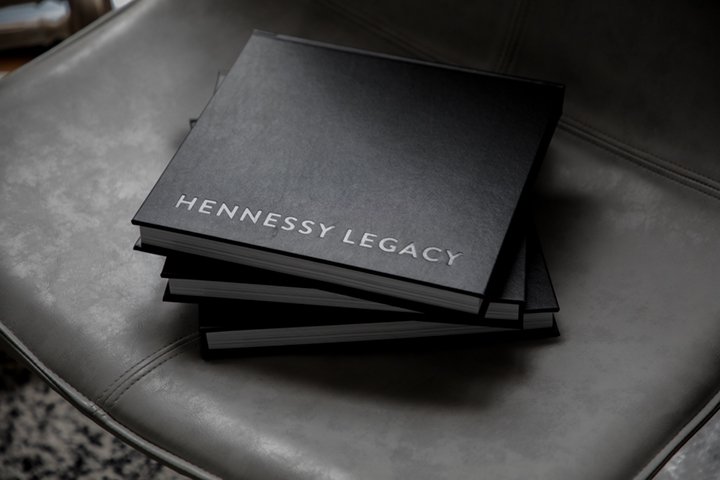
The case for classic design
A book that captures your legacy should be designed with longevity in mind, so it remains engaging and accessible for generations. It should be beautiful, too.
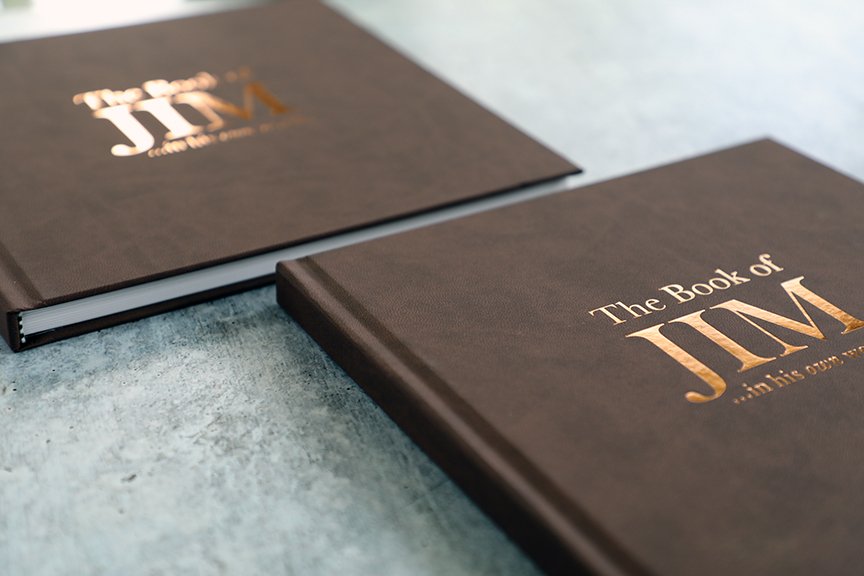
Black leather and a debossed title elevate this book cover from boring to elegant, signaling the timeless page design inside.
I have a pair of Adidas Spezial sneakers that I purchased in the 1980s and still wear today. Adidas debuted the style in 1979, and it’s sold in an array of colorways as part of the Originals line on their website in 2025.
I have an Armani tailored black blazer that I bought in the late 1990s that I still wear today. Its materials and craftsmanship were worth the hundreds of dollars I invested in the piece when I worked at Vogue, and no one would guess it wasn’t brand new now.
My fashion sense has always tended towards fine classics (often embellished with bolder accessories that I can swap out as the times change). “Classic,” in the way I view it, is a synonym for “timeless.”
And “classic, timeless style” is an aesthetic I also apply to the heirloom books I create for my clients.
You won’t find trendy design approaches or typeface choices that broadcast a specific decade (unless that’s befitting the stories within, of course!) at Modern Heirloom Books. Instead, we’ll work together to find a design that feels right to the client and their stories, while also respecting tradition and legibility—so your book feels fresh and of its time, no matter when your descendants are reading it.
Why I opt for classic book design
Have you ever picked up a book and known it was old despite its pristine condition? Your grandparents’ wedding album, perhaps (pillowy white leather with gold italic imprinting, say)? Or a softcover book that’s been sitting on your shelf for decades (Are You There God? It’s Me, Margaret comes to mind for me, with its instantly recognizable cover treatments across different editions)?
Design, like fashion, can date itself. This isn’t necessarily a bad thing—retro aesthetics have their place; but for life story books, I aim for something more enduring. A book that captures your legacy should not feel like a product of a fleeting trend. It should be designed with longevity in mind, so it remains engaging and accessible for future generations.
“Designers choose typefaces by considering the history of type, the combinations of form, the balance between readability and surprise, the content and themes at hand, and the designer’s own desires and interests,” Ellen Lupton explains in Thinking with Type.
The two variables sandwiched in the middle of that sentence are of the utmost importance to me when designing an heirloom book:
Finding “the balance between readability and surprise.”
Serving “the content and themes at hand.”
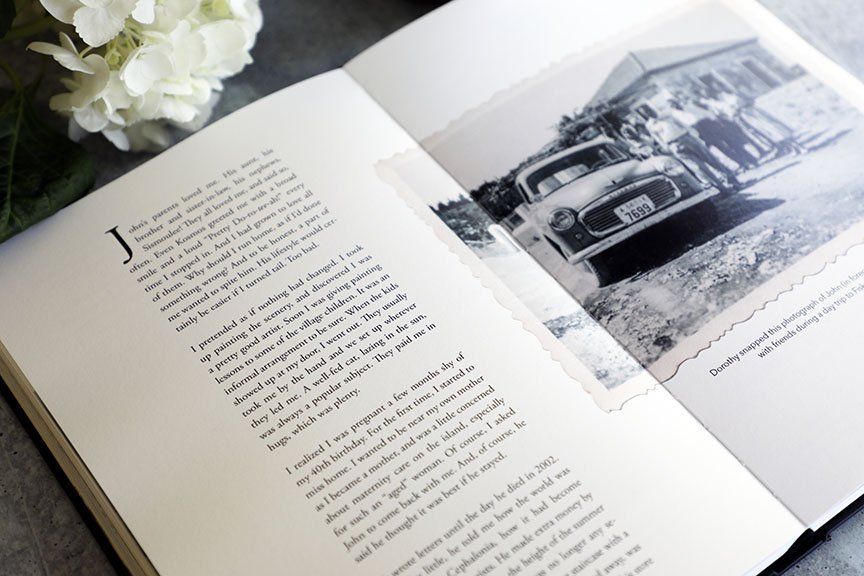
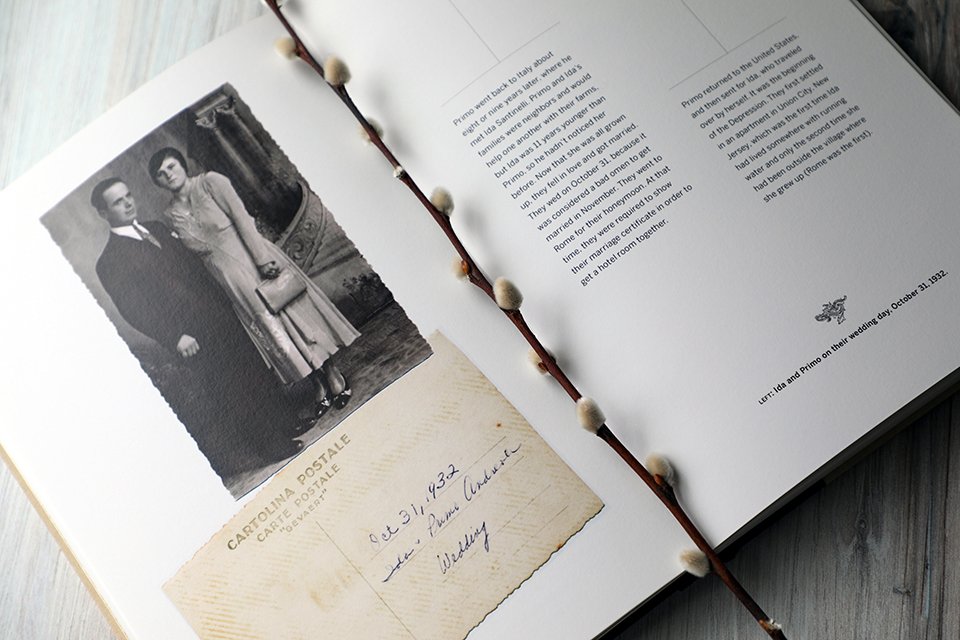
Ample white space gives a life story book breathing room.
The Balance Between Readability and Surprise
Readability should always take precedence in book design, particularly for long-form personal narratives. A typeface that prioritizes elegance over clarity—one with too much flair, too little contrast, or an overly condensed structure—becomes a distraction rather than an enhancement.
This is why many classic books use time-honored typefaces such as Garamond, Baskerville, or Times New Roman. These fonts have endured for centuries because they provide that perfect harmony: sophisticated yet unintrusive, distinctive yet universally readable.
Surprise, however, is where personality comes in. This might be through subtle flourishes—a well-placed drop cap, a unique yet restrained display font for chapter titles, a slightly unexpected but still harmonious color palette. These are touches that make a book feel special without overpowering the narrative itself.
Serving the Content and Themes at Hand
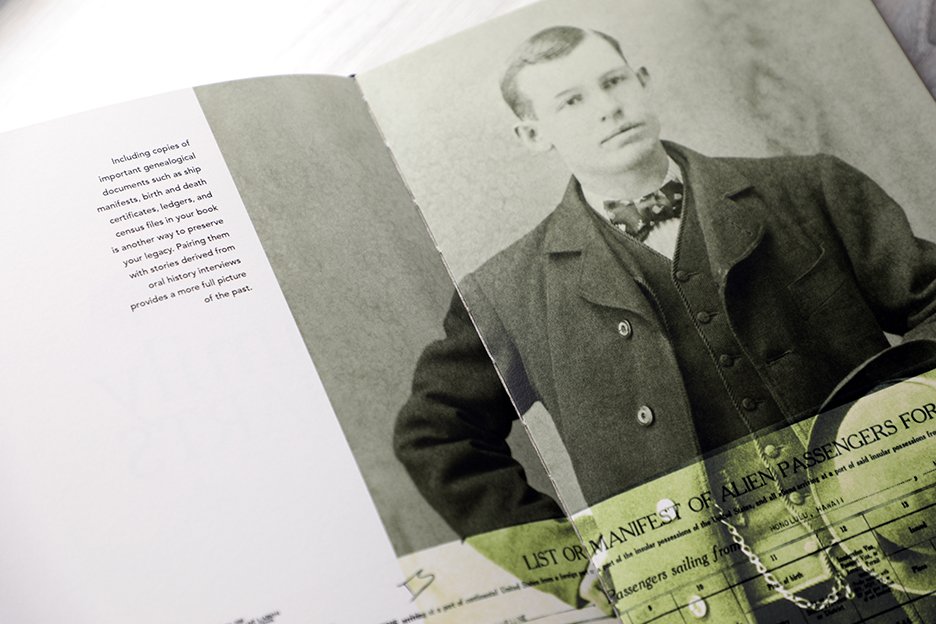
A book about a family’s multigenerational journey deserves a design that reflects continuity. A memoir detailing a life of adventure may benefit from visual storytelling elements like maps or archival-style captions. The key is ensuring that every design choice serves the story rather than pulling attention away from it.
Elements such as generous margins, high-quality paper, and a well-proportioned layout all contribute to a book’s readability and aesthetic longevity. White space, for example, isn’t just about making a page look elegant—it allows the reader’s eyes to rest, giving weight to the words and photographs that matter most.
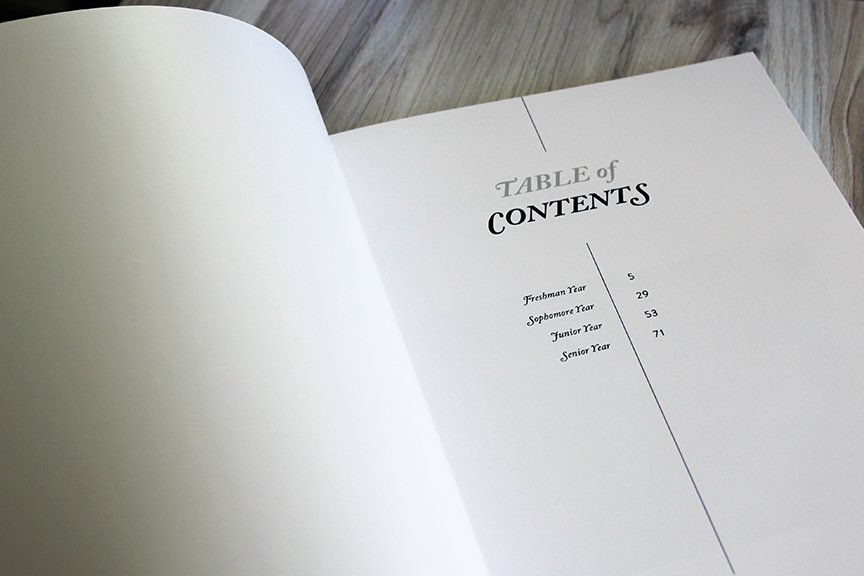
This book of correspondence between a father and his daughter during her time at Georgetown University used Adobe Caslon, the same font in the Georgetown logo, for display type; Caslon was originally designed in 1722, and its modern iterations are still revered for its readability and elegance.
What makes a timeless book design?
There are a few fundamental principles that contribute to classic, enduring book design:
Typography with integrity: Typefaces that have stood the test of time, with an emphasis on readability and subtle beauty.
Thoughtful layouts: Balanced margins, considered line spacing, and harmonious text hierarchy to create an effortless reading experience.
Understated elegance: A design that enhances the story without distracting from it, avoiding overly trendy or gimmicky elements.
Quality materials: A book’s physical form is part of its longevity—fine archival paper, durable binding, and careful printing methods ensure that it lasts as an heirloom.
When you commission a personal history book, you are investing in something that will outlive you—a physical manifestation of your legacy. The stories within are timeless, and the design should reflect that. A well-designed book will not only be read; it will become a treasured heirloom, passed down and revisited for generations.




















Life Story Links: July 1, 2025
Dawn Roode’s curated roundup for the week of July 1, 2025, includes recent stories of interest to personal historians, preservationists, and family history fans.
“I believe something I was told by my grandmother…. She insisted that the best daubes were cooked in her oldest casseroles, because…only a clay pot can keep the memory of the love the cook put into it when preparing the dish.”
—Potter Philippe Beltrando
Vintage postcard depicting a black-and-white photograph of a family walking along a beachfront, early 1900s, from the personal ephemera collection of Dawn Roode.
Writing about our own lives…
THE MESSY MIDDLE
“You start out with excitement and fervor—blank pages are feverishly filled with stories about your life. But what can you do when your memoir momentum wanes?” Last week I shared three simple strategies for pushing through and regaining focus.
DINNER IS SERVED
“So many family stories begin in the kitchen. So many lives are shaped by what is baked, served, talked about, talked over.” Beth Kephart shares some favorite passages and an iterative writing prompt inspired by the family table.
ON FINDING THEIR VOICES
On a panel at the Festival of Literary Diversity, three memoir writers from different walks of life discussed having difficult conversations in a constructive way, and how telling personal stories creates empathy at large.
…and reading about the lives of others
EXPERIMENTAL MEMOIR
The Möbius Book by Catherine Lacey is actually two books: “One is a novella with a hint of murder mystery. Start from the opposite side, flipping upside down...and you’ll find the other: a memoir of breakup and friendship during the pandemic.”
DESIGNING FOR WOMEN’S REAL LIVES
The New York Historical’s installation “Rationing Fashion: Claire McCardell’s Wartime Innovation”—pockets! hoodies!—(through September 14, 2025) coincides with a new biography of the influential designer.
THREE KIDS, THREE PASTS
How incorporating multiple perspectives to explore shared memory can craft a complex family story: The author of Girls with Long Shadows explores shared memories and divergent recollections.
‘AFRAID OF REVEALING MYSELF’
“Much has been written about us, whispered about us, wondered about us. So I’ll just start at the beginning and let the story unfold.” If you hit a paywall for this excerpt from Barry Diller’s new memoir, listen in here as he speaks about why he chose to finally write about his life:
Ensuring our stories are not lost to time
OUR FRAGILE DIGITAL MEMORY
“It is becoming more understood that archives, archiving, and preservation are a choice, a duty, and not something that just happens like the tides.” We’re making more data than ever. What can—and should—we save for future generations?
PRESERVING PERSONAL HISTORIES
“The American LGBTQ+ Museum met with queer elders, there was one concern that was expressed again and again: that their lives—and their stories—would be forgotten”—and the Queer Legacies Project was born.
HER LIFE STORY IS A JOURNEY THROUGH HISTORY
During an interview, this 109-year-old Holocaust survivor described her escape from Vilna during the war; when she was forced to separate from her son “she wrote him a letter and stuffed it in his baby bottle in case she didn’t survive.”
In pictures
MORE PHOTOS ≠ STRONGER MEMORIES
“Our memory is not faithful. It’s tied up with who you are and your story making throughout your life. It’s your autobiography.” Taking thousands of pictures on our phones means never losing a moment—but it’s also complicating how our minds shape our memories.
LONGHAND & LOVELY
I have long been a fan of sketchbook artist Samantha Dion Baker, and in this handwritten post she reveals that her new book, Draw Your Adventures, has a special section all about sharing memories by mail while you travel—I can’t wait!
THE FUTURE OF FAMILY MEMORY
“The extinction of the photo album represents more than nostalgia for outdated technology—it reflects genuine concerns about how technological change affects fundamental human needs for meaning-making, family bonding, and historical continuity.”
Miscellaneous
HOW TO WRITE—AND NOT WRITE—HISTORY
“Philosophers and theorists think, read, talk, and write about ideas. Historians unearth and reconstruct the past. They get their hands dirty going through archives.” On Alasdair MacIntyre’s ideas about objectivity and the writing of history.
A HEALTHY DOSE OF NARRATIVE MEDICINE
“In concept, Airway is like the Moth—ordinary people telling everyday stories—but with all the vérité drama of HBO Max’s scripted E.R. show ‘The Pitt.’”
PEERING BACK
“I have my diaries of that time; I recorded every day of my life during that year of travel. I can go back to them of course, but sometimes I like to test my memory”: a wonderfully thoughtful piece from Rachael Cerrotti on personal history, love, life, the weight of the world, and the importance of play.
BEYOND FOUNDER STORIES
StoryKeep founder Jamie Yuenger was a recent guest on the Talking Billions podcast, delving into why wealthy families need to explore their stories and the idea of legacy as emotional infrastructure—listen in:
...and a few more links
Scientists are working on a new way to shrink photo files so they can be saved inside DNA.
One AI copyright lawsuit: Training AI tools on copyrighted works is deemed “fair use.”
Claire Foy dives into personal history on Who Do You Think You Are?
Thousands of newly digitized images show Oregon life in the 1900s.
New podcast shares British veterans’ stories from Berlin Airlift mission.
Universal Publishing CEO Jody Gerson joins board of Ancestry.
Heritage project preserves personal histories of Irish women.
Short takes

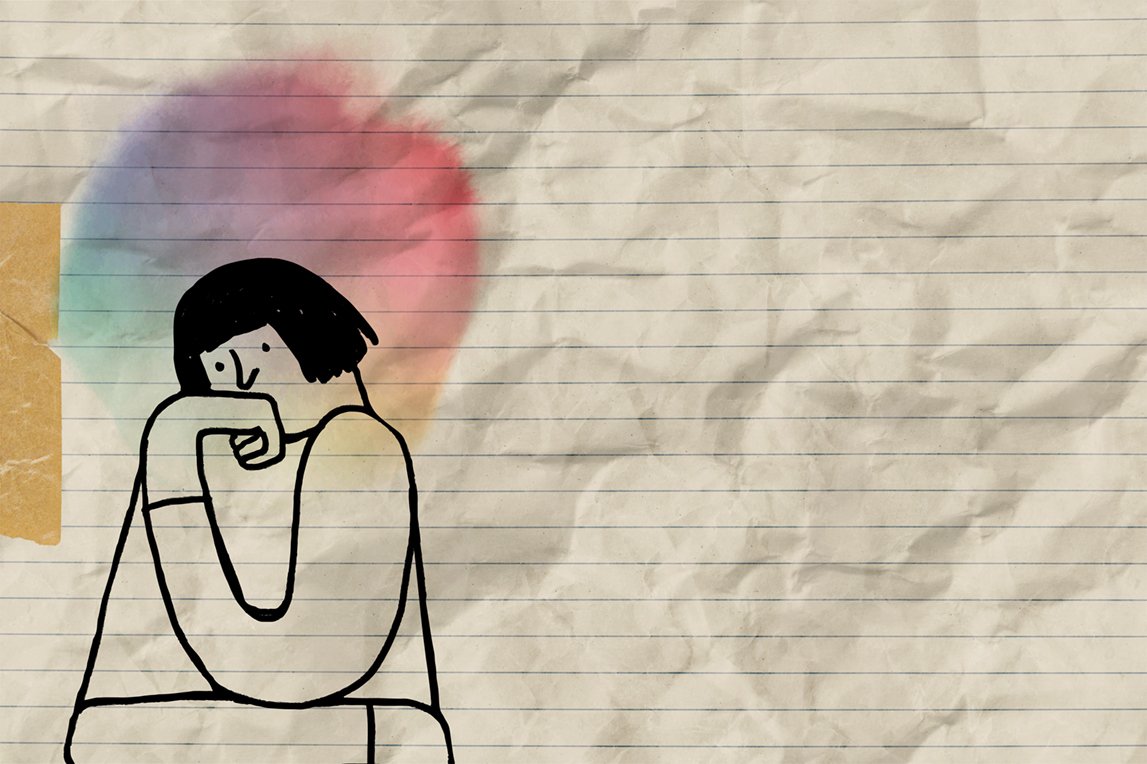
“The messy middle”: Pushing through the toughest part of memoir writing
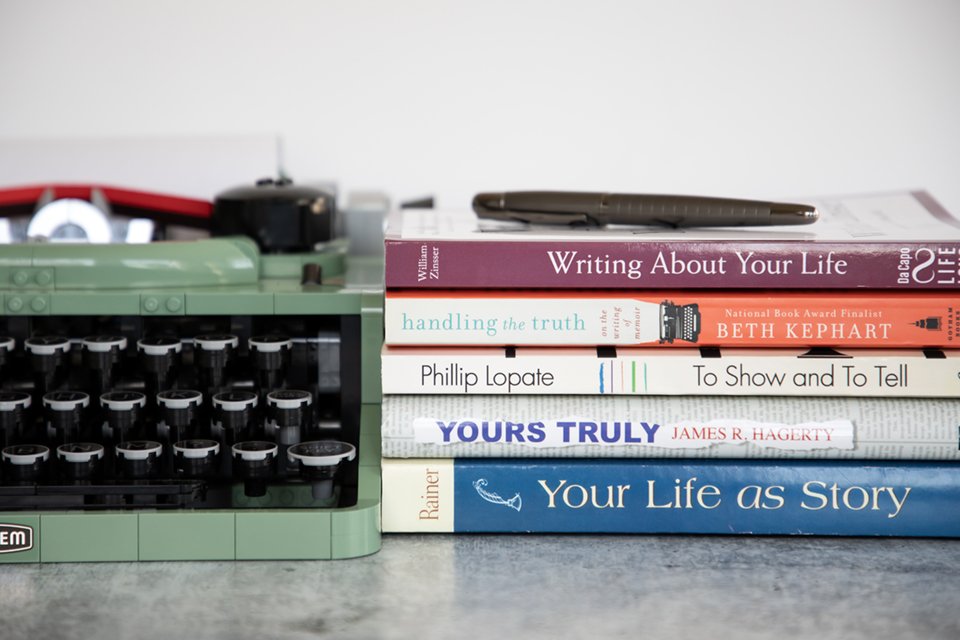
You start out with excitement and fervor—blank pages are feverishly filled with stories about your life. But what can you do when your memoir momentum wanes?
“The page is indifferent to us—no, worse. The page turns from us like a wounded lover. We will have to win it over, coax it out of hiding. Promise to do better next time. Apologize for our disregard. And then, we settle into the pattern that we know. Three pages. Two hours. A thousand words. We have wandered and now we are back.”
—Dani Shapiro, Still Writing
Every memoir begins with passion. You start off energized, eager to tell the story that’s been living inside you for so long. Words flow effortlessly as you sketch out the opening scenes, capture vivid memories, and feel your project beginning to take shape.
And then—somewhere in the middle—the energy fades. The structure starts feeling unwieldy, doubt creeps in, and the momentum you once had seems like a distant memory. The excitement that fueled your early writing sessions is replaced by a gnawing sense of obligation, or worse, dread (the prospect of writer’s block is dreadful, to be sure).
If you’ve found yourself in this “messy middle,” you’re not alone. Nearly every memoirist hits a point where pushing forward feels overwhelming. But the good news? There are ways to get past it. Here are three strategies to help you regain focus and finish what you started.
Go back to your original “why.”
When you began this project, something deep inside compelled you to start. Maybe you wanted to preserve family history, honor a loved one, or make sense of your own past. Whatever it was, reconnect with that original spark.
Go back to your early notes or journal entries. Re-read passages where your enthusiasm was strong. Remind yourself why this story matters—not just to you, but to the people who will one day read it. Your “why” is what will carry you through the hard parts.Find an Accountability Partner.
Writing is solitary work, but finishing a book doesn’t have to be. If your motivation is waning, find an accountability partner—someone who will check in on your progress, encourage you, and keep you from abandoning your project.
This could be a fellow writer, a trusted friend, or even a writing group. Set clear goals together, whether it’s a weekly word count or a deadline for finishing a section. You might even want to read just a sentence or two to a family member to get their take (and find some respite in connecting). Just knowing that someone else is expecting you to show up can be the push you need to keep going.Accept Imperfection and Keep Moving.
Perfectionism is one of the biggest culprits behind stalled writing projects. You might feel like your structure isn’t working, or your writing isn’t good enough, or that you need to go back and fix everything before moving forward. But getting stuck in endless revisions is a surefire way to stay stuck in the middle.
Instead, give yourself permission to write poorly. Drafts are meant to be messy. The important thing is to keep moving forward. Every single word brings you closer to the finish line.
Don’t be discouraged by this inevitable “messy middle”—embrace it, and push through. As memoirist Dani Shapiro says in the opening quote to this piece, you have wandered…but WILL find your way back.
















Life Story Links: June 17, 2025
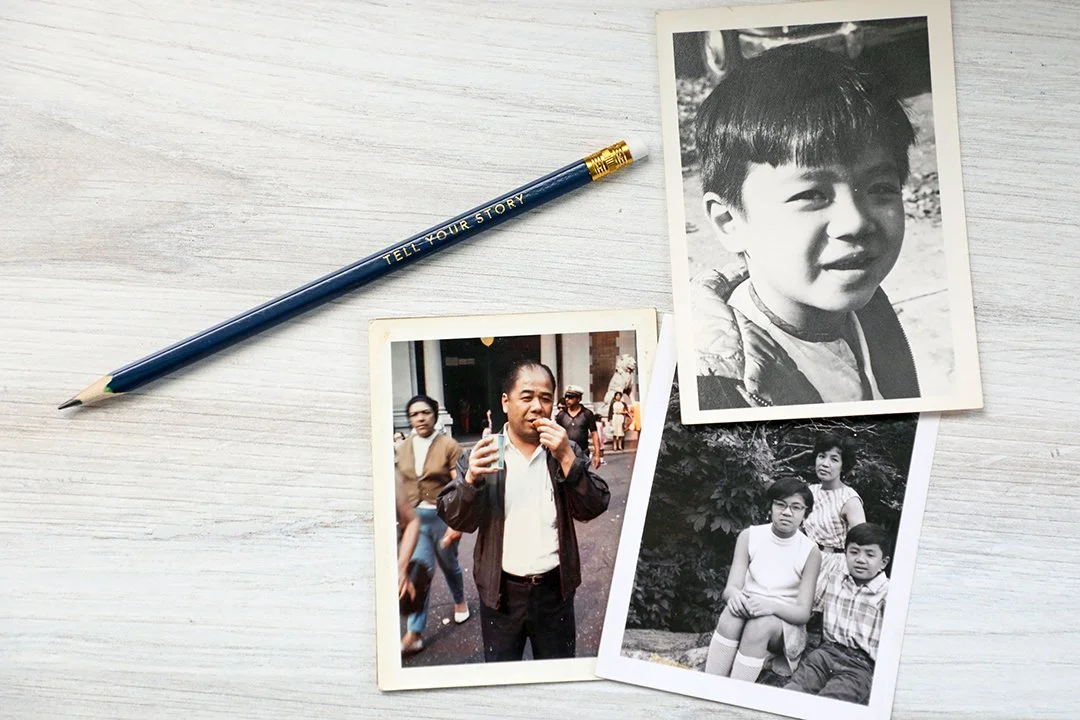
Dawn Roode’s curated roundup for the week of June 7, 2025, includes recent stories of interest to personal historians, preservationists, and family history fans.
“People who make an effort to listen—and respond in ways that support rather than shift the conversation—end up collecting stories the way other people might collect stamps, shells, or coins.”
—Kate Murphy, You’re Not Listening
Vintage postcard depicting the New York World’s Fair of 1939 as seen from the Empire State Building in New York City, from the personal ephemera collection of Dawn Roode.
Memories made tangible
TO KEEP OR NOT TO KEEP?
“Both of our parents had died earlier that year, within weeks of each other.... It felt that every object we picked up was imbued with a memory of them, and we struggled to sort them into our neatly labeled boxes.”
FAMILY HEIRLOOMS, DOCUMENTED
Whether you have centuries’ worth of expensive heirlooms handed down through generations or a few sentimental objects from a single ancestor, you should consider photographing your heirlooms to preserve their stories and provenance.
EARLY AMERICAN PHOTOGRAPHY
“The collection is just filled with the everyday stories of people,” Rosenheim tells the Guardian. “I don’t think painting can touch that.” The New Art: American Photography, 1839-1910 is on view at the Metropolitan Museum of Art in New York City through July 20, 2025.
HERITAGE, HISTORY, AND MILESTONES
A “culture and heritage venue” called The Story in Durham, a county in North East England, celebrates one year of being “the gateway to County Durham’s past” as well as “its important role in our present and future too.”
Reading—and writing—our life stories
MAGIC OF MEMOIR
“Memoir invites us into that subtle listening to what our soul wants to explore.” Linda Joy Myers on the transformative power of writing to “the end.”
OH NO!
An egregious typo on the spine of Jeff Hiller’s new memoir, Actress of a Certain Age, inspired this piece with tips from a book editor on ensuring the same thing never happens to you.
AGAINST ERASURE
“I’ve been making room for all the stories that were thrown to the bottom of the ocean, made to drown. Bit by bit I’ve been bringing them to the shore, drying them off, and sharing with those around me the great tale of my great-great-grandfather, Jefferson Lewis Edmonds.”
A MEMOIR BY GEOFF DYER
“Homework records the kinds of memories we all have—first sip of beer, first fight, first sexual encounter—but also the vividly remembered oddities, like the summer afternoon when the children in Dyer’s neighborhood played on the street with a beach ball until it popped. The important fades so quickly and the trivial turns out to be unforgettable” …maybe with too much detail?
SHAPING HIS VOICE
In a recent conversation, Jonathan Capehart spoke candidly about the emotional labor of telling his own story and what it means to show up, unapologetically, in a world that hasn’t always made space for him.
HARD-TO-TALK-ABOUT SUBJECTS
What kinds of questions should you not ask in an interview? What are the reasons to set a timer mid-interview? When should you leave a sensitive topic alone, and when should you press for more? Utah–based personal historian Rhonda Lauritzen shares tips in this recent podcast episode:
TAKING INSPIRATION FROM MEMOIRS
“Memoirs are a good reminder that people have countless interesting stories to tell about their lives," Bill Gates wrote as he introduced his summer reading list for 2025, which is all about memoirs.
...and a few more links
How to plan for what happens to your digital legacy when you die
How to write an obituary that captures the essence of a once-lived life.
Yiyun Li’s unsparing memoir of life after two sons’ suicides
IQ121 app launches to manage and safely store essential life documents and digital assets.
A new video game is inspired by photo albums and scrapbooking.
The first known photograph took at least eight hours to capture.
Finding creative freedom in the fusion of fiction and biography
Short takes

How to photograph your family heirlooms like a pro
Cataloguing your family heirlooms in a book is a great way to pass down their stories. Here are some tips for capturing incredible images of them, too.
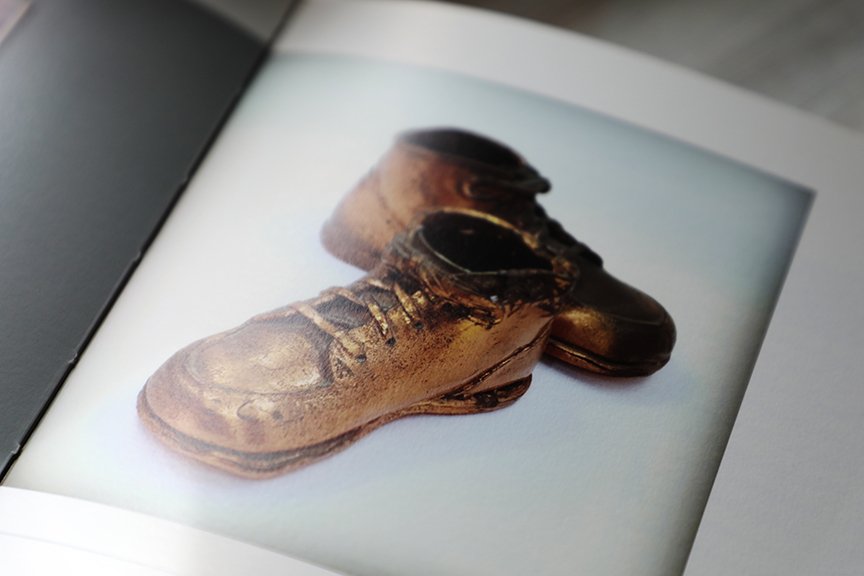
Heirlooms can be unexpected—such as the gorgeous glass doorknobs shown here: “I was born into the bedroom with the glass doorknob and I didn’t leave it until I got married at age 23,” the subject remembers; she uses the object as a jumping-off point for stories from her life in that home (she even took the doorknob with her when the house was sold—a true heirloom). This is an example of a family heirloom photograph that has been styled and arranged in an environment, used as part of a broad family history book.
Whether you have centuries’ worth of expensive heirlooms handed down through generations or a few sentimental objects from a single ancestor, you should consider photographing your heirlooms to preserve their stories and provenance.
An heirloom’s preciousness does not derive from its financial worth, but from its meaning to you. Some of my most treasured heirlooms are valuable only to me—a crocheted blanket my mom made for me, a few shells I gathered on beaches during travels with my grandmother, and a wooden spoon that they both used that I now cook with daily. And yes, I consider each of those worthy of photographing—because they hold stories and love that I want to pass on.
Styling and photographing heirlooms can be as simple or as sophisticated as you’d like, depending upon your skill set and needs. Here are some guiding questions and helpful resources to empower you to photograph your heirlooms like a pro.
Decisions that will guide your heirloom photo shoot
What heirlooms do you want to photograph?
Knowing how many and what types of objects you want to photograph is a necessary first step. Make a list of the objects (some to consider: jewelry, letters, portraits, works of art, family Bibles, furniture, kitchen gear, instruments, clothing, china, military medals or uniforms, firearms, collectibles). Which do you want to photograph?
How will you be using the photos?
The two main ways I utilize images of family heirlooms in my books are
in a straightforward family history catalog, where the heirlooms are the main point of the book; or
in a broad family history book with a narrative focus, where the heirlooms are just one way of revealing a family’s stories.
For a straightforward heirloom catalog, the images need to clearly identify each object, perhaps show them from different angles, and hone in on relevant details. To achieve this:
Photograph each heirloom on the same backdrop. Using a large white foam board, available at any craft store, is an easy, clean option.
Maintain consistent lighting—either natural light from a window (in which case I recommend you schedule your shoots at the same time each day to ensure steady shadows) or artificial lighting (such as from studio lights, a camera flash, or directional light from a lamp). Strive to make each image look like they belong together in the same catalog.
Consider including a ruler or tape measure in some shots to clearly depict an object’s size.

I photographed this hand-turned plate, made by my client’s father, on a clean white background and from various angles, because it was being used in a catalog of family heirlooms. The lack of styling yields not only a timeless image, but a straightforward record of what the objects look like.
For images that will be included within a larger narrative book, you have many more options (and therefore, more choices—and more challenges). Consider:
What is the tone of your book? The design aesthetic? You will want to photograph the objects in a way that complements these.
In what context will the images be shown? This will influence how you style and shoot your heirlooms.
For example, in a recent book telling the story of a Jewish man who fought in the Red Army during World War II, I shot the subject’s military medals on clean white backgrounds, but in a stylized way—at an angle, with strong shadows, so when placed in the page layout they appear to be sitting on the book’s pages; I wanted the awards to stand on their own, visual reminders of the subject’s valor.
For another client, whose book encompassed generations’ worth of family history, I shot various heirlooms in styled settings that fit into the warmer, nostalgic tone of the book—an inherited cast-iron pan was styled with other items in their kitchen during a cooking session, capturing not only the textures of the heirloom, but its familiar use with a passed-down recipe; while a stack of letters that an ancestor had saved was tied beautifully with twine and styled with a handkerchief, floral stems, and one letter open for reading, an invitation into their intimacy.

This styled heirloom photo uses candles and flowers to add dimension and texture, natural lighting for soft shadows, and a simple wooden surface as a warm yet simple backdrop.
Where are the heirlooms?
Logistics can play a major role in how you photograph your family heirlooms. If you are the keeper of them all, then life is easy—skip this question! However, if your heirlooms are divided among various family members, or tucked away in a storage facility or bank vault, you will need a plan of attack.
Can you arrange to have all the heirlooms brought to a central location for one or two days of shooting?
If not, can you enlist the help of a family member at each location to make tackling multi-location shoots easier? Or ‘assign’ photo shoots to a different individual at each location?
How will you achieve consistent lighting across various locations (or change up your visual approach based on location)?
Have you thought of everyplace your heirlooms might be? Consider the homes of other family members; storage facilities, bank vaults or lock boxes; your own attic, basement, shed, closets;
Bonus: heirloom photography resources and ideas
Some easy heirloom image ideas:
Shoot a framed photograph in its environment, instead of scanning the image itself.
Shoot an everyday heirloom (one you use often, such as your grandma’s wooden spoon or your great-uncle’s woodworking plane) while you are using it—your hands and the surroundings will bring life to the object.
Have a collection of items such as baseball cards? Choose one or two representative items to make the center of your photo’s focus, but scatter many of the others around—you don’t need to see every item in a collection to understand its vastness or its value.
Shoot engagement rings on the hands of the wearer or in an elegant velvet ring box.
A few keys to getting great shots:
Remember, the subject is the focal point of the image—any props or backdrops you include should add texture and visual interest, but not distract from the main subject.
The angle you choose to shoot from will impact how the heirloom is seen. I recommend always shooting from a few angles—you might be surprised by which one resonates in the end.
Keep the trim size of the book in mind when shooting your heirlooms, as this may influence the orientation of your photographs.
Go for dimension and layering, but not a cluttered feel, when arranging props and heirlooms for your shoot. A simple dishcloth or ribbon, when styled beautifully, might be enough.
Reflective items such as mirrors and glass can be more difficult to shoot. Search YouTube for a tutorial on how to approach these objects.
“A ‘narrative’ is a little story or subtext that gives the shot its purpose,” prop stylist Robin Zachary writes in her beautiful book, Styling Beyond Instagram. “By combining any given theme and narrative, you can create endless options to give purpose and meaning to your images.” Be creative!
A few of my favorite (affordable) styling resources:
Related reading:
For tips on how to learn more about your family heirlooms, check out this piece in Family Tree Magazine.
For more ideas about preserving the stories behind your family heirlooms, explore the posts below:



Life Story Links: June 3, 2025
Dawn Roode’s curated roundup for the week of June 2, 2025, includes recent stories of interest to personal historians, preservationists, and family history fans.
“You are the landlord of your own soul. Let the words, the memories, the imaginings pour white-hot onto the page. You can decide later what they are, what they might become, and when it is time to show them to someone else.”
—Pat Schneider, Writing Alone and with Others
Vintage postcard depicting a black-and-white photograph of children on the shore at an Asbury, Park, New Jersey, beach, postmarked 1933, from the personal ephemera collection of Dawn Roode.
Writing comes and goes
‘THE SILENCE KEEPS ITS COUNSEL’
“I’d hoped I could find words, or they would find me, to share my thoughts about life, memories, and spirit during this period of mourning after my son’s death,” Linda Joy Myers writes. “I discovered I couldn’t rush anything. I sat with no words longer than I ever have in my life, and now they are returning.”
WHEN STORIES SURFACE
“Some moments in life are so powerful, they don’t just mark time—they open a doorway to our memories and to how to live more fully in the present.” Sacred Stories’ Whitney Myers on the power of life transitions to invite reflection.
GOALS: WRITE EVERY DAY
“Every time I showed up to write, there was always something to say if I listened for it. The problem was that I ‘thought’ before I acted, and felt ‘fear’ before the freedom that came in trying.”
The stories of our lives
CREATING A FAMILY ORAL HISTORY
“As a new mother herself, [Nicole Wong] realized she’d become ‘the person who holds the information now’—and that time was of the essence to capture it from her parents.” The author’s quest to learn Mahjong from her parents’ generation turned into a deep exploration of family history—and here, her experience is used as a jumping-off point for valuable guidance on interviewing your family members like an oral historian.
PRESERVE YOUR FAMILY HISTORY LIKE AN ARCHIVIST
“You never know what will have value in 50 years, or what will help be evidence to fill in pieces of a puzzle later on.” KQED spoke to experts on how to best preserve family documents, digitize records, and how best to connect with organizations who may be interested in your personal archives.
REMEMBERING THE FALLEN, ANY TIME
Memorial Day may be passed, but I hope you’ll be inspired by these three ways to honor the legacy of someone who died in service, whether or not you have a family member who served and died for their country.
Miscellany
FRIEND—AND BIOGRAPHER
“In composing his biography, the wonderfully titled Peace Is a Shy Thing, Vernon appears to have tracked down most every individual who crossed paths with [Tim] O’Brien and had an interesting anecdote to tell.”
USING TECH TO STAY CONNECTED
Discover when and how to use digital tools with someone who has dementia, what types of tech can stimulate storytelling and memory, how to record and preserve family history and legacy, and more in the following conversation:
...and a few more links
“Memoir, memory, truth, and fiction mix it up in the ‘Taj Mahal’”
Palliative and hospice care experts about what they’ve learned from their patients.
planning ahead for the large digital legacy you will leave behind
MyHeritage and ScanCafe partner to digitize and preserve family memories.
As Google Photos turns 10, it now hosts more than 9 trillion photos and videos…
…plus, 10 ways (some new) to celebrate a decade of memories through the app.
Short takes
3 ways to honor the legacy of a family member on Memorial Day
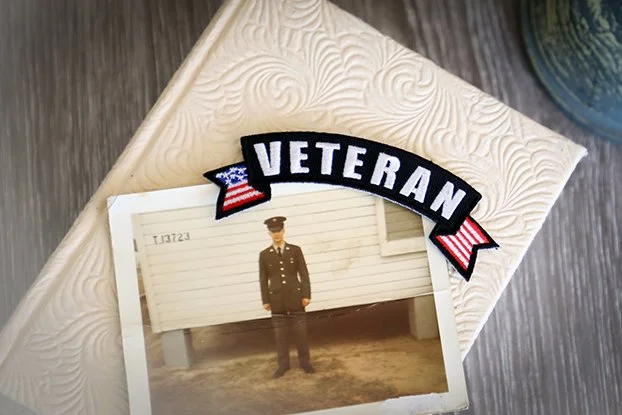
The holiday’s meaning often gets lost amidst long weekends and cookouts, but we’ve got easy ways to remember loved ones who died in service.
Memorial Day has come to be seen as the unofficial start to summer in the United States, ushering in warmer weather (if not the actual summer season). Its meaning is often lost amidst long weekends and cookouts, but let us not forget, it is a day on which those who died in active military service are honored.
Here are three ways to honor the legacy of someone who died in service, whether or not you have a family member who served and died for their country.
Intentionally remember your family member who died in service.
Set aside time to actively remember your loved one. This could mean looking through old photographs, reading letters they wrote, or sharing their story with your family. If they are buried in a military cemetery, consider visiting their grave to leave flowers or a flag. You might also take a moment of silence or raise a toast in their honor during a family gathering. Small acts of remembrance help keep their legacy alive.
Invite stories from other veterans in your family or community.
While it may be outside your comfort zone to interact with people you’ve never met, Memorial Day presents a unique opportunity to talk with living veterans in your community. Libraries and senior centers often have intergenerational conversation groups, or consider a senior who is loosely in your circle who you’d like to know more about (the grandparent of one of your kid’s friends, for example, or a shopkeeper who you know casually). Ask them to share memories of any of their fallen comrades, or simply listen to their own experiences. Record these conversations—whether in writing, audio, or video—to preserve their stories. If they are comfortable, consider submitting them to a veterans' history project or helping them create a family archive. These firsthand accounts add richness to history and ensure that the sacrifices made are never forgotten—and moreover, they shine a light on a single individual and create sacred space for them to share stories from their life..
Visit a local cemetery and photograph headstones for the Find-a-Grave website.
One way to contribute to the collective act of remembrance is by helping document gravesites for historical and genealogical records. The Find-a-Grave website allows users to upload photos and information about burial sites, ensuring that the names and legacies of fallen service members remain accessible to future generations. If you visit a cemetery on Memorial Day, take a few extra moments to snap photos of military headstones and upload them to the site. This simple act of digital preservation can be incredibly meaningful for families searching for information about their ancestors.
Honoring a family member who died in service doesn’t have to be limited to Memorial Day, but this holiday serves as an important reminder to pause and reflect. Whether through personal remembrance, community storytelling, or historical preservation, you can help honor a loved one’s legacy in a way that feels meaningful to you.